 Skip to content

JAVA
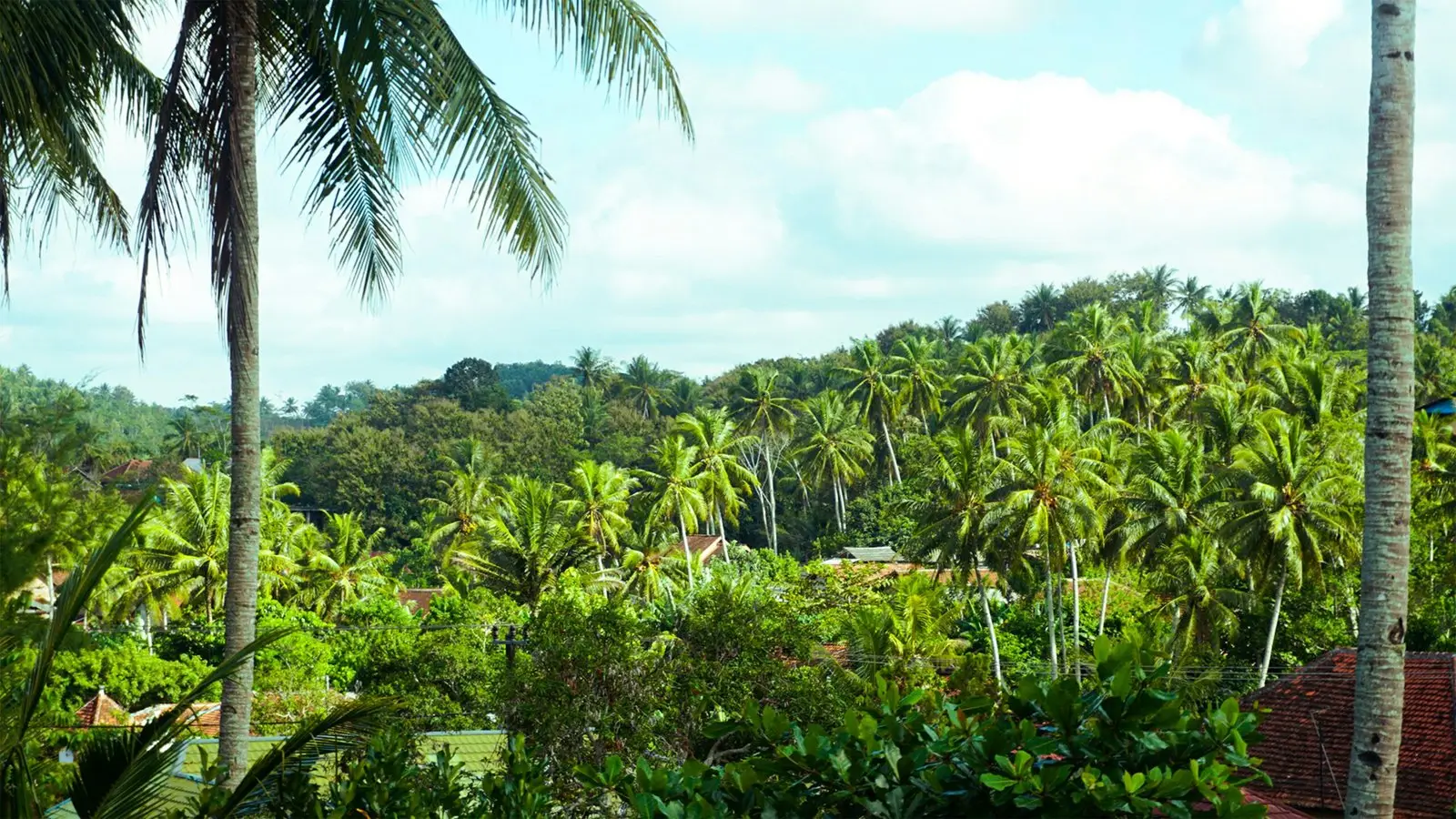
Beyond Yogyakarta’s crowded temples, Java reveals ancient rhythms in the quiet months. Think misty volcanoes without the queues, Borobudur at sunrise with space to breathe, and train rides through emerald landscapes. This guide unlocks authentic Java.
Smart Travel Calendar
Shoulder Season
Your Smartest Windows
April (rains ending, landscapes lush, crowds haven’t arrived)
September (dry but quieter, schools back, perfect volcano conditions)
October (first half – still good weather, prices dropping)
Avoid: mid-December to early January (Christmas & New Year domestic travel surge) & Easter Week (European and Australian school breaks)
What the Sky Does
April: 27–31°C (81–88°F) – end of wet season, morning sun, brief afternoon showers, explosively green
September: 25–30°C (77–86°F) – dry season tail end, low humidity, clear mountain views
October: 26–31°C (79–88°F) – early month still dry, late month transitional showers
Cooler evenings in Dieng Plateau and Mount Bromo area (bring a jacket)
Sea of sand at Bromo is at its most photogenic – crisp air, minimal haze
How Empty It Feels
40-50% fewer tourists vs July-August peak season
Borobudur and Prambanan: queues drop to 10-15 minutes, sunrise tours feel intimate
Mount Bromo: sunrise viewing platforms have elbow room, jeep queues disappear
Yogyakarta’s Malioboro Street: walkable, not a shuffle
Train tickets Jakarta-Yogyakarta: bookable 1 week ahead, not 2 months
What You’ll Save
Flights (domestic and international): 25-35% off peak rates
Hotels in Yogyakarta and Malang: 30-50% lower
Private driver for temple tours: $30-40/day instead of $55-65
Bromo sunrise jeep tours: negotiate 20% down
Batik workshops and cooking classes: often 2-for-1 deals available
The Secret Perk
Waisak (Vesak Day) – May or June: monks release lanterns at Borobudur, pure magic
Rice terraces at peak green – April’s last rains make Central Java’s paddies look like velvet
Mountain fruit season – durian, mangosteen, and salak at roadside stalls for pennies
Volcano photography – September’s clear skies mean dramatic, haze-free shots of Bromo and Ijen
Local guides have time for stories, not rushed schedules – you’ll learn about Javanese philosophy, not just shutter speeds
The Tiny Trade-Off
Some remote waterfall paths (like Tumpak Sewu) can be slippery in April – hire a local guide
Occasional afternoon shower in April – pack a light poncho, plan mornings for outdoor activities
Ijen Crater’s blue flame is still visible, but trails may be muddier than peak dry season
Early October can still feel humid in Jakarta and coastal areas
Smart Traveler Tip
September is Java’s hidden gem – weather equals July/August, crowds are half, prices are lower
Book Borobudur sunrise tickets online 2-3 days ahead even in shoulder season (still popular)
Use Java’s excellent train network for scenic travel – Jakarta to Yogyakarta route offers lush countryside views
For the sweetest balance: last week of September or first week of October
Deep Off-Season
Your Smartest Windows
January – March (except Chinese New Year week)
November – early December (before Christmas rush)
Avoid: Chinese New Year (January/February – hotel prices spike in Chinatown areas like Glodok, Jakarta) & Easter Week (domestic holiday travel surge)
What the Sky Does
26–30°C (79–86°F) – it’s tropical, never cold, just wet
High humidity (75-85%) with dramatic, short afternoon thundershowers
Mornings are often sunny until 1-3pm – plan outdoor activities early
Regional variation: East Java (Bromo, Ijen, Malang) gets significantly less rain than West Java (Jakarta, Bogor, Bandung)
Dieng Plateau and Mount Bromo area are cooler – temperatures can drop to 10-15°C (50-59°F) at night
How Empty It Feels
60-75% fewer tourists vs July-August peak – Java feels Javanese again
Borobudur and Prambanan: you’ll share them with dozens, not thousands – meditative, not chaotic
Museum Sono-Budoyo (Yogyakarta): wayang puppet collection feels private
Kraton (Sultan’s Palace): court musicians may play just for your small group
Small villages like Kaliurang (on Merapi’s slope) or Dieng Plateau are blissfully silent
Waterfalls like Madakaripura or Tumpak Sewu are thunderous and uncrowded
What You’ll Save
50-65% savings on hotels vs July-August
Flights: lowest prices of the year – Jakarta to Yogyakarta for $25-35 one-way
Four-star hotel in Yogyakarta: $30-45/night instead of $70-100
Private train (executive class): book day-of, always seats available
Bromo or Ijen tours: negotiate 30-40% below high-season rates
Batik shopping: hotel boutiques discount 20-30%, street markets haggle easier
The Secret Perk
Java Jazz Festival (March) – one of Asia’s biggest music events in Jakarta
Imlek (Chinese New Year, Jan/Feb) – Glodok’s Chinatown explodes with lion dances and lanterns
Waterfalls at full roar – Tumpak Sewu, Madakaripura, and Curug Cilember are absolutely thundering
Coffee plantations at their greenest – beans ripen, roasters are less busy (ask for a tour)
Temple mist photography – rainy season mornings shroud Borobudur in atmospheric fog
Genuine village ceremony invitations – locals have bandwidth to welcome you properly
Dieng Plateau’s colored lakes – Telaga Warna shifts hues under moody skies
The Tiny Trade-Off
Some remote homestays near Ijen Crater close for low season maintenance
Nightlife in Yogyakarta’s Prawirotaman district is very quiet
A few restaurants in tourist areas reduce hours or close entirely
Bromo’s sunrise can be hidden by clouds – flexibility required, but when it clears, unforgettable
Some roads to rural waterfalls may be muddy – 4×4 recommended or hire local ojek (motorcycle taxi)
Daylight is consistent year-round (12 hours), but photo light can be flat on overcast days
Smart Traveler Tip
January is quietest nationwide – perfect for temple deep-dives and batik workshops
February wettest but cheapest – great for spa retreats, museum hopping, and reading on a porch
November is the sweet spot of off-season – post-dry, pre-rain peak, least disruption
Pack: rain jacket, dry bag, waterproof phone case, sturdy sandals, and a warm layer for mountains
Best region for dry-ish conditions during Jan-Mar: East Java (Bromo, Ijen, Malang, Surabaya) – rain shadow effect
Use early mornings for all outdoor activities – rain usually hits after 2pm
Download Gojek or Grab apps – essential for Jakarta and Yogyakarta transport in rain
Train travel beats roads during wet season – smooth, scenic, punctual
Find Off-Peak Flights
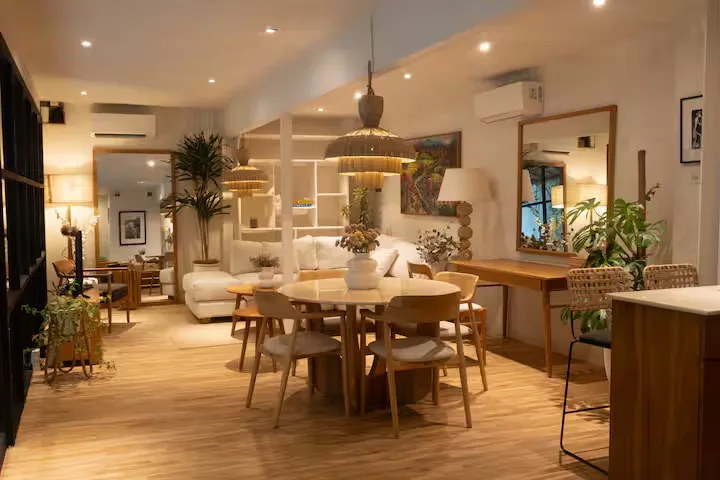
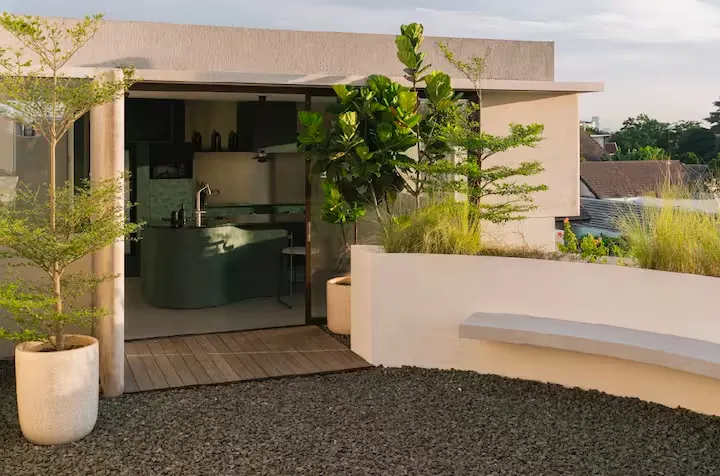
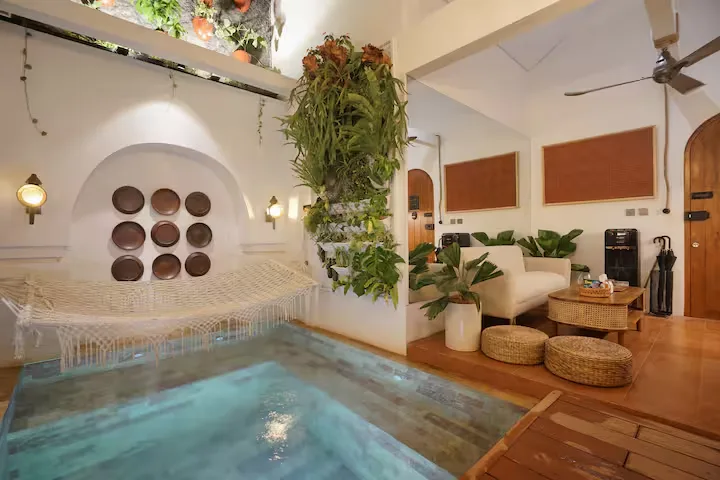
Top Off‑Season Stays
Find below our curated selection of boutique hotels and design apartments that offer exceptional value, atmosphere, and comfort during the off‑season — often at significantly lower rates than peak months.

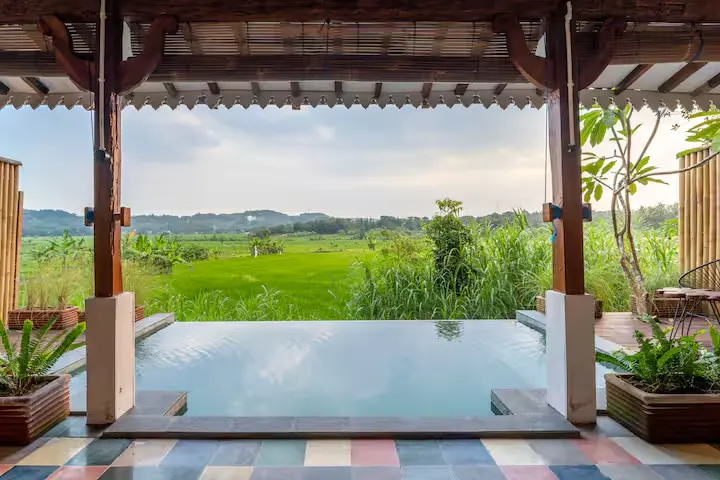
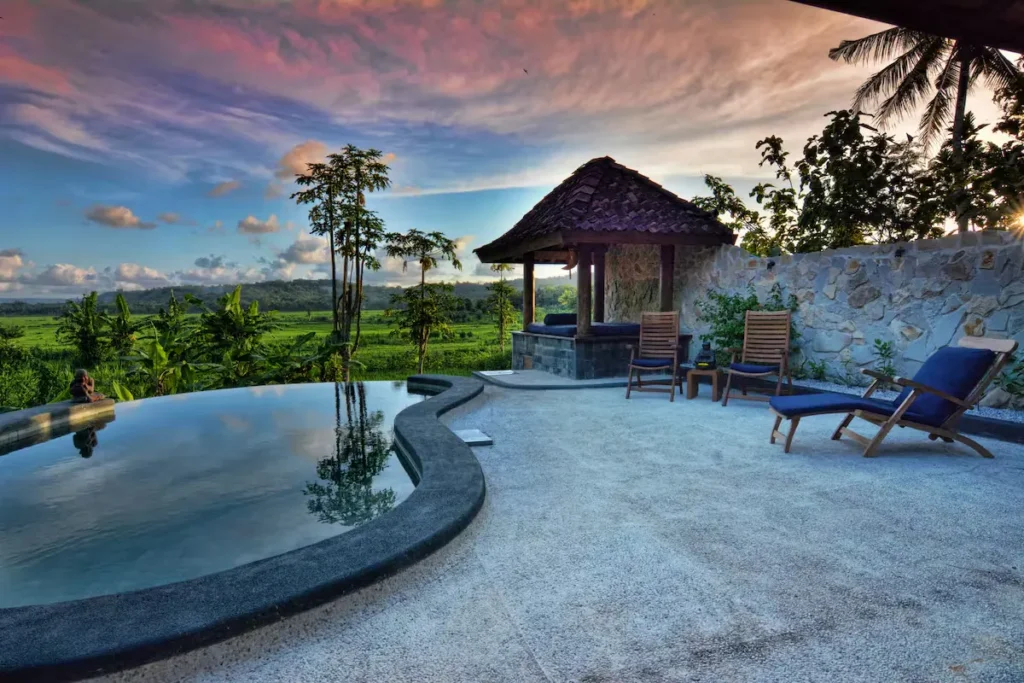
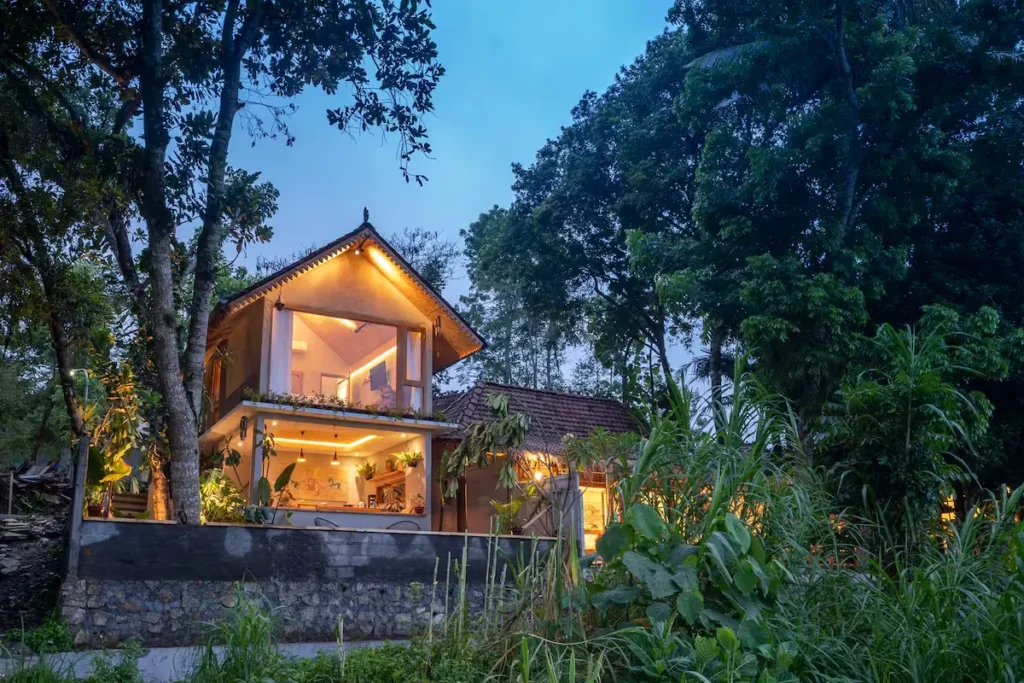

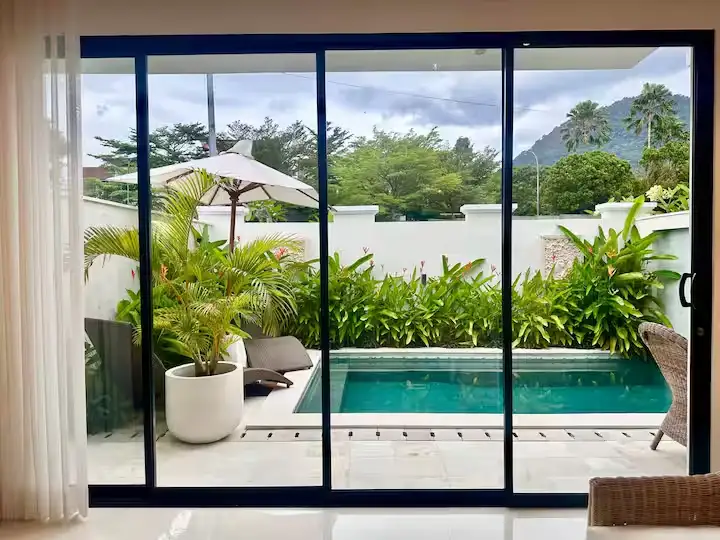
Uncrowded Experiences & Tours
Skip the lines and experience iconic landmarks at your own pace. Discover curated local tours and cultural activities designed to show you the authentic side of the destination without the peak-season rush.
Handy Tips
Weather & Climate
Java has a tropical monsoon climate. Temperatures are consistently high year-round (around 26ºC to 32ºC), with high humidity. The main distinction is between the dry season (June–October) and the wet season (November–March).
Local Customs And Etiquette
Language: The official language is Indonesian (Bahasa Indonesia), but the majority of people in Java also speak Javanese or Sundanese. Learning a few basic Indonesian phrases is greatly appreciated.
Attire: As Indonesia is a Muslim-majority country, dress modestly when visiting non-tourist areas, mosques, or government buildings. Shoulders and knees should be covered.
Greetings: Always use your right hand when giving, receiving, or shaking hands, as the left hand is considered unclean.
Budgeting For Your Trip
Accommodation: Hostels ($7–$15), mid-range hotels ($25–$50), luxury ($80+). Prices are highest in Jakarta and near major attractions like Borobudur.
Food: Street food/local warungs ($1–$3), dinner at a mid-range restaurant ($5–$15 per person), fine dining ($30+).
Transport: Local bus/Angkot ($0.50), intercity train ticket (Economy $5–$15), Grab/Gojek ride (local $2–$5).
Activities: Borobudur/Prambanan combined ticket ($50), Bromo National Park entrance ($20–$30).
Daily Budget:
- Budget: $30–$50 (hostels, local food, public transport).
- Mid-range: $60–$100 (hotels, restaurants, attractions).
- Luxury: $120+ (boutique hotels, gourmet meals, private tours).
Getting Around
By Train: The train network, especially between Jakarta, Bandung, Yogyakarta, and Surabaya, is comfortable, affordable, and scenic. Booking is highly recommended.
By Plane: For quick travel between major cities (e.g., Jakarta to Surabaya), domestic flights are efficient and relatively inexpensive.
By Car/Driver: Hiring a private car and driver is a popular and cost-effective way to tour regions, especially for volcano trips, offering flexibility and comfort.
Must-Try Food
Nasi Goreng: Indonesia’s famous fried rice, often served with a fried egg, chicken, and crackers.
Sate Ayam/Kambing (sah-tay): Grilled chicken or goat skewers served with a rich, sweet peanut sauce.
Gudeg: A unique dish from Yogyakarta made from young unripe jackfruit stewed for hours in coconut milk and palm sugar, giving it a sweet, savory flavor.
Bakso: Meatball soup, a staple Indonesian street food, served in a light broth with noodles and vegetables.
Soto Ayam: A comforting yellow chicken soup seasoned with turmeric, typically served with rice and condiments.
Rendang: While originally from Sumatra, Java serves excellent versions of this slow-cooked beef in coconut milk and spices.
Rawon: A Javanese beef soup, distinctively black in color due to the use of kluwek (black nut).
Gado-Gado: A vegetable salad served with a rich, savory peanut sauce and boiled egg.
Tahu Tek: Fried tofu with bean sprouts and a peanut-garlic-chili sauce, a specialty of East Java.
Lumpia Semarang: Spring rolls from Semarang, often filled with bamboo shoots, chicken, and dried shrimp.
Klepon: Glutinous rice balls filled with melted palm sugar and coated in shredded coconut (sweet).
Must-Try Drinks
Kopi Tubruk: Traditional Indonesian coffee, where the grounds are steeped directly in the glass. It’s strong and often sweet.
Es Teh Manis: Iced sweet tea, the most common non-alcoholic drink across Java.
Wedang Jahe (weh-dang jah-hay): A warm, sweet ginger drink, popular for warming up in the evenings or in mountain areas.
Bir Bintang: The most popular local pilsner beer, available across the island.
Bajigur: A hot, sweet, and creamy drink made from coconut milk, palm sugar, and sometimes ginger and pandan leaf.
Tuak: A traditional palm wine, an alcoholic beverage made from the fermented sap of the palm tree.
Jamu: Traditional herbal medicine/drink, often sweet or bitter, with various health properties.
Es Alpukat: A rich, cold drink made from blended avocado, chocolate syrup, and condensed milk.
Bandrek: A hot, sweet, and spicy drink from West Java made from a blend of ginger, palm sugar, and other spices.
Arak (local spirit): A traditional distilled liquor made from fermented rice or palm sap.
Trusted Partners For Smarter Travel
FAQs
- Is The Rain On Java During Off-Season A Dealbreaker For Temple Hopping?
No, it just requires a smarter morning-focused schedule. The off-season typically brings short, heavy afternoon downpours, meaning you can explore Borobudur or Prambanan in perfect morning light before the clouds roll in. The rain actually clears the infamous haze, leaving behind crisp air and dramatically photogenic skies.
The drawdown is that some smaller archaeological sites have muddier pathways after a storm. However, you will experience these UNESCO wonders with up to 80% fewer tourists, allowing you to stand in silence and actually absorb the ancient energy. To truly "Exploit Travel Seasonality," bring a foldable umbrella and become a morning person.
- How Much Cheaper Are Hotels And Tours During Java's Shoulder And Low Season?
Expect to save between 35% and 55% on accommodation across the island. Four-star hotels in Yogyakarta or Surabaya slash their rates dramatically, and private guided tours of volcanoes or temples often come with discounts of 30% to 40% simply because guides are available.
The drawdown is that a few boutique properties close entirely for renovation during the deepest off-season months. But you will often find that hotels offer free room upgrades or complimentary breakfast just to fill beds. Your travel budget stretches much further, letting you afford that nicer hotel you thought was out of reach.
- Can I Still Hike Active Volcanoes Like Bromo Or Ijen In The Rainy Season?
Yes, but the experience shifts from a sunrise spectacle to a moody, atmospheric adventure. The cooler temperatures during off-season actually make hiking easier on your body, and the mist wrapping around volcanic craters creates an otherworldly, Jurassic Park vibe. You will see the famous blue fire at Ijen with fewer headlamps competing for space.
The drawdown is that sunrise visibility is less guaranteed, as clouds sometimes block the perfect view. However, the crowds shrink by roughly 70%, meaning no more queuing on narrow crater rims. You trade a postcard-perfect sunrise for a haunting, intimate encounter with one of nature's most powerful forces.
- Is The Food Scene Less Vibrant When Fewer Tourists Are Around?
No, the food scene becomes more authentic and local-focused during off-season. Street food stalls and traditional warungs never close because they serve Indonesian families first and tourists second. You will find that satay vendors and gudeg sellers are actually less rushed and more willing to explain their recipes.
The drawdown is that some trendy international cafes or rooftop bars in big cities might shorten their hours. But this pushes you toward night markets and local eateries where prices drop by roughly 20% to 30% as vendors compete for remaining customers. You will eat like a local for pocket change, which is always the better experience anyway.
- Will Transportation Across Java Become Difficult During The Wetter Months?
Not really, it just requires slightly more patience and flexibility. The major highways, trains, and ferry crossings between Java and neighboring islands continue operating normally throughout the off-season. Train tickets on the famous route from Jakarta to Surabaya often see discounts of around 25% during low season months.
The drawdown is that remote mountain roads leading to smaller villages can get muddy after consecutive storms. However, main tourist arteries remain well-maintained, and you will face far less traffic congestion than during peak holiday periods. You can actually enjoy the scenic train journey without standing in crowded aisles, which is a massive quality-of-life upgrade.