 Skip to content

- Is The Off-Season Weather Too Rough For Boat Trips Between Lombok And The Gilis?
Not usually, but it requires checking conditions day by day. The off-season brings choppier seas and occasional strong winds, especially from December to February, which means public ferries still run but smaller speedboats may cancel during storms. You will gain dramatic, moody ocean views and far fewer passengers competing for seats on every crossing.
The drawdown is that a very bad weather day might delay your transfer by a few hours. However, you will find that local boat operators are safety-conscious and honest about conditions. To truly "Exploit Travel Seasonality," build a flexible buffer day into your itinerary, and you will enjoy island hopping with 70% fewer tourists.
- Can I Still Snorkel With Turtles When The Water Gets Choppy?
Yes, you absolutely can, and you might even have them all to yourself. The off-season means the famous turtles around Gili Islands are still there every single day, but the reduced boat traffic means less noise and disturbance. You will float above coral gardens with only the sound of your own breathing and the gentle sway of the current.
The drawdown is that visibility drops slightly after heavy rains, from crystal clear to just very good. Also, beginners might feel less comfortable in stronger currents, so sticking to protected eastern shores is smarter. Experienced snorkelers will actually prefer the cooler water temperatures and the total absence of speedboat chaos.
- How Much Can I Save On Beachfront Bungalows During Shoulder And Low Season?
You can save between 40% and 60% on beachfront accommodation across Lombok and the Gili Islands. Those Instagram-famous overwater bungalows and chic eco-resorts slash their peak season rates dramatically from November through March, and even shoulder months like April or October offer discounts around 25% to 35%.
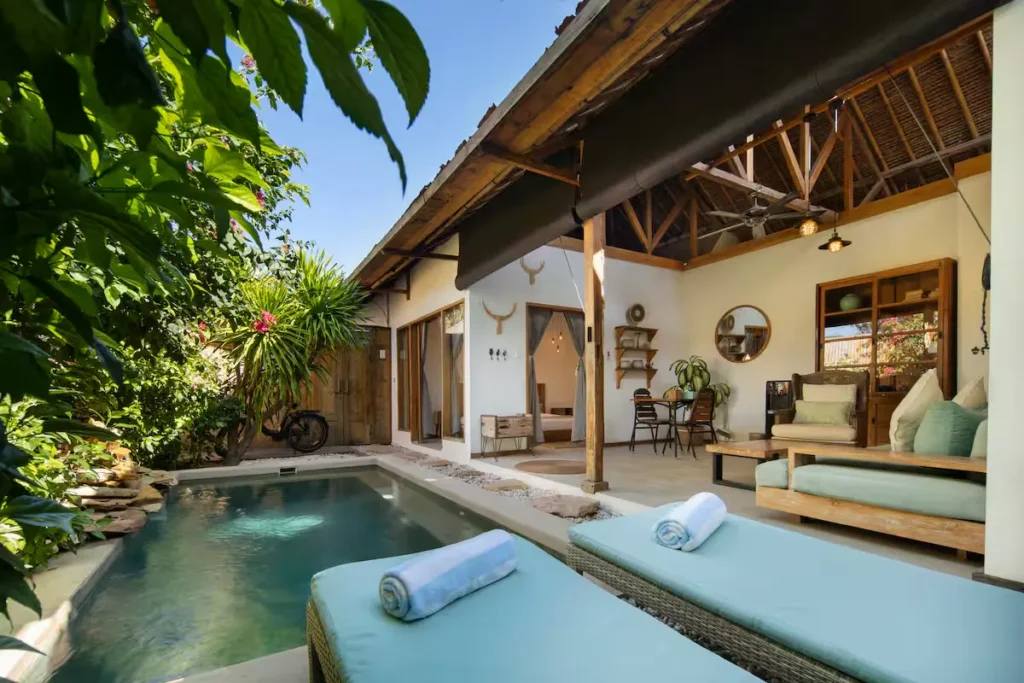
The drawdown is that a few smaller properties close entirely for annual maintenance during the deepest off-season weeks. However, the ones that stay open often upgrade you to their best villa simply because nobody else is booking it. You will pay budget prices for luxury ocean views, which is a massive win for smart travelers.
- Will Hiking Rinjani Volcano Be Impossible Or Just More Challenging?
It becomes more challenging, and most reputable operators suspend treks during the wettest months. The off-season from December to March brings slippery trails, landslide risks, and limited summit visibility, so official Rinjani trekking permits are often restricted. You should absolutely not attempt a DIY hike during this period.
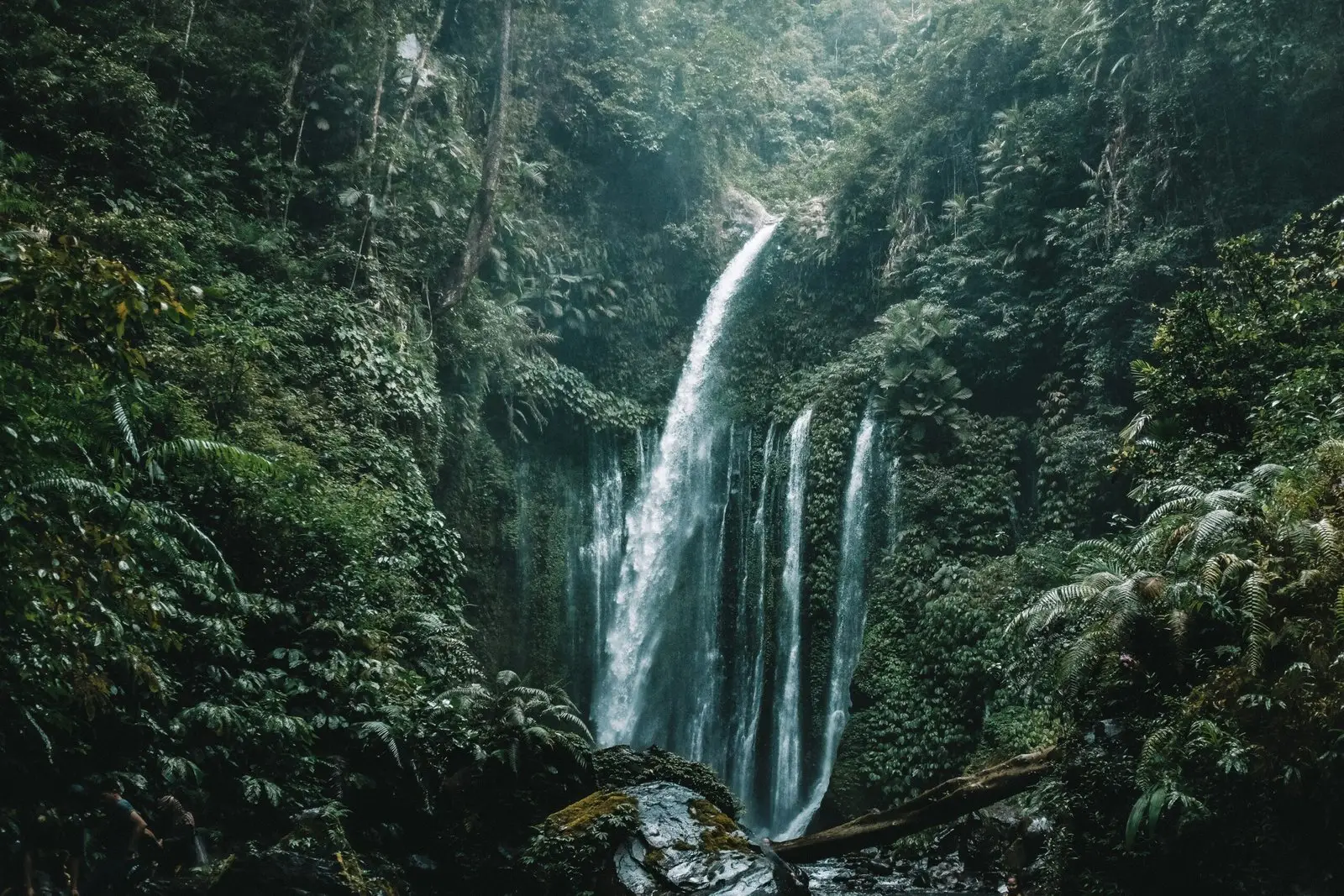
The drawdown is that serious hikers must target the dry season months for summit attempts. However, the shoulder months of October, November, April, and May offer excellent trekking conditions with roughly 50% fewer climbers on the trail. You can also use the wet season to explore Lombok's stunning waterfalls, which are absolutely roaring with power and nearly empty.
- Is The Party Scene On Gili Trawangan Dead During Off-Season?
No, it just shifts from chaotic mega-parties to chill, intimate vibes. The famous beach bars and reggae bars on Gili T remain open year-round, but you will find smaller crowds and better service instead of shoulder-to-shoulder dancing. Bartenders have more time to chat, and you can actually get a seat at sunset without arriving two hours early.
The drawdown is that a few of the largest nightclubs might close on very quiet weeknights. However, the local bars, live music venues, and casual hangouts thrive with a loyal mix of expats and savvy travelers. You trade screaming crowds for meaningful conversations and hangovers that are actually worth it.

Home > Exploit The Seasons > Seasonal World Map > Asia > Indonesia > Lombok And Gili Islands
LOMBOK & GILI ISLANDS
Forget Bali’s crowds – Lombok and the Gilis are Indonesia’s quieter paradise, especially off-season. Think empty pink beaches, volcano views without the queue, and turquoise water all to yourself. This guide reveals when to find authentic island magic.
Smart Travel Calendar
Shoulder Season
Your Smartest Windows
April (rains ending, everything lush, no crowds yet)
September (dry but cooling, schools back, Rinjani perfect)
October (first half – still dry, prices dropping)
Avoid: mid-December to early January (Christmas & New Year – Gilis hit capacity, ferries chaotic) & Easter Week (Australian school break – Gilis overrun)
What the Sky Does
April: 26–31°C (79–88°F) – wet season ends, morning sun, brief afternoon showers, island green
September: 24–30°C (75–86°F) – peak dry tail, low humidity, cool breezes, crystal water visibility
October: 25–31°C (77–88°F) – early month goldilocks, late month transitional
Water visibility for snorkeling/diving: 20-30 meters in September – absolutely stellar
Rinjani views: September offers the clearest summit panoramas of the year
How Empty It Feels
40-55% fewer tourists vs July-August peak madness
Gili Islands: bikes available everywhere, no restaurant queues, beachfront seating easy
Kuta Lombok (south coast): beaches like Tanjung Aan have real space between towels
Senggigi: main strip feels relaxed, not a scooter traffic jam
Ferries Bangsal to Gilis: wait one boat, not three
Rinjani trek departure: groups of 4-6 instead of 15-20
What You’ll Save
Flights (domestic via Lombok International): 25-35% off peak rates
Beachfront bungalows on Gili Air: $35-55/night instead of $70-120
Hotels in Senggigi: 30-50% lower
Private boat charter between Gilis: negotiate 25% down
Rinjani trek packages: 15-20% discount, plus better guide-to-client ratio
Scooter rental: $4-5/day instead of $8-10
The Secret Perk
Bau Nyale festival (February/March) – catching sea worms, Sasak legend come to life
Rice terraces at peak green – Tetebatu and Sembalun valleys are electric emerald
Sea turtle nesting season – late April through September, hatchlings on Gili islands
Underwater photography – September’s visibility means magazine-worthy shots
Fishermen have time to take you out for handline fishing, not just charters
Sunset from Gili Meno’s salt lake – no crowd, just birds and pink skies
The Tiny Trade-Off
Some remote beach warungs on Gili Meno close for restocking in April
Occasional afternoon shower in April – pack a light poncho, siesta through it
Rinjani’s summit can be windier in September – pack a proper jacket
October’s second half sees increasing humidity and building clouds
Smart Traveler Tip
September is Lombok’s absolute sweet spot – weather equals July, crowds half, prices lower
Book Rinjani treks 2-3 weeks ahead in September (guides still good availability but best operators book)
For the sweetest balance: last week of September or first week of October
Gili islands recommendation: stay on Gili Air or Meno, visit Gili T for a day trip (quieter at night)
Deep Off-Season
Your Smartest Windows
January – March (except Chinese New Year week & Imlek)
November – early December (before the Christmas tsunami)
Avoid: Chinese New Year (January/February – Chinese tourists hit Gilis hard, prices spike) & Imlek (same period)
What the Sky Does
25–30°C (77–86°F) – tropical warmth year-round, never cold
High humidity (75-85%) with dramatic, short afternoon thundershowers
Mornings are usually sunny until 1-3pm – plan island hopping early
Regional variation: West Lombok (Senggigi) gets more rain than south coast (Kuta Lombok)
Gili islands get less rain than mainland Lombok – they’re in a slight rain shadow
Nighttime on Rinjani slopes can drop to 5-10°C (41-50°F) – yes, even in wet season
How Empty It Feels
65-80% fewer tourists vs July-August peak – Lombok feels like Lombok again
Gili islands: uncrowded hammocks, restaurant owners wave to invite you in
Kuta Lombok’s beaches: Mawi, Selong Belanak, Tanjung Aan – sometimes just you
Rinjani trek: very quiet – some operators combine small groups, or you go private
Sasak villages (Sade, Ende): genuine interaction, not performance tourism
Pink Beach (Pantai Tangsi): deserted at midday – surreal pink sand silence
What You’ll Save
50-70% savings on hotels and bungalows vs July-August
Flights (Lombok International – LOP): lowest prices of the year
Beachfront villa in Senggigi or Gili Air: $25-45/night instead of $80-150
Private fast boat from Bali to Gili: negotiate 30-40% below high-season
Rinjani trek: up to 40% discount, or pay same price for private guide (recommended)
Scooter rental: $2-3/day – haggle easily
The Secret Perk
Nyale (sea worm) season – February/March: locals flock to south coast beaches for Bau Nyale festival
Waterfalls at full thunder – Sendang Gile and Tiu Kelep in Rinjani foothills are roaring
Rinjani crater lake (Segara Anak) – rain clouds over the volcano create moody, epic photography
Pearl farm visits – off-season means free tours and genuine conversation with harvesters
Salt harvesting – north coast salt pans are active, you can watch traditional production
Full moon on Gili Meno – bioluminescent plankton sometimes visible in warm waters
Genuine Lombok wedding invitations – locals have time to include you
The Tiny Trade-Off
Some remote beach bungalows on Gili Meno close for renovation in January-February
Nightlife on Gili T is very quiet – big parties pause until April
A few restaurants in South Lombok reduce hours or close entirely
Rinjani trekking may be restricted during heaviest rains (usually 2-3 weeks in January)
Ferry schedules from Bangsal to Gilis reduce frequency – but still hourly
Boat to Pink Beach cancels on rough sea days (a few per month)
Daylight is consistent (12 hours), but photo light can be flat on overcast days
Smart Traveler Tip
January is Lombok’s quietest month – perfect for beach solitude and cultural deep dives
February is wettest but cheapest – great for waterfall chasing and cooking classes
November is sweet spot of off-season – post-dry, pre-rain peak, least disruption
Pack: rain jacket, dry bag, reef-safe sunscreen, sturdy sandals, mosquito repellent
Best region for dry-ish conditions during Jan-Mar: south coast (Kuta Lombok to Tanjung Aan)
Rinjani alternative: if trekking closed (rare), visit Pergasingan Hill for epic sunrise views without the volcano risk
Gili strategy: Gili Air is best for quiet off-season (more open restaurants), Gili Meno for total escape (bring snacks), Gili T for budget deals
Book fast boats return ticket from Bali to Gilis – single tickets sometimes hard to find at desk price
Find Off-Peak Flights
Top Off‑Season Stays
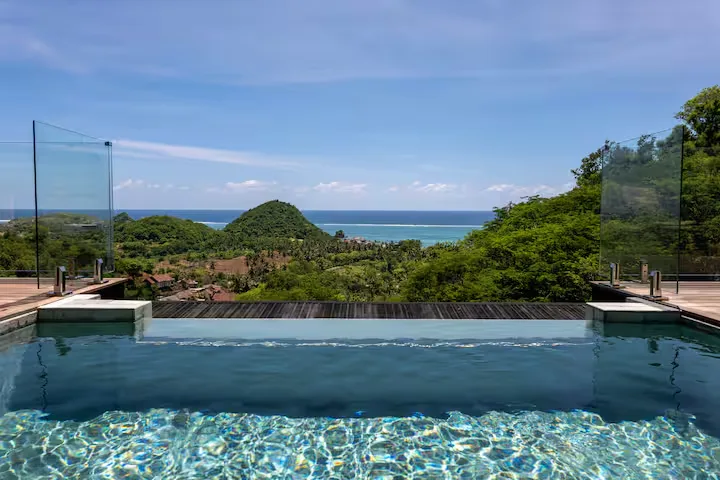
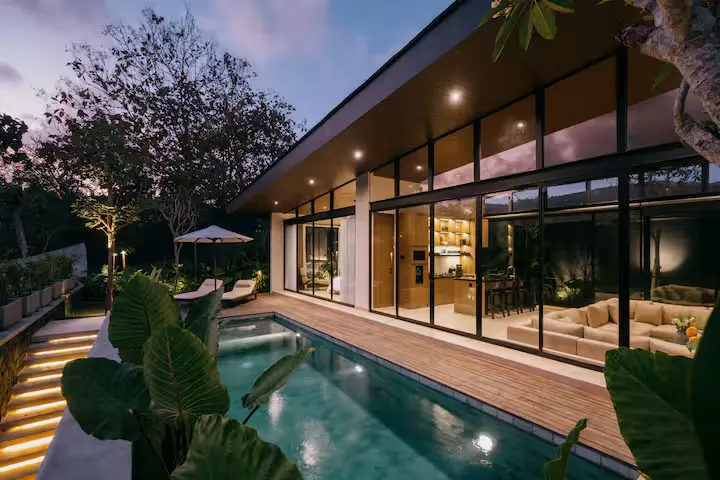
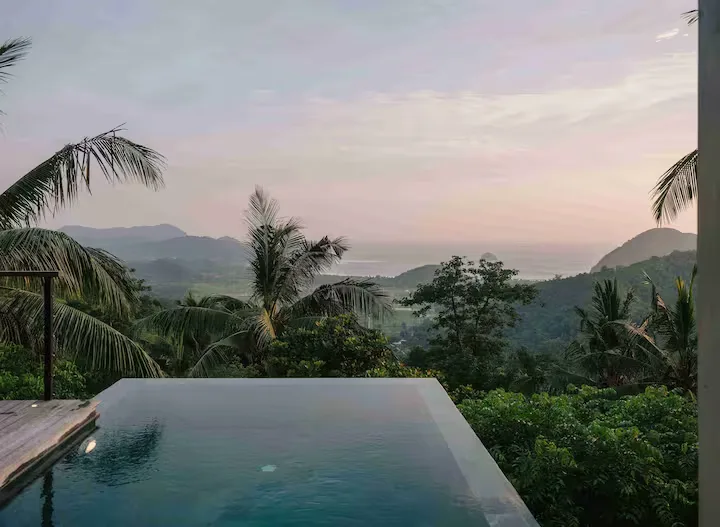
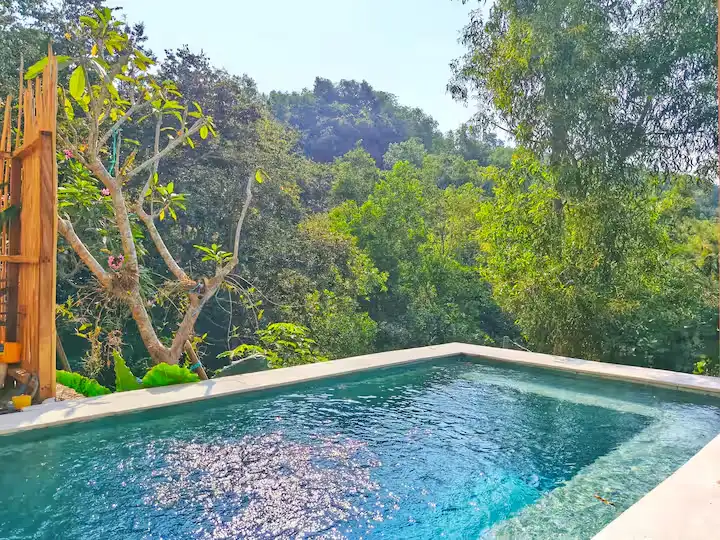
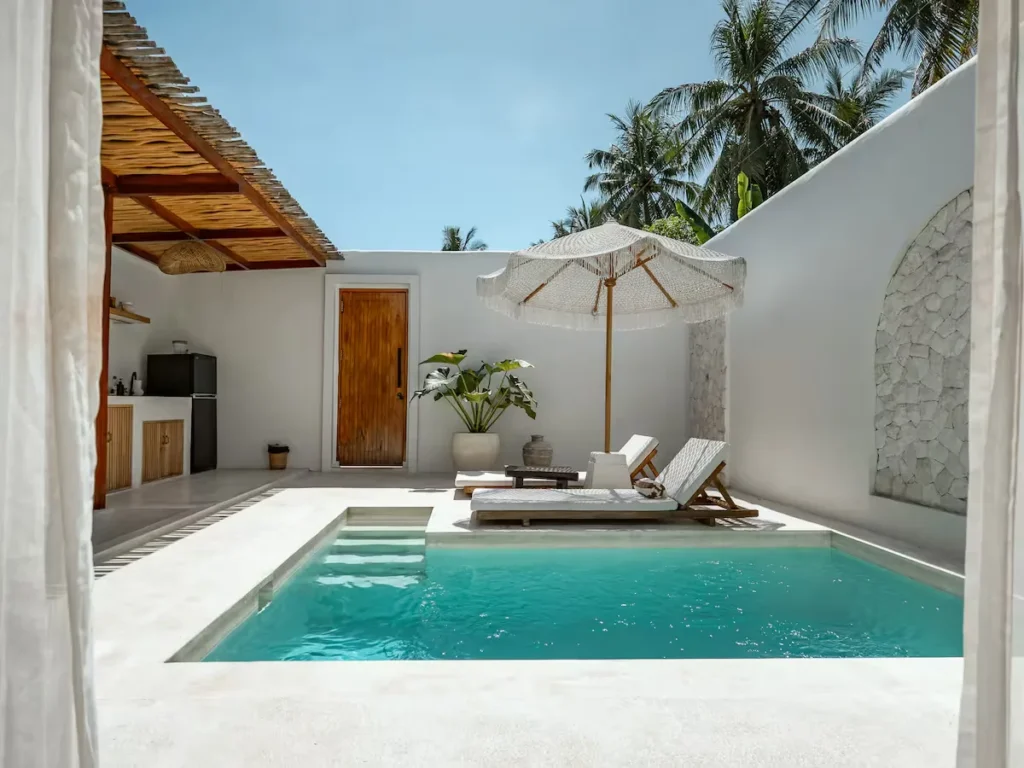
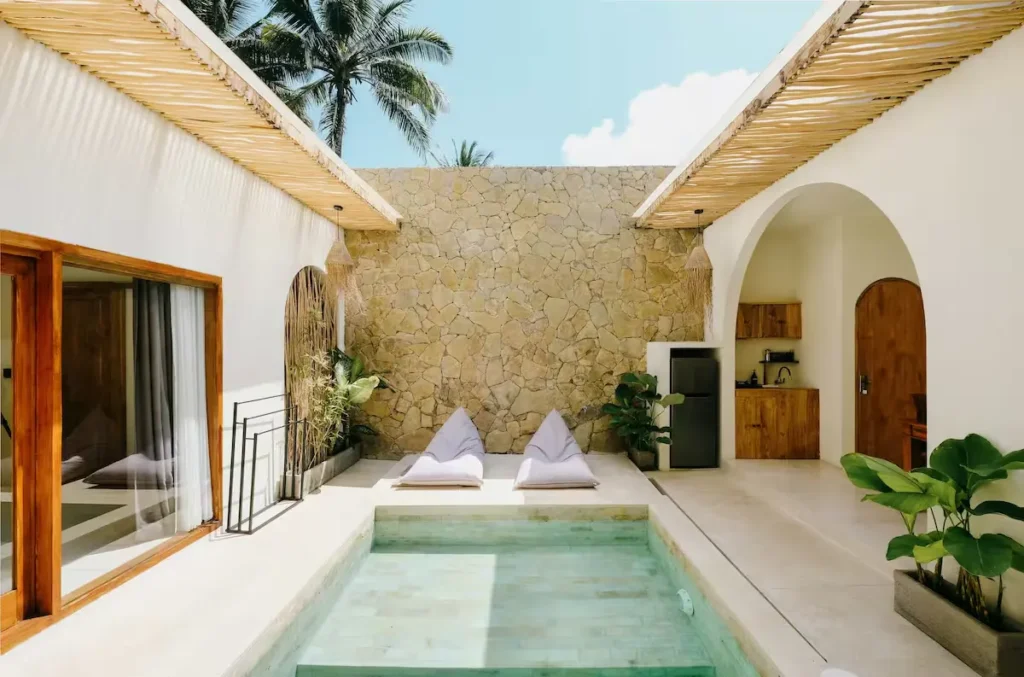
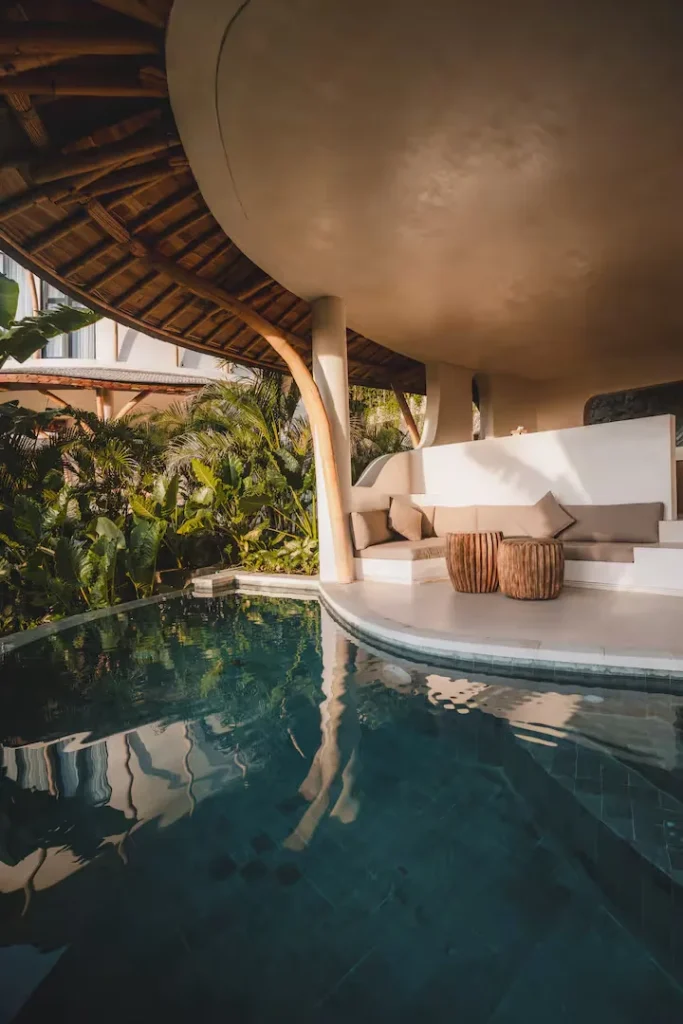
Find below our curated selection of boutique hotels and design apartments that offer exceptional value, atmosphere, and comfort during the off‑season — often at significantly lower rates than peak months.
Uncrowded Experiences & Tours
Skip the lines and experience iconic landmarks at your own pace. Discover curated local tours and cultural activities designed to show you the authentic side of the destination without the peak-season rush.
Handy Tips
Weather & Climate
Lombok and the Gilis have a tropical climate. The dry season (April–October) is hot and sunny. The wet season (November–March) is humid with tropical rain, though usually in short, heavy bursts. Temperatures are consistently high, around 28ºC to 32ºC (82ºF to 90ºF).
Local Customs And Etiquette
Language: The primary language is Sasak, but Indonesian (Bahasa Indonesia) is widely understood. English is common in tourist areas.
Religion: Lombok is predominantly Muslim. Dress modestly when visiting villages, religious sites, or outside the beach/tourist areas (cover knees and shoulders).
Tipping: Not mandatory, but appreciated for good service. Rounding up a taxi fare or leaving a small amount in a restaurant is customary.
Budgeting For Your Trip
Accommodation (per night): Hostels ($8–$20), mid-range hotels/guesthouses ($30–$70), luxury resorts ($100+). Prices are similar across the Gilis and Lombok.
Food: Local warung meal ($2–$5), dinner at a mid-range restaurant ($8–$15 per person), fine dining ($20+).
Transport: Scooter rental ($5/day), cidomo (horse cart) ride on Gilis ($5–$15), fast boat from Bali ($25–$40 one way).
Activities: Snorkeling tour ($10–$20), 3-day Rinjani trek ($150–$300 all-inclusive), dive ($30–$45 per tank).
Daily Budget:
- Budget: $35–$50 (hostels, local food, public transport/scooter).
- Mid-range: $60–$120 (mid-range hotel, restaurant meals, activities).
- Luxury: $150+ (resorts, private transport/boats, diving).
Getting Around
On Lombok: Scooter rental is the best way to explore independently. Taxis (Blue Bird) are metered and reliable in the main towns. Public minivans (bemos) are cheap but slow.
On the Gili Islands: Walking or biking is the only way to travel, as cars and motorbikes are banned. Traditional horse-drawn carts (cidomos) are available but controversial due to animal welfare.
Must-Try Food
Ayam Taliwang: Lombok’s most famous dish: grilled chicken (usually free-range) marinated and basted in a spicy chilli, garlic, and tamarind sauce.
Plecing Kangkung: Water spinach boiled and served cold with a spicy tomato and chilli sambal, often topped with fried peanuts.
Sate Rembiga: Beef satay marinated in a spicy-sweet sauce, grilled over charcoal, and served with a side of lontong (rice cake).
Nasi Balap Puyung: Rice served with shredded spicy chicken, dried shredded coconut, fried potatoes, and a spicy egg—a famous Sasak dish.
Bebalung: Traditional Sasak beef rib soup, savory and rich with spices like turmeric and galangal.
Nasi Campur: A plate of steamed rice served with small portions of various side dishes, often including vegetables, fish, and chicken.
Gado-Gado: Cooked vegetables, hard-boiled egg, and potato, topped with a thick peanut sauce.
Tipat Cantok: Similar to Gado-Gado, but uses steamed rice cakes (tipat) and a specific type of peanut sauce.
Lupis: Sticky rice cooked in a banana leaf, cut into triangles, and topped with grated coconut and liquid palm sugar (gula merah).
Kelepon: Small, green, glutinous rice flour balls, filled with liquid palm sugar, and rolled in fresh grated coconut.
Must-Try Drinks
Bintang Beer: Indonesia’s ubiquitous and popular pale lager, served cold everywhere.
Arak: A local, potent distilled spirit made from fermented rice or palm sap. Caution: Only consume at reputable establishments.
Tuak: A traditional, low-alcohol fermented palm wine, usually sweet and slightly milky.
Brem: A sweet, slightly fizzy rice wine, often consumed on festive occasions.
Es Kelapa Muda: Fresh young coconut water, served directly in the shell—the perfect tropical hydrator.
Jamu: Traditional Indonesian herbal medicine drinks, often made with turmeric, ginger, or tamarind for health benefits.
Kopi Lombok: Locally grown coffee, typically served strong and sweet with the grounds at the bottom of the cup (kopi tubruk).
Teh Manis: Sweet iced tea, served with most meals.
Fresh Fruit Juices: Excellent juices made from mango, papaya, pineapple, or dragon fruit.
Air Mineral: Bottled water (always drink bottled or filtered water).