 Skip to content
- What Is The Real Weather Like In The Yangtze River Delta During The Off-Season?
The beauty of off-season travel here is that you avoid the oppressive summer humidity and the bitter, damp chill of peak winter, leaving you with milder, albeit unpredictable, conditions perfect for urban exploring. Think soft grey skies that make the ancient water towns look like ink paintings, not harsh sun or freezing winds.
That said, you absolutely should pack a flexible wardrobe. The drawdown is that you might experience a drizzly day or a sudden temperature dip, but you can "Exploit Travel Seasonality" by seeing iconic skylines and gardens with a haunting, atmospheric beauty. Plus, with up to 40% fewer tourists around, ducking into a teahouse to wait out a brief shower feels like a local secret, not a chore.
- Will I Face Major Transportation Disruptions Like Ferry Or Train Closures?
No, the core transportation network remains remarkably reliable and functional. The high-speed trains between major hubs like Shanghai, Hangzhou, and Nanjing run on a normal schedule year-round, and the public ferries on the river itself rarely cease operations entirely. You will find that getting from a bustling core to a quiet canal town is just as easy as in peak season, often with the bonus of empty subway cars and guaranteed seats.
However, be aware that some seasonal tourist boat routes or specific water tours to outer islands may reduce their frequency or pause for maintenance. The helpful trade-off is that you will save roughly 20-30% on connecting bus and rail fares, and you never have to fight for luggage space. Volomundi recommends confirming niche ferry schedules locally, but your main transit arteries stay wide open for smart travelers.
- How Much Money Can I Really Save On Hotels And Tours?
You will save significantly, often between 35% and 50% on standard accommodation rates compared to the spring and autumn peak seasons. Because you are avoiding the "golden weeks" and summer holiday rush, riverside hotels and historic guesthouses slash their base prices dramatically to attract exactly the savvy traveler you are. This frees up your budget for longer stays or that private guided tour of a silk museum.
The honest drawdown is that some high-end river cruise operators may consolidate their schedules, meaning fewer departure dates. But you can flip this negative into a Volomundi-style win: the tours that do run are usually smaller, more intimate groups with guides who aren't burnt out. You will consistently find that the percentage discount on bundled experiences (like garden entries plus a boat ride) is highest exactly when the crowds are thinnest.
- Are The Crowds Really That Much Smaller During Shoulder Months?
Absolutely, yes. Imagine walking through a famous classical garden or a ancient water town where you can actually hear the birds and the splash of oars instead of a hundred selfie sticks. During the deep off-season and even the shoulder windows, visitor numbers drop by an estimated 60-80% compared to the National Day holiday or the spring blossom frenzy. This solitude transforms the "must-see" sites into genuinely peaceful sanctuaries.
On the flip side, the "energy" of peak season—like bustling night markets and street performers—does quiet down significantly. Some smaller family-run restaurants in tourist zones may close for a few weeks for their own holidays. Yet this is the ultimate trade-off for "Exploiting Travel Seasonality": you trade street noise for authentic interactions with owners who have time to chat, and you get the famous landmarks almost entirely to yourself for photography
- Why Should I Choose The Yangtze River Delta For A Smart Weather Escape?
You should choose this region because it offers a genuine "bridge season" experience that avoids the extremes of both heat and cold. Unlike the far north of China which gets brutally freezing, or the deep south which stays sticky, the Delta’s shoulder seasons provide comfortable walking weather for exploring futuristic cityscapes and ancient canals alike. You get crisp air ideal for long walks along the Bund or West Lake without breaking a sweat.
But be realistic: the "drawdown" is that you will need to be flexible with haze or light drizzle, as the region sits on a floodplain. The Volomundi viewpoint is that this minor inconvenience unlocks massive value. Since the weather isn't "perfect," prices for river-view rooms drop by up to 40%, and you won't wait in a single queue for a museum. You learn to love the moody weather because it gives you the whole destination on a silver platter.

Home > Exploit The Seasons > Seasonal World Map > Asia > China > Shanghai Region
SHANGHAI REGION (YANGTZE DELTA)
From Shanghai’s futuristic skyline to Hangzhou’s misty tea plantations and Nanjing’s imperial grandeur, the Delta dazzles. Skip the summer steam bath and discover better value, empty waterways, and genuine Jiangnan soul during off-season.
Smart Travel Calendar
Shoulder Season
Your Smartest Windows
April to May (avoiding Labour Day holiday)
September to October (avoiding National Day Golden Week)
Avoid: Labour Day (May 1-5) and National Day Golden Week (Oct 1-7) . During these, West Lake’s Broken Bridge looks like a packed commuter train and hotel prices triple.
What the Sky Does
Spring: 9°C to 22°C (48°F to 72°F). Cherry blossoms and peach flowers explode across, Suzhou gardens, and Nanjing’s Jiming Temple .
Autumn: 10°C to 25°C (50°F to 77°F). Crisp, clear, low humidity—arguably the Delta’s most perfect weather.
Spring caution: April can bring unpredictable drizzle and occasional “plum rain” previews; pack an umbrella.
Summer near-miss: Early June is still pleasant before the mid-to-late June rains begin.
How Empty It Feels
40-50% fewer tourists compared to the July-August summer peak and Golden Week chaos.
Major cities: The Bund and Nanjing Road are “bustling but breathable” vs. “shoulder-to-shoulder shuffling.”
Water towns: Hidden gems like Xinshi Ancient Town and Fengjing remain genuinely peaceful—no commercialized crowds .
The morning secret: Arrive at West Lake’s Su Causeway by 7:00 AM to share it mostly with Tai Chi practitioners, not selfie sticks.
What You’ll Save
25-35% savings on domestic flights and 4-star hotels vs. summer peak rates.
High-speed rail: Shanghai-Hangzhou, Shanghai-Nanjing, and Shanghai-Suzhou tickets are actually purchasable without 14-day advance booking.
Garden tickets: Humble Administrator’s Garden in Suzhou still requires booking, but no “sold out within 60 seconds” drama.
Dining: Tables at Hangzhou’s renowned Jing Shan or Suzhou’s Songhelou appear without 90-minute queues.
The Secret Perk
Cherry Blossom Dream: Nanjing’s Jiming Temple Road transforms into a pink tunnel in late March—breathtaking and ephemeral .
Osmanthus in Hangzhou: September’s满陇桂雨 (Manjuelong’s “Osmanthus Rain”) fills the air with sweet perfume for miles .
Tea Harvest Season: March and April are the Longjing tea harvest—watch locals hand-roast the year’s first “pre-Ming” leaves in Meijiawu.
Photographer’s Gold: Autumn’s low humidity creates crystal-clear shots of Shanghai’s skyline; spring’s mist adds ethereal mood to water towns .
The Tiny Trade-Off
Spring rain: April showers can last multiple days, especially around Hangzhou and water towns.
Air quality dips: Sandstorms from the north rarely reach this far, but occasional haze lingers on calm days.
Pollen explosion: Spring allergies can be brutal amid all the blossoms—pack antihistamines.
Holiday spikes: Accidentally booking during Labour Day (May 1) means peak prices and packed sites.
Smart Traveler Tip
Target mid-May or mid-October: The two weeks after Labour Day and the two weeks after National Day offer the ultimate balance—prices drop, crowds vanish, weather holds.
Book gardens online: Suzhou’s top gardens require advance reservations even in shoulder season; book 2-3 days ahead.
Pack layers and umbrella: A light jacket and compact umbrella are non-negotiable for spring and autumn.
Deep Off-Season
Your Smartest Windows
November to March (avoiding Chinese New Year)
Avoid: Chinese New Year (Spring Festival) – Dates vary (late Jan to mid-Feb). The world’s largest human migration. Shanghai empties out, but transport is a nightmare and many small restaurants close.
What the Sky Does
Average temperatures: 0°C to 10°C (32°F to 50°F) in Shanghai/Nanjing/Suzhou; Hangzhou slightly milder.
The “wet cold”: Northern China has dry cold; here, humidity makes 5°C feel like -5°C (“magical attack” as locals say). Indoors are often unheated .
Snow potential: Nanjing sees occasional snow (dramatic on the Ming Xiaoling Mausoleum’s Sacred Way); Hangzhou’s Broken Bridge in snow is legendary but rare.
Rain: Much drier than summer—the Meiyu (early summer rainy season) is months away
How Empty It Feels
60-70% fewer tourists vs. summer peak and Golden Week—silence at major landmarks.
The Bund: Stand along the Huangpu River without being jostled; actually hear the ship horns.
West Lake: Walk Bai and Su Causeways and hear birdsong, not blaring tour guide speakers.
Water towns: Sleepy, real, local—villagers go about their lives rather than selling souvenirs
What You’ll Save
Flights: Domestic airfare drops 40-60% vs. October peak .
Hotels: 5-star luxury in Shanghai’s Jing’an or Hangzhou’s West Lake area for under $120 USD/night is common.
Car service: Private drivers to water towns cost half of summer rates.
Daily budget: Comfortable travel for $70-100 USD per person per day (mid-range meals, nice hotels) .
The Secret Perk
Hairy Crab Season: November is peak for authentic (Yangcheng Lake hairy crabs)—minus the October tourist markup .
Hot Springs Escape: Day trip to Nanjing’s Tangshan Hot Springs or Hangzhou’s forest spas—blissful in cold weather .
Zhouzhuang After Dark: Water towns are magical in winter evenings—lanterns reflect off canals, no crowds, just gondola songs.
Genuine Local Life: Without international tourists, Shanghai’s old ladies chat in Fuxing Park, and Suzhou teahouses host locals playing mahjong.
The Tiny Trade-Off
The wet cold: Indoor spaces can feel chilly—ask hotels for extra duvets and check if they have western-style heating.
Reduced boat tours: Some water town gondola services run shorter hours or stop in heavy rain.
Shorter days: Sunset around 5:00 PM limits outdoor sightseeing windows.
Restaurant closures: Small family-run stalls in water towns may close for the winter.
Smart Traveler Tip
The post-holiday goldmine: The week after Chinese New Year is the quietest week of the entire year—everyone is back at work, prices bottom out.
Pack for “wet cold”: Thermal base layers + wool socks + waterproof jacket + scarf + gloves. Uniqlo’s Heattech is your best friend.
Go just before CNY: The two weeks before Spring Festival have low prices and festive energy (red lanterns everywhere) without the travel chaos.
Find Off-Peak Flights
Top Off‑Season Stays
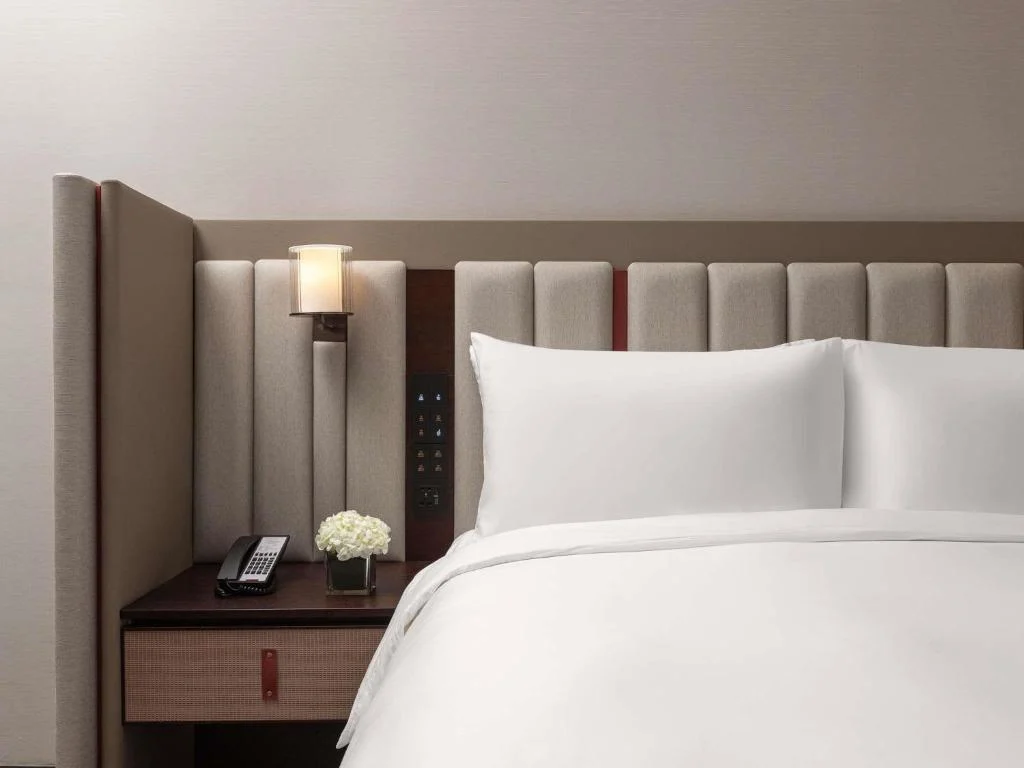
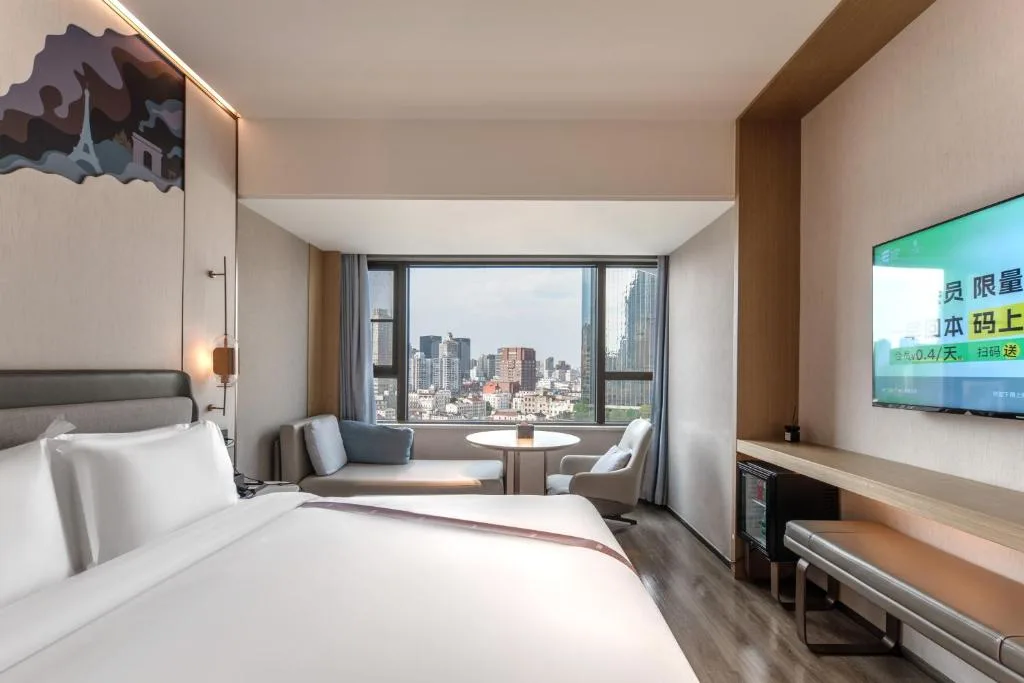
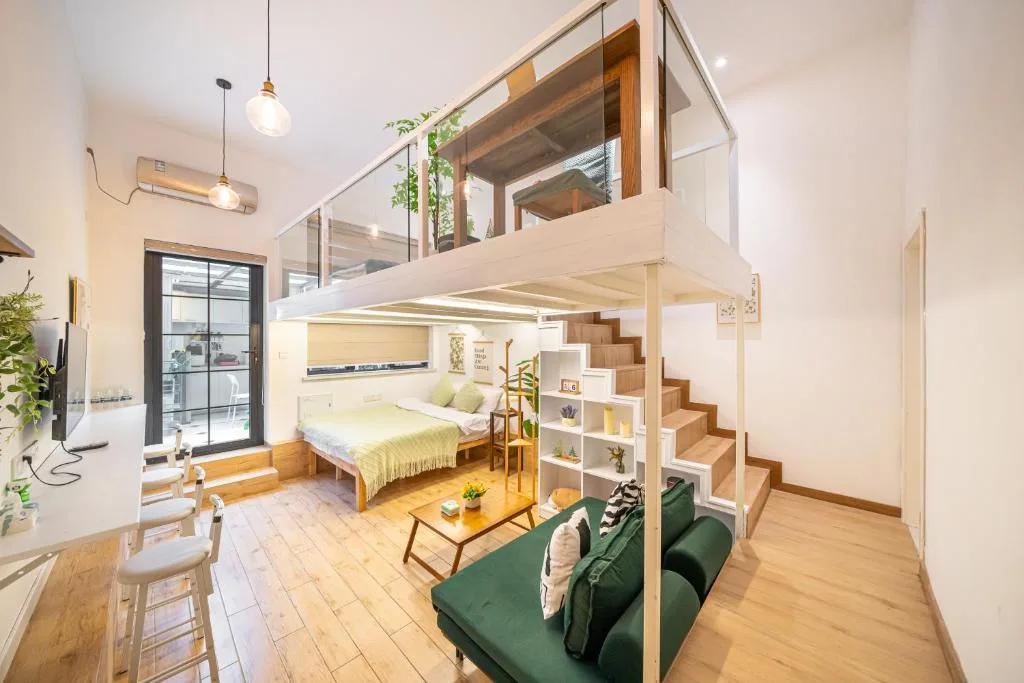
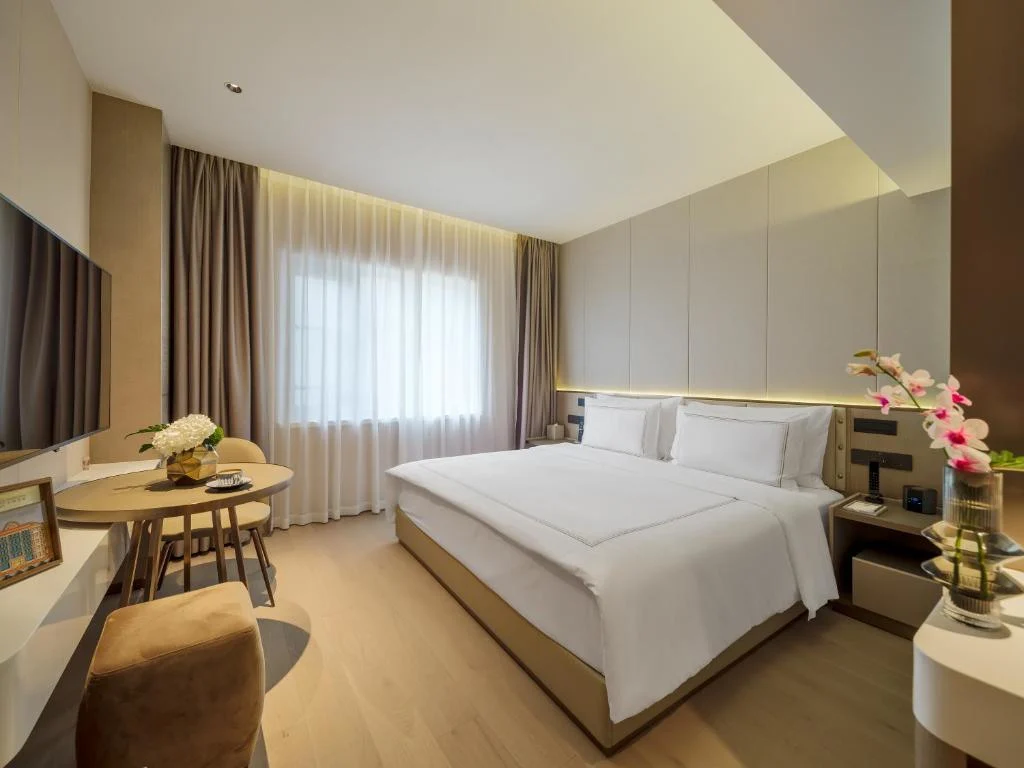
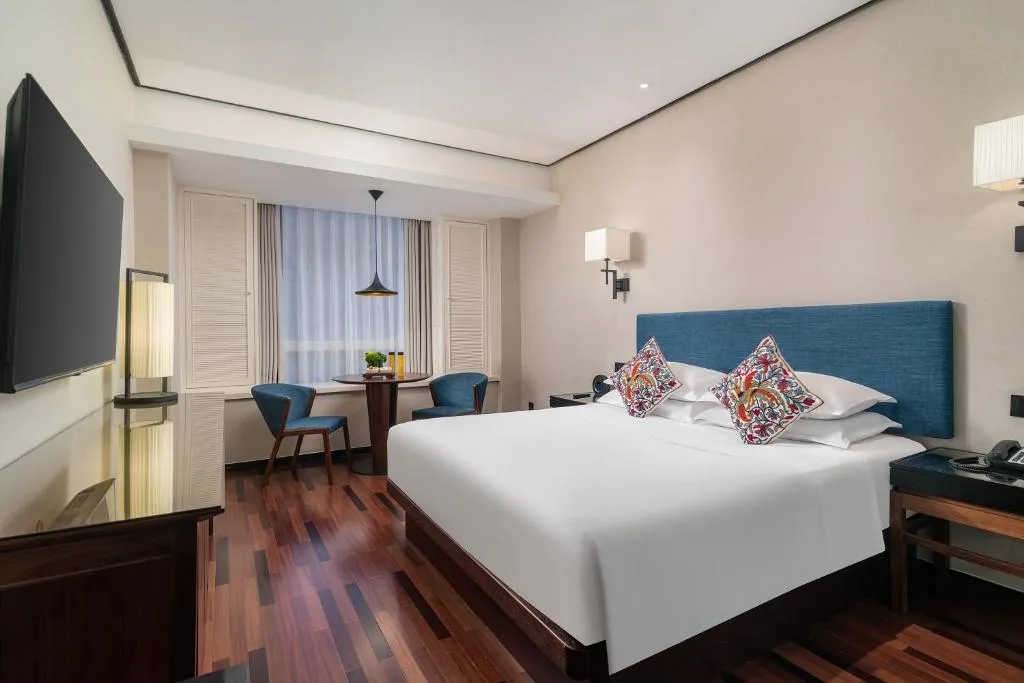
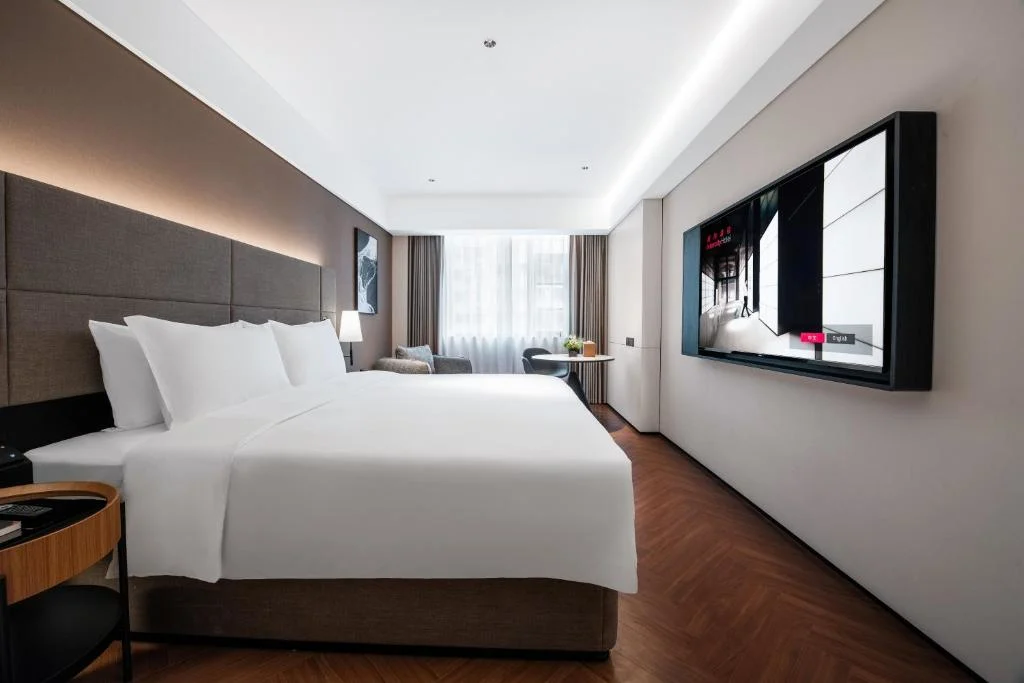
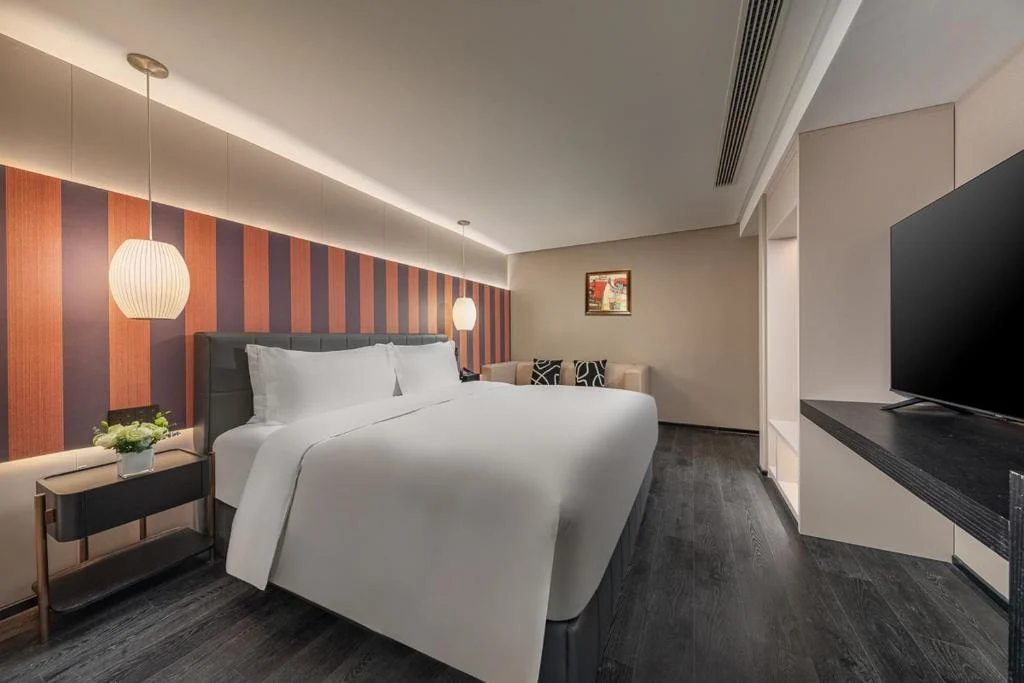
Find below our curated selection of boutique hotels and design apartments that offer exceptional value, atmosphere, and comfort during the off‑season — often at significantly lower rates than peak months.
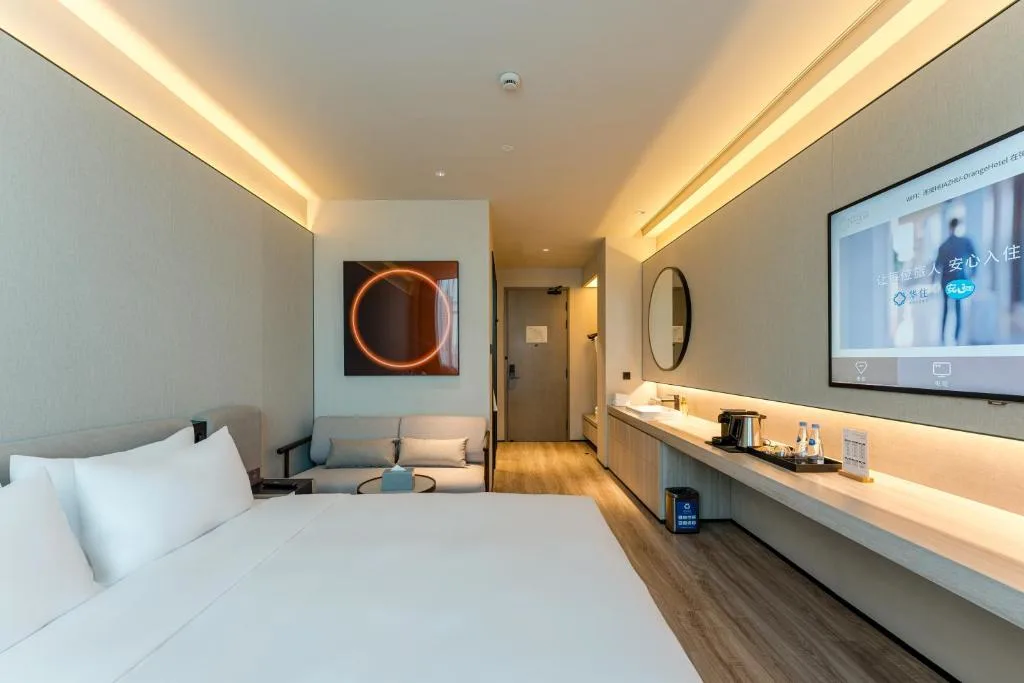
Crystal Hotel
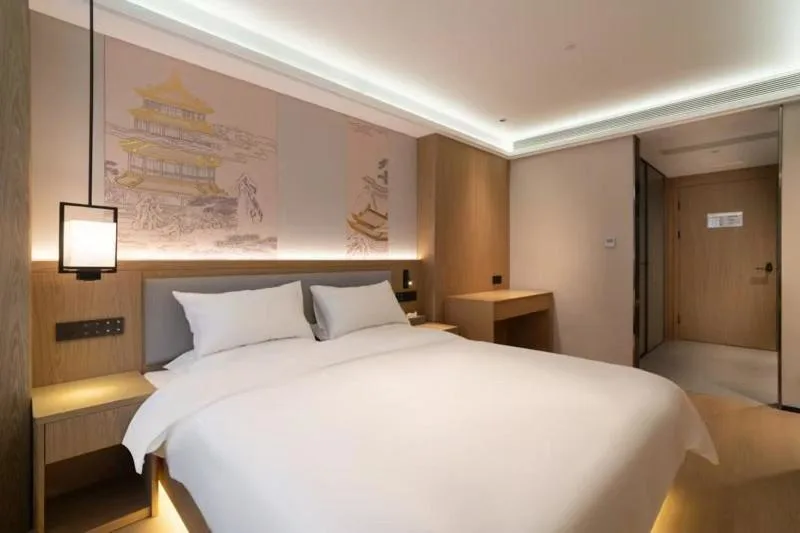
Shanghai Qiyu Hotel
Uncrowded Experiences & Tours
Skip the lines and experience iconic landmarks at your own pace. Discover curated local tours and cultural activities designed to show you the authentic side of the destination without the peak-season rush.
Handy Tips
Weather & Climate
The region has a humid subtropical climate with four distinct seasons. Summers are hot, rainy, and humid. Winters are cold and damp, with temperatures often dropping below freezing, but without much snow.
Local Customs And Etiquette
Language: Mandarin Chinese is the official language. English is generally spoken only by staff in major hotels, airports, and some tourist attractions in Shanghai. Having a translation app is highly recommended.
Chopsticks: Always use a serving spoon or communal chopsticks for shared dishes. Do not stick your chopsticks upright in a bowl of rice, as this is associated with funeral rites.
Payment: Mobile payment apps like Alipay or WeChat Pay are the dominant form of payment; cash or cards can be less convenient outside of major hotels.
Budgeting For Your Trip
Accommodation: Hostels ($15–$30), mid-range hotels ($60–$100), luxury ($150+). Shanghai and Hangzhou are generally more expensive.
Food: Fixed-price lunch menu ($8–$15), dinner at a mid-range restaurant ($20–$40 per person), fine dining ($70+).
Transport: Metro day pass ($3–$5), high-speed train (intercity, varies widely but affordable).
Activities: Major attraction entry ($10–$25), classical garden entry ($5–$15).
Daily Budget:
- Budget: $50–$80 (hostels, street food, public transport).
- Mid-range: $100–$160 (hotels, local restaurants, main attractions).
- Luxury: $200+ (boutique hotels, gourmet meals, private tours).
Getting Around
High-Speed Rail: The most efficient way to travel between major cities like Shanghai, Nanjing, and Hangzhou. The network is fast, frequent, and world-class.
Metro: Major cities all have extensive, modern, and affordable metro systems that are easy to navigate.
Bus/Taxi/Ride-share: Local buses connect smaller towns. Taxis and ride-share apps are readily available in cities.
Must-Try Food
Xiao Long Bao (Soup Dumplings): The quintessential Shanghai snack, delicate dumplings filled with hot, savory broth.
Sheng Jian Bao: Pan-fried pork buns with a crispy bottom, fluffy top, and juicy meat filling.
Hong Shao Rou (Red-Braised Pork Belly): Slow-cooked pork belly in a rich, sweet, and savory soy sauce glaze.
Smoked Fish (Xun Yu): Fish that is deep-fried and then coated in a sweet soy sauce, a popular cold dish.
Cí Fàn Tuán: A sticky rice ball filled with savory ingredients like preserved radish, pork floss, and fried dough stick, popular for breakfast.
Chou Dòufu (Stinky Tofu): Fermented tofu, usually deep-fried, with a strong, pungent aroma. A true local experience!
Su Shi (Suzhou-style Noodles): Fine noodles with a complex, clear broth and a wide variety of toppings, from eel to pork cutlets.
Tāng Yuán (Sweet Rice Balls): Glutinous rice balls, often served in a sweet broth, with fillings like black sesame or red bean paste.
Měi Huā Gāo (Plum Blossom Cake): A sweet steamed rice cake shaped like a plum blossom, often filled with bean paste and topped with nuts.
Qīng Tuán (Green Dumplings): Seasonal dumplings made from glutinous rice and barley grass juice, usually filled with sweet red bean paste.
Must-Try Drinks
Huángjiǔ (Yellow Wine): A mild, traditional Chinese alcoholic beverage, often warmed before drinking. Shaoxing is the most famous variety.
Píjiǔ (Beer): Local and national beer brands like Tsingtao are widely available and popular.
Báijiǔ (White Liquor): A very strong distilled liquor. Be warned, it’s potent, often enjoyed at banquets and special occasions.
Longjing Green Tea (Dragon Well Tea): One of the most famous green teas in China, originating from Hangzhou, known for its smooth, delicate flavor.
Bīng Zhèn Suān Méi Tāng (Iced Plum Juice): A traditional sweet and sour cold drink made from smoked plums, very refreshing in summer.
Nǎichá (Milk Tea): A ubiquitous drink with countless varieties, from sweet Hong Kong-style to bubble tea.
Soy Milk (Dòu Jiāng): Often served warm, it’s a popular breakfast drink, available in sweet or savory varieties.