 Skip to content


- Is The Weather Terrible During The South China Off-Season?
Not at all, though you will need a flexible attitude and a good raincoat. The off-season brings dramatic tropical downpours, but they are often short, leaving behind fresh air and misty mountain views that photographers love.
The trade-off is high humidity, which can feel intense for newcomers. You can exploit this by planning indoor cultural activities for afternoons while enjoying waterfalls at their absolute peak flow, a stunning sight you miss in dry months.
- Can I Still Get Around Easily Without Peak Season Crowds?
Yes, transportation runs normally, but with the bonus of having high-speed trains and buses almost to yourself. You will enjoy 20% to 35% discounts on many tickets, and you will never fight for a seat or stand in crowded aisles.
The realistic drawback is that some remote ferry routes may reduce frequency during the deepest off-season weeks. However, major transport hubs and city metros remain fully functional and blissfully free of shoulder-to-shoulder chaos.
- Will I Really Save Money On Hotels And Tours Here?
Absolutely. This is where exploiting travel seasonality pays off biggest, as accommodation prices drop by 40% to 60% compared to peak holiday season. You can upgrade to a harbor-view room for the same price as a budget hostel in high season.
The catch is that some small, family-run guesthouses in rural areas may close for their own holidays. Stick to major cities and provincial capitals, where big hotels and tour operators stay open and compete for your business with those percentage discounts.
- Why Should I Bother With South China When It Is Raining?
Because you get to see legendary karst landscapes and ancient rice terraces as living watercolor paintings. The rain fills the Li River to navigable levels and turns waterfalls into roaring giants, a unique perspective dry-season travelers never experience.
Yes, hiking trails get slippery, so sturdy footwear is non-negotiable. But the payoff for dealing with drizzle is having world-famous viewpoints, like those in Yangshuo, nearly 90% empty of other tourists.
- Is The Atmosphere Too Quiet Or Completely Dead?
The energy shifts from chaotic party vibes to a calm, local rhythm, which is perfect for cultural immersion. Night markets feel less aggressive, tea houses fill with local retirees instead of tour groups, and shopkeepers actually have time to chat.
The honest downside is that outdoor night cruises and light shows may run less frequently. In their place, you gain indoor art districts, underground music venues, and authentic hotpot restaurants that are impossible to enjoy during peak season frenzy.

Home > Exploit The Seasons > Seasonal World Map > Asia > China > South China
SOUTH CHINA
From Guilin’s misty peaks to Hainan’s palm-fringed beaches, South China is a year-round escape. Skip the summer typhoons and sweltering humidity—discover warm winters, golden autumns, and authentic coastal culture without the crowds.
Smart Travel Calendar
Shoulder Season
Your Smartest Windows
March to April (avoiding Qingming Festival)
November (after typhoon season ends)
Avoid: National Day Golden Week (Oct 1-7) , Labour Day (May 1-5) , and Chinese New Year (Jan/Feb) . During these, Hainan’s beaches turn into human parking lots and prices triple .
What the Sky Does
Spring: 15°C to 28°C (59°F to 82°F) across most of the region. Yangshuo’s misty rain creates magical ink-painting scenery .
November: 18°C to 26°C (64°F to 79°F) in Guangdong/Fujian; Hainan stays warm at 24-28°C (75-82°F) .
Guangxi note: March to April brings frequent showers but fewer crowds—the mist makes karst peaks look ethereal .
Typhoon season ends: November marks the safe window after the strongest storms (July-September) .
How Empty It Feels
40-50% fewer tourists compared to summer peak and Golden Week.
Yangshuo’s West Street: “Lively but walkable” vs. “shoulder-shoving chaos” in July-August .
Hainan beaches: Dadonghai and Yalong Bay are “busy but breathable” before the winter rush.
The morning secret: Arrive at Gulangyu Island’s ferry by 8:00 AM to have the car-free streets nearly to yourself.
What You’ll Save
25-35% savings on domestic flights and hotels vs. peak winter (Dec-Feb) and summer rates.
Yangshuo bamboo rafts: Skip the queue and pay standard rates, not “peak season” premiums .
Tulou entry fees: No surcharges, and you can actually hear your guide explain the architecture.
Dining: Xiamen’s famous seafood street has seats available without 45-minute waits.
The Secret Perk
Misty Karst Magic: Yangshuo from March to April looks like a traditional Chinese painting—fog rising after rain, peaks floating in clouds .
Rapeseed Flowers: Yulong River’s riverbanks explode in golden blooms during spring—stunning photos .
Hainan’s Kapok Blossoms: February to March brings fiery red kapok flowers across Changjiang’s countryside .
Comfortable Hiking: November’s cool, dry weather is perfect for Shenzhen’s Nanshan Mountain or Wutong Mountain trails .
The Tiny Trade-Off
Spring rain: Guangxi and Guangdong get significant showers; pack a good umbrella and waterproof shoes .
Typhoon leftovers: Early November can still see occasional storm remnants; check forecasts.
Humidity lingers: September-October still feels sticky, especially in Guangzhou and Nanning.
Holiday spikes: Accidentally booking during National Day (Oct 1-7) means packed beaches and 3x hotel prices.
Smart Traveler Tip
Target mid-March to early April or November: The weeks before Qingming Festival and after National Day offer the ultimate balance—prices drop, crowds vanish, weather holds.
Book Guilin rafts online: Even in shoulder season, popular sections like Yulong River’s Jinlong Bridge require advance booking .
Pack for rain and shine: A lightweight raincoat + sun hat covers both spring showers and strong southern UV.
Deep Off-Season
Your Smartest Windows
December to February (avoiding Chinese New Year)
June to August (for budget travelers who can handle heat)
Avoid: Chinese New Year (Spring Festival) – Dates vary (late Jan to mid-Feb). Hainan becomes the world’s most crowded tropical island; flights cost 3-4x normal and ferries queue for hours
What the Sky Does
Hainan: December to February is 24-28°C (75-82°F), sunny, dry—peak season for a reason .
Guangdong & Fujian: 10°C to 22°C (50°F to 72°F). Mild, dry, and comfortable—perfect for exploring cities and tulou countryside .
Guangxi: December-February is cool (5°C to 15°C / 41°F to 59°F). Water levels drop but scenery remains beautiful .
Summer off-season (June-August): Hot (30-35°C / 86-95°F), humid, and typhoon risk—but lowest prices of the year .
How Empty It Feels
60-70% fewer tourists vs. Golden Week and summer peak—except in Hainan, which stays busy.
Fujian Tulou: Walk through UNESCO-listed Chengqi Lou (the “Tulou King”) with only a handful of other visitors .
Guilin’s Reed Flute Cave: Explore illuminated caverns in near-silence during December weekdays.
Xiamen’s Gulangyu: Fewer day-trippers means you can actually enjoy the colonial architecture and piano museum.
What You’ll Save
Flights: Domestic airfare drops 40-60% vs. October and CNY peaks.
Hotels: 4-star beachfront in Sanya for under $70 USD/night in summer (winter is 3x that).
Car rental: Daily rates drop 40% in Guangxi and Fujian during winter.
Daily budget: Comfortable travel for $50-70 USD per person per day outside Hainan’s peak winter window.
The Secret Perk
Hainan’s “Winter Escape”: Swim in the South China Sea while Beijing freezes—it’s why people pay peak prices, but December offers perfect weather before the CNY rush .
Tulou Without the Tours: Stay overnight in a Hakka roundhouse in Yongding or Nanjing county; dinner is farm-to-table with the family.
Migratory Birds at Xiamen: December brings thousands of birds to the wetlands around Xiamen’s coast.
Mild Christmas & New Year: Shenzhen and Guangzhou put up beautiful lights without the bitter cold of northern China .
Li River Low Water: November’s lower water levels actually reveal more of the karst reflections, making photos stunning .
The Tiny Trade-Off
Hainan is still busy: December-February is peak season for domestic tourists escaping cold; expect crowds and higher prices .
Guilin water levels: December-February sees lower rivers; some bamboo rafting sections may have reduced schedules .
Shorter daylight: Sunset around 5:30-6:00 PM across the region.
Summer is intense: June-August brings 35°C (95°F) heat, 80%+ humidity, and typhoon risks—only for hardcore budget travelers .
Smart Traveler Tip
Best winter bet (warmth + value): Hainan in early December (before the Christmas/CNY rush) or Guangdong/Fujian for mild weather without Hainan’s premium prices.
Best budget bet: June to August offers rock-bottom prices, but pack light clothes, rain gear, and monitor typhoon forecasts .
Avoid Chinese New Year at all costs: If you must travel during Spring Festival, book flights and hotels 3-4 months in advance and expect chaos .
Pack for mild winters: A light jacket or sweater is enough for Guangdong/Fujian winters; Hainan needs shorts and t-shirts .
Find Off-Peak Flights
Top Off‑Season Stays
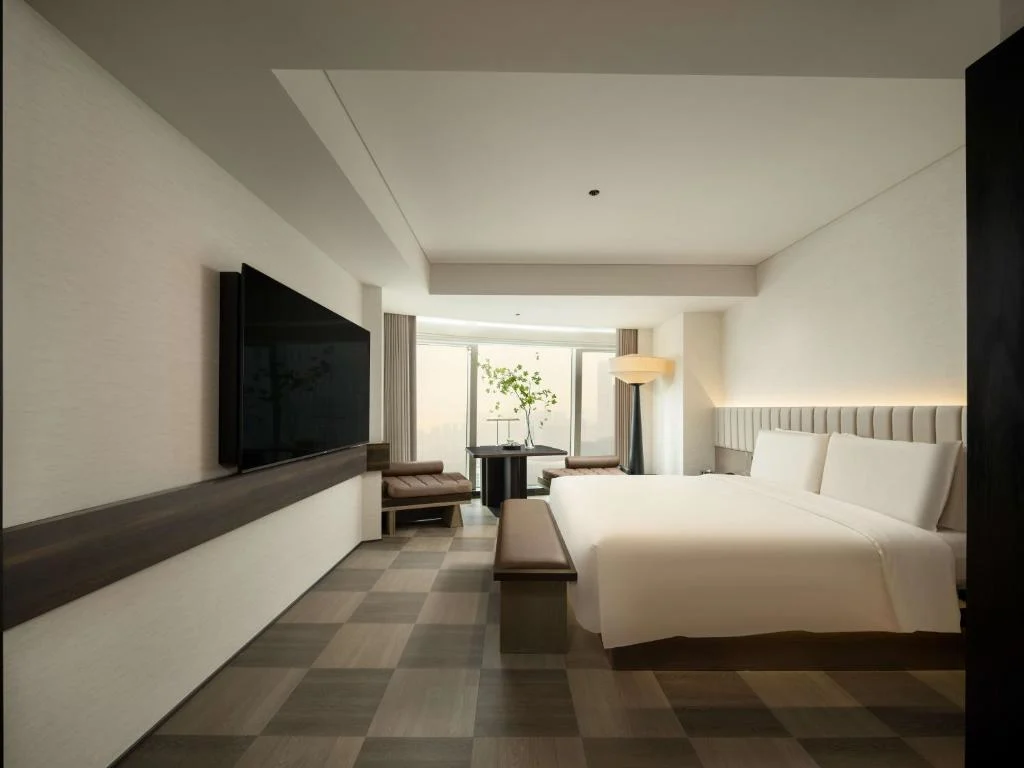
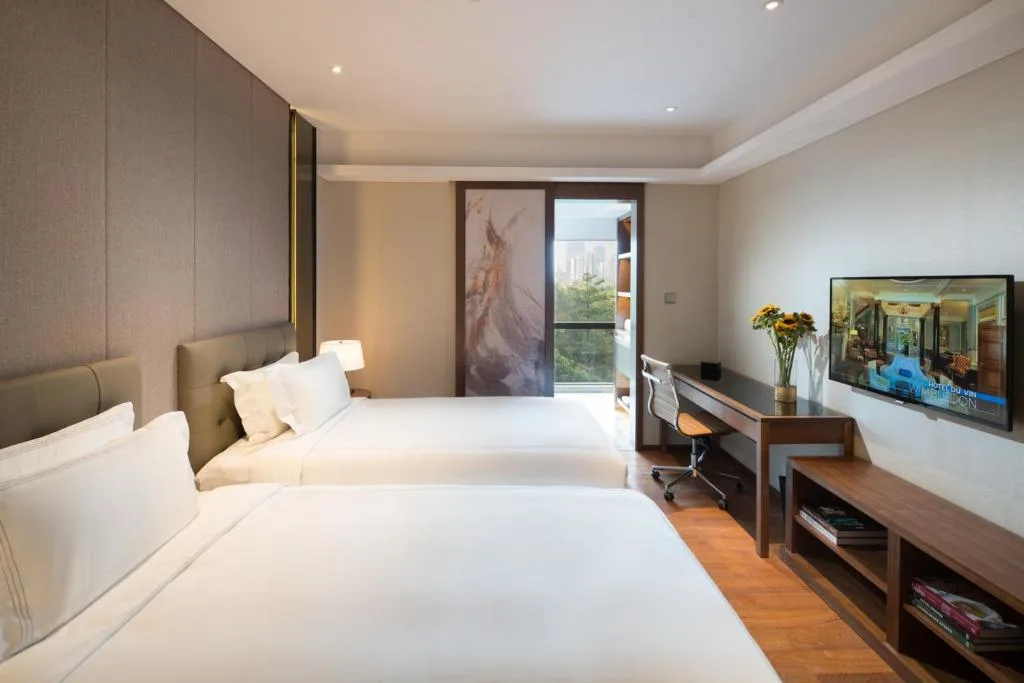
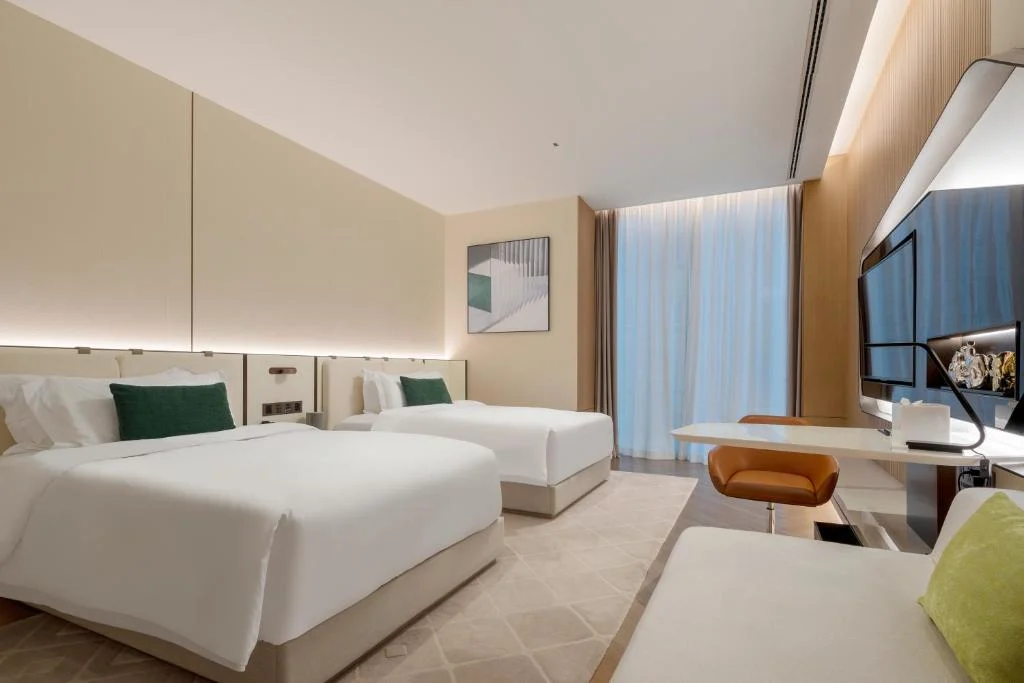
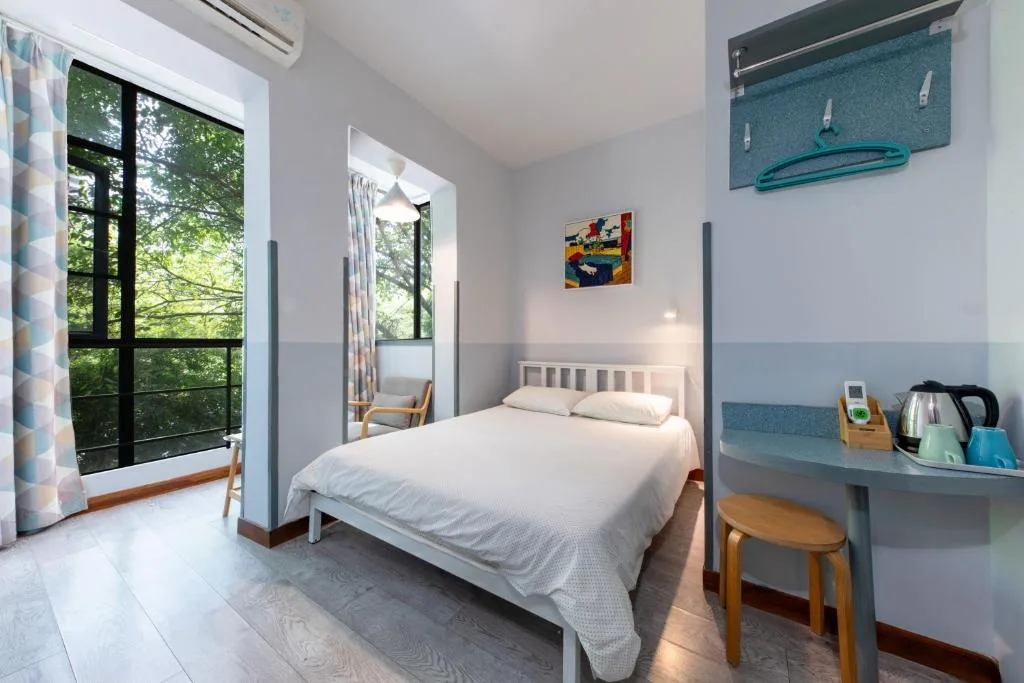
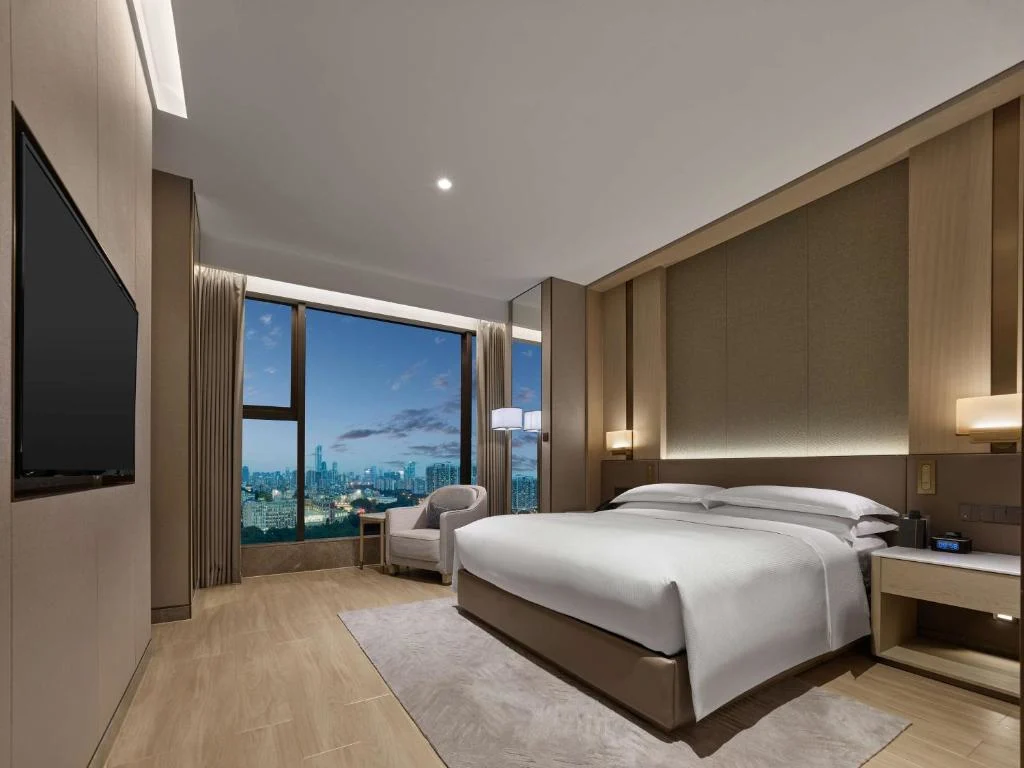
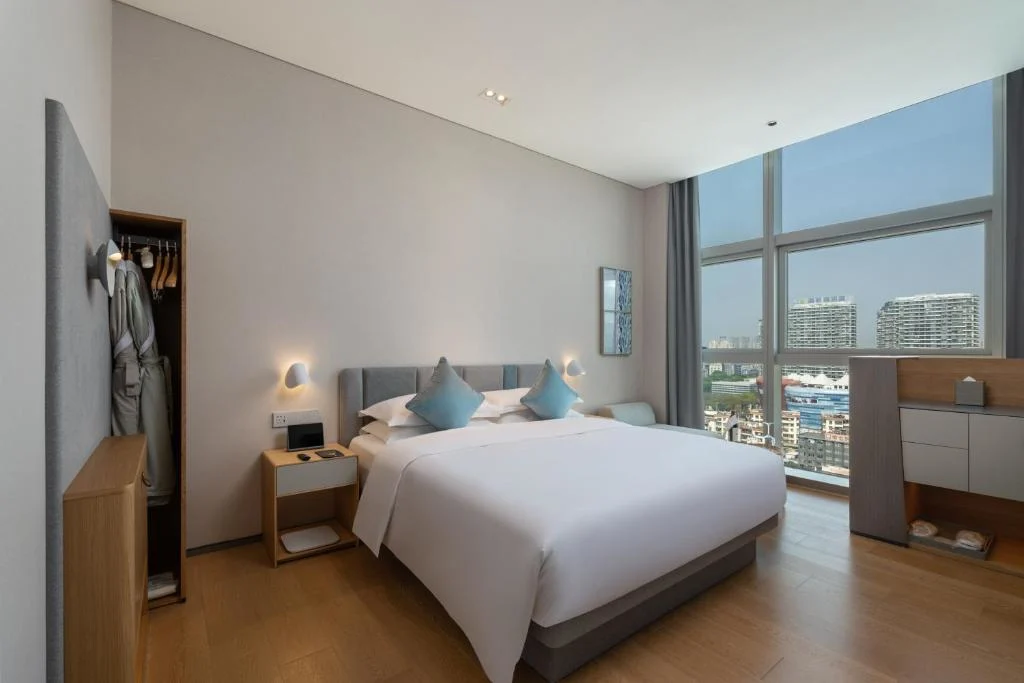
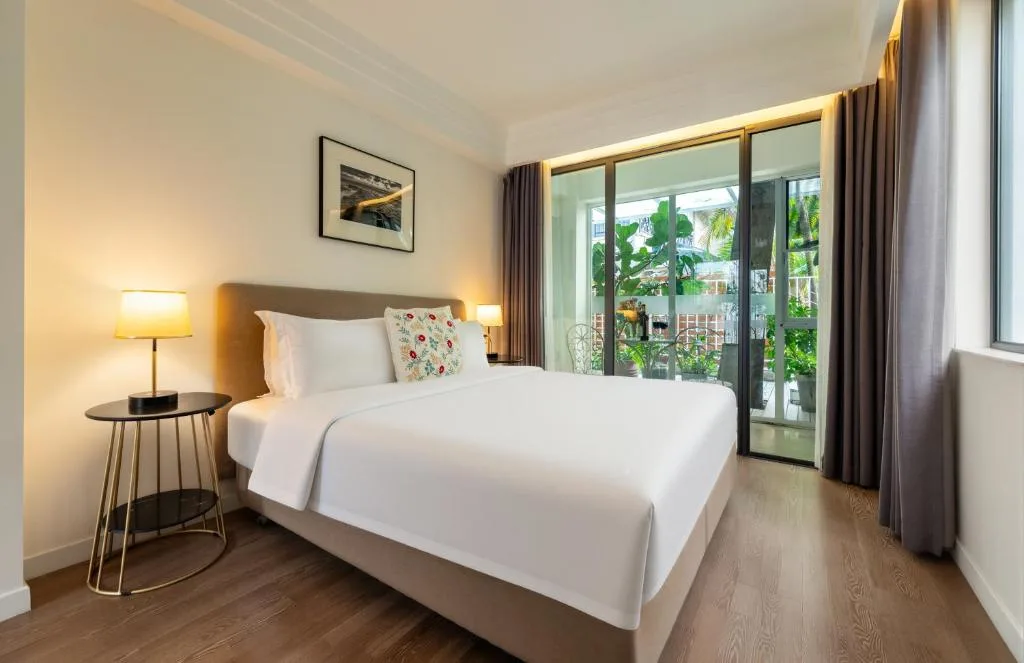
Find below our curated selection of boutique hotels and design apartments that offer exceptional value, atmosphere, and comfort during the off‑season — often at significantly lower rates than peak months.
Uncrowded Experiences & Tours
Skip the lines and experience iconic landmarks at your own pace. Discover curated local tours and cultural activities designed to show you the authentic side of the destination without the peak-season rush.
Handy Tips
Weather & Climate
The climate is sub-tropical to tropical. Expect high humidity and heat, especially in summer (May–August), which is also the rainy season. Winter is mild but can feel damp and cool indoors.
Local Customs And Etiquette
Language: Mandarin Chinese (Putonghua) is the official language. However, the dominant local language is Cantonese (Yue), and other dialects like Hakka and Min Nan are spoken. English proficiency is generally limited outside of major tourist areas.
Dining: Sharing dishes is standard, with all food placed on a rotating lazy Susan. Never stick your chopsticks upright in your rice bowl—it’s considered bad luck.
Tipping: Tipping is generally not expected and can sometimes be refused.
Budgeting For Your Trip
Accommodation: Hostels ($15–$30), mid-range hotels ($60–$100), luxury ($120+). Prices are higher in major cities like Guangzhou and Shenzhen.
Food: Street food/small eateries ($3–$8), dinner at a mid-range restaurant ($15–$30 per person), fine dining ($50+).
Transport: Intercity High-Speed Rail (varies greatly), city Metro/Bus ($0.50–$2), Taxi/Ride-hailing (affordable for short rides).
Activities: Scenic area entrance fees ($10–$30), Li River Cruise ($60+).
Daily Budget:
- Budget: $50–$80 (hostels, local food, public transport).
- Mid-range: $90–$150 (hotels, varied restaurants, some attractions).
- Luxury: $170+ (boutique hotels, gourmet meals, private tours).
Getting Around
High-Speed Rail: The most efficient way to travel between major cities; fast, punctual, and comfortable.
Metro/Subway: Essential for getting around large cities like Guangzhou and Shenzhen; cheap and extensive.
By Air: Useful for long distances, such as traveling to Hainan Island.
Taxis/Ride-hailing (DiDi): Widely available and affordable. Have your destination written in Chinese as most drivers do not speak English.
Must-Try Food
Dim Sum (Dian Xin): A vast array of bite-sized savory and sweet dishes, often enjoyed for breakfast or lunch, like Har Gow (shrimp dumplings) and Siu Mai (pork and mushroom dumplings).
Roast Goose (Siu Ngo): A Cantonese classic—succulent meat with crispy skin, typically served with a sweet plum sauce.
Wonton Noodles (Wàhn Tān Mihn): Thin, springy noodles served in a savory broth with delicate pork and shrimp dumplings.
Stir-fried Beef Noodles (Gānchǎo niúhé): Wide rice noodles stir-fried with beef slices, bean sprouts, and a dark, savory sauce.
Sweet and Sour Pork (Gūlūròu): A world-famous dish of deep-fried pork pieces in a bright, sticky, tangy sauce.
Hainan Chicken Rice: A famous dish from Hainan Island of poached chicken and rice cooked in chicken broth.
Macau-Style Pork Chop Bun (Zhu Pa Bao): A crispy, fresh-baked bun filled with a tender, fried pork chop.
Steamed Rice Rolls (Chéung Fán): Thin sheets of steamed rice batter, filled with meat or shrimp, and drizzled with a sweet soy sauce.
Mango Pomelo Sago (Yè zhi gān lu): A popular chilled Hong Kong dessert soup with fresh mango, pomelo pulp, and sago pearls.
Egg Waffles (Gai Daan Jai): Crispy on the outside, soft on the inside, spherical waffles cooked and sold by street vendors.
Must-Try Drinks
Baijiu (Bái Jiǔ): A strong, clear distilled spirit, popular across China, often consumed during formal dining or celebrations.
Rice Wine (Mǐ Jiǔ): A fermented alcoholic beverage made from rice, often less potent than Baijiu.
Tsingtao Beer (Qīngdǎo Píjiǔ): While not local to the south, it’s the most common and widely available Chinese beer.
Pu-erh Tea (Pǔ’ěr Chá): A dark, fermented tea, particularly famous in the Yunnan region, known for its deep, earthy flavor.
Green Tea: Varieties like Longjing (Dragon Well) are popular and often served hot at restaurants.
Bubble Tea (Zhēnzhū Nǎi Chá): A Taiwanese import that has become immensely popular in South China cities.
Herbal Tea (Liangcha): A traditional Cantonese non-alcoholic drink, believed to have cooling health benefits.
Fresh Coconut Water: Especially on Hainan Island, drink straight from the source.
Cantonese Milk Tea: A strong, black tea brewed with evaporated or condensed milk.
Soy Milk (Dòu Jiāng): A traditional breakfast drink, served hot or cold, sweet or savory.