 Skip to content


- What Is The Weather Really Like In Central China During The Off-Season?
You will find mild and manageable conditions that avoid both the summer steam bath and the harsh winter freeze. The off-season brings crisp air and soft light, perfect for exploring ancient capitals and sacred mountains without sweating through your shirt.
The honest drawdown is that you may encounter occasional grey skies or light drizzle. However, you can "Exploit Travel Seasonality" because that same mist makes the landscapes look dramatic while hotel prices drop by 30-40% and the crowds vanish.
- Will I Have Trouble With Trains And Buses During Slower Months?
No, the main transportation backbone of Central China runs smoothly all year. High-speed rail connections between major hubs like Zhengzhou, Luoyang, and Wuhan operate on normal schedules with the glorious bonus of empty carriages and cheaper fares.
The only catch is that some rural bus routes or tourist shuttles to outer sights may run less frequently. But you will save roughly 20-25% on transport costs and never have to stand in a ticket line, which is a fair trade for planning your day with a little extra care.
- How Much Can I Save On Hotels And Attraction Tickets?
You will typically save between 35% and 50% on accommodations compared to peak travel seasons. Riversides hotels and historic inns slash their rates dramatically to attract smart travelers like you, leaving you with more budget for memorable meals and experiences.
The drawdown is that a few smaller family-run guesthouses may close for a seasonal break. But the attractions that stay open are quieter, and you will find entry fees bundled with tours at discounts up to 30%, giving you incredible value for your journey.
- Are The Famous Sites Really Less Crowded?
Absolutely yes. Imagine walking through the ancient grottoes or temple complexes with space to breathe and time to actually appreciate the details. Visitor numbers drop by 60-80% during off-season months, turning normally chaotic landmarks into peaceful sanctuaries.
The flip side is that the lively night market energy dims slightly, and some street vendors may take time off. Yet you gain authentic conversations with local shopkeepers who are not rushed, plus unobstructed views for photography that peak-season travelers only dream about.

Home > Exploit The Seasons > Seasonal World Map > Asia > China > Central China
CENTRAL CHINA
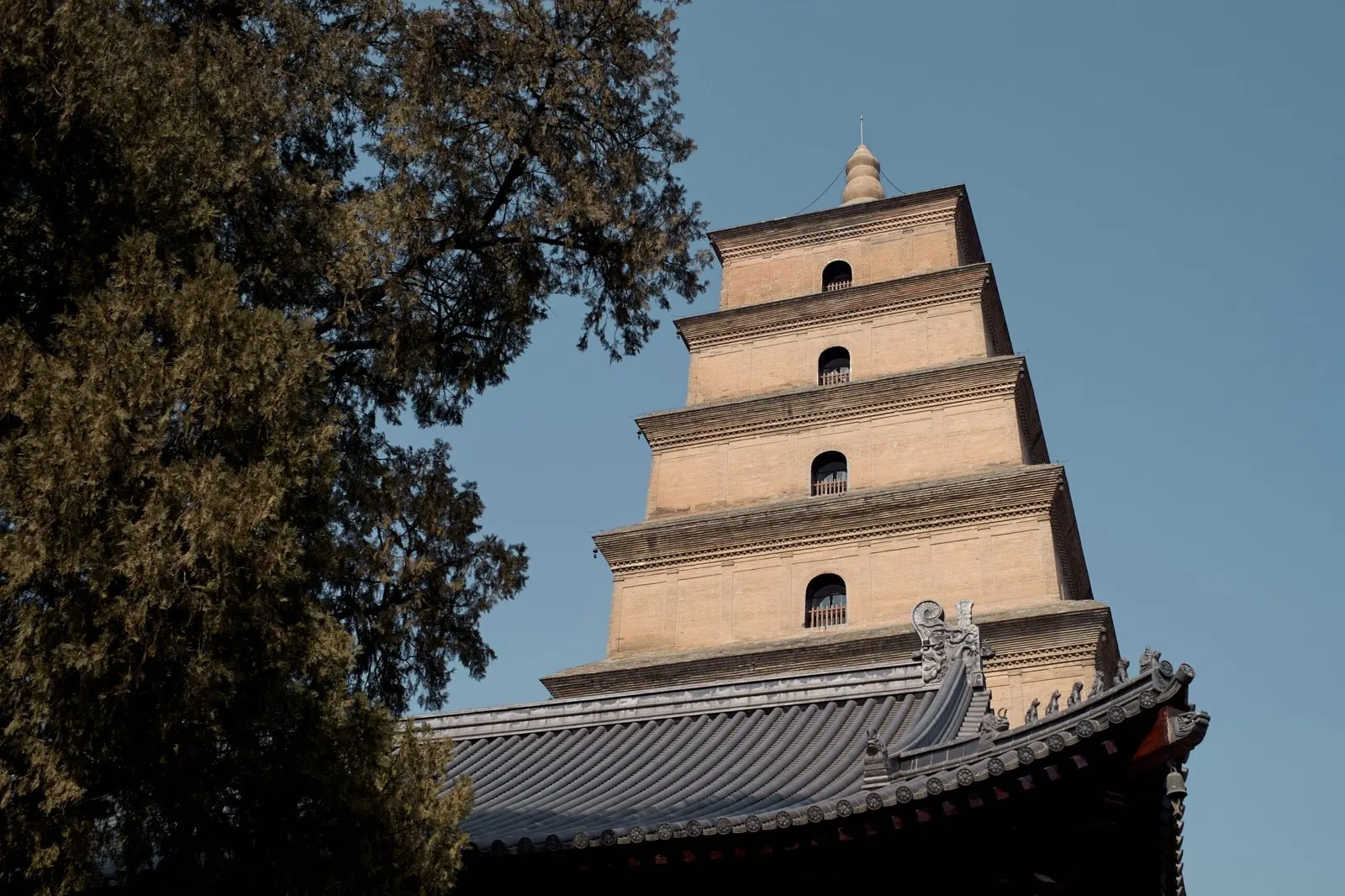
From Xi’an’s terracotta warriors to Chengdu’s giant pandas and Zhangjiajie’s avatar mountains, Central China rewards off-season travelers. Skip the steaming summer crowds and discover misty peaks, spicy hotpot, and authentic culture for less.
Smart Travel Calendar
Shoulder Season
Your Smartest Windows
April to May (avoiding Labour Day holiday)
September to October (avoiding National Day Golden Week)
Avoid: Labour Day (May 1-5) and National Day Golden Week (Oct 1-7) . During these, Zhangjiajie’s Bailong Elevator queues hit 3+ hours and hotel prices triple .
What the Sky Does
Spring: 10°C to 23°C (50°F to 73°F). Comfortable temperatures, cherry blossoms in Xi’an, and misty pandas in Chengdu .
Autumn: 15°C to 25°C (59°F to 77°F). Considered perfect travel weather—crisp air, clear mountain views, and golden foliage.
Summer near-miss: Early June is still pleasant before the furnace heat kicks in mid-month .
Regional variation: Xi’an is drier than Chengdu and Hunan, which receive more spring rain.
How Empty It Feels
40-50% fewer tourists compared to the July-August summer peak.
Xi’an’s Terracotta Army: “Busy but bearable” vs. “shoulder-to-shoulder shuffle” in peak summer.
Chengdu Panda Base: Moderate crowds with pandas actually active in cooler temperatures .
The early bird perk: Arrive at Zhangjiajie’s Wulingyuan at 7:00 AM to have the “Avatar Mountains” nearly to yourself.
What You’ll Save
25-35% savings on domestic flights and 4-star hotels vs. summer peak rates.
High-speed rail: Xi’an-Chengdu and Chengdu-Chongqing tickets are purchasable without 14-day advance booking.
Yangtze cruises: Lower demand means better cabin selection and occasional upgrade deals.
Dining: Popular hotpot spots like Haidilao have wait times under 30 minutes vs. 2+ hours in summer.
The Secret Perk
Terracotta Warriors in Golden Light: Autumn’s low humidity means crystal-clear photos of the famous army.
Panda Baby Season: Late summer/early autumn is when Chengdu’s breeding center shows off new panda cubs.
Zhangjiajie’s Misty Peaks: Spring’s morning mist transforms the sandstone pillars into literal Avatar scenes.
Tea Harvest at Mount Emei: April’s first flush of green tea—watch monks hand-pick leaves.
The Tiny Trade-Off
Spring rain: Hunan province gets significant spring showers; pack rain gear for Zhangjiajie .
Variable temperatures: Xi’an can swing from warm afternoons to chilly evenings; pack layers.
Air quality: Spring sandstorms from the Gobi occasionally reach Xi’an.
Holiday spikes: Accidentally booking during Labour Day (May 1) means peak prices and packed sites.
Smart Traveler Tip
Target mid-May or mid-October: The two weeks after Labour Day and the two weeks after National Day offer the ultimate balance—prices drop, crowds vanish, weather holds.
Book Zhangjiajie tickets online: The glass bridge and Bailong Elevator require advance reservations even in shoulder season.
Pack for wet and dry: Umbrella for Hunan/Chengdu, moisturizer for Xi’an’s drier climate.
Deep Off-Season
Your Smartest Windows
November to March (avoiding Chinese New Year)
Avoid: Chinese New Year (Spring Festival) – Dates vary (late Jan to mid-Feb). The world’s largest human migration. Xi’an and Chengdu become ghost towns with closed restaurants, yet transport is a nightmare .
What the Sky Does
Xi’an: -5°C to 8°C (23°F to 46°F). Cold, dry, and sunny—perfect for outdoor sightseeing without sweat .
Chengdu/Sichuan Basin: 0°C to 10°C (32°F to 50°F). Damp “wet cold” that feels colder than it is; indoor heating is rare.
Hunan/Zhangjiajie: 2°C to 12°C (36°F to 54°F). Clear winter days offer stunning mountain visibility after rain washes the air.
Yangtze River: Cool and crisp; morning mist over the gorges is dramatic but pack warm layers for deck viewing.
How Empty It Feels
60-70% fewer tourists vs. summer peak and Golden Week—you’ll feel like an explorer.
Terracotta Army: Walk the pits in near-silence; guards might actually chat with you.
Chengdu Panda Base: Pandas are most active in cool weather; you’ll have viewing windows to yourself .
Zhangjiahei: The national park is hauntingly beautiful in winter fog—and utterly empty.
What You’ll Save
Flights: Domestic airfare drops 40-60% vs. October peak .
Hotels: 4-star luxury in Xi’an’s city center for under $60 USD/night, Chengdu under $70.
Yangtze cruises: Off-season discounts can reach 50% off peak summer rates.
Daily budget: Comfortable travel for $60-80 USD per person per day (nice hotels, great meals).
The Secret Perk
Hotpot Weather: Finally, Sichuan and Chongqing hotpot makes perfect sense—spicy broth warms you from inside.
Snow on the City Wall: Xi’an’s ancient City Wall dusted in white is a photographer’s dream.
Panda Active Hours: Giant pandas are most playful and active when temperatures drop below 15°C (59°F) .
Leshan Giant Buddha: The massive cliff carving feels more spiritual without selfie-stick crowds.
Genuine Local Life: Without tourists, Chengdu’s teahouses fill with locals playing mahjong—join in.
The Tiny Trade-Off
The “wet cold”: Chengdu and Chongqing’s indoor spaces can feel chilly; bring thermal layers and ask hotels for extra duvets.
Yangtze reduced schedules: Some smaller boat tours may not run daily in January-February.
Shorter days: Sunset around 5:00 PM limits outdoor sightseeing windows.
Rural restaurant closures: Small family-run eateries in Zhangjiajie’s outer areas may close for winter.
Smart Traveler Tip
The post-holiday goldmine: The week after Chinese New Year is the quietest week of the entire year—everyone is back at work, prices bottom out.
Pack for “wet cold vs. dry cold”: For Xi’an: wool coat, hat, gloves, moisturizer. For Chengdu/Hunan: thermal base layers, waterproof jacket, wool socks.
Best winter bet: Xi’an offers the driest, sunniest winter weather of the three regions.
Avoid CNY travel at all costs: If you must travel during Chinese New Year, book everything 90+ days in advance and expect chaos.
Find Off-Peak Flights
Top Off‑Season Stays
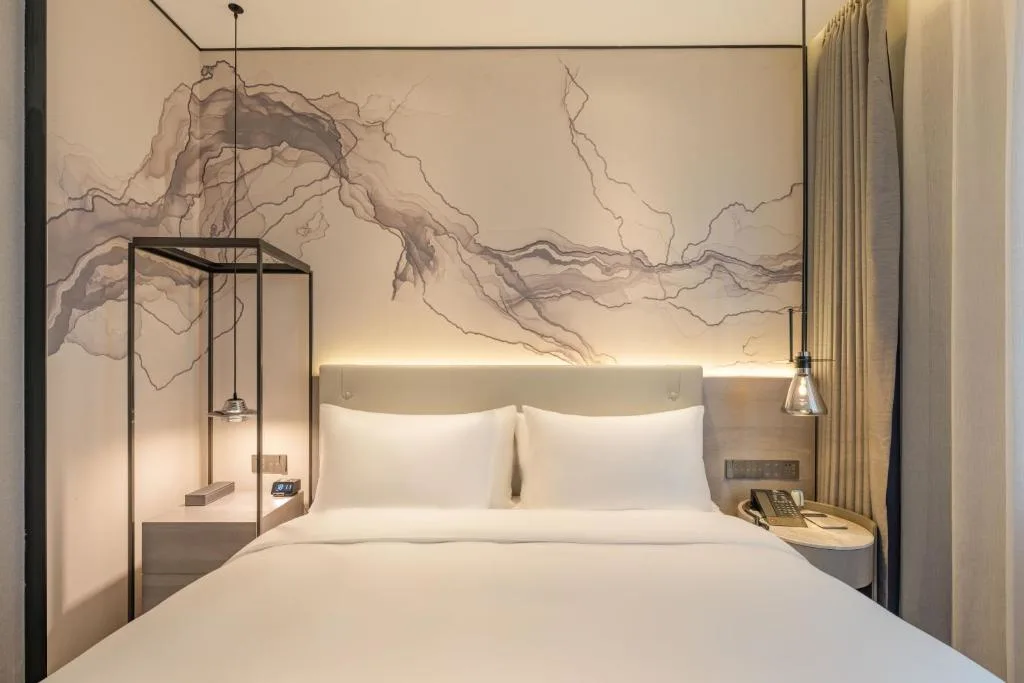
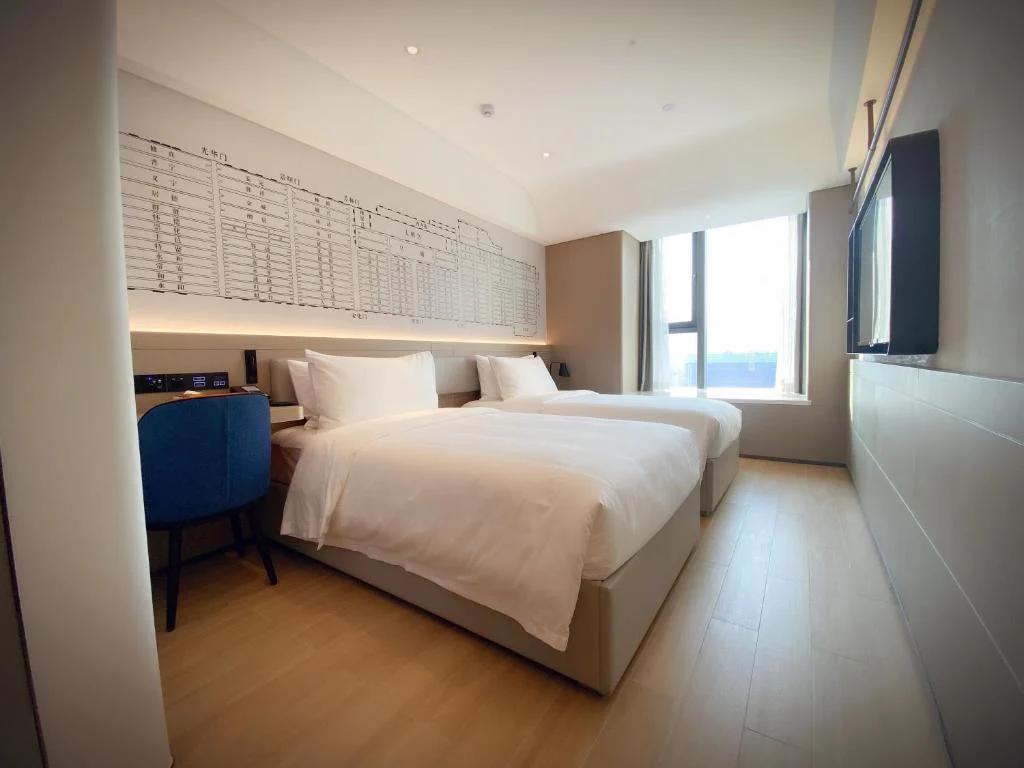
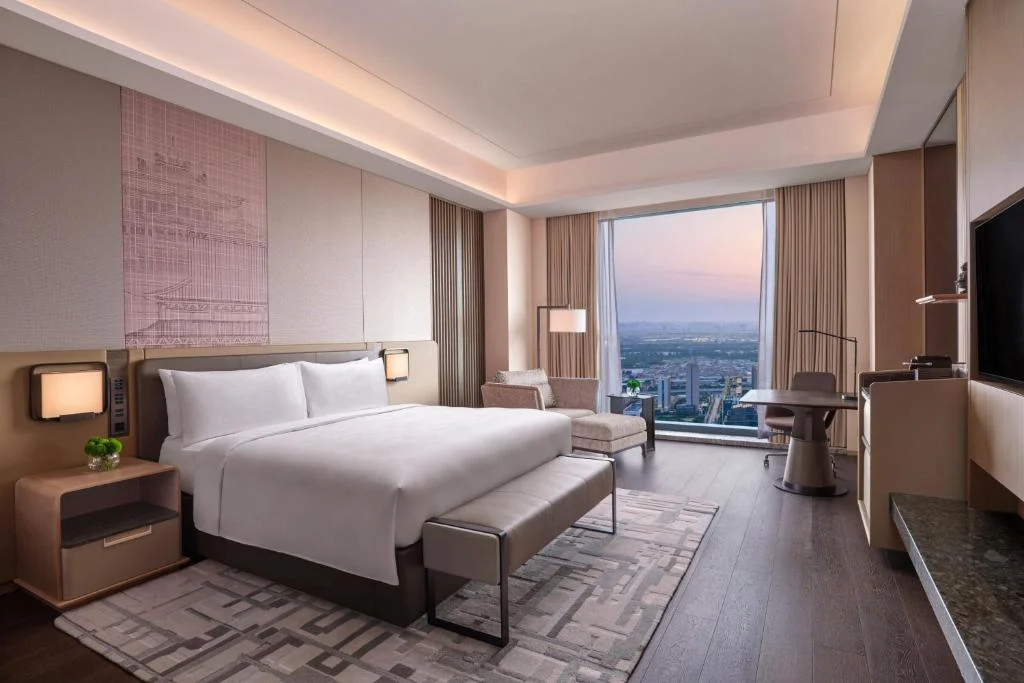
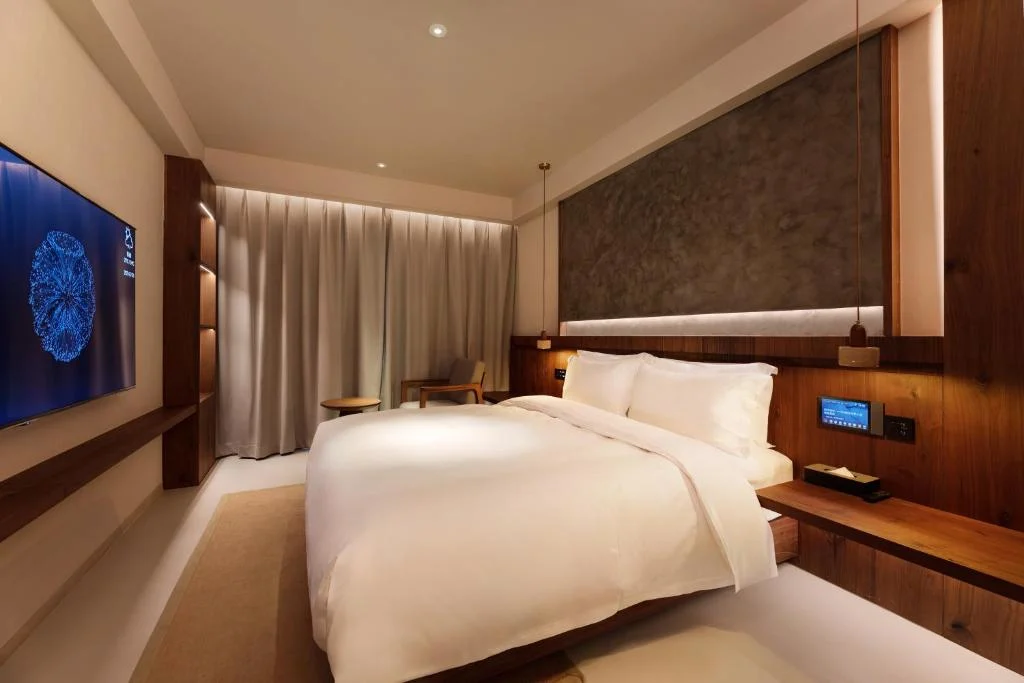
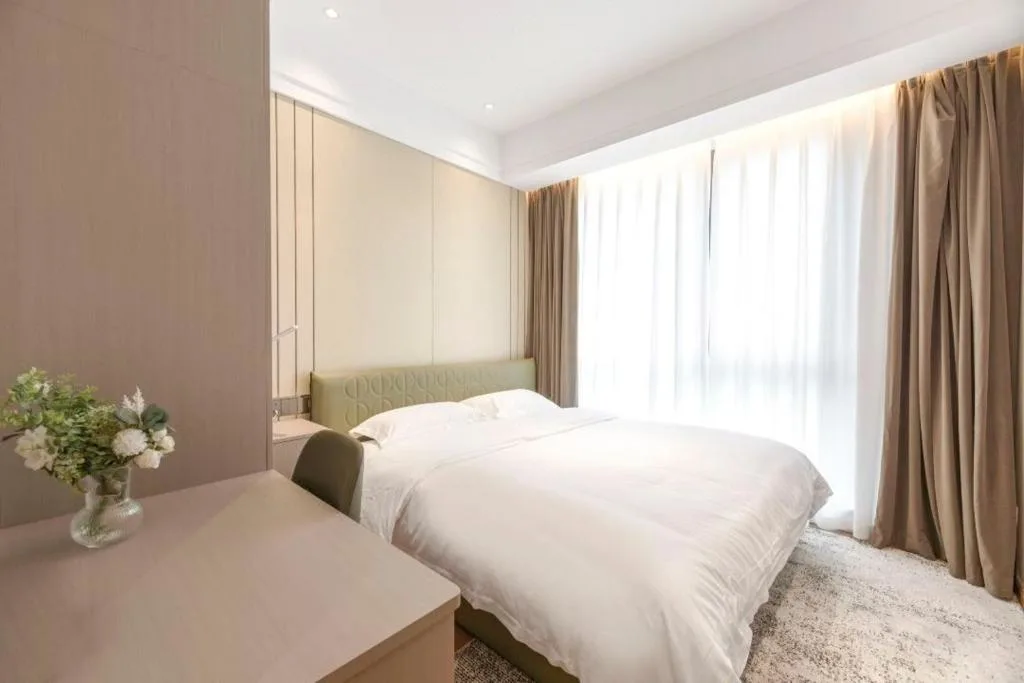
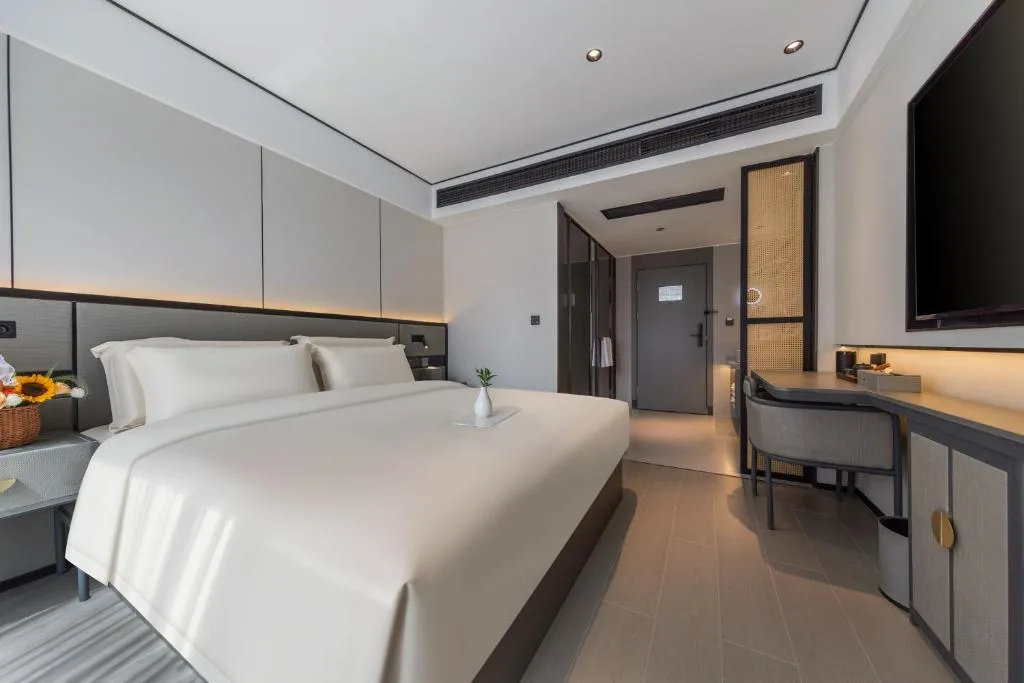
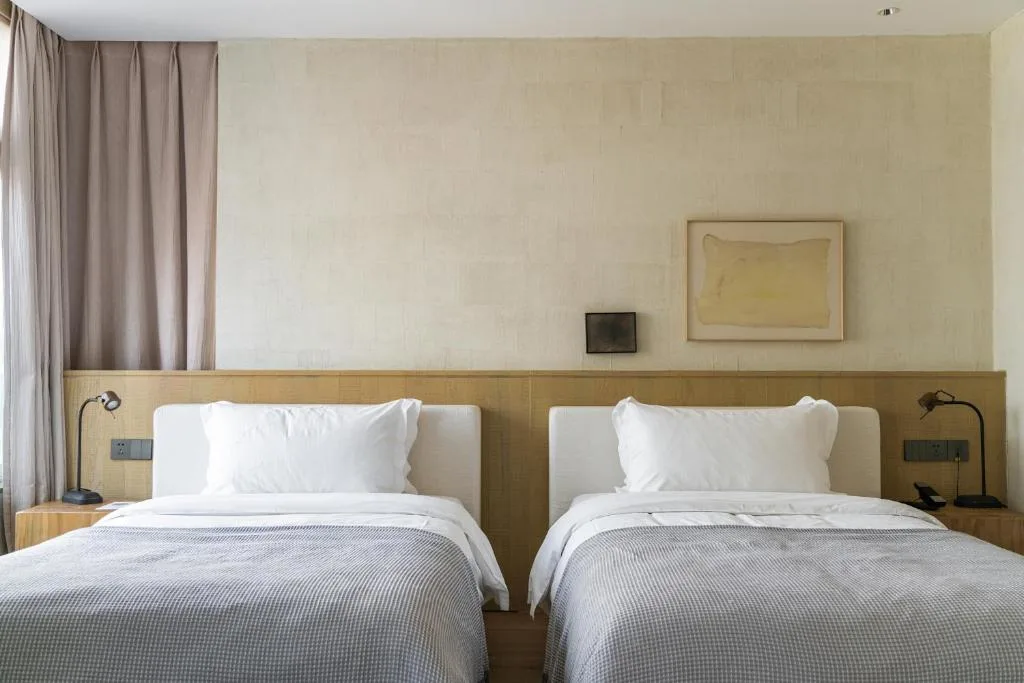
Find below our curated selection of boutique hotels and design apartments that offer exceptional value, atmosphere, and comfort during the off‑season — often at significantly lower rates than peak months.
Uncrowded Experiences & Tours
Skip the lines and experience iconic landmarks at your own pace. Discover curated local tours and cultural activities designed to show you the authentic side of the destination without the peak-season rush.
Handy Tips
Weather & Climate
The climate is generally temperate but can vary dramatically. Summers (June–August) are hot and humid, especially in the Sichuan Basin. Winters are cold and dry in the north (Xi’an) and mild but damp and chilly in the south (Chengdu). Spring and Autumn offer the most moderate temperatures.
Local Customs And Etiquette
Language: Mandarin Chinese is the official language. English is not widely spoken outside of major hotels and international tourist sites. Having essential destinations written in Chinese is a must.
Gifting: Present and receive business cards, gifts, or money with both hands as a sign of respect. Politely refuse a gift a few times before accepting.
Dining: Slurping soup or noodles is not considered rude; it’s a sign of enjoyment. It is polite to leave a little bit of food on your plate to show that your host provided enough.
Budgeting For Your Trip
Accommodation: Hostels ($10–$20), mid-range hotels ($40–$80), luxury ($100+). Prices will be significantly higher in major coastal cities like Shanghai/Beijing.
Food: Street food/Budget restaurant meal ($3–$7), dinner at a mid-range restaurant ($15–$30 per person), fine dining ($50+).
Transport: Intercity High-Speed Rail (Varies widely, e.g., $30–$80), local bus/subway ($0.50–$1.50).
Activities: Major attractions (e.g., Terracotta Army, Panda Base) ($15–$30), Yangtze River Cruise (starting at $300+).
Daily Budget:
- Budget: $50–$70 (hostels, street food, public transport).
- Mid-range: $80–$150 (hotels, restaurants, attractions).
- Luxury: $180+ (boutique hotels, gourmet meals, private tours).
Getting Around
By High-Speed Train (Gāotiě): China’s high-speed rail network is world-class, fast, and efficient, making it the best way to travel between major cities. Book tickets in advance, especially around holidays.
By Metro/Subway: Major cities like Xi’an and Chengdu have excellent and inexpensive metro systems. They are clean, easy to navigate, and the fastest way to travel within the city.
By Private Car/Taxi: Taxis are affordable, but most drivers don’t speak English. Use a ride-hailing app like Didi (China’s equivalent of Uber) or have your destination written in Chinese.
Must-Try Food
Hot Pot (Huǒguō): Particularly the mala (numbing and spicy) version from Chongqing/Sichuan, where you cook meat and vegetables in a boiling broth.
Mapo Tofu (Mápó Dòufu): A classic Sichuan dish of soft tofu set in a spicy bean-based sauce, often with ground beef or pork.
Rougamo (Ròujiāmó): Often called the “Chinese hamburger,” it’s a shredded, seasoned meat (usually pork or beef) stuffed into a flatbread. A specialty of Xi’an.
Biang Biang Noodles: Wide, thick, and chewy hand-pulled noodles topped with chili, garlic, and a spicy sauce—a must-try from Shaanxi.
Kung Pao Chicken (Gōngbǎo Jīdīng): Diced chicken stir-fried with peanuts, vegetables, and chili peppers.
Dan Dan Noodles (Dàndàn Miàn): Thin noodles tossed in a spicy sauce with preserved vegetables, chili oil, and minced pork.
Jiaozi/Chinese Dumplings: Often boiled or steamed, filled with meat and vegetables, and a staple across the region.
Zhajiangmian: Thick wheat noodles topped with a savory-sweet, thick sauce of ground pork and fermented soybean paste.
Tang Yuan: Sweet glutinous rice balls, often filled with black sesame, peanuts, or red bean paste, served in a broth.
Tánghúlu (Sugar-Coated Fruit): Fruit skewers (often hawthorn berries) dipped in a hard, clear sugar candy shell.
Must-Try Drinks
Baijiu (Báijiǔ): A strong, clear distilled spirit, usually made from sorghum. It has a high alcohol content and is a staple at formal banquets.
Tsingtao Beer: The most famous Chinese beer, a pale lager that is widely available and very popular with food.
Huangjiu (Huángjiǔ): “Yellow wine,” a traditional Chinese alcoholic beverage made from fermented grains like rice, millet, or wheat. Often served warm.
Mijiu (Mǐjiǔ): A sweet, low-alcohol rice wine, similar to Japanese sake.
Chinese Tea (Chá): Essential to the culture. Try Jasmine tea, Pu-erh, or a local variety in a teahouse.
Suanmeitang (Suānméitāng): A traditional sour plum drink, often sweetened and chilled—very refreshing in summer.
Wanglaoji (Wáng Lǎojí): A popular sweet herbal tea, known for its cooling properties.
Soy Milk (Dòujiāng): A nutritious, slightly sweet morning drink, often consumed with breakfast items like fried dough sticks.
Fresh Fruit Juices: Locally made juice, like Pear Juice (Lízhī Zhī) or Watermelon Juice (Xīguā Zhī).
Bubble Tea (Zhēnzhū Nǎichá): Originating from Taiwan but popular across China, with various flavors and chewy tapioca pearls.