 Skip to content



- What Is The Weather Really Like During The Off-Season In Beijing-Tianjin?
During the shoulder seasons, you will find crisp, clear skies and comfortable temperatures perfect for exploring the Great Wall, though you might need a light jacket. In the deeper off-season, it gets significantly colder and windier, but this is when you see the city’s winter charm without the haze.
The main drawdown is that deep off-season requires serious winter gear, especially for the windy coastal areas near Tianjin. However, the positive spin is that this “harsh” weather keeps nearly everyone else away, meaning you get world-class museums and historic hutongs almost to yourself. For a full breakdown of monthly conditions, check our Off-Season Calendar.
- How Much Can I Save On Hotels And Flights?
You will see substantial price drops that make this a true “Smart Travel” goldmine. On average, expect accommodation in both Beijing and Tianjin to be discounted by 30% to 50% compared to peak national holiday weeks. You will also find that domestic flight and high-speed rail connections offer quieter carriages and promotional fares.
However, the discount percentage varies greatly between the shoulder and deep off-season. The shoulder season offers a sweet spot of 20-30% off with good weather, while the deep off-season can hit 50-60% off, but you lose some transport frequency. The key to exploiting this is flexibility; the savings are real, but the schedule is leaner.
- Will The Crowds Actually Be Smaller At The Forbidden City And The Great Wall?
Absolutely. This is the number one reason to visit the Beijing-Tianjin area during our recommended windows. Instead of shuffling through the Forbidden City in a sea of selfie sticks, you will actually hear the echoes of history. The popular sections of the Great Wall, like Mutianyu, feel like a quiet hike rather than a human conveyor belt.
The flip side is that some smaller attractions or suburban restaurants might close for the season, or operate on reduced hours. But for the major UNESCO sites? You are looking at a crowd reduction of roughly 70% to 80%. You can truly “Exploit Travel Seasonality” by walking up to ticket booths without a pre-booked time slot, which is unheard of in summer.
- Is Transportation Between Beijing And Tianjin Reliable In The Bad Weather?
Yes, the high-speed rail link between the two cities is a marvel of engineering that runs consistently even during winter fog or summer rains. Trains run frequently during the shoulder months, making a day trip to Tianjin’s Italian Style Town or Ancient Culture Street incredibly easy. You will find that delays are rare because the system is built to handle extremes.
The drawdown is that during a deep off-season blizzard or heavy smog event, some local bus routes and slower ferries (if applicable) may be suspended for safety. However, the core subway systems in both cities and the intercity bullet trains almost never stop. Just be prepared for potential visibility delays at the airports during the worst weeks of the year.
- What Are The Specific Drawbacks Of Visiting During The Shoulder Vs Deep Off-Season?
The shoulder season offers near-perfect conditions but slightly higher prices and a few more people than the deep off-season. You will still encounter some school groups, but the queues move fast. The main drawback is unpredictable “spring dust” or “autumn wind” storms that can appear for a day or two.
The deep off-season gives you the maximum discounts (up to 50% or more) and ghost-town silence at attractions, but the heating systems indoors are very dry, and outdoor sightseeing is a battle against the chill. Your choice depends on whether you hate crowds more than you hate cold weather.

Home > Exploit The Seasons > Seasonal World Map > Asia > China > Beijing Region
BEIJING REGION
From Beijing’s ancient hutongs to Tianjin’s colonial architecture, this powerhouse region offers imperial grandeur and coastal charm. Skip the suffocating summer crowds and discover authentic local life under crisp autumn skies or snow-dusted red walls.
Smart Travel Calendar
Shoulder Season
Your Smartest Windows
April to May (avoiding Labour Day holiday)
September to October (avoiding National Day Golden Week)
Avoid: Labour Day (May 1-5) and National Day Golden Week (Oct 1-7) . During these, the Great Wall becomes a “human wall” and hotel prices triple overnight .
What the Sky Does
Spring: 5°C to 20°C (41°F to 68°F). Trees blossom, but watch for unpredictable sandstorms and fluctuating air quality .
Autumn: 10°C to 25°C (50°F to 77°F). Widely considered perfect weather—crisp, clear skies, low humidity, and golden light .
Humidity: Drops significantly compared to summer, making outdoor walking genuinely enjoyable.
Rainfall: Minimal in autumn; spring sees occasional showers that clear the air beautifully.
How Empty It Feels
40-50% fewer tourists compared to the July-August summer peak.
Major sites: Forbidden City and Great Wall are “busy but bearable” rather than “shoulder-to-shoulder chaos.”
Tianjin’s Five Avenues: Stroll the European-style concession streets in peaceful solitude.
The morning hack: Arrive at Mutianyu Great Wall by 8:00 AM to have entire watchtowers to yourself.
What You’ll Save
25-35% savings on domestic flights and 4-star hotels vs. summer peak rates.
Bullet train tickets: Actually purchasable without booking 14 days in advance (a true luxury).
Attraction access: No “express pass” upcharges needed when queues are short.
Dining: Popular Peking duck spots like Siji Minfu have wait times under 30 minutes.
The Secret Perk
Cherry Blossoms at Yuyuantan: April transforms this park into a pink wonderland with 2,000+ trees in bloom .
Golden Autumn Colors: The Great Wall framed by fiery red and yellow foliage—unforgettable photography .
Panshan Mountain Awakens: Spring streams thaw, wildflowers carpet the slopes outside Tianjin, and temple bells echo through fresh greenery .
Palace Museum masterpieces: September’s low humidity allows the Beijing Palace Museum to display its most ancient paintings .
The Tiny Trade-Off
Spring sandstorms: Occasional blasts of Gobi Desert dust can reduce visibility and air quality .
Unpredictable temperatures: April can swing from warm afternoons to chilly evenings within hours.
Willow catkins: Late April brings floating white fluff that bothers allergy sufferers.
Holiday spikes: Accidentally booking during Labour Day or National Day means peak prices and packed sites.
Smart Traveler Tip
Target late May or mid-October: The two weeks after Labour Day and the two weeks before National Day offer the ultimate balance.
Check air quality apps: Monitor forecasts and pack N95 masks for potential spring sandstorms .
Book trains exactly 14 days out: High-speed rail Beijing-Tianjin sells out on weekends, even in shoulder season.
Deep Off-Season
Your Smartest Windows
November to March (avoiding Chinese New Year)
Avoid: Chinese New Year (Spring Festival) – Dates vary (January or February). The world’s largest human migration. Beijing empties out but transport is a nightmare and many small restaurants close .
What the Sky Does
Average temperatures: -5°C to 5°C (23°F to 41°F) in Beijing; Tianjin slightly milder due to coastal influence .
Snow potential: December and January offer the best chance of a snowy Forbidden City—check forecasts religiously.
Dry air: Extremely low humidity means cold doesn’t feel as biting as wet cold, but your skin will notice.
Sunshine: Surprisingly sunny and clear; winter inversion can trap pollution, but post-cold-front days are crystal-blue.
How Empty It Feels
60-70% fewer tourists vs. summer peak—mostly serious photographers and budget-conscious travelers.
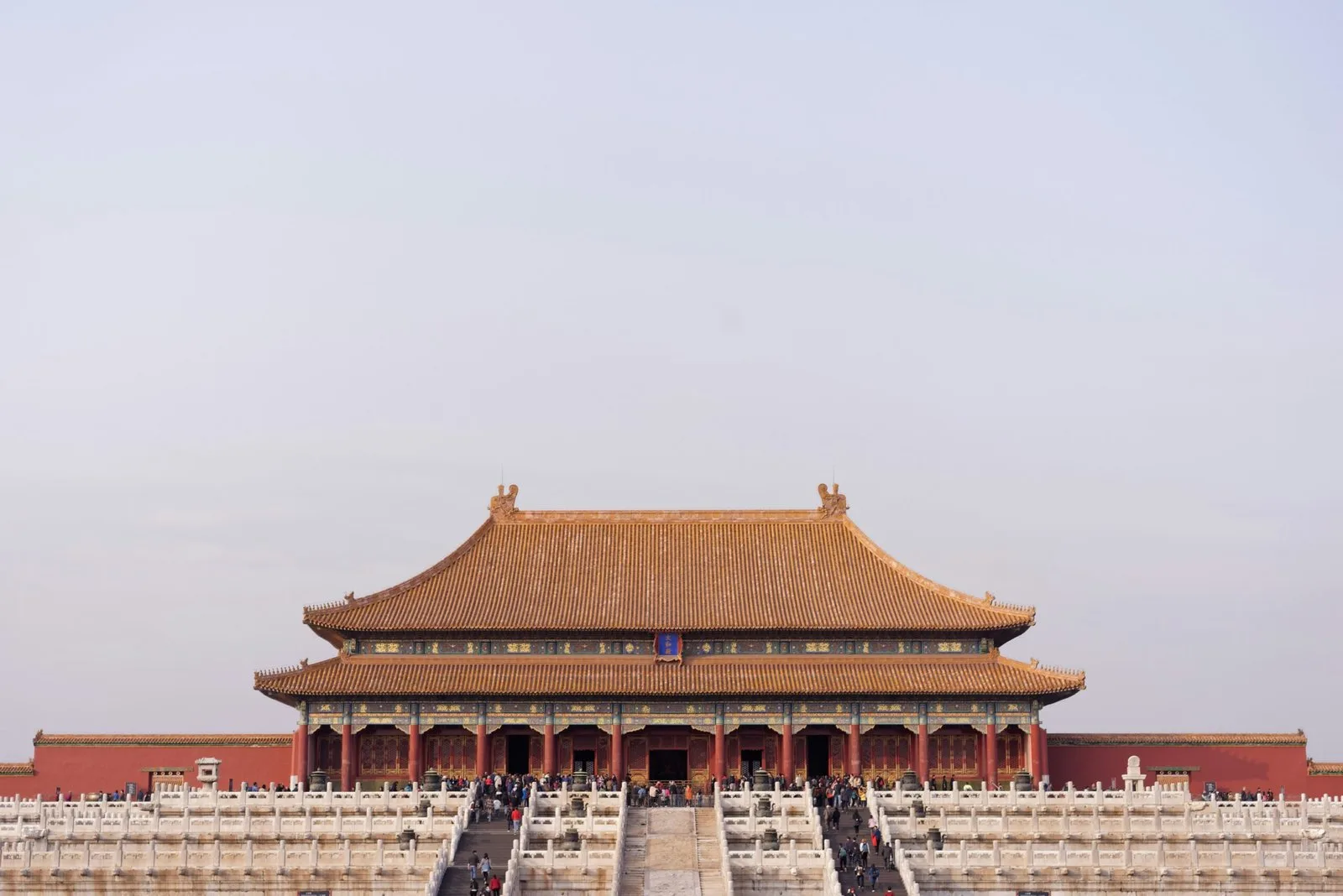
Forbidden City: Walk through Gate of Supreme Harmony without being shoved; actually hear the gravel crunch under your feet.
Museums: National Museum of China and Summer Palace offer near-private experiences.
Tianjin’s Ancient Culture Street: Shop for traditional crafts without haggling over elbow room.
What You’ll Save
Flights: Domestic airfare drops 40-60% vs. October peak .
Hotels: 5-star luxury in Beijing’s core for under $100 USD/night is standard .
Car service: Private drivers to the Great Wall cost half of summer rates.
Daily budget: Comfortable mid-range travel for $70-100 USD per person per day .
The Secret Perk
Frozen Lakes for Skating: Join locals skating on frozen Houhai or Beihai—a quintessential Beijing winter experience.
Hot Springs Escape: Day trip to Tianjin’s nearby hot spring resorts for blissful outdoor soaks in steaming water.
Snowy Great Wall Photos: Sections like Jinshanling look like traditional Chinese ink paintings after fresh snow.
Genuine Local Vibes: Without international crowds, hutong residents are more likely to invite conversation.
The Tiny Trade-Off
Great Wall wind: Exposed sections can feel brutally cold; wear windproof layers and thermal underwear.
Shorter days: Sunset around 5:00 PM limits outdoor sightseeing windows.
Some closures: Smaller “farm-to-table” restaurants in rural areas shut down for winter.
Beijing’s cough: Air pollution can spike during temperature inversions; check forecasts before booking.
Smart Traveler Tip
Go just before or after Chinese New Year: The week before CNY has low prices and festive energy; the week after is the quietest week of the entire year.
Pack like an onion: Base layer + fleece + windproof jacket + scarf + hat + gloves. Don’t forget moisturizer and lip balm—the dry air is relentless.
Best snow bet: Follow Beijing weather forums and be ready to book last-minute for a snowy Forbidden City forecast.
Find Off-Peak Flights
Top Off‑Season Stays
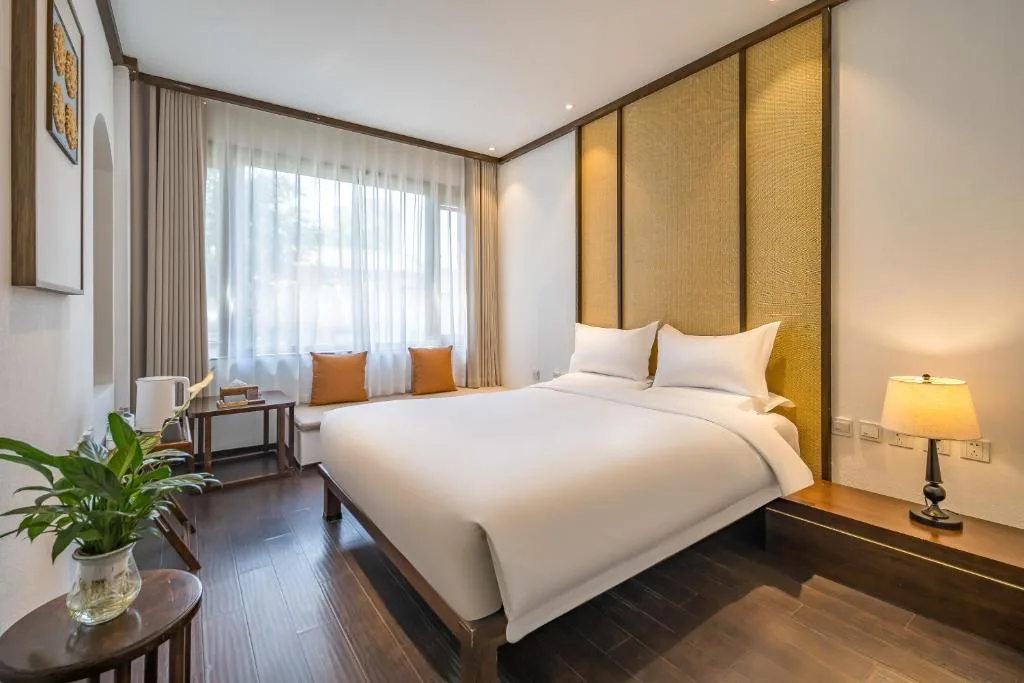
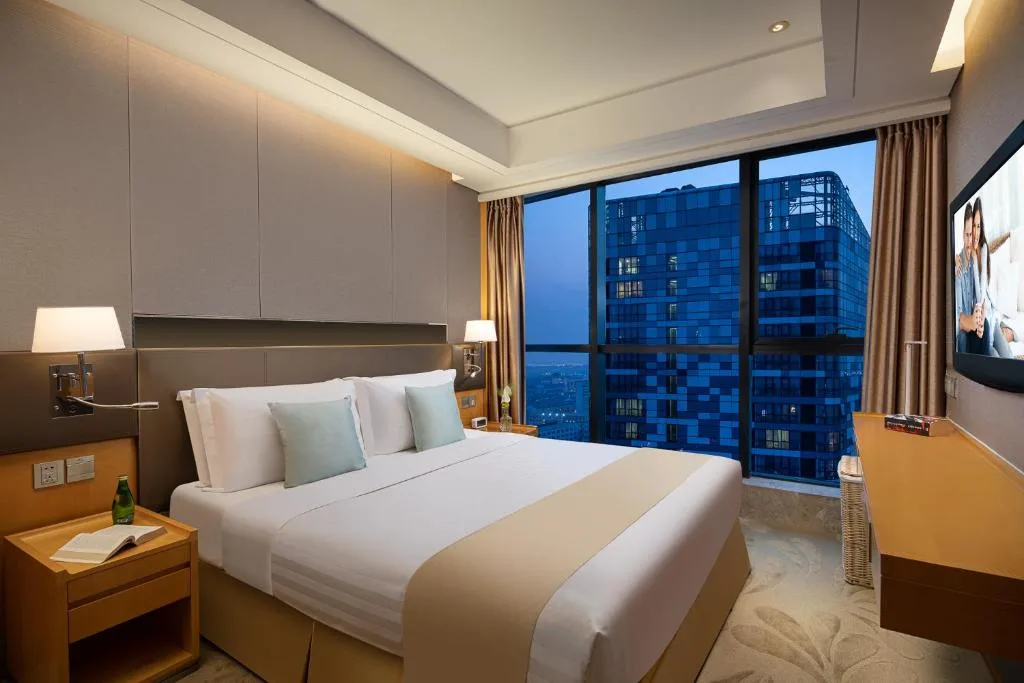
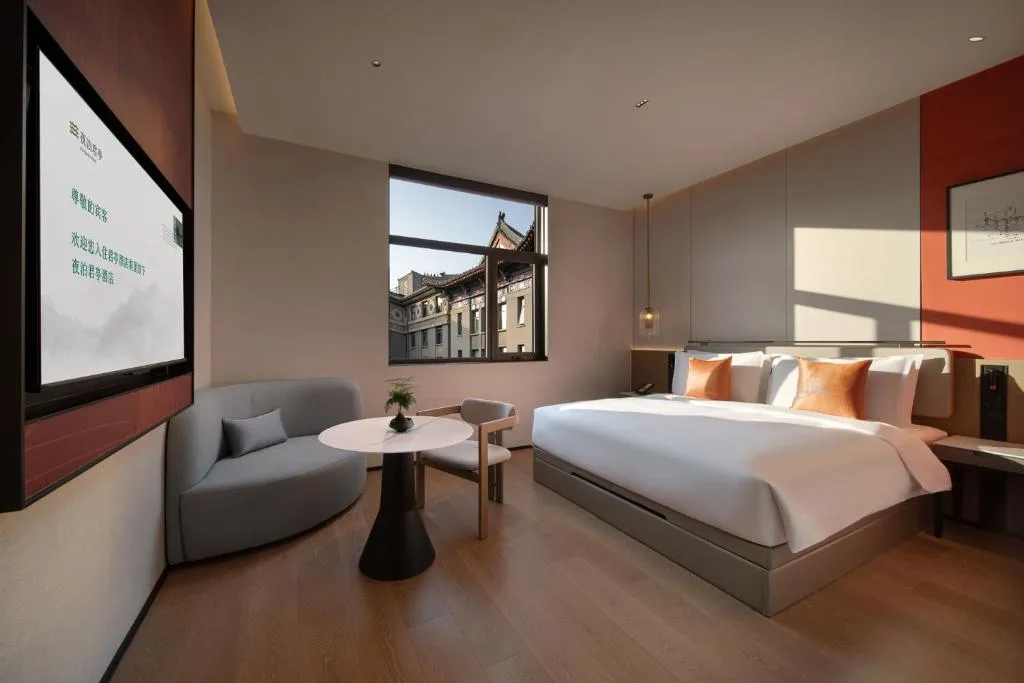
Find below our curated selection of boutique hotels and design apartments that offer exceptional value, atmosphere, and comfort during the off‑season — often at significantly lower rates than peak months.
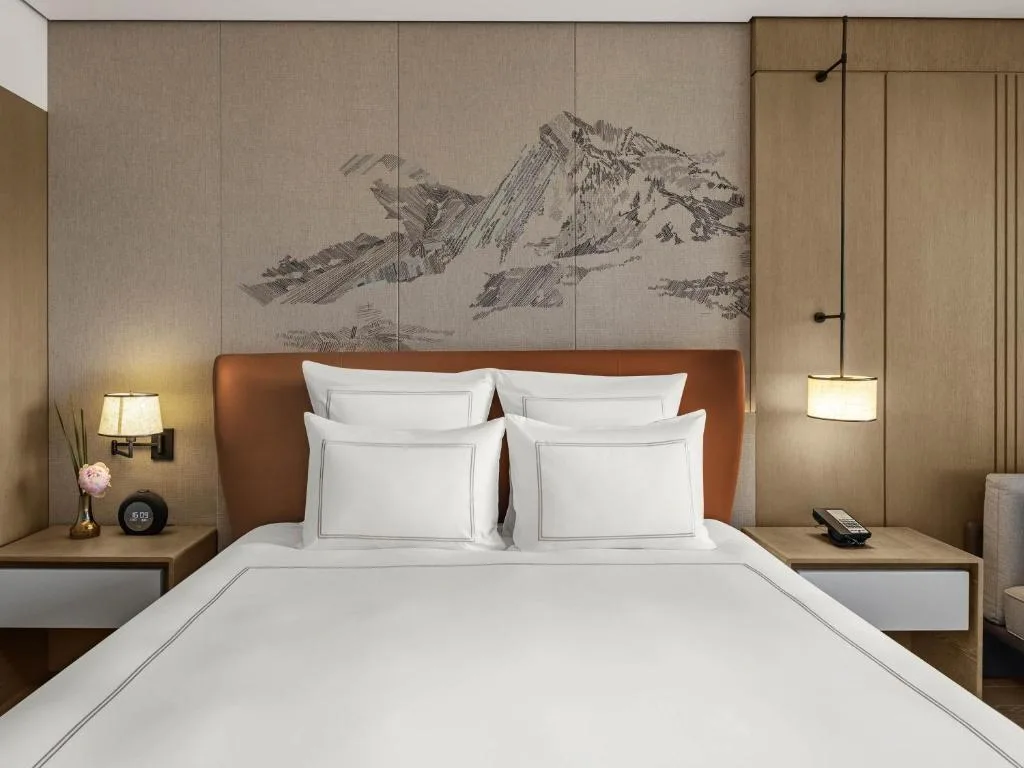
Swissotel
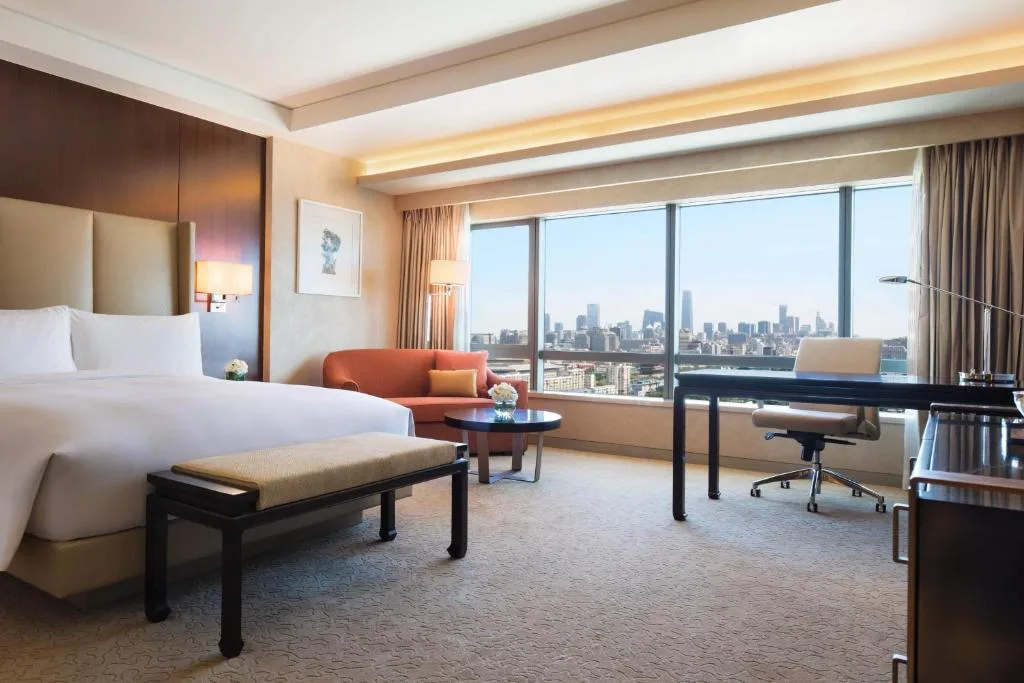
JW Marriott Hotel Beijing Central
Uncrowded Experiences & Tours
Skip the lines and experience iconic landmarks at your own pace. Discover curated local tours and cultural activities designed to show you the authentic side of the destination without the peak-season rush.
Handy Tips
Weather & Climate
The region has a humid continental climate with four distinct seasons. Summers are hot and humid, while winters are cold and dry with occasional snowfall. Spring and autumn are characterized by mild, pleasant temperatures.
Local Customs And Etiquette
Greetings: A simple handshake or a nod is common. When addressing elders or seniors, use the formal ‘Nin hao’ (pronounced neen-haow) for “hello.”
Respect for Elders: Respect for seniority and age is deeply rooted in the culture. Allow the eldest person to begin eating before you start.
Public Decorum: Public displays of affection are generally uncommon. Avoid raising your voice in public or getting visibly angry, as this can be seen as causing a “loss of face.”
Tipping: Tipping is generally not customary and can sometimes be considered inappropriate in local establishments.
Budgeting For Your Trip
Accommodation: Hostels ($25–$50), mid-range hotels ($80–$150), luxury ($180+). Prices are significantly higher during major Chinese holidays.
Food: Street food/Budget meal ($3–$8), fixed-price lunch menu ($10–$20), dinner at a mid-range restaurant ($30–$55 per person), fine dining ($70+).
Transport: Local subway/bus ($0.50–$1.50), high-speed train Beijing-Tianjin ($8–$20 one way), taxi (reasonable starting fare).
Activities: Great Wall entry ($6–$10), Forbidden City entry ($9–$15), high-end Peking Duck dinner ($40–$80 per person).
Daily Budget:
- Budget: $70–$100 (hostels, street food, public transport).
- Mid-range: $120–$200 (mid-range hotel, restaurants, attractions).
- Luxury: $250+ (boutique hotels, gourmet meals, private tours).
Getting Around
By Subway/Metro: The subway systems in both Beijing and Tianjin are highly extensive, efficient, modern, and the best way to navigate both cities.
By High-Speed Train: This is the best and fastest way to travel between Beijing and Tianjin (as little as 30 minutes).
By Taxi/Ride-Share: Taxis are readily available, but using ride-share apps is often easier and more reliable for non-Chinese speakers.
Must-Try Food
Peking Duck (Běijīng Kăoyā): The iconic dish of roasted duck with crisp skin, served with thin pancakes, scallions, and a sweet bean sauce.
Zhajiangmian (Zhàjiàng Miàn): Thick wheat noodles topped with a savory sauce of ground pork and fermented soybean paste, served with fresh julienned vegetables.
Luzhu Huoshao (Lŭzhŭ Huŏshāo): A hearty, classic Beijing stew made with pork offal, deep-fried tofu, and baked wheat flatbread (huoshao).
Jing Jiang Rousi (Jīngjiàng Ròusī): Shredded pork stir-fried in a sweet bean sauce, served with thin tofu wraps and shredded scallions.
Baodu (Bàodǔ): Quick-scalded tripe (beef or lamb stomach) served with a dipping sauce of sesame paste, a popular snack.
Goubuli Baozi (Gǒubùlǐ Bāozi): Famous, rich-filling steamed buns from Tianjin, a local specialty often with pork.
Jianbing (Jiānbǐng): A savory crepe or pancake cooked on a griddle, filled with eggs, crispy crackers, and sweet/spicy sauce, a perfect breakfast/street snack.
Lvdagunr (Lǚdǎgǔn): “Rolling Donkey”—a sweet dessert made from glutinous rice flour filled with red bean paste, rolled and coated in toasted soybean powder.
Tanghulu (Tánghúlú): Candied fruit skewers, traditionally made with hawthorn berries, famous as a winter snack.
Fuling Bing (Fúlíng Bǐng): A thin, wafer-like cake with a sweet filling made from the Fuling (Poria) mushroom, often served as a traditional pastry.
Must-Try Drinks
Erguotou (Èrguōtóu): A powerful, clear Chinese liquor (Baijiu) popular in Beijing, known for its high alcohol content.
Local Beer: Try local brands like Yanjing Beer (Yànjīng Píjiŭ), a light lager widely available.
Sān Dàyán (Sān Dàyán): A popular local Baijiu from Tianjin.
Douzhir (Dòuzhīr): Fermented mung bean milk. It’s a traditional, sour, and mildly pungent Beijing drink—a true local test of courage!
Tea (Chá): The region has a deep tea culture; explore traditional varieties like green tea, Oolong, or Pu’er.
Soybean Milk (Dòu Jiāng): A warm, fresh, and often unsweetened staple for breakfast.