

“Stop being a tourist. Start being a traveler.” This philosophy isn’t just about choosing your dates—it’s about choosing your experience. When it comes to the culinary world, the off-season is not a “down” time; it is the most honest time to eat.
Why the “Off-Season” Kitchen is the Best Kitchen Peak season in major gastronomic hubs often leads to “tourist menus”—diluted, mass-produced versions of regional classics designed to satisfy a high-volume crowd. But during the shoulder season? The dynamic shifts.
When the frantic pace of the summer rush dissipates, local chefs return to their roots. They focus on the ingredients that are actually in season, they engage with local suppliers, and most importantly, they have the time to talk to their guests.
The Smart Traveler’s Culinary Trifecta
- Access to the Table: In places like France or Italy, getting a table at a legendary spot during the summer is a logistical nightmare. In the off-season, you can often walk in or secure a prime reservation with ease.
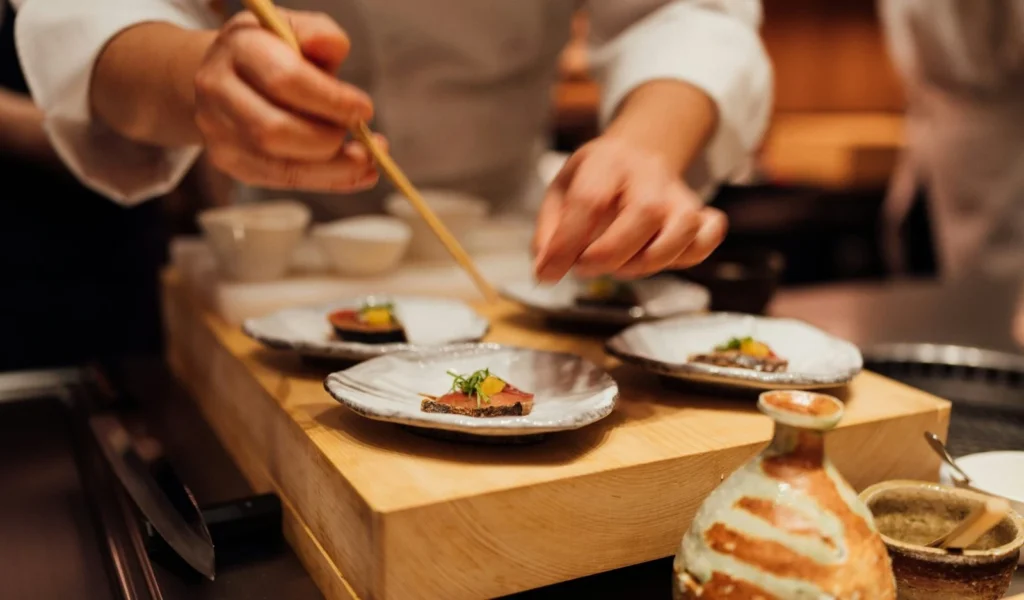
- Chef-to-Guest Connection: Without the pressure of a two-hour turn time, you’ll find that chefs are often more willing to discuss their craft, the history behind a dish, or their favorite local wine pairings. It’s the difference between eating food and experiencing a culture.
- Seasonal Authenticity: Peak tourism often brings ingredients out of their natural rhythm. Traveling in the off-season means you are eating what the locals are eating right now. Explore more about seasonal food traditions on our Food and Drink theme page.
Culinary Destinations That Shine When Crowds Flee
- Spain: Skip the August heat and visit in the late autumn. The olive harvest is in full swing, and the tapas bars in cities like Seville regain their authentic, neighborhood buzz.
- Asia: In culinary capitals like Bangkok or Kyoto, the off-peak months allow you to navigate night markets and small, family-run ramen shops with actual elbow room. Our AI Travel Assistant can help you pinpoint the best months to visit for a culinary-focused trip.
- South America: From Lima’s world-class dining scene to the vineyards of Chile, the off-season offers better service and often, more inclusive tasting menus.
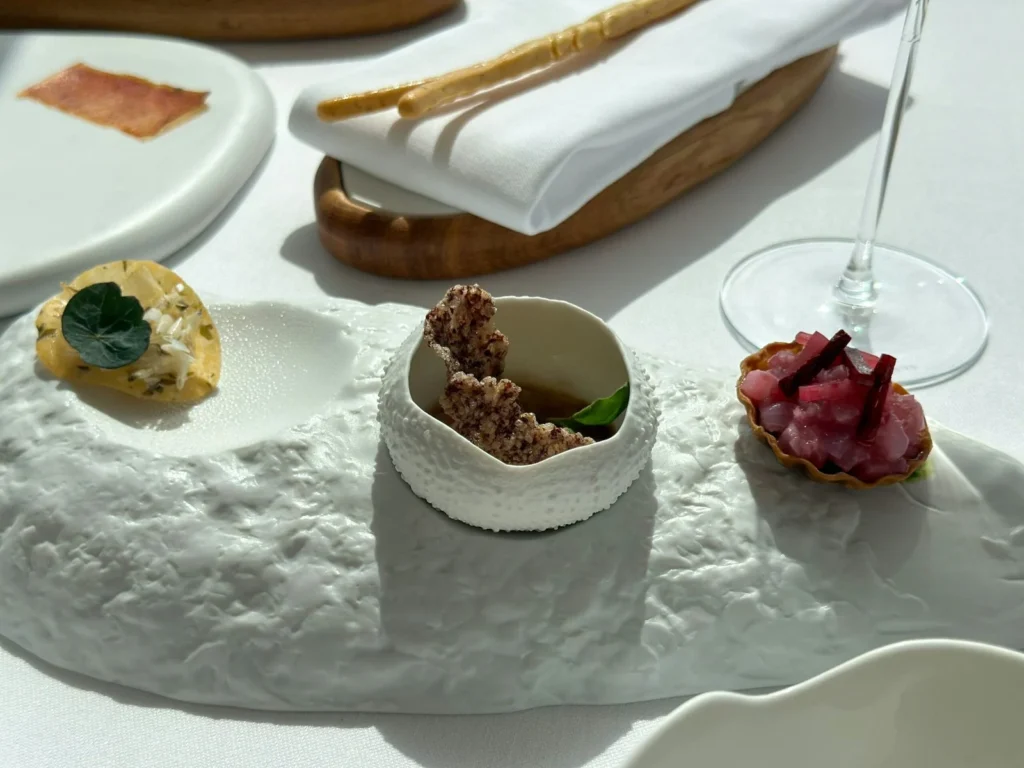
How to Plan Your Gastronomic Escape Ready to eat your way across the globe the smart way?
- Explore by Region: Start by looking at countries with strong culinary traditions and see when their shoulder seasons align.
- Check the Rankings: Our monthly ranking shows you where the value is high—and where your budget will allow you to upgrade from a standard dinner to a fine-dining experience.
- Plan Your Itinerary: Use our AI itinerary generator to highlight “Culinary” as your primary interest. It will build a journey that avoids tourist traps and leads you straight to the local favorites.
A Pro-Tip for the Table Before you go, check reputable sources like Eater or the Michelin Guide to see what seasonal specialties are appearing on local menus. For deep-dive research on sustainable food practices, check out Slow Food International, then cross-reference that with Volomundi’s off-season calendar to ensure you’re visiting when the ingredient is at its peak quality.
True food lovers don’t follow the crowds; they follow the harvest, the local rhythms, and the authentic stories behind the plate. Don’t let your next meal be a victim of peak-season convenience.