 Skip to content
- Will The Weather Ruin My Trip To Italy During The Off Season?
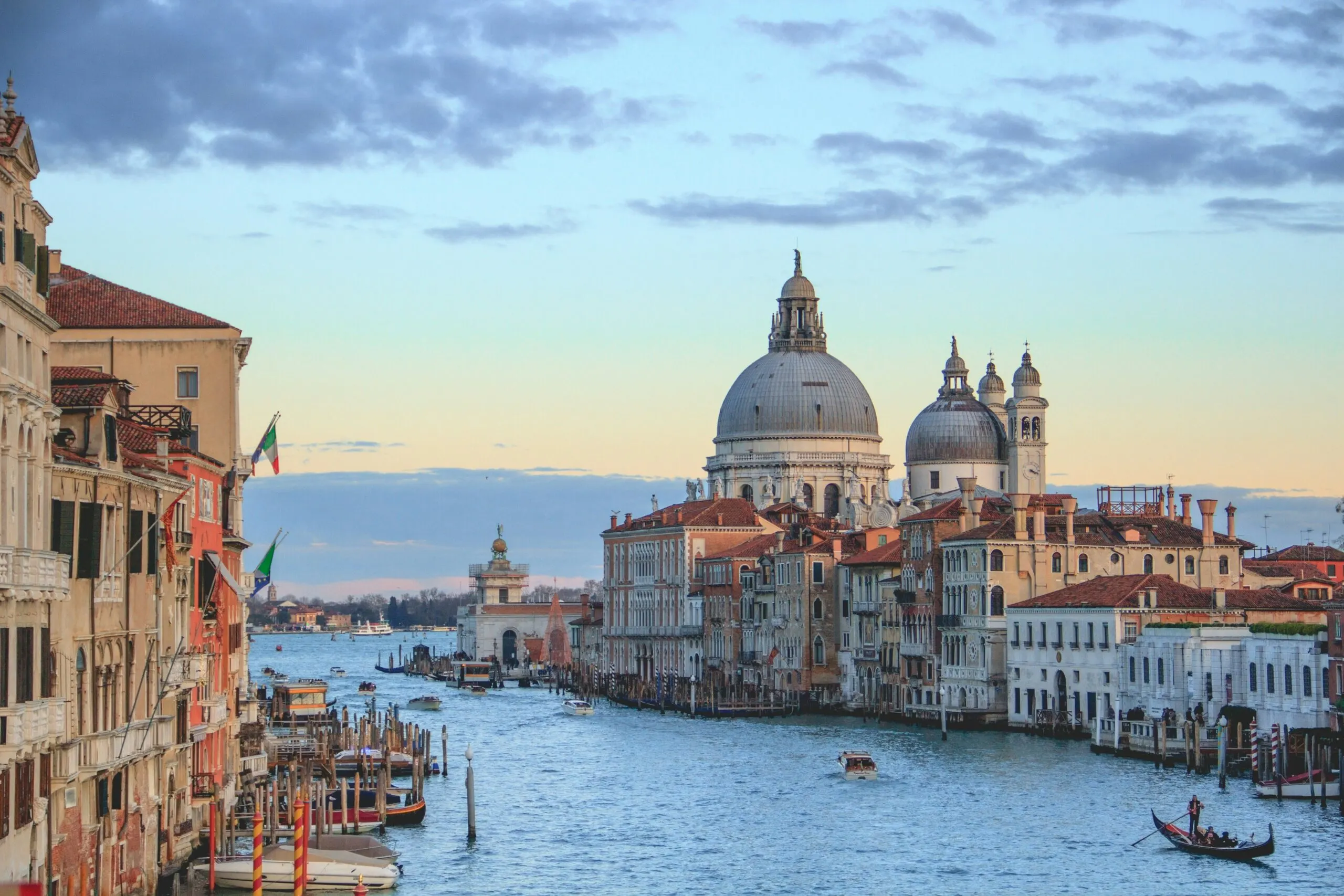
No, it will just trade beach days for culture days. You can absolutely exploit travel seasonality here by embracing Italy's quieter side—think misty mornings over Tuscan hills, empty Roman forums under dramatic clouds, and Venice without water bus gridlock.
The drawdown is that northern Italy gets genuinely cold, and the Amalfi coast sees rain. The upside? You will walk through the Colosseum and Vatican Museums with breathing room, and you will trade sunburns for unlimited cappuccinos without judgment.
- Is It Hard To Get Around Italy When Fewer Tourists Are Visiting?
No, trains actually become a pleasure to use. High-speed Frecciarossa and Italo services run normally, but you will find deeply discounted fares and entire train cars to yourselves.
The potential hitch is that some ferry routes to Capri, Sicily, and the smaller islands reduce their winter schedules. However, exploring Rome, Florence, and Naples on foot becomes magical when the narrow streets belong more to locals than to selfie sticks.
- How Much Can I Save On Hotels And Pasta Tours In The Italian Low Season?
Expect to save between 35% and 55% on accommodations and guided food experiences. That Volomundi sweet spot means a canalside hotel in Venice or a farmhouse in Puglia becomes shockingly affordable.
The drawdown is that some coastal hotels in Cinque Terre and Portofino close completely. But the ones that stay open often upgrade your room to sea views or double your pasta portions simply because they are thrilled to serve you.
- Will I Find Restaurants And Ruins Closed In Italy's Deep Off Season?
Not in the cities, but lakeside villages get very sleepy. You will find the Colosseum, the Uffizi Gallery, and Roman trattorias open with zero queues and actual room to admire the art.
The downside is that family-run gelaterias on Lake Como or beach clubs in Sardinia may shutter for their own holidays. Flip this into a positive by discovering authentic osterias in Bologna or Naples where nonnas cook only for the regulars and for you.
- Are The Crowds Really That Much Lighter Outside Of Summer In Italy?

Home > Exploit The Seasons > Seasonal World Map > Europe > Italy
ITALY
Italy sheds its peak-season crowds to reveal a slower, more soulful rhythm. From misty Venetian canals to sun-softened Roman ruins, discover authentic la dolce vita with better value and breathing room.
Smart Travel Calendar
Why Choose Italy Off Season?
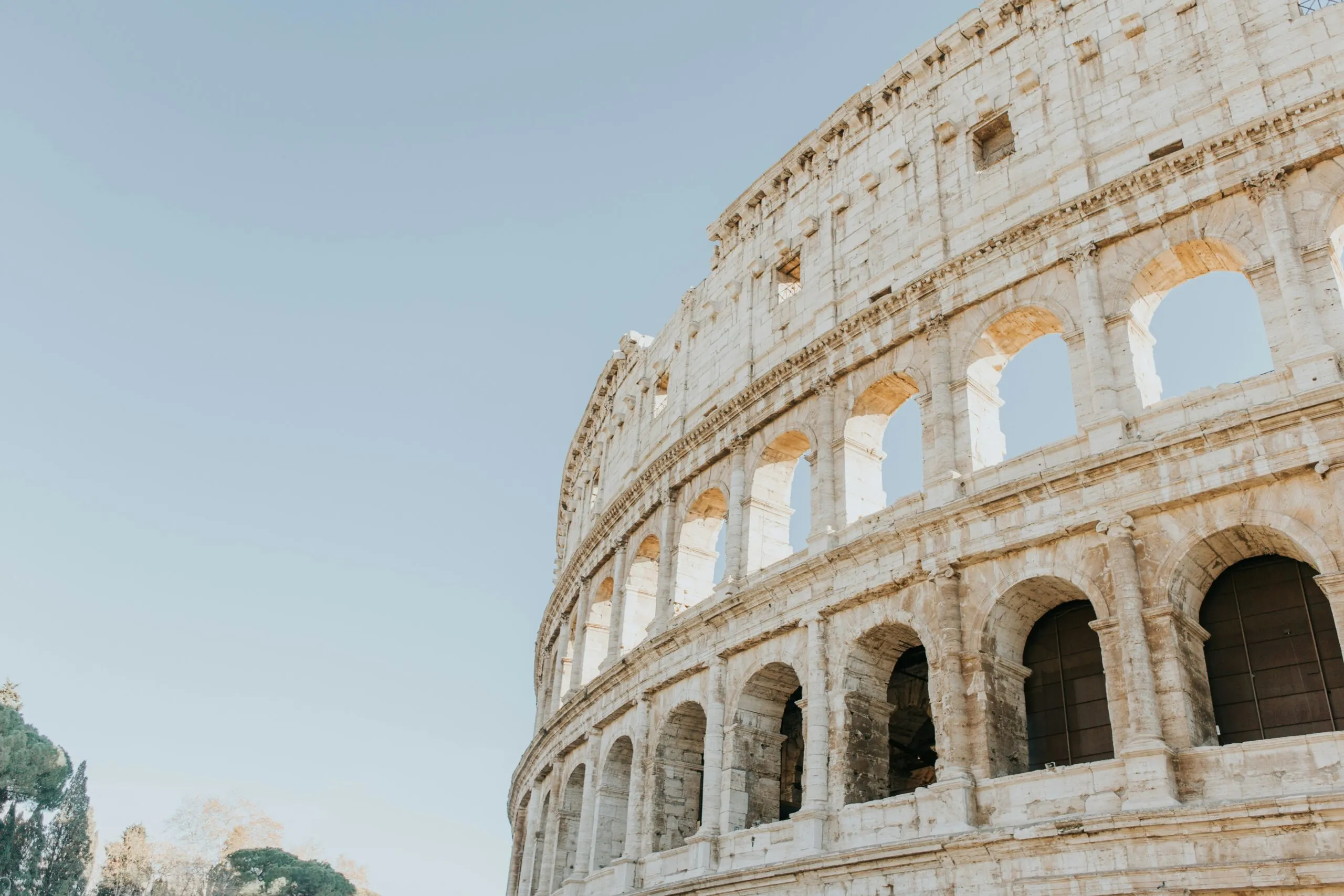
Skip the selfie-stick swarm. Sistine Chapel, Uffizi, Colosseum – all yours without the human traffic jam.
Sleep like a local for less. That dreamy boutique hotel in Florence or Trastevere finally fits your budget.
Eat where Italians eat. No tourist-menu traps. Just real trattorias with empty tables and warm welcomes.
Photograph masterpieces without strangers. Sunrise at St. Mark’s Square? Actually possible November through March.
Hear the echo in history. The Roman Forum whispers again when you’re not shoulder-to-shoulder with hundreds.
Train rides feel civil. Regional trains have seats, and ticket prices don’t spike with summer demand.
Shoulder Season
Your Smartest Windows
March to mid-April
October to early November
Avoid: Holy Week (the week leading to Easter Sunday, usually late March or April) + Easter Monday (Pasquetta) – Italians travel en masse and domestic tourism spikes prices dramatically.
What the Sky Does
North & Tuscany: 14-24°C (57-75°F). Mild days, cool evenings. April showers possible.
Central Italy (Rome, Florence): Pleasant sunshine with occasional rain – pack a light jacket.
South & Sicily: 18-26°C (64-79°F). Warm but not oppressive. Sea still swimmable in early October.
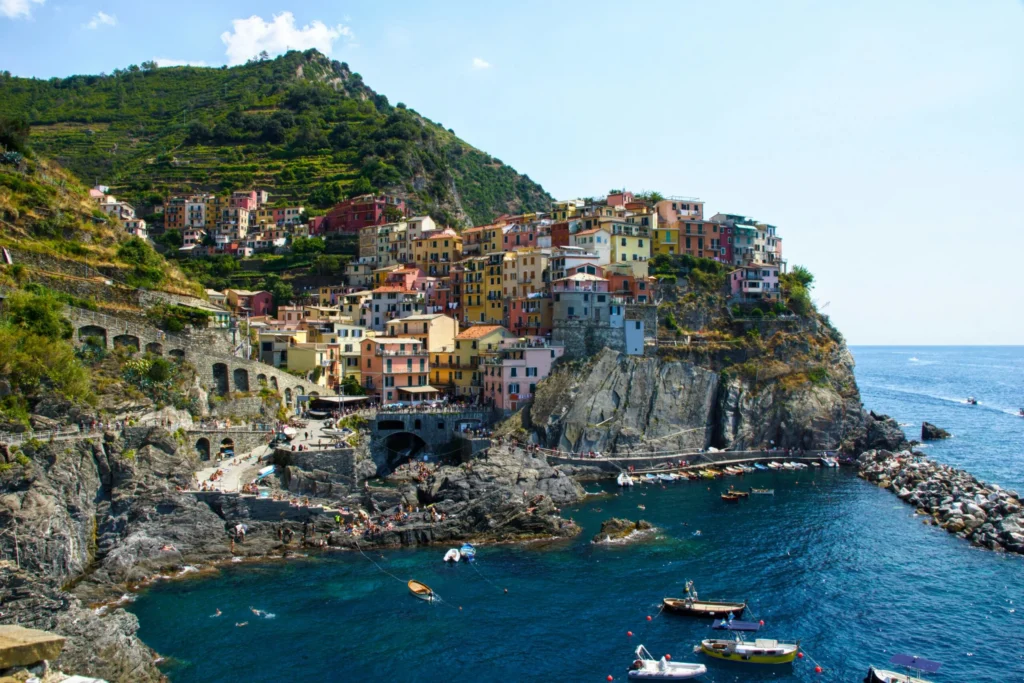
Cinque Terre & Lakes: Blooming flowers (spring) or grape-harvest gold (autumn). Mornings can be misty.
How Empty It Feels
40-60% fewer tourists compared to July-August madness.
Rome & Florence: Busy but bearable. No hour-long queues for the Vatican or Accademia.
Amalfi Coast & Cinque Terre: Roads and trails actually move. You can find a table with a view.
Major museums: Walk up or book a day ahead – no frantic 8am online wars.
What You’ll Save
Flights: 20-35% less than peak summer. Hotels: 30-50% less in cities.
Car rental: Up to 40% cheaper – and you’ll actually find availability.
Skip-the-line tickets: Often unnecessary, saving you €10-25 per attraction.
Dinner out: Many places offer fixed-price autumn/winter menus (€25-35 vs €50+ in summer).
The Secret Perk
Scoppio del Carro (Easter in Florence) – explosive, historic, and spectacular.
Truffle season (autumn) in Piedmont and Umbria. Follow a hunting dog, then feast.
Grape harvest (vendemmia) – join a casual farm lunch in Chianti without the summer tour crowds.
Golden hour light – lower sun angle turns Rome’s travertine and Tuscany’s hillsides into honey.
Real conversations with innkeepers – they have time to recommend their actual favorite spots.
The Tiny Trade-Off
Some coastal ferry routes reduce frequency after mid-October (Capri, Ischia, smaller islands).
Occasional rain showers – especially April and October. Pack a foldable umbrella.
May can get busy around public holidays (May 1st). Book ahead for that weekend.
Northern lakes (Como, Garda) can be chilly and windy in April – less swimming, more strolling.
Smart Traveler Tip
For the best balance: Aim for late May (warm, long days, pre-summer crowds) or late September (harvest, warm sea, settled weather). Avoid Italian national holidays (April 25, May 1, June 2) for smoother travel.
Deep Off-Season
Your Smartest Windows
November (excluding Thanksgiving week for US travelers) to mid-December
January 8 to February 28 (excluding Carnival week)
Avoid: Carnival (Carnevale) in Venice – the week before Ash Wednesday (usually February). Hotels charge peak rates and crowds are insane. Also avoid December 25 – January 6 (Christmas to Epiphany) for high prices in cities.
What the Sky Does
North (Venice, Milan, Lakes): 0-10°C (32-50°F). Foggy mornings, possible snow. Pack warm layers.
Central (Rome, Florence, Tuscany): 5-14°C (41-57°F). Crisp, sunny days. Cold nights. Rare rain.
South & Sicily: 10-16°C (50-61°F). Mildest region. Sunny spells, but sea is too cold for swimming.
Humidity is low – that famous haze lifts. Views from Michelangelo’s David or St. Peter’s dome are crystal clear.
How Empty It Feels
70-85% fewer tourists than peak season. Yes, really.
Historic sites feel private. The Colosseum, Pompeii, Doge’s Palace – sometimes just you and the echoes.
Museums are blissful. Stand inches from Botticelli’s Venus or Caravaggio’s works without a crowd.
Small towns feel genuinely local. Orvieto, San Gimignano, Matera – residents outnumber visitors.
What You’ll Save
Up to 60-70% off summer hotel rates. Four-star Rome hotels for €80-120/night? Yes.
Flights: Lowest prices of the year (except Christmas week). Transatlantic deals common.
Car rental: Often 50-70% less. Upgrade to something fun for pocket change.
Museum tickets: No surge pricing. Some sites offer winter discounts (e.g., reduced combo tickets).
The Secret Perk
Cozy wine bars (enoteche) with roaring fires and €5 glasses of Brunello. Heaven.
Ski the Dolomites (December-March) – world-class slopes without Swiss prices.
Thermal baths in Tuscany (Saturnia, Bagno Vignoni) – hot springs feel magical in cold air.
Olive harvest (November) – help press oil in Puglia or Liguria, then taste it fresh.
Genuine local life: Baristas remember your order. Shopkeepers chat. You’re a guest, not a tourist.
The Tiny Trade-Off
Beach towns shut down. Amalfi Coast hotels close; Positano feels like a ghost town (beautiful, but quiet).
Nightlife is sparse. Clubs close; nightlife moves to cozy bars and dinner parties.
Many small restaurants close for 1-3 weeks (especially November or February). Call ahead.
Daylight is short: Sunset ~4:30-5pm (Dec-Jan). Plan indoor sights for afternoons.
Smart Traveler Tip
Go south for mildest weather: Sicily, Puglia, or Naples in January/February offer 12-15°C (54-59°F) and sunshine. Pack layers + a warm coat for evenings. February is the quietest month overall – and Carnevale in Venice (if dates align) adds magic without July madness.
Find Off-Peak Flights
FAQs
Explore Italy
Essential Trip Information
Visa and Entry Requirements
Italy is part of the Schengen Area, allowing visa-free travel for short stays (up to 90 days within 180 days) for citizens of the US, Canada, Australia, New Zealand, and the EU.
Verify visa requirements based on nationality via the Italian Ministry of Foreign Affairs or your local consulate.
Passports must be valid for three months beyond your stay and issued within the last ten years. Six months of validity is recommended.
Immigration may ask for proof of onward travel (return ticket) and sufficient funds.
Currency
Italy uses the Euro (€). Banknotes: €5–€500 (€200/€500 rarely used). Coins: 1c–€2.
Best Ways to Handle Currency
Before Your Trip: Exchange a small amount for initial expenses; avoid airport rates. Consider travel cards (Revolut, Wise) for competitive rates.
During Your Trip: Use ATMs at major banks (UniCredit, Intesa Sanpaolo). Always choose to be charged in euros. Cards (Visa/Mastercard) are widely accepted, but carry €50–€100 cash for small towns and markets.
What to Avoid: Exchange offices in tourist zones and standalone ATMs with high fees.
Language
Official language: Italian. English is spoken in tourist areas but less so in rural towns.
Learn basics: Ciao (Hello/Bye), Grazie (Thank you), Dov’è il bagno? (Where’s the bathroom?).
Safety & Security
Generally safe, but pickpocketing is common in crowded areas (Rome, Florence, Naples).
Beware of bag snatchers on scooters; keep valuables secure.
Emergency number: 112.
Health & Insurance
No special vaccinations required.
EU citizens: Bring EHIC card; others need travel insurance.
Pharmacies (marked by a green cross) offer over-the-counter advice. Tap water is safe (except rare rural areas).
Transportation
Cities: Metro (Rome, Milan), buses, and trams. Roma Pass or Firenze Card saves on transit/attractions.
Trains: High-speed (Frecciarossa) and regional (Regionale). Book early for deals.
Driving: Scenic but chaotic in cities; ZTL zones (limited traffic areas) incur fines.
Taxis/Ride-sharing: Uber operates only as licensed taxis in major cities.
Price Level
Italy varies from affordable (southern regions) to expensive (Rome, Milan, Venice).
Accommodation
Budget: Hostels/pensions (€30–€60/night)
Mid-range: 3-star hotels (€80–€150/night)
Luxury: 4-5 star hotels (€200+/night)
Food
Street food: €3–€8 (arancini, pizza al taglio)
Trattoria meals: €12–€25 (pasta, regional dishes)
Restaurant dinners: €25–€50/person
Coffee: €1–€2.50 (espresso at the bar)
Drinks
Wine: €4–€15/glass (house wine often €5)
Aperitivo: €8–€15 (includes snacks in Milan)
Cocktails: €8–€18
Transportation
Metro/bus: €1.50–€2.50/ride
High-speed trains (Frecciarossa): €20–€100 (book early for discounts)
Gasoline: ~€1.70–€2.00/liter
Money-Saving Tips
Visit in shoulder seasons (April–June, September–October).
Book trains early via Trenitalia or Italo.
Enjoy free church art (no ticket needed for St. Peter’s Basilica or Santa Maria Novella).
Planning Your Trip
Local Customs And Etiquette
Greetings: A handshake or “Buongiorno” (good day) is standard. Cheek kisses (1–3) among friends.
Dining: Lunch is 1–3 PM; dinner starts after 8 PM. Bread has no plate—place it on the table.
Tipping: Service charge (coperto) is included, but rounding up (€1–€5) is polite.
Dress Code: Cover shoulders/knees in churches (e.g., St. Peter’s Basilica).
Shopping: Small shops close 1–4 PM for riposo (siesta), especially in the south.
Budgeting For Your Trip
Accommodation: Hostels (€20–€40), mid-range hotels (€70–€150), luxury (€200+).
Food: Espresso (€1), pizza (€8–€15), fine dining (€50+).
Transport: High-speed trains (€20–€80), metro tickets (€1.50–€2), car rental (€35/day).
Activities: Colosseum (€16), Uffizi Gallery (€20), free walking tours.
Daily Budget:
Budget: €50–€80 (hostels, street food, buses).
Mid-range: €100–€180 (hotels, trattorias, attractions).
Luxury: €250+ (designer stays, wine tours).
Internet & Mobile
Free Wi-Fi: Available in cafés, hotels, and some piazzas.
SIM Cards: TIM/Vodafone (€10–€30 for 10GB). EU travelers get free roaming.
eSIMs: Supported by Airalo, TIM.
Travel Insurance
Essential for: Medical emergencies, trip delays, lost luggage.
EU Citizens: Bring EHIC/GHIC (supplement with full coverage).
Adventure Sports: Verify coverage for hiking, skiing, or scuba diving.
Accomodation Options
Italy offers everything from boutique alberghi to agriturismos.
Hotels:
Budget chains (Ibis, NH) to luxury stays (Rome’s Hotel de Russie, Venice’s Gritti Palace).
Tip: Book early for peak season (July–August, Easter).
Hostels:
Dorms (€20–€40/night) or private rooms. Popular in cities (The Yellow Rome, Ostello Bello Milan).
Apartments/Airbnb:
Ideal for families or longer stays. Verify locations (some historic centers have stairs/no elevators).
Agriturismos:
Farm stays in Tuscany, Umbria, or Sicily—often include home-cooked meals.
B&Bs (Pensioni):
Charming and affordable, especially in smaller towns.
Luxury Stays:
Relais & Châteaux: Historic villas in wine regions.
Masserie: Fortified farmhouses in Puglia.
Getting Around
Italy’s transport network is efficient, though delays can happen in the south.
Trains:
Frecciarossa/Frecciargento: High-speed trains connect Rome, Milan, Florence, and Naples. Book via Trenitalia or Italo for discounts.
Regional Trains (Regionali): Cheap but slower; good for day trips (e.g., Florence to Siena).
Eurostar/Intercity: Mid-range options for longer routes.
Buses:
FlixBus/Itabus: Budget-friendly for intercity travel.
Local buses: Essential for rural areas (e.g., Puglia, Calabria).
Flights:
Domestic flights (Alitalia, Ryanair) link Rome/Milan to Sicily, Sardinia, and Naples.
Car Rental:
Great for exploring Tuscany, Puglia, or the Amalfi Coast’s scenic drives.
Requirements: Valid license + IDP (non-EU drivers). Note: ZTLs (Zona a Traffico Limitato) restrict cars in historic city centers.
Public Transport in Cities:
Rome: Metro/buses cover key sights. Buy a Roma Pass for unlimited travel.
Milan/Naples: Efficient metro systems.
Venice: Vaporetto (water bus) or walk.