 Skip to content
- Why Is France Better To Visit During The Off-Season?
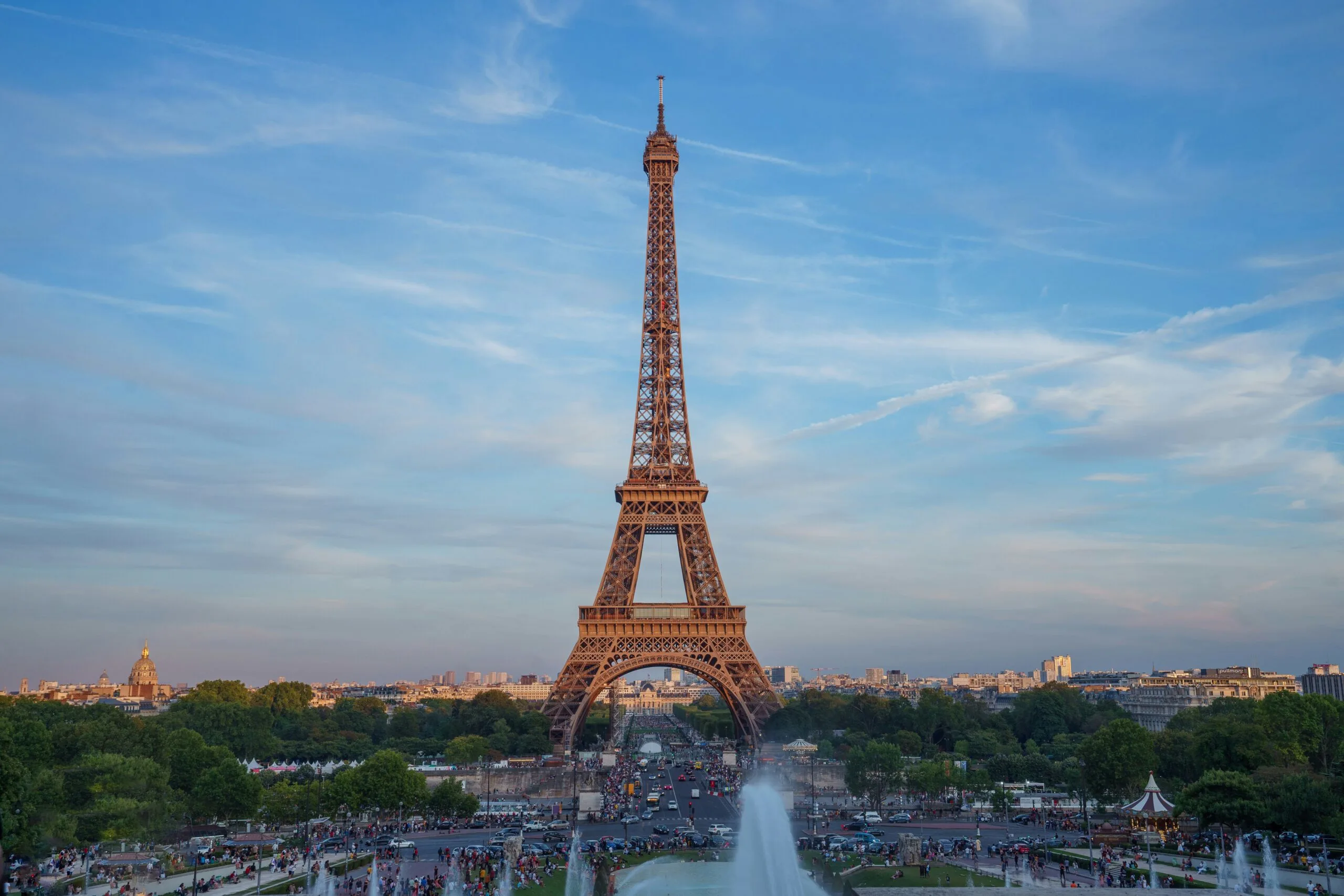
Because you can "Exploit Travel Seasonality" to finally see the real France without the summer circus of selfie sticks and traffic jams. While July means waiting two hours for the Louvre's Mona Lisa, the off-season gives you near-private access to the Palace of Versailles and hotel prices in Paris dropping by up to 45%.
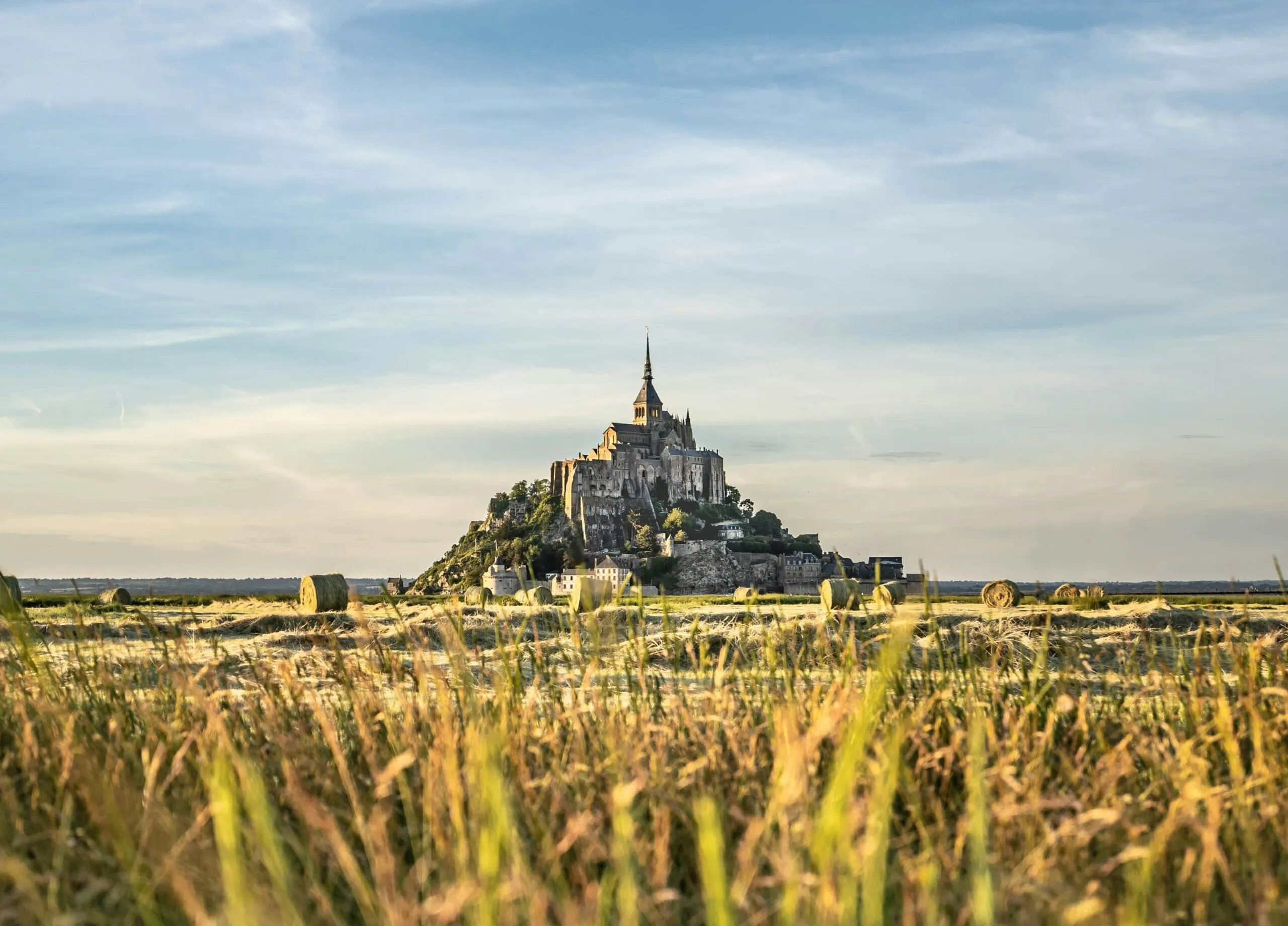
Yes, the weather is cooler, but that just means cozy brasseries, cheaper transatlantic flights, and the ability to actually hear yourself think at Mont Saint-Michel. You will leave feeling like you discovered France, not just survived it.
- Is Paris Actually Romantic In The Winter, Or Is That Just A Movie Myth?
Yes, it is genuinely better. The holiday lights along the Champs-Élysées stay up through early January, the Louvre and Musée d'Orsay have half the usual queues, and cozy wine bars replace crowded terrasses as the social scene.
- When Can I Explore The French Riviera Without Feeling Like A Sardine In A Tin?
October. The yacht crowd has sailed away, temperatures still hover around 68°F (20°C), and you can drive the coastal roads between Nice and Monaco without sitting in bumper-to-bumper traffic. According to Météo France, October also offers the clearest water for last-minute swimming.
- Does Provence's Famous Lavender Bloom Season Always Mean Overcrowded Villages?
No, because you can visit during the shoulder weeks. The peak bloom hits mid-July, but late June offers nearly full purple fields with a fraction of the photographers and tour buses. For more smart nature-timing strategies, explore our Wildlife & Nature theme page.
- What Is The Cheapest Month To Visit French Wine Regions Like Bordeaux Or Burgundy?
November. The harvest is complete, the cellars are open for intimate tastings without appointment queues, and accommodation prices hit their annual floor. Airfares from North America to Paris also drop significantly this month – check Skyscanner to see the difference. Let our AI Travel Assistant find your perfect French off-season getaway.

Home > Exploit The Seasons > Seasonal World Map > Europe > France
FRANCE
France wears each season like a new perfume—from misty lavender fields to champagne vineyards under snow. Here’s when to find empty Louvre galleries, village markets without queues, and Parisian cafés that feel just yours.
Smart Travel Calendar
Why Choose France Off-Season?
Better value, not less experience – Off-season travel unlocks lower prices without losing French charm.
Fewer crowds, deeper connection – Enjoy the Louvre or lavender fields without peak-season chaos.
Warmer welcomes from locals – More genuine interactions when tourism isn’t overwhelming.
Same destination, different magic – Frosted vineyards, misty coasts, or golden autumn light.
Stretch your budget further – Lower costs on flights, hotels, and dining across France.
Smarter travel, not second-best – Choosing the right season transforms a good trip into an unforgettable one.
Shoulder Season
Your Smartest Windows
Mid-March to mid-June
September to late October
Avoid: French school spring holidays (late March/early April vary by zone) and the entire month of August when Paris empties but the Côte d’Azur becomes a traffic nightmare.
What the Sky Does
Sunny and mild, typically 12–22°C (54–72°F)
Spring showers more frequent in Paris and the north
Autumn brings crisp light and golden vineyard colours
Mediterranean coast stays warm without August heatwaves
How Empty It Feels
50–65% fewer tourists than July–August
Musée d’Orsay queues become 10 minutes, not two hours
Provence villages feel charming, not gridlocked
You’ll find river cruise seats without booking weeks ahead
What You’ll Save
30–40% lower prices on flights and boutique hotels
TGV train tickets cheaper booked last-minute
Attraction tickets available day-of (Versailles included)
Bistro lunch menus stay at local prices, not peak premiums
The Secret Perk
Cherry blossoms in Paris parks and Loire Valley gardens
Harvest season wine tastings in Bordeaux and Burgundy
Photographers capture soft dawn light over lavender fields (pre-bloom)
Locals resume normal life – markets feel authentic again
Mild hiking weather in the Alps and Pyrenees
The Tiny Trade-Off
Some coastal ferry routes (Île de Ré, Porquerolles) start late April
Mountain passes may stay closed until mid-May
April can bring sudden cold rain – pack a proper coat
Easter week sees French holidaymakers spike prices briefly
Smart Traveler Tip
Book Provence for May – perfect before summer heat and crowds
Save Normandy and Brittany for September – still mild, fewer visitors
Mid-September to mid-October is ideal for wine regions
Avoid Easter school holidays if budget is your priority
Deep Off-Season
Your Smartest Windows
November 1 to mid-December (the quiet before Christmas)
January 7 to February 28 (post-holiday bliss)
Avoid: Christmas markets (Dec 15-Jan 5) and French winter school holidays (mid-Feb to early March, vary by zone) – prices and families surge.
What the Sky Does
Chilly and crisp, typically 3–10°C (37–50°F)
Snow in the Alps, Pyrenees, and Jura
Mediterranean coast sees sunny, cold days with clear skies
Northern France is grey but atmospheric (think Parisian winter light)
How Empty It Feels
75–85% fewer tourists than summer
Sainte-Chapelle feels like a private chapel
Small Burgundy villages are truly local, not souvenir-driven
You’ll share ski lifts with locals, not international crowds
What You’ll Save
50–65% cheaper than peak season
January flights are the lowest of the year
Four-star hotels drop to three-star prices
Car rentals cost half of August rates
The Secret Perk
Cozy bistro culture peaks – fondue, raclette, and fireplaces
Ski season in full swing (Alps, Chamonix, Val d’Isère)
Christmas markets (Strasbourg, Colmar, Lille) are magical
Truffle and oyster seasons offer unique food tours
You’ll chat with winemakers, not just pourers
The Tiny Trade-Off
Some châteaux in the Loire close for winter restoration
Beach towns along the Côte d’Azur feel very quiet
A few island restaurants (Île de Ré) shut November–March
Daylight is short (sunset as early as 5 PM in December)
Smart Traveler Tip
December is festive and beautiful – great for culture, not budget
January is quietest – perfect for Paris museums and photography
February brings Carnival (Nice, Dunkirk) before spring crowds
Pack serious layers: cold mornings, but southern afternoons can warm
Consider Alsace for Christmas magic or the South for milder winter
Find Off-Peak Flights
FAQs
Explore France
Essential Trip Information
Visa and Entry Requirements
France is part of the Schengen Area, allowing visa-free travel for short stays (up to 90 days within 180 days) for citizens of the US, Canada, Australia, New Zealand, and the EU.
Check visa requirements based on nationality via the French Ministry of Foreign Affairs or your local consulate.
Passports must be valid for three months beyond your stay and issued within the last ten years. Six months of validity is recommended.
Immigration may request proof of onward travel (return ticket) and sufficient funds.
Currency
France uses the Euro (€). Banknotes: €5–€500 (€200/€500 rarely used). Coins: 1c–€2.
Best Ways to Handle Currency
Before Your Trip: Exchange a small amount for immediate needs; avoid airport rates. Consider travel cards (Revolut, Wise) for better rates.
During Your Trip: Use ATMs at major banks (BNP Paribas, Crédit Agricole). Opt to be charged in euros. Cards (Visa/Mastercard) are widely accepted, but keep €50–€100 cash for rural areas.
What to Avoid: Tourist-area exchange offices and standalone ATMs with high fees.
Language
Official language: French. English is common in tourist areas.
Learn basics: Bonjour (Hello), Merci (Thank you), Parlez-vous anglais? (Do you speak English?).
Safety & Security
Generally safe, but petty theft (pickpockets) is common in tourist hubs (Paris, Marseille).
Use anti-theft bags, avoid leaving valuables unattended.
Emergency number: 112.
Health & Insurance
No special vaccinations required.
EU citizens: Bring EHIC card; others need travel insurance.
Pharmacies (green cross sign) provide over-the-counter help. Tap water is safe.
Transportation
Cities: Metro, buses, trams (e.g., Paris Métro). Multi-day passes save money.
Trains: TGV (high-speed), TER (regional). Book early for discounts.
Driving: Ideal for countryside; note toll roads and limited city parking.
Taxis/Ride-sharing: Uber available in major cities.
Price Level
France ranges from affordable (rural areas) to expensive (Paris, Riviera).
Accommodation
Budget: Hostels/budget hotels (€35–€60/night)
Mid-range: 3-star hotels (€90–€160/night)
Luxury: 4-5 star hotels (€250+/night)
Food
Bakeries: €4–€8 for sandwiches
Café meals: €12–€20 (plat du jour)
Restaurant dinners: €25–€40/person
Coffee: €1.50–€3 (espresso at the bar)
Drinks
Beer: €5–€8 (bars), €3–€5 (supermarkets)
Wine: €4–€12/glass
Cocktails: €9–€20
Transportation
Metro/bus: €1.90–€2.50/ride
TGV trains: €25–€90 (book early for discounts)
Gasoline: ~€1.80–€2.00/liter
Money-Saving Tips
Travel off-peak (avoid July–August).
Book trains in advance.
Use free museum days (first Sunday of the month).
Planning Your Trip
Local Customs And Etiquette
Greetings: Always say Bonjour (hello) before asking for help. Cheek kisses (la bise) are common among friends.
Dining: Lunch is 12–2 PM; dinner starts after 8 PM. Bread goes on the table, not the plate!
Tipping: Service charge is included, but rounding up (5–10%) is appreciated.
Dress Code: Smart-casual in cities; cover shoulders/knees in churches.
Shopping: Small shops may close 1–4 PM (especially in the south).
Budgeting For Your Trip
Accommodation: Hostels (€25–€50), mid-range hotels (€80–€150), luxury (€200+).
Food: Croissants (€1–€2), café meal (€15–€25), fine dining (€50+).
Transport: TGV tickets (€25–€100), metro tickets (€1.90), car rental (€40/day).
Activities: Louvre (€17), Versailles (€20), free walking tours.
Daily Budget:
Budget: €60–€90 (hostels, picnics, public transport).
Mid-range: €120–€200 (hotels, restaurants, attractions).
Luxury: €250+ (designer stays, gourmet meals).
Internet & Mobile
Free Wi-Fi: Common in cafés, hotels, and public squares.
SIM Cards: Buy from Orange/SFR (€20–€30 for 10GB). EU travelers enjoy free roaming.
eSIMs: Supported by major providers (Airalo, Orange).
Travel Insurance
Essential for: Medical emergencies, trip cancellations, lost luggage.
EU Citizens: Bring EHIC/GHIC for basic healthcare (supplement with insurance).
Adventure Sports: Ensure coverage for skiing/hiking.
Accomodation Options
From luxury châteaux to budget hostels, France caters to all travelers.
Hotels:
Range from budget chains (Ibis, Première Classe) to 5-star palaces (Paris, Nice).
Tip: Book early for peak season (June–August, Christmas).
Hostels:
Affordable dorms (€25–€50/night) or private rooms. Popular in cities (Generator Paris, Marseille).
Apartments/Airbnb:
Great for families or longer stays. Check for central locations.
Chambres d’Hôtes (B&Bs):
Charming guesthouses in rural areas (Provence, Brittany). Often include breakfast.
Gîtes:
Self-catering cottages in the countryside. Perfect for road trips.
Luxury Stays:
Relais & Châteaux: Boutique hotels in historic settings.
Château Hotels: Splurge in the Loire Valley or Bordeaux.
Getting Around
France boasts one of the world’s most efficient transport networks.
Trains:
TGV High-Speed Trains: Connect major cities (Paris, Lyon, Marseille, Bordeaux) in hours. Book via SNCF for discounts.
Regional Trains (TER): Affordable for shorter trips (e.g., Paris to Normandy).
Eurostar: Direct trains from London to Paris/Brussels.
Buses:
Long-distance: Companies like FlixBus and BlaBlaBus offer budget options.
Local buses: Useful in rural areas (e.g., Provence villages).
Flights:
Domestic flights (Air France, EasyJet) link Paris to Nice, Toulouse, and Corsica. Book early for deals.
Car Rental:
Ideal for exploring countryside (Dordogne, Champagne) or coastal roads.
Requirements: Valid license + IDP (for non-EU drivers). Note: Toll roads (autoroutes) are expensive.
Public Transport in Cities:
Paris: Metro/RER trains cover the city efficiently. Buy a carnet (10-ticket pack) or a Navigo Pass.
Lyon/Marseille: Metro/tram systems are user-friendly.
Taxis/Uber: Available but pricey in cities.