 Skip to content
- Will The Weather Ruin My Trip To Spain During The Off Season?
No, it will just look different. You can absolutely exploit travel seasonality here by embracing Spain’s “moody” side—think dramatic skies over empty plazas and misty mountains, not daily rainouts.
The potential drawdown is cooler temps and shorter daylight hours compared to summer. But the upside? You will see icons like the Alhambra without heat exhaustion, and you will trade beach tanning for genuine tapas bar coziness.
- Is It Hard To Get Around Spain When Fewer Tourists Are Visiting?
Yes, but only slightly. While long-distance trains might run less frequently than in August, the services that do run are faster, cheaper, and blissfully uncrowded.
The real win is in the cities. You will navigate the Madrid Metro and Barcelona streets like a local because you aren't fighting peak season foot traffic. Just rent a car for rural areas, as mountain passes get quieter (and occasionally snowier).
- How Much Can I Save On Hotels And Tours In The Spanish Low Season?
Expect to save between 30% and 50% on most accommodations and guided experiences. That is the Volomundi sweet spot—luxury paradores and flamenco shows become accessible without the peak season price tag.
The drawdown is that some seaside hotels and boat tours will close entirely for two months. However, the ones that stay open often upgrade your room for free or include extra perks like breakfast just to welcome you.
- Will I Feel Lonely Or Find Things Closed In Spain’s Deep Off Season?
Not in the cities, but coastal villages get sleepy. You will find major museums, historic cathedrals, and city-center tapas bars open and ready for you with zero queues.
The potential downside is that smaller family-run restaurants in resort towns may shutter for their own holidays. But you can flip this into a positive by discovering authentic local haunts in the cities that only the regulars know.
- Are The Crowds Really That Much Better Outside Of Summer?
Yes, dramatically. Imagine standing in the Plaza Mayor or walking the Camino de Santiago and hearing actual echoes instead of chatter. The crowd difference is not small—it is a 90% reduction at top landmarks.
The one drawdown is that the famous "buzz" of the Mediterranean promenades is quieter. But for most global travelers, swapping endless selfie sticks for real conversations with Spaniards is a trade you will never regret.

Home > Exploit The Seasons > Seasonal World Map > Europe > Spain
SPAIN
Spain transforms with the seasons, from sun-drenched Mediterranean beaches to snow-dusted mountain villages. This guide reveals when to visit for fewer crowds, authentic local moments, and better value without missing the magic.
Smart Travel Calendar
Why Choose Spain Off-Season?
Better value, not less soul – Lower prices on flights, hotels, and tapas without losing authenticity.
Fewer crowds, deeper plazas – Wander the Alhambra and Sagrada Familia without shoulder-to-shoulder chaos.
Warmer welcomes from locals – Shopkeepers and bartenders have time for real conversation.
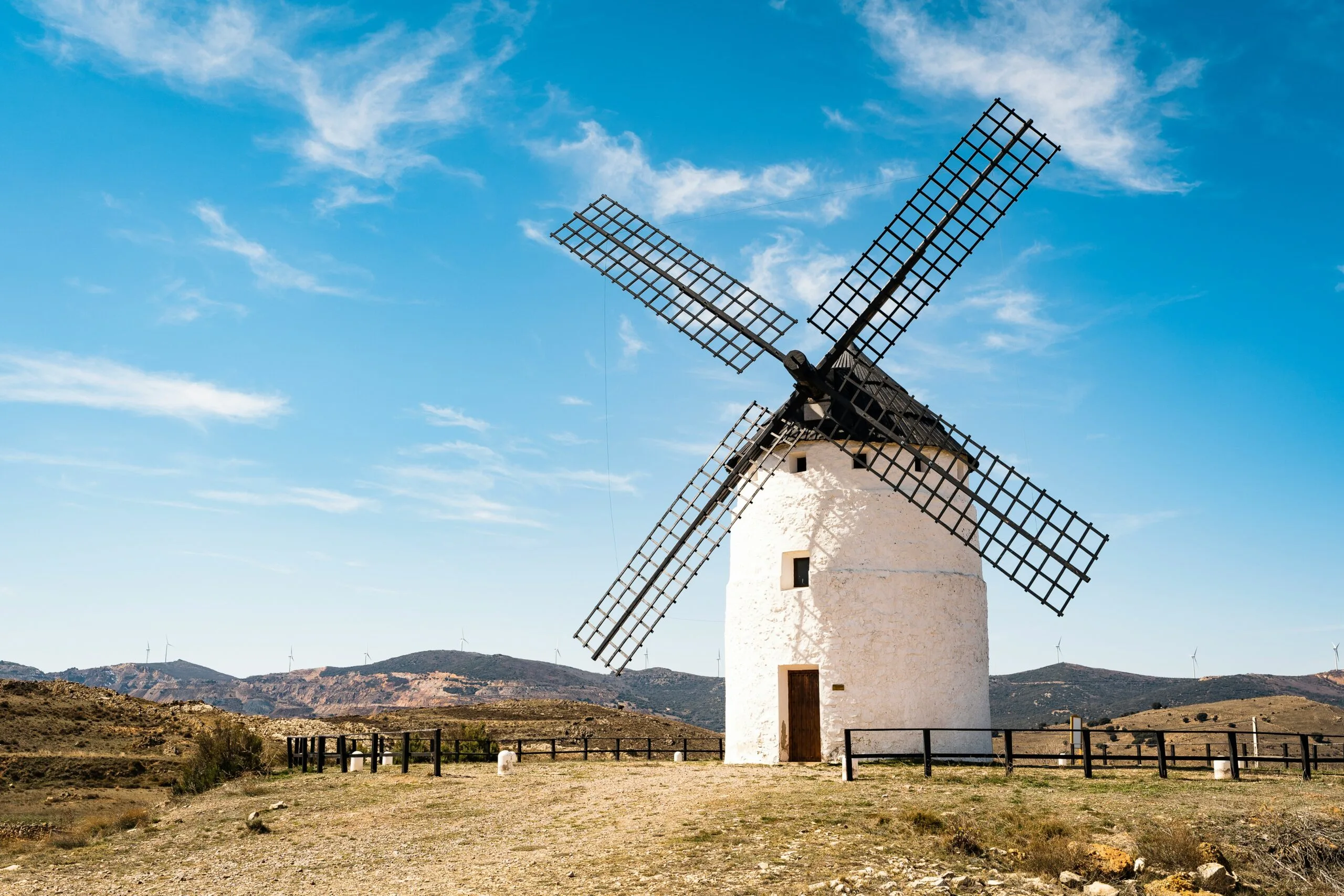
Same sun, different sparkle – Autumn gold in vineyards, spring orange blossom, or Sierra Nevada snow.
Stretch your euro further – Upgrade to a parador or add another region for the same budget.
Smarter travel, not second-best – Spain’s off-season is peak authenticity.
Shoulder Season
Your Smartest Windows
March to early April (before Holy Week) & mid-April to mid-June
September to October
Avoid: Holy Week (Semana Santa – the week leading to Easter Sunday, March or April) and the entire month of August (Spanish holiday month, coastal prices triple).
What the Sky Does
March-May: 12–22°C (54–72°F) – sunny spells, occasional showers
September-October: 15–28°C (59–82°F) – warm days, cooler evenings
Mediterranean coast mild and pleasant; inland warmer early spring
Northern Spain (Basque, Galicia) more rain but lush green beauty
How Empty It Feels
~50-60% fewer tourists vs July-August
Madrid & Barcelona – busy but breathable, no long queues at Prado/Sagrada
Andalusia (Seville, Granada) – courtyards peaceful, Alhambra bookable
Find café seating instantly & walk right into major monuments
What You’ll Save
Flights 30–40% less / hotels 25–50% less than summer
Car rental up to 50% cheaper with better availability
Attraction tickets easy to get – no advance panic
Menu del día deals still cheap; rooftop bars without minimum spend
The Secret Perk
Semana Santa (March/April) – world-famous processions in Seville, Málaga, Zamora
Orange blossom scent fills Andalusian patios (March-April)
Wild asparagus & mushroom season – foraging and special menus
Golden hour light – soft autumn/winter glow for photography
Locals reclaim their cities – join them for post-work vermut in peace
The Tiny Trade-Off
Some coastal restaurants and chiringuitos (beach bars) close late October
Pool weather not guaranteed until late May or early June
Semana Santa brings price spikes & accommodation scarcity in processional towns
Mountain passes (Picos, Sierra Nevada) may still have late snow in early March
Smart Traveler Tip
April & October offer the best balance: warm enough for sightseeing, cool enough for flamenco nights
Avoid Semana Santa for budget – go 2 weeks before or after
For northern Spain (San Sebastián, Bilbao), June & September are safer for rain
Deep Off-Season
Your Smartest Windows
November to February (excluding Christmas/New Year)
Avoid: December 20 – January 6 (holiday price & crowd peak)
What the Sky Does
November-February: 8–15°C (46–59°F) most regions; colder inland
Madrid & Castile: crisp, often sunny days but 2–10°C (36–50°F)
Andalusia mildest: 10–18°C (50–64°F) – very walkable
Northern Spain wetter (Galicia, Basque country), but snow in mountains
How Empty It Feels
~70-80% fewer tourists than peak summer
Alhambra, Mezquita, Prado – walk in same-day or near-empty rooms
Museums feel private – El Greco in Toledo just for you
Small towns (Ronda, Cuenca, Cáceres) – you and the locals only
What You’ll Save
Flights 50–70% less than summer / hotels 50–70% less
Paradores (historic hotels) drop rates dramatically – luxury at guesthouse prices
Car rental as low as €5-10/day outside holiday weeks
Menus del día €10-14 – no tourist upcharge
The Secret Perk
Cozy sidrerías (cider houses) in Asturias – fireplaces and fabada beans
Ski or snowshoe in Sierra Nevada (often snow Dec-March) or Pyrenees
Three Kings’ parades (Jan 5) – bigger than Christmas; magical for all ages
Olive harvest & truffle season – join a farm lunch or truffle hunt
Locals invite you in – real conversations in bars without serving crowds
The Tiny Trade-Off
Beach swimming not possible (water 13–16°C / 55–61°F)
Nightlife limited outside major cities; clubs may be closed midweek
Some island ferries (Balearics) reduced; smaller towns have limited dining
Daylight 9:30am – 5:30pm (December); plan indoor afternoons
Smart Traveler Tip
January (post Three Kings) is the quietest & cheapest – ideal for city breaks
Andalusia in February often has almond blossoms & 18°C (64°F) days
Pack layers + waterproof shoes; Spanish heating is not always strong
Avoid Madrid & Barcelona during Christmas markets (pretty but crowded) – go early Jan instead
Find Off-Peak Flights
FAQs
Explore Spain
Essential Trip Information
Visa and Entry Requirements
Spain is part of the Schengen Area, allowing visa-free travel for short stays (up to 90 days within 180 days) for citizens of the US, Canada, Australia, New Zealand, and the EU.
Verify visa requirements based on nationality via the Spanish Ministry of Foreign Affairs or your local consulate.
Passports must be valid for three months beyond your stay and issued within the last ten years. Six months of validity is recommended.
Immigration may request proof of onward travel (return ticket) and sufficient funds (€100/day is a common guideline).
Currency
Spain uses the Euro (€). Banknotes: €5–€500 (€200/€500 rarely used). Coins: 1c–€2.
Best Ways to Handle Currency
Before Your Trip: Exchange a small amount for immediate needs; avoid airport rates. Consider travel cards (Revolut, Wise) for better rates.
During Your Trip: Use ATMs at major banks (Santander, BBVA). Opt to be charged in euros. Cards (Visa/Mastercard) are widely accepted, but carry €50–€100 cash for smaller towns or markets.
What to Avoid: Exchange offices in tourist areas (La Rambla, Puerta del Sol) and standalone ATMs with high fees.
Language
Official language: Spanish (Castilian). Regional languages include Catalan, Basque, and Galician.
English is spoken in tourist areas, but learning basics helps: Hola (Hello), Gracias (Thank you), ¿Habla inglés? (Do you speak English?).
Safety & Security
Generally safe, but pickpocketing is common in crowded areas (Barcelona’s Las Ramblas, Madrid’s Sol).
Use cross-body bags, avoid flashing valuables.
Emergency number: 112.
Health & Insurance
No special vaccinations required.
EU citizens: Bring EHIC card; others need travel insurance.
Pharmacies (marked by a green cross) provide over-the-counter help. Tap water is safe.
Transportation
Cities: Metro/buses are efficient (Madrid/Barcelona have multi-day passes).
Trains: AVE (high-speed), regional (Cercanías). Book early for savings.
Driving: Scenic for countryside (Andalusia, Costa Brava); note toll highways (autopistas).
Taxis/Ride-sharing: Uber/Cabify operate in major cities.
Price Level
Spain is generally affordable compared to Western Europe, but costs vary by region (e.g., Madrid/Barcelona > Andalusia).
Accommodation
Budget: Hostels/pensions (€25–€50/night)
Mid-range: 3-star hotels (€70–€120/night)
Luxury: 4-5 star hotels (€200+/night)
Food
Tapas: €2–€5 per plate
Menú del día (lunch special): €10–€15 (2 courses + drink)
Restaurant dinners: €20–€35/person
Coffee: €1.50–€2.50 (café con leche at the bar)
Drinks
Beer: €2–€5 (caña in bars), €1–€2 (supermarkets)
Wine: €3–€10/glass (Rioja, Ribera del Duero)
Sangria: €5–€10/pitcher
Transportation
Metro/bus: €1.50–€2.50/ride
High-speed trains (AVE): €30–€120 (book early for discounts)
Gasoline: ~€1.50–€1.80/liter
Money-Saving Tips
Eat tapas at local bars (free with drinks in some regions, like Granada).
Use Renfe’s advance tickets for train discounts.
Visit free museums (e.g., Prado free hours: Mon–Sat 6–8 PM, Sun 5–7 PM).
Planning Your Trip
Local Customs And Etiquette
Greetings: A handshake or two cheek kisses (among friends). Say “Hola” or “Buenos días” first.
Dining: Lunch (2–4 PM) is the main meal; dinner starts after 9 PM. Tapas are for sharing!
Tipping: Not expected but rounding up (5–10%) in restaurants is polite.
Dress Code: Casual but modest for churches (cover shoulders/knees).
Siestas: Small shops close 2–5 PM in rural areas.
Budgeting For Your Trip
Accommodation: Hostels (€15–€30), mid-range hotels (€60–€120), luxury (€150+).
Food: Tapas (€2–€5), menú del día (€10–€15), fine dining (€40+).
Transport: AVE trains (€30–€100), metro tickets (€1.50–€2), car rental (€25/day).
Activities: Alhambra (€19), Sagrada Família (€26), free museum Sundays.
Daily Budget:
Budget: €40–€70 (hostels, tapas, buses).
Mid-range: €80–€150 (hotels, restaurants, attractions).
Luxury: €200+ (paradores, gourmet meals, private tours).
Internet & Mobile
Free Wi-Fi: Cafés, hotels, and some plazas (look for “Ayuntamiento WiFi”).
SIM Cards: Vodafone/Orange (€10–€20 for 10GB). EU roaming applies.
eSIMs: Supported by Airalo, Holafly.
Travel Insurance
Required for non-EU visitors (Schengen visa rule). Covers healthcare, delays, theft.
EU Citizens: EHIC/GHIC for basic care (supplement with private insurance).
Adventure Coverage: Add-ons for hiking (Camino de Santiago), skiing, or scuba.
Accomodation Options
From paradores (historic hotels) to beachfront hostels, Spain has it all.
Hotels:
Budget: Ibis, NH (€50–€80/night).
Luxury: 5-star gems like Madrid’s Palacio de los Duques or Barcelona’s Hotel Arts.
Hostels:
Social Generator Hostel (Madrid) or beachfront options (Málaga, Valencia). Dorms from €15–€30.
Apartments/Airbnb:
Ideal for families or groups. Look for central locations (Madrid’s Malasaña, Barcelona’s Eixample).
Paradores:
State-run hotels in historic buildings (e.g., Alhambra’s Parador, Santiago de Compostela).
Rural Stays:
Casa Rurales: Countryside guesthouses (Andalusia, Basque Country) with home-cooked meals.
Getting Around
Spain’s transport network is modern and efficient.
Trains:
Renfe AVE: High-speed trains link Madrid to Barcelona (2.5h), Seville, Valencia. Book early for discounts.
Cercanías/MEDIA Distancia: Regional trains for day trips (e.g., Madrid to Toledo, Barcelona to Girona).
Buses:
Alsa/FlixBus: Affordable long-distance routes (e.g., Madrid to Granada, Seville to Málaga).
Local buses: Essential for rural areas (e.g., Andalusian pueblos blancos).
Flights:
Domestic flights (Iberia, Vueling) connect Madrid, Barcelona, Balearic/Ca nary Islands. Often cheaper than trains for long distances.
Car Rental:
Great for exploring coastal drives (Costa Brava), rural areas (Extremadura), or road-tripping Andalusia.
Note: Manual transmissions are common; toll highways (autopistas) are pricey.
Public Transport in Cities:
Madrid/Barcelona: Metro systems are extensive and easy to use. Buy 10-trip passes for savings.
Taxis/Uber: Available but walkable city centers make public transport preferable.