 Skip to content


- Will The Weather Be Too Rough For Snorkeling And Boat Trips During The Off-Season?
No, but you need to understand that Galápagos has two distinct seasons. The off-season brings cooler waters, stronger currents, and occasionally choppier seas, which sounds bad until you realize that nutrient-rich upwelling attracts massive schools of hammerheads, sea turtles, and playful sea lions.
The drawdown is that passengers prone to seasickness may feel uncomfortable during longer boat transits. However, you gain world-class snorkeling visibility, wildlife that is more active and feeding, plus cruise and liveaboard discounts of 25% to 35% that make this bucket list destination suddenly affordable.
- Will I Miss Seeing The Most Famous Wildlife Like Giant Tortoises And Blue-Footed Boobies?
No, the animals do not take vacations or seasons off. Giant tortoises roam the highlands year round, blue-footed boobies perform their hilarious mating dances regardless of calendar dates, and marine iguanas continue sunbathing on lava rocks every single day.
The drawdown is that some specific breeding behaviors happen only during certain months, so you might miss nesting season for a particular bird species. However, you trade that for witnessing different behaviors entirely, like sea lion pups learning to swim or albatross chicks taking their first flights, all with 70% fewer tourists watching.
- Is The Famous Diving Experience Dangerous Or Disappointing In Cooler Waters?
No, many experienced divers argue it is actually superior. The cooler, nutrient-rich waters of the Galápagos off-season attract pelagic mega-fauna like whale sharks, hammerhead schools, and manta rays in numbers that warm, calm waters simply cannot support.
The drawdown is that you need a thicker wetsuit (at least 5mm or 7mm) and you might get chilly between dives. However, dive shops offer gear rentals at discounted rates, you will compete with far fewer divers for spots at iconic sites like Darwin and Wolf, and the feeling of drifting alongside a twenty foot whale shark is worth every single shiver.
- Will Hiking The Volcanic Islands Be Miserable Under Grey Skies And Drizzle?
No, and you might actually prefer these conditions for strenuous activity. The off-season brings overcast skies and occasional mist (called "garúa"), which keeps temperatures comfortable in the mid-70s Fahrenheit (around 24 Celsius) rather than the scorching, exposed sun of the high season.
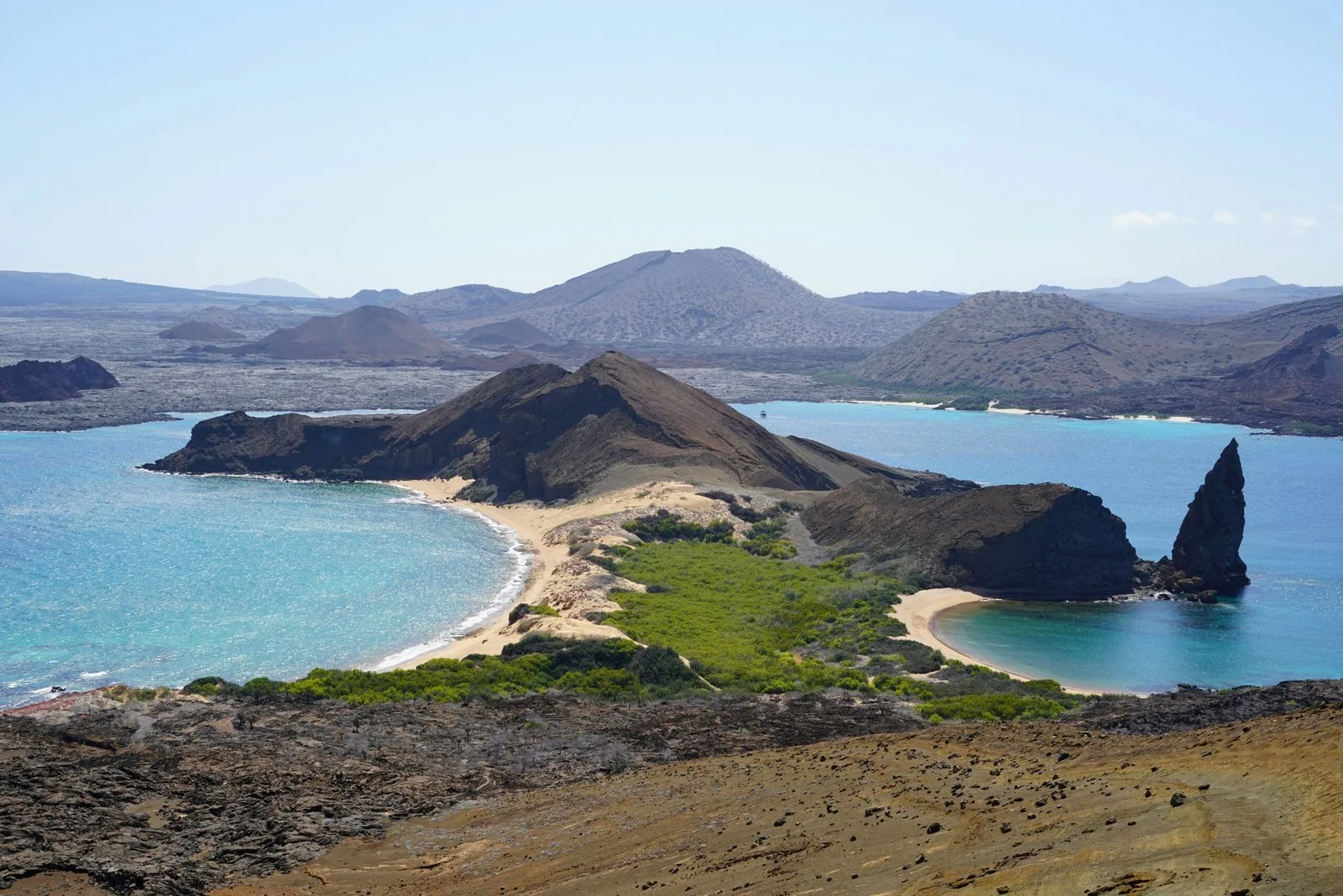
The drawdown is that your photos will lack that bright blue sky background, and muddy trails can be slippery. However, you will sweat far less, drink half the water, and enjoy hiking Sierra Negra volcano or Bartolomé Island with practically empty trails and zero sunburn worries at the end of your day.
- Can I Still Island Hop Or Take Day Tours If The Weather Is Unpredictable?
Yes, boat operators run year round, they just adjust routes based on daily conditions. The Galápagos National Park permits vessels to operate across all seasons, and experienced local captains know exactly which coves and channels remain sheltered when swells pick up.
The drawdown is that some outer islands or specific snorkeling sites may get substituted for calmer alternatives on windy days. However, you will pay nearly 30% less for day tours and inter-island water taxis, you can often negotiate private charters for the price of group tours, and the flexibility of empty boats means your guide gives you undivided attention.

Home > Exploit The Seasons > Seasonal World Map > South America > Ecuador > Galápagos
GALÁPAGOS
The Galápagos enchants year-round, but timing unlocks specific magic—from dancing albatrosses to playful sea lion pups. Discover when to explore this living laboratory for better wildlife encounters, fewer crowds, and genuine value without compromising the experience.
Smart Travel Calendar
Shoulder Season
Your Smartest Windows
April to May
October to November
Avoid: Christmas through New Year’s (Dec 24 – Jan 5) and Easter Week (Semana Santa) – Hotels reach 99% occupancy and prices skyrocket.
What the Sky Does
April-May: 24°C to 28°C (75°F to 82°F) – Warm seas linger from the wet season, with easing rains and lush green highlands.
October-November: 20°C to 25°C (68°F to 77°F) – Transition months with mixed conditions; mornings bring misty “garúa,” afternoons clear for sunshine.
Water Temperature: Perfect middle ground at 22-24°C (72-75°F) – comfortable for snorkeling with or without a thin wetsuit.
How Empty It Feels
20-30% fewer tourists than peak season (June-August and December-January).
Visitor Sites: Trails on North Seymour and Española feel spacious; you’re not shuffling behind other groups.
Puerto Ayora: The main town retains its fishing-village charm without the chaos of peak tourist influx.
No Booking Battles: Guides have time to answer your questions personally instead of managing large groups.
What You’ll Save
Flights and Cruises: Save 20-30% compared to June-August or December-January peak periods.
Accommodation: Mid-range hotels drop to $80-150/night instead of $150-200.
Tour Flexibility: Land-based day tours cost $40-60 instead of $70-100 – book directly upon arrival.
Dining: Local almuerzos (set lunches) remain $6-10, with no tourist surcharge.
The Secret Perk
Wildlife Overlap: During November, you get cool-season water clarity PLUS warm-season seabird activity – the best of both worlds.
Giant Tortoise Hatchlings (April): Watch baby tortoises emerge from their shells at the Santa Cruz highlands breeding center.
Blue-Footed Booby Courtship (May): The famous foot-stomping mating dance reaches its peak on North Seymour Island.
Photography Light: October’s sunrises over western islands deliver spectacular golden-hour conditions.
Quieter Anchorages: Sleep better without rocking from multiple cruise ships docked nearby.
The Tiny Trade-Off
Unpredictable Weather: You might get a perfect sunny morning followed by an afternoon drizzle.
Water Visibility Drops: From 25-30 meters in peak cool season to 10-15 meters during shoulder months.
Sea Conditions: April can bring rougher seas than the calm dry season – pack motion sickness remedies if sensitive.
Limited Alabatross Viewing: January to March, the waved albatross absents the islands entirely.
Smart Traveler Tip
May Is The Elite Sweet Spot: Snorkel in warm water (22°C/72°F), watch blue-footed boobies dance, and pay 30% less than June rates.
Book On-Island For Tours: Don’t pre-book excursions before arrival – hostels in Puerto Ayora offer 10-15% discounts over online prices.
Pack For Two Seasons: Bring a light wetsuit (3mm), rain jacket for showers, and sun protection – you’ll need all three.
Deep Off-Season
Your Smartest Windows
September to October
Avoid: Late June to August (Peak Summer) and Mid-December to Early January (Holidays) – cruises sell out 6-12 months in advance.
What the Sky Does
Temperatures: 19°C to 23°C (66°F to 73°F) – Coolest months of the year, with persistent morning mist (garúa).
Ocean Conditions: Water drops to 16-18°C (61-64°F) – definitely bring a 3-5mm full wetsuit for snorkeling.
Sun Breaks: By afternoon, the mist typically lifts, revealing blue skies and comfortable hiking conditions.
How Empty It Feels
40-50% fewer tourists than peak season – the quietest months on the islands.
Landing Sites: You might be the only group at a visitor site – a truly private encounter with wildlife.
Puerto Villamil (Isabela): This laid-back town feels almost undiscovered, with beachfront rooms readily available.
Intimate Experiences: Naturalists have time for detailed explanations; ask endless questions without rushing.
What You’ll Save
30-40% vs. Peak Season: September-October offers the absolute lowest prices of the year for cruises and hotels.
Flights: Round-trip from mainland Ecuador drops to $250-350 from $400-500.
Cruise Bargains: Budget cruises start at $200-300/day instead of $400-600 – sometimes with free cabin upgrades.
Last-Minute Deals: Arrive in Puerto Ayora and ask about “low season specials” – hotels often slash rates for extended stays.
The Secret Perk
Whale Shark Season (July-October): The world’s largest fish congregates around Wolf and Darwin Islands – a bucket-list diving experience.
Sea Lion Pups Everywhere: Hundreds of playful pups lounge on beaches, swim with snorkelers, and steal the show with their antics.
Penguin Courtship (September): Galápagos penguins become especially active, swimming and hunting around Bartolomé.
Humpback Whale Sightings: June through September brings breaching whales visible from cruise decks.
Exclusive Landing Sites: With so few tourists, the National Park allows more spontaneous itinerary changes.
The Tiny Trade-Off
Choppy Seas: The Humboldt Current creates rougher waters between July and October – not ideal for seasickness-prone travelers.
Cooler Snorkeling: Water temperatures require a thick wetsuit; those who feel the cold should choose warm season.
Overcast Mornings: Early risers might greet gray skies instead of dramatic sunrises.
Fewer Landbird Sightings: Passerine birds breed primarily in the rainy season (Jan-Apr), so landbird activity is lower.
Smart Traveler Tip
September for Divers: If scuba diving is your priority, September delivers the coolest waters, best whale shark encounters, and lowest prices.
Land-Based = Low-Season King: Skip the cruise entirely and stay 10+ days on Santa Cruz and Isabela – total trip cost can stay under $2,500.
Pack Strategically: 5mm wetsuit, seasickness wristbands, waterproof layers, and binoculars – you’ll thank yourself daily.
Embrace Garúa: The morning mist is the reason prices drop 40%. Use it for cool hikes; by noon, it usually clears.
Find Off-Peak Flights
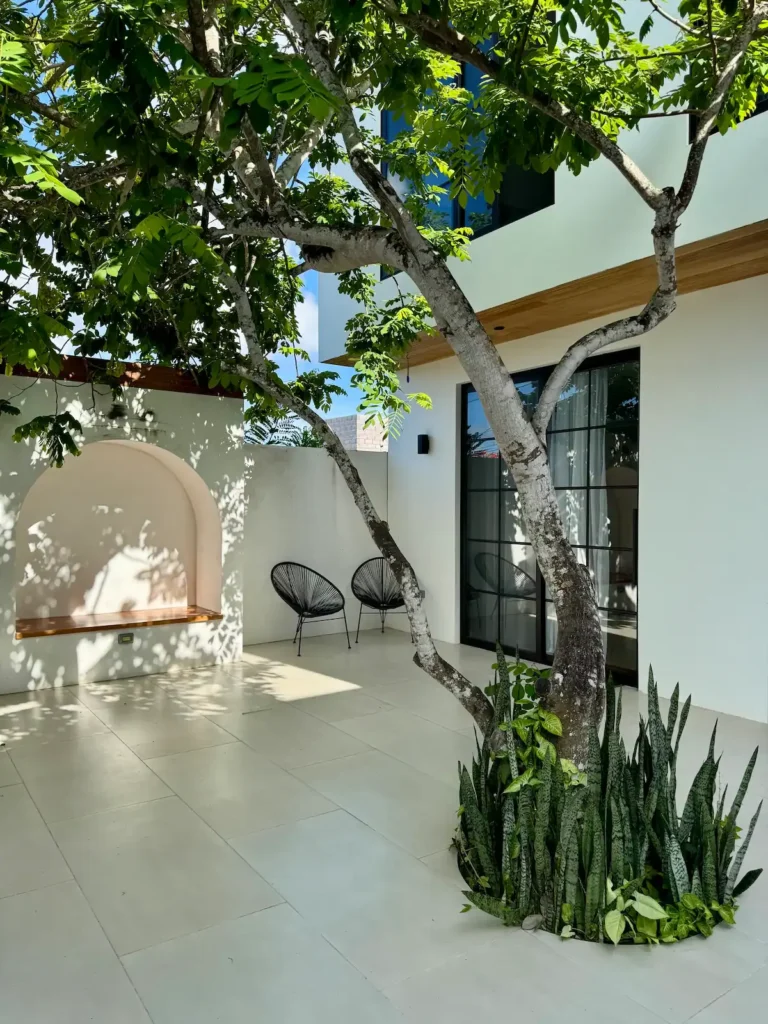
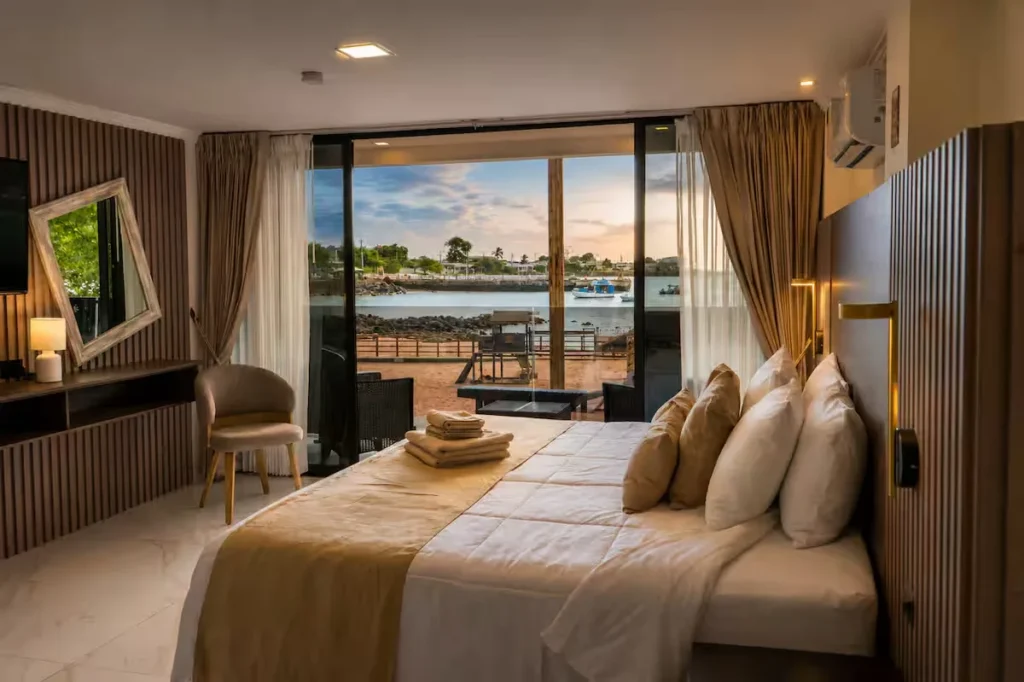
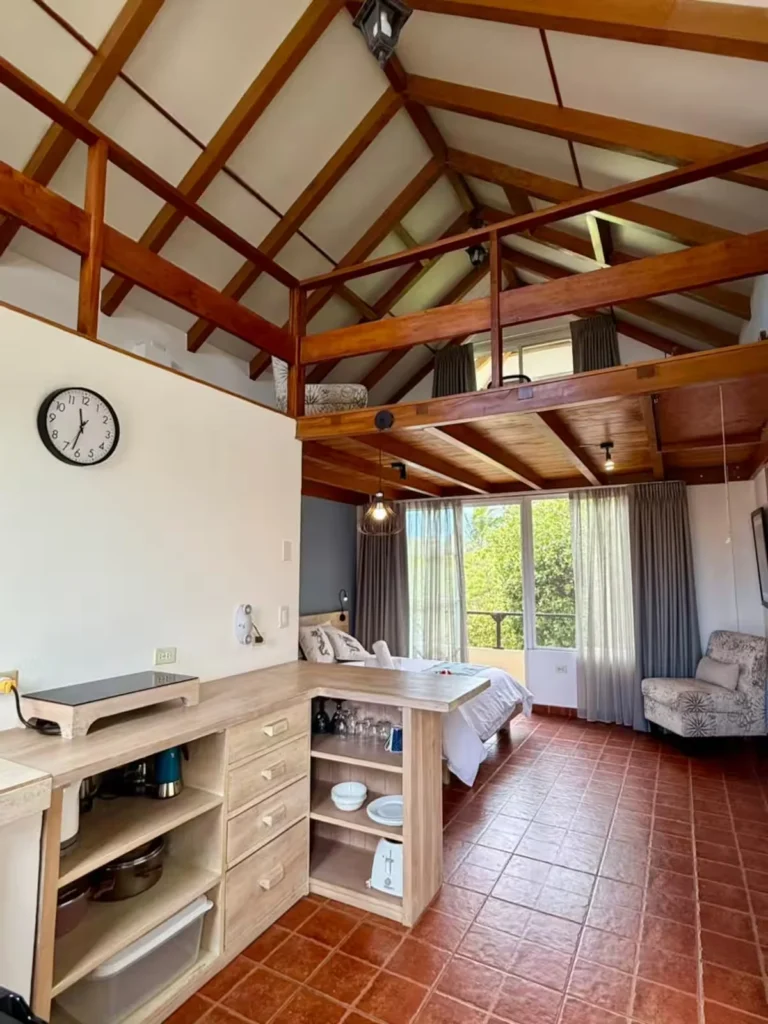
Top Off‑Season Stays
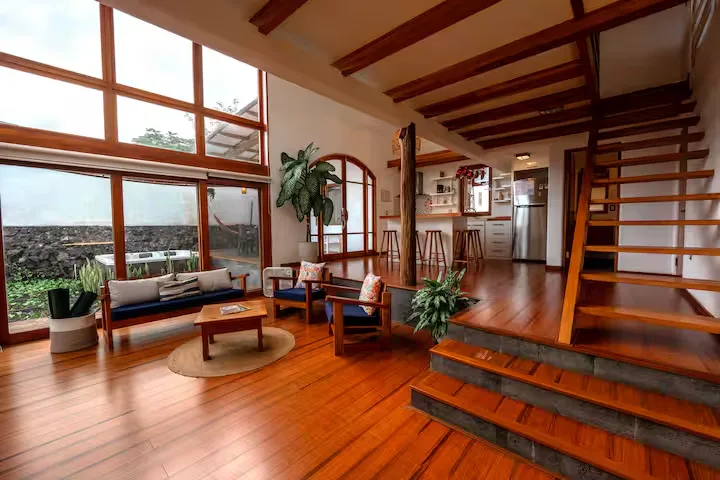
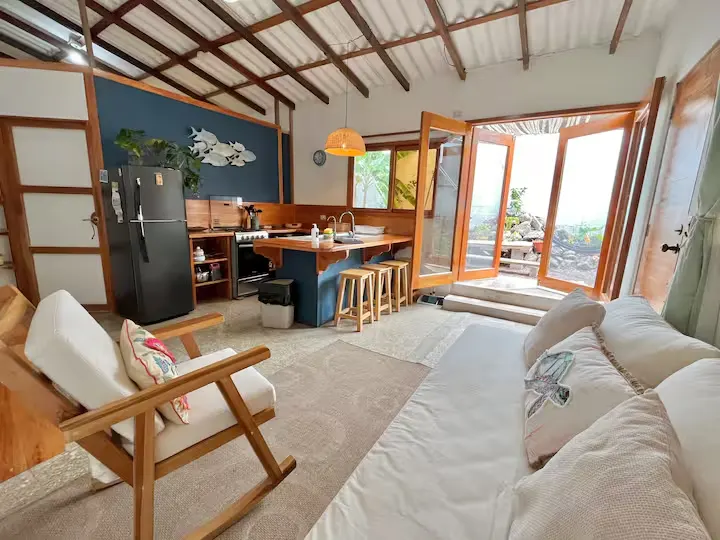
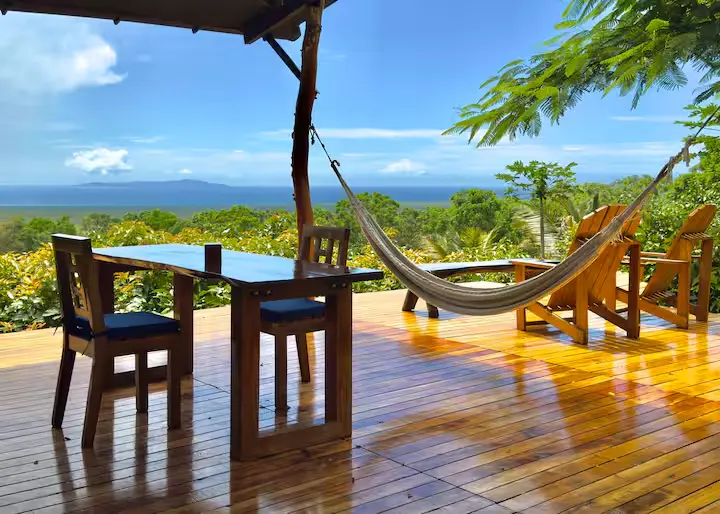
Find below our curated selection of boutique hotels and design apartments that offer exceptional value, atmosphere, and comfort during the off‑season — often at significantly lower rates than peak months.
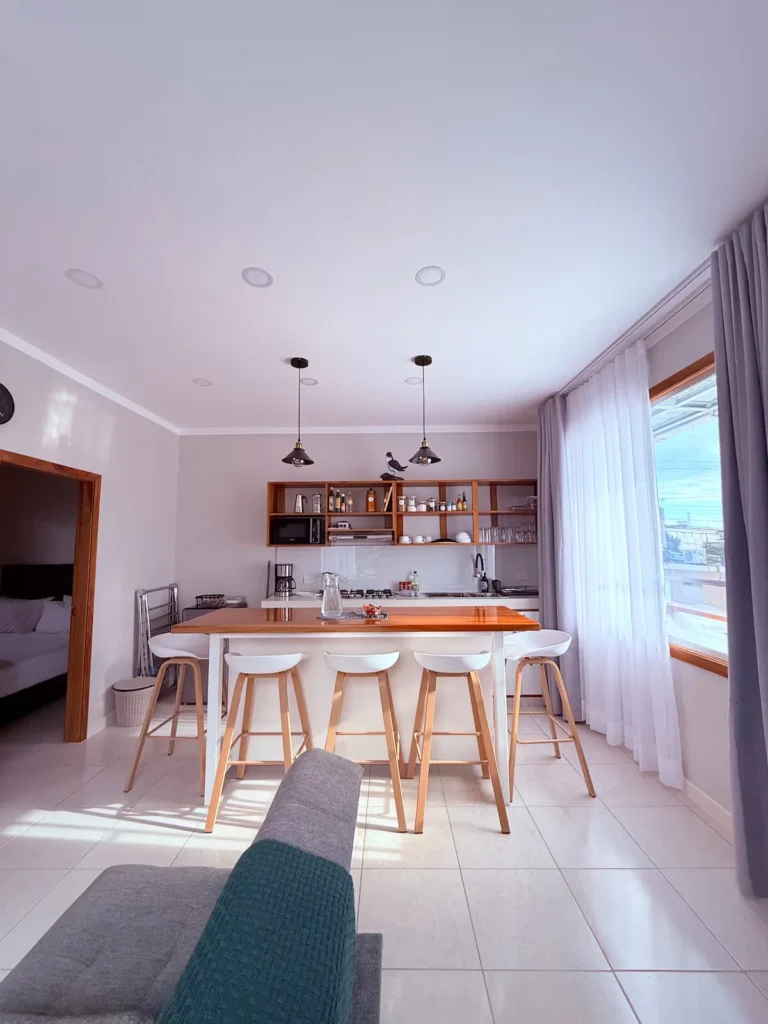
Rental unit in Puerto Baquerizo Moreno
Uncrowded Experiences & Tours
Skip the lines and experience iconic landmarks at your own pace. Discover curated local tours and cultural activities designed to show you the authentic side of the destination without the peak-season rush.
Handy Tips
Weather & Climate
The islands have two seasons: the hot/rainy season (Jan–May) with calm, warm waters (25°C–30°C / 77°F–86°F) and the cool/dry season (Jun–Dec) characterized by the “garúa” fog and cooler seas (19°C–24°C / 66°F–75°F).
Local Customs And Etiquette
Wildlife Distance: You must maintain a distance of at least 2 meters (6 feet) from all animals at all times, even if they approach you.
Plastic-Free: The islands have strict bans on single-use plastics. Bring a reusable water bottle and cloth bags.
Conservation: Never remove any rocks, sand, or shells from the islands; it is illegal and heavily enforced at airport security.
Budgeting For Your Trip
Mandatory Fees: Transit Control Card ($20), National Park Entry Fee ($200 for most international tourists).
Accommodation: Hostels ($30–$60), mid-range hotels ($100–$250), luxury/eco-lodges ($400+).
Food: Local “Almuerzo” set lunch ($5–$10), dinner at a mid-range restaurant ($20–$45), fine dining/cruise meals ($60+).
Transport: Inter-island ferry ($30 per way), water taxi ($1), bicycle rental ($15/day).
Activities: Day diving trips ($180–$250), guided land tours ($50–$150).
Daily Budget:
- Budget: $80–$120 (Hostels, local markets, free beaches).
- Mid-range: $150–$300 (Hotels, daily boat tours, nice dinners).
- Luxury: $500+ (All-inclusive cruises or high-end boutique lodges).
Getting Around
By Boat: Public speedboats (ferries) run between Santa Cruz, San Cristóbal, and Isabela twice daily.
By Small Plane: Inter-island flights (EMETEBE) save time but have strict luggage limits.
On Foot/Bike: Most towns are small and very walkable; bikes are the best way to reach remote beaches.
Must-Try Food
Encebollado de Pescado: A savory tuna soup with yuca and pickled onions, the ultimate breakfast.
Galápagos Lobster: Served grilled with garlic butter (only available during lobster season).
Ceviche de Canchalagua: A unique mollusk found on the reefs, prepared in citrus juices.
Arroz con Menestra: Grilled meat served with flavorful lentil stew and rice.
Seco de Chivo: A rich, slow-cooked goat stew flavored with narajilla fruit.
Corviche: Fried dough made of green plantain and peanuts, stuffed with fish.
Bolón de Verde: A large ball of mashed green plantain mixed with cheese or pork.
Pan de Yuca: Cheesy bread rolls made from cassava flour.
Helado de Salcedo: Layered fruit ice cream popsicles.
Espumilla: A fluffy, guava-flavored meringue cream sold as “street ice cream” that doesn’t melt.
Must-Try Drinks
Galápagos Coffee: High-quality organic coffee grown in the mineral-rich volcanic soil of the highlands.
Canelazo: A warm, spiced cinnamon tea often spiked with “puntas” (cane liquor).
Chicha de Avena: A refreshing, chilled drink made from oats, pineapple, and cinnamon.
Craft Beer: Local microbreweries like Santa Cruz Brewery offer ales inspired by the islands.
Jugos Naturales: Freshly squeezed juices of Maracuya (passion fruit), Mora (blackberry), or Tomate de Árbol.
Guayusa Tea: An energizing herbal infusion made from an Amazonian holly leaf, popular throughout Ecuador.
Aguardiente: A potent local sugarcane spirit.
Batidos: Thick fruit milkshakes made with fresh tropical fruits.
Horchata Lojana: A pink-hued herbal tea made from a blend of up to 28 medicinal plants.
Coconut Water: Freshly cracked “pipas” sold cold on the beaches.