 Skip to content



- Is The Weather Too Cold And Wet To Enjoy The Highlands During The Off-Season?
No, but you need to understand that Ecuador has two seasons: wet and drier. The off-season simply means you trade the crowded, sunny "high season" for clearer morning skies, dramatic afternoon clouds, and landscapes so green they look photoshopped.
The drawdown is that you will encounter more afternoon showers, especially during the wetter months. However, the rain usually lasts an hour or two, leaving behind sparkling fresh air, empty hiking trails, and hotel discounts of 25% to 35% that let you afford that cozy lodge with a fireplace.
- Will The Famous Volcano Views Be Completely Obscured By Clouds?
Not completely, but you need to wake up early like a smart traveler. The Andean mornings during the off-season often deliver crystal clear views of Cotopaxi, Chimborazo, and Cayambe before the afternoon clouds roll in and build dramatic, photographer-friendly drama.
The drawdown is that some afternoons, the peaks stay stubbornly hidden, and you might feel frustrated. Plan your volcano viewing for before 10 am, book a sunrise tour at nearly 30% less than peak rates, and you will capture shots that summer tourists never see through the haze.
- Is Hiking At High Altitude Dangerous Or Unpleasant During Cooler Months?
No, and cooler temperatures actually make high altitude trekking safer and more comfortable. Hiking above 3,500 meters (11,500 feet) during the hot, sunny season can cause rapid dehydration, sunburn, and heat exhaustion, while the off-season keeps your body temperature regulated.
The drawdown is that you need proper layers because summit winds get bitterly cold. However, you will sweat far less, carry less water weight, and enjoy trails around Quilotoa Crater Lake or Cotopaxi National Park with nearly 70% fewer hikers competing for that perfect selfie.
- Will Indigenous Markets And Local Towns Feel Deserted And Boring?
No, they will feel authentic instead of staged for tourists. The famous Saturday market at Otavalo still runs year round, but during the off-season, you will bargain alongside local farmers rather than fighting through busloads of camera-wielding visitors.
The drawdown is that some smaller, remote markets reduce their size or operate only on specific days. However, artisan prices drop by 20% to 30% because vendors are eager to sell, local guides have time to explain traditions, and you will eat steaming bowls of locro de papa in quiet plazas without fighting for a table.
- Is It True That The Off-Season Means Constant Rain That Ruins Everything?
No, that is a myth from travelers who never actually visited during the smart season. Ecuador sits directly on the equator, meaning temperatures stay remarkably consistent year round, and the so-called "wet season" usually means a passing shower followed by brilliant sunshine an hour later.
The drawdown is that you should pack a good rain jacket and waterproof boots without exception. However, the rain transforms the highlands into the most vibrant, emerald green landscape you have ever seen, waterfalls roar at full power, and you can book a private hot springs visit near Baños for up to 40% less than dry season prices.

Home > Exploit The Seasons > Seasonal World Map > South America > Ecuador > Ecuadorian Andean Highlands
ECUADORIAN ANDEAN HIGHLANDS
Straddling the equator at dizzying altitudes, the Andes offer “eternal spring” with dramatic seasonal shifts. From snow-dusted volcanoes to emerald valleys, discover when to find empty trails, authentic market days, and breathtaking views without the crowds.
Smart Travel Calendar
Shoulder Season
Your Smartest Windows
September to November
April to May
Avoid: Easter Week (Semana Santa, March or April) – Quito’s streets fill with processions and domestic travel surges, spiking hotel prices in colonial districts .
What the Sky Does
General: 12°C to 20°C (54°F to 68°F) – the definition of eternal spring .
Morning Glory: Expect clear, bright, and sunny mornings with intense sun due to the equatorial altitude.
Afternoon Reality: Brief, soft afternoon showers that green the hillsides. Pack a rain jacket, not an umbrella .
Specifics: April is statistically one of the driest months, while October offers the warmest average highs of 21.7°C (71°F) .
How Empty It Feels
20-30% fewer tourists than the peak summer months (June-August).
Quito’s Old Town: Explore the labyrinthine streets of La Ronda without shoulder-to-shoulder shuffling.
Cotopaxi National Park: The refuge and parking lot feel spacious, not chaotic.
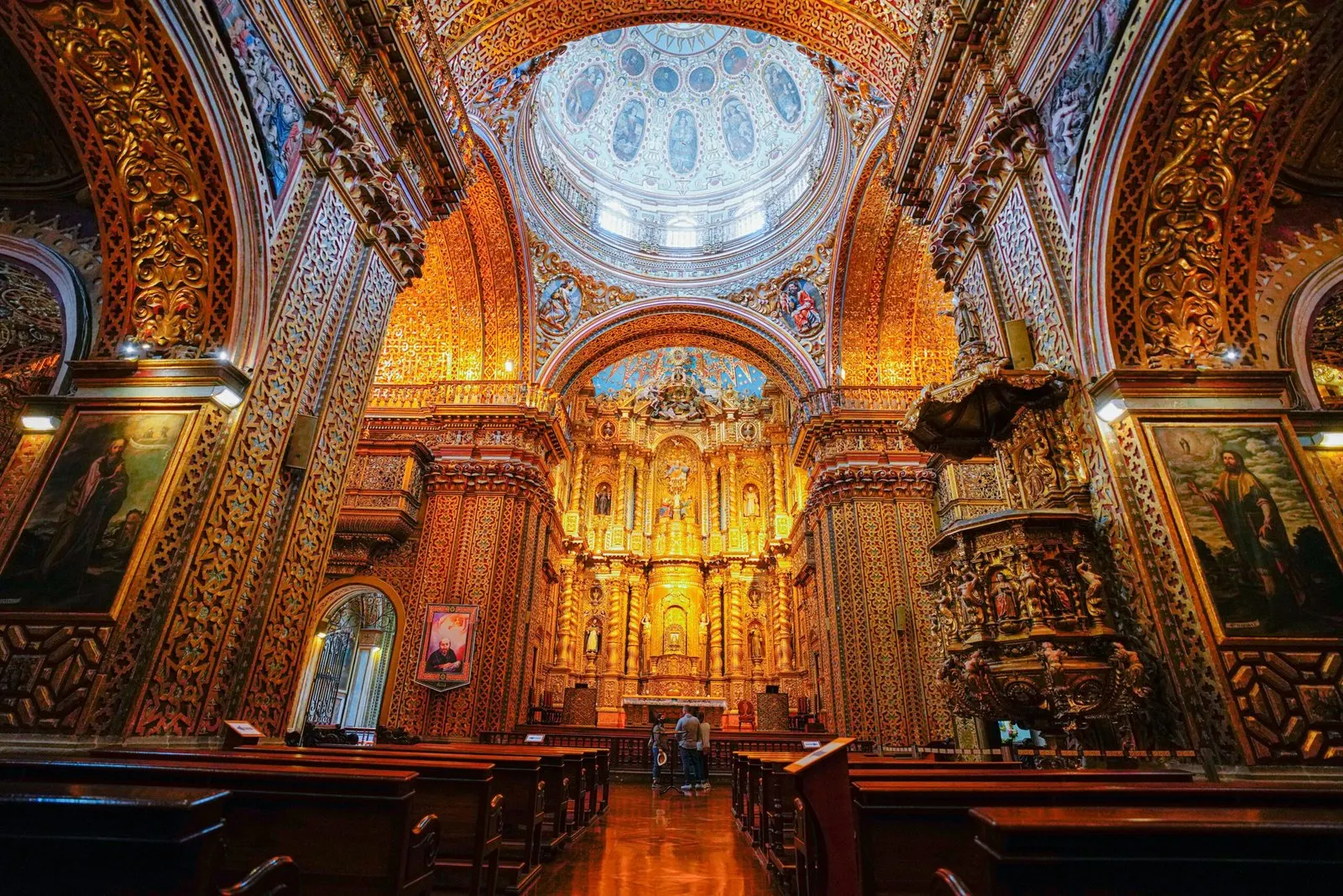
Museums: You can enjoy the Museo de la Compañía de Jesús (the “Gold Church”) in silence, with space to admire the altarpiece.
What You’ll Save
Flights and Hotels: Save 15-25% compared to the June-August peak season .
Haciendas: The most significant savings are on luxury highland lodges, with rates dropping by nearly 30%.
Tours: Private drivers for the “Avenue of the Volcanoes” charge less due to lower demand .
Dining: No need for reservations at the trendy cafés in Cuenca’s San Sebastian neighborhood.
The Secret Perk
Mama Negra Festival (Sept): Latacunga explodes in one of Ecuador’s most vibrant parades, blending Indigenous, Spanish, and African heritage .
Day of the Dead (Nov 2): Locals share colada morada (purple berry drink) and guaguas de pan (bread babies) in cemeteries .
Wildlife: Watch the Andean condor soaring over the Antisana Volcano – clearer skies mean better odds .
Photography: The “golden hour” lasts longer due to atmospheric moisture, making the volcanic peaks glow pink.
The Tiny Trade-Off
Closed Trails: Some remote sections of the Quilotoa Loop might be muddy or undergoing maintenance .
Afternoon Clouds: The famous peaks (Cotopaxi, Chimborazo) are often obscured by clouds after noon. Wake up early!
Chilly Nights: Even in “warm” months, high-altitude nights can drop to 7°C (45°F) .
Reduced Timetables: Some tour operators to remote villages (like Mindo) run fewer shuttles.
Smart Traveler Tip
October is the “Magic Month”: It statistically offers the lowest prices of the year combined with some of the warmest, driest days .
The Early Bird Rule: For clear volcano views, schedule all high-altitude hikes before noon.
Book flexibly: Use the shoulder weather to your advantage; just bring a waterproof layer for the 2 PM drizzle.
Deep Off-Season
Your Smartest Windows
January to March
Avoid: Carnival (February/March). Ecuador partially shuts down for massive water fights and celebrations; transport gets messy and banks close .
What the Sky Does
Highlands: 10°C to 18°C (50°F to 64°F). This is the “wet season,” meaning heavy but short-lived tropical downpours.
The Paramo: Windswept, misty, and moody. Temperatures feel colder due to high humidity.
Sun Breaks: Do not despair; the sun breaks through aggressively between showers, offering intense UV rays.
Rainfall: Expect rain on ~40-50% of days, though rarely all day long .
How Empty It Feels
Up to 50% fewer tourists than the dry season .
Ingapirca Ruins: Often feels like a private archaeological discovery.
Hot Springs (Baños/Papallacta): The thermal pools are pleasantly serene, not packed like Japanese onsens.
Small Towns: Villages like Cotacachi or Pujili feel like real Andean communities, not tourist hubs.
What You’ll Save
30-40% vs. Peak Season: Jan-March offers the absolute lowest hotel rates of the year .
Domestic Flights: Significant discounts on flights between Quito and Cuenca.
Hotel “Haggling”: Luxury haciendas drop their rates by nearly half; a historic manor becomes a budget option.
No Booking Stress: Decide in the morning to go to the Quilotoa crater that afternoon? You can often haggle down tour prices last-minute.
The Secret Perk
The Lush Green: The Andean hills are blindingly, impossibly green in March – the “Emerald of the Equator.”
Indoor Culture: It is the best time for cooking classes (learning to make locro de papa) or visiting Quito’s world-class museums.
Cozy Firesides: Historic haciendas light their massive stone fireplaces, creating a magical, cozy atmosphere.
Waterfalls: This is the best time to see the “Devil’s Cauldron” (Pailón del Diablo) at its most thunderous and powerful .
Genuine Connection: Without crowds, local vendors have time to show you how they use a backstrap loom.
The Tiny Trade-Off
Muddy Trails: The Quilotoa Loop can be a slippery mess; gaiters are a good idea.
Mountain Climbing: Technical climbing (Cotopaxi glaciers) is dangerous due to loose snow and unstable conditions.
Viewpoints: The famous “Swing at the End of the World” might be shrouded in cloud.
Outdoor Markets: Otavalo market has fewer stalls on weekdays in the rain.
Smart Traveler Tip
Layer Like an Onion: You need a base layer, fleece, and waterproof shell every single day.
Embrace the “Almuerzo”: The $3.50 set lunch is perfect rain shelter and the best value in South America.
Carnival Warning: If you hate getting sprayed with water guns or foam, stay indoors or leave the Sierra during the week leading up to Ash Wednesday.
Find Off-Peak Flights
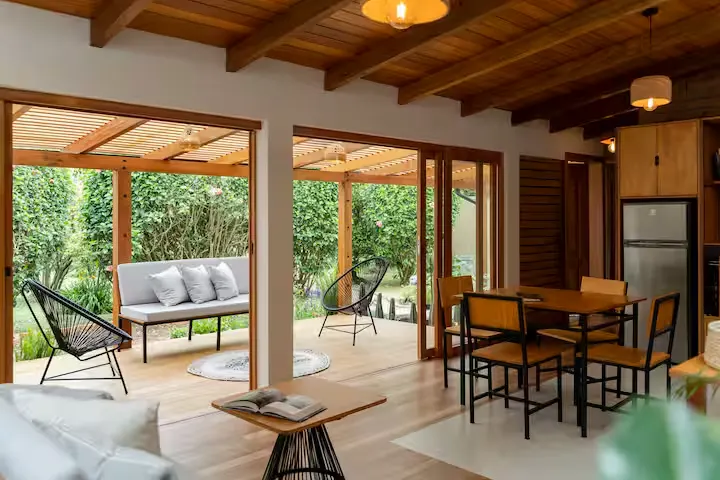
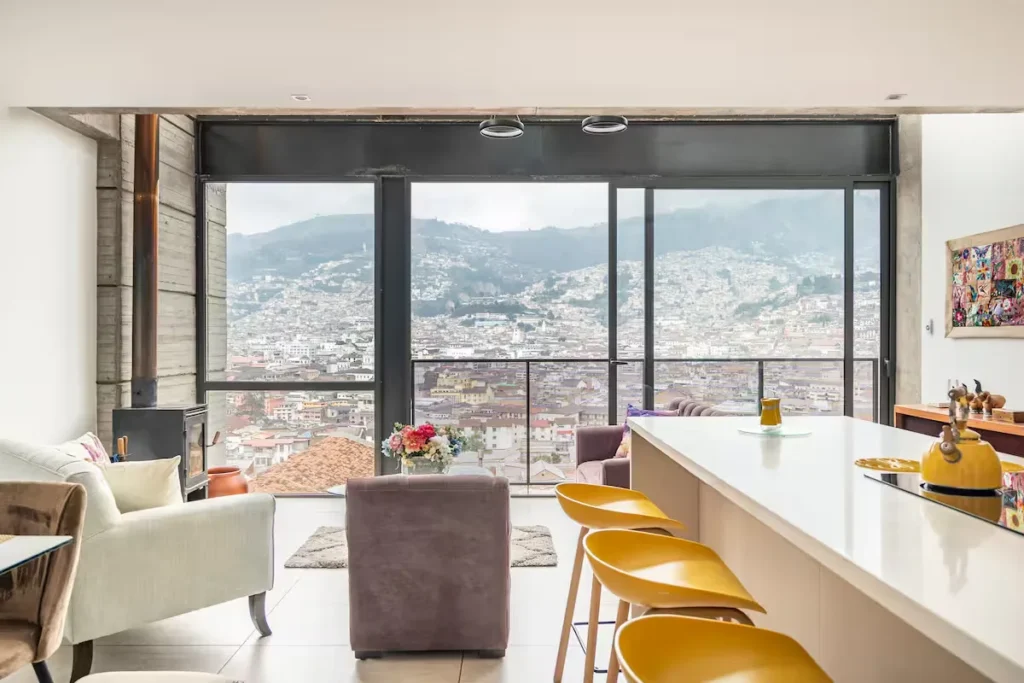
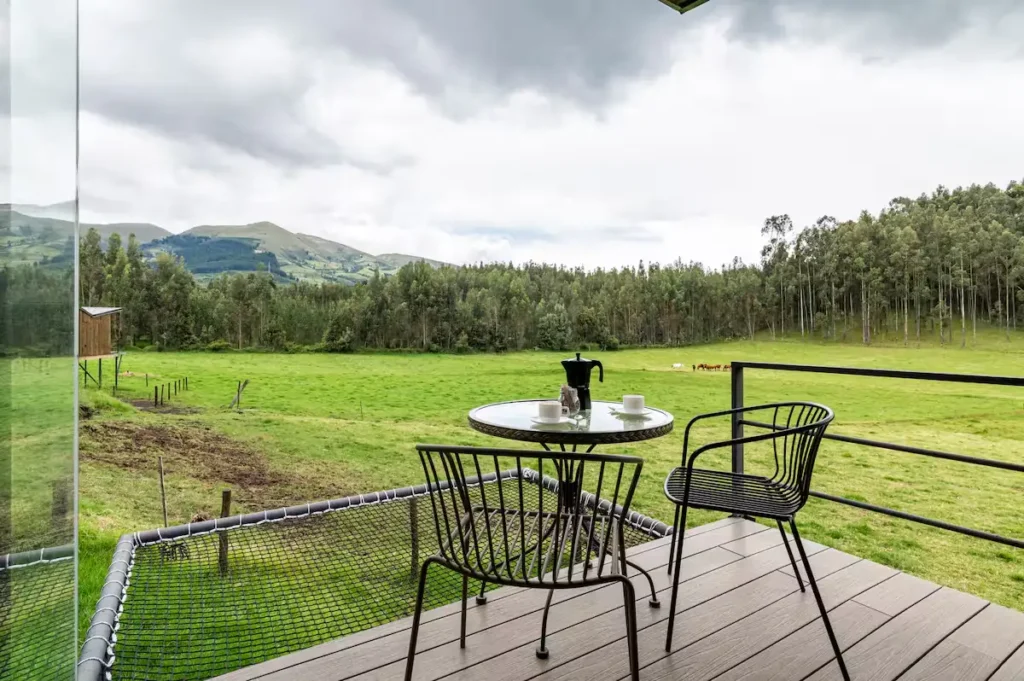
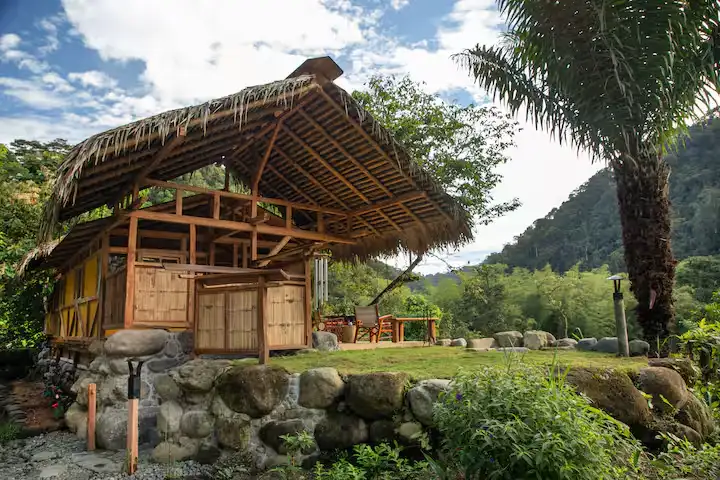
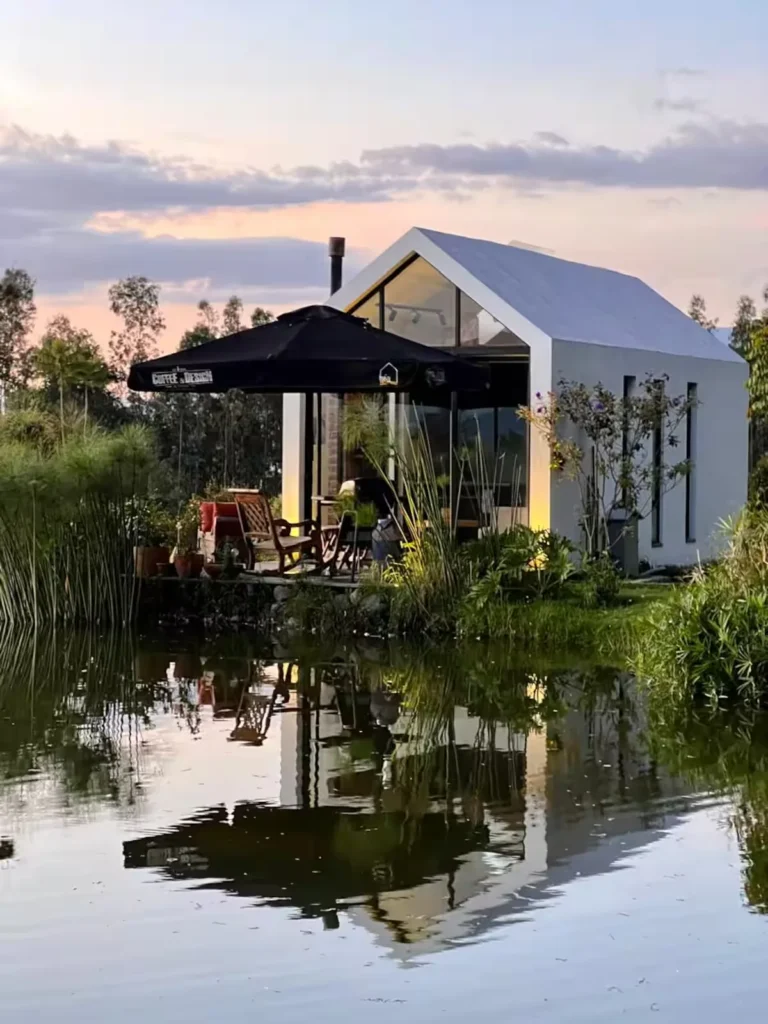
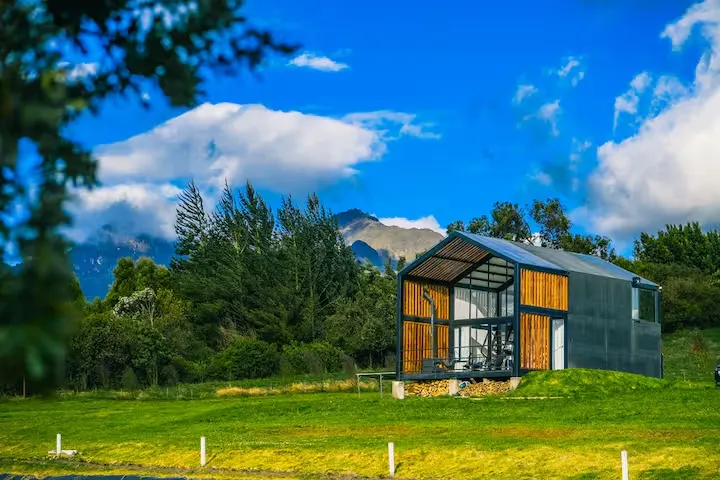
Top Off‑Season Stays
Find below our curated selection of boutique hotels and design apartments that offer exceptional value, atmosphere, and comfort during the off‑season — often at significantly lower rates than peak months.
Uncrowded Experiences & Tours
Skip the lines and experience iconic landmarks at your own pace. Discover curated local tours and cultural activities designed to show you the authentic side of the destination without the peak-season rush.
Handy Tips
Weather & Climate
The climate is often described as “eternal spring,” but it fluctuates wildly. Daytime temperatures average 18°C–22°C (64°F–72°F), but can drop to 7°C (45°F) at night. High-altitude areas (Paramo) are much colder and windier.
Local Customs And Etiquette
Language: Spanish is primary, but Kichwa is widely spoken by indigenous populations. Learning a few Kichwa greetings like “Alli punlla” (Good day) is highly appreciated.
Dining: Lunch (almuerzo) is the main meal. It is customary to say “Buen provecho” to others when you arrive or leave a restaurant.
Altitude: Altitude sickness (soroche) is real. Avoid heavy meals and alcohol on your first day, and drink plenty of coca or chuquiragua tea.
Budgeting For Your Trip
Accommodation: Hostels ($15–$30), mid-range hotels ($50–$90), luxury haciendas ($150+).
Food: Set lunch menu/Almuerzo ($3–$6), mid-range dinner ($15–$30 per person), fine dining ($40+).
Transport: Local bus ($0.35), intercity bus ($2–$3 per hour of travel), private shuttle ($60–$100).
Activities: Guided volcano hike ($50+), museum entry ($3–$5), hot springs ($5–$15).
Daily Budget:
- Budget: $40–$60 (hostels, local markets, buses).
- Mid-range: $80–$130 (boutique guesthouses, private tours).
- Luxury: $200+ (historic haciendas, private drivers, fine dining).
Getting Around
By Bus: The most common way to travel. Terminals (Terrestres) are organized and connect every major Andean town.
By Car: Renting a car allows for freedom on the Avenue of the Volcanoes, but be prepared for steep, winding roads and occasional fog.
By Plane: Short 45-minute flights connect Quito and Cuenca for those short on time.
Must-Try Food
Locro de Papa: A creamy potato soup served with avocado and cheese.
Cuy Asado: Roasted guinea pig, a traditional Andean delicacy often served on special occasions.
Hornado: Slow-roasted pork served with llapingachos (potato cakes) and mote.
Llapingachos: Fried potato patties stuffed with cheese, usually topped with peanut sauce.
Mote Pillo: Hominy corn sautéed with eggs, onions, and milk, popular in Cuenca.
Fritada: Succulent pieces of pork braised and then fried in their own fat.
Humitas: Steamed corn cakes made from ground fresh corn, eggs, and cheese.
Canelazo (Food version): Look for street vendors selling Habas Calientes (fava beans) with fresh cheese.
Empanadas de Viento: Large, airy fried empanadas filled with cheese and dusted with sugar.
Helados de Paila: Handmade sorbet-style ice cream whipped in large copper bowls.
Must-Try Drinks
Canelazo: A hot, spiced cinnamon drink made with puntas (cane spirit) and fruit juice.
Chicha de Jora: A fermented corn beer that has been a staple in the Andes for centuries.
Pajaro Azul: A potent, blue-tinged herbal cane spirit from the Bolivar province.
Craft Beer: Quito and Cuenca have thriving craft brewery scenes using Andean ingredients.
Wine: While small, look for wines from the Dos Hemisferios winery.
Colada Morada: A thick, purple spiced drink made with berries and purple corn (traditionally for Day of the Dead).
Jugos Naturales: Freshly squeezed juices like Tomate de Árbol (Tree Tomato) or Mora (Blackberry).
Morocho: A thick, sweet, warm drink made from white corn, milk, and cinnamon.
Horchata Lojana: A pink herbal tea from the south made from up to 28 different medicinal plants.
Cafe de Altura: High-altitude Ecuadorian coffee is world-class; try it black to taste the floral notes.