 Skip to content
- Is Ecuador A Good Destination For Off-Season Travel?
Yes, Ecuador is practically built for 'Exploiting Travel Seasonality' because its weather is more regional than seasonal. While the Galapagos and the lowlands have distinct wet and dry periods, the Andean highlands (including the capital) enjoy "eternal spring" year-round, meaning you can find value in almost any month.
The trade-off is the rain in the Amazon. Visiting during the deeper low season (January to April) means the coastal beaches are rainy and the jungle trails are muddy. However, this is precisely when the highlands bloom with wildflowers and hotel prices in historic centres drop by up to 35% from peak June rates.
- What Is The Weather Actually Like During Ecuador's Low Season?
It depends entirely on which world you choose: the coast, the mountains, or the jungle. From January to April (often considered the wetter months), the Pacific coast sees heavy afternoon showers and overcast skies. However, the Galapagos Islands experience their warmest and calmest ocean waters during these exact months, making snorkelling exceptional.
The positive spin is choice. You can literally drive two hours from a rainy cloud forest and find sunshine in a volcanic crater valley. The "drawdown" is unpredictability in the Amazon, where trails get slippery. But for smart travellers, this low season means you will share world-class sites like the Mitad del Mundo with 80% fewer tour groups.
- Are There Transportation Disruptions In The Ecuadorian Off-Season?
Rarely for major routes, but mudslides can affect mountain roads. The Pan-American Highway and flights between Quito, Guayaquil, and Cuenca operate reliably all year. However, during the heavier rains of March or April, some secondary roads into the Amazon basin or along the northern coast can experience temporary closures for a few hours.
The upside is empty buses and cheaper flights. You will almost always get a window seat on long-distance coaches, and domestic airfares often drop by 30% in the low season. Just build one hour of flexibility into your overland itinerary, and you will find the lack of traffic jams in cities like Quito a massive win.
- What Kind Of Discounts Can I Find In Ecuador's Off-Season?
Expect hotels to drop their rates by 25% to 40% outside of June, July, and December. Four-star lodges near hot springs and colonial guesthouses often include free breakfast or a complimentary city tour just to fill rooms. Tour operators for cloud forest birdwatching or Cotopaxi hikes frequently offer "stay three nights, pay for two" promotions.
The biggest savings are on multi-day jungle tours. During the wetter low season, Amazon lodges reduce their package prices by up to 50% because demand from North American and European travellers plummets. You still see incredible wildlife (animals don't mind rain), but you pay half the price and get a private guide instead of a group of twelve.
- Will I Experience Crowds At Major Ecuadorian Sights During Off-Season?
No, this is the number one reason to go low season. Sites like the thermal baths of Baños, the indigenous markets of the highlands, and the historic cathedrals of Cuenca feel almost tranquil. You can take photos at the Equator monument without strangers photobombing you, and lunch spots in popular villages actually have empty tables.
The only exception is school holidays. Ecuador's own national breaks in March (carnival) and December can create local crowds, but these are still nothing compared to international peak season (June to August). For global travellers wanting peace, visiting between January and mid-March gives you the best of both worlds: lower prices and near-empty attractions.

Home > Exploit The Seasons > Seasonal World Map > South America > Ecuador
ECUADOR
Ecuador is a compact world of extremes, from Andean peaks to Amazonian jungles. Discover when to explore its eternal spring for empty trails, authentic Indigenous markets, and incredible value without the crowds.
Smart Travel Calendar
Why Choose Ecuador Off-Season?
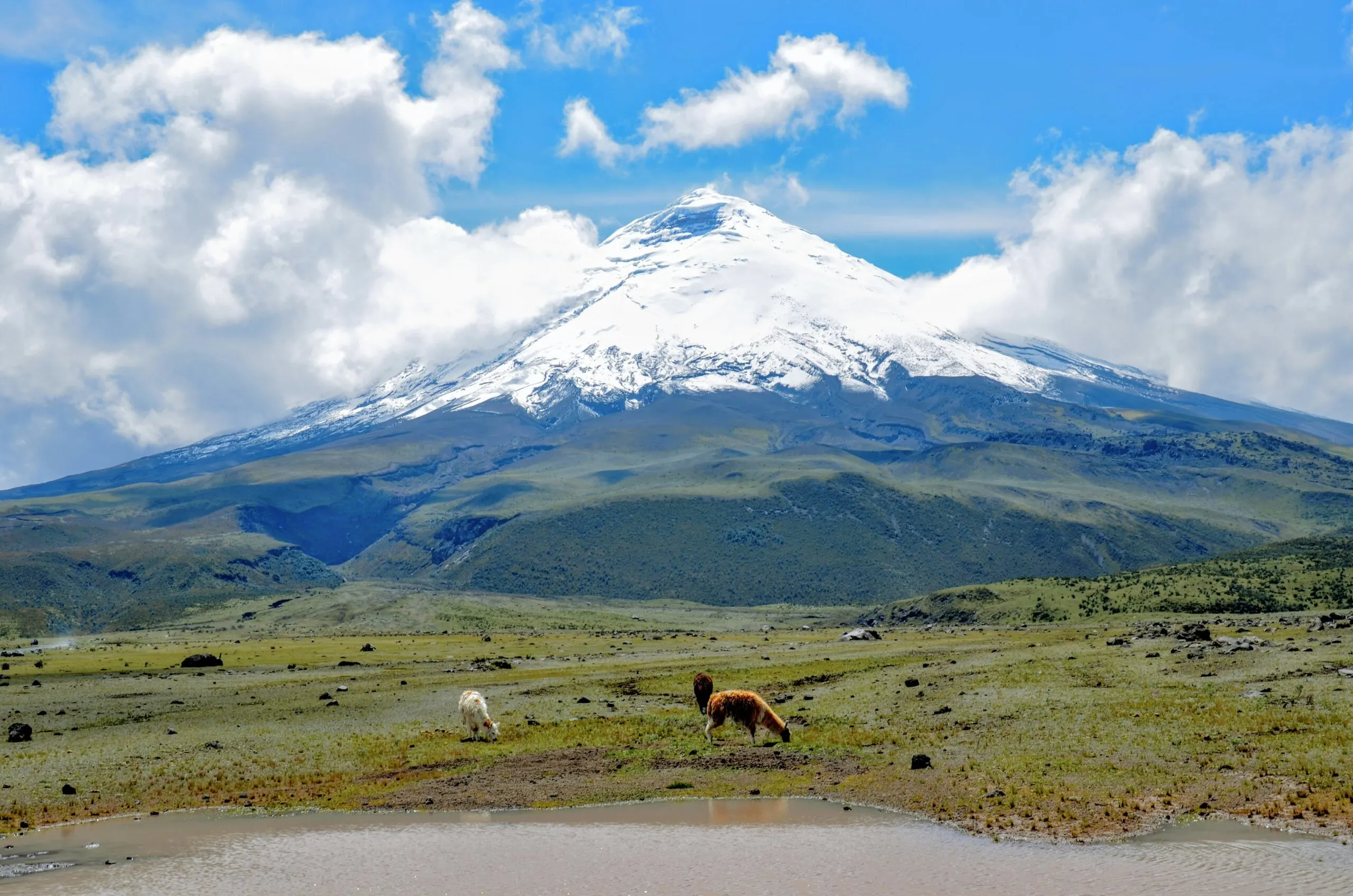
Fewer Hikers on the Volcanoes: Quilotoa Loop and Cotopaxi trails feel almost private, allowing for quiet communion with the Andes.
Authentic Market Interactions: Otavalo’s famous textile market is less about souvenirs and more about genuine artisan conversations.
Lower Galapagos Flight Prices: Inter-island flights and last-minute cruise deals become accessible as peak demand from North America drops.
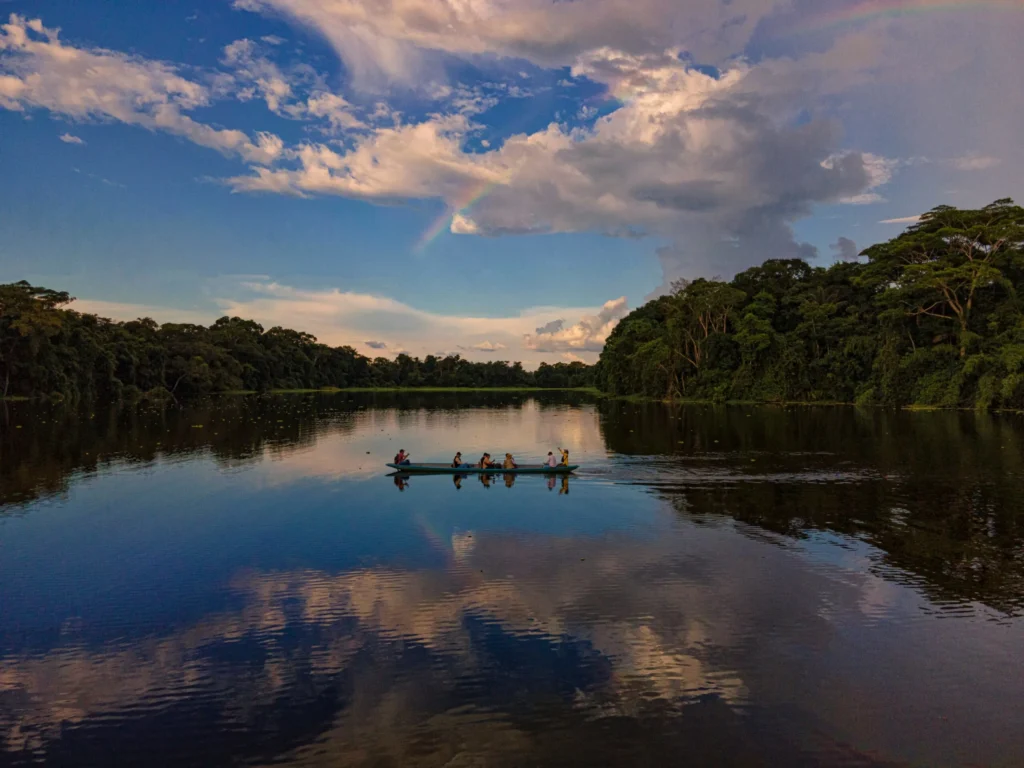
Lush, Emerald Landscapes: The rainy season paints the highlands in vibrant greens, making for spectacular photography conditions.
No Queues for the Teleférico: In Quito, skip the hour-long waits for the cable car and enjoy crisp, clear mornings at the summit.
Coastal Solitude: Beaches near Canoa and Mompiche feel undiscovered, perfect for surfing without fighting for waves.
Shoulder Season
Your Smartest Windows
September to November
April to May
Avoid: Christmas through New Year’s (Dec 24-Jan 5) and Easter Week (Semana Santa), when domestic travel surges and prices spike .
What the Sky Does
Highlands: 12°C to 20°C (54°F to 68°F). Mornings are usually sunny, with brief afternoon showers that green the hills .
The Amazon: Hot and humid, but this is a fantastic time for birdwatching as fruit-bearing trees attract wildlife .
The Coast: Skies are clearing up post-rainy season in April/May, while Sept/Nov offers warm sun without the oppressive humidity of January .
How Empty It Feels
30-40% fewer tourists than the peak summer months of June to August .
Major Sites: Explore Cuenca’s cathedrals and Quito’s historic plazas without shuffling in tour group lines.
Quilotoa: You can stay in rustic lodges without needing a reservation weeks in advance.
Seating: Finding a table with a view at a “panoramic” restaurant is easy and relaxing.
What You’ll Save
Flights and Hotels: Save 15-25% compared to the June-August peak season rates .
Car Rentals: 4×4 rentals for the Andes are significantly cheaper and more available than in July.
Attractions: No need for expensive “skip-the-line” passes; standard entry works perfectly.
Dining: Local “almuerzos” (set lunch menus) remain incredibly cheap, but tourist-targeted dinner spots offer happy hour specials to draw you in.
The Secret Perk
November Festivals: Experience the “Day of the Dead” (Día de los Difuntos) with locals eating guaGuas de pan (bread babies) .
Wildlife: In the Galápagos, the sea is rougher but the marine life is hyper-active; albatrosses nest in Espanola .
Harvest: September is the tail end of the passionfruit and naranjilla harvest in the jungle.
Photography: The “golden hour” lasts longer due to atmospheric moisture, making volcano shots epic .
The Tiny Trade-Off
Closures: Some remote jungle lodges operate on reduced schedules or maintenance weeks in April and May .
Weather Risk: You will likely experience an afternoon downpour; pack a real rain jacket, not just an umbrella .
Transport: Reduced flight frequencies to the Galápagos on weekdays compared to the high season .
Surf: The northern coast sees smaller swells in April/May; September/October is better for surfing.
Smart Traveler Tip
October is the “Magic Month”: It statistically offers the lowest prices of the year with manageable rain .
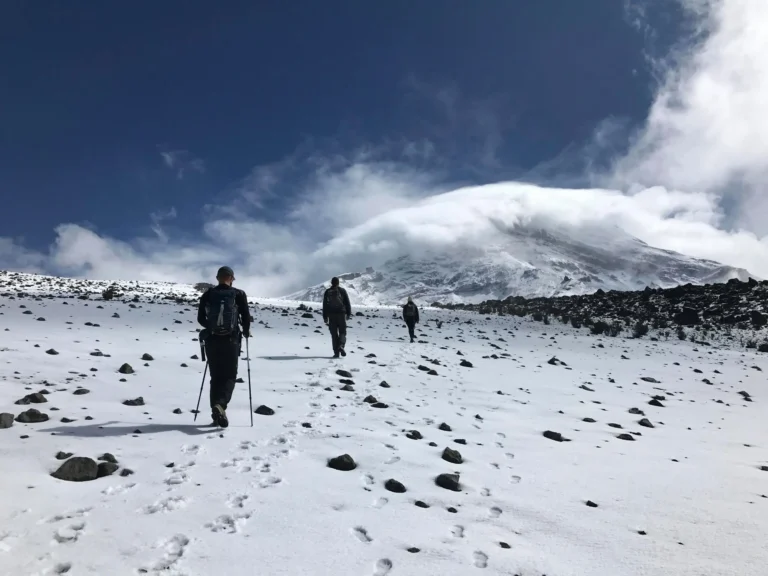
Morning Hikes: Always schedule high-altitude hikes (Cotopaxi, Chimborazo) before noon to avoid afternoon clouds and wind.
Book flexible: Use the shoulder weather to your advantage; be willing to swap a beach day for a museum day if it looks overcast.
Deep Off-Season
Your Smartest Windows
January to March
Avoid: Carnival (Feb/Mar). Ecuador shuts down for massive water fights and celebrations; prices drop but travel logistics become messy .
What the Sky Does
Andes: 10°C to 18°C (50°F to 64°F). This is the “wet season,” meaning frequent but short-lived heavy rains, usually in the afternoon .
Amazon: Over 30°C (86°F) with high humidity. Trails get muddy, but the rainforest is at its most vibrant.
Coast: Overcast and humid. It’s not “beach weather” but perfect for surfing and coastal hiking without burning.
How Empty It Feels
Up to 60% fewer tourists than the dry season .
Historic Sites: Ingapirca ruins often feel like a private archaeological discovery.
Museums: In Quito, you can enjoy the Museo Nacional without a single school group in sight.
Small Towns: Villages like Mindo feel like actual cloud forest communities, not tourist hubs.
What You’ll Save
30-40% vs. Peak Season: Jan-March offers the absolute lowest hotel rates of the year .
Flights: Significant discounts on international flights, often with airlines running specific “rainy season” sales.
Hotels: Luxury haciendas drop their rates by nearly half, staying in a historic manor becomes a budget option.
Tours: Private drivers charge less because they lack other bookings; negotiate hard.
The Secret Perk
The Lush Green: The Andean hills are blindingly green in March. It’s the “Ireland of South America” look.
Indoor Culture: It’s the best time to take cooking classes in Quito or learn to weave in a dry workshop.
Thermal Baths: Sitting in the hot springs of Papallacta while it pours rain outside is a magical Andean experience.
No Booking Stress: Decide in the morning to fly to the Galápagos that afternoon? You can often grab heavy discounts on “last minute” cruise slots .
The Tiny Trade-Off
Beach Days: Swimming is mediocre; the water is colder and skies are gray.
Nightlife: Coastal nightlife (Partying in Montañita) dies down significantly; “low season” means early closing times.
Restaurants: In very remote areas (like the entrance to the Devil’s Nose train), eateries may close by 3 PM.
Daylight: The sun sets earlier, limiting post-work hiking time.
Smart Traveler Tip
Layer Up: You need winter gear for the high-altitude evenings and summer gear for the Amazon afternoons.
Embrace the Rain: Buy a cheap poncho locally when you arrive; it makes you look like a pro.
Carnival Warning: If you hate getting sprayed with foam or water balloons, stay inside or leave the Sierra during the week leading up to Ash Wednesday.
Find Off-Peak Flights
FAQs
Explore Ecuador
Essential Trip Information
Visa and Entry Requirements
Ecuador allows visa-free entry for up to 90 days for most nationalities (including U.S., EU, Canada, Australia).
Passports must be valid for at least six months beyond your stay.
Immigration may ask for proof of onward travel, accommodation bookings, or sufficient funds (~US$50/day).
Yellow fever vaccination may be required if visiting the Amazon.
Currency
Ecuador uses the U.S. Dollar (US$). Bills: US$1–100 (larger denominations can be hard to break). Coins: 1¢–1.
Best Ways to Handle Currency:
Before Your Trip: Exchange a small amount; ATMs offer better rates.
During Your Trip: Use ATMs (Banco Pichincha, Banco de Guayaquil). Credit cards (Visa/Mastercard) accepted in cities, but carry US$20–50 cash for rural areas.
What to Avoid: Street money changers (risk of scams) and dynamic currency conversion (always choose USD).
Language
Spanish is the official language.
Helpful phrases: “Hola” (Hello), “Gracias” (Thank you), “¿Dónde está…?” (Where is…?).
English is spoken in tourist areas/Galápagos.
Safety & Security
Generally safe, but be cautious in crowded areas (Quito’s Old Town, bus stations).
Avoid walking alone at night in isolated areas.
Emergency number: 911.
Health & Insurance
Recommended vaccines: Hepatitis A, Typhoid, Yellow Fever (Amazon).
Altitude sickness possible in Quito (2,850m). Stay hydrated!
Tap water is unsafe to drink—stick to bottled/filtered water.
Pharmacies (Fybeca, Cruz Azul) widely available.
Transportation
Buses: Cheap and extensive (long-distance: comfortable coaches like Panamericana).
Taxis: Use registered cabs (orange plates) or Uber.
Domestic flights: Useful for Galápagos/coastal cities (LATAM, Avianca).
Walking: Many cities (Cuenca, Quito’s center) are pedestrian-friendly.
Price Level
Ecuador is affordable, but prices vary by region (Quito/Galápagos are pricier).
Accommodation:
Budget: Hostels/US$10–25, budget hotels/US$30–60
Mid-range: 3-star hotels/US$60–120
Luxury: 4-5 star hotels/US$150+(Galapagos: US$250+)
Food:
Quick eats: Local almuerzos (lunch sets/US$3–5),empanadas/US$1–2
Casual dining: US$8–15/person
Fine dining: US$25+/person
Drinks:
Beer: US$1–3 (local), US$4–6 (imported)
Cocktails: US$5–10
Transportation:
Buses: US$1–10 (intercity), US$0.25–0.50 (city)
Taxis: US$3–10 (short trips), Uber in cities (US$5–15)
Domestic flights: US$50–150 (Quito to Galapagos: US$400+)
Money-Saving Tips:
Eat at local markets (Mercado Central in Quito).
Use public buses for long-distance travel.
Book Galápagos tours in advance for deals.
Planning Your Trip
Local Customs And Etiquette
Greetings: A handshake or cheek kiss (one, right side).
Tipping: 10% in restaurants (check if included). Small change for taxis.
Dress: Casual but modest (cover shoulders/knees in churches).
Punctuality: “Ecuadorian time” is flexible, but tours leave on schedule.
Safety: Avoid flashing valuables in cities; use hotel safes.
Budgeting For Your Trip
Accommodation: Hostels (US$10–20), hotels (US$40–100), luxury (US$200+).
Food: Street food (US$2–5), local meal (US$5–10), fine dining (US$25+).
Transport: Buses (US$1–15), taxis (US$2–10), Galápagos flights (US$300+).
Activities: Free hikes, Amazon tours (US$80–150/day), Galapagos cruises (US$1,500+).
Daily Budget:
Budget: US$30–50 (hostels, street food, buses).
Mid-range: US$80–150 (hotels, tours, meals).
Luxury: US$250+ (eco-lodges, private guides).
Internet & Mobile
Free Wi-Fi: Cafes, hostels, and malls (unreliable in rural areas).
SIM Cards: Claro/Movistar (US$5–10 for 1–5GB). Buy at airports or stores.
eSIMs: Supported (Airalo, Holafly).
Travel Insurance
Essential for: Altitude sickness (Quito), adventure sports (rafting, hiking).
Galápagos: Verify coverage for diving/boat trips.
Healthcare: Private clinics are affordable; insurance avoids upfront costs.
Accomodation Options
From hostels to eco-lodges, Ecuador caters to all budgets.
Hotels:
- Luxury: Casa Gangotena (Quito), Mashpi Lodge (cloud forest).
- Mid-range: Hostal de la Rabida (Quito), Hotel Oro Verde (Guayaquil).
- Budget: Secret Garden (Quito), Posada del Arte (Cuenca).
Hostels:
- Social vibe: Community Hostel (Quito), Iguana Rock (Montañita).
Eco-Lodges:
- Amazon: La Selva Lodge, Napo Wildlife Center.
- Cloud Forest: Bellavista Lodge.
Airbnb:
- Great for groups in cities like Quito’s La Floresta or Baños.
Tip: Stay in Quito’s historic center for easy access to sights.
Getting Around
Ecuador’s diverse terrain requires flexible transport.
Buses:
- Cheap and extensive (US$1–10 per trip).
- Long-distance: Comfortable coaches (e.g., Quito to Cuenca, US$12, 10 hours).
- Local buses: Crowded but efficient for short trips.
Taxis/Ubers:
- In cities: Metered taxis (US$2–5 for short rides). Always confirm fare first.
- Uber: Available in Quito/Guayaquil (safer at night).
Domestic Flights:
- Quito to Galápagos (US$300–500 round−trip) or coastal cities (US$50–100).
Rental Cars:
- Useful for remote areas (US$30–50/day). Avoid driving in cities—chaotic traffic.
Boats/Ferries:
- Galápagos island-hopping or Amazon river tours.
Tip: Book Galápagos cruises/flights months ahead—limited capacity.