 Skip to content


- Will The Famous Wine Valleys Be Too Cold Or Rainy For Tasting During The Off-Season?
No, and many sommeliers actually prefer visiting during these quieter months. The off-season brings cooler temperatures that are perfect for hearty red wine tastings by a fireplace, and the winter rains turn the vineyards into stunning emerald landscapes that summer visitors never see.
The drawdown is that some vineyards close their outdoor picnic areas or reduce terrace seating during rainy days. However, you gain private cellar tours, winemaker meet-and-greets for up to 35% less, and the chance to taste award-winning Carménère without fighting through busloads of summer tourists.
- Is Santiago Smog And Air Quality Worse During The Cooler Off-Season Months?
Yes, this is the honest drawdown you need to plan around. The winter months trap air pollution between the Andes and the Coastal Range, creating visible smog that can obscure those postcard mountain views and affect travelers with respiratory sensitivities.
The drawdown is that some days, the mountains completely disappear behind grey haze. However, you gain crisp, cool mornings for walking historic neighborhoods, empty metro trains, hotel discounts of 25% to 35%, and easy day trips up into the Andes where the air clears dramatically above the inversion layer.
- Will Valparaíso And Viña Del Mar Feel Deserted And Depressing Without Summer Energy?
No, they will feel authentic and wonderfully bohemian. The famous port city trades summer's overwhelming cruise ship crowds for local artists, quieter hillside elevators (ascensores), and the ability to photograph those famous colorful houses without strangers walking through every frame.
The drawdown is that some outdoor seafood markets and hillside cafes reduce their hours or close on weekdays. However, you gain hotel rates near the beach that drop by up to 40%, empty funiculars that let you ride like a local, and the dramatic sight of winter waves crashing against the coastal cliffs with nobody else watching.
- Can I Still Hike In The Cajón Del Maipo Or Andes Foothills During Cooler Weather?
Yes, but you need to choose your trails wisely and start early. The famous canyon east of Santiago remains open year round, with the off-season offering dramatic snow-capped peak views, roaring river flows, and hiking temperatures that won't leave you overheated and exhausted.
The drawdown is that some high altitude trails become muddy or icy, and afternoon clouds roll in faster than during summer months. Stick to lower elevation routes like the Embalse El Yeso viewpoint, pack proper boots and layers, and you will enjoy these mountain landscapes with nearly 70% fewer hikers competing for parking spots.
- Is The Coastal Fog (Camanchaca) So Thick That I Will See Nothing All Day?
No, but you do need to understand this unique coastal weather pattern. The famous Camanchaca fog rolls in during the off-season, especially in the morning, but it typically burns off by midday to reveal moody, atmospheric views of the Pacific coastline that photographers specifically travel here to capture.
The drawdown is that some mornings, the fog lingers until early afternoon, and the sun may never fully appear. However, you gain dramatic, misty photographs of Valparaíso's hills, completely empty beaches in Viña, and the cozy experience of drinking hot chocolate in a seaside cafe while watching fog roll over colorful rooftops.

Home > Exploit The Seasons > Seasonal World Map > South America > Chile > Chile’s Central Heartland
CENTRAL CHILE
Between the Pacific coast and Andean peaks, Chile’s central heartland pulses with vineyard harvests, urban energy, and seasonal contrasts. This guide reveals the sweet spots to explore its valleys, cities, and coastline with fewer crowds.
Smart Travel Calendar
Shoulder Season
Your Smartest Windows
March to May (Autumn)
September to November (Spring)
Avoid: Fiestas Patrias (September 18th & 19th) — Chile’s Independence Day celebrations fill Santiago and the coast with locals; book accommodations well ahead .
What the Sky Does
Typical weather: Mild and pleasant. Santiago sees highs of 22°C (72°F) in April and October; evenings cool to 10°C (50°F) .
Harvest season (March-April): The smell of fermenting grapes fills the air across the Maipo and Colchagua valleys — it’s vendimia (harvest festival) time .
Spring bloom (September-November): The central valley lights up with wildflowers, and the snow-fed Maipo River swells with crystal-clear meltwater.
Coastal clarity: Valparaíso enjoys sunny, breezy days without the summer fog (camanchaca) that rolls in during winter .
How Empty It Feels
Up to 40% fewer tourists compared to the summer months of January and February.
Santiago feels spacious: The historic center and Bellavista neighborhood have breathing room; the Teleférico up San Cristóbal Hill has no queues .
Valparaíso relaxed: The colorful cerros (hills) feel like an artist’s enclave, not a cruise ship stampede.
Wine tasting perk: You can actually talk to the sommelier at a Casablanca Valley tasting room and snag a seat on the terrace.
What You’ll Save
Flights and hotels drop 20-30% from their December-to-February highs.
Car rental deals: Prices are lower, and you won’t fight for an automatic car at Santiago airport.
Attraction access: Tours to the Elqui Valley (for pisco) or the coast are widely available, never sold out.
Dining value: Lunch menú del día (set menu) specials remain under $10 USD, as restaurants cater to locals, not tourists.
The Secret Perk
Vendimia (Harvest Festival) magic: In March and early April, you can stomp grapes at historic wineries like Santa Cruz or Curicó .
Golden hour for photographers: Autumn light turns the vineyards of Colchagua into a canvas of ochre, red, and gold.
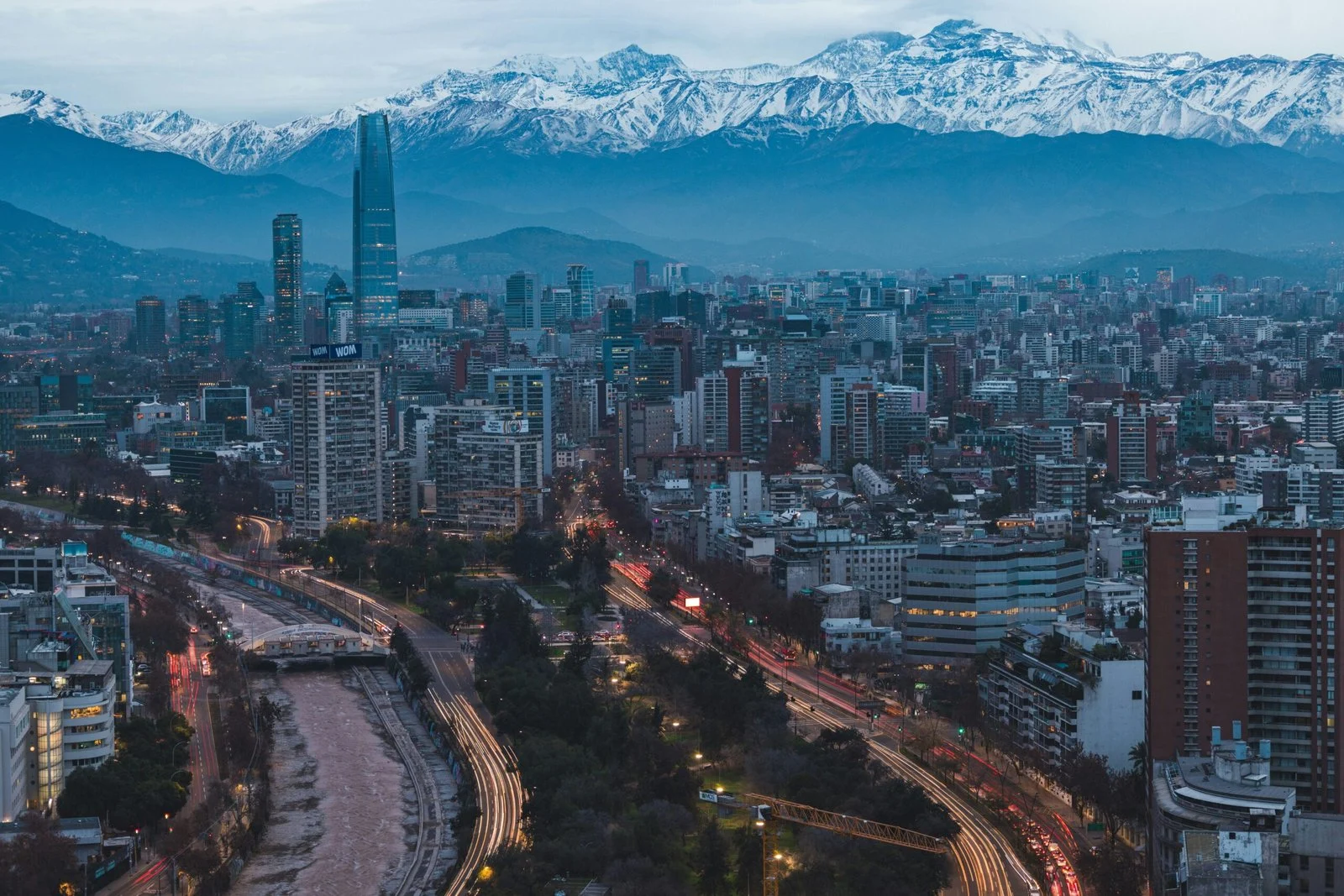
Snow-capped Andes views: On clear autumn or spring mornings, the mountains behind Santiago are dusted with fresh snow — a stunning city backdrop.
Wildlife along the coast: Migrating birds flock to the wetlands near El Yali, just west of the Casablanca Valley.
The Tiny Trade-Off
Pool weather ends: By April, unheated outdoor pools at wine lodges are too cold for swimming.
Patagonia winds can sneak north: Occasionally, a wind system from the south brings a chilly day to the central coast.
Shorter daylight: By late April, sunset comes earlier (around 6:00 PM), shortening afternoon exploration time.
Some coastal fog returns: May can bring morning camanchaca (fog) to Valparaíso and Viña del Mar, burning off by noon.
Smart Traveler Tip
April is the hidden gem: The harvest is winding down, the weather is still warm, and the crowds have vanished. Book a last-minute wine tour for a truly private experience.
Layer for two seasons: Mornings can be chilly (10°C/50°F), afternoons warm (24°C/75°F). Wear a t-shirt, fleece, and light jacket — you’ll use all three.
Midweek wine tasting: Visit the Casablanca Valley on a Tuesday or Wednesday; on weekends, it fills with Santiago day-trippers.
Deep Off-Season
Your Smartest Windows
June to August (Winter)
Avoid: July is peak ski season in the Andes (Valle Nevado, Portillo, La Parva). Resorts are packed, and nearby lodging prices spike dramatically .
What the Sky Does
Typical weather: Cool to cold and damp. Santiago sees highs of 15°C (59°F) and lows of 3°C (37°F). Rain is common .
Rainy season pattern: Most rain falls between May and August, but it typically comes in short bursts, not all-day downpours (except in Concepción) .
Snow in the foothills: The Andes above 2,000 meters get heavy snow — essential for ski resorts and beautiful to view from the city.
Coastal humidity: Valparaíso is damp and overcast, but the lack of tourist crowds makes indoor exploring (museums, cafes) delightful.
How Empty It Feels
Up to 60% fewer tourists than peak summer.
Santiago feels like a local secret: The Metro carries commuters, not backpackers. Museums are nearly empty .
Valparaíso’s quiet charm: The hills are misty and still; you’ll have the funiculars almost to yourself.
Wine lodge tranquility: Casablanca Valley tasting rooms are open but silent — just you, the rain on the roof, and the sommelier.
What You’ll Save
Flights can be 40-50% cheaper than summer peak season (excluding ski holiday weeks).
Hotel bargains: Four-star hotels in Santiago’s Las Condes district drop to nearly half price .
Car rental clearance prices: Rental companies slash rates, though you may get a sedan instead of an SUV.
Tour flexibility: Book a private city tour at last-minute rates; guides are happy for the work.
The Secret Perk
Ski & sip combo: Ski Valle Nevado in the morning, then enjoy a fireplace tasting at a nearby Maipo Valley winery in the afternoon .
Cozy indoor culture: Winter is prime time for Santiago’s cafes, bookstores (Barrio Lastarria), and the Central Market for hearty cazuela (stew).
Whale watching nearby: While famous further south, some humpback whales pass the central coast (e.g., off Pichilemu) during their migration .
Hot springs escape: The Termas de Colina (hot springs) near the Andes feel like a private bath on a cold winter weekday.
The Tiny Trade-Off
Outdoor wine tasting is limited: Most vineyard tours move indoors; you won’t stroll through the vines in the rain.
Short days: Daylight fades by 5:30 PM, so start your city walks early.
Beach towns hibernate: Viña del Mar feels like a ghost town; many seafood stalls and outdoor vendors close.
Restaurant rotation: Some smaller eateries in tourist zones close or reduce hours — stick to central Santiago neighborhoods.
Smart Traveler Tip
Focus on the city and valleys: Winter is not for beach time, but Santiago, the wine routes, and the coast for moody photography are excellent.
Pack a waterproof parka and layers: The humidity (70-80%) makes the cold feel sharper. A compact umbrella is essential .
Check for “low season” flight + hotel packages: Airlines and hotels bundle deep discounts in June and August (avoid July ski week) .
Eat heavy: Winter is the time for pastel de choclo (corn pie) and porotos granados (bean stew) — hearty, cheap, and delicious.
Find Off-Peak Flights
Top Off‑Season Stays
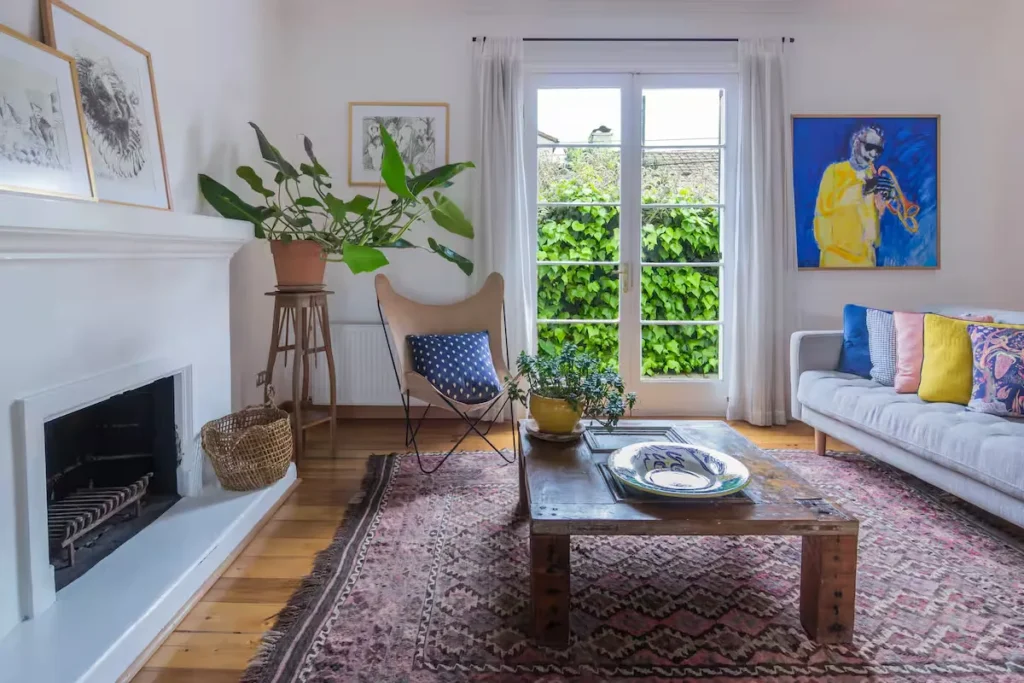
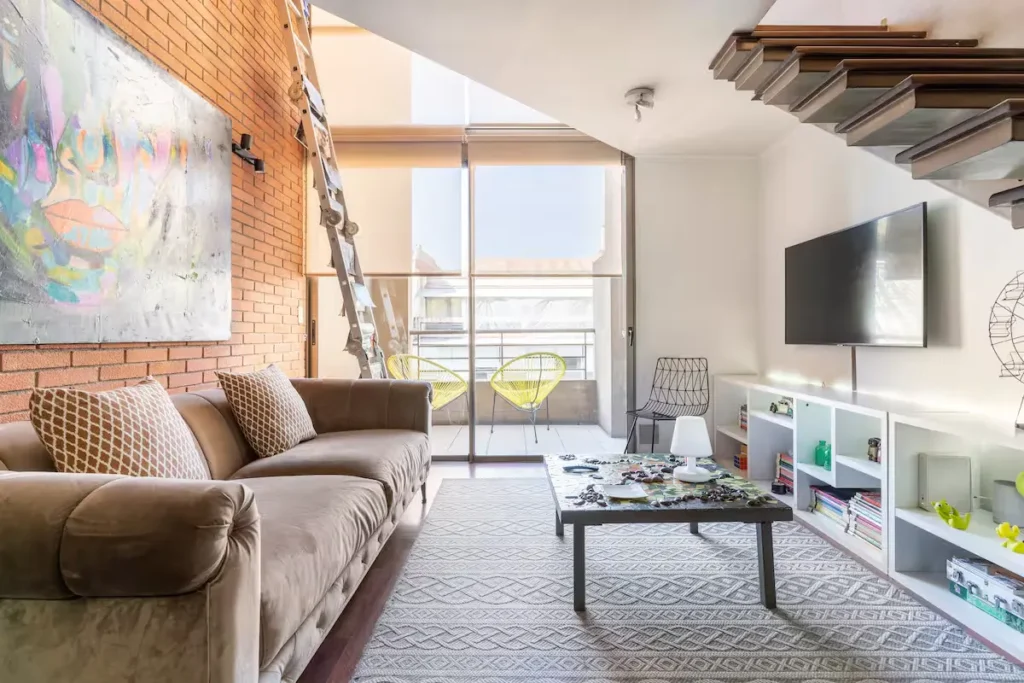
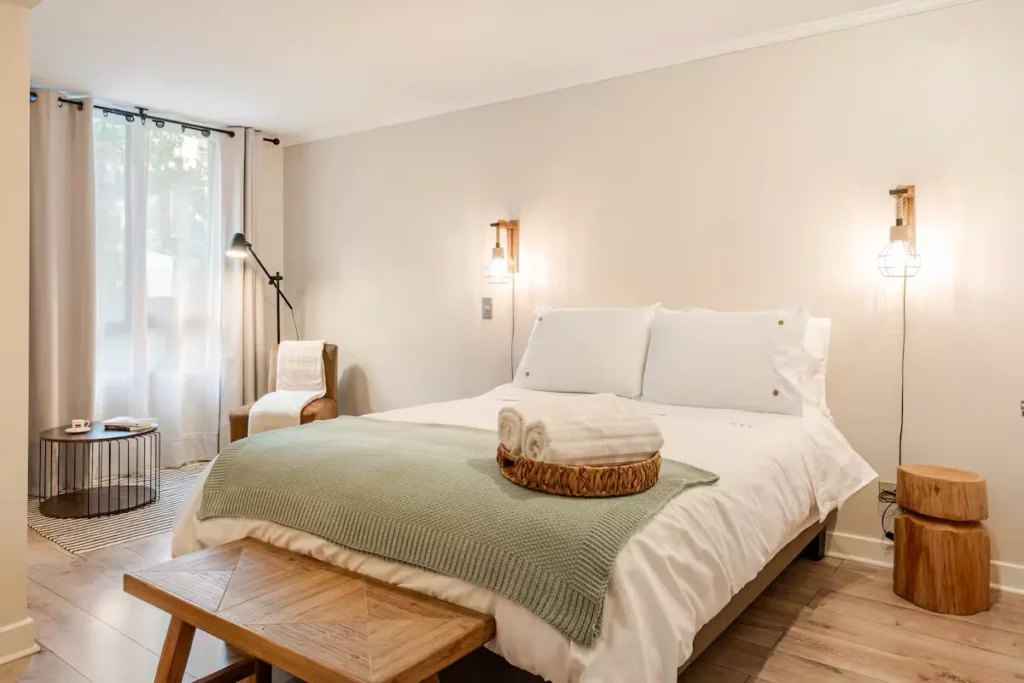
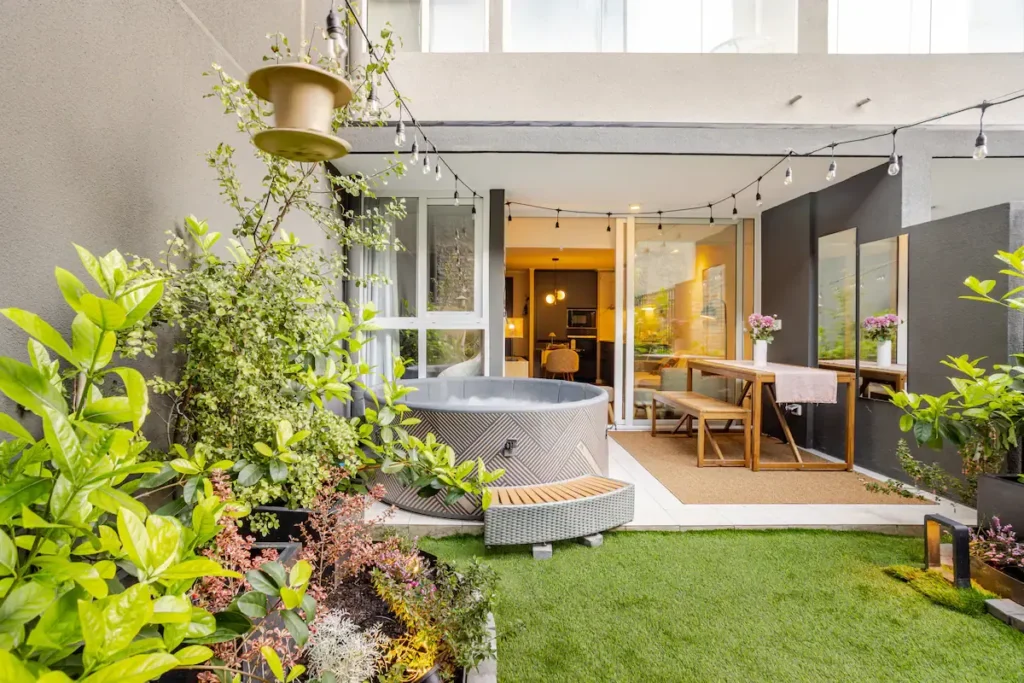
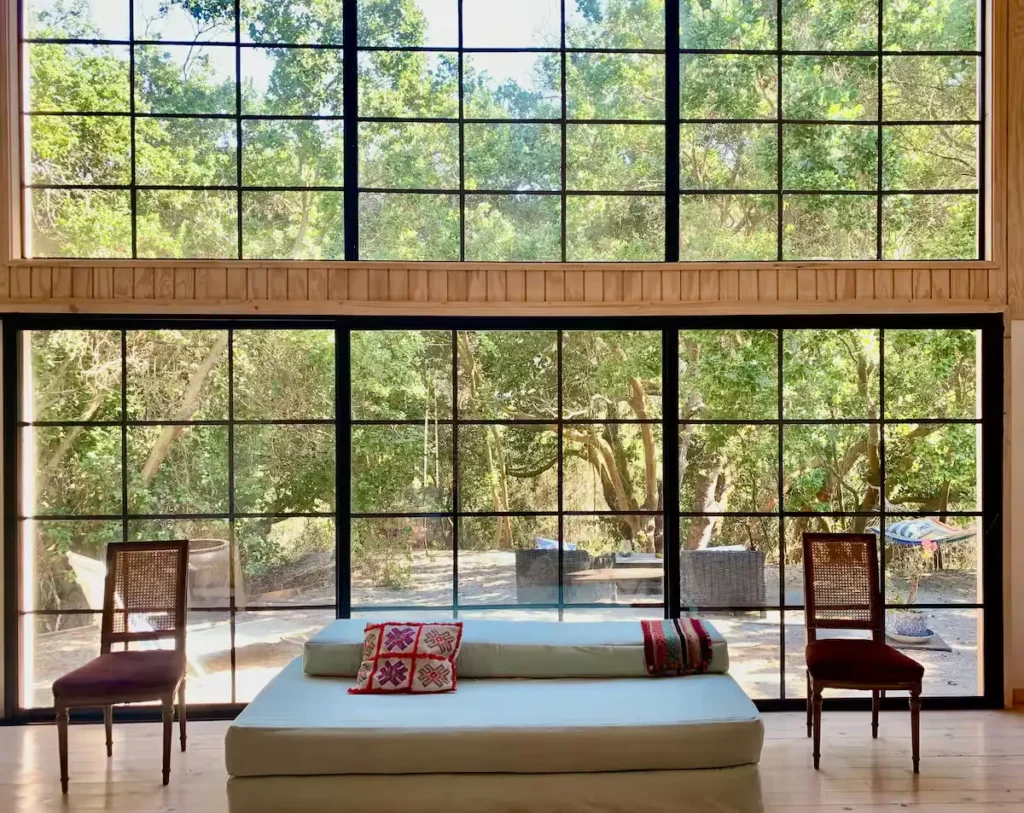
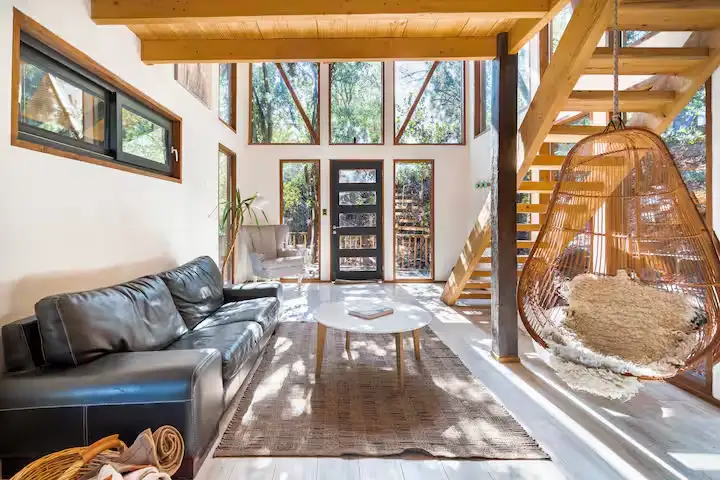
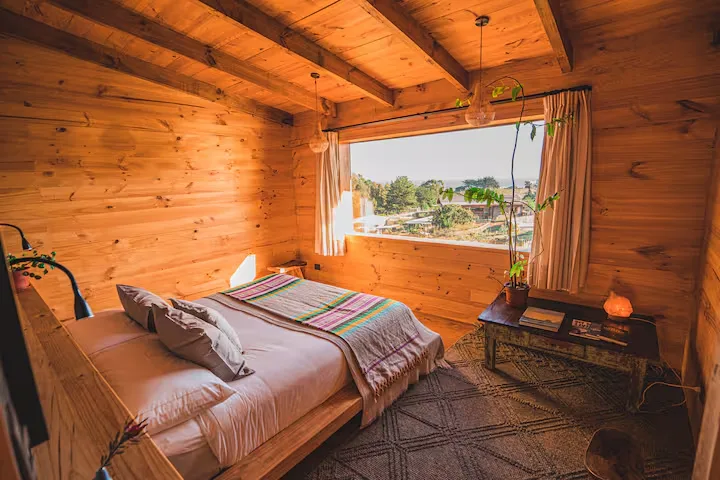
Find below our curated selection of boutique hotels and design apartments that offer exceptional value, atmosphere, and comfort during the off‑season — often at significantly lower rates than peak months.
Uncrowded Experiences & Tours
Skip the lines and experience iconic landmarks at your own pace. Discover curated local tours and cultural activities designed to show you the authentic side of the destination without the peak-season rush.
Handy Tips
Weather & Climate
The region enjoys a Mediterranean climate. Summers (Dec–Feb) are hot and dry, often reaching 30°C (86°F). Winters (Jun–Aug) are cool and damp in the valleys, around 10°C–15°C (50°F–59°F), with heavy snow in the mountains.
Local Customs And Etiquette
Language: Spanish is the official language. Chilean Spanish is known for being fast and full of local slang (chilenismos).
Dining: Lunch is often the main meal. Dinner is typically served later, often preceded by “Once,” a late-afternoon tea/snack tradition.
Punctuality: Socially, being 15–30 minutes late is often expected, though business meetings and tours remain strictly on time.
Budgeting For Your Trip
Accommodation: Hostels ($20–$45), mid-range hotels ($80–$150), luxury/boutique ($200+).
Food: Fixed-price lunch menú del día ($8–$15), dinner at a mid-range restaurant ($25–$50 per person), fine dining ($70+).
Transport: Car rental ($35/day), bus ticket (regional $5–$15), Santiago Metro ride ($1).
Activities: Wine tasting tours ($30+), ski lift pass ($50–$85), museum entry ($2–$8).
Daily Budget:
- Budget: $60–$100 (hostels, street food, public transit).
- Mid-range: $120–$200 (hotels, seated meals, guided tours).
- Luxury: $250+ (luxury estates, private drivers, fine dining).
Getting Around
By Car: Best for exploring the wine valleys and remote Andean spots at your own pace.
By Train: A reliable service connects Santiago southward to cities like Rancagua and Talca.
By Bus: Excellent and frequent. High-quality “Cama” (sleeper) buses are great for longer regional hops.
Must-Try Food
Pastel de Choclo: A savory corn pie layered with meat, onions, olives, and hard-boiled eggs.
Empanada de Pino: Traditional baked pastry filled with minced beef, onions, raisins, and olives.
Cazuela de Vacuno: A hearty beef and vegetable soup with corn on the cob and pumpkin.
Humitas: Savory steamed corn cakes wrapped in husks, a summer staple.
Chorrillana: A massive plate of french fries topped with sautéed onions, beef, and fried eggs.
Pernil: Slow-cooked pork knuckle, often served in traditional “picadas.”
Completo Italiano: A Chilean hot dog loaded with avocado, tomato, and mayonnaise.
Arrollado de Huaso: Pork roll seasoned with chili and spices, typical of the rural heartland.
Mote con Huesillo: A unique summer snack/dessert of husked wheat and dried peaches in syrup.
Manjar: Chile’s version of dulce de leche, used in cakes, pastries, and pancakes.
Must-Try Drinks
Carménère: Chile’s flagship red wine, known for its spicy, dark fruit profile.
Pisco Sour: The classic cocktail made with Pisco, lime juice, syrup, and egg white.
Terremoto: A “Earthquake” cocktail made with Pipeño wine, pineapple ice cream, and grenadine.
Casablanca Sauvignon Blanc: Crisp, citrusy white wine from the coastal valley.
Chilean Craft Beer: A booming scene, especially in Santiago and Valparaíso.
Chicha: A sweet, fermented grape or apple cider, traditionally drank during Independence Day.
Vino Navegado: Warm mulled wine with orange slices and cinnamon, popular in winter.
Jugos Naturales: Freshly blended juices, especially raspberry (frambuesa) or chirimoya.
Bebidas: Popular sodas like Bilz and Pap (intensely sweet and fruity).
Hierba Mate: While more common in the south, it is still enjoyed in rural central areas.