 Skip to content


- Will The Atacama Desert Be Too Cold At Night To Enjoy Stargazing And Camping?
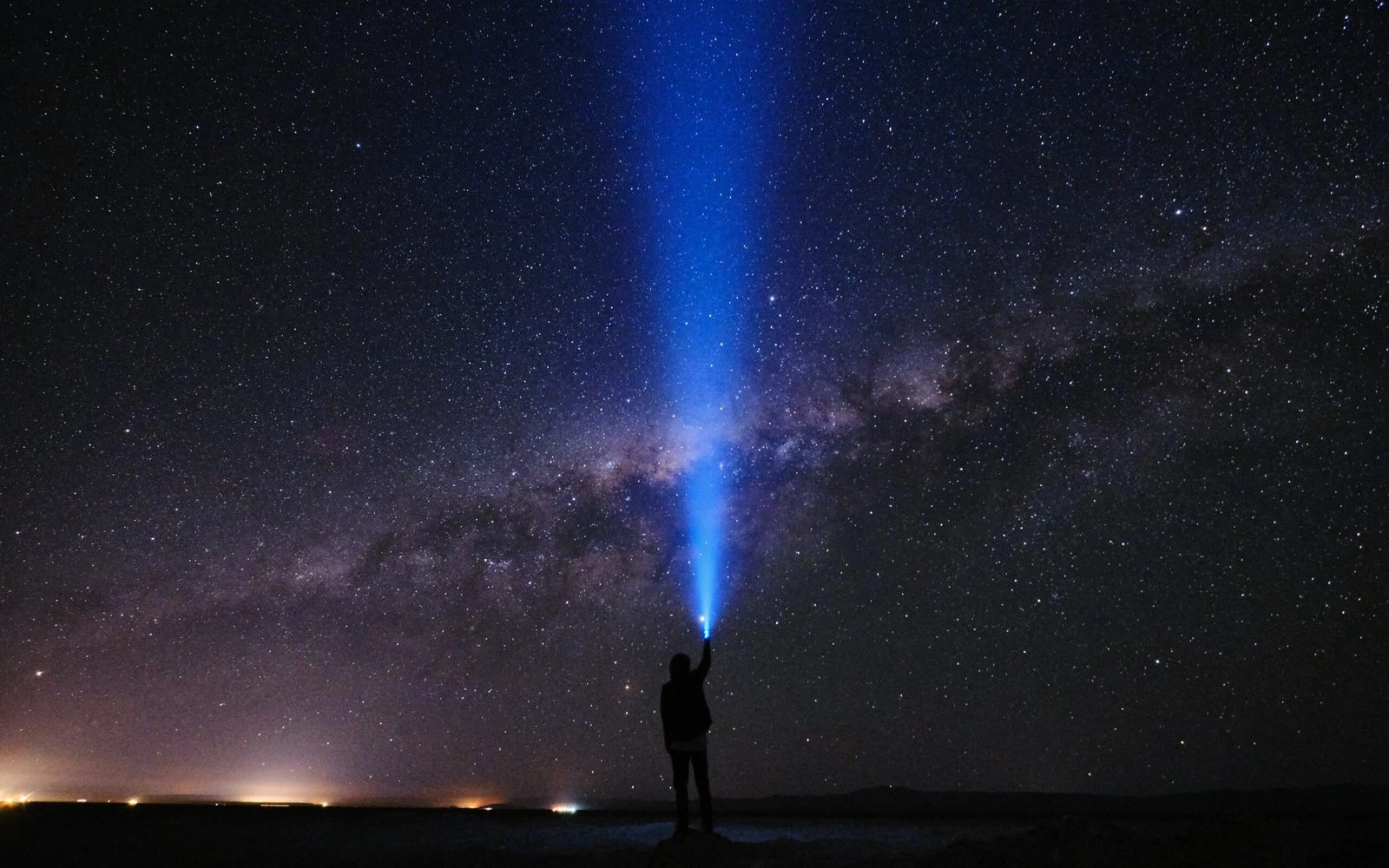
No, but you will need to pack like a smart traveler. The off-season brings daytime temperatures that are absolutely perfect for exploration, while the famous clear skies remain year round, meaning the stargazing is still world class even if you need an extra blanket.
The drawdown is that nighttime temperatures can drop below freezing, especially in the deep winter months. However, you gain daytime highs around 65 to 75 degrees Fahrenheit (18 to 24 Celsius) instead of scorching summer heat, plus hotel and lodge discounts of 25% to 35% that make those cozy, heated rooms very affordable.
- Is The Altiplano Accessible Or Do Snow And Rain Close The High Passes?
Toggle Content
Sometimes yes, and you need to check conditions before driving. The high altitude passes above 4,000 meters (13,000 feet), including routes to the Bolivian border and the famous lagoons, can occasionally close after unexpected snow or heavy rain during the deeper off-season months.
The drawdown is that some tours to the Altiplano lagoons or the Tatio Geysers may cancel or reroute on bad weather days. Book your high altitude excursions early in your trip, remain flexible, and you will still see flamingos, vicuñas, and otherworldly landscapes with nearly 80% fewer tourists around.
- Will The Famous Valle De La Luna And Death Valley Look Less Impressive Without Summer Light?
No, and many photographers argue the opposite is true. The off-season brings lower, softer, golden light that stretches across the salt formations and sand dunes for longer periods, creating dramatic shadows and richer colors than the harsh, overhead summer sun ever produces.
The drawdown is that sunset tours get colder, and you need to leave earlier to beat afternoon clouds. Arrive prepared with warm layers and a thermos of hot tea, and you will capture photos that make your summer-visiting friends jealous while paying nearly 30% less for guided excursions.
- Is The Elqui Valley Wine And Pisco Experience Still Worth It During Cooler Months?
Yes, and you might actually enjoy it more without the summer heat. The famous pisco distilleries and boutique wine vineyards of the Elqui Valley operate year round, with the off-season offering cozy fireplaces, smaller tasting groups, and winemakers who actually have time to chat with you.
The drawdown is that some vineyards reduce their outdoor seating or close their restaurant patios during the coldest weeks. However, you gain private tasting experiences for up to 30% less than peak rates, the famous piscolas (pisco with coke or lemon) warm you from the inside, and the snow-capped Andes views from the tasting room are simply spectacular.
- Can I Still See Flamingos And Other High Altitude Wildlife During The Off-Season?
Yes, and the wildlife viewing is often more concentrated and rewarding. The famous Los Flamencos National Reserve remains open year round, and as smaller ponds freeze or dry up, birds and animals gather at the permanent lagoons where you can spot three different flamingo species side by side.
The drawdown is that some migratory birds leave during the coldest months, and early mornings are bitterly cold for wildlife watching. However, you will see Andean foxes, vicuñas, and rheas that avoid the summer crowds, you can book private guided tours for nearly 25% less, and the steam rising off thermal lagoons against frozen ground makes for unforgettable photographs.

Home > Exploit The Seasons > Seasonal World Map > South America > Chile > Chile’s Arid North
NORTHERN CHILE
Chile’s far north is a land of dramatic contrasts, from the bone-dry Atacama Desert to the flower-strewn semi-arid valleys. This guide reveals the smartest seasons to explore its otherworldly landscapes with no crowds and real value.
Smart Travel Calendar
Shoulder Season
Your Smartest Windows
March to May (Autumn)
September to November (Spring)
Avoid: Fiestas Patrias (September 18th & 19th) – locals travel en masse, filling up coastal spots like La Serena and the Elqui Valley quickly.
What the Sky Does
Typical weather: Pleasant and dry. Coastal cities like Antofagasta hover around 20°C (68°F); the interior desert is warm by day, cool at night .
Harvest magic in Elqui: March and April are grape harvest season – the valley smells of fermenting fruit and the days are gloriously sunny .
Desert flowers (if lucky): September and October can transform the barren landscape of the Norte Chico into a carpet of pink and yellow blooms .
No camanchaca: The famous coastal morning fog disappears, giving you clear views from the Pacific to the Andes.
How Empty It Feels
Up to 50% fewer tourists than the December-February madness.
San Pedro feels serene: You can walk its dusty main street without dodging tour groups; restaurant tables are always available.
Valle del Elqui relaxation: Yoga retreats and pisco tastings feel intimate rather than crowded.
Observatory perk: Booking a visit to the Mamalluca or Pangue observatories is easy, unlike summer when they sell out weeks ahead.
What You’ll Save
Flights drop 25-35% from their January highs to Calama or La Serena.
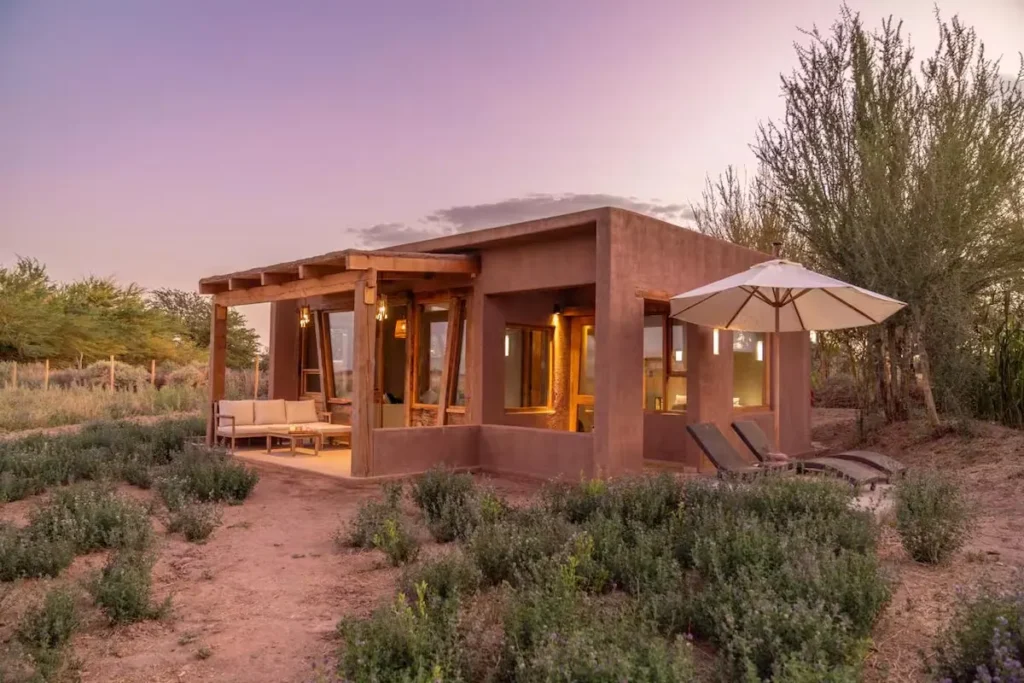
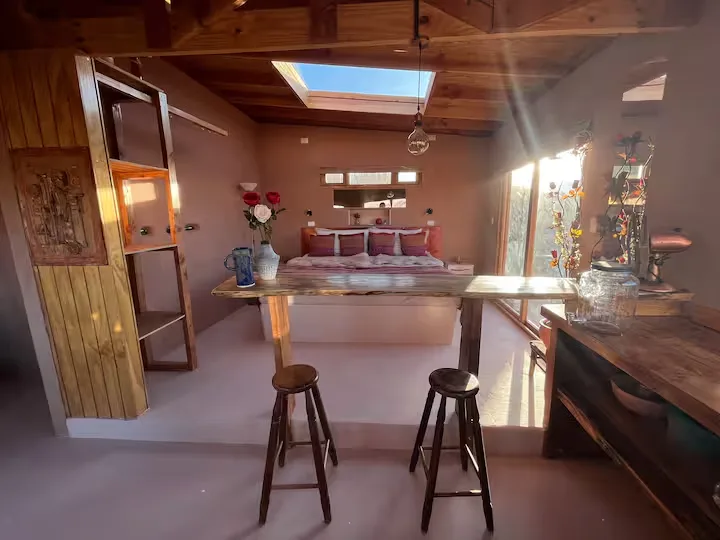
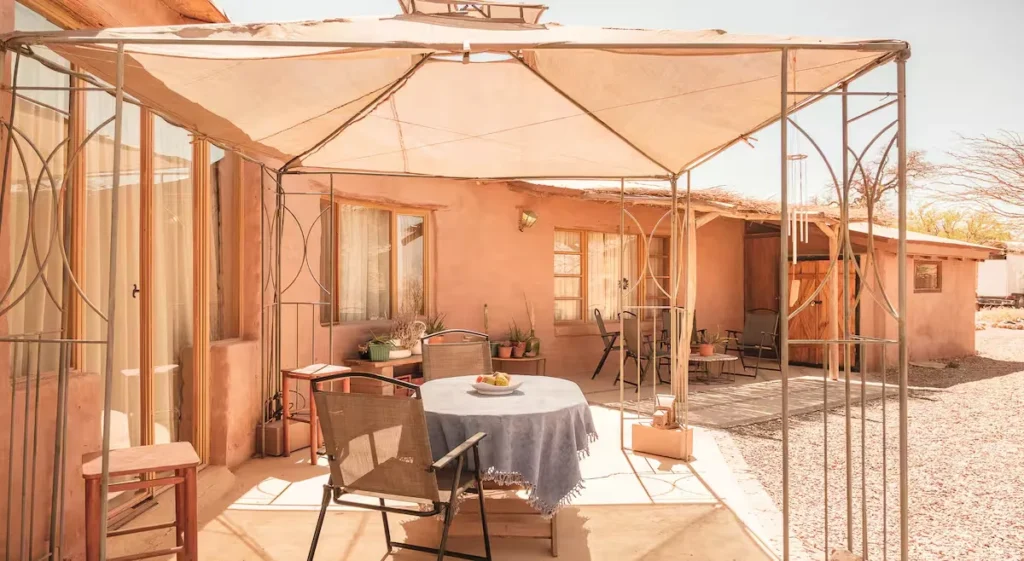
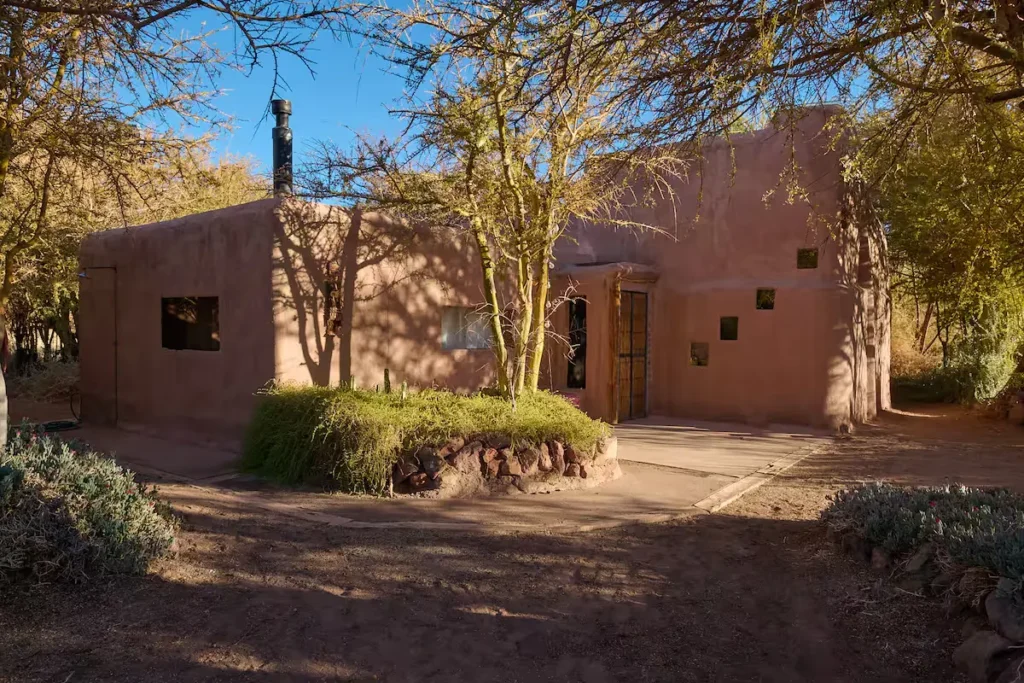
Hotel steals: Beautiful adobe lodges in the Elqui Valley offer 30% off peak rates.
Car rental deals: No competition for 4x4s to explore the Altiplano lakes.
Attraction access: Tours to the Tatio Geysers are less crowded, meaning a better spot near the steam vents.
The Secret Perk
Photography heaven: The autumn light is golden and soft, perfect for capturing the textures of the Moon Valley.
Pisco harvest time: In March and April, you can watch the traditional grape crushing (pisqueras) in action across the Elqui Valley .
Wildlife returns: Flamingos flock to the salt flats of the Salar de Atacama during the cooler shoulder months.
Local markets thrive: Without summer crowds, artisans in San Pedro actually have time to chat about their crafts.
The Tiny Trade-Off
“Altiplanic winter” risk: January and February aside, shoulder months are dry, but high altiplano areas can see sudden afternoon storms.
Pool temperatures cool: By April, swimming pools in desert hotels are refreshing, not warm.
Daylight shrinking: Hours start shortening noticeably by late April, especially near the coast.
Night chill: Desert nights can dip below 5°C (41°F) in May – pack a solid jacket.
Smart Traveler Tip
Book October for flowers: If you want the “Desierto Florido,” wait for El Niño predictions and book last-minute flights .
Midweek is magic: Arrive in San Pedro on a Tuesday or Wednesday for the quietest vibe.
Layer like an onion: Start with a t-shirt, add a fleece, top with a windbreaker – you’ll cycle through all three in one day .
Deep Off-Season
Your Smartest Windows
May to August (Winter)
Avoid: July is still prime time for international astronomy tourists – observatories like Cerro Tololo have limited slots. Book stargazing ahead.
What the Sky Does
Typical weather: Crisp, sunny days and cold nights. San Pedro sees 22°C (72°F) days dropping to 0°C (32°F) at night. La Serena stays milder at 15°C (59°F) .
La Camanchaca returns: Morning coastal fog rolls in along the Norte Chico, burning off by noon for sunny afternoons .
Highland freeze: High-altitude areas like Lauca National Park can drop below freezing (0°C/32°F) – bring serious thermal gear .
Zero rain risk: You will not see a drop of rain in the Atacama proper – it’s practically impossible.
How Empty It Feels
Up to 70% fewer tourists than peak season.
San Pedro at its quietest: December’s party crowd is gone; it’s just you and the desert.
Valley solitude: Hike to Cerro La Campana near La Serena and see nobody all morning.
Beaches to yourself: La Serena’s long beaches feel abandoned – peaceful and wind-swept.
What You’ll Save
Flights at rock bottom: Calama and La Serena flights can be 50% cheaper than December .
Lodge bargains: Top-end desert lodges sometimes offer “buy two nights, get one free” deals.
Car rental clearance prices: Companies slash rates to move vehicles – upgrade to an SUV cheaply.
Tour flexibility: Book a private tour to the Tatio Geysers at last-minute rates.
The Secret Perk
Peak stargazing clarity: June and August offer the absolute darkest, clearest skies of the year – the Milky Way looks like a river .
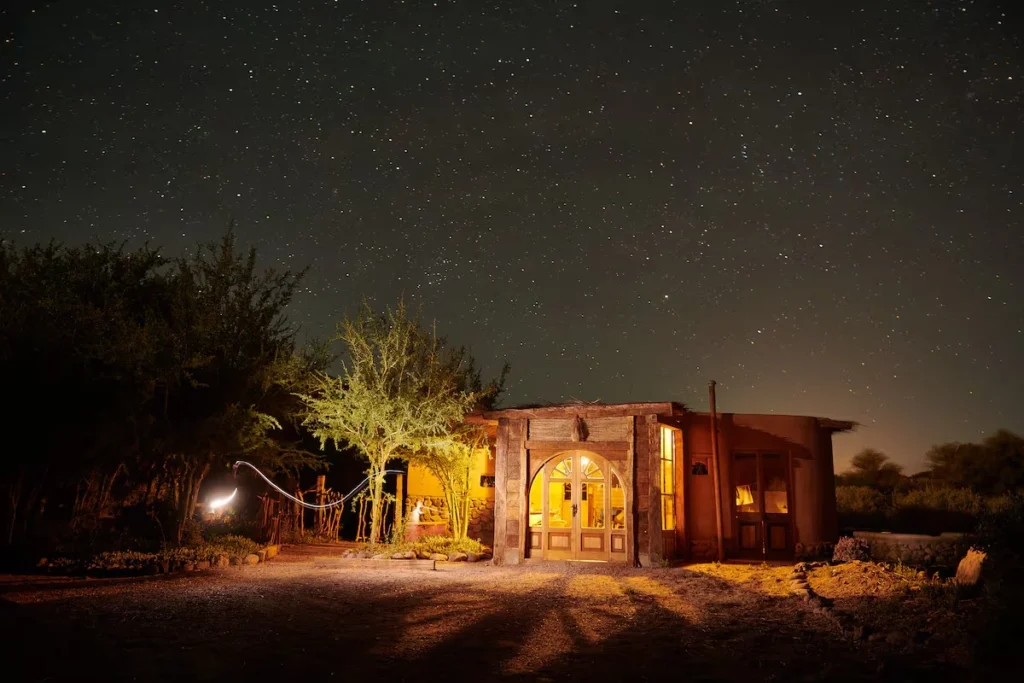
Cozy fire pit evenings: Desert lodges light huge outdoor fire pits; you’ll sip pisco sours wrapped in blankets under the stars.
No crowds at the geysers: The El Tatio Geysers are active at dawn, but in winter, only the hardy travelers show up.
Hot springs for yourself: Termas de Puritama feels like your private spa on a cold winter morning.
The Tiny Trade-Off
Swimming not an option: Unheated pools are freezing – forget that swim-up bar fantasy.
Shorter exploration days: Sun sets by 6:30 PM, so start your hikes early.
Restaurant rotations: Some smaller eateries in San Pedro close or reduce hours – stick to the main drag.
Highland road closures: Occasionally, snow can close the pass to the Altiplano (Parinacota) – check ahead.
Smart Traveler Tip
Hug the coast for warmth: If you hate the cold, stay in La Serena or Bahía Inglesa. Winters there are mild (15°C/59°F) while San Pedro freezes at night .
Pack for four seasons: Bring thermal underwear, a wool beanie, sunglasses, and sunscreen – you will use all of them daily.
Use the fog to your advantage: The morning “camanchaca” makes for moody, dramatic photos of the coastline. Embrace it .
Find Off-Peak Flights
Top Off‑Season Stays
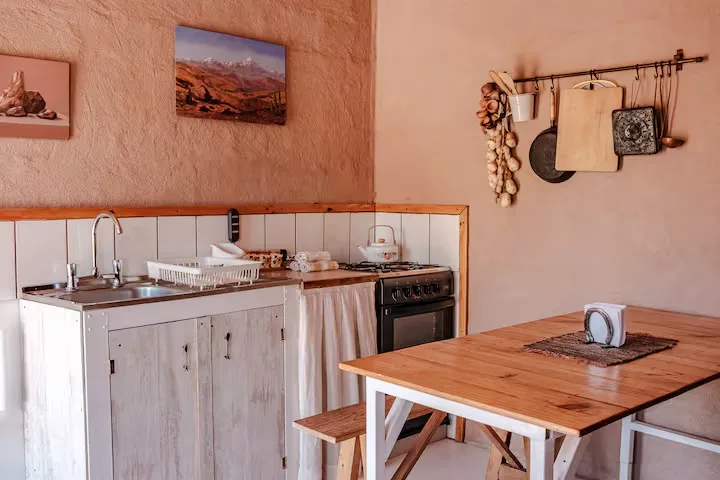
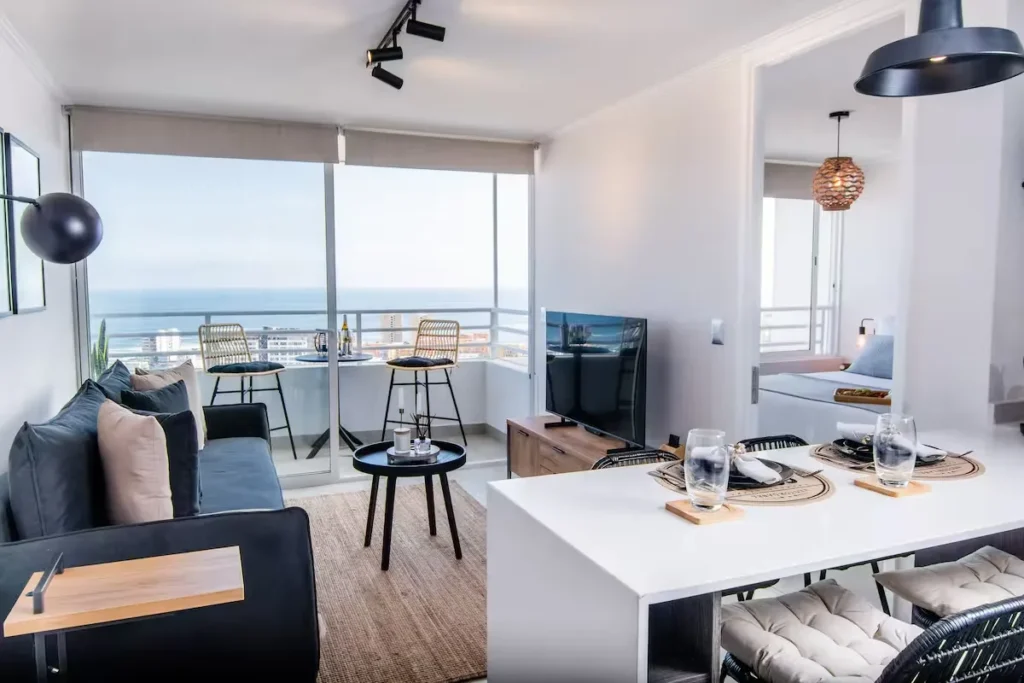
Find below our curated selection of boutique hotels and design apartments that offer exceptional value, atmosphere, and comfort during the off‑season — often at significantly lower rates than peak months.
Uncrowded Experiences & Tours
Skip the lines and experience iconic landmarks at your own pace. Discover curated local tours and cultural activities designed to show you the authentic side of the destination without the peak-season rush.
Handy Tips
Weather & Climate
The climate is hyper-arid. The coast stays mild (18ºC-25ºC or 64ºF-77ºF) due to the Humboldt Current. Inland, temperatures fluctuate wildly; it can be 30ºC (86ºF) during the day and drop below 0ºC (32ºF) at night in the desert.
Local Customs And Etiquette
Language: Spanish is the main language, but Aymara influences are strong in the far north.
Dining: Lunch (almuerzo) is the main meal. Seafood is king on the coast, while corn and llama meat are staples in the highlands.
Sun Safety: The UV index here is among the highest in the world. Wearing a hat, high-SPF sunscreen, and sunglasses is a cultural norm for health rather than just a suggestion.
Budgeting For Your Trip
Accommodation: Hostels ($25–$45), mid-range hotels ($90–$150), luxury/all-inclusive desert lodges ($400+).
Food: Fixed-price menú del día ($8–$15), dinner at a mid-range restaurant ($20–$40 per person), high-end dining in San Pedro ($50+).
Transport: Car rental ($45/day), long-distance bus ($20–$50).
Activities: Astronomy tour ($30+), Geyser tour ($50–$80).
Daily Budget:
- Budget: $70–$100 (hostels, market food, bus travel).
- Mid-range: $130–$200 (hotels, guided group tours, restaurants).
- Luxury: $350+ (luxury lodges, private 4×4 transfers, private stargazing).
Getting Around
By Plane: LATAM, Sky, and JetSmart connect Santiago to Calama (for San Pedro), Antofagasta, Iquique, and Arica.
By Car: A 4×4 is highly recommended for the Altiplano. The Pan-American Highway (Ruta 5) is well-maintained but involves long, lonely stretches.
By Bus: Chile has excellent semi-cama and salón-cama (sleeper) buses for the long hauls between desert cities.
Must-Try Food
Pastel de Choclo: A savory corn pie with meat, olives, and hard-boiled eggs.
Chumbeque: A traditional sweet multi-layered cookie/pastry from Iquique.
Caldillo de Congrio: A rich conger eel chowder, a coastal favorite.
Empanada de Pino: Traditional pastry filled with minced beef, onions, and raisins.
Llama Steak: Lean, protein-rich meat common in the Altiplano.
Charqui: Dried, salted meat (usually llama or horse) used in stews.
Choclo con Queso: Large-kernel Andean corn served with fresh local cheese.
Ostiones al Pil Pil: Scallops sautéed with garlic, chili, and olive oil.
Papaya Chilena: From La Serena; usually served poached in syrup.
Alfajores de Pica: Sweet cookies filled with manjar (caramel) from the Pica oasis.
Must-Try Drinks
Pisco Sour: Chile’s national cocktail, made with Elqui Valley pisco, lime, and sugar.
Piscola: Pisco mixed with cola; the most popular drink for locals.
Vino del Desierto: Unique wines produced from grapes grown in high-altitude salt soils.
Pisco de Elqui: Sip it neat or on the rocks to appreciate the floral Muscat notes.
Pajarete: A sweet, artisanal “sun wine” from the Atacama/Huasco region.
Rica-Rica Sour: A pisco sour infused with the aromatic desert herb Rica-Rica.
Jugo de Guayaba: Fresh guava juice common in the northern oases.
Mote con Huesillo: A non-alcoholic traditional summer drink of dried peaches and husked wheat.
Tea of Coca/Chachacoma: Herbal infusions used to combat altitude sickness (puna).
Aloe Vera Juice: Grown locally in the desert valleys, served cold and refreshing.