 Skip to content
- When Is The Best Time To Find Off-Season Deals In Chile?
The sweet spot is May through August, which is winter in this long, thin country. During these months, flight prices from North America and Europe drop by 30-45%, and hotel rates in popular destinations like the lake district and wine valleys decrease by nearly half compared to the December to February summer rush.
The trade-off is regional variety. While the central valleys and coastal cities turn cold and rainy, the Atacama Desert experiences crisp, clear winter days with perfect stargazing. The drawdown is that some high-altitude passes and remote trekking routes close due to snow, so you must plan your activities strategically around Chile's nine distinct climate zones.
- What Is The Winter Weather Really Like Across Chile?
It ranges from freezing in the south to mild in the north. In the Andean foothills and Patagonian regions, temperatures often drop below freezing with regular snowfall. However, the central coast around Valparaíso sees cool but manageable days around 8-14°C (46-57°F), while the Atacama Desert enjoys sunny skies and warm afternoons despite cold nights.
The positive spin is skiing and scenery. Chile's ski centers receive their best powder between June and August, attracting winter sports enthusiasts from across the Southern Hemisphere. The "drawdown" is that the famous Torres del Paine region becomes challenging to access, with limited ferry services and some trail closures, making it better suited for experienced cold-weather trekkers.
- Are Flights And Buses Reliable During Chile's Off-Season?
Yes, domestic flights run on schedule year-round between major hubs. LATAM and Sky Airline continue operating routes to Calama (for the desert), Puerto Montt (for the lakes), and Punta Arenas (for Patagonia) without major disruptions. Long-distance buses on paved highways, including the iconic route through the Central Valley, also operate reliably.
The exception is far southern Patagonia and mountain passes. Some unpaved roads become muddy or icy, and the scenic crossing into Argentina via certain Andean passes closes entirely from May to September. The upside is that you will have nearly empty buses and can often purchase last-minute flight tickets at discounted rates, something impossible during the summer peak.
- What Kind Of Off-Season Discounts Can I Expect In Chile?
Hotels offer the deepest cuts, with four-star properties dropping rates by 40-60%. In wine regions like the Colchagua Valley, lodges frequently include free tastings or second nights free just to attract visitors during the colder, rainier months. Tour operators for stargazing in the Atacama Desert often provide "low season specials" with private tours at group prices.
The biggest savings are on multi-day adventure packages. Rafting, hiking, and volcano ascent tours reduce prices by up to 50% between May and August because international demand plummets. You will also find that upscale restaurants in Santiago offer fixed-price lunch menus nearly 70% cheaper than their summer evening rates, making fine dining surprisingly affordable.
- Will I Experience Crowds At Chilean Attractions During Off-Season?
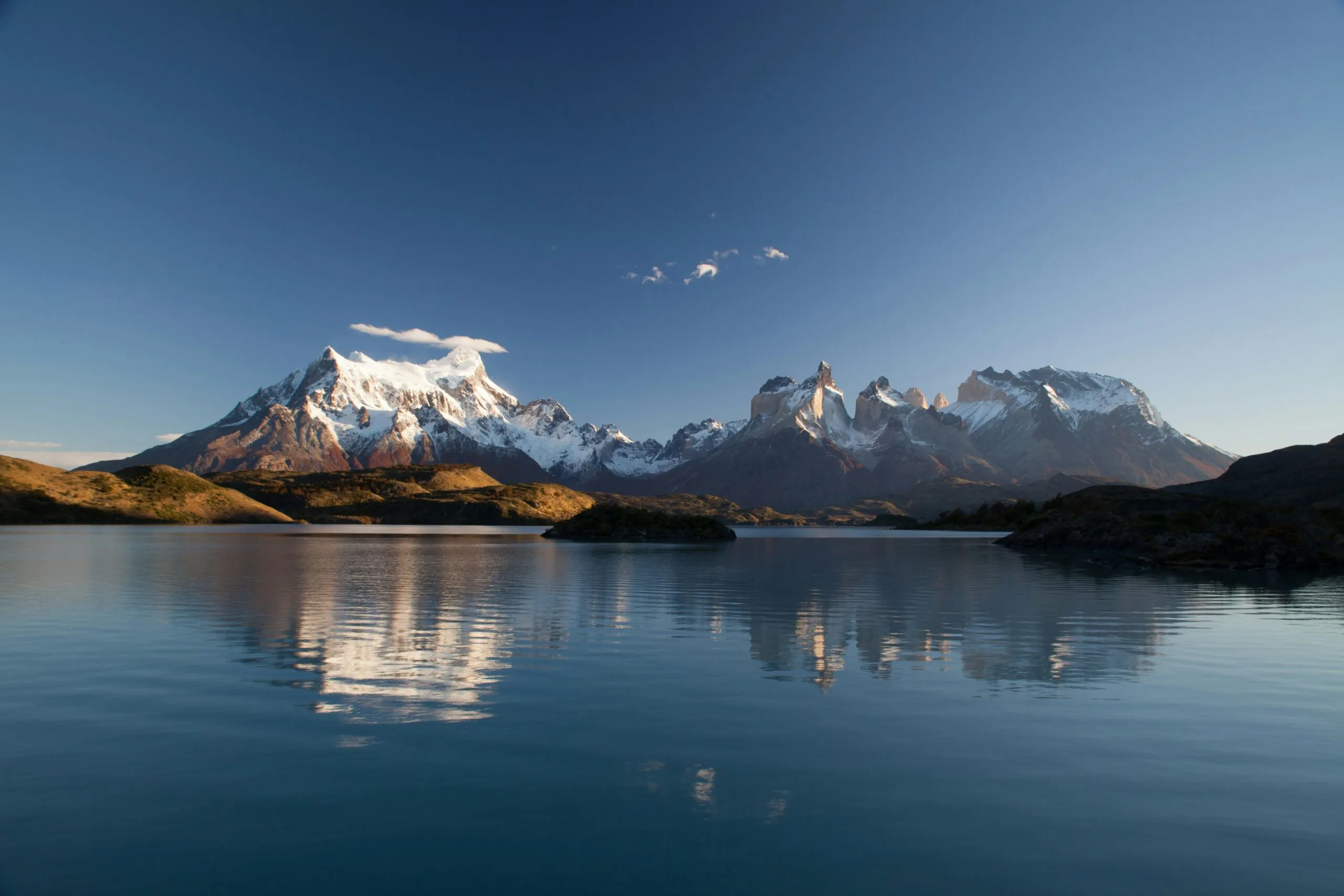
Absolutely not, and this is the hidden gift of Chilean winter. The lunar landscapes of the Atacama Desert, the hot springs of the Araucanía region, and the historic neighbourhoods of Valparaíso feel almost abandoned compared to the packed summer months. You can photograph the iconic granite towers of Torres del Paine without waiting for other tourists to move out of frame.
The only exception is the ski resorts near Santiago. Places like Valle Nevado and Portillo are actually in peak season during the winter months, attracting both locals and international skiers. However, everywhere else from the Pacific coast vineyards to the Chiloe island churches is blissfully quiet, allowing for genuine cultural immersion and spontaneous conversations with local business owners who finally have time to chat.

Home > Exploit The Seasons > Seasonal World Map > South America > Chile
CHILE
Chile transforms with the seasons, offering a spectrum from blooming deserts to golden vineyards. Skip the peak crowds and discover authentic local moments, better value, and the raw magic of the world’s longest country.
Smart Travel Calendar
Why Choose Chile Off-Season?
Dodge the Gringo Trail: Enjoy Patagonia’s trails without the summertime parade of hikers.
Sip for Less in Wine Country: Get VIP treatment at vineyards during the tranquil harvest season .
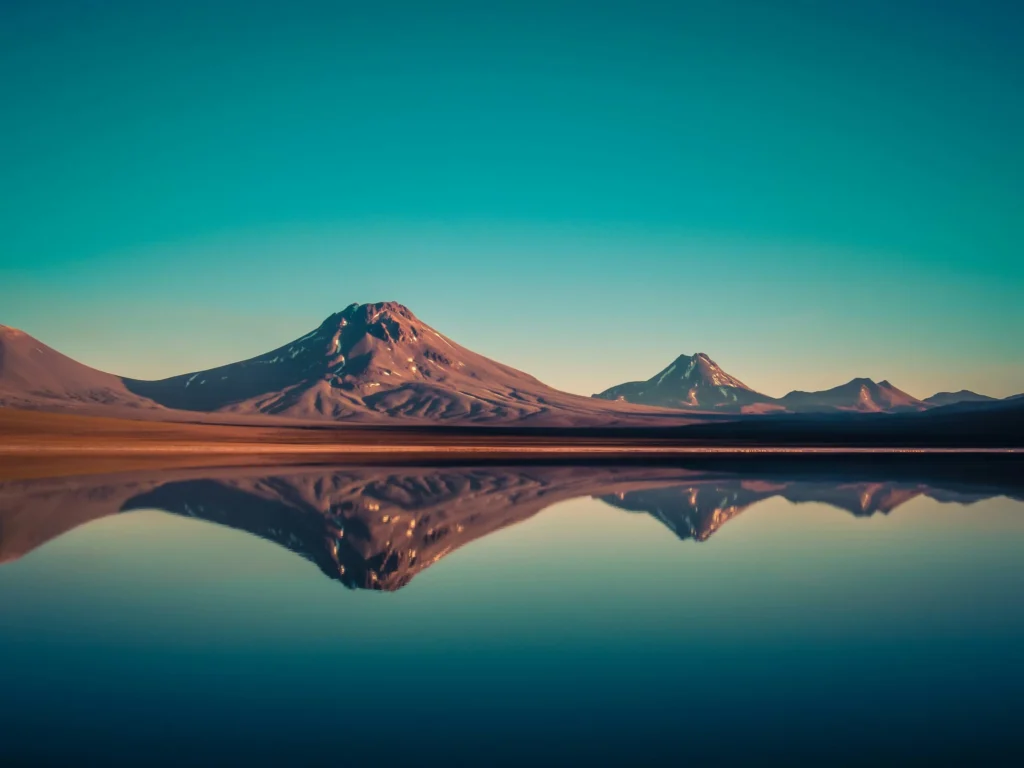
Own the Stargazing Domes: Have the Atacama Desert’s celestial shows almost to yourself .
Slash Accommodation Costs: Find luxurious stays for a fraction of the peak season price .
See the Real Desert Bloom: Witness the rare flowering of the Atacama (September) without the tour buses .
Ski Without the Lift Lines: Carve fresh powder on Andean slopes in late winter .
Shoulder Season
Your Smartest Windows
Autumn: March – April (Harvest & Hues)
Spring: September – October (Blooms & Awakening)
Avoid: The week leading up to Fiestas Patrias (mid-September), as locals travel heavily for Independence Day celebrations, spiking domestic flight and lodging demand .
What the Sky Does
Central Chile (Santiago/Vineyards): Mild and pleasant. Highs of 22°C / 72°F (March) to 18°C / 64°F (Oct) .
Patagonia: Crisp winds and golden (or blooming) steppes. Highs around 10-15°C (50-59°F). Be prepared for “four seasons in one day” .
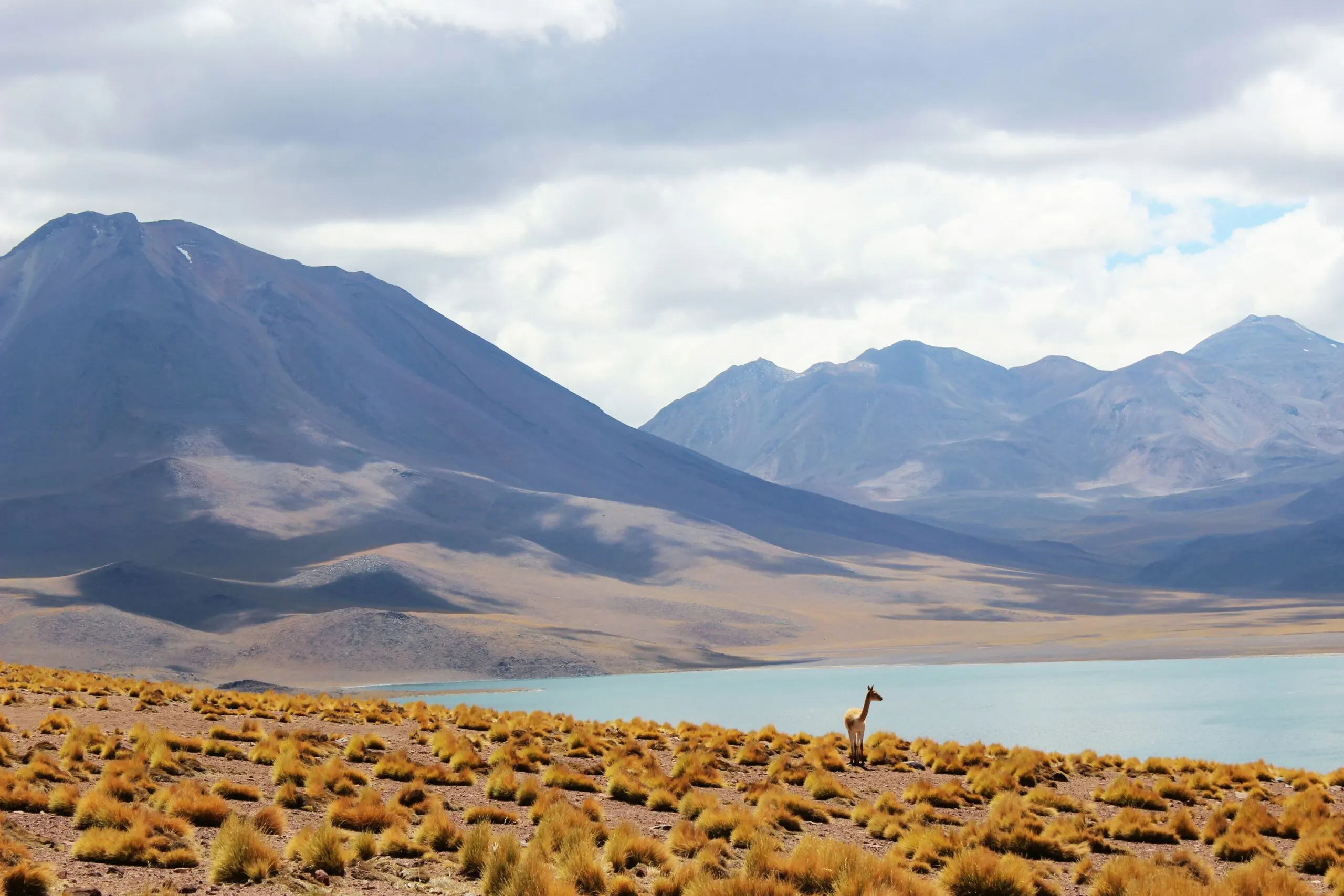
Atacama Desert: Perfect balance; warm days (25°C/77°F) and cool, starry nights. Minimal risk of the “Altiplanic Winter” rain .
How Empty It Feels
40-50% fewer tourists compared to the summer peak (Dec-Feb).
Major Sites: Walk into Santiago’s fine museums without queuing; share the Valle de la Luna with a handful of others .
Coastal Regions: Towns like Valparaíso are blissfully free of summer school holiday crowds.
What You’ll Save
20-40% on flights and 5-star hotels vs. December rates .
Car Rentals: Much lower demand for 4x4s heading to the Lake District or San Pedro de Atacama.
Dining: No “peak season surcharge” at top restaurants in the Casablanca Valley.
The Secret Perk
The Grape Harvest (Vendimia): March is a party in the Colchagua Valley, with traditional grape-treading festivals .
Patagonia Without the Wind: April offers stunning golden light and significantly less wind than the summer months .
Wildlife: October is pupping season for sea lions and a great time to see penguins before they migrate .
The Tiny Trade-Off
Unpredictable Patagonia: You might get snow, sun, and sleet in two hours. Some high mountain passes start closing in late April.
Cooler Temps: Swimming in the Pacific will be too cold for most unless you are far north.
Shorter Days: Noticeably less daylight than December, especially in April.
Smart Traveler Tip
Book around the 18th of September. If traveling in spring, finish your trip before September 18th to avoid the Fiestas Patrias price surge, or lean into October for the best balance of weather and empty trails .
Deep Off-Season
Your Smartest Windows
Winter: June – August (Andean Snow & Lunar Landscapes)
Late Autumn: May (Silent Vineyards)
Avoid: The first two weeks of July (School Winter Break). Ski resorts like Valle Nevado are packed to capacity, and prices for Andes lodging skyrocket .
What the Sky Does
Winter (June-Aug): Santiago sits under a “polar vortex” – crisp, clear skies (highs 15°C / 59°F) but cold nights (near freezing) .
The Trade-off: Rain in the South (Patagonia/Lakes) but perfect clarity in the Atacama Desert.
How Empty It Feels
Up to 70% fewer tourists in southern trekking zones.
Historic Sites: You’ll practically have the Moai statues on Easter Island to yourself (except for the Tapati festival window in early Feb) .
Local Feel: In seaside resorts like Viña del Mar, you’ll only hear locals, not tourists.
What You’ll Save
Up to 50% off peak season prices. Flights to Punta Arenas (Patagonia) are often half the summer price .
Hotels: 4-star hotels in Santiago offer mid-winter sales for rates as low as $50-70 USD.
Tours: Negotiate easily on desert tours in Atacama; operators are happy to fill seats.
The Secret Perk
Powder Skiing: June through August is prime ski season in the Andes (Portillo, Valle Nevado), featuring the “Champagne Powder” snow.
Thermal Waters: Nothing beats soaking in the natural hot springs of Pucón or Termas de Chillán surrounded by volcanic snow .
Astronomy: Winter provides the longest, darkest nights for stargazing in the Elqui Valley or Atacama .
The Tiny Trade-Off
Closed Treks: The famous “W Trek” in Torres del Paine is largely closed or inaccessible (guides required for icy sections).
Rainy South: Puerto Montt and Chiloe experience heavy rainfall; pack serious waterproofing.
Short Days: Sunset before 6:00 PM limits sightseeing time.
Smart Traveler Tip
Go North for Winter. While the south freezes, the Atacama Desert has its most stable weather in winter (dry, sunny days, cold nights). Combine the Norte Grande (San Pedro) with a ski trip to the Andes for the ultimate “Earth & Sky” winter trip.
Find Off-Peak Flights
FAQs
Explore Chile
Essential Trip Information
Visa and Entry Requirements
Chile has relaxed entry requirements for many nationalities, but rules vary.
Check official visa requirements (Chilean Immigration).
Passports must be valid for at least six months beyond your stay.
Immigration may ask for proof of onward travel, accommodation, or sufficient funds (US$50–100/day recommended).
Tourist visa waiver: Citizens of the U.S., Canada, EU, UK, Australia, and others can stay 90 days (extendable).
Currency
Chile uses the Chilean Peso (CLP). Bills: 1,000–20,000 CLP. Coins: 10–500 CLP.
Exchange rate: ~1,000 CLP = US$1 (check before travel).
Best Ways to Handle Currency
Before Your Trip: Exchange a small amount; ATMs offer better rates.
During Your Trip: Use ATMs at Banco de Chile, Santander (low fees). Credit cards (Visa/Mastercard) widely accepted, but carry cash for rural areas.
What to Avoid: Airport exchange kiosks (high fees); always choose CLP (not USD) at ATMs.
Language
Spanish is official; English is limited outside tourist areas.
Helpful phrases:
- “Hola” (Hello), “Gracias” (Thank you), “¿Dónde está…?” (Where is…?).
Safety & Security
Generally safe, but watch for pickpockets in crowded areas (Santiago Centro, buses).
Avoid isolated areas at night (e.g., certain parts of Valparaíso).
Emergency number: 133 (police).
Health & Insurance
No special vaccines required (check CDC for updates).
Tap water is safe; bottled water recommended in rural areas.
Pharmacies (Farmacias Ahumada, Cruz Verde) widely available.
Transportation
Metro (Santiago): Fast, safe (closes at 11 PM).
Buses: Affordable but slower; use TurBus or Pullman for long trips.
Domestic flights: LATAM/Sky Airline (US$50–150; book early).
Car rentals: Useful for Patagonia/Atacama (US$30–80/day).
Price Level
Chile is moderate (similar to Eastern Europe), but Patagonia/Santiago can be expensive.
Accommodation
Budget: Hostels (US$15–30/night), budget hotels (US$40–80).
Mid-range: 3-star hotels (US$90–150/night).
Luxury: 5-star (US$200+/night; e.g., Santiago, Patagonia lodges).
Food
Quick eats: Empanadas (US$2–4), completo (hotdog,US$3–5).
Casual dining: US$10–20/person.
Fine dining: US$40+/person (Santiago, wine regions).
Drinks
Beer: US$3–5 (bars), US$1–2 (supermarkets).
Pisco Sour: US$6–10.
Wine: Excellent local bottles from US$5.
Transportation
Metro (Santiago): US$1–2/ride.
Buses: Long-distance (US$10–50); city buses (US$1).
Taxis/Uber: US$5–15 for short trips.
Money-Saving Tips
Free walking tours (Santiago, Valparaíso).
Visit local markets (e.g., Mercado Central) for affordable seafood.
Travel off-season (April–November) for lower prices.
Planning Your Trip
Local Customs And Etiquette
Punctuality: Relaxed in social settings, but tours/transport leave on time.
Tipping: 10% is standard in restaurants (check if service is included).
Greetings: A handshake or cheek kiss (among friends).
Dining: Dinner is late (8–10 PM). Try onces (afternoon tea/snack).
Respect Nature: Chileans value conservation—follow park rules (e.g., Torres del Paine).
Budgeting For Your Trip
Accommodation: Hostels (US$15–30), hotels FF(US$50–200), luxury (US$300+).
Food: Street empanadas (US$2–3), casual meal (US$10–20), fine dining (US$50+).
Transport: Buses (US$10–50), flights (US$100–300), car rentals (US$40–80/day).
Activities: Park fees (Torres del Paine US$35–50), wine tours(US$50–100).
Daily Budget:
Budget: US$40–60 (hostels, buses, street food).
Mid-range: US$100–150 (hotels, restaurants, tours).
Luxury: US$250+ (high-end stays, private guides).
Internet & Mobile
Free Wi-Fi: Common in cafes, hotels, and airports (spotty in remote areas).
SIM Cards: Entel or Movistar (US$10–20 for data plans).
eSIMs: Supported (Airalo, Holafly).
Travel Insurance
Essential for adventure activities (hiking, skiing) and medical coverage.
Patagonia treks may require evacuation coverage.
Check for delays—flights/buses can be disrupted by weather.
Tip: If hiking in Patagonia, ensure your insurance covers mountain rescues.
Acccomodation Options
Chile offers a variety of stays, from cozy cabins to remote luxury lodges.
Luxury:
- Explora Patagonia (Torres del Paine), Awasi Atacama (San Pedro).
- Singular Santiago – boutique with rooftop bar.
Mid-range:
- Hotel Altiplanico chain (Atacama, Santiago).
- Cabañas in the Lake District (~US$90–150/night).
Budget:
- Hostels: ~US$20–50/night – check Casa Roja (Santiago), Hostal Campo Base (San Pedro).
- Guesthouses and family-run hospedajes are common.
Unique Stays:
- Domes in Torres del Paine.
- Wine lodges in Casablanca or Colchagua Valleys.
- Off-grid eco-lodges in the Lake District.
Tip: Book Patagonia lodges 6+ months ahead during the Nov–Mar season.
Getting Around
Chile is long (2,700 miles!), so domestic flights help, but buses cover most areas.
Flights:
- LATAM and Sky Airline connect major cities (Santiago to Punta Arenas ~US$100–200).
- Book early for Patagonia routes (limited flights).
Buses:
- Comfortable long-distance buses (e.g., Tur Bus, Pullman) for budget travel (Santiago to Valparaíso ~US$10).
- Night buses with reclining seats (Santiago to Puerto Montt ~US$30).
Car Rentals:
- Useful for road trips (e.g., Carretera Austral, Atacama).
- Rent in cities; some rural roads are unpaved.
Metro (Santiago):
- Efficient and cheap (~US$1 per ride). Avoid rush hour (7–9 AM, 6–8 PM).
Ferries:
- Essential for Chiloé and Patagonia (Navimag ferry to Puerto Natales ~US$400–1,200, depending on cabin).
Tip: For Patagonia, book flights/buses early—limited options sell out fast.