 Skip to content
- Is The Weather In Northern Spain Too Harsh For Off-Season Travel?
Yes, it will be wet and significantly cooler, but that is exactly why you should 'Exploit Travel Seasonality' here. You will trade summer crowds for dramatic green landscapes, roaring rivers, and misty mountains that look like a scene from a fantasy novel.
The drawback is you absolutely need waterproof boots and a warm jacket, as rain is frequent. On the positive side, you will save roughly 40% to 50% on mountain lodges and coastal inns while enjoying the region's famous hearty stews and cider houses without a single tourist bus in sight.
- Will The Famous Coastal Drives And Mountain Roads Be Open And Safe?
Yes, major highways and coastal routes remain open year-round, but high Pyrenean passes can close temporarily during heavy snowfalls. You will enjoy nearly empty roads along the dramatic cliffs, with parking and fuel costs feeling like a steal compared to summer.
The only challenge is that you must check weather alerts before heading into the highest mountains. The upside is that rental car companies offer discounts of approximately 35% to 45% during low season, and you will never fight for a viewpoint photo with dozens of other travelers.
- Will The Famous Coastal Drives And Mountain Roads Be Open And Safe?
Yes, major highways and coastal routes remain open year-round, but high Pyrenean passes can close temporarily during heavy snowfalls. You will enjoy nearly empty roads along the dramatic cliffs, with parking and fuel costs feeling like a steal compared to summer.
The only challenge is that you must check weather alerts before heading into the highest mountains. The upside is that rental car companies offer discounts of approximately 35% to 45% during low season, and you will never fight for a viewpoint photo with dozens of other travelers.
- Do The Pintxos Bars And Cider Houses Stay Open During Low Season?
Yes, absolutely, and this is the best reason to visit. The legendary food scene runs on local customers, not tourists, so the tiny pintxos bars and traditional cider houses remain packed with residents laughing and eating all winter long.
The drawback is that outdoor terrace seating becomes unusable, so you will be squeezing inside with the locals. However, you get the authentic experience summer travelers miss, plus hotel discounts of up to 50%, leaving you more budget to sample those famous five-euro pintxos all night long.
- Will I Miss Out On Hiking And Outdoor Adventures In The Off-Season?
No, but you must swap high peaks for coastal trails and lowland forests. You will discover that hiking along the rugged cliffs during winter storms is a world-famous spectacle, with waves crashing dramatically below you and zero crowds on the paths.
The drawback is that guided kayaking or canyoning trips stop running entirely. The positive trade-off is that you gain the mountains to yourself for snowshoeing or low-altitude walks, and you will find adventure gear rentals discounted by roughly 30% to 40% during the quieter months.
- Is Northern Spain Still Culturally Vibrant During The Rainy Off-Season?
Yes, the culture simply moves indoors, becoming more intimate and authentic. You will visit world-class museums with no waiting lines, watch locals play intense card games in steamy bar windows, and stumble upon spontaneous acoustic music sessions in stone cellars.
The drawback is that open-air markets and street festivals completely disappear. However, you get to experience the fierce pride of Northern Spain's traditions without the crowds, save roughly 45% on boutique hotels, and understand why this region's soul is actually best appreciated from a warm, rainy evening indoors.

Home > Exploit The Seasons > Seasonal World Map > Europe > Spain > Northern Spain
NORTHERN SPAIN
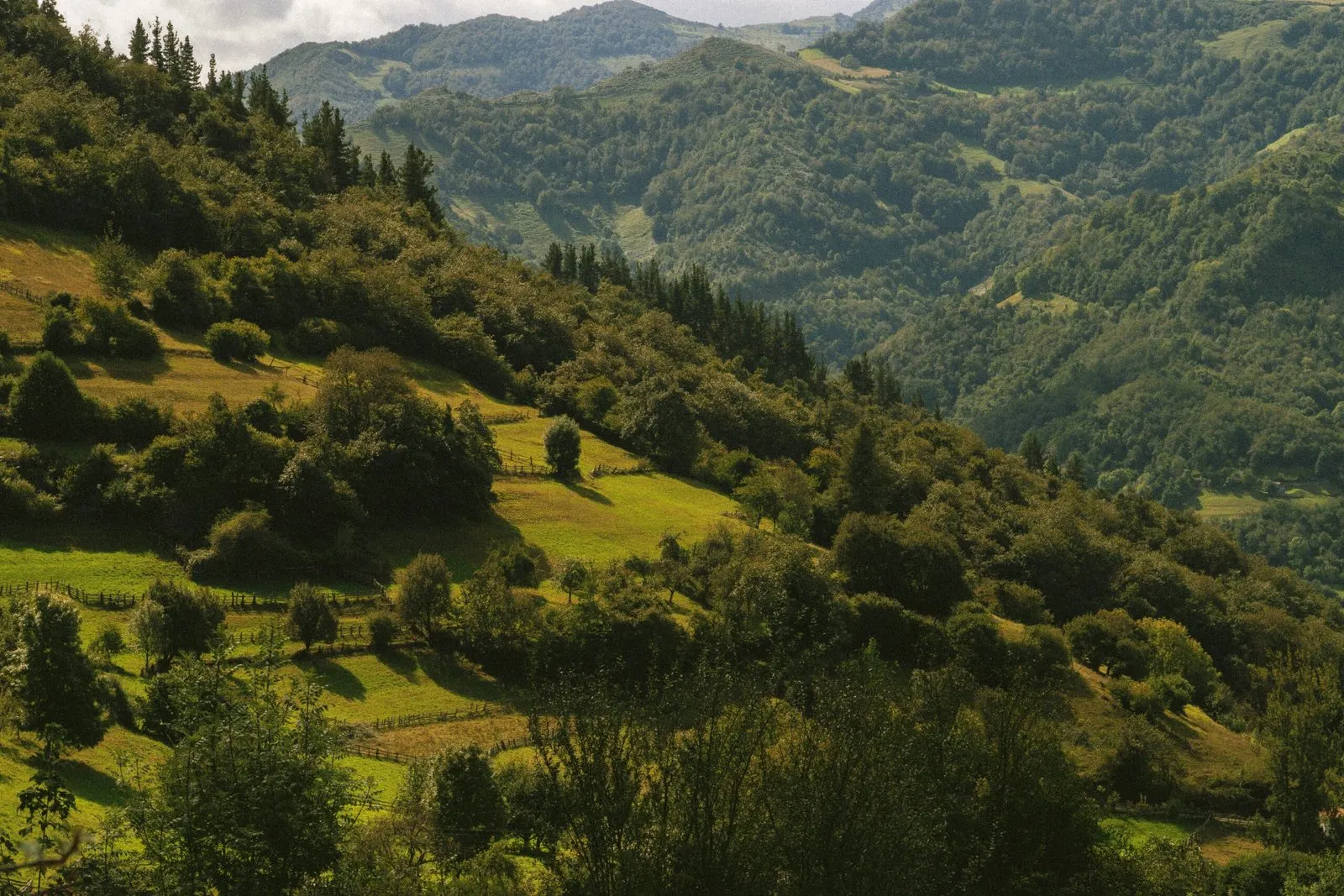
Forget crowded beaches. Northern Spain’s green magic peaks when crowds fade—think misty mountains, empty surfing waves, and pintxos bars buzzing with locals, not tourists.
Smart Travel Calendar
Shoulder Season
Your Smartest Windows
April to mid-June (avoid Easter week)
September to October
Avoid: Holy Week (Semana Santa/Santikruz Egunak – the week leading to Easter Sunday, March or April) and the entire month of August (Spaniards flood north to escape heat; San Sebastián and Santander hotels double or triple).
What the Sky Does
Typical shoulder weather: 12°C to 22°C (54°F to 72°F)
Spring brings lush green landscapes and blooming wildflowers along the Bay of Biscay.
Autumn offers crisp, clear days perfect for hiking the Pyrenees and Picos de Europa.
Expect rapid changes – four seasons in one day is normal; always pack a waterproof layer.
How Empty It Feels
Up to 60% fewer tourists vs. peak summer months (July–August).
Bilbao and San Sebastián feel relaxed – no queues for pintxo bars or the Guggenheim.
Coastal villages like Llanes and Comillas are peacefully walkable, not gridlocked.
Find seating instantly at famous cider houses (sidrerías) in Asturias.
What You’ll Save
20-35% on flights and 30-50% on hotels compared to summer rates.
Car rental prices drop significantly – essential for exploring Cantabria’s hidden beaches.
Same-day tickets available for Altamira Museum and funiculars.
Pintxo crawls cost less with no premium tourist markups.
The Secret Perk
September’s harvest season – join the grape harvest (vendimia) in Txakoli wine region.
Spring’s dramatic coast – watch massive waves crash against San Juan de Gaztelugatxe.
Fewer hikers on the Camino del Norte – walk segments in solitude.
Golden autumn light over the Picos de Europa makes photography spectacular.
The Tiny Trade-Off
Some coastal boat tours to beaches like Gulpiyuri only run June–September.
Ocean swimming is chilly (15-18°C / 59-64°F) even in May and October.
Mountain refuges in the Pyrenees begin closing mid-October.
Easter week (Semana Santa) can spike prices and crowds briefly.
Smart Traveler Tip
Visit between mid-September and mid-October for the best balance: warm days, harvest festivals, and no queues.
Book late May or early June for spring greenness and long daylight hours (9:30 PM sunsets).
Avoid the first two weeks of June if you dislike local holiday crowds (several regional fiestas).
Deep Off-Season
Your Smartest Windows
November to February (excluding Christmas & New Year)
Avoid: Christmas week (Dec 24 – Jan 6, including Three Kings’ on Jan 6) and any week of February school holidays (mid-February – Spanish and French families flock to Pyrenees ski resorts).
What the Sky Does
Typical deep off-season weather: 4°C to 12°C (39°F to 54°F)
Frequent light rain and mist – this is what keeps Northern Spain impossibly green.
Snow possible above 800m – the Pyrenees and Picos de Europa become winter wonderlands.
Sunny, crisp days occur – often bookended by morning fog and evening frost.
How Empty It Feels
Up to 85% fewer tourists than July and August.
Historic sites like Covadonga Sanctuary feel almost private.
Museums (Guggenheim, Bellas Artes) are blissfully quiet – linger as long as you like.
Small villages feel genuinely local – the only people you’ll meet are residents.
What You’ll Save
Up to 60% off peak-season prices for accommodation.
Flights to Bilbao, Santander, or Asturias often at their lowest annual rates.
Four-star hotels for two-star prices – especially in San Sebastián.
Car rentals under €15/day – unlimited exploring for less.
The Secret Perk
January and February are for sidrerías – Asturian cider houses serve hearty stews by roaring fires.
Ski the Pyrenees (Baquiera-Beret, Candanchú) then soak in thermal springs.
December’s chestnut roasts and txakoli at Bilbao’s Santo Tomás fair.
Genuine local connections – owners have time to share stories over homemade chorizo.
Storm-watching on the Cantabrian coast – a dramatic, cozy experience from a beachfront café.
The Tiny Trade-Off
Beaches are for walking, not swimming – water temperatures at 12°C (54°F).
Nightlife is very quiet – clubs and late bars outside major cities may close.
Some rural restaurants close November–February (but those open are excellent).
Daylight is limited – sunrise ~8:30 AM, sunset ~5:30 PM in December.
Smart Traveler Tip
Visit late January to early February for the absolute quietest, cheapest window.
Pack in layers: waterproof jacket, wool sweater, sturdy boots, and a scarf – you’ll be set for anything.
For mildest deep off-season conditions, stick to coastal zones (San Sebastián, Santander) over the Pyrenees.
Pre-spring (late February) often surprises with almond blossoms and warmer spells.
Find Off-Peak Flights
Top Off‑Season Stays
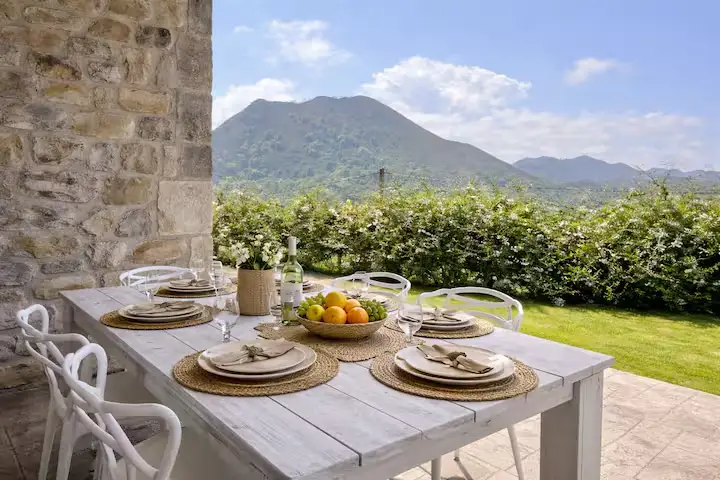
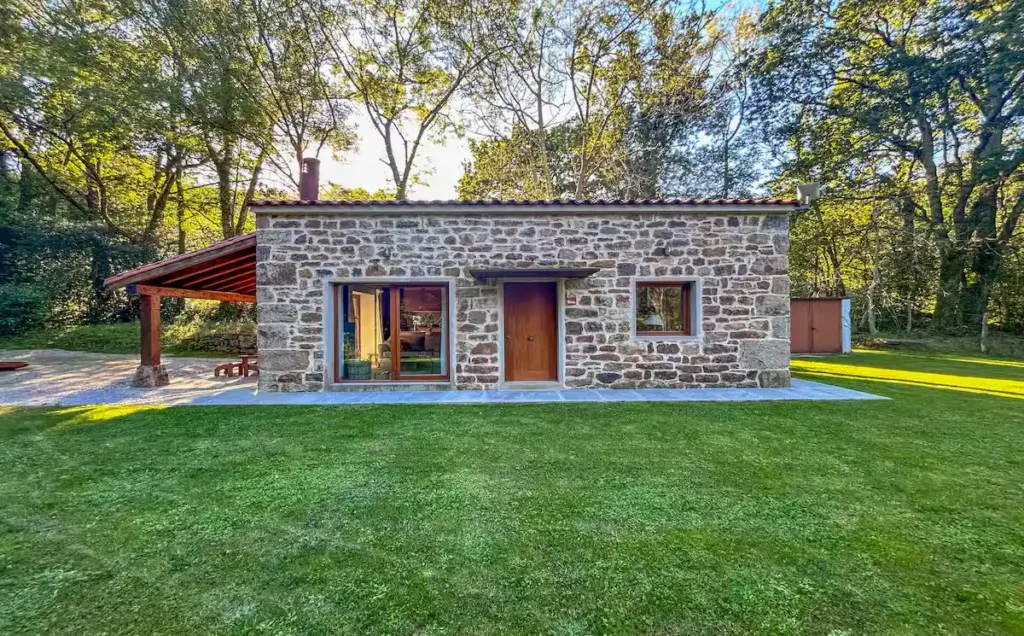
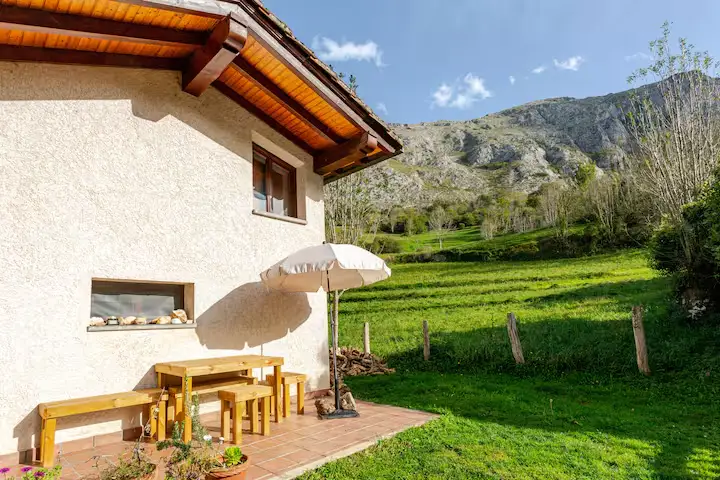
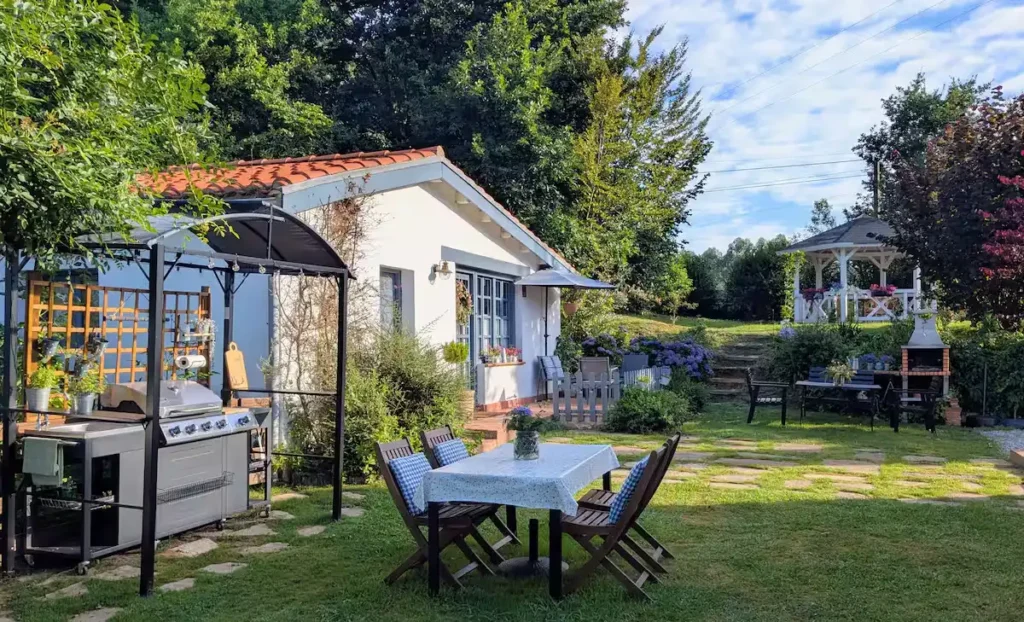
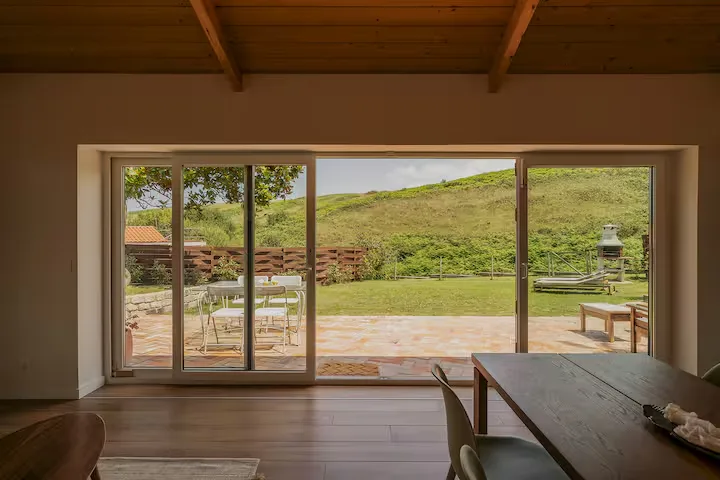
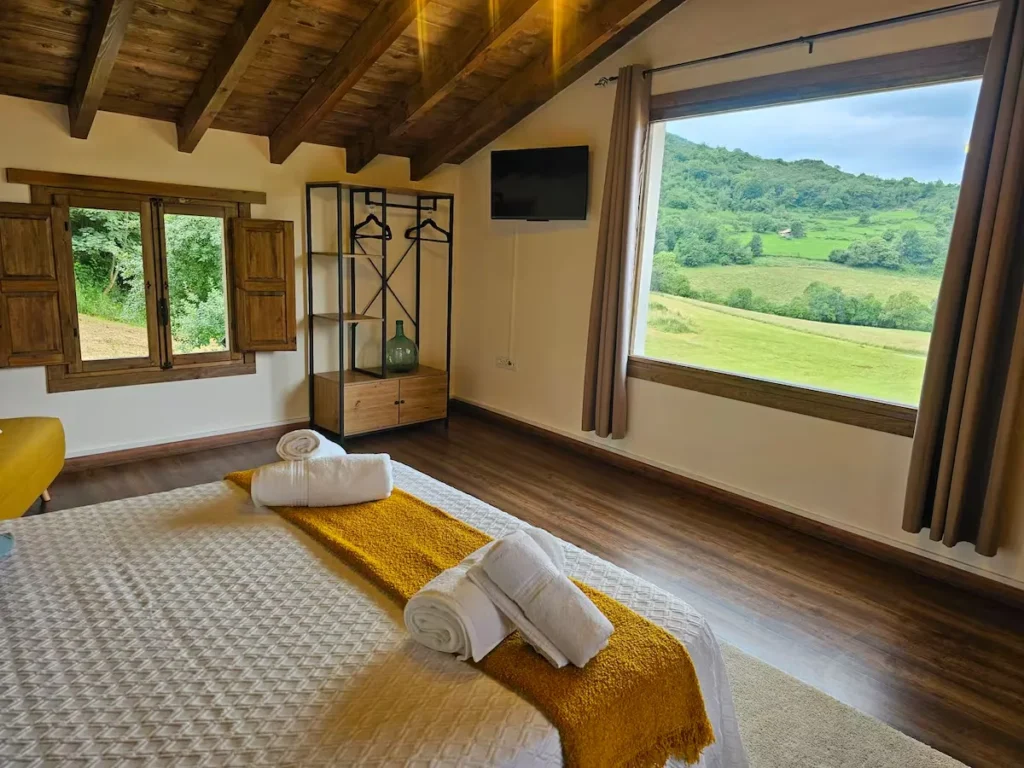
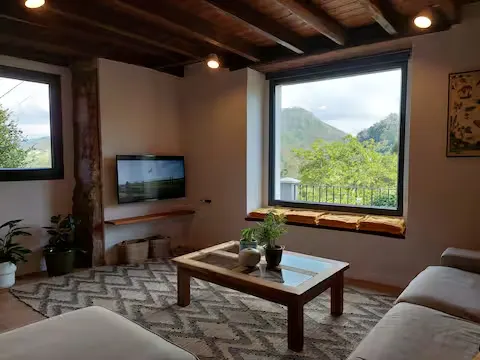
Find below our curated selection of boutique hotels and design apartments that offer exceptional value, atmosphere, and comfort during the off‑season — often at significantly lower rates than peak months.
Uncrowded Experiences & Tours
Skip the lines and experience iconic landmarks at your own pace. Discover curated local tours and cultural activities designed to show you the authentic side of the destination without the peak-season rush.
Handy Tips
Weather & Climate
Northern Spain is known for its mild, oceanic climate. Unlike the hot, dry south, it is famous for its lush green landscapes, which are a result of frequent rainfall. Summers are warm and pleasant, while winters are mild and wet. Be prepared for rain throughout the year, especially in autumn and spring. Packing layers is highly recommended.
Local Customs And Etiquette
Political Discussions: In the Basque Country, the topic of Basque nationalism is sensitive. As a visitor, it is best to be a respectful observer and avoid engaging in political debates.
Tapas vs. Pintxos: The small-plate bar culture is central to the region. In the Basque Country, small, elaborate bar snacks are called pintxos, not tapas.
Cider House Etiquette: In Asturias, cider is poured from a height (escanciado) to aerate it. You will be served a small amount at a time. It is customary to drink this single pour in one go before it loses its fizz.
Meal Times: Dining here, as in the rest of Spain, is a late affair. Lunch is typically between 2 PM and 4 PM, and dinner starts around 9 PM.
Budgeting For Your Trip
Accommodation: Hostels ($22–$43), mid-range hotels ($75–$140), luxury ($173+). Prices are higher in San Sebastián and Bilbao.
Food: Pintxos ($2–$4), fixed-price lunch menu ($13–$22), fine dining ($65+).
Transport: Car rental ($32/day), buses (regional), trains (limited).
Activities: Guggenheim Museum ($17), free walking tours.
Daily Budget:
- Budget: $54–$86 (hostels, pintxos, buses).
- Mid-range: $97–$194 (hotels, restaurants, attractions).
- Luxury: $270+ (boutique hotels, gourmet meals, private tours).
Getting Around
By Air: Bilbao and Asturias (Oviedo) have the main airports, with some regional service to Santander.
By Car: A car is the most flexible way to explore the rugged coastline and mountain roads of this region.
By Train: The main train network connects the major cities. For smaller coastal towns, a scenic narrow-gauge railway (FEVE) runs along the coast, offering a slower, more scenic journey.
By Bus: The bus network is well-developed and connects most cities and towns, often providing more direct routes than the train.
Must-Try Food
Pintxos: The Basque equivalent of tapas, these small bites are often served on a slice of bread.
Txuleton: A large, aged rib-eye steak, grilled to perfection and served rare.
Bacalao al Pil-Pil: A classic Basque dish of salt cod cooked with garlic, olive oil, and guindilla peppers.
Fabada Asturiana: A rich and hearty bean stew from Asturias, made with large white beans, morcilla (black pudding), chorizo, and pork shoulder.
Bonito del Norte: High-quality albacore tuna, a specialty of Cantabria.
Queso Cabrales: A strong, sharp blue cheese from Asturias.
Marmitako: A rich, hearty tuna and potato stew, traditionally a fisherman’s dish.
Chipirones en su tinta: Small squid cooked in their own ink, a classic and flavorful dish.
Gildas: The original Basque pintxo, a simple skewer of an olive, a pickled anchovy, and a pickled green pepper.
Percebes: Goose barnacles, a highly-prized and expensive seafood delicacy.
Must-Try Drinks
Txakoli: A crisp, slightly sparkling white wine from the Basque Country, poured from a height to aerate it.
Asturian Cider: Made from sour apples, it’s served in sidrerías where it is poured from a height to get the perfect fizz. It is not carbonated.
Orujo: A traditional spirit from Cantabria, similar to grappa.
Wines from La Rioja Alavesa: A sub-region of La Rioja located in the Basque Country, known for its young red wines.
Patxaran: A sloe-berry liqueur from Navarre and the Basque Country, often served as a digestif.
Zurracapote: A local punch made from red wine, fruit, and sugar, a popular summer drink.