 Skip to content





- Is The Cold Weather In Madrid & Castilla-Leon Bearable During Off-Season Travel?
Yes, it is crisp and dry rather than brutally cold, with sunny blue skies that actually make sightseeing invigorating. You will 'Exploit Travel Seasonality' by enjoying the grand plazas and majestic cathedrals without sweating or fighting for shade, plus hotel prices drop by roughly 40% to 50%.
The drawback is that evenings and early mornings require a heavy coat, hat, and gloves, especially on the high plains. On the positive side, the famous hot chocolate and churros taste infinitely better when you are genuinely cold, and indoor attractions like royal palaces and Gothic churches become wonderfully cozy refuges.
- Will The Famous Castles And Historic Sites Close Or Have Reduced Hours?
No, the major castles, cathedrals, and UNESCO-listed sites remain open, though some may close one hour earlier for winter daylight. You will experience these monumental treasures with approximately 80% fewer tourists, allowing you to truly feel their medieval atmosphere without being jostled.
The only drawback is that guided tours in English run less frequently, so you may need to rent an audio guide instead. However, entrance fees often drop by 20% to 30% during low season, and you can actually hear the echoes of history rather than the chatter of hundreds of summer visitors.
- Is It Worth Visiting The Small Villages And Countryside In The Off-Season?
Yes, absolutely, because this is when you discover authentic rural Spain. You will have ancient stone villages and castle-dotted hilltops almost entirely to yourselves, with local guesthouses offering discounts of approximately 35% to 45% and innkeepers who actually have time to talk with you.
The drawback is that some tiny restaurants and rural shops close for two weeks during the deepest winter months. But the positive trade-off is spectacular winter sunrises over empty plains, the ability to park anywhere for free, and a genuine connection with locals who are curious and welcoming without the summer tourist fatigue.
- How Does Off-Season Travel Affect The Famous Food And Nightlife Scene?
No, the legendary tapas bars and traditional roasting houses stay open and actually become more authentic. You will join locals huddled inside centuries-old taverns enjoying inexpensive wine and roast meats, with zero rowdy tourist crowds and restaurant prices holding steady or offering winter menus at 25% less.
The drawback is that rooftop bars and outdoor terraces close completely. However, you get to experience the famous indoor market halls at their most lively, save roughly 40% on centrally-located hotels, and discover that Madrid's nightlife simply moves to warm, intimate jazz clubs and basement flamenco venues that summer visitors never find.
- Will Transportation Between Cities Be Difficult During The Low Season?
No, Spain's excellent high-speed trains and bus networks run reliably all winter with more frequent schedules than you might expect. You will enjoy emptier carriages, cheaper advance tickets (often 30% to 40% less than summer), and the ability to change plans last minute without sold-out warnings.
The only challenge is that some scenic rural bus routes reduce to just one or two services per day. To solve this, consider renting a car for countryside exploration, where winter discounts on vehicle hire reach approximately 35%, and you will never sit in a traffic jam while driving between those stunning ancient cities.

Home > Exploit The Seasons > Seasonal World Map > Europe > Spain > Madrid And Castile-León
MADRID REGION
From Madrid’s golden-lit plazas to Castilla’s misty cathedral towns, discover a land where winter mists add mystery and autumn light turns stone to honey. Travel off-season for genuine warmth, empty castles, and timeless moments.
Smart Travel Calendar
Shoulder Season
Your Smartest Windows
March to mid-June (avoid Easter week)
September to October
Avoid: Holy Week (Semana Santa – the week leading to Easter Sunday, March or April) and the entire month of August (Madrid empties as locals flee the heat, but tourists pack the Prado anyway; hotels still expensive).
What the Sky Does
Typical temperatures: 10°C to 22°C (50°F to 72°F)
March brings unpredictable showers – pack a smart umbrella for Madrid’s paseos.
October offers crisp, golden afternoons – perfect for walking the walls of Ávila.
Low humidity and clear skies – ideal for long-distance views across the Castilian plains.
How Empty It Feels
40-50% fewer tourists vs peak summer months
Madrid’s Prado Museum – walk straight in, no midday queues.
Segovia and Toledo – day trips feel leisurely, not rushed.
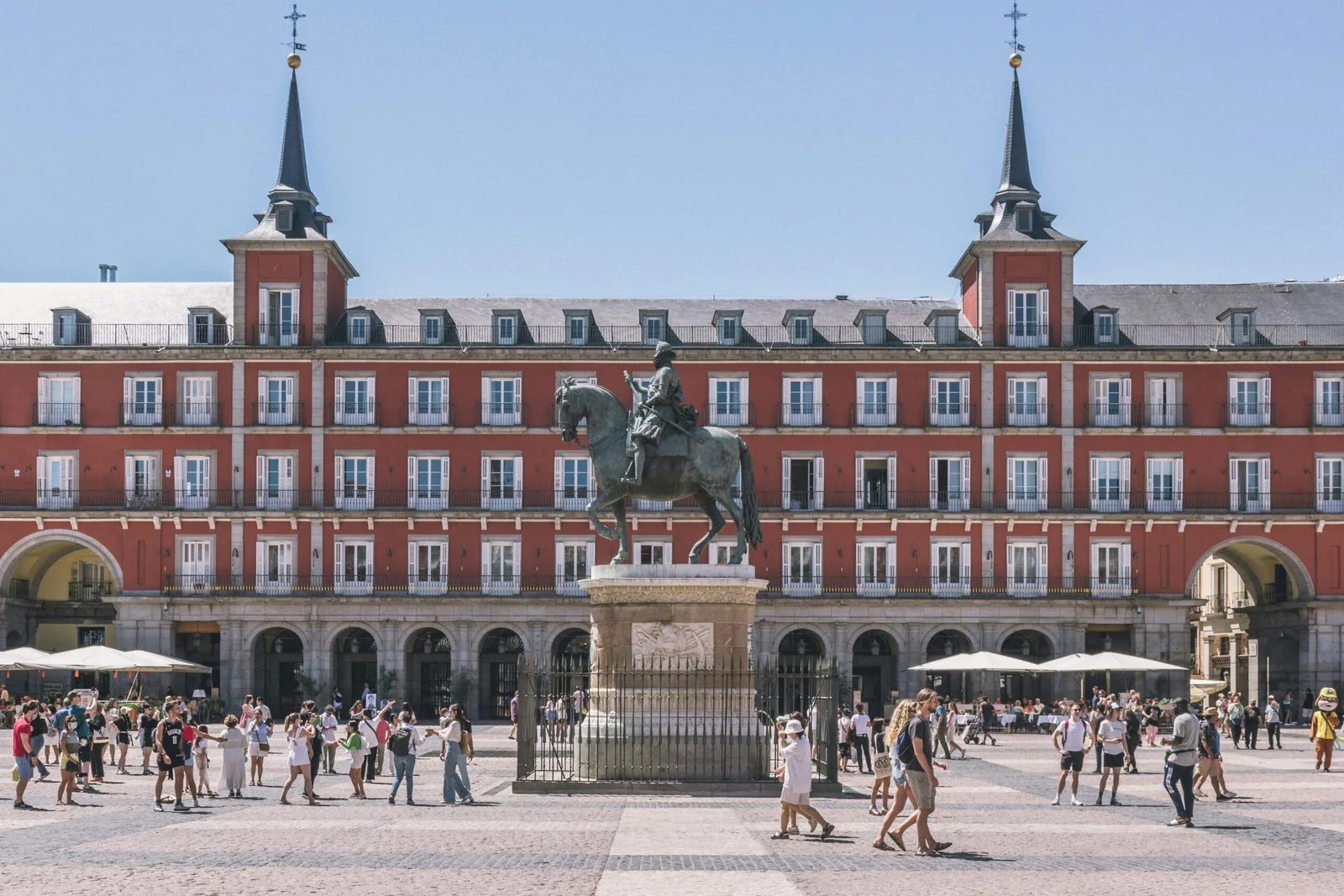
Plaza Mayor seating – always find a table for chocolate con churros.
What You’ll Save
20-30% on flights and 4-star hotels compared to May or September.
High-speed train tickets (AVE) – book in advance for up to 40% off.
Royal Palace access – same-day tickets easily available.
Tapas crawls in Cuchilleros – bars offer daily deals without peak markups.
The Secret Perk
Madrid’s Autumn Gastronomy Festival – sample cochinillo (suckling pig) and botillo.
Golden hour over the Roman Aqueduct – photographer’s dream light at 6 PM in October.
Harvest season in Ribera del Duero – visit nearby wineries without summer crowds.
Local interactions – chat with Madrileños in relaxed neighbourhood wine cellars.
The Tiny Trade-Off
Some castle hours shorten – especially smaller fortresses in Castilla y León.
Occasional rainy days – especially in late October, but museums are world-class.
Fewer rooftop terraces open – Madrid’s glamorous summer rooftops begin closing.
No Holy Week surge – March visits avoid Semana Santa price spikes (check dates).
Smart Traveler Tip
Visit in late October for the best balance: autumn colours, no crowds, and mild 18°C days. Book Madrid accommodation for midweek stays to save an extra 20%.
Deep Off-Season
Your Smartest Windows
November to February (excluding Christmas & New Year)
Avoid: Christmas week (Dec 24 – Jan 6, including Three Kings’ Day on Jan 6) and the week of December 6-8 (Constitution Day & Immaculate Conception – a long holiday weekend when Spaniards travel).
What the Sky Does
Typical temperatures: 2°C to 12°C (36°F to 54°F)
Cold, crisp, and mostly sunny – Madrid’s winter skies are brilliantly blue.
Snow possible in Ávila and Segovia – transforms hilltop cities into postcards.
Very low rainfall – January and February are surprisingly dry.
Early morning frost – but afternoons often reach a pleasant 10°C (50°F).
How Empty It Feels
Up to 70% fewer tourists than July or August.
El Retiro Park – almost entirely yours for quiet morning walks.
Salamanca’s Plaza Mayor – feel the true scale without the selfie sticks.
Burgos Cathedral – near-silent contemplation inside Spain’s Gothic masterpiece.
What You’ll Save
40-50% off peak-season prices for hotels and flights.
Flights to Madrid – often the lowest of the year (except festive week).
5-star hotels for 3-star prices – winter deals at Gran Vía luxury properties.
Car rental from €15/day – explore the castles of Castilla y León on a budget
The Secret Perk
Cozy indoor Spain – join locals for chocolate caliente in century-old cafes.
Thermal baths in Castilla y León – relax at Las Caldas or Almeida hot springs.
Authentic winter festivals – experience Christmas markets without tourist prices (early Dec).
Cocido madrileño season – the perfect hearty chickpea stew for cold days.
Genuine local life – neighbourhoods like La Latina feel truly residential, not touristic.
The Tiny Trade-Off
Daylight hours are short – sunset by 6 PM means planning morning sightseeing.
Some rural restaurants close – especially in small villages midweek.
Nightlife is quieter – fewer outdoor concerts and late-night terraces.
No royal palace gardens – formal gardens are less impressive in winter.
Smart Traveler Tip
Visit in late January – the quietest month of all. Pack warm layers, gloves, and a scarf. For the mildest conditions, stick to Madrid city and skip the highest-altitude castles in Ávila.
Find Off-Peak Flights
Top Off‑Season Stays
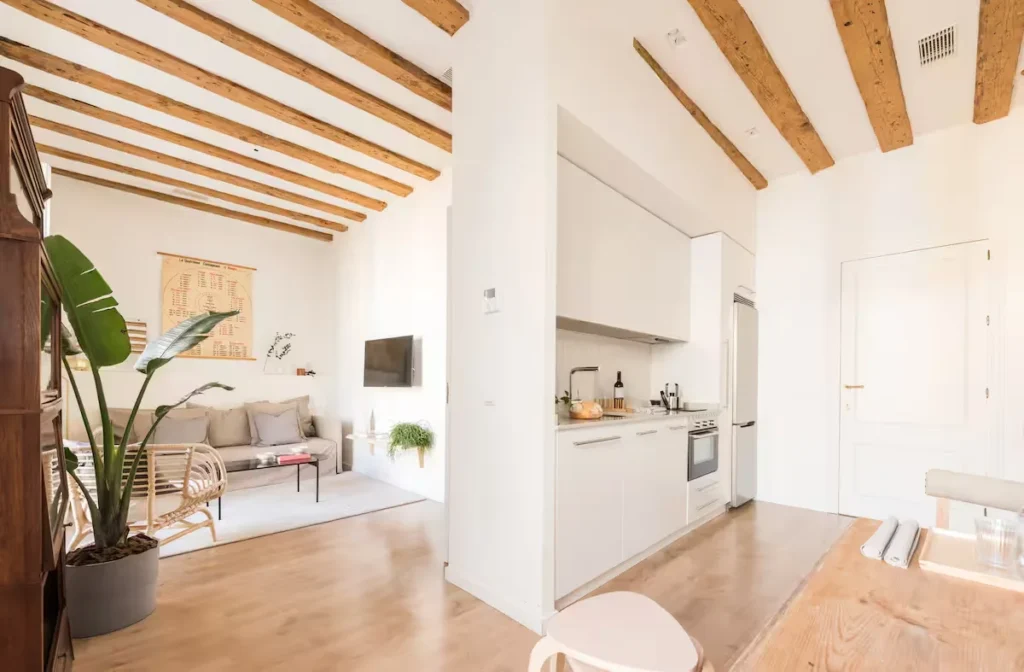
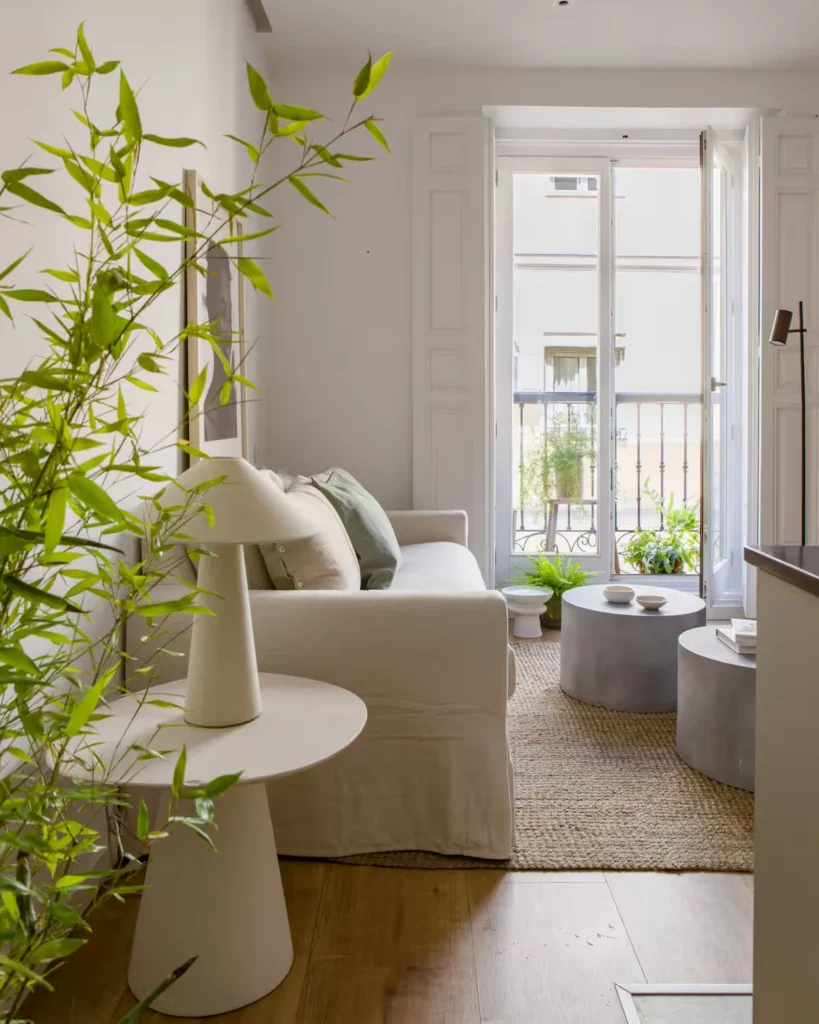
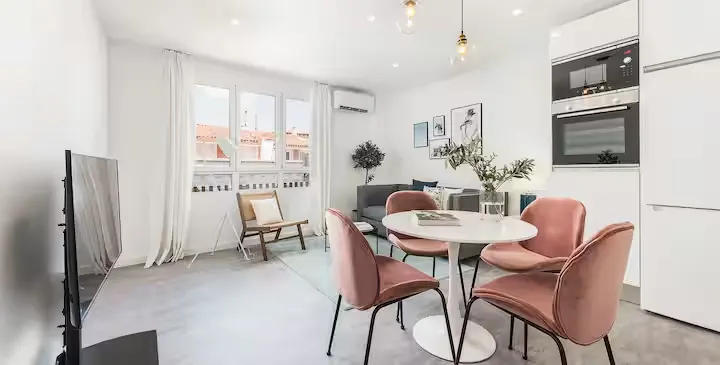
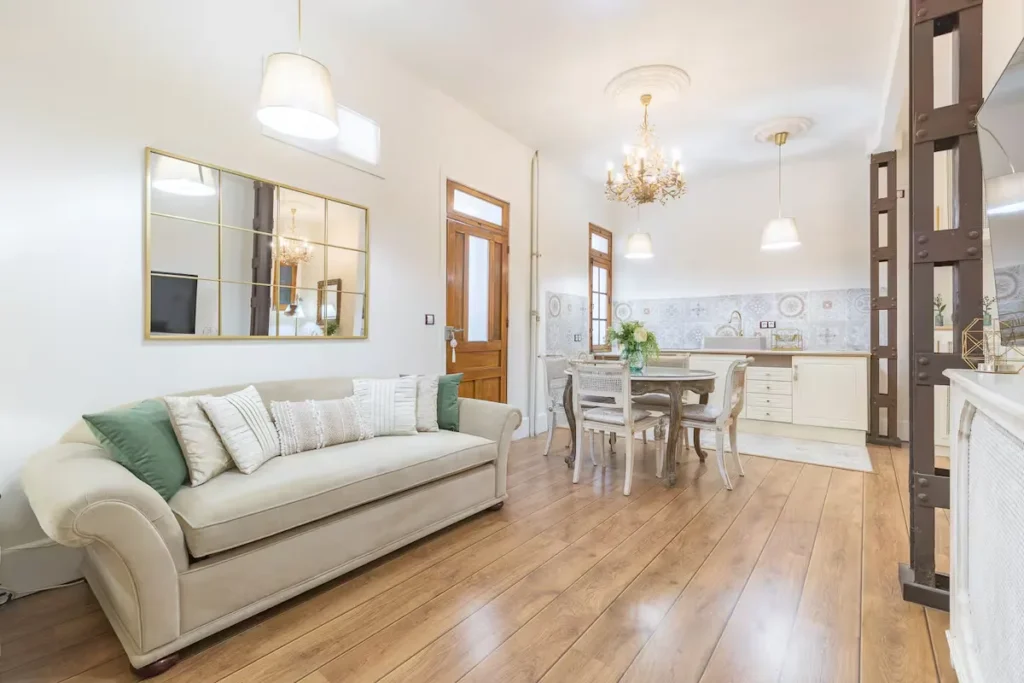
Find below our curated selection of boutique hotels and design apartments that offer exceptional value, atmosphere, and comfort during the off‑season — often at significantly lower rates than peak months.
Uncrowded Experiences & Tours
Skip the lines and experience iconic landmarks at your own pace. Discover curated local tours and cultural activities designed to show you the authentic side of the destination without the peak-season rush.
Handy Tips
Weather & Climate
The region has a continental climate. Summers are extremely hot and dry, while winters are cold. Spring and autumn offer the most comfortable weather for travel.
Local Customs And Etiquette
Tapas Culture: In Madrid, the tapa is a way of life. The tradition of hopping from bar to bar is a social ritual. Unlike other regions, it is common to receive a free small tapa with your drink.
Political Discussions: While not as sensitive as in other regions, it is best to avoid conversations on Spanish politics unless you know your audience well. A general note on respecting traditions and local values is sufficient.
Punctuality: Spaniards tend to be more relaxed about punctuality. If you have a dinner reservation or are meeting someone, it is acceptable to be 10-15 minutes late.
Budgeting For Your Trip
Accommodation: Hostels ($22–$43), mid-range hotels ($85–$160), luxury ($215+). Madrid is generally more expensive than cities in Castile and León.
Food: Tapas ($3–$6), fixed-price lunch menu ($13–$22), fine dining ($65+).
Transport: Metro ticket ($1.60), 10-trip card ($14), high-speed train (varies widely).
Activities: Prado Museum ($17), Royal Palace ($13), free city walking tours.
Daily Budget:
- Budget: $60–$90 (hostels, market food, public transport).
- Mid-range: $100–$200 (hotels, restaurants, attractions).
- Luxury: $250+ (boutique hotels, gourmet meals, private tours).
Getting Around
By Air: Madrid-Barajas Airport (MAD) is the main international hub.
By High-Speed Train (AVE): The AVE network is the best way to travel between Madrid and major cities in Castile and León like Segovia, Valladolid, and León. It is fast and efficient.
By Metro/Bus: Madrid has an excellent and extensive public transport system. For exploring the historical towns of Castile and León, the bus network is a reliable and affordable option.
By Car: A car is recommended if you plan to visit smaller villages, wineries, or the more rural mountain areas.
Must-Try Food
Cocido Madrileño: A hearty chickpea-based stew with various meats and vegetables, served in three courses.
Bocadillo de Calamares: A simple yet iconic Madrid sandwich of fried squid rings on a crusty roll.
Cochinillo Asado: Roast suckling pig, a specialty of Segovia, so tender it is famously cut with a plate.
Cordero Asado: Roast lamb, another classic of the region, slow-roasted in a wood-fired oven.
Patatas Bravas: Fried potatoes served with a spicy, tomato-based sauce, a staple tapa.
Gambas al Ajillo: Sizzling shrimp cooked with garlic and chili flakes in a clay pot.
Morcilla de Burgos: A famous blood sausage from Burgos, often served fried as a tapa.
Chuletón de Ávila: A massive, thick-cut T-bone steak from the famous Ávila cattle.
Sopa de Ajo: A traditional garlic soup, often with bread, paprika, and a poached egg.
Churros con Chocolate: Fried dough pastries served with a thick, rich hot chocolate for dipping.
Must-Try Drinks
Ribera del Duero Wine: The region is world-renowned for its powerful red wines made from the Tempranillo grape. Look for Crianza, Reserva, and Gran Reserva labels.
Vermouth: Madrid has a strong vermouth culture. This fortified, aromatized wine is a popular pre-lunch drink, often served on tap.
Rueda Wines: This region is famous for its crisp, fresh white wines made from the Verdejo grape.
Toro Wines: A smaller but highly-regarded wine region that produces full-bodied red wines, often with a higher alcohol content than those from Ribera del Duero.
Clara: A refreshing mix of beer and lemon soda, a common drink in summer.
Castilian Lemonade: A local punch popular during Holy Week, made with red wine, lemon, sugar, and cinnamon.