 Skip to content
- Is Galicia Too Rainy For An Enjoyable Off-Season Trip?
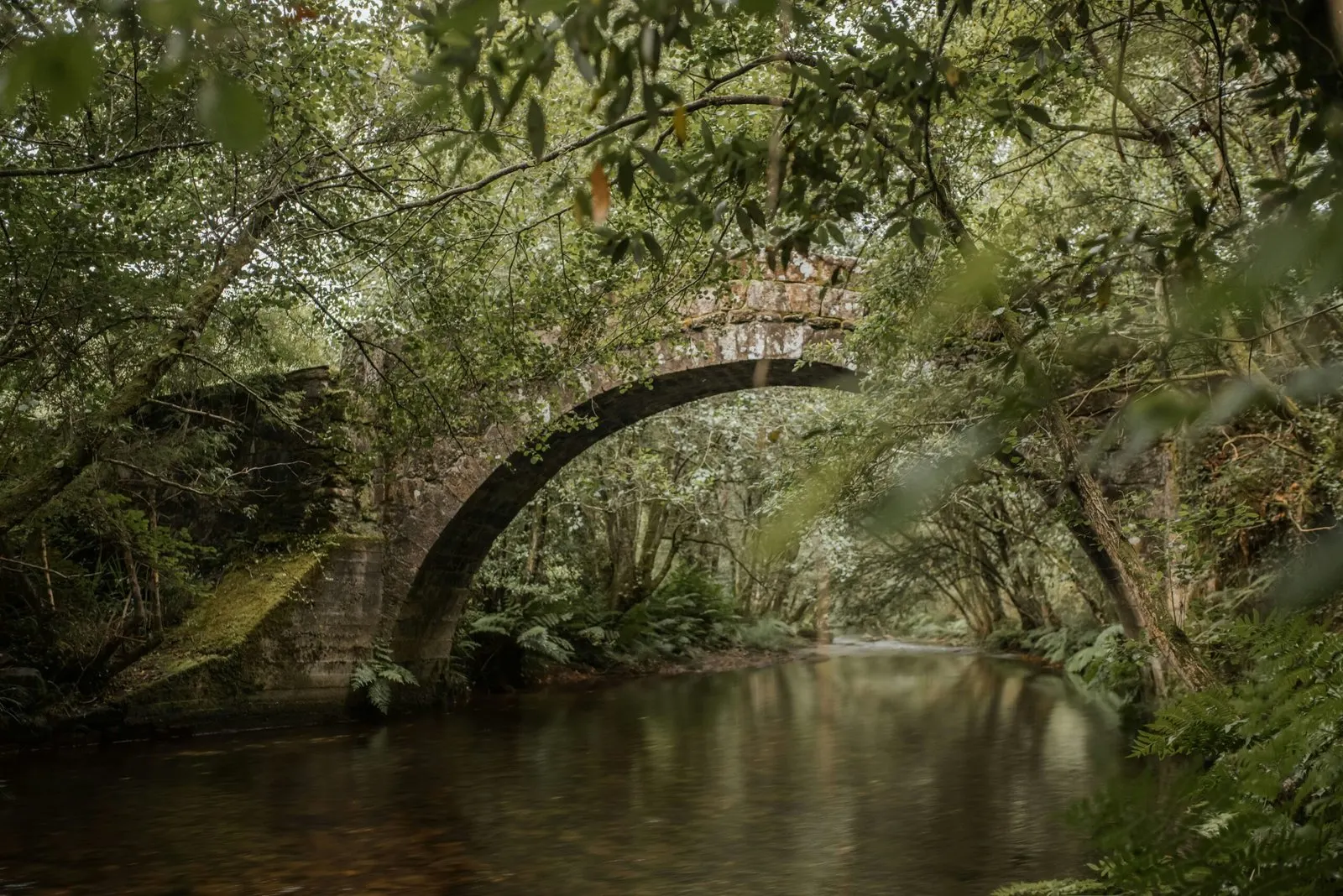
Yes, it rains frequently, but that is precisely why you should 'Exploit Travel Seasonality' here. You will trade summer crowds for impossibly green valleys, misty fjord-like coastlines, and empty medieval villages that look magical under moody Atlantic skies.
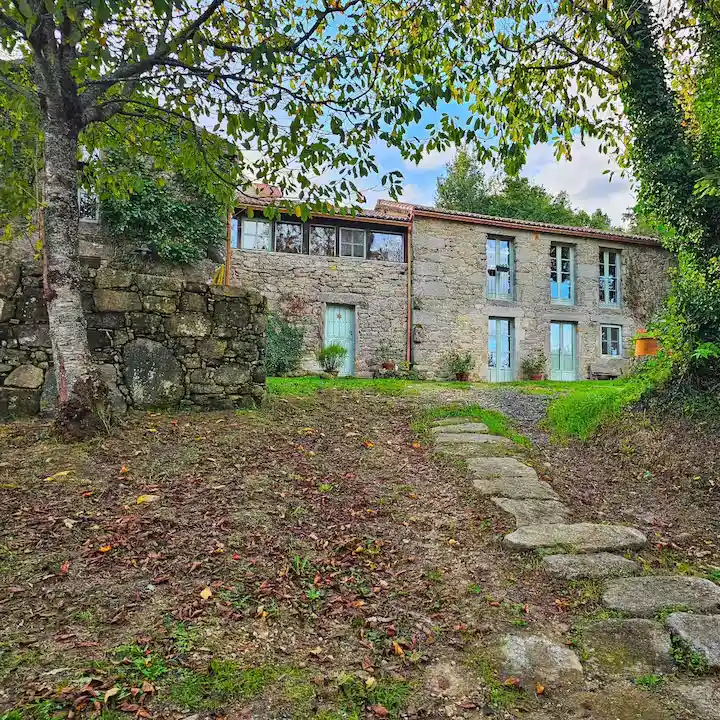
The drawback is you must pack a high-quality waterproof jacket and boots, as umbrellas often fail against the wind. On the positive side, you will save roughly 45% to 55% on stone cottages and seaside inns while experiencing why Galicia's mysterious, rain-soaked beauty has inspired legends for centuries.
- Will The Famous Coastal Lighthouses And Cliffs Be Accessible In Winter?
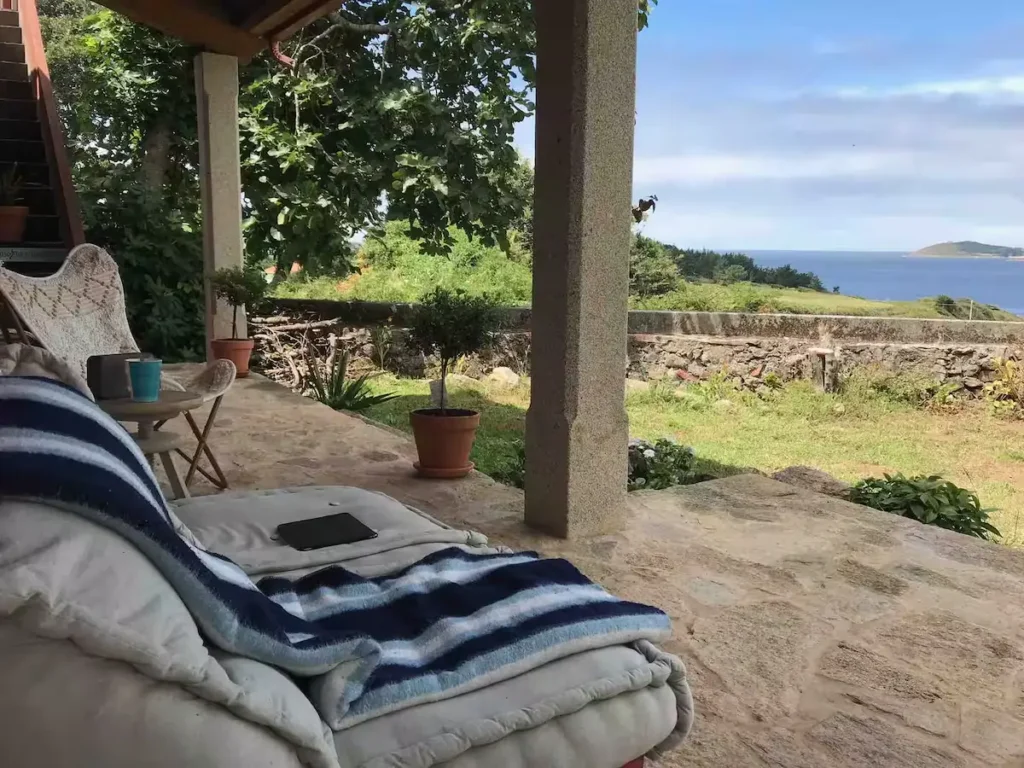
Yes, the dramatic coastal viewpoints and lighthouse trails remain open, but expect strong winds and crashing waves instead of calm seas. You will witness the Atlantic Ocean at its most powerful and photogenic, with the famous rugged cliffs practically empty of other travelers.
The drawback is that some exposed cliffside paths may be temporarily closed during storms for safety. However, you get hotel discounts of approximately 40% to 50%, parking at every viewpoint for free, and the unique thrill of feeling the ocean's raw power without hundreds of tourists blocking your photos.
- Do The Seafood Restaurants And Wineries Stay Open During Low Season?
Yes, absolutely, and this is the secret advantage of off-season Galicia. The legendary seafood taverns and Albariño wine cellars serve locals year-round, meaning you will eat freshly caught octopus and shellfish alongside residents who actually have time to chat with you.
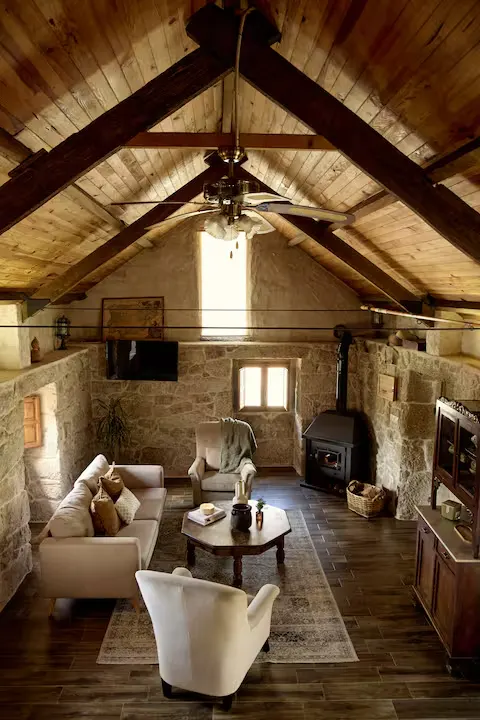
The drawback is that outdoor terrace dining is impossible, so you will squeeze into warm, steamy stone taverns instead. But the positive trade-off is massive percentage discounts on accommodation (often 40% to 60%), plus shorter waits for famous tasting menus and the genuine warmth of a Galician fireplace after a rainy day of exploring.
- Is Hiking The Green Valleys And Forests Realistic During The Off-Season?
Yes, but embrace the mud and mist as part of the adventure. You will hike through ancient oak forests and waterfall-dotted valleys with 90% fewer people, discovering that Galicia's famous green landscape actually reaches its peak vibrance during the rainy winter months.
The drawback is that some remote mountain refuges and guided nature tours stop operating. The upside is that rental car companies offer discounts of approximately 35% to 45%, you can park directly at trailheads, and the waterfalls are dramatically full and thunderous, unlike the trickles summer visitors complain about.
- Will I Miss The Cultural Festivals And Pilgrim Atmosphere By Visiting Off-Season?
No, you will gain a quieter, more spiritual version of them. The famous pilgrimage routes and historic cathedrals remain open, but instead of crowds of tourists, you will encounter a handful of dedicated pilgrims and locals going about their traditions authentically.
The drawback is that the massive summer street festivals and outdoor concerts do not happen. However, you get intimate winter celebrations, bagpipe music in cozy stone plazas, hotel prices reduced by roughly 45%, and the rare privilege of standing in famous cathedral squares with only the sound of rain and church bells for company.

Home > Exploit The Seasons > Seasonal World Map > Europe > Spain > Galicia
GALICIA
Galicia transforms when summer ends: mist drapes green valleys, empty pilgrim paths lead to authentic taverns, and Atlantic storms crash against dramatic cliffs. Discover Celtic Spain’s best-kept secret without the crowds.
Smart Travel Calendar
Shoulder Season
Your Smartest Windows
March to mid-June (avoid Easter week)
September to October
Avoid: Holy Week (Semana Santa – the week leading to Easter Sunday, March or April) and the entire month of August (Galicia’s coast is overrun with Spanish and Portuguese holidaymakers; Santiago hotels double or triple).
What the Sky Does
Mild to warm (15°C to 24°C / 59°F to 75°F) – Comfortable for hiking and coastal drives.
April brings unpredictable showers – The reason Galicia is so lush.
September offers “veranillo de San Miguel” – A second summer with calm seas.
Mornings are often foggy in the interior – Burning off by midday for perfect light.
How Empty It Feels
40-50% fewer tourists vs. peak August.
Santiago’s Plaza del Obradoiro feels spacious – No queues for rooftop views.
Rías Baixas beaches are yours alone – Except for the occasional local dog walker.
Finding a table on the Rúa do Franco is easy – No need to book days ahead.
What You’ll Save
30% on flights and 40% on casa rural stays.
Car rental is half the July price – Essential for exploring the fragas.
Same-day entry to the Catedral de Santiago – No pilgrim’s pass needed.
Menu del día includes wild mushrooms – A free luxury of the season.
The Secret Perk
You can watch the percebes (gooseneck barnacles) being harvested – The dangerous season starts in October.
The fragas (enchanted forests) are at their most vibrant – Moss glowing green after rain.
Octopus (polbo) is at its best – As the water cools, the flavour deepens.
Golden hour over the Rías lasts twice as long – No August haze.
Pilgrims are replaced by locals – You’ll hear Galician spoken in the markets.
The Tiny Trade-Off
Some coastal chiringuitos close by mid-October.
A chuvasco (sudden downpour) is guaranteed – Pack a real raincoat, not an umbrella.
Ferries to the Cíes Islands are limited – Or stop running in late October.
Easter Week (variable) sees a spike in Santiago prices – Avoid if you want quiet.
Smart Traveler Tip
Aim for the last two weeks of September – The ocean is still warm for swimming, but the Spanish families have gone home. Book your parador in Santiago for a weekday night to save €50.
Deep Off-Season
Your Smartest Windows
November to February (excluding Christmas & New Year)
Avoid: Christmas week (Dec 24 – Jan 6, including Three Kings’ Day on Jan 6) and the week of Carnival (Entroido – February or early March; Galicia’s biggest festival, especially in Verín and Laza).
What the Sky Does
Cold and wet (5°C to 13°C / 41°F to 55°F) – The Atlantic does its worst.
Rain is frequent, but rarely torrential – It’s a soft, persistent drizzle (orballo).
The interior (Lugo, Ourense) is much colder – Expect frost, but also clear, crisp days.
Snow is possible in Os Ancares mountains – A rare, beautiful sight.
How Empty It Feels
Up to 80% fewer tourists vs. August.
You will have the Catedral de Santiago almost to yourself – Hear the botafumeiro swing without a crowd.
Museums feel private – Like having the Centro Galego de Arte Contemporánea as your personal library.
Villages like Combarro are completely silent – Only the sound of rain on hórreos.
What You’ll Save
50-60% less than peak season.
Flights from Madrid or London are often €30 return.
Paradores offer “misterio” weekend deals – 5-star history for 2-star prices.
Car rental is the lowest of the year – Sometimes €5/day.
The Secret Perk
Cozy lareira (hearth) culture – You’ll be invited to sit by the fire for queimada (a magical, flaming punch).
Ourense’s hot springs are bliss – Steaming outdoors while the air is freezing.
You’ll learn to cook caldo galego (hearty broth) – The ultimate comfort food of the season.
Real local life in the mercados (Mercado de San Agustín, A Coruña) – No souvenirs, just locals buying the morning catch.
Hotel owners become your personal guides – They have nothing else to do and love to chat.
The Tiny Trade-Off
Forget beach days – The Rías are for dramatic photography, not swimming.
Nightlife is limited to university cities (Santiago, Vigo) – Rural bars close by 10 PM.
Many pazos (manor house hotels) close for winter renovation.
Daylight is short – Sunrise after 9 AM, sunset before 6 PM.
Smart Traveler Tip
Visit in February for Entroido (Galician Carnival) – Wild, pagan costumes and parties in Xinzo de Limia or Verín.
January is the quietest month – Literally nothing happens except rain, which is exactly the point for cozy trips.
For the mildest conditions, stick to the coast (Vigo to A Coruña) – It’s 5°C warmer than Lugo.
Pack waterproof boots and merino wool layers – You’ll be dry and warm while tourists who brought sneakers suffer.
Find Off-Peak Flights
Top Off‑Season Stays
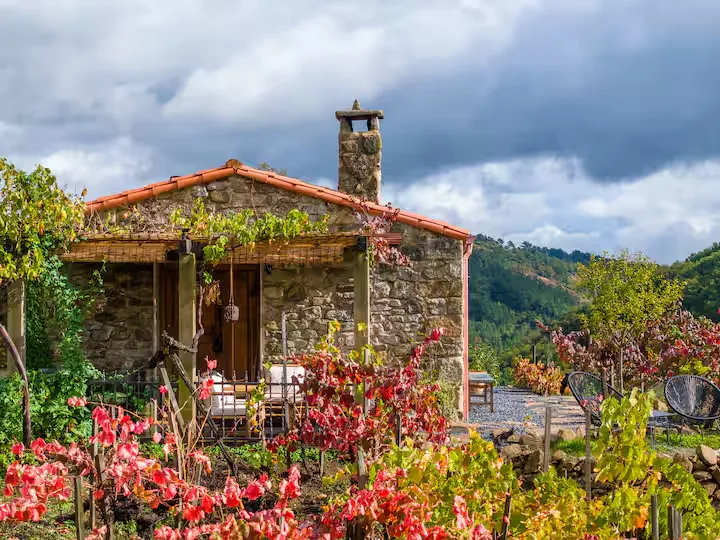
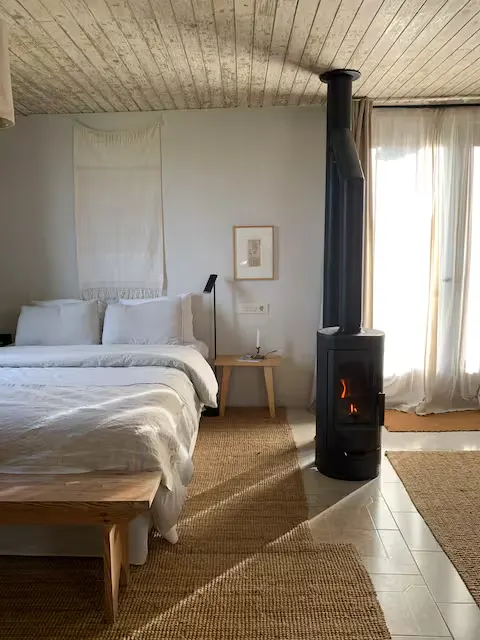
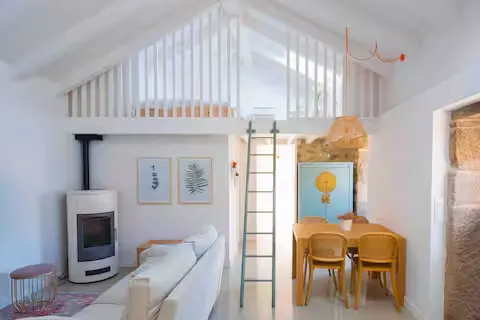
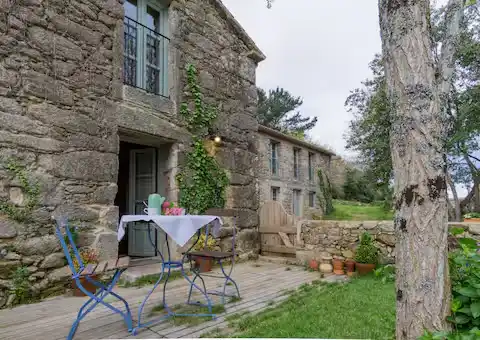
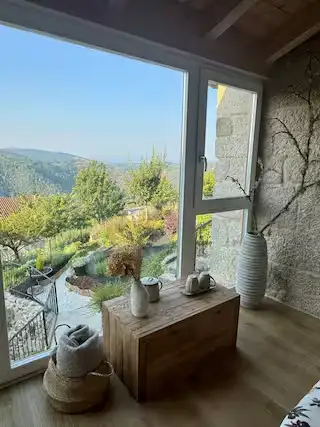
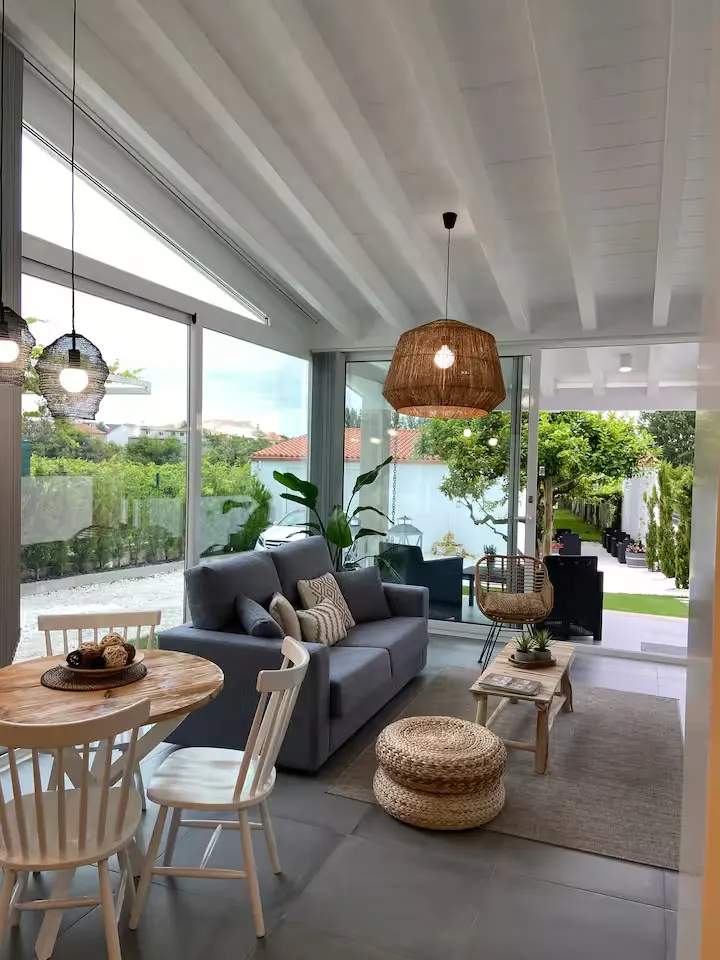
Find below our curated selection of boutique hotels and design apartments that offer exceptional value, atmosphere, and comfort during the off‑season — often at significantly lower rates than peak months.
Uncrowded Experiences & Tours
Skip the lines and experience iconic landmarks at your own pace. Discover curated local tours and cultural activities designed to show you the authentic side of the destination without the peak-season rush.
Handy Tips
Weather & Climate
The climate varies. The coast has a Mediterranean climate with hot, humid summers and mild winters. Inland areas have hotter summers and colder, sometimes snowy, winters. Spring and autumn are generally pleasant with occasional rain.
Local Customs And Etiquette
Greetings: Galicians are generally more reserved than people in the south of Spain. A firm handshake is a common greeting for new acquaintances.
Language: While Spanish is the official language, many people speak Galician, a language similar to Portuguese. Attempting a few phrases is a respectful gesture.
Dining: Seafood is the star of the show. It is common to eattapas standing at the bar, and many meals are communal affairs shared with friends and family.
Political Discussions: While not as sensitive as in other regions, it is best to avoid engaging in political conversations unless you know your audience well.
Budgeting For Your Trip
Accommodation: Hostels ($20–$38), mid-range hotels ($70–$120), luxury ($150+).
Food: Tapas ($3–$6), fixed-price lunch menu ($12–$18), fine dining ($55+).
Transport: Car rental ($30/day), train tickets (regional), buses (local).
Activities: Santiago de Compostela Cathedral (free to enter), various hiking and walking tours (free).
Daily Budget:
- Budget: $50–$80 (hostels, small plate food, buses).
- Mid-range: $90–$150 (hotels, restaurants, attractions).
- Luxury: $180+ (boutique hotels, gourmet meals, private tours).
Getting Around
By Air: The main airports are in Santiago de Compostela, A Coruña, and Vigo.
By Train: A good rail network connects the major cities. The high-speed AVE line connects to Madrid.
By Car: A car is the most flexible way to explore the rugged coastlines and rural villages that are not well-served by public transport.
By Foot: The Camino de Santiago is a major way to travel this region, with a network of trails and hostels for pilgrims and hikers.
Must-Try Food
Pulpo a la Gallega: Galician-style octopus, boiled and seasoned with olive oil, paprika, and sea salt.
Marisco: Seafood is a staple, from clams and mussels to percebes (goose barnacles).
Empanada Gallega: A large, savory pastry filled with meat, tuna, or vegetables.
Caldo Gallego: A hearty soup made with white beans, potatoes, collard greens, and pork.
Pimientos de Padrón: Small green peppers fried in olive oil and sprinkled with salt. Some are hot, but most are mild.
Lacón con Grelos: A dish of pork shoulder with turnip greens, chorizo, and potatoes.
Tortilla de Betanzos: A very runny omelet from the town of Betanzos, famous for its texture.
Queso Tetilla: A soft, cow’s milk cheese shaped like a woman’s breast.
Tarta de Santiago: A simple but delicious almond cake, often decorated with the cross of Saint James.
Filloas: Thin crepes, often served as a dessert.
Must-Try Drinks
Albariño: A crisp, aromatic white wine from the Rías Baixas region, perfect with seafood.
Ribeiro Wine: A lighter, more acidic white wine from the Ribeiro region.
Mencía Wine: A full-bodied red wine from the Ribeira Sacra and Valdeorras regions.
Licor Café: A strong coffee-flavored liqueur, a popular digestif.
Orujo: A clear spirit similar to grappa, often homemade and served as a shot after a meal.
Queimada: A traditional alcoholic punch made with a type of brandy, fruit, and sugar, set alight while a Celtic chant is recited.