 Skip to content

- When Is The Best Time To Visit Budapest Without Wall-To-Wall Tourists?
Yes, late January through early February is your golden window. While Western Europe is still recovering from the holidays, Budapest offers crisp, cold beauty with steaming thermal baths and nearly empty ruin bars. Hotel prices along the Danube can drop by 40-50% compared to the bustling September and October crowds.
For a complete breakdown of monthly savings, head to our Hungary off-season guide. You can verify flight deals into Ferenc Liszt International via the official Budapest Airport website.
- Can I Actually Enjoy The Thermal Baths Without Sharing The Water With Hundreds Of People?
Absolutely. The famous Széchenyi Baths feel like a crowded nightclub in July, but visit during the deep off-season (November to February) and you will find locals actually soaking for health, not Instagram. Go on a Tuesday at 8:00 AM and you might have entire outdoor pools nearly to yourself while steam rises into the freezing air.
- Is Lake Balaton Worth Visiting Outside Of The Summer Party Season?
Yes, but for completely different reasons. Summer turns the "Hungarian Sea" into a crowded, expensive party zone. Visit in late September or May (the Shoulder Season) and you will find wine harvest festivals in the Badacsony region, peaceful bike paths around the entire lake, and family-run guesthouses at half the July price.
Check our Adventure & Outdoors theme for active trip ideas around the lake. For train schedules to Balatonfüred or Siófok, use the official Hungarian State Railways (MÁV) site.
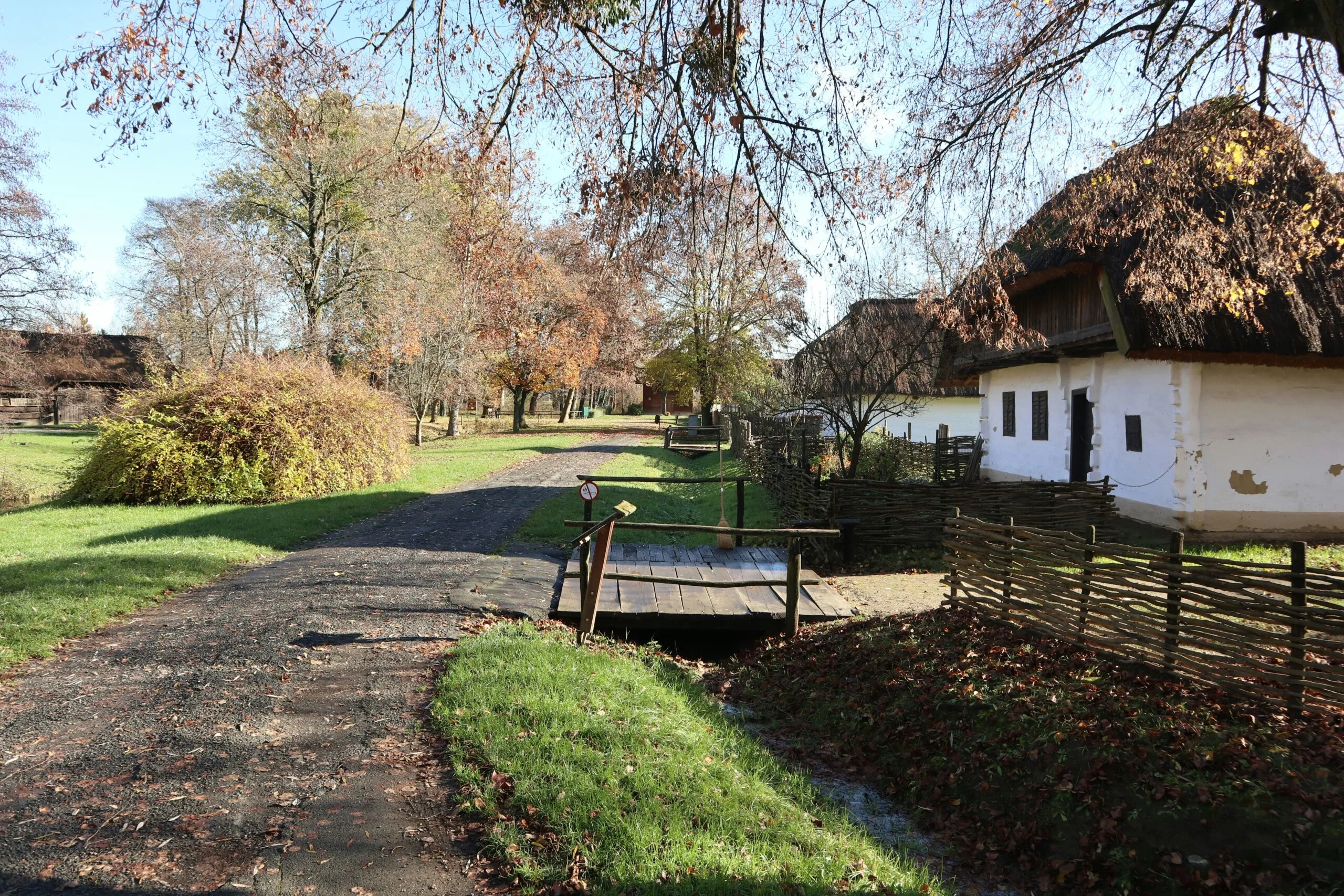
- How Do I Experience Real Hungarian Village Life Without Joining A Crowded Tour Group?
Go during the Easter season (late March to mid-April) or October harvest time. In spring, villages like Hollókő (a UNESCO World Heritage site) celebrate traditional Easter festivals where locals dye eggs and wear embroidered costumes without the commercial chaos of Western Europe. In autumn, you can join grape stomping in Eger or Villány with actual winemakers.
You can find deeper cultural immersion tips on our Culture & History page. The official Hungarian Tourism Agency maintains excellent self-guided village trail maps.
- Is It Safe To Visit Hungary During The Colder, Darker Winter Months (November To February)?
Yes, and honestly, it is more magical than risky. Budapest transforms into a glowing "European Christmas market capital" in December (which is technically peak season), but if you wait until mid-January, the decorations stay up for a week while the crowds vanish. The Danube riverboats run on reduced schedules but are warm, cozy, and cheap. Just pack thermal layers and waterproof boots.
For real-time weather and any service alerts, the official Hungarian State Railways site is surprisingly reliable.

Home > Exploit The Seasons > Seasonal World Map > Europe > Hungary
HUNGARY
Hungary reveals its soul beyond summer, from steam-filled thermal baths in winter fog to golden light over Buda’s quiet hills. This guide unlocks quieter Budapest, village festivals, and real value without the peak-season crowds.
Smart Travel Calendar
Why Choose Hungary Off-Season?
Fewer river cruise crowds. Walk Chain Bridge without elbowing for a selfie.
Thermal baths feel like yours. Soak in 40°C water while snow falls gently.
Authentic ruin bar nights. Talk to locals, not just tourists, in Szimpla Kert.
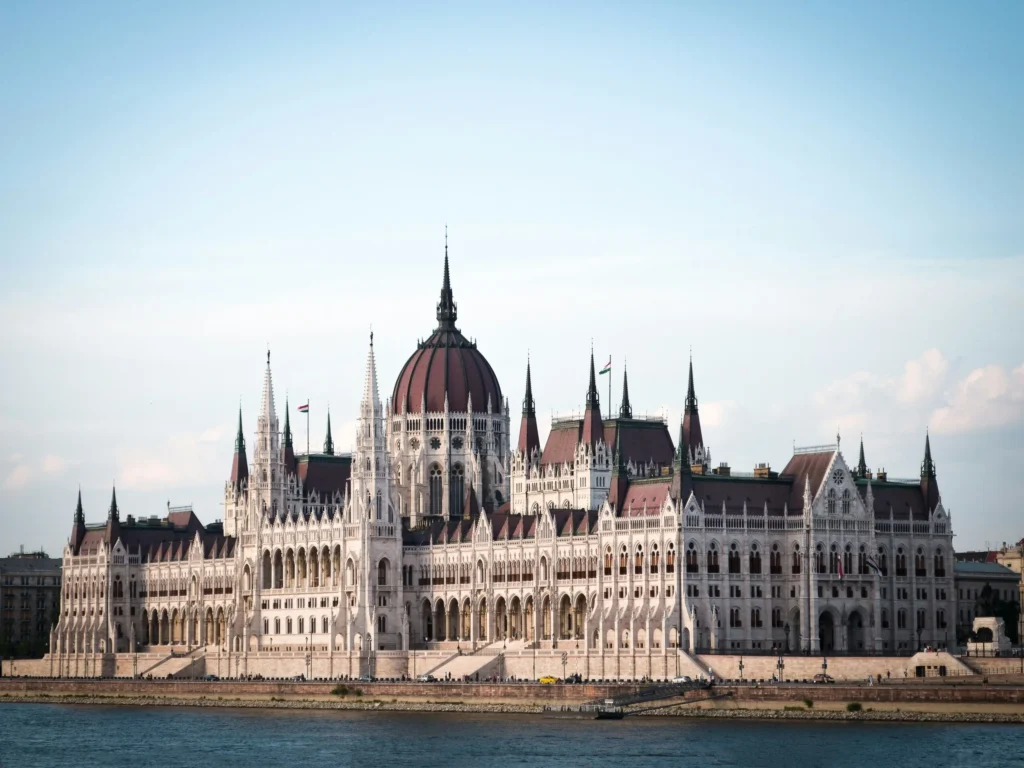
Lake Balaton’s peaceful side. Cycle the northern shore without summer traffic jams.
Opera and concert bargains. Book State Opera tickets for a fraction of summer prices.
Christmas markets minus chaos. Sip mulled wine in Budapest without shoulder-to-shoulder shuffling.
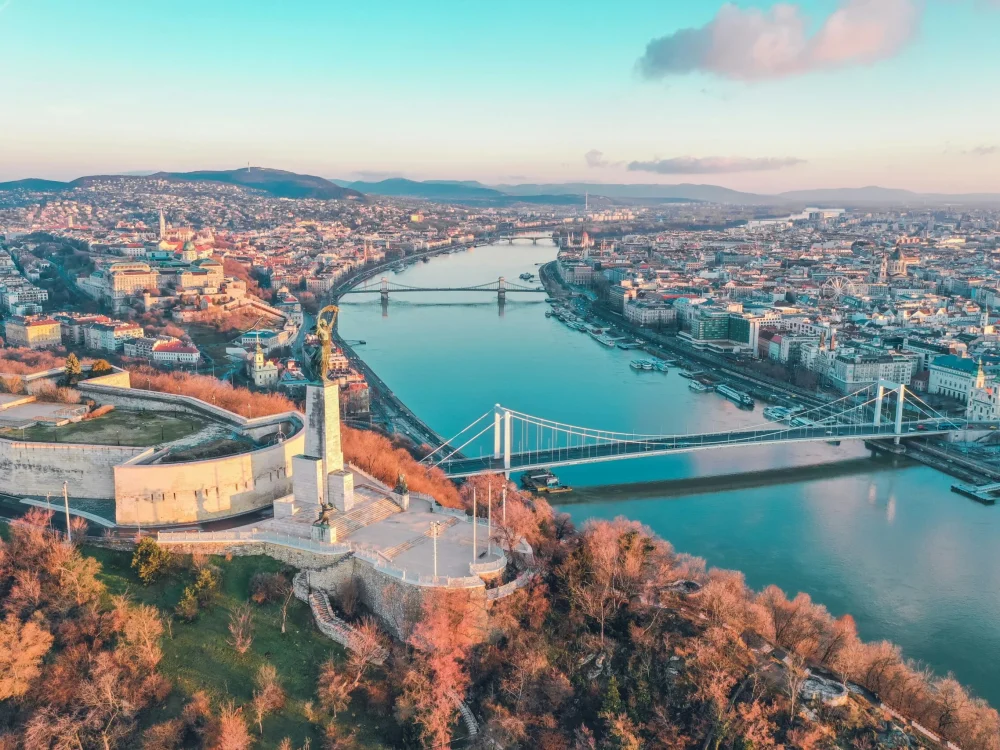
Shoulder Season
Your Smartest Windows
April to mid-June (excluding Easter week)
September to mid-October
Avoid: Easter week (variable March/April) – Hungarian families travel, thermal baths fill, and accommodation prices jump 30-40%
What the Sky Does
April/Sept: 12-20°C (54-68°F) | May/early June: 15-25°C (59-77°F) | Oct: 8-15°C (46-59°F)
April brings sudden showers – pack a compact umbrella for Buda Castle walks
September offers “vénasszonyok nyara” (old women’s summer) – up to two weeks of golden, warm days
Lake Balanton’s microclimate stays 2-3°C warmer than Budapest in early autumn
How Empty It Feels
50-60% fewer tourists vs. July-August peak
Buda Castle grounds feel spacious – no queue for the funicular before 10 AM
Lake Balaton’s promenades have seating at every café without reservation battles
Parliament tour tickets available same-day, not three weeks in advance
What You’ll Save
40-50% on flights vs. summer; 35-45% on 4-star hotels
Car rental at Lake Balaton drops 50% after September 1
Skip-the-line Danube cruise tickets at walk-up prices
Lunch menus at trendy Budapest bistros still include 3 courses for ~€10-12
The Secret Perk
Budapest Wine Festival (early September) at Buda Castle – 200+ Hungarian wineries
Cherry blossoms on Margaret Island (mid-April) – pink tunnels without Tokyo prices
Wild garlic season in the Buda Hills (April-May) – foragers sell fresh pesto at local markets
Soft, diffused light over Parliament reflected in the Danube from 4-6 PM – prime photography
Elderflower cordial season – locals pick flowers along the Danube bend in late May
The Tiny Trade-Off
Danube boat tours reduced frequency until May (every 90 min instead of 30 min)
Random cold snaps in April can drop to 5°C (41°F) – pack layers
Lake Balaton’s open-water swimming unmonitored before June 1
Easter week itself (if it falls in April) brings short-term price spikes and crowded trains
Smart Traveler Tip
Target mid-September to early October for the best weather-to-crowds ratio
Book thermal baths for Tuesday-Wednesday mornings to dodge both tourists and weekend locals
Avoid the last week of October – school break sends Hungarian families to Budapest hotels
For Lake Balaton, come after September 15: summer prices vanish, water stays swimmable until early October
Deep Off-Season
Your Smartest Windows
November 1 to March 15 (excluding Christmas-New Year’s)
Avoid: December 20 to January 2 – Budapest Christmas markets and New Year’s Eve drive hotel rates up 200%, and Széchenyi Baths become a packed party scene
What the Sky Does
November: 2-8°C (36-46°F) | December-February: -3 to 4°C (27-39°F) | March: 2-10°C (36-50°F)
December-January brings 4-6 snowy days per month on average – Buda Castle looks like a fairy tale
Great Plain (Debrecen, Szeged) is 2-3°C colder and windier than Budapest
February is the driest winter month – least rain, most crisp blue skies
How Empty It Feels
70-80% fewer tourists vs. summer – you’ll feel like Budapest is yours
Fisherman’s Bastion at sunrise: often fewer than 10 people, zero selfie-stick armies
Hungarian National Gallery feels like a private viewing – talk to guards about hidden masterpieces
Small towns like Szentendre or Eger: locals outnumber visitors 20 to 1 in January
What You’ll Save
60-70% vs. peak summer – flights under €50 from many European cities
4-star hotels in Budapest from €35-50/night (summer: €120+)
Car rental as low as €15/day – unlimited mileage offers appear in January
Thermal bath entry before 9 AM: €15 instead of €25 (plus no crowds)
The Secret Perk
Budapest’s thermal bath culture peaks – watching snow melt into 38°C outdoor pools is magical
Skiing in Mátra Mountains – small, cheap slopes 1 hour from Budapest (Kékestető, 1,014m)
Mangalica Festival (February) – taste Hungary’s wooly pig at Budapest’s City Park, loved by locals
Wine cellar visits in Eger or Tokaj – vintners have hours to talk, pour library vintages for pocket change
Real ruin bar life – locals reclaim their spots, and you’ll hear Hungarian, not just English
The Tiny Trade-Off
Lake Balaton’s beaches, boat rentals, and most lakeside cafés closed until April
Nightlife outside Budapest dies by 10 PM November-February (except Szimpla and a few ruin bars)
Michelin-starred restaurants like Borkonyha close for 1-2 weeks in January
Daylight: sunrise ~7:30 AM, sunset ~4:00 PM in December – plan indoor activities after 3 PM
Smart Traveler Tip
Visit December 1-19 for Christmas markets without the New Year’s price surge – stalls open, crowds manageable
January 15 to February 28 is the quietest, cheapest window of the entire year
Late February to early March offers pre-spring events – Budapest Carnival (Farsang) with mask parties
Pack: merino wool base layers, waterproof boots, and a hat – wind off the Danube cuts cold
For mildest deep winter, head to Pécs in southern Hungary – 2-3°C warmer than Budapest, with Roman ruins open all year
Find Off-Peak Flights
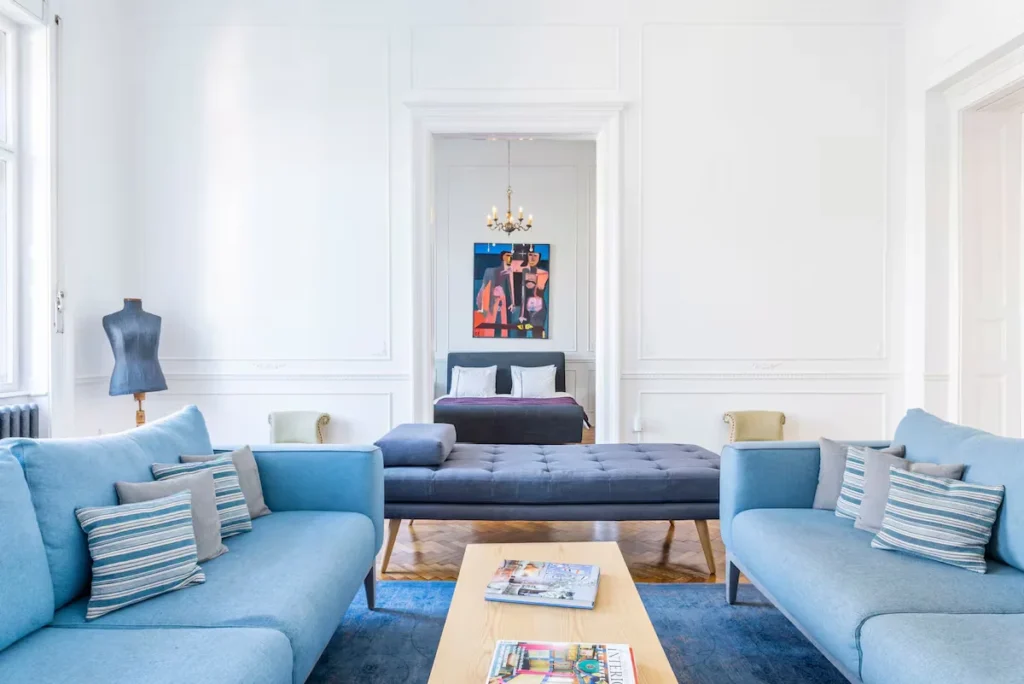
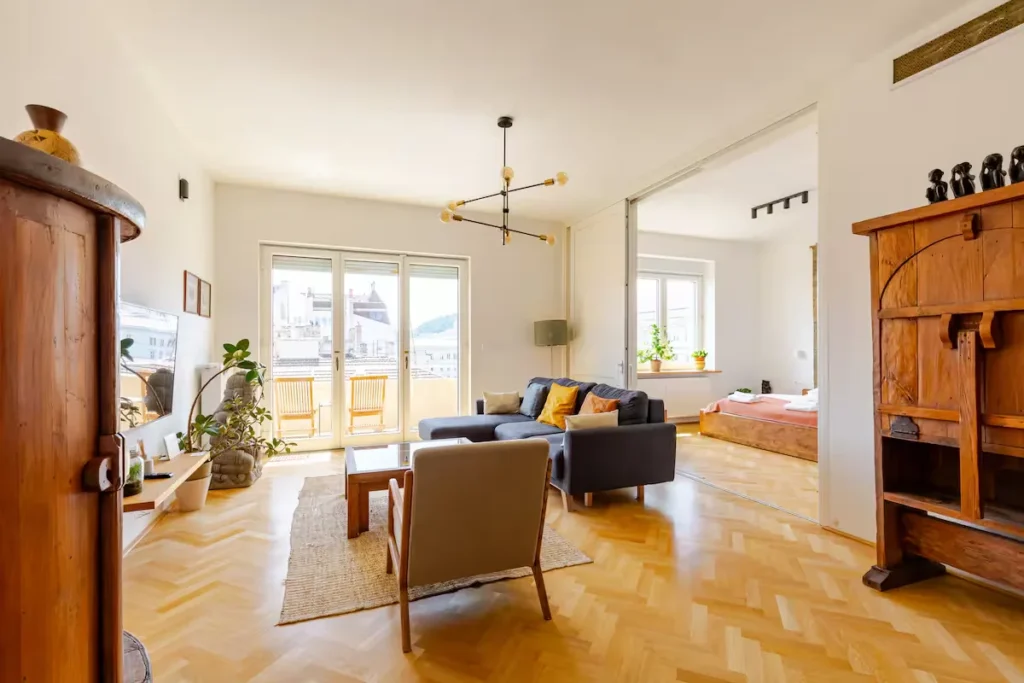
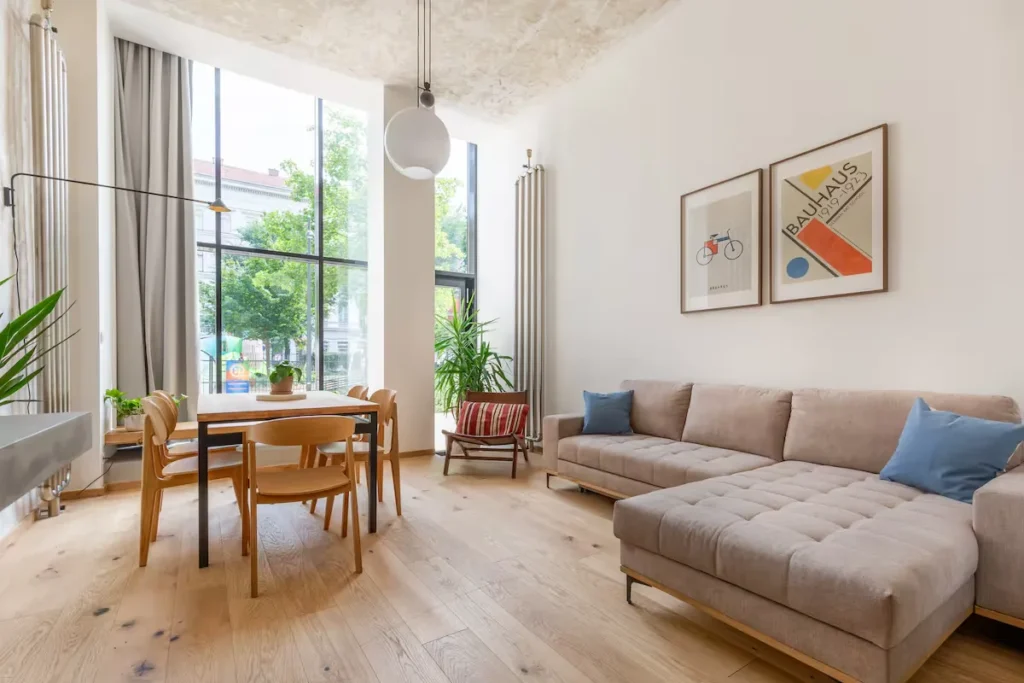
Top Off‑Season Stays
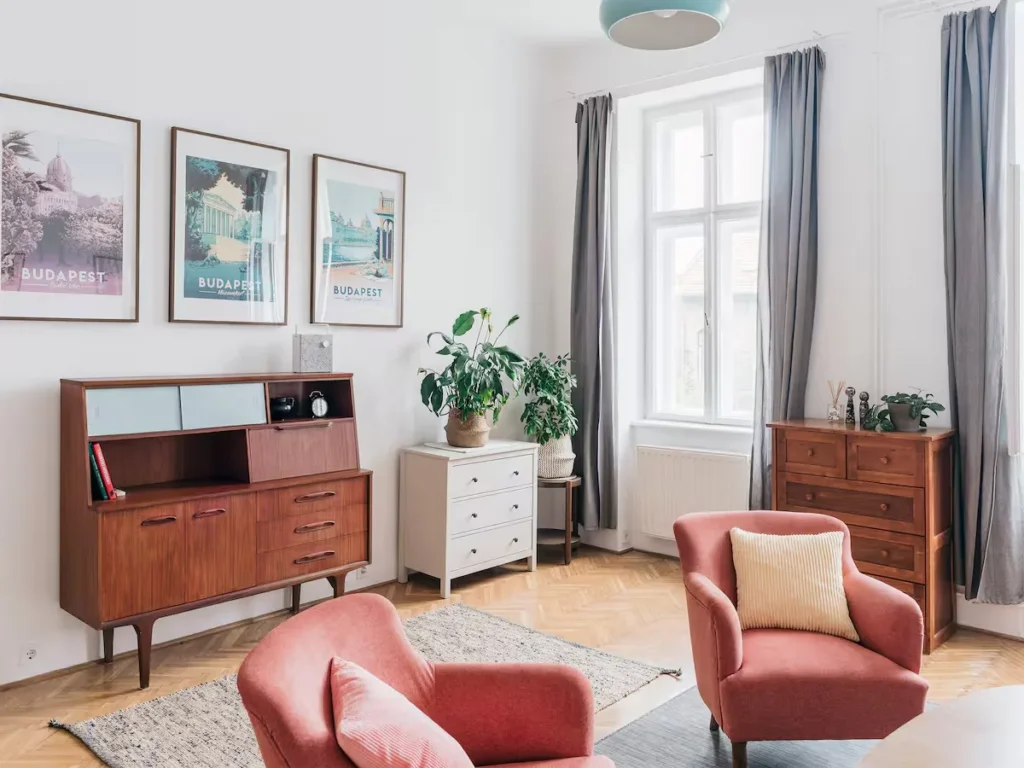
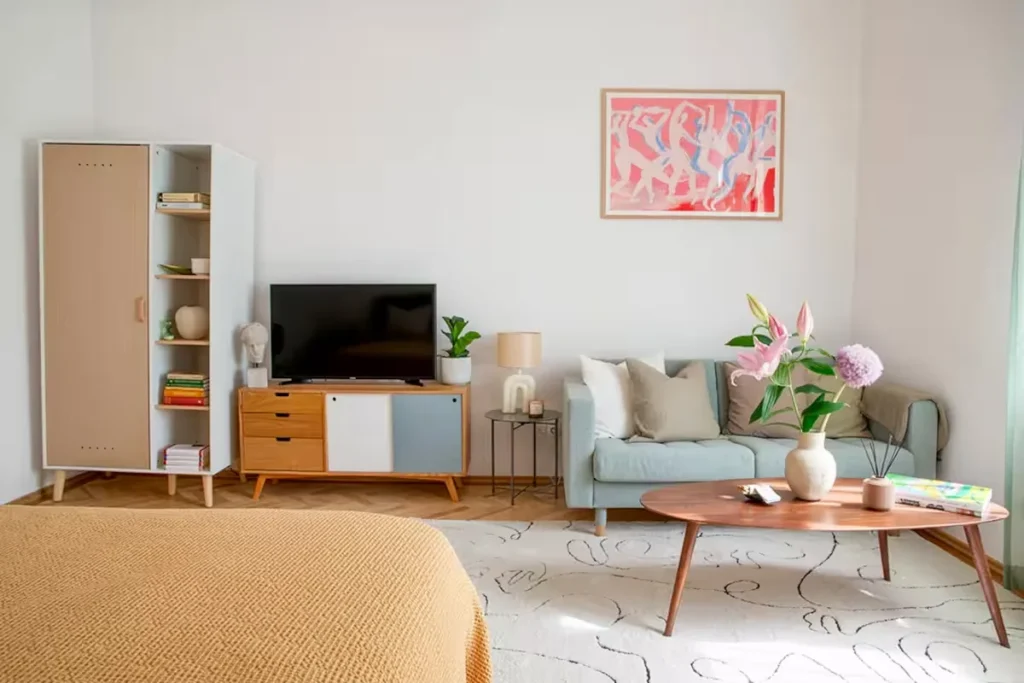
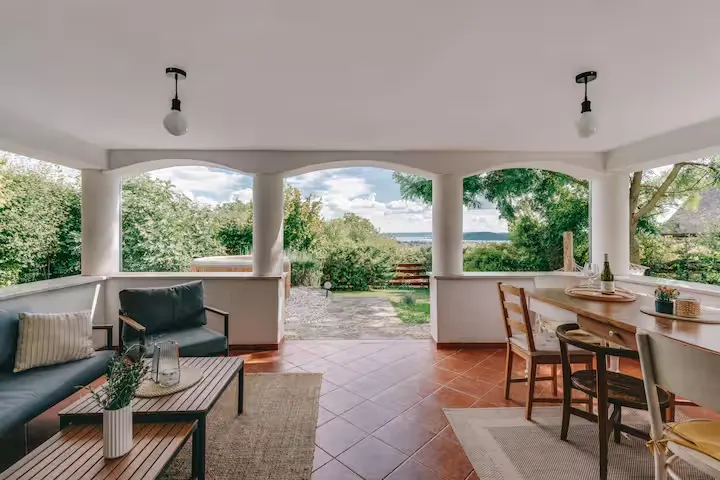
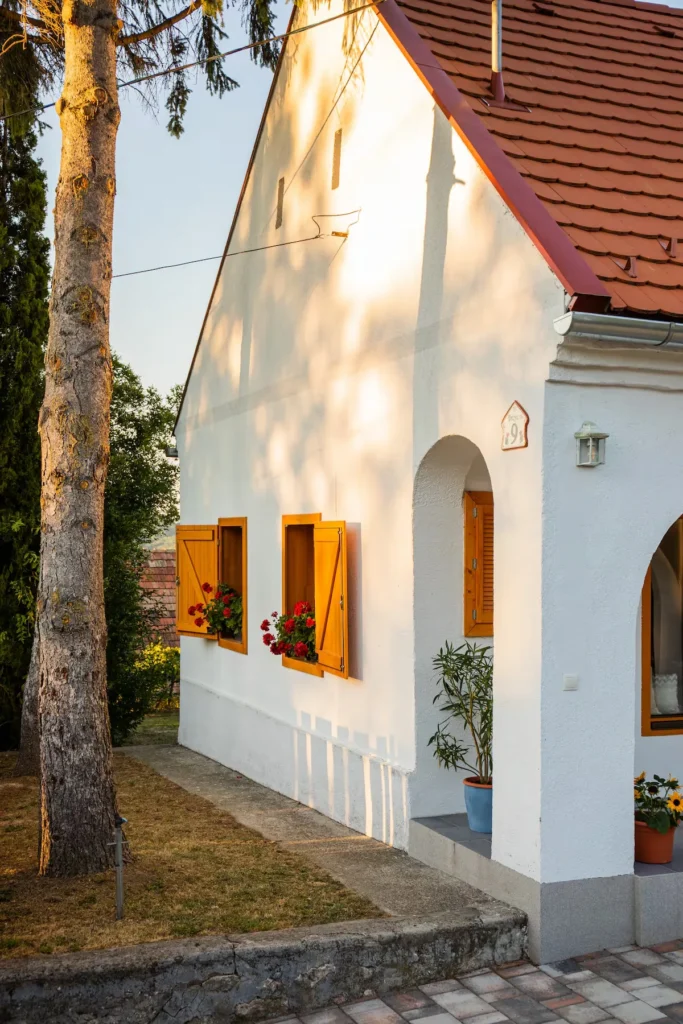
Find below our curated selection of boutique hotels and design apartments that offer exceptional value, atmosphere, and comfort during the off‑season — often at significantly lower rates than peak months.
Uncrowded Experiences & Tours
Skip the lines and experience iconic landmarks at your own pace. Discover curated local tours and cultural activities designed to show you the authentic side of the destination without the peak-season rush.
FAQs
Essential Trip Information
Visa and Entry Requirements
Hungary is part of the Schengen Zone. Check if you need a Schengen Visa based on your nationality.
Passport validity: Must be valid for at least three months beyond your stay.
Immigration may ask for proof of onward travel, accommodation, and sufficient funds (€50–100/day recommended).
Visa-free travelers (e.g., U.S., EU, UK) can stay up to 90 days within 180 days.
Currency
Hungary uses the Hungarian Forint (HUF).
- Bills: 500–20,000 HUF (US$1.40–56).
- Coins: 5–200 HUF.
Best Ways to Handle Currency:
Before Your Trip: Exchange a small amount; ATMs offer better rates.
During Your Trip: Use ATMs at major banks (OTP, Erste). Credit cards (Visa, Mastercard) are widely accepted, but carry 5,000–10,000 HUF (US$14–28) cash for small vendors.
What to Avoid: Airport exchange kiosks (high fees) and dynamic currency conversion (always choose HUF).
Language
Hungarian is the official language. English is widely spoken in tourist areas.
Helpful phrases:
- “Szia” (Hello), “Köszönöm” (Thank you), “Mennyibe kerül?” (How much?).
Safety and Security
Generally safe, but watch for pickpockets in crowded areas (Váci Street, public transport).
Avoid unlicensed taxis—use Bolt or official taxi companies.
Emergency number: 112.
Health & Insurance
No special vaccinations required.
Tap water is safe to drink.
Pharmacies (“gyógyszertár”) are widely available.
EU travelers: Bring an EHIC/GHIC card for healthcare access.
Transportation
Metro/Trams/Buses: Efficient, but validate tickets (fines apply).
Trains: Reliable for intercity travel (e.g., Budapest to Lake Balaton).
Walking: Budapest’s center is very walkable.
Ride-sharing: Bolt is cheaper than taxis.
Price Level
Hungary is affordable compared to Western Europe, especially outside central Budapest.
Accommodation
Budget: Hostels, pensions, and Airbnb (US$25–60/night)
Mid-range: 3-star hotels and boutique stays (US$70–130/night)
Luxury: 4–5 star hotels and historic properties (US$150+/night)
Food
Street food/local diners: US$4–10 (try lángos or goulash)
Mid-range restaurants: US$15–30/person
Fine dining: US$50+/person (Michelin-starred options available)
Drinks
Beer: US$2–5
Wine: US$4–8/glass (Hungarian wine is excellent and well-priced)
Cocktails: US$8–15
Transportation
Metro/bus/tram ticket: US$1.20 (single), daily passes ~US$6
Taxi: US$5–15 (short city rides)
Airport shuttle: US$8–12
Train (domestic): US$4–20 depending on route
Money-Saving Tips
Walk or use Budapest’s public transport, which is cheap and extensive.
Visit free attractions like Margaret Island or Castle Hill.
Eat at market halls or self-service restaurants for local, low-cost food.
Planning Your Trip
Local Customs And Etiquette
Greetings: A firm handshake is standard. Older generations appreciate polite formality.
Tipping: 10–15% at restaurants unless included. Tip hotel staff ~$1–2 per bag.
Shoes: Take off your shoes when entering private homes.
Dining: Wait for a toast before drinking—say “Egészségedre!” (Cheers!).
Cultural Sites: Quiet behavior expected in churches and memorials (e.g., Shoes on the Danube Bank).
Cash vs Card: Cards accepted widely, but carry some cash for small towns and markets.
Budgeting For Your Trip
Hungary is one of Europe’s best-value destinations, especially outside Budapest.
Accommodation:
- Hostels: US$20–40
- Mid-range hotels: US$60–120
- Luxury stays: US$200+
Food:
- Street food (lángos, goulash): US$4–8
- Casual meals: US$12–20
- Fine dining: US$50+
Transport:
- Day pass for public transport: ~US$6.50
- Regional trains: US$5–15
Activities:
- Most museums: US$3–10
- Thermal bath entry: US$15–25
- River cruise: US$15–30
Daily Budget:
- Budget: US$60–90 (hostel, street food, public transport).
- Mid-range: US$120–200 (hotels, local restaurants, attractions).
- Luxury: US$300+ (spa resorts, private tours, upscale dining).
Internet & Mobile
Free Wi-Fi: Available in most hotels, cafés, restaurants, and public areas.
SIM Cards: Vodafone, Yettel, and Telekom offer prepaid plans (US$15–30 for ~10–15GB).
eSIMs: Compatible with Airalo or Nomad apps—great for short stays.
Travel Insurance
Recommended for: Health coverage, especially for thermal bath injuries or transport delays.
Healthcare: Quality is decent but can be expensive for foreigners.
Adventure Add-ons: Consider if visiting caves in Aggtelek or doing thermal bath diving (yes, that’s a thing).
Accomodation Options
Hungary offers everything from spa hotels and historic mansions to cozy guesthouses.
Hotels:
- Luxury: Four Seasons Gresham Palace, Aria Hotel (central Budapest).
- Mid-range: Hotel Rum, Bo33 Hotel (good locations, excellent breakfast).
- Budget: Ibis Styles, Maverick City Lodge.
Hostels:
- Retox Party Hostel (lively), Pal’s Hostel (quiet, near Basilica).
Guesthouses/Pensions:
- Especially popular in towns like Eger, Pécs, and around Lake Balaton.
Airbnb:
- Great for longer stays—look for apartments in District V (downtown), VII (Jewish Quarter), or II (quiet, Buda side).
Tip: Stay near a tram or metro stop for quick access to top sights.
Getting Around
Hungary’s transportation system is efficient and affordable, especially in Budapest.
Metro/Tram (Budapest):
- Budapest Metro: Oldest in continental Europe. Line 1 is a UNESCO site.
- Trams 4 and 6 run 24/7—perfect for late-night travel.
- Single ride: ~$1.30; 24-hour pass: ~$6.50.
Buses/Regional Trains:
- BKK buses serve Budapest; Volánbusz connects towns and countryside.
- Train network (MÁV) links most cities—comfortable and scenic.
- E.g., Budapest to Eger ~2 hours (~US$7–12).
Biking/Scooters:
- MOL Bubi (Budapest): Easy to rent, but helmets not provided.
- Scooters (Lime, Tier) available in urban areas.
Walking:
- Central Budapest is walkable—great for discovering hidden cafés and courtyards.
Taxis/Rideshares:
- Bolt is widely used; avoid hailing taxis on the street.
- Always check meter or agree on price before departure.
Car Rental:
- Handy for exploring rural wine regions or castles.
- Not recommended in central Budapest due to traffic and parking costs.