 Skip to content
- Why Should I Visit North America When It Is Cold And Snowy?
Because winter transforms the landscape into a completely different playground. You will find world-class skiing in the Rockies, stunning frozen waterfalls in Canada, and iconic US national parks like Yellowstone looking surreal with steaming geysers against the snow—all with a fraction of the summer crowds.
The drawdown is that driving conditions can be hazardous, and some high-altitude roads close completely. However, this is actually the best time to "Exploit Travel Seasonality": hotel rates in mountain towns drop significantly outside holiday weeks, and you get to experience a cozy, authentic North American winter without the peak season price surge.
- Is The Weather Too Unpredictable For Off-Season Travel Across The USA And Canada?
Honestly, yes, it can be. North America is massive, so "off-season" weather varies wildly—you might face a heatwave in the southern US while a blizzard hits Toronto on the same day. The key is understanding regional differences rather than expecting one uniform climate.
The good news is that this unpredictability means incredible value. Shoulder seasons like April-May or September-October offer the sweet spot: mild weather in most cities, lower flight prices, and national parks like Banff or the Grand Canyon are fully accessible but not overrun.
- Will Many Attractions Be Closed If I Visit The US Or Canada In The Low Season?
Some will, but not the ones you probably care most about. Major city attractions—museums in New York, Chicago's cultural sites, indoor exhibits in Toronto, or historic landmarks in Washington DC—operate year-round. What closes are seasonal outdoor attractions like specific beach boardwalks, small-town tourist traps, or some national park visitor centres.
This is actually a feature, not a bug. You get a more curated, local experience without the kitschy summer crowds. For example, visiting Niagara Falls in November means the boat tours stop, but the falls themselves are breathtaking with mist turning to ice, and the indoor waterparks and casinos offer deep discounts.
- Are Flight And Accommodation Deals Really Better During The North American Off-Season?
Absolutely. The price difference can be staggering. Flying to major hubs like New York, Los Angeles, Vancouver, or Toronto during January or February is often 30-50% cheaper than peak summer or Christmas weeks. Hotels in business districts offer weekend rates that feel like a steal, and rental cars finally become affordable again.
The only exception is holiday weekends or school break periods like "Spring Break" (March), which can spike prices even in low season. Avoid those specific windows, and you win big. This is the core of our philosophy at Volomundi: by shifting your travel by just two weeks, you can often afford a luxury hotel room for the price of a motel.
- How Bad Are The Crowds Really If I Avoid Summer In North America?
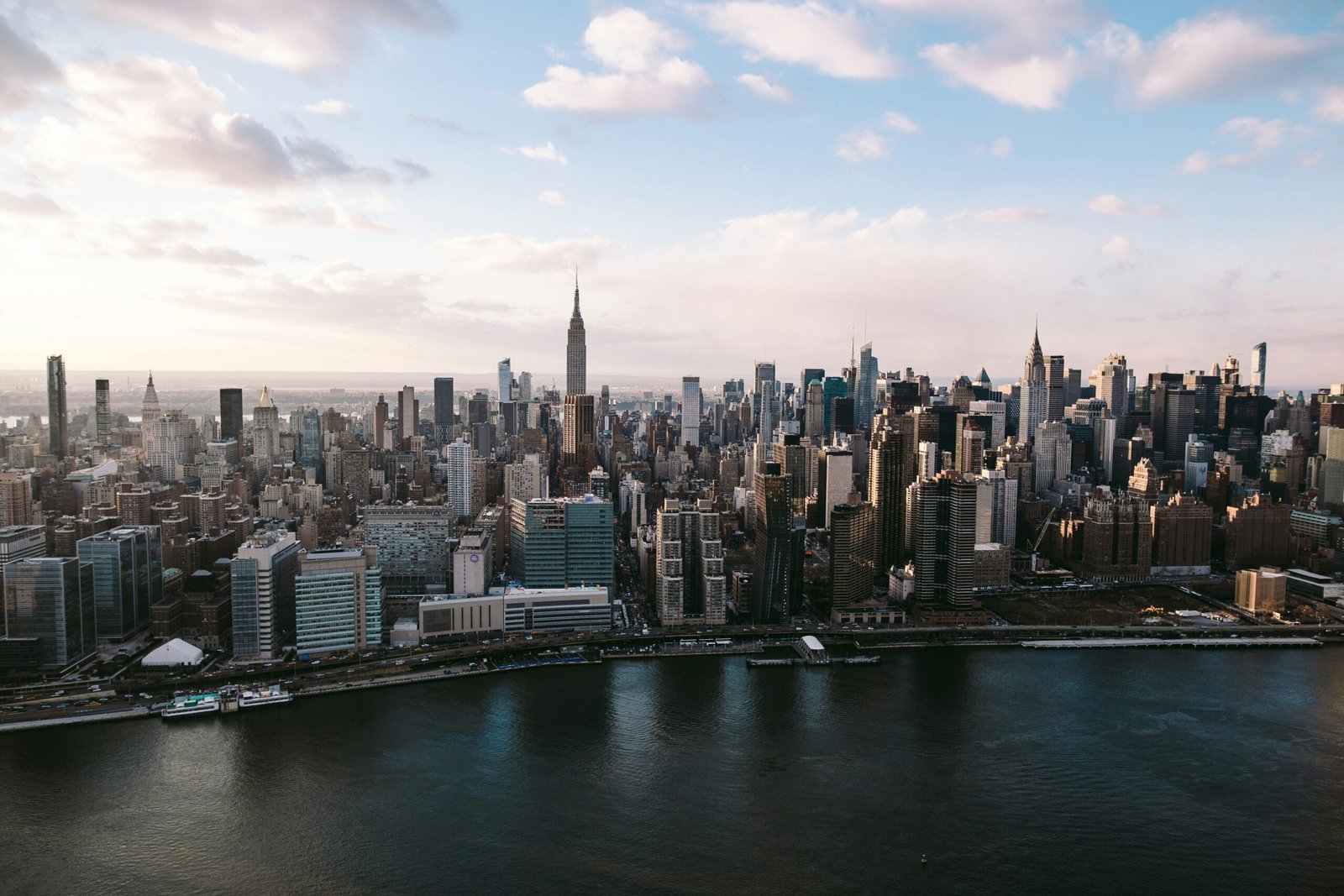
They go from overwhelming to nearly non-existent. Places like the Las Vegas Strip, New York's Times Square, or Toronto's CN Tower see a dramatic drop in queue times starting mid-September and lasting until late May (excluding the Christmas/New Year corridor). You will walk right into restaurants that usually have two-hour waits.
The one drawback is that the "vibe" changes. Summer energy is high and social; off-season is more relaxed but also quieter. If you are looking for party beaches in Miami or rooftop bars in Montreal, late spring is better. But if you want to actually see the Liberty Bell without elbowing anyone or hike in the Smoky Mountains without a traffic jam, the off-season is your best friend.

NORTH AMERICA
North America offers diverse travel experiences, with its varied climates unlocking Deep Off-Season and Shoulder Season opportunities for savvy travelers.
This guide focuses on the USA and Canada, helping you find value and tranquility by understanding general seasonal tendencies for experiencing vibrant city life, national parks, and unique cultural events without peak season crowds.
Explore North America
Travelling Seasons
North America’s vastness means “off-season” varies by region. Embracing these climatic differences is crucial to discovering the continent’s quieter charm.
Winter (December – February): Deep Off-Season & Niche Peak
- Most of USA & Canada (Deep Off-Season): Expect cold temperatures and snow. This is the Deep Off-Season for many major cities (e.g., New York, Toronto), offering lower prices, fewer crowds, and a unique atmosphere. Ideal for indoor cultural events.
- Southern USA & Mountain West (Shoulder/Niche Peak): Regions like Florida and Arizona offer milder weather, becoming a shoulder or niche peak for those escaping northern winters. Some mountain ranges are peak for winter sports.
Spring (March – May): The Refreshing Shoulder Season
- This is a dynamic Shoulder Season. Temperatures rise, landscapes bloom, and national parks open, but visitor numbers are not at summer highs. Excellent for city exploration, hiking, and enjoying nature with fewer crowds and moderate prices.
Summer (June – August): Peak Season – Generally Excluded
- This is the peak travel period for most of the USA and Canada, especially popular for national parks, coastal areas, and major urban centers. Characterized by warm to hot weather, long days, and maximum crowds, this period is generally avoided by our app’s focus due to higher costs and congestion.
Autumn (September – November): The Scenic Shoulder Season
- A spectacular Shoulder Season. The weather is pleasant, with iconic fall foliage in many areas. Crowds diminish significantly after summer, and prices begin to drop, offering great value for city breaks, scenic drives, and outdoor activities.