 Skip to content
- Does The Monsoon Mean My Entire Asia Trip Will Be Washed Out?
No, not at all. The term "Monsoon" sounds scary, but it rarely means weeks of non-stop rain. Typically, you will experience a dramatic downpour for 1-3 hours in the late afternoon or evening, followed by clearing skies and stunningly fresh air. The mornings are often bright, sunny, and absolutely perfect for temple tours or street food crawls.
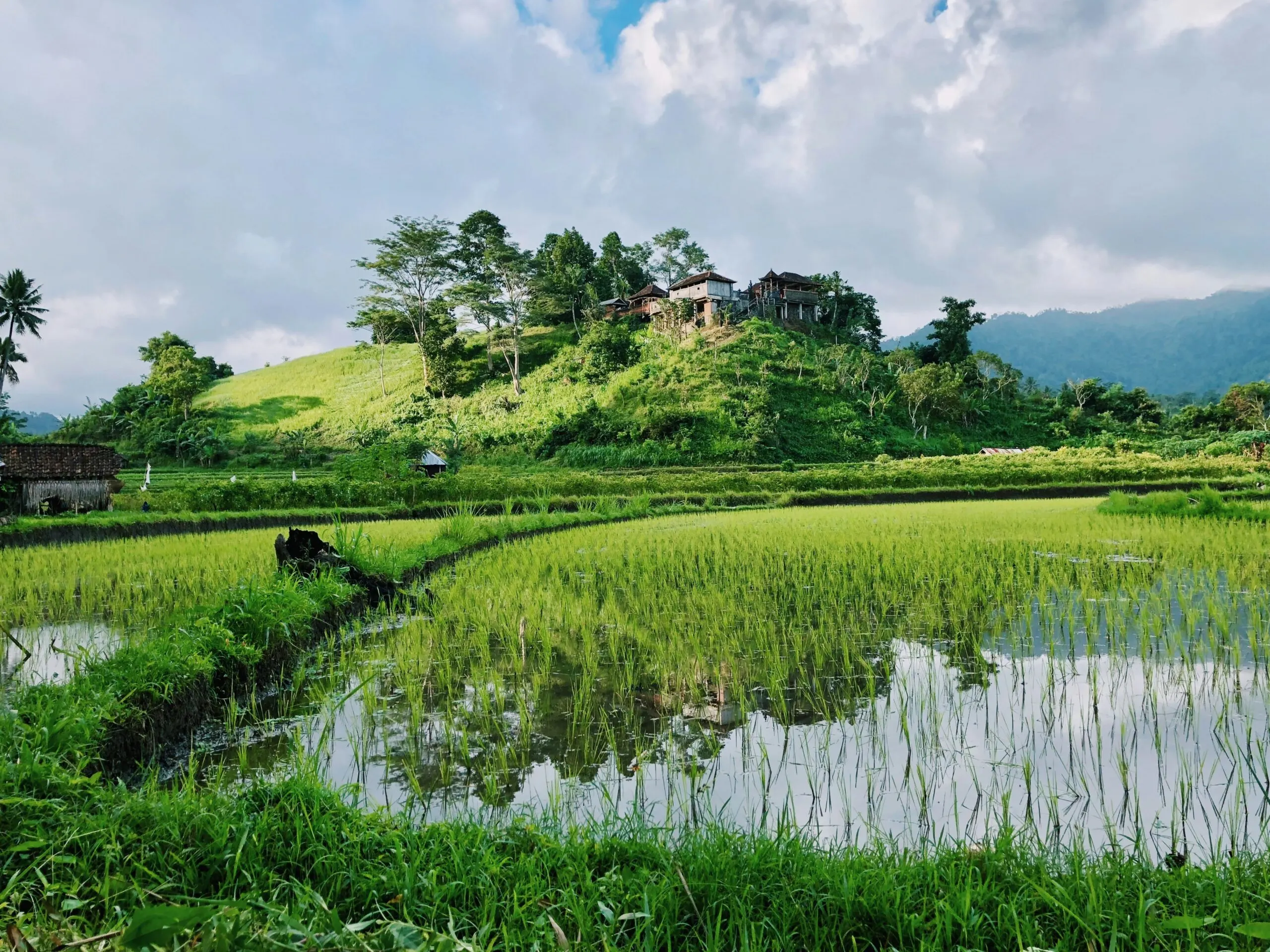
The upside is that rice paddies turn an almost electric shade of green, waterfalls become truly powerful, and you will pay 40-60% less for hotels. The drawdown is that beaches can have rough surf and reduced visibility for snorkeling.
- Will I Save Real Money On Flights And Hotels Across Southeast Asia?
Absolutely. This is where Exploit Travel Seasonality works like magic.Flights between regional hubs like Bangkok, Singapore, and Kuala Lumpur also see dramatic price drops because demand plummets.
However, you need to know your micro-seasons. The west coast of Thailand (Phuket, Krabi) gets rain from May to October, but the east coast (Koh Samui, Koh Phangan) peaks during those same months. Do your homework. The only real downside is that some speedboats to remote islands may reduce schedules, so always leave a buffer day.
- Are The Temples And Landmarks Like Angkor Wat And The Taj Mahal Empty?
They feel almost empty compared to high season, but "empty" is a relative term for world wonders. Visiting Angkor Wat during the low season (May to October) means you will still see other travelers, but you can actually hear the birds singing instead of a hundred tour guides shouting. Similarly, the Taj Mahal sees a massive drop in domestic tourists during India's summer heat (April to June).
The trade-off is real, however. In India, summer temperatures can hit 40-45°C (104-113°F), making midday exploration genuinely exhausting. In Cambodia, the heat is humid and sticky. The solution? Wake up at dawn, explore until 11 AM, then take a pool or air-conditioned nap until 3 PM. You will "hack" the heat and still see everything crowd-free.
- Is It True That Street Food Is Riskier To Eat During The Wet Season?
Not really, but you should be slightly smarter about your choices. The common myth is that rain brings more bacteria, but the real risk is that food left out in high humidity spoils faster. Reputable street stalls with high turnover (look for local queues) remain perfectly safe because they cook fresh constantly.
The actual drawdown is that sudden downpours can flood streets quickly in cities like Bangkok, Ho Chi Minh City, or Manila, making walking messy and taxis harder to find. However, this is also when you experience the cozy local ritual of sitting under an awning, sharing a hot soup, and watching the rain pound the pavement.
- Are Japan And South Korea Worth Visiting During The Rainy Season Or Summer Heat?
Yes, but only if you accept the humidity and plan indoor activities strategically. Japan's "Tsuyu" (rainy season) runs from early June to mid-July, and South Korea's "Jangma" is similar. You will definitely need a portable umbrella and good walking shoes. However, you will also experience lush, misty temple gardens that look like ink paintings, and virtually zero crowds at major sites like Kyoto's Kinkaku-ji or Seoul's Gyeongbokgung Palace.
The heat in August across both countries is oppressive for hiking mountains, but it is perfect for summer festivals (matsuri), fireworks, and cold noodle dishes. The only real off-season "loser" is skiing—don't come in July expecting Hokkaido powder.

ASIA
Asia, a continent of vast diversity, offers virtually limitless “off-season” opportunities across its many regions year-round. From serene temples to vibrant autumn foliage or mild winters, authentic and value-rich experiences await.
This guide will help you understand Asia’s general seasonal patterns across its key sub-regions. Prepare to discover the best Deep Off-Season and Shoulder Season travel times, allowing you to immerse yourself in Asia’s diverse cultures and landscapes without peak season crowds or prices.
Explore Asia
Travelling Seasons
Asia’s climate is highly varied, influenced by monsoons, mountain ranges, and its vast latitudinal spread. Off-season travel here means understanding these regional nuances.
Southeast Asia (e.g., Thailand, Vietnam, Cambodia, Laos, Malaysia, Indonesia, Philippines):
- Dry Season (Generally November – February/March): This is the Peak Season for much of mainland Southeast Asia, with pleasant, dry weather. Prices are higher and crowds are larger.
- Shoulder Season (March – May & October – November): Fewer crowds and better value as temperatures can be hot or the rainy season is concluding.
- Wet/Monsoon Season (June – September/October): Deep Off-Season with frequent heavy rainfall, but lush landscapes, full waterfalls, significantly lower prices, and quieter tourist sites. Specific islands may have inverted seasons.
East Asia (e.g., Japan, South Korea, China, Taiwan):
- Winter (December – February): Deep Off-Season for urban/cultural travel due to cold and snow (except ski resorts). Cities are quieter with lower prices.
- Spring (March – May): Prime Shoulder Season with mild temperatures and blooming landscapes (can be crowded during peak blossom).
- Summer (June – August): Peak Season with hot, humid, and often rainy weather, especially in coastal areas and cities. Generally avoided for off-season focus.
- Autumn (September – November): Excellent Shoulder Season with pleasant temperatures, stunning fall foliage, and reduced crowds.
South Asia (e.g., India, Nepal, Sri Lanka, Bhutan):
- Winter (October – March): Often the Peak Season for comfortable temperatures, especially in India’s plains.
- Shoulder Season (March – April & September – October): Offers opportunities with blooming landscapes before intense heat or lush scenery post-monsoon before peak crowds.
- Monsoon Season (June – September): Deep Off-Season with heavy rainfall and high humidity. Prices are lowest, and some regions offer unique lush experiences.
Central Asia (e.g., Uzbekistan, Kazakhstan, Kyrgyzstan, Tajikistan, Turkmenistan):
- This region has a continental climate with hot summers and cold winters.
- Spring (April – June) & Autumn (September – October): Primary Shoulder Seasons with mild temperatures, ideal for exploring Silk Road cities and trekking.
- Summer (July – August): Deep Off-Season for desert/city areas due to extreme heat (but peak for high-altitude trekking).
- Winter (November – March): Deep Off-Season with cold and snow, but cities offer quieter, local experiences.