 Skip to content

- What Is The Weather Really Like During Palawan’s Shoulder Season?
Think of it as nature’s way of keeping the island lush and dramatic for you. You will experience sunny mornings with brief tropical afternoon showers that actually cool down the humidity.
The trade-off is slightly choppier seas than the glassy peak season conditions. However, you will see limestone cliffs sprouting temporary waterfalls that dry up in summer, offering a unique photo op you cannot get in high season.
- How Much Can I Save On Hotels And Tours In The Off-Season?
You can save between 30% and 50% on most accommodation and boat charters compared to peak months. Many tour operators lower prices significantly, meaning you can afford a private boat for the same price as a group tour in December.
The drawdown is that some budget hostels might close briefly for renovation. But resorts that stay open often upgrade your room for free, giving you a higher standard of stay for a lower percentage of the cost.
- Is It Difficult To Get Around Palawan Without Peak Season Ferry Schedules?
No, transportation remains reliable, but add a little patience to your itinerary. Major ferries still run daily, just with reduced frequency from five departures to two or three.
The positive twist is that nothing sells out, so buying tickets on the day of travel is stress-free. You lose the rigid timetable of high season but gain the freedom to sleep in and book your van an hour before departure.
- Will The Underground River And Big Lagoon Be Too Crowded For Comfort?
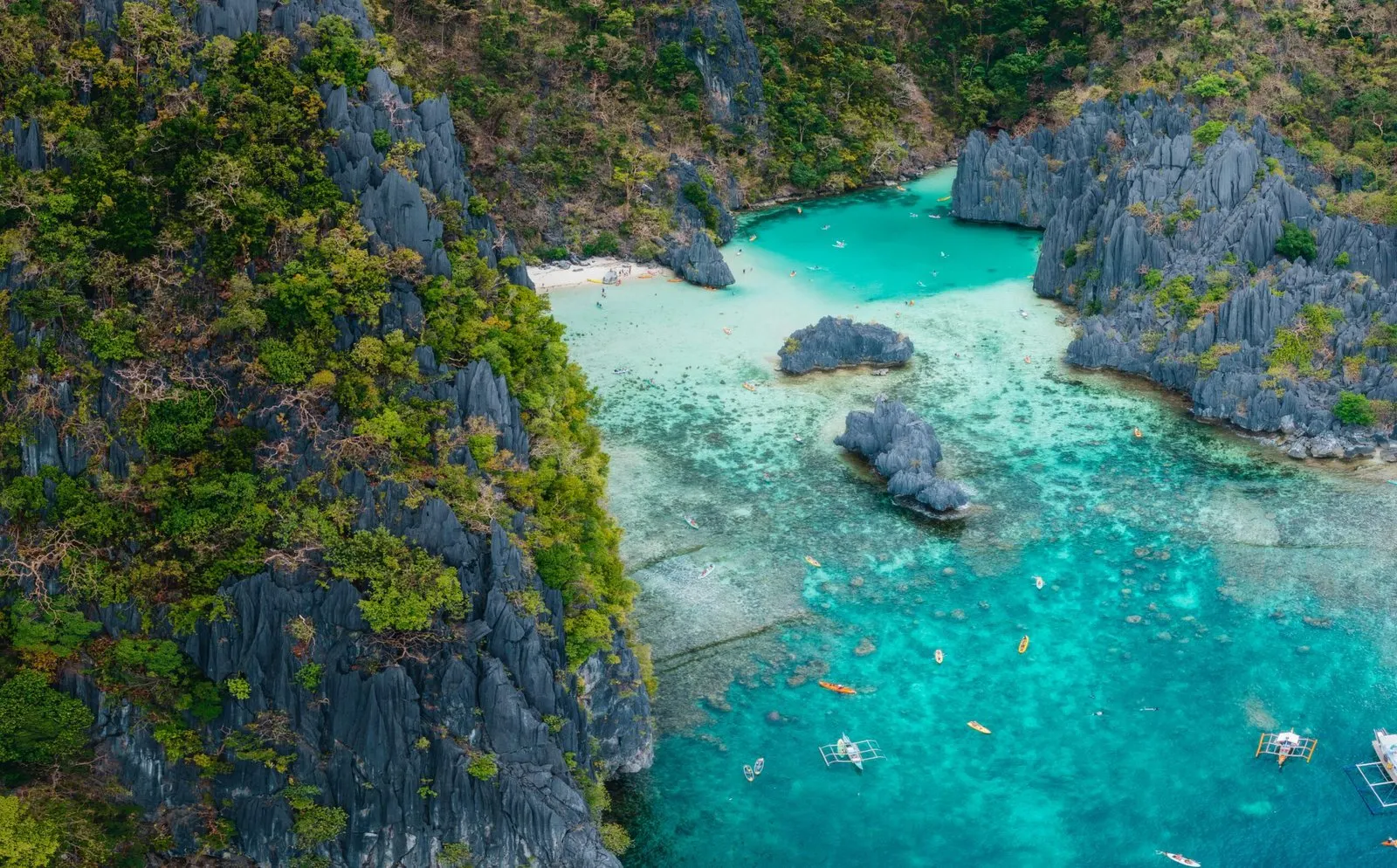
You will find those famous spots surprisingly peaceful. The daily visitor cap for the Underground River is rarely reached, cutting wait times from two hours to roughly twenty minutes.
The surface-level downside is that heavy storms might temporarily suspend lagoon access for safety. But you simply wait a day and return to find the lagoon almost entirely reserved for you and just a handful of other boats.
- Are There Any Months When Palawan Is Simply Too Wet To Enjoy?
Honestly, no. Even at the height of rainy season, you typically get six hours of strong sunshine before an evening downpour cleans the streets.
The only real challenge is that scuba diving visibility can drop after a big storm. But for snorkeling and exploring the surface, the cooler temperatures and 40% discounts on luxury resorts more than compensate for an occasional gray sky.

Home > Exploit The Seasons > Seasonal World Map > Asia > Philippines > Palawan
PALAWAN
Skip the postcard crowds and discover Palawan’s secret rhythm: limestone karsts reflected in empty lagoons, village fiestas without the tour buses, and island-hopping with only the fish for company. Your paradise awaits—minus the price tag.
Smart Travel Calendar
Shoulder Season
Your Smartest Windows
November (Pre-Christmas Calm)
Late May to Early June (Post-Summer Lull)
Avoid: Holy Week (March/April) – The entire Philippines travels during “Semana Santa”; Puerto Princesa hotels sell out months in advance, and Underground River tours become impossible to book.
What the Sky Does
Warm & Manageable: Temperatures range from 26°C to 31°C (79°F to 88°F) during shoulder windows.
November’s Relief: The Northeast monsoon starts to blow, sweeping away humidity and bringing clear skies perfect for sunset cruises.
Late May Showers: The first “habagat” rains appear—short afternoon downpours that cool the air and vanish by dinner.
Low Typhoon Risk: Unlike the eastern Philippines, Palawan sits in a “typhoon shadow”—most storms miss it entirely.
How Empty It Feels
30-40% fewer tourists than the Christmas/New Year rush.
Puerto Princesa: Relaxed pace – the Underground River waiting area has seats available without a 2-hour queue.
El Nido & Coron: Quiet lagoons – you can kayak through Big Lagoon without bumping into ten other kayaks.
Snake Island (El Nido): You’ll find sandbar seating – no need to claim a spot at 7 AM.
What You’ll Save
20-35% off peak-season hotel rates – a beachfront cottage in El Nito drops from $100 to $65.
Flight deals from Manila to Puerto Princesa (PPS) or Busuanga (USU) – round trips for as low as $70.
Tour discounts – Underground River and Honda Bay tours often have “walk-in” rates lower than pre-booked peak prices.
Motorbike rentals drop to $10-12 per day instead of $20.
The Secret Perk
Balayong Festival (March): Puerto Princesa’s “Cherry Blossom Festival” – the city turns pink with Palawan cherry trees in full bloom.
Seafood Festival (April): Fresh-off-the-boat lobsters, crabs, and prawns at local prices along the Baywalk.
Firefly Watching (Iwahig River): The wetter months mean darker skies and more magical displays—best from November to December.
Golden Hour Light: The shoulder season haze softens the harsh tropical sun, painting the limestone cliffs in warm, photographable tones.
The Tiny Trade-Off
The Heat in May: Late May can feel like an oven (31°C+ with humidity) – midday island-hopping is punishing without shade.
Rough Seas Risk: Early June can still bring sudden squalls that cancel boat tours to remote beaches like Darocotan.
Restaurant Closures: Some family-run eateries in El Nido close for a week in November for annual holidays.
Underground River Wait: Even in shoulder season, the tour remains popular – book permits at least 3 days ahead.
Smart Traveler Tip
Target the “Transition Weeks”: The last week of May or the first week of November offer the best balance of dry weather and low prices before holiday spikes.
Fly Midweek: Tuesday and Wednesday flights to PPS or USU are consistently 20% cheaper than weekend departures.
Book Underground River EARLY: Permit allocations are limited even in shoulder season – reserve via accredited tour operators online.
Deep Off-Season
Your Smartest Windows
June to October (The Habagat Monsoon)
Avoid: August to September (Peak Typhoon Season) – While Palawan is sheltered, severe storms can still cause flight cancellations and rough seas. Monitor the weather forecast closely.
What the Sky Does
Wet & Humid: Average temps sit at 24°C to 30°C (75°F to 86°F) , but humidity bumps up to 80%+.
Short and Heavy Downpours: Rain usually arrives in 1-2 hour bursts in the afternoon, leaving mornings clear for activities.
The “Palawan Shadow”: The island’s western location means it receives less rain than Luzon or Visayas—September averages 200mm vs. 400mm in Manila.
Calmer Mornings: Boat tours often run as usual if rain holds off until after lunch; flexibility is key.
How Empty It Feels
50-60% fewer tourists – it feels like the islands are on pause.
Underground River: Walking straight onto boats – no 3-hour queues, no crowded waiting sheds.
El Nido’s Taraw Cliff: Solo hikes – you might be the only climber at the viewpoint.
Coron’s Kayangan Lake: Eerily quiet – the famous “Instagram platform” has no line.
What You’ll Save
Waterfalls in Full Force: Nagkalit-kalit Falls (El Nido) and Estrella Falls (Puerto Princesa) thunder with intense water volume—perfect for swimming.
Baragatan Festival (June): Puerto Princesa’s biggest cultural celebration—street parades, tribal dances, and a massive “fiestahan” with free food.
Coron’s Maquinit Hot Spring: The rainy season chill makes soaking in the world’s only saltwater hot spring absolutely magical.
Tribal Festivals (August): The Tarek Festival showcases Palawan’s indigenous Batak and Tagbanua cultures—authentic and tourist-free.
Genuine Local Connections: With no crowds, boatmen and guides have time to share stories, teach you a few words of Cuyonon, and invite you to their village.
The Secret Perk
You get real Alsatian winter ritual: tarte flambée by a ceramic stove after a snowy walk.
Ski or snowshoe on the cheap at Le Tanet or Lac Blanc (€15 lift passes).
Learn to make bredele (Christmas cookies) with a retired village baker.
January truffle markets in hidden valleys – no tourists, just farmers.
Locals invite you for vin chaud because you’re the only traveler they’ve seen in days.
The Tiny Trade-Off
Canceled Boat Tours: Island-hopping to remote spots like Malcapuya Island (Coron) may be suspended during rough seas.
Limited Nightlife: El Nido’s beach bars close early or move indoors – the famous Sava Bar can feel deserted.
Restaurant Rotation: Some smaller eateries in Sabang (Underground River area) shut down entirely from July to August.
Shorter Daylight: Sunsets come earlier (5:30 PM vs 6:30 PM), but that just means more time for dinner.
Smart Traveler Tip
Go East for Shelter: If storms hit the west coast (El Nido, Puerto Princesa), head to Coron – it’s sheltered by Busuanga Island and often stays clear.
Travel Insurance is NON-NEGOTIABLE: Buy coverage that includes “trip interruption due to weather” – it’s cheap ($20-30) and invaluable during monsoon season.
Pack for Both: Bring a waterproof dry bag, quick-dry clothes, and water shoes – but don’t forget swimwear for morning sunshine.
Avoid Long Weekends: August’s National Heroes’ Day (last Monday) sees domestic tourist spikes even in rainy season – book ahead if traveling then.
Find Off-Peak Flights
Top Off‑Season Stays
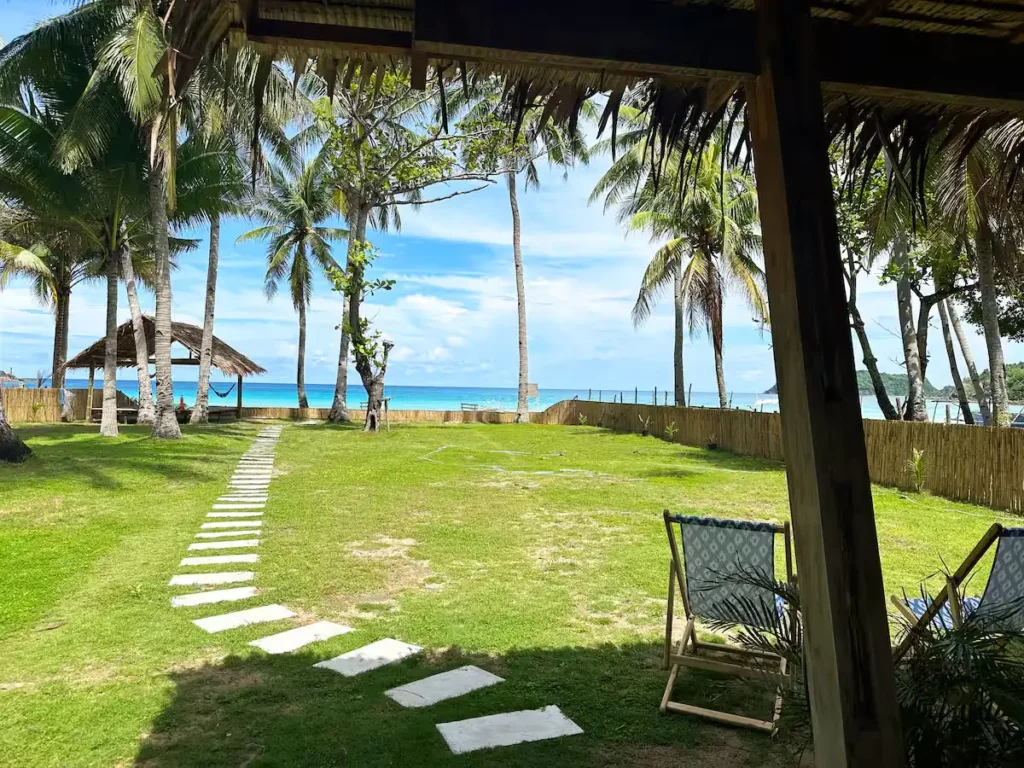
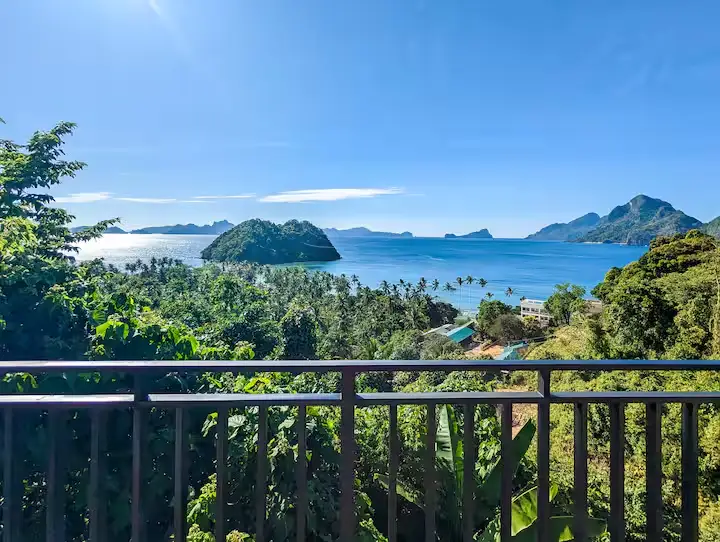
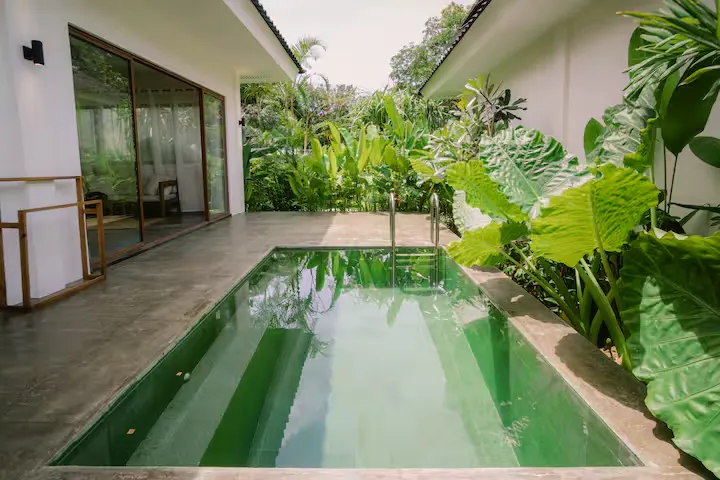
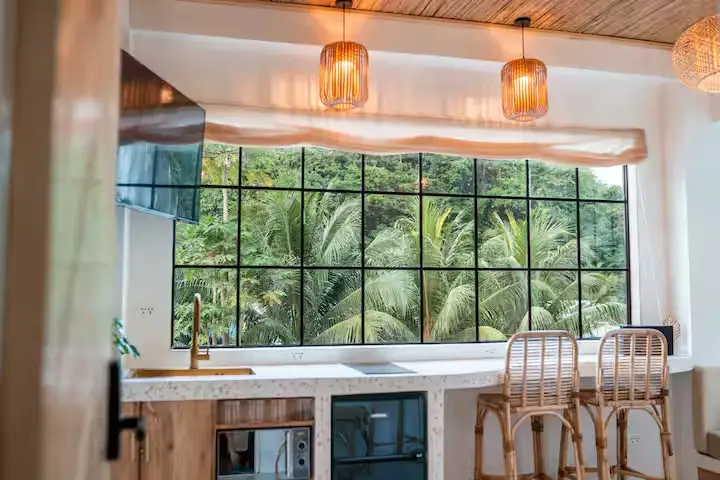
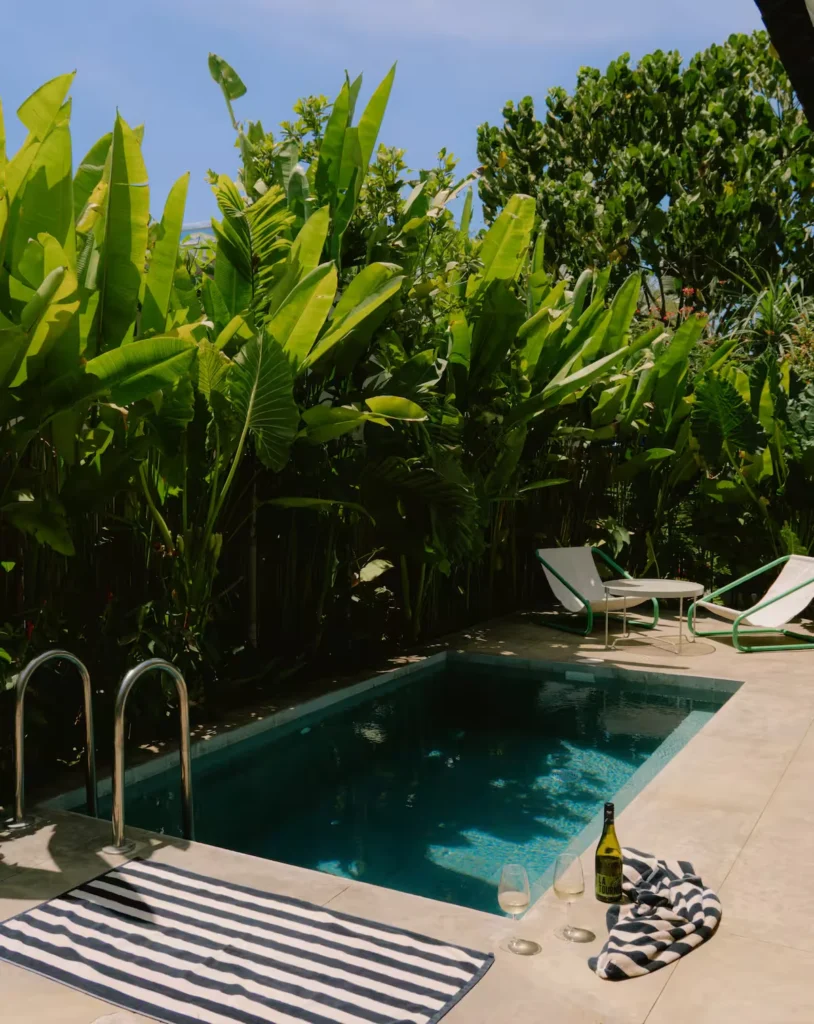
Find below our curated selection of boutique hotels and design apartments that offer exceptional value, atmosphere, and comfort during the off‑season — often at significantly lower rates than peak months.
Uncrowded Experiences & Tours
Skip the lines and experience iconic landmarks at your own pace. Discover curated local tours and cultural activities designed to show you the authentic side of the destination without the peak-season rush.
Handy Tips
Weather & Climate
Palawan has a tropical climate. The dry season is typically from November to May, while the wet season runs from June to October. Temperatures are consistently high year-round, ranging from 25ºC to 32ºC.
Local Customs And Etiquette
Language: The official language is Filipino (Tagalog), but English is widely spoken, especially in tourism areas. You’ll also hear local languages like Cuyonon.
Respect: Always be respectful of the indigenous Palaw’an communities and their traditions. Ask permission before taking photos of people.
Tipping: Tipping is not mandatory but is appreciated for good service in restaurants, by tour guides, and by drivers.
Budgeting For Your Trip
Accommodation: Hostels ($10–$25), mid-range hotels/guesthouses ($40–$80), luxury resorts ($100+). Prices are highest in El Nido and Coron.
Food: Street food/local carinderia meal ($2–$5), dinner at a mid-range restaurant ($10–$20 per person), fine dining ($30+).
Transport: Tricycle/jeepney short trip ($0.50–$2), van transfer between towns ($10–$15), boat charter (negotiable).
Activities: Island-hopping tours ($20–$35 per person, including lunch), diving day trip ($80–$120).
Daily Budget:
- Budget: $40–$70 (hostels, local food, public transport/tricycles).
- Mid-range: $80–$150 (guesthouses/hotels, restaurant meals, organized tours).
- Luxury: $180+ (boutique resorts, private tours, fine dining).
Getting Around
By Boat: The essential mode of transport for island hopping and inter-island travel (ferries). Always check weather conditions before travel.
By Van: Air-conditioned vans are the most common and efficient way to travel long distances on the main islands, such as between Puerto Princesa and El Nido.
By Tricycle: The main form of short-distance public transport within towns and cities. Always agree on the fare before you start the ride.
Must-Try Food
Tamilok (Tamm-ih-lok): A local delicacy, often called a “woodworm” (it’s actually a mollusk), eaten raw with vinegar, salt, and chili.
Crocodile Sisig: Minced crocodile meat (farm-raised) seasoned with onions, chili, and citrus, typically served on a sizzling plate.
Kinilaw (Kee-nee-lao): The Filipino version of ceviche, made from raw fish cured in vinegar, ginger, onions, and chili.
Lato Seaweed: A type of local grape-like seaweed, often served as a refreshing salad with vinegar and tomatoes.
Chicken Inasal (In-ah-sahl): Grilled chicken marinated in a mixture of vinegar, calamansi, pepper, and annatto oil, a staple in the Visayas region but widely available.
Danggit Lamayo: Semi-dried rabbitfish, marinated in vinegar and spices before being lightly fried—perfect for breakfast.
Nido Soup: A clear, thick bird’s nest soup, a prized and expensive local specialty, especially in El Nido.
Fresh Seafood: Grilled fish, prawns, and squid are staples, often prepared simply with garlic and butter.
Leche Flan (Letch-eh Flan): A creamy, smooth custard dessert topped with soft caramel, a Filipino classic.
Halo-Halo (Hah-low-Hah-low): A famous Filipino cold dessert with a mixture of shaved ice, evaporated milk, sweet beans, fruits, jellies, and ice cream.
Must-Try Drinks
San Miguel Pale Pilsen/Light: The most popular local beer in the Philippines, available everywhere.
Tanduay Rum: One of the world’s best-selling rums, excellent for mixing or enjoying on the rocks.
Red Horse Beer: A stronger, higher-alcohol lager, popular among locals.
Calamansi Juice: The juice of the native calamansi citrus fruit, served either hot or cold, similar to limeade.
Buko (Bu-koh) Juice: Fresh young coconut water, served directly from the coconut, incredibly refreshing.
Sago’t Gulaman (Sah-go’t Goo-lah-mahn): A sweet, cold drink with tapioca pearls (sago), jelly cubes (gulaman), and a brown sugar syrup (arnibal).
Lambanog: A traditional Filipino distilled palm liquor, usually made from coconut sap, known for its high alcohol content.
Iced Tea: Sweet iced tea is a common beverage served at many restaurants.