 Skip to content

- What Is The Shoulder Season Weather Like For Taal Volcano And Pagsanjan Falls?
Expect sunny mornings perfect for outdoor adventures followed by brief afternoon showers that cool down the humidity. You will still get plenty of time for hiking and waterfall chasing before any rain arrives, usually after lunchtime.
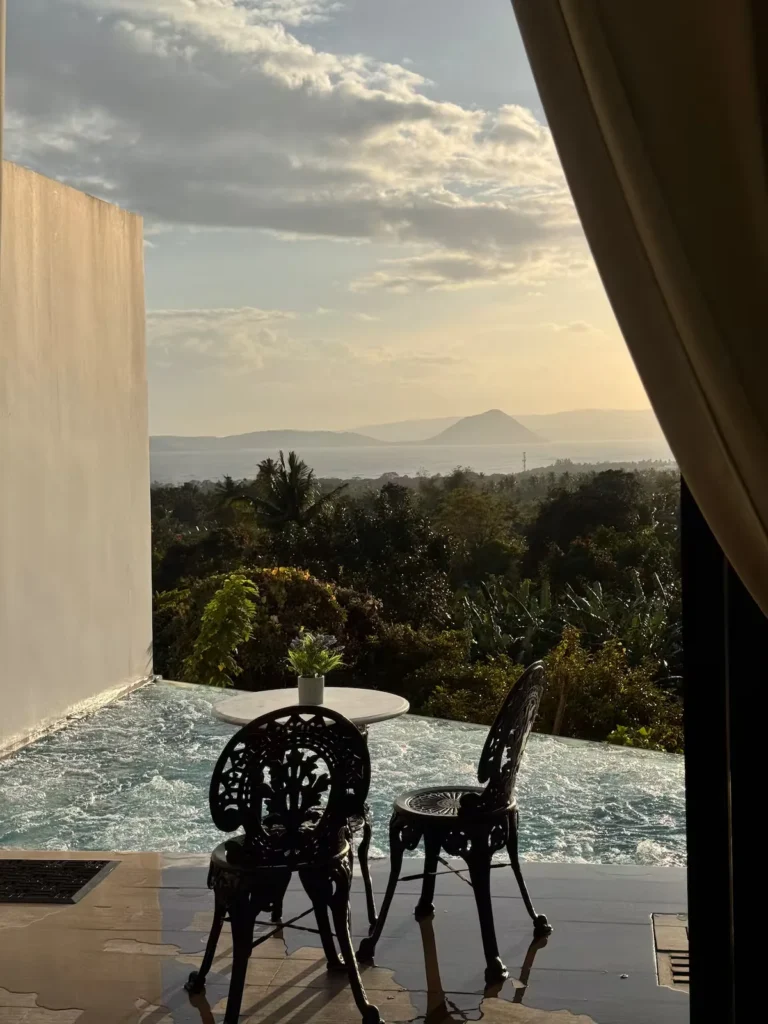
The trade-off is that Taal Volcano's crater views might be hazy rather than crystal clear. However, this is when Pagsanjan Falls and Hidden Valley Springs flow at their most powerful, giving you a more dramatic and memorable experience than the dry season ever could.
- How Much Can I Save On Batangas Beach Resorts And Laguna Hot Springs?
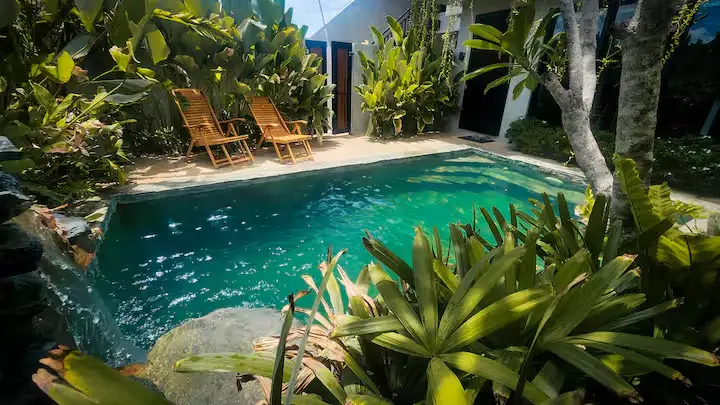
You can save between 35% and 55% on private resort pools and beachfront villas compared to peak summer weekends. Even popular dive spots in Anilao and Laiya slash their package rates significantly just to keep rooms occupied.
The drawdown is that some smaller hot spring resorts in Laguna might close midweek for maintenance. But the larger properties that stay open often upgrade your cottage or offer free use of kayaks, giving you better amenities for a much lower percentage of the standard price.
- Is Hiking To Mount Makiling And Mount Banahaw Still Safe During Off-Season?
Yes, but you need to check local conditions before heading out. The trails remain open and actually become greener and more photogenic, though they can get muddy after several days of rain.
The honest upside is that you will share the trail with 80% fewer hikers compared to dry season weekends. You lose the dust-free paths of summer but gain cooler temperatures and the magical sight of mist-covered rainforests that photographers dream about capturing.
- Will The Villa Escudero Coconut Plantation And Quezon Food Tours Be Ruined By Rain?
Not at all, and in fact, the rain makes the famous waterfall restaurant experience even more authentic. Dining at the Labasin Falls while water flows around your feet is enjoyable whether the sun is out or clouds are overhead.
The only real challenge is that the carabao cart ride might be rescheduled during heavy downpours. But the indoor cultural shows and the massive buffet of Filipino classics happen under a sturdy roof, so your food adventure continues without interruption.
- Is Calabarzon Worth Exploring During The Rainier Months For A Weekend Trip?
Absolutely, especially if you love waterfalls, hot springs, and empty heritage sites. Even during wetter periods, you typically get five to six hours of morning sunshine before any serious afternoon rain arrives.
The honest downside is that boat rides to Pagsanjan Falls might stop briefly during lightning storms. But for soaking in Laguna's steaming pools, touring Antipolo's churches, and eating your weight in bulalo and lomi, the 45% accommodation discounts and lack of crowds make the shoulder season a seriously smart choice.

Home > Exploit The Seasons > Seasonal World Map > Asia > Philippines > Calabarzon
CALABARZON
Calabarzon wears two faces—summer weekends gridlocked with Manila escapees, off-season secrets waiting in misty mountains and empty coves. Time your visit between the crowds and discover where Filipinos go when they need a real break.
Smart Travel Calendar
Shoulder Season
Your Smartest Windows
Late May to June (Post-Summer Lull)
November (Pre-Christmas Calm)
Avoid: Holy Week (March/April) – Calabarzon becomes the Philippines’ most congested region. Expect 6+ hour drives from Manila to Batangas, fully booked resorts , and police assistance hubs at every major intersection .
What the Sky Does
Warm to Hot: Temperatures range from 26°C to 34°C (79°F to 93°F) during shoulder windows .
Late May Transition: The first “habagat” rains begin—short afternoon downpours that cool the heat and vanish by dinner. May averages 121mm rain .
November’s Fresh Breeze: The Northeast monsoon brings cooler, less humid air—perfect for hiking Taal Volcano’s crater or strolling Tagaytay’s ridge. November averages 88mm rain over 14 days .
June’s Silver Lining: June has 30 rainy days on paper, but mornings are often clear—perfect for early beach trips before afternoon showers .
How Empty It Feels
30-40% fewer tourists than Holy Week or Christmas.
Tagaytay City: Breathable – Weekday visits to Sky Ranch have no queues; you can actually find parking at popular restaurants.
Batangas Beaches (Nasugbu, Laiya): Relaxed coves – beachfront rooms have availability; you can hear waves instead of karaoke.
Pagsanjan Falls (Laguna): Short wait – boatmen are available immediately, not with a 2-hour list.
What You’ll Save
20-35% off peak-season hotel rates – a beachfront resort in Laiya drops from $120 to $80.
Flights not applicable (most visitors drive from Manila), but rental cars are 25% cheaper with easy availability.
Attraction fees remain the same, but you avoid “peak season surcharges” at private resorts.
Dining – popular Tagaytay restaurants (Bulalo capital!) have no weekend waitlists; walk straight in.
The Secret Perk
Pahiyas Festival (May 15, Lucban, Quezon): Houses decorated with vibrant “kiping” (rice wafers) and vegetables – one of the Philippines’ most photogenic festivals .
May 1 (Feast of St. Joseph the Worker): Various towns hold local fiestas with processions and free food – authentic, not tourist-oriented.
Undas (November 1-2): Cemeteries glow with candles as families honor ancestors – a uniquely Filipino cultural experience.
Golden Hour at Taal Lake: The shoulder season haze softens the harsh sun, making the volcano’s reflection on the water photograph perfectly.
Flower Season in Rizal: Masungi Georeserve and Pinto Art Museum’s gardens bloom beautifully in late May.
The Tiny Trade-Off
The May Heat: Late May can hit 34°C with humidity – daytime outdoor activities require planning.
June’s Rain Risk: You might get a full day of rain if a low-pressure system forms – have indoor backup plans.
Limited Nightlife: Beach bars in Batangas quiet down considerably after the summer crowds leave.
Tricky Waterfalls: Heavy rain can turn Pagsanjan Falls’ gorge dangerous – tour operators may cancel on short notice.
Smart Traveler Tip
Target the “Weekday Window”: Shoulder season is great, but weekends still bring Manila day-trippers. Book Tuesday-Thursday for true tranquility .
May 15 for Pahiyas: Book accommodation in Lucban or nearby Tayabas months in advance – this festival draws huge crowds despite being shoulder season .
Holy Week AVOIDANCE Rule: If your trip overlaps Holy Week, do not attempt Calabarzon – stay in Metro Manila or fly to less crowded islands .
Deep Off-Season
Your Smartest Windows
July to October (The Habagat Monsoon)
Avoid: December 24 – January 2 (Christmas & New Year) – Calabarzon becomes Manila’s holiday escape valve; resorts fill up, and the SLEX (South Luzon Expressway) becomes a parking lot.
What the Sky Does
Wet & Humid: Temperatures sit at 24°C to 31°C (75°F to 88°F) , but humidity pushes 85% .
Heavy Downpours: Rain arrives in 1-3 hour afternoon bursts – August is the wettest month (297mm average rainfall) followed by July (283mm) .
The Rizal Highlands: Antipolo and Tanay actually stay cooler (23-28°C) and less humid due to elevation.
Typhoon Risk: August and September are peak “Bagyo” months – monitor PAGASA forecasts before booking Batangas beach trips.
How Empty It Feels
50-60% fewer tourists – the region takes a collective breath.
Tagaytay: Genuinely peaceful – People’s Park in the Sky and Picnic Grove feel abandoned on weekdays.
Taal Heritage Town: Private time – you might be the only visitor at Basilica de San Martin de Tours .
Batangas Beaches: Almost deserted – Anilao dive resorts report 70% lower occupancy .
Pagsanjan Falls Boat Ride: Immediate departure – no waiting list, just pick your boatman.
What You’ll Save
40-60% savings compared to Holy Week or Christmas .
Hotels: Tagaytay’s best ridge-view hotels drop to $40-60/night versus $100-150 in peak season .
Resort packages: Batangas beach resorts offer “rainy day” promos – 3D2N stays with meals for under $100 per person.
Car rental – daily rates drop 40%; rental agencies are desperate for customers.
Private pools (Rizal, Cavite): Day-use rates at private resorts drop by half – you can book an entire pool for your group.
The Secret Perk
Coconuts and Mangoes in Season: July-September is harvest time for Batangas’ famous “Lobo” coconuts and Laguna’s sweet mangoes .
Hidilyn Diaz Muscle Museum (Zambales adjacent, but CALABARZON has weightlifting hub): Explore indoor museums without crowds.
Cozy Tagaytay Coffee Shops: The rain and fog make sipping hot “barako” (Batangas liberica coffee) at Bag of Beans or Café Vaskin absolutely perfect .
Masungi Georeserve (Rizal): The rainy season means fewer visitors and lush, Jurassic-Park-like greenery – just bring a raincoat for their conservation trails .
Indoor Cultural Immersion: Explore Casa de Segunda (Batangas) or the Leon Gallery (Antipolo) on rainy afternoons.
Local Fiestas (September): San Mateo, Rizal’s feast of St. Matthew includes a unique “Kariton” (decorated cart) parade – no tourists, all locals.
The Tiny Trade-Off
Cancelled Beach Days: Boat tours to islands off Batangas (e.g., Fortune Island) may be canceled during rough seas.
Tagaytay Fog: Thick fog can completely obscure Taal Volcano views for days at a time – check webcams before driving up.
Limited Restaurant Hours: Some family-run eateries in heritage towns (Taal, Lucban) close on slow rainy weekdays.
Slippery Trails: Hiking Mt. Maculot (Batangas) or Mt. Daraitan (Rizal) becomes muddy and treacherous – not recommended for beginners.
Pagsanjan Danger Zone: The boat ride through the gorge can be too dangerous during high water levels – operators shut down entirely.
Smart Traveler Tip
Go East (Real, Quezon) When West Rains: If Batangas and Tagaytay have relentless rain, head to Real or Infanta, Quezon – these eastern towns often catch sun while the west coast floods .
Travel Insurance is MANDATORY (July-September): Don’t skip coverage for “trip interruption due to weather” – it costs $20-30 and saves headaches .
Pack for Two Seasons: A dry bag, water shoes, and quick-dry clothes – but also swimwear for morning sunshine .
The “August is Empty” Code: August has the highest rainfall (297mm) but also the absolute lowest prices – use it for hotel stays and indoor Tagaytay escapes .
Weekday ONLY Rule: Even in rainy season, Saturdays bring Manila day-trippers to Tagaytay and Batangas. Visit Monday-Thursday for true solitude .
Find Off-Peak Flights
Top Off‑Season Stays
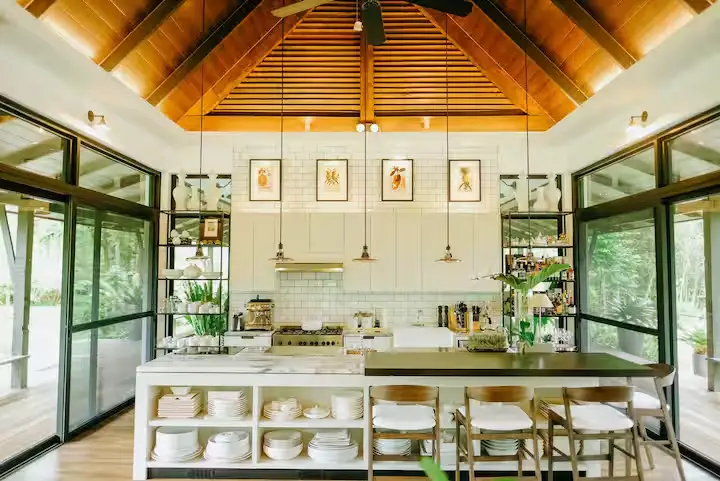
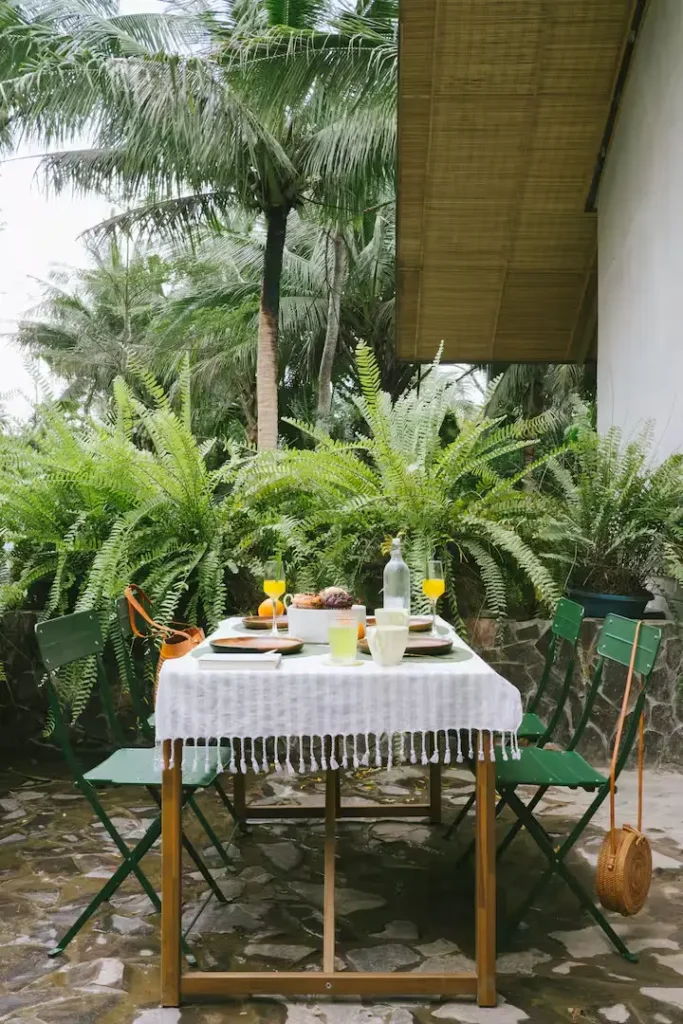
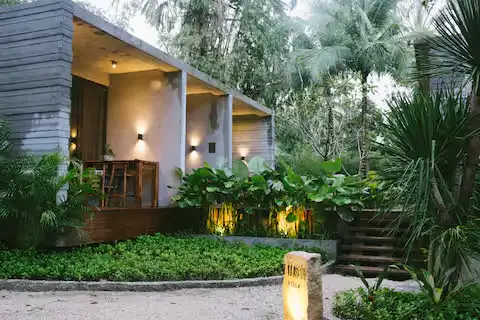
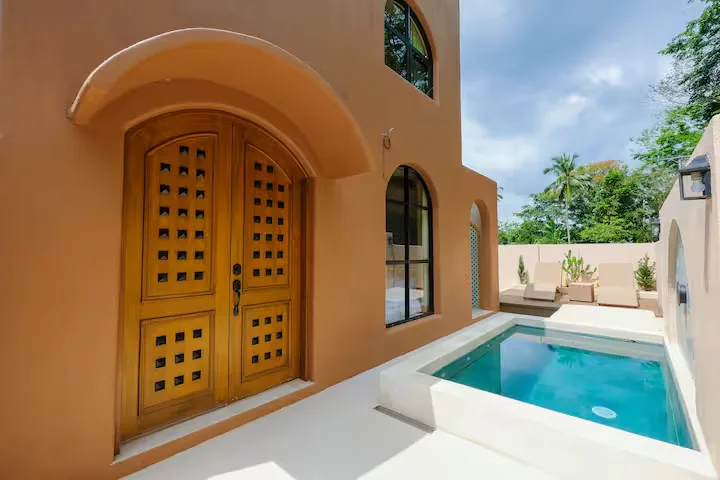
Find below our curated selection of boutique hotels and design apartments that offer exceptional value, atmosphere, and comfort during the off‑season — often at significantly lower rates than peak months.
Uncrowded Experiences & Tours
Skip the lines and experience iconic landmarks at your own pace. Discover curated local tours and cultural activities designed to show you the authentic side of the destination without the peak-season rush.
Handy Tips
Weather & Climate
The region has a tropical climate, generally hot and humid year-round, with two main seasons: the dry season (December–May) and the wet season (June–November). Temperatures usually range from 24ºC to 33ºC.
Local Customs And Etiquette
Language: Tagalog is the primary language spoken, with English widely understood, especially in commercial areas.
Hospitality: Filipinos are extremely warm and hospitable. Expect friendly greetings and an eagerness to help. Offering a small gift or treat is a nice gesture when visiting a local home.
Respect: Use the terms ‘Po’ and ‘Opo’ (a sign of respect) when speaking to elders or those in authority. Always accept food or drink when offered.
Budgeting For Your Trip
Accommodation: Hostels ($10–$25), mid-range hotels ($40–$70), luxury ($100+). Tagaytay and prime beach resorts will be on the higher end.
Food: Street food/local eatery meal ($2–$4), dinner at a mid-range restaurant ($8–$15 per person), fine dining ($30+).
Transport: Inter-city bus ($2–$10), jeepney/tricycle ride ($0.50–$2), private car rental ($40+/day).
Activities: Dive day trip ($50+), Taal Volcano guided hike ($15–$30), hot spring resort entrance ($5–$15).
Daily Budget:
- Budget: $40–$60 (hostels, local eateries, public transport).
- Mid-range: $70–$120 (mid-range hotels, restaurants, key attractions).
- Luxury: $150+ (resort stays, private tours, fine dining).
Getting Around
By Bus: An extensive and affordable network connects the provinces, particularly from Manila/NCR.
By Jeepney/Tricycle: These are the primary modes of transport within towns and cities. They are cheap but can be crowded. Always agree on the tricycle fare before the ride.
By Car: A private car or van rental is the most comfortable way to navigate, especially for sightseeing in Tagaytay or remote areas. Traffic can be very heavy.
Must-Try Food
Bulalo (boo-LAH-loh): A famous Batangas soup made from slow-cooked beef shanks and bone marrow, often served piping hot in Tagaytay.
Pancit Habhab: Lucban, Quezon’s local dry noodle dish, traditionally eaten without utensils by placing the noodles directly from the banana leaf wrapper into the mouth.
Lomi: A thick, savory noodle soup from Batangas, loaded with meat, vegetables, and thickened with egg.
Longganisa de Lucban: A garlicky, savory pork sausage from Lucban, distinct from other Philippine longganisa.
Adobo sa Dilaw: A unique version of adobo (meat cooked in vinegar and soy/salt) from Batangas that uses turmeric (dilaw) instead of soy sauce, giving it a yellow color.
Kinulob: A whole chicken dish from Tiaong, Quezon, cooked in a clay pot and often stuffed with bananas and local spices.
Puto Biñan: Soft, white, slightly sweet steamed rice cakes from Biñan, Laguna, often topped with cheese or salted egg.
Buko Pie: A sweet, creamy pie filled with tender young coconut meat, a famous pasalubong (take-home gift) from Laguna.
Espasol: A soft, cylindrical rice cake from Laguna, cooked in coconut milk and sprinkled with toasted rice flour.
Kalamay sa Ube: A sticky rice and coconut milk dessert infused with purple yam (ube), a specialty of some parts of Quezon.
Must-Try Drinks
Kapeng Barako: A strong, dark-roasted coffee bean variety, grown primarily in Batangas. It has a distinctive, pungent aroma and a kick.
Lambanog: A potent, traditional distilled coconut palm liquor, often called “coconut vodka,” produced mainly in Quezon.
Tuba: A mildly-alcoholic, naturally fermented palm wine made from the sap of coconut trees, often with a milky white appearance.
Sago’t Gulaman: A refreshing, non-alcoholic street drink made of tapioca pearls (sago), jelly cubes (gulaman), and a brown sugar syrup (arnibal) over crushed ice.
Buko Juice: Fresh coconut water served straight from the young green coconut, the perfect way to rehydrate in the tropical climate.