 Skip to content




- What Is The Weather Reality In Metro Manila During Shoulder Season?
Expect hot, humid mornings that give way to dramatic but brief afternoon downpours that actually clean the city air. The rain typically lasts one to two hours, after which the streets dry quickly and the evening feels noticeably fresher.
The trade-off is that flash flooding can occur in low-lying areas like Makati or Manila Bay during the heaviest storms. However, this is when indoor attractions like museums, malls, and food halls become absolute havens with 60% fewer tourists competing for space.
- What Percentage Discounts Can I Find On Manila Hotels In The Off-Season?
You can save between 30% and 50% on business district hotels in BGC, Makati, and Pasay compared to peak Christmas and summer months. Even luxury properties near the airport drop their corporate rates significantly to fill rooms on slower weekends.
The drawdown is that some budget hostels in backpacker areas might close temporarily for renovations. But the mid-range and upscale hotels that stay open often include free breakfast or late checkout, giving you better value for a much lower percentage of the standard price.
- Is Getting Around The Metro During Rainy Season A Nightmare?
It can be slower, but not a nightmare if you plan strategically. The MRT and LRT train systems continue running reliably, though you should avoid commuting between 3 PM and 6 PM when afternoon storms typically hit.
The honest upside is that ride-hailing apps like Grab become cheaper due to lower demand, and traffic actually improves slightly because fewer tourists are on the road. You lose the bone-dry convenience of summer but gain faster airport check-ins and empty restaurant reservations.
- Will Intramuros And National Museum Be Too Crowded To Enjoy?
No, you will find these cultural gems wonderfully peaceful during off-season weekdays. Visitor numbers to Fort Santiago and the National Museum of Fine Arts can drop by nearly 70%, meaning you can stare at a Juan Luna painting without anyone bumping into you.
The only real challenge is that outdoor walking tours of Intramuros might get rescheduled if lightning is present. But the covered colonial churches and museum interiors are fully dry, and you will have your guide's undivided attention with a smaller tour group.
- Is Metro Manila Worth Visiting During The Rainier Months For A City Break?
Absolutely, especially if you love indoor culture, world-class dining, and empty shopping malls. Even during wetter periods, you typically get six hours of usable morning sunshine before any serious afternoon rain arrives.
The honest downside is that rooftop bars and open-air attractions like the Manila Baywalk become less appealing. But for mall exploration in SM Mall of Asia, casino nights in Entertainment City, and food crawling through Binondo's covered Chinese restaurants, the 40% hotel discounts and lack of crowds make the shoulder season a genuinely smart move.

Home > Exploit The Seasons > Seasonal World Map > Asia > Philippines > Philippines Capital Region
NATIONAL CAPITAL REGION
Metro Manila never sleeps, but it does get cheaper. Skip the dry-season crowds and discover the capital’s rhythm—intimate museum tours, empty heritage walls, and traffic that actually moves, all without the peak-season price tag.
Smart Travel Calendar
Shoulder Season
Your Smartest Windows
March to May (Hot & Dry – Post-Peak)
November (Pre-Christmas Calm)
Avoid: Holy Week (March/April) – The entire metropolis empties as residents head to provinces, but those who stay face limited restaurant hours and some attraction closures.
What the Sky Does
Hot & Dry (March-May): Temperatures range from 28°C to 36°C (82°F to 97°F) – the city feels like an oven, especially in April and May .
November’s Fresh Breeze: The Amihan (Northeast monsoon) brings cooler, less humid air – perfect for walking tours of Intramuros .
May Transition: The first “habagat” rains appear in late May – short afternoon downpours that cool the concrete jungle.
Low Flood Risk: These months rarely see the severe flooding common from July to September.
How Empty It Feels
20-30% fewer tourists than the December-February peak.
Intramuros: Pleasant mornings – you can walk Fort Santiago’s walls without battling selfie sticks.
National Museum Complex: No queues – the three museums (Fine Arts, Anthropology, Natural History) have free admission and zero wait times .
Binondo (Chinatown): Local pace – food tour lines are shorter; you can actually hear your guide explain the history.
What You’ll Save
20-30% off peak-season hotel rates – a Makati business hotel drops from $100 to $70 .
Flights to NAIA (MNL) – post-Christmas and post-Sinulog demand drops significantly in February-March.
Grab rides – less surge pricing without the December shopping rush.
Dining – popular restaurants in BGC and Poblacion (Makati) have no waitlists; walk straight in.
The Secret Perk
Black Nazarene (January 9): If you time it right, witness one of the world’s largest religious processions – millions of devotees, unforgettable energy.
Chinese New Year (Jan/Feb in Binondo): The world’s oldest Chinatown erupts with lion dances, tikoy (sticky rice cake), and firecrackers.
Aliwan Festival (April/May): The country’s best street dance competitions come to Manila – a colorful spectacle without traveling to the provinces.
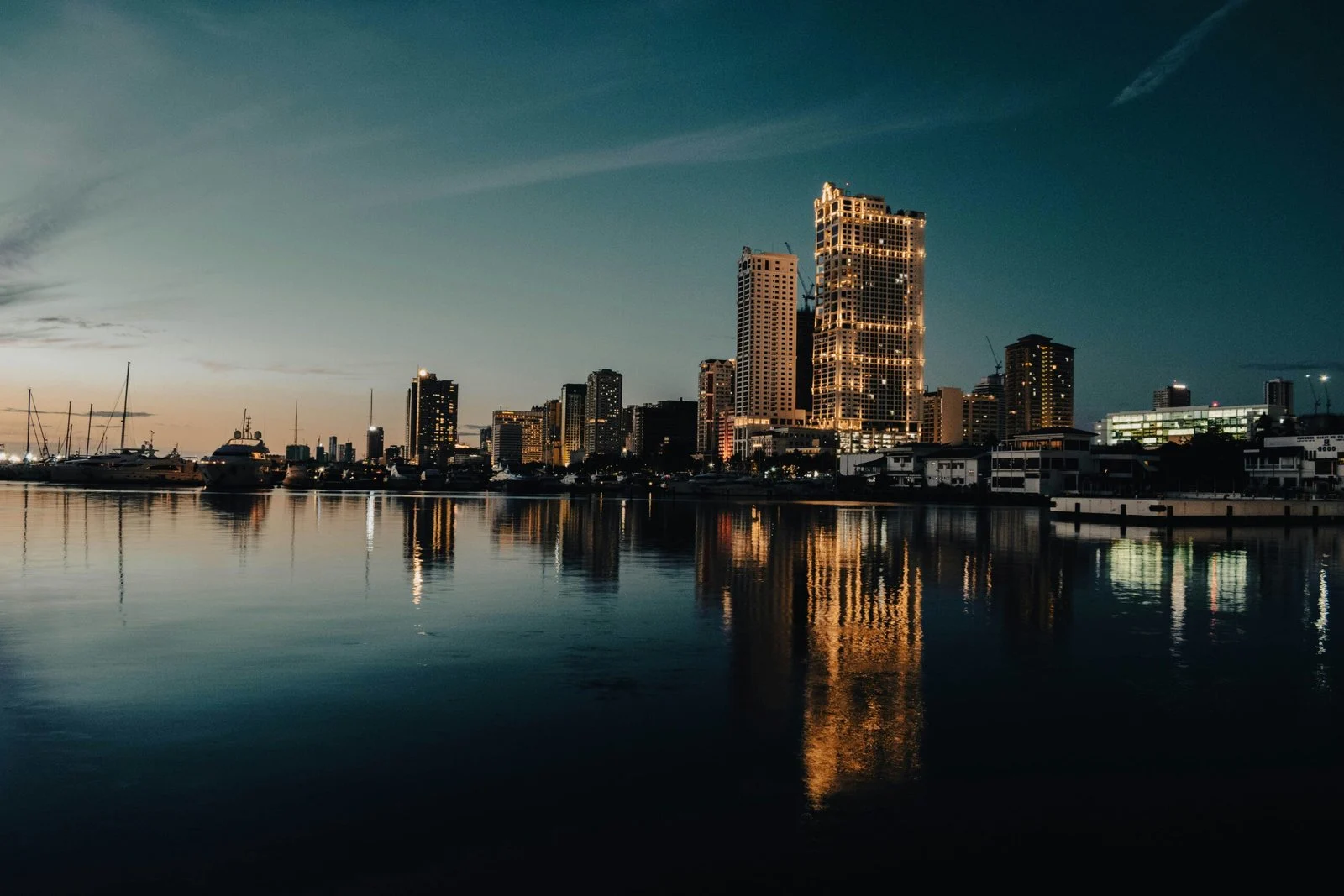
Golden Hour at Manila Bay: The shoulder season haze softens the harsh sun, making sunset views from the Baywalk spectacular for photos.
The Tiny Trade-Off
The April-May Heat: 36°C+ with humidity makes daytime walking tours genuinely uncomfortable – schedule outdoor activities for early morning or late afternoon .
Holy Week Closures: Many restaurants and small shops close from Maundy Thursday to Black Saturday – stock up on snacks.
Summer Smog: March to May has poorer air quality due to heat trapping pollutants – sensitive travelers take note.
School Crowds (April-May): Local school vacations mean families flock to malls and indoor attractions like Manila Ocean Park.
Smart Traveler Tip
Target Late February for the Sweet Spot: Post-Christmas, pre-Summer heat – the city is quiet, weather is pleasant, and flowers are blooming at Paco Park.
Book Holy Week OUT of Manila if possible: Most locals leave – consider a side trip to Batangas or Tagaytay for cooler air.
Walk Intramuros at 7 AM: Beat the heat and the crowds while enjoying bamboo bike tours before the sun gets brutal .
Deep Off-Season
Your Smartest Windows
June to October (The Habagat Monsoon)
Avoid: December 20 – January 5 (Christmas & New Year) – Mall traffic is apocalyptic, hotel rates in Makati/BGC triple, and restaurants require reservations weeks in advance .
What the Sky Does
Wet & Humid: Temperatures sit at 24°C to 32°C (75°F to 90°F) , but humidity pushes 85-90% .
Heavy Downpours: Rain typically arrives in 1-3 hour afternoon bursts – August is the wettest month, averaging 499mm (nearly 20 inches!) .
The “Bagyo” Risk: July to September is typhoon season – storms can ground flights at NAIA and flood low-lying streets.
Low-Typhoon Silver Lining: Even during storms, the sun often appears in the morning before afternoon rains.
How Empty It Feels
40-50% fewer tourists – the city’s business travelers vanish .
Intramuros: Eerily quiet – San Agustin Church’s stone walls echo with only your footsteps.
National Museum: Private viewing – you might have the Spoliarium room entirely to yourself.
BGC & Makati: Local only – the expat crowds thin out; weekend brunches have no waitlists.
What You’ll Save
40-60% savings compared to December-February peak .
Flights: “Piso Sale” promos from Cebu Pacific and AirAsia – Manila to anywhere for as low as $15 round trip (tax included).
Hotels: 5-star hotels in Makati (e.g., Makati Shangri-La, Peninsula) drop to $80-120/night versus $200-300 in peak season .
Private tours – airport transfers and day tours are highly negotiable with reduced demand.
The Secret Perk
Indoor Manila at Its Finest: Rainy days are made for exploring the National Museum Complex (free entry), Ayala Museum, Mind Museum, and Manila Ocean Park .
Binondo Food Crawl: Rain means fewer food tour crowds – hop between hole-in-the-wall dumpling shops and authentic noodle houses.
Cinema Paradise: Catch blockbuster films at luxurious cinemas (Director’s Club, IMAX) for half the price of Western countries.
“Ber” Month Magic (September 1st): The Philippines’ famous Christmas season launches – malls transform with lights, carols fill the air, and festive energy begins.
Grab Car Availability: Without business travelers, ride-hailing wait times drop from 20 minutes to 5 minutes .
The Tiny Trade-Off
Street Flooding: Low-lying areas (Taft Avenue, España Blvd, parts of Pasay) can flood after 2+ hours of heavy rain – plan indoor activities on storm days.
Flight Delays: NAIA is notorious for cancellations during typhoons – travel insurance is essential.
Limited Rooftop Bars: Open-air venues close or cover up during rain – but BGC has covered alternatives.
Jeepney Hassles: Traditional jeepneys can be miserable in rain – stick to Grab or MRT/LRT trains.
Smart Traveler Tip
The “August is Empty” Rule: August has the highest rainfall (499mm) but also the absolute lowest prices – use it for indoor-focused itineraries .
Travel Insurance is MANDATORY for July-September: Do NOT skip coverage for “trip interruption due to weather” – it’s $20-30 and invaluable.
Pack Like a Local: A compact umbrella, waterproof shoes (not flip-flops), and a dry bag for gadgets – locals don’t use raincoats because they’re too hot.
Stay in BGC for Rainy Season: Bonifacio Global City has the best drainage system in Metro Manila – it rarely floods. Makati’s Ayala Avenue also drains well.
Check PAGASA Forecasts Daily: The national weather agency provides hourly updates – plan your outdoor mornings, indoor afternoons.
Find Off-Peak Flights
Top Off‑Season Stays
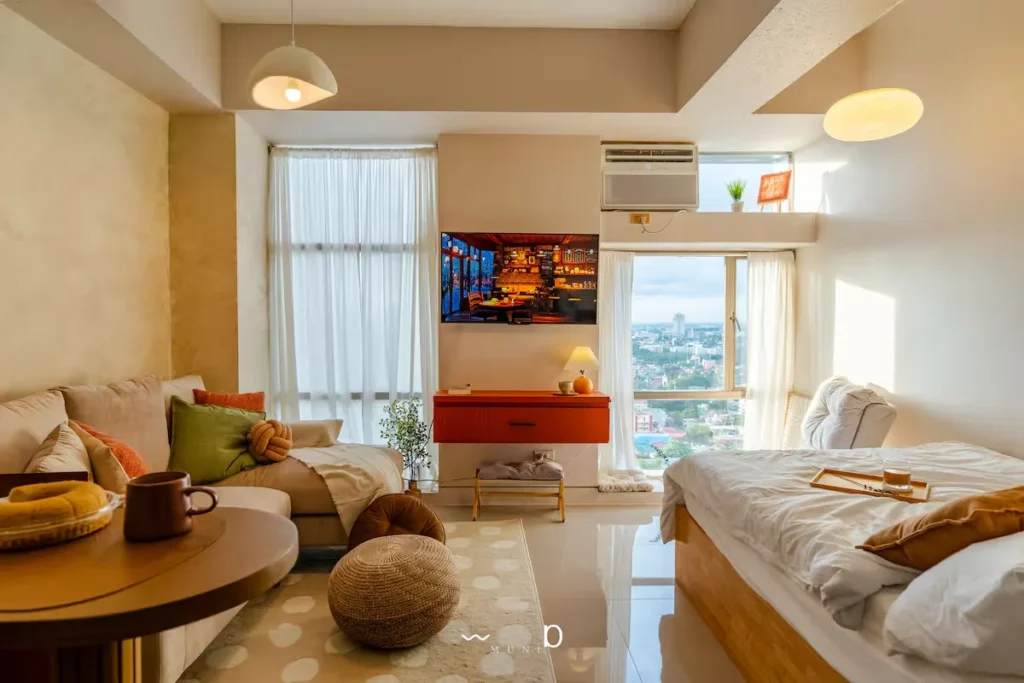
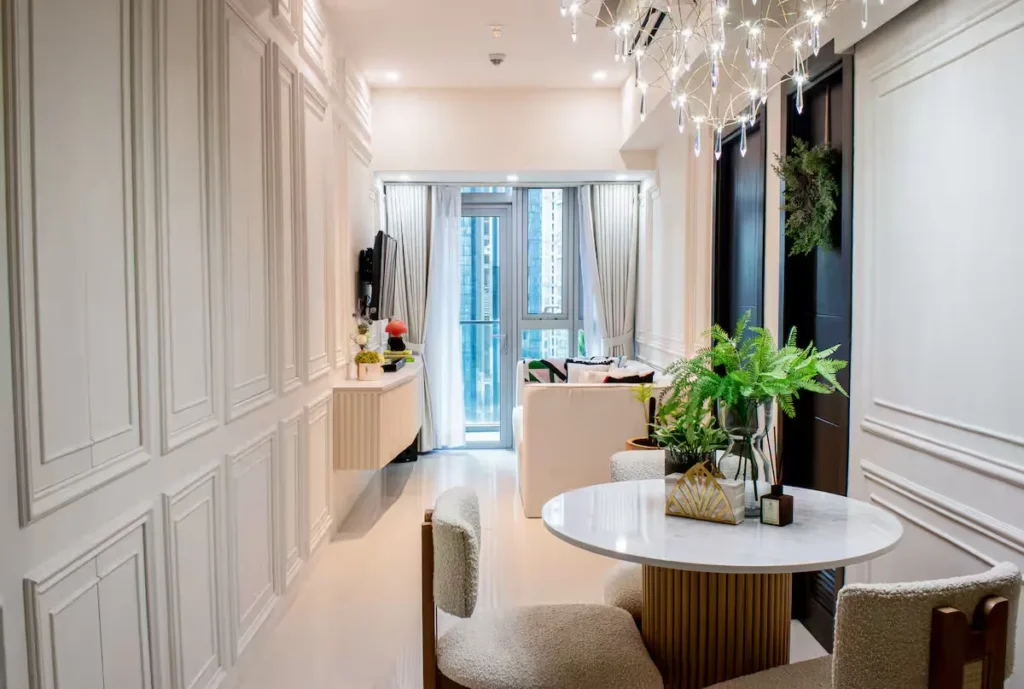
Find below our curated selection of boutique hotels and design apartments that offer exceptional value, atmosphere, and comfort during the off‑season — often at significantly lower rates than peak months.
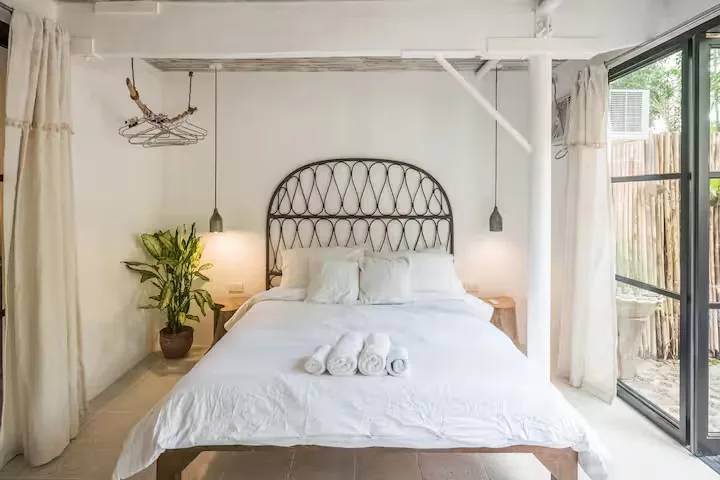
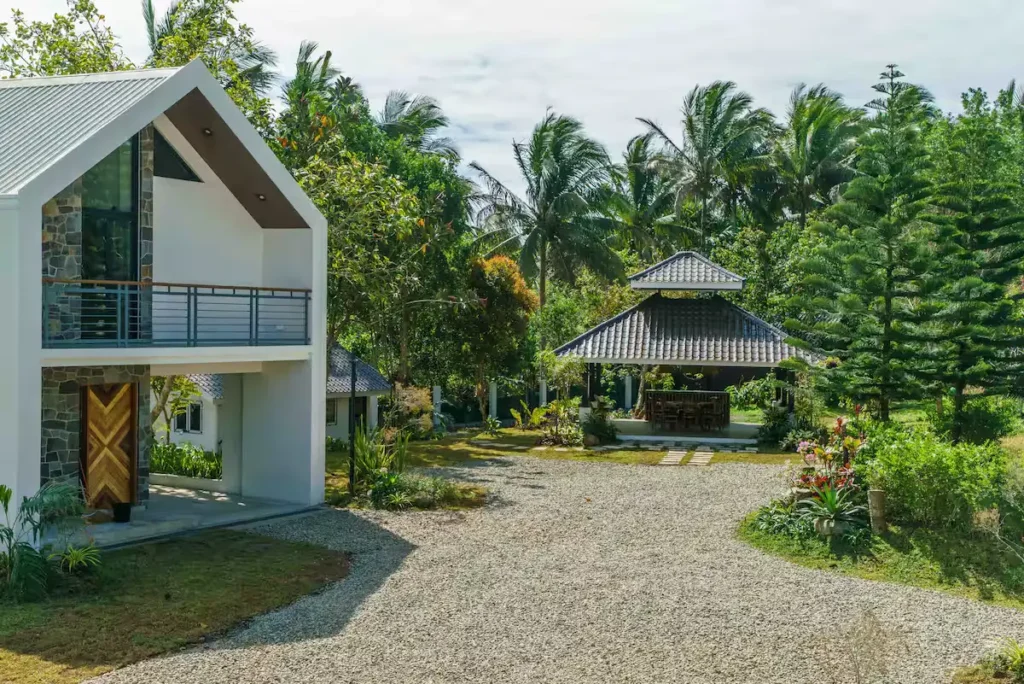
Townhouse in Subic Bay Freeport Zone
Uncrowded Experiences & Tours
Skip the lines and experience iconic landmarks at your own pace. Discover curated local tours and cultural activities designed to show you the authentic side of the destination without the peak-season rush.
Trusted Partners For Smarter Travel
Handy Tips
Weather & Climate
The region has a tropical climate, characterized by high humidity. The average temperature is around 27ºC (81ºF). The cool, dry season is from December to February, while the hot, dry season is from March to May. The wet (rainy) season runs from June to November.
Local Customs And Etiquette
“Mano Po”: A sign of respect, where a person asks for the hand of an elder and touches their forehead with it. A simple bow or a slight nod is acceptable for foreigners.
Tipping: Tipping is not strictly mandatory but is customary for good service, especially in upscale restaurants (10% is standard). Many restaurants include a service charge.
Hospitality: Filipinos are known for their warmth. A friendly smile and genuine attempt to speak a few Tagalog words (“Salamat” for Thank You) will be highly appreciated.
Budgeting For Your Trip
Accommodation: Hostels ($15–$30), mid-range hotels ($40–$80), luxury ($100+). Prices are highest in Makati and BGC.
Food: Street food/Budget meal ($2–$5), dinner at a mid-range restaurant ($10–$20 per person), fine dining ($30+).
Transport: Jeepney ride ($.50–$1), Tricycle ride ($1–$3), ride-hailing app (e.g., Grab) within the city ($4–$8).
Activities: Museum entrance ($2–$6), day tour with a guide ($30–$60).
Daily Budget:
- Budget: $40–$60 (hostels, market food, public transport).
- Mid-range: $70–$120 (hotels, restaurants, attractions).
- Luxury: $150+ (boutique hotels, gourmet meals, private tours).
Getting Around
Ride-Hailing Apps: Services like Grab are the most convenient, safe, and efficient way to travel, especially in heavy traffic.
Jeepneys & Buses: These are the cheapest options, great for short distances and local color, but routes can be confusing for a first-timer.
MRT/LRT (Trains): The elevated rail system is excellent for avoiding traffic but can be extremely crowded during rush hour.
Taxis: Widely available but always ensure the driver uses the meter.
Must-Try Food
Adobo: The national dish—meat (chicken, pork, or both) braised in soy sauce, vinegar, garlic, and peppercorns.
Sinigang: A sour and savory soup made with tamarind, featuring meat (pork/shrimp) and various vegetables.
Lechon: A whole roasted pig with crispy, delicious skin, often called the “King of Filipino Food.”
Pancit Palabok: Noodles topped with a thick, savory shrimp-based sauce, crushed chicharron, and hard-boiled eggs.
Kare-Kare: Oxtail and tripe stewed in a rich, thick peanut sauce, traditionally served with a side of shrimp paste (Bagoong).
Tapsilog: A common breakfast plate combination of dried cured beef (Tapa), fried rice (Sinangag), and fried egg (Itlog).
Lumpia: Filipino spring rolls, served either fresh or fried, and typically filled with meat or vegetables.
Halo-Halo (hah-loh hah-loh): A popular cold dessert with layers of shaved ice, milk, sweet beans, jellies, fruit, and ice cream.
Puto and Kutsinta: Steamed rice cakes, often eaten as snacks or desserts.
Bibingka: A baked rice cake cooked in a banana-leaf-lined terracotta oven, especially popular during the Christmas season.
Must-Try Drinks
San Miguel Pale Pilsen: The most iconic and widely available local beer.
Red Horse Beer: A stronger, higher-alcohol version of the local lager.
Tanduay Rhum: One of the world’s best-selling rums, often enjoyed neat or mixed.
Lambanog: A potent distilled palm liquor, traditionally made from the sap of the coconut tree.
Ginebra San Miguel: The world’s largest-selling gin brand, often served in a glass known as a “bilog” (round).
Buko Juice: Fresh coconut water served directly in the coconut shell, incredibly refreshing and hydrating.
Sago’t Gulaman: A sweet, refreshing drink made of brown sugar syrup, water, ice, tapioca pearls (sago), and gelatin (gulaman).
Barako Coffee: A strong, dark coffee variety grown in Batangas and Cavite (part of nearby CALABARZON), famous for its strong flavor.
Calamansi Juice: A lemonade-like drink made from the local citrus fruit (Calamansi), served hot or cold.
Salabat: A traditional Filipino ginger tea, great for colds or as a soothing drink.