 Skip to content
- How Much Money Can I Really Save On Accommodation And Tours?
You will experience a mix of sunny days and occasional rain, which transforms the landscape into a lush, green paradise that photographers dream of.
The main drawdown is that the ocean water cools down significantly, so swimming might feel less inviting than during peak summer. However, this is the ultimate time to “Exploit Travel Seasonality” for dramatic coastal walks and vineyard tours where the mountains are dusted with snow.
- How Much Money Can I Really Save On Accommodation And Tours?
You can expect to see discounts ranging from 30% to 50% on most lodging and organized activities compared to the peak festive season. Many five-star wine estates and beachfront hotels slash their rates significantly to attract smart travelers looking for luxury value.
The trade-off is that some boutique tour operators reduce their daily schedules or run fewer departures. While you save a lot on the big ticket items, you will need to be slightly more flexible with your booking windows to secure the best discounts.
- Will The Famous Scenic Drives Be Open And Safe To Drive?
Absolutely. The iconic mountain passes and coastal roads remain fully open and are actually safer to drive due to 70% fewer cars on the road. Without the summer traffic jams, you can actually enjoy the views from lookouts without fighting for a parking spot.
The caveat is that you might encounter mist or fog in the early mornings during the deep off-season, which slows down travel times. Just drive with caution during dawn hours, and you will have the tarmac almost entirely to yourself.
- Are There Still Crowds At Top Attractions Like Cape Point Or The Winelands?
No, this is the primary benefit of visiting the Western Cape during the shoulder months. You will find the boardwalks at Cape Point and tasting rooms in Stellenbosch nearly empty, allowing for intimate conversations with rangers and winemakers.
The downside is that the vibrant, party-like atmosphere of the summer holidays is absent. If you prefer quiet contemplation over buzzing energy, you won’t miss the crowds, but if you thrive on loud social scenes, the off-season will feel very sleepy.
- Does Public Transport And Flight Availability Drop During Smart Travel Windows?
Flights into the region remain consistent year-round, though you will find percentage discounts on airfare that are much higher than hotel rates. Car rental agencies also keep their fleets available, often upgrading your vehicle for free due to lower demand.
The realistic drawdown is that minibus taxis and specific tourist shuttles to remote hiking trails run less frequently. You will need to plan your day trips more deliberately, but the freedom of open roads and cheaper rental cars usually solves this problem.

Home > Exploit The Seasons > Seasonal World Map > Africa > South Africa > Western Cape Region
WESTERN CAPE
The Western Cape in winter is a secret superpower: storm-watching from cozy fireplaces, empty wine estates, and whale-filled bays. Between the crowds of summer, you’ll find dramatic skies, roaring waves, and the warmest local welcome you never expected.
Smart Travel Calendar
Shoulder Season
Your Smartest Windows
March to April – Golden autumn, stable weather, summer’s heat fading
September to October – Spring flowers, whale season peaks, days warming up
Avoid: Mid-December to mid-January (peak European/South African holiday) and Easter weekend (local travel chaos, especially to Garden Route)
What the Sky Does
Cape Town & Peninsula: 15–25°C (59–77°F) – sunny, light breezes, occasional warm autumn days
Winelands (Stellenbosch/Franschhoek): 12–26°C (54–79°F) – golden light, crisp mornings, harvest energy
Garden Route (Knysna/Plett): 14–24°C (57–75°F) – possible showers but long sunny stretches
West Coast (Langebaan): 12–22°C (54–72°F) – September brings wildflowers, clear skies, and spring lambs
How Empty It Feels
50-60% fewer tourists than December-January peak madness
Table Mountain Cableway: August/September queues shrink from 2 hours to 15 minutes
Franschhoek Wine Tram: Walk on without booking two weeks ahead – seats guaranteed
Boulders Beach penguins: Only a dozen people instead of 200 – you hear the waves, not selfie sticks
What You’ll Save
35-50% on Cape Town hotels – The Silo or Mount Nelson from 250/night (peak was 500+)
Car rentals drop 45% – a convertible for Chapman’s Peak Drive without the premium
Wine estate stays: Historic manor houses from $120/night including tastings
Cape Town Attraction Pass – same-day availability for Robben Island and Table Mountain
The Secret Perk
March/April harvest season – stomp grapes at Vergelegen, meet winemakers without the crowds
Hermanus Whale Festival (late September) – southern right whales breach 50m from cliffs
West Coast wildflowers (August-September) – Namaqualand’s carpets of orange daisies are world-famous
Autumn light over Table Mountain – golden hour lasts forever, photographers weep with joy
Local winter markets – the Oranjezicht City Farm market is full of Capetonians, great for real conversations
The Tiny Trade-Off
April can bring three days of Cape storms – pack a windproof jacket and flexible itinerary
Some beachfront restaurants close in May (post-Easter lull, mainly in Paternoster)
September’s West Coast flowers attract savvy crowds – book Langebaan accommodation early
Garden Route can be drizzly in March/April – not a washout, but bring layers
Smart Traveler Tip
For perfect balance: Late October (whales, flowers, warm days, no summer crowds) or early May (autumn colours, stable weather, harvest hangover)
Avoid Easter week completely – South Africans flood the Garden Route and Winelands, prices spike 40%
Book Franschhoek Wine Tram two weeks ahead for September/October – it’s popular with locals too
Pack a “Cape wardrobe” – shorts, fleece, rain shell, beanie, and sunglasses all in one day
Deep Off-Season
Your Smartest Windows
June to August – The Cape’s famous winter (cold, wet, magnificent)
Avoid: Late June to mid-July (South African school winter holidays – Cape Town’s water parks and indoor attractions get local crowds)
What the Sky Does
Cape Town & Peninsula: 7–17°C (45–63°F) – iconic storms, dramatic clouds, crystal-clear breaks between fronts
Winelands: 3–16°C (37–61°F) – icy mornings, roaring fireplaces, rain on tin roofs
Garden Route: 8–19°C (46–66°F) – wettest months (June/July), but lush and green between showers
Klein Karoo (Oudtshoorn, Robertson): 2–19°C (36–66°F) – dry, cold nights, warm sunny afternoons (winter escape!)
How Empty It Feels
75-85% fewer tourists than December – you’ll have Kirstenbosch Gardens almost to yourself
Robben Island Museum: Walk-on tours available daily, no booking required
Zeitz MOCAA (waterfront museum) – feel like a VIP with only 20 other visitors
Small towns like Greyton, McGregor, and Prince Albert feel like local secrets, not Instagram backdrops
What You’ll Save
60-75% off peak rates – luxury Camps Bay hotels from 90/night(summerwas90/night(summerwas400)
Flights from UK/Europe drop to yearly lows – often $500-700 round-trip
Wine estate stays from $70/night including breakfast and a complimentary tasting
Car rentals as low as $20/day – upgrade to a premium SUV for peanuts
The Secret Perk
Storm-watching on the Cape Peninsula – book a sea-facing room in Scarborough or Kommetjie and watch 10m waves
Fireplace wine tastings at hidden gems like Keermont or Savage – the winemaker might pour it themselves
Klein Karoo is a winter sun trap – dry, warm days, freezing nights, perfect for stargazing in the Cederberg
The Cape’s cosy pub scene – Forries in Newlands or The House of Machines in town, full of locals
Authentic local connections – join a Saturday morning parkrun (Greenpoint or Constantia) with Capetonians
The Tiny Trade-Off
Swimming is impossible – Atlantic water hits 9°C (48°F) and tidal pools are freezing
Boat tours (whale watching, Seal Island) cancel on stormy days – have indoor backups
Some coastal restaurants close in June/July (especially in Plettenberg Bay and Paternoster)
Daylight is short – sunrise 7:45am, sunset 5:45pm – plan outdoor activities for midday
Smart Traveler Tip
Avoid the last week of June through mid-July – local school holidays pack indoor attractions (aquarium, water parks, museums)
Quietest month is August – everyone assumes it’s miserable, but August has fewer storms than July and the wildflowers start
For mildest winter conditions, head over the mountains to the Klein Karoo (Route 62 to Oudtshoorn) – it’s dry and sunny while Cape Town gets rain
Pack for everything: thermal base layer, down jacket, waterproof shell, beanie, gloves, scarf, and waterproof boots. The afternoon sun will shock you
Find Off-Peak Flights
Top Off‑Season Stays
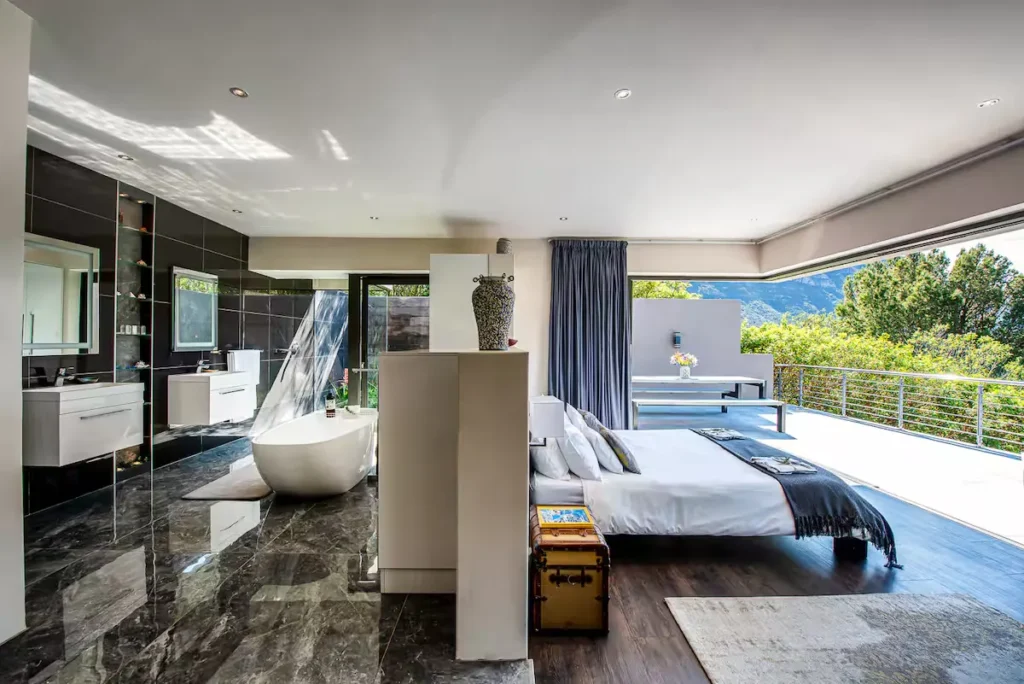
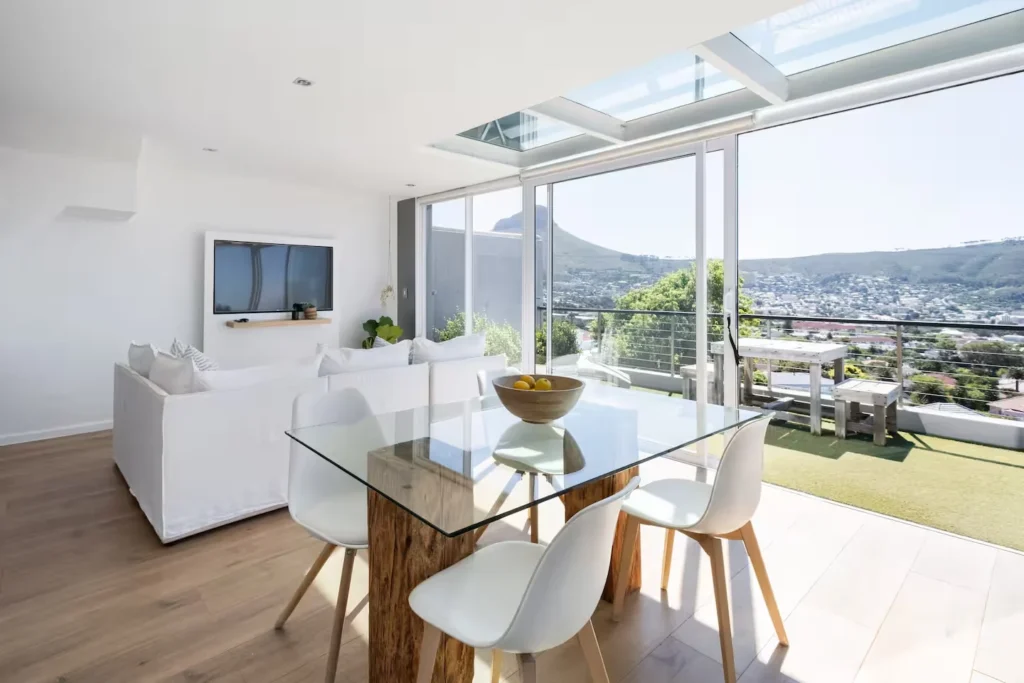
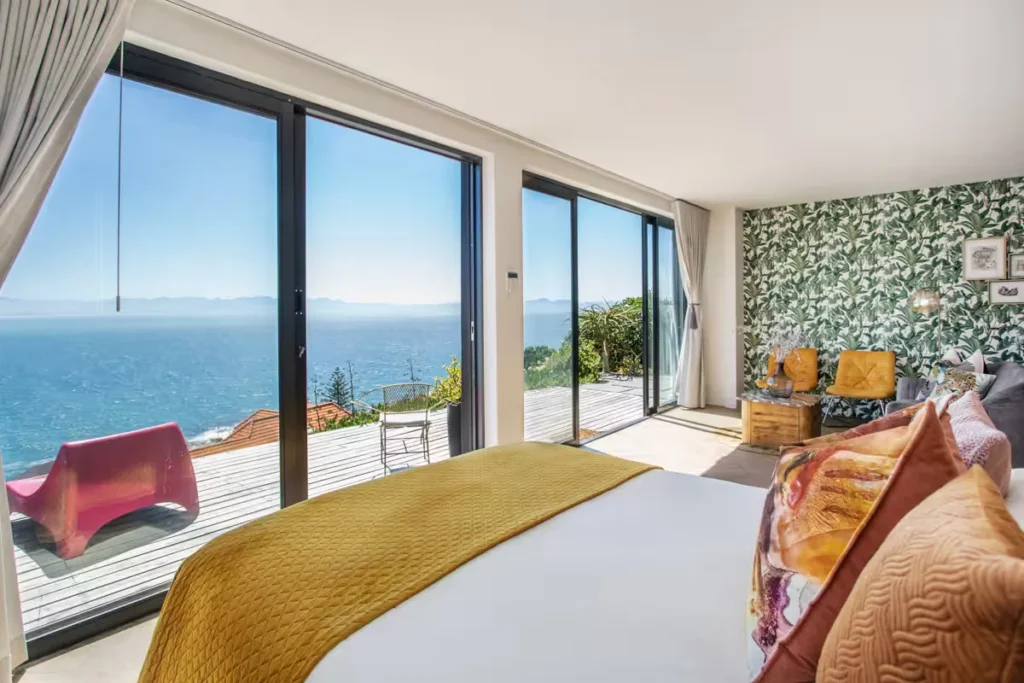
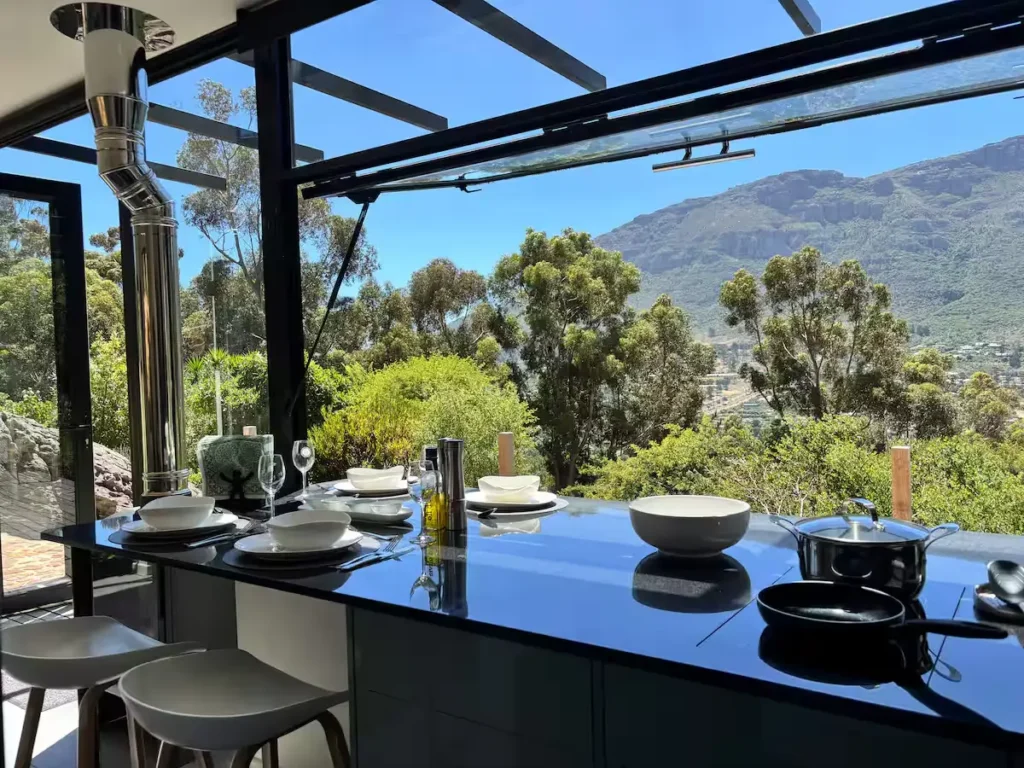
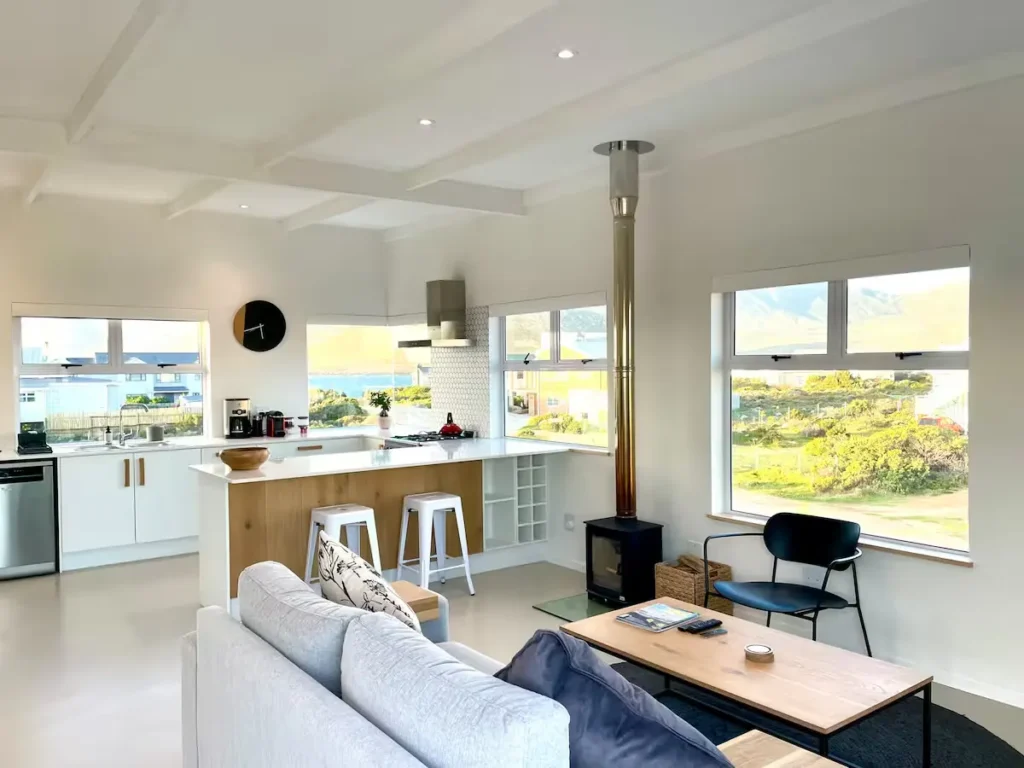
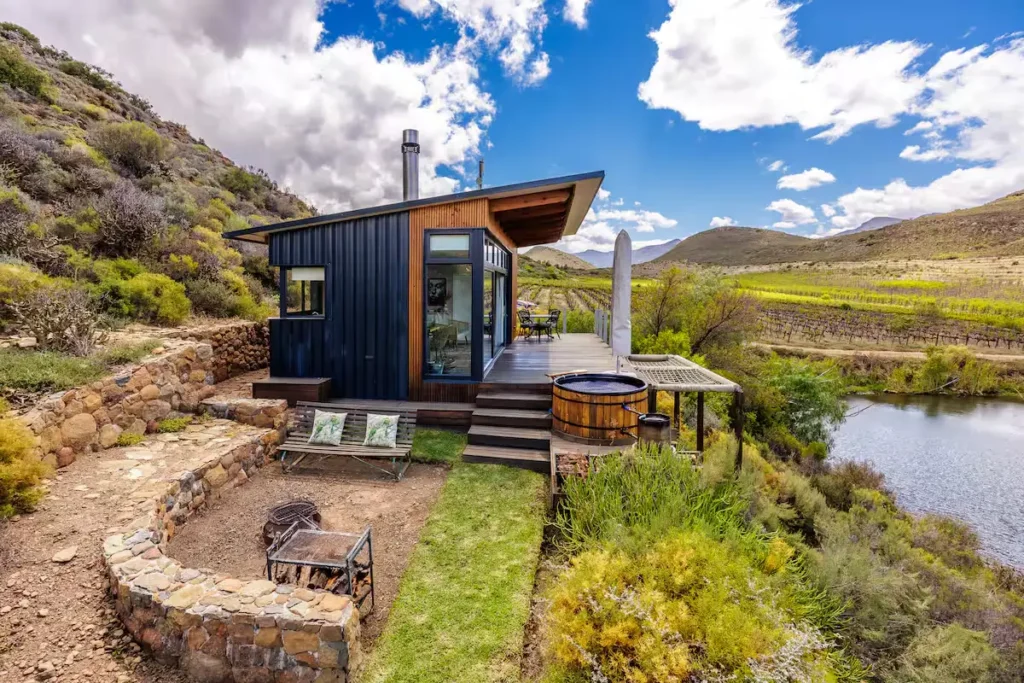
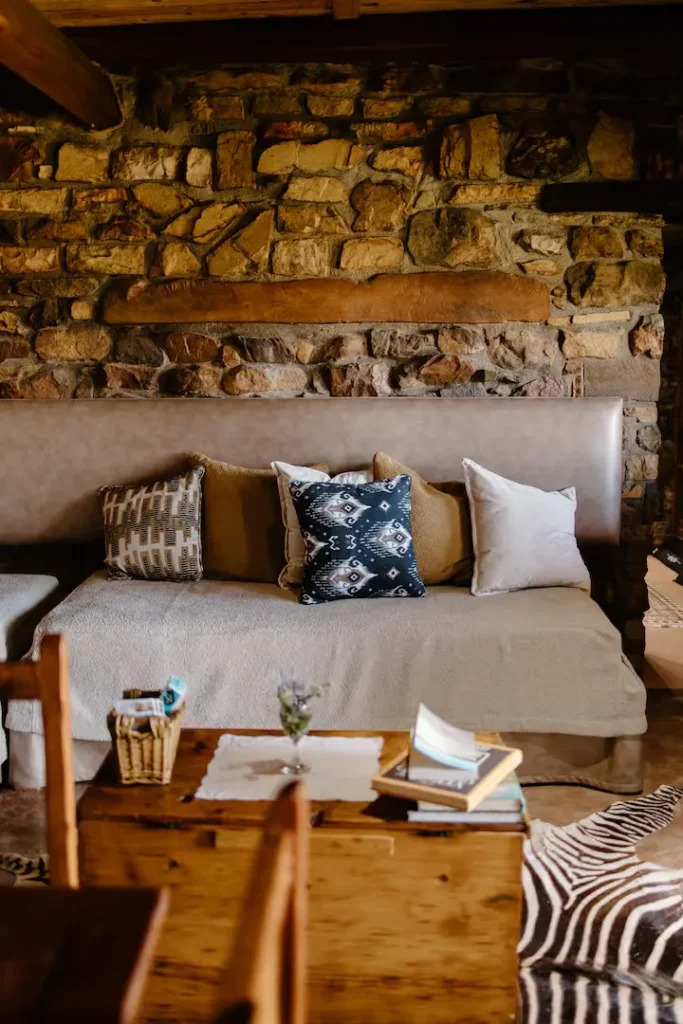
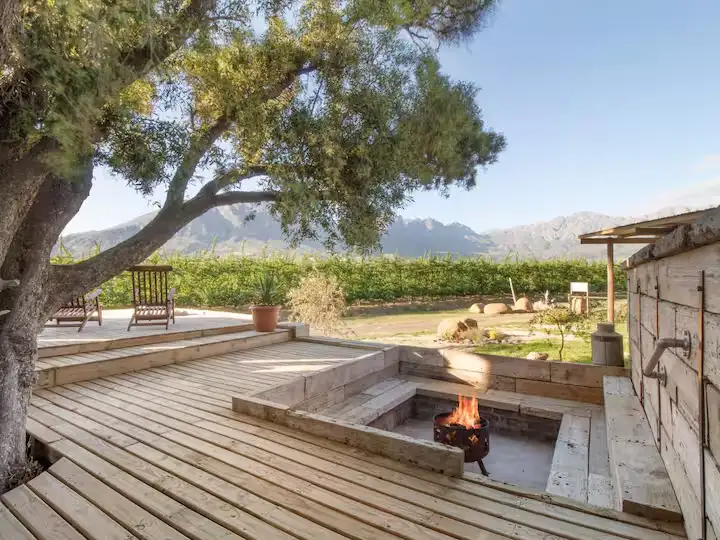
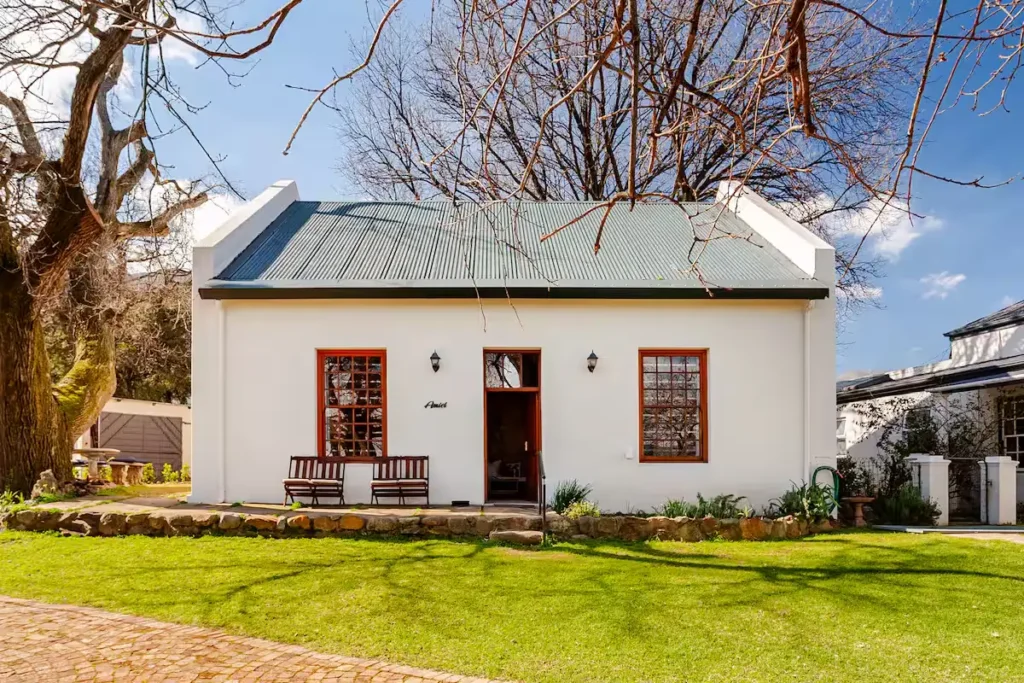
Find below our curated selection of boutique hotels and design apartments that offer exceptional value, atmosphere, and comfort during the off‑season — often at significantly lower rates than peak months.
Uncrowded Experiences & Tours
Skip the lines and experience iconic landmarks at your own pace. Discover curated local tours and cultural activities designed to show you the authentic side of the destination without the peak-season rush.
Handy Tips
Weather & Climate
The Western Cape has a Mediterranean climate. Summers are warm to hot and dry, especially in Cape Town and the Winelands. Winters (June–August) are cold and wet. Coastal areas are often windy, especially the Cape Peninsula.
Local Customs And Etiquette
Language: South Africa has 11 official languages. In the Western Cape, Afrikaans and Xhosa are widely spoken alongside English. Most people are proficient in English.
Tipping: Tipping is customary. Tip 10–15% in restaurants. For car guards (informal attendants who watch your parked car), a tip of R5–R10 is standard.
Safety: While generally safe in tourist areas, be vigilant, especially in cities. Avoid walking alone after dark and keep valuables secured.
“Load Shedding”: The country sometimes experiences planned power outages. Ask your accommodation provider about their backup power solutions.
Budgeting For Your Trip
Accommodation: Hostels ($15–$30), mid-range hotels ($60–$100), luxury ($150+). Prices are highest in Cape Town and the Winelands during Peak Season.
Food: Fixed-price lunch menu ($10–$18), dinner at a mid-range restaurant ($20–$40 per person), fine dining ($50+). Excellent value for high-quality food.
Transport: Car rental ($25–$40/day), Uber/Bolt (widely used in cities).
Activities: Wine tasting flight ($5–$15), Table Mountain Cableway ($20–$30 round-trip).
Daily Budget:
- Budget: $50–$80 (hostels, self-catering/casual food, public transport/Uber).
- Mid-range: $90–$150 (hotels, restaurants, attractions, car rental).
- Luxury: $180+ (boutique hotels, gourmet meals, private tours).
Getting Around
By Car: A rental car is the most flexible option for exploring the Winelands, Garden Route, and coastal areas. South Africa drives on the left.
Rideshare/Taxi: Uber and Bolt are efficient and widely available within Cape Town and its surrounding suburbs.
MyCiTi Bus: Cape Town has an excellent bus system connecting the city centre, airport, and key tourist areas.
Must-Try Food
Biltong: A dried, cured meat (similar to jerky but superior), usually made from beef, kudu, or other game.
Braai (BBQ): A cultural institution. Often refers to a social gathering involving grilling meat (sausages, chops, steaks).
Boerewors (Boo-ruh-vors): A traditional South African sausage, usually spiced with coriander and often coiled.
Gatsby: A giant, overstuffed sandwich (often the size of a baguette) filled with chips (fries), meat (steak, polony, or calamari), and sauce.
Calamari: Given the long coast, the fresh calamari is superb, often served fried or grilled with lemon butter.
Bobotie (Buh-boo-tee): A classic Cape Malay dish: spiced minced meat baked with an egg-based topping.
Melktert (Melk-tert): A sweet tart with a shortbread crust and a creamy filling of milk, eggs, and sugar, dusted with cinnamon.
Koeksisters (Cook-sisters): A sweet, sticky, braided fried dough pastry that is dipped in a cold syrup.
Malva Pudding: A warm, spongy caramelized apricot pudding, often served with a hot cream or custard sauce.
Samoosas (Indian Influence): Fried, triangular pastries filled with spicy minced meat or vegetables, widely available.
Must-Try Drinks
Cape Wine (Pinotage): The signature red grape of South Africa, a cross between Pinot Noir and Cinsault.
Cap Classique (MCC): South Africa’s premium sparkling wine, made in the traditional French method (like Champagne).
Chenin Blanc: The country’s most widely planted grape, producing versatile white wines from dry and crisp to rich and sweet.
Craft Beer: Cape Town has a thriving craft beer scene, with many microbreweries offering excellent local IPAs and lagers.
Amarula: A cream liqueur made from the fruit of the African Marula tree.
Rooibos Tea (Roy-boss): A naturally caffeine-free herbal tea, grown exclusively in the Western Cape mountains.
Fizzy cold drinks (Cooldrinks): South Africans refer to all sodas as “cooldrinks.” Try a local flavour like Cremora or Fanta Grape.