 Skip to content
- Is Wildlife Viewing Still Good In The Kruger Region During The Off-Season?
Yes, in fact many experienced guides argue that wildlife viewing is actually superior during the dry winter off-season. With vegetation thinned out and water sources concentrated around rivers and dams, animals gather in predictable spots making them much easier to spot without dense summer foliage blocking your view.
The drawdown is that mornings and evenings become extremely cold, requiring warm layers and hot coffee to stay comfortable during open-vehicle safaris. However, you get to "Exploit Travel Seasonality" by watching predators hunt at dawn while the summer crowds are absent and the bushveld opens up like a natural amphitheater.
- How Much Money Can I Really Save On Accommodation And Tours?
You can expect to see discounts ranging from 30% to 50% on most lodging and organized activities compared to the peak festive season. Many five-star wine estates and beachfront hotels slash their rates significantly to attract smart travelers looking for luxury value.
The trade-off is that some boutique tour operators reduce their daily schedules or run fewer departures. While you save a lot on the big ticket items, you will need to be slightly more flexible with your booking windows to secure the best percentage discounts.
- Will The Famous Scenic Drives Be Open And Safe To Drive?
Absolutely. The iconic mountain passes and coastal roads remain fully open and are actually safer to drive due to 70% fewer cars on the road. Without the summer traffic jams, you can actually enjoy the views from lookouts without fighting for a parking spot.
The caveat is that you might encounter mist or fog in the early mornings during the deep off-season, which slows down travel times. Just drive with caution during dawn hours, and you will have the tarmac almost entirely to yourself.
- Are There Still Crowds At Top Attractions Like Cape Point Or The Winelands?
No, this is the primary benefit of visiting the Western Cape during the shoulder months. You will find the boardwalks at Cape Point and tasting rooms in Stellenbosch nearly empty, allowing for intimate conversations with rangers and winemakers.
The downside is that the vibrant, party-like atmosphere of the summer holidays is absent. If you prefer quiet contemplation over buzzing energy, you won’t miss the crowds, but if you thrive on loud social scenes, the off-season will feel very sleepy.
- Does Public Transport And Flight Availability Drop During Smart Travel Windows?
Flights into the region remain consistent year-round, though you will find percentage discounts on airfare that are much higher than hotel rates. Car rental agencies also keep their fleets available, often upgrading your vehicle for free due to lower demand.
The realistic drawdown is that minibus taxis and specific tourist shuttles to remote hiking trails run less frequently. You will need to plan your day trips more deliberately, but the freedom of open roads and cheaper rental cars usually solves this problem.

Home > Exploit The Seasons > Seasonal World Map > Africa > South Africa > Kruger Region
KRUGER REGION
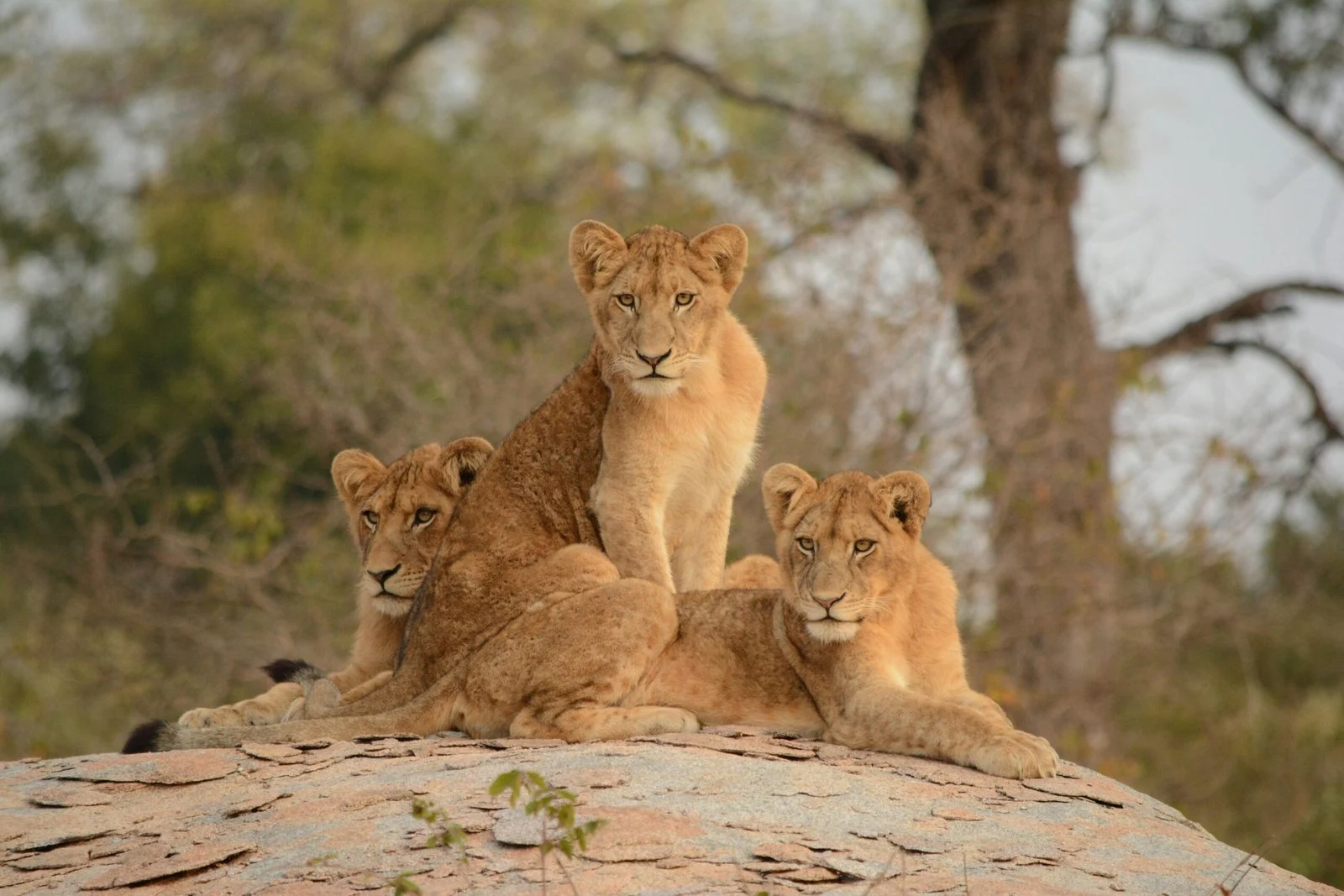
Kruger whispers a different secret: winter means dust, dry riverbeds, and lions everywhere. While summer brings storms and green hills, the off-season delivers the world’s best game viewing with half the vehicles and lodges at a fraction of the price.
Smart Travel Calendar
Shoulder Season
Your Smartest Windows
March to April – Summer rains fading, lush green bush, newborn animals
September to October – Dry heat builds, last perfect game viewing before summer storms
Avoid: Mid-December to mid-January (South African school holidays – Kruger rest camps sell out 11 months ahead)
What the Sky Does
Kruger lowveld (Skukuza/Satatima): March 18–32°C (64–90°F) – humid, late afternoon storms possible
April: 15–30°C (59–86°F) – mornings crisp, days perfect, rain mostly gone
September: 12–32°C (54–90°F) – bone-dry, dusty, warm days, cold nights
October: 16–35°C (61–95°F) – heat builds, first storms may arrive late October
How Empty It Feels
40-50% fewer tourists than December-January peak
Kruger rest camps: Availability opens up – book Orpen or Satara 2-3 months ahead instead of 11
Sabi Sands luxury lodges: Many offer “green season” specials – four nights for the price of three
Waterholes: You might be the only vehicle watching 200 buffalo drink at sunset
What You’ll Save
40-60% on safari lodges – Sabi Sands from 350/person/night (peak was 800+)
Kruger rest camp bungalows drop from 150 to 70/night for river views
Car rentals are 35% cheaper – a high-clearance vehicle for those dirt roads
Flights to Nelspruit (MQP) or Hoedspruit (HDS) drop by 40% from Cape Town/Johannesburg
The Secret Perk
March/April means newborns – elephant calves, impala lambs, and wildebeest babies everywhere
September’s breeding herds – massive elephant and buffalo congregations at remaining waterholes
Fewer mosquitoes – by April, the humidity drops; by September, it’s bone-dry
Photographer’s dream light – March’s storm clouds create dramatic skies; September’s dust gives golden haze
Local community festivals – Hoedspruit’s “Spring Festival” (September) with genuine lowveld neighbours
The Tiny Trade-Off
March can bring muddy roads – afternoon storms turn some dirt tracks slippery (4×4 recommended)
October heat is real – midday game drives become saunas (35°C/95°F), focus on mornings/evenings
September dust clouds – follow another vehicle and you’ll eat grit for an hour
Easter week (March/April) – South Africans flood Kruger, book 6-8 months ahead
Smart Traveler Tip
For the absolute sweet spot: Late April (no rain, perfect temps, green bush, no crowds) or mid-September (dry, thinning vegetation, animals water-dependent, pre-heat)
Avoid Easter week entirely – Kruger rest camps become battlefields for space at waterholes
Book private lodges for September – European photographers discover it, so book 4-5 months ahead
Pack layers for mornings: April and September start at 10°C (50°F) on open vehicles – fleece, beanie, gloves essential
Deep Off-Season
Your Smartest Windows
May to August – Peak dry season, peak game viewing, lowest lodge prices (paradox!)
Avoid: Late June to mid-July (South African school holidays – the ONLY time winter gets busy. Prices spike, camps fill)
What the Sky Does
Kruger lowveld (300-400m altitude): May 10–28°C (50–82°F) – perfect, zero rain, crystal clear
June: 5–25°C (41–77°F) – freezing mornings, warm afternoons, bone-dry
July: 5–25°C (41–77°F) – coldest mornings (near 0°C/32°F on high-lying roads like Orpen)
August: 8–27°C (46–81°F) – warming up, still no rain, dust increasing
How Empty It Feels
70-80% fewer tourists than December (except for the 3-week school holiday in late June/July)
Kruger main roads: Drive for an hour without seeing another vehicle on the S100 or S36
Waterholes: A pride of lions on a kill might attract 3 vehicles instead of 30
Rest camp restaurants and shops: No queues for coffee at 5am before gate opening
What You’ll Save
50-75% off peak summer rates – Sabi Sands lodges from 250/person/night (peak was 900+)
Kruger rest camps – Safari tents from 40/night, perimeter bungalows from 65
Flights from Johannesburg to Hoedspruit – sometimes 80 round−trip (peak was 200)
Car rentals drop 50% – 4×4 vehicles suddenly affordable
The Secret Perk
The greatest game viewing on Earth – vegetation is thinnest, animals water-dependent, predators easy to track
No humidity, no mosquitoes – leave the repellent at home (though still pack it for evenings)
Campfire weather – freezing nights mean roaring fires at lodges and rest camps, with southern constellations overhead
Stargazing from your bungalow – the Milky Way is blindingly bright in June/July
Genuine ranger interactions – fewer guests means your guide spends an hour answering questions, not herding people
The Tiny Trade-Off
Freezing morning game drives – open vehicles at 5:30am hit 0°C/32°F with wind chill. You’ll need thermals, fleece, beanie, gloves, and a blanket.
Dust is everywhere – your camera gear, your clothes, your lungs. Bring lens cleaning kits and dust masks if sensitive.
Swimming pools are useless – even heated lodge pools are too cold in June/July
Daylight is shorter – gates open 6am, close 5:30pm (summer: 4:30am to 6:30pm)
Smart Traveler Tip
Avoid the three weeks from late June to mid-July – South African school holidays turn Kruger into a traffic jam. Prices at private lodges double during these weeks.
Quietest month is August – schools are back, Europeans haven’t arrived for September, weather is warming up
For the most dramatic game viewing, go in July when water is scarcest. The Sabie and Olifants rivers shrink to pools, and everything comes to them.
Packing is critical: thermal base layers, fleece mid-layer, down jacket, windproof shell, beanie, buff, gloves, thick socks. The afternoon sun will reach 25°C/77°F – strip down to a t-shirt.
Book a 4×4 – even if you stick to tar roads, high clearance helps for the dusty dirt roads to private lodges
Find Off-Peak Flights
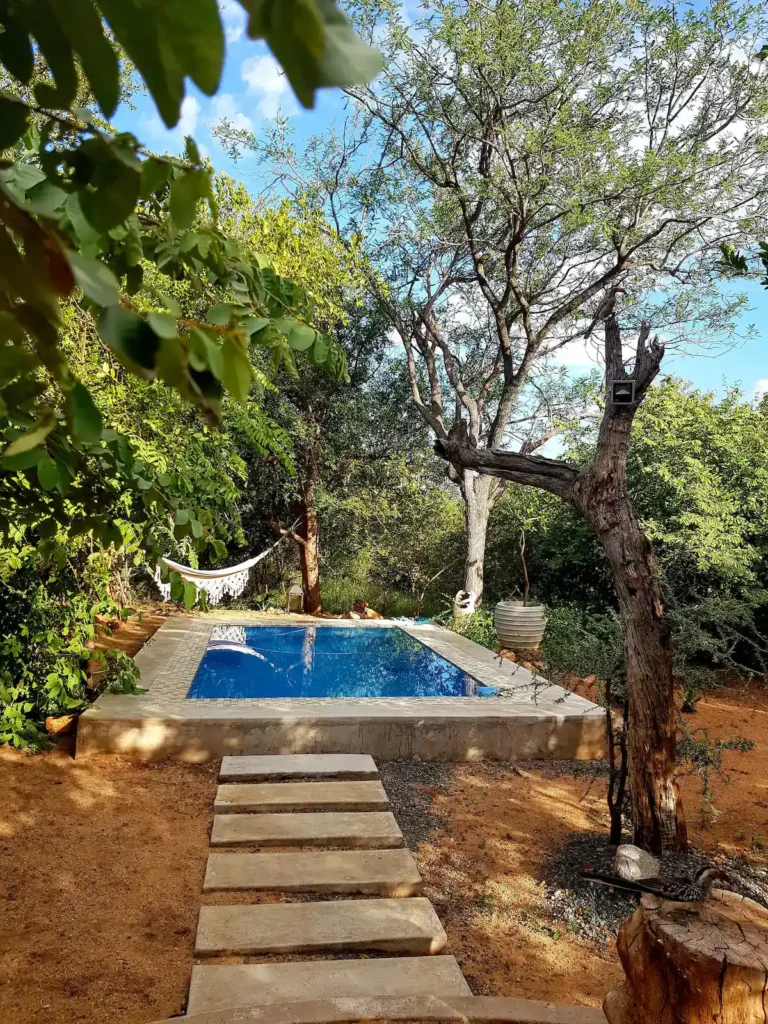
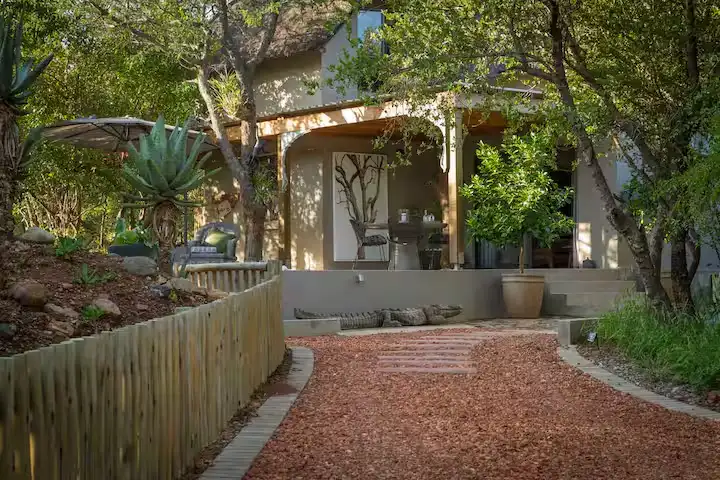
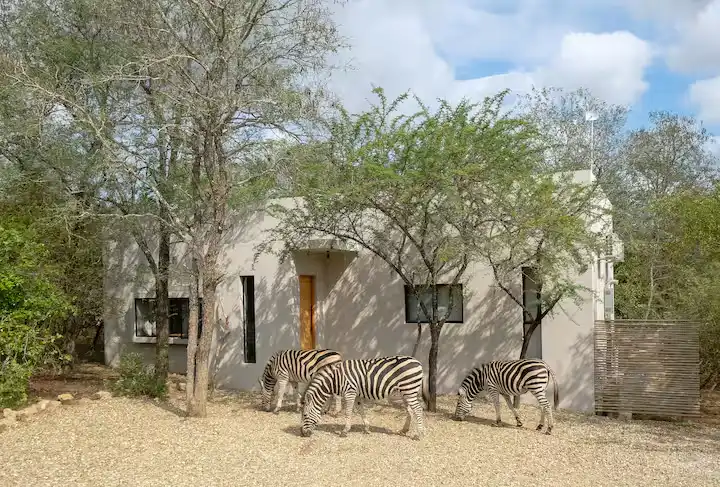
Top Off‑Season Stays
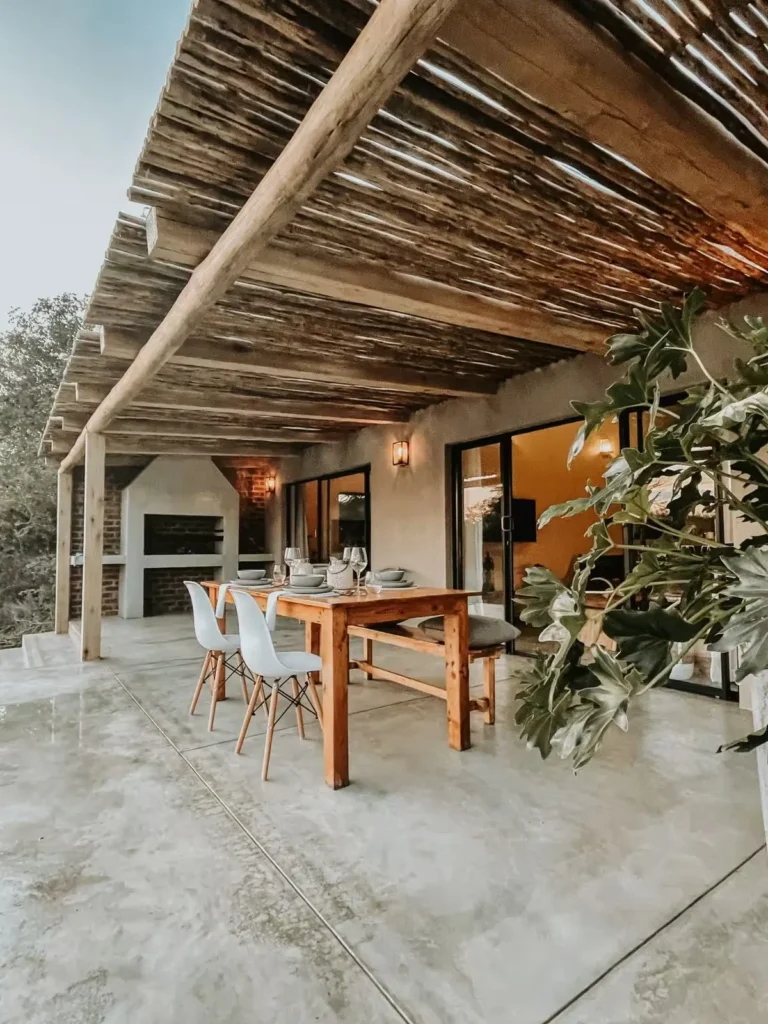
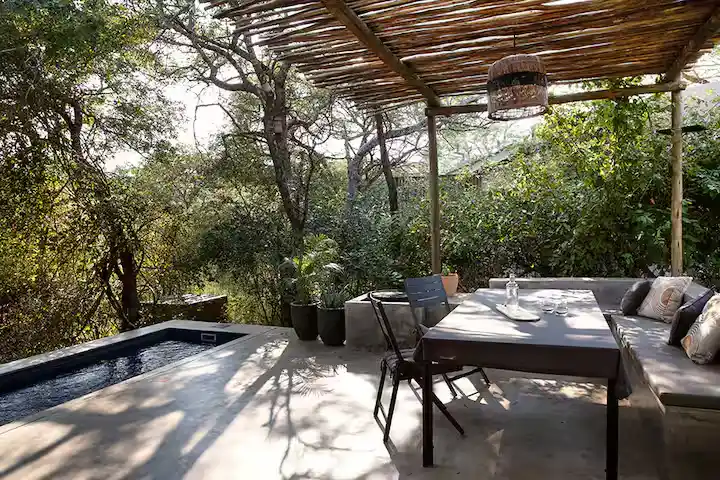
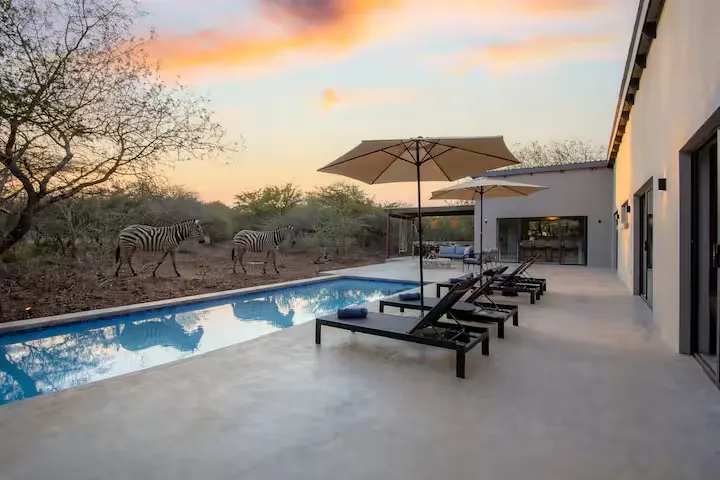
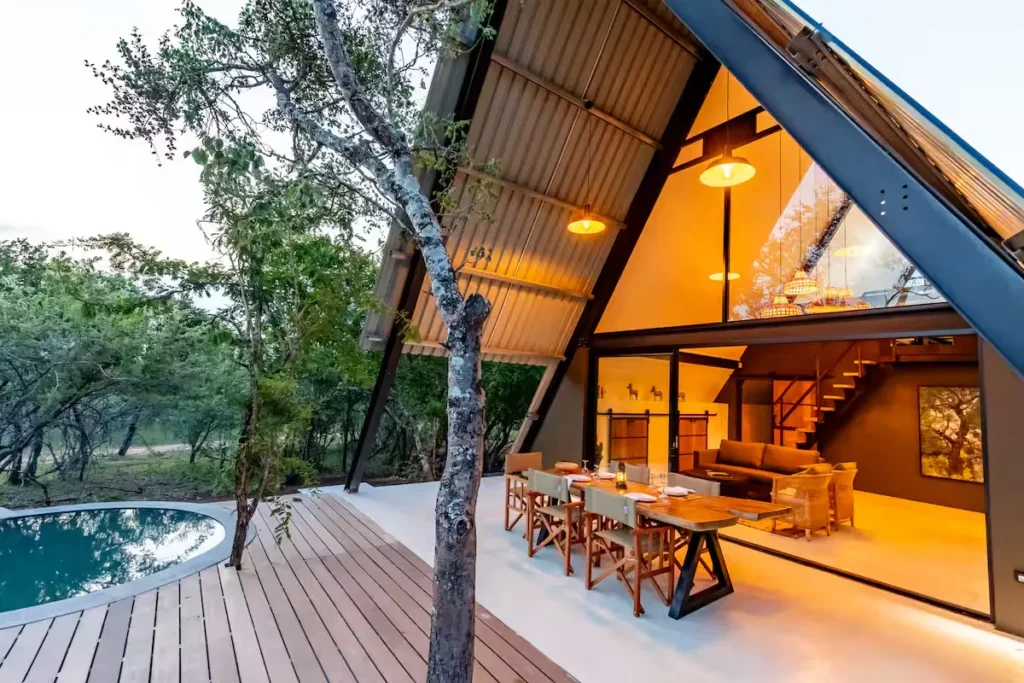
Find below our curated selection of boutique hotels and design apartments that offer exceptional value, atmosphere, and comfort during the off‑season — often at significantly lower rates than peak months.
Uncrowded Experiences & Tours
Skip the lines and experience iconic landmarks at your own pace. Discover curated local tours and cultural activities designed to show you the authentic side of the destination without the peak-season rush.
Handy Tips
Weather & Climate
The region has a sub-tropical climate. Summers are hot and humid (30°C–40°C / 86°F–104°F) with rain. Winters are dry and mild during the day (18°C–25°C / 64°F–77°F) but can drop to near freezing at night and in the early mornings, especially on open-vehicle game drives.
Local Customs And Etiquette
Safety on Safari: Never alight from your vehicle outside of designated areas. Keep noise levels low near sightings. Never feed the wildlife.
Language: While English is widely spoken, many park staff and locals in surrounding communities speak Afrikaans and Xitsonga (shon-GAAH-nah). “Avuxeni” (ah-voo-SHEH-nee) is a polite greeting in Xitsonga.
Tipping: Tipping is customary for excellent service, especially in lodges. It’s polite to ask staff about their preference for a collective tip or individual tips for your guide and tracker.
Budgeting For Your Trip
Accommodation: Rest Camp Hut/Cottage ($60–$150), Mid-range Lodge ($250–$400), Luxury Private Reserve Lodge (all-inclusive $600–$1,500+ per person).
Food: Self-catering in camps ($15–$25 per day), Mid-range Rest Camp Restaurant ($20–$40 per person per meal), Luxury Lodge (included).
Transport: Rental Car (small $30–$50/day), Domestic Flights to Kruger/Hoedspruit ($100–$200+).
Activities: Park Entrance Fee ($30 per adult per day for international visitors), Guided Game Drive (public $40–$60, private lodge included).
Daily Budget:
- Budget: $100–$150 (Self-drive, basic camp accommodation, self-catering).
- Mid-range: $200–$400 (Rest camp bungalow, few guided activities, mix of restaurant/self-catering).
- Luxury: $600+ (Private reserve lodge, all-inclusive, flights/transfers).
Getting Around
By Car: A rented sedan is sufficient for the excellent main roads in Kruger National Park and the Panorama Route. A 4×4 is not necessary unless you plan to use extremely remote, unmaintained gravel roads in the surrounding area.
By Air: The closest major airport is Kruger Mpumalanga International Airport (MQP), with shuttle and rental car options. Smaller airstrips (like Hoedspruit) serve the private lodges.
Must-Try Food
Boerewors (BOO-ruh-vors): A traditional coiled beef sausage, spiced with coriander, pepper, and cloves, essential for any barbecue (Braai).
Biltong: Cured and dried meat, similar to jerky but typically softer and spiced with vinegar, salt, and spices. Made from beef, kudu, or other game.
Potjiekos (poy-KEE-koss): A traditional stew cooked in a round, three-legged cast-iron pot over an open fire.
Braai Broodjies (BRY-broo-keys): A toasted sandwich cooked on the braai (BBQ), usually filled with cheese, onion, and tomato.
Pap (puh-UP): A thick maize porridge, a staple food, often served with a tomato and onion relish (Chakalaka).
Ostrich Fillet: Commonly served in lodge restaurants, it’s a lean, rich red meat that is a must-try.
Rusks: Hard, dry biscuits dipped in coffee or tea for breakfast.
Melktert (MELLK-tehrt): A delicate, creamy milk tart baked in a pastry crust and dusted with cinnamon.
Koeksisters (KOOK-sister): Braided, deeply-fried dough drenched in a sticky, sweet syrup.
Malva Pudding: A warm, spongy apricot jam pudding, often served with a hot custard sauce.
Must-Try Drinks
South African Wine: World-renowned, especially from the Stellenbosch and Paarl regions, widely available in all lodges and restaurants.
Amarula: A creamy, sweet liqueur made from the fruit of the African Marula tree. Excellent on its own or over ice.
Craft Beer: South African breweries offer a growing selection of excellent craft beers. Ask your guide for local recommendations.
Dom Pedro: A dessert drink made with whiskey (or Kahlúa) blended with ice cream.
Rooibos Tea (ROY-boss): A naturally caffeine-free herbal tea, rich in antioxidants, a national favourite.
G&T (Gin and Tonic): A classic safari sundowner. Enjoyed as the sun sets over the bush.