 Skip to content

- Is The Garden Route Still Scenic During The Off-Season Or Does It Get Too Rainy?
Yes, the scenery actually becomes more dramatic and photogenic during the off-season. The famous lush forests, lagoons, and cliffs look their absolute best when occasional rain showers intensify the greens and fill the waterfalls to their fullest flow.
The drawdown is that you will experience more overcast days and intermittent drizzle compared to the dry summer months. However, this is the ultimate chance to "Exploit Travel Seasonality" by enjoying misty Tsitsikamma forest walks and cozy pub lunches in Knysna while paying up to 40% less for accommodation than peak holiday travelers.
- What Discounts Can I Find On Lodging And Adventure Activities?
You will find remarkable discounts ranging from 30% to 50% off beachfront guesthouses, lagoon-side hotels, and treehouse chalets in the forests. Adventure operators offering ziplining, bungee jumping at Bloukrans Bridge, and canoeing on the Storms River slash their prices significantly to attract smart travelers.
The trade-off is that some smaller activity providers reduce their daily operating hours or require minimum group sizes to run certain tours. While the major attractions like the Heads viewpoint and Wilderness National Park remain fully accessible, you should book adventure activities a day or two in advance to secure those excellent percentage savings.
- Will The Famous Hiking Trails Like The Otter Trail Be Too Wet To Enjoy?
No, the trails remain open and actually offer a completely different kind of beauty during the off-season. The cooler temperatures make the famously challenging multi-day hikes far more comfortable than summer, when heat and humidity can exhaust even fit travelers.
The caveat is that muddy sections become slippery after rain, requiring proper hiking boots and a bit of extra caution on descents. Pack waterproof layers and trekking poles if you have them, and you will share the trails with almost no other hikers compared to the congested summer booking season.
- Are The Eastern Cape Game Reserves Crowded Near Addo Elephant National Park?
Absolutely not. You will encounter up to 80% fewer vehicles on the game viewing roads around Addo and the private reserves further east. This means no queuing at waterholes and uninterrupted elephant sightings that summer visitors only dream about.
The downside is that the cooler weather means animals are often more active during midday rather than just dawn and dusk. Adjust your game drive schedule to late morning and early afternoon, and you will see plenty of wildlife without the frantic early wake-up calls required during peak summer heat.
- How Does Off-Season Weather Impact Driving Between Towns Like Knysna And Plettenberg Bay?
The coastal roads remain fully paved and perfectly safe to drive throughout the off-season. You will actually enjoy the journey more with 60% fewer cars on the legendary N2 coastal highway, meaning no stressful holiday traffic jams through the small town centers.
The realistic drawdown is that low clouds and mist can occasionally reduce visibility over the coastal passes during early mornings. Start your drives after 9 AM when the sun typically burns off the marine layer, and you will have smooth, scenic journeys with stopover viewpoints completely empty for photos.

Home > Exploit The Seasons > Seasonal World Map > Africa > South Africa > Garden Route And Eastern Cape
GARDEN ROUTE & EASTERN CAPE
The Garden Route wears two faces: summer’s bumper-to-bumper coastal traffic, and winter’s empty lagoons, storm-watching, and tsitsikamma forests all to yourself. Between the crowds, you’ll find dolphins surfing empty waves, elephants crossing silent roads, and fireside oysters.
Smart Travel Calendar
Shoulder Season
Your Smartest Windows
March to April – Summer heat fades, autumn colours arrive, ocean still warm
September to October – Spring flowers, whale season peaks, days warming up
Avoid: Mid-December to mid-January (South African school holidays – the N2 becomes a parking lot) and Easter weekend (domestic travel chaos, especially to Knysna and Plett)
What the Sky Does
Knysna & Plett: March 15–26°C (59–79°F) – sunny, light breezes, lagoon perfect for kayaking
April: 12–23°C (54–73°F) – autumn gold, occasional showers, still pleasant
September: 10–22°C (50–72°F) – spring warms slowly, whale sightings daily from cliffs
October: 12–23°C (54–73°F) – fewer showers, wildflowers on Robberg Peninsula
Tsitsikamma (storms river): March 14–24°C (57–75°F) – humid, forest lush, occasional rain
Addo Elephant Park: March 15–30°C (59–86°F) – dry, animals gather at waterholes
Wild Coast (Coffee Bay): March 18–27°C (64–81°F) – warm, possible afternoon storms
How Empty It Feels
50-60% fewer tourists than December-January peak madness
Knysna Waterfront: Find parking instantly, walk into any oyster bar without a reservation
Tsitsikamma’s suspension bridges: Share the swing bridge with 5 people instead of 200
Addo’s main camp: Availability opens up – book 1 month ahead instead of 6
What You’ll Save
40-55% on Garden Route hotels
Knysna lagoon guesthouses drop 50% – waterfront rooms from $80/night
Car rentals are 35% cheaper – explore the N2’s scenic passes affordably
Addo safari lodges offer “green season” specials – from 120/person(peakwas120/person(peakwas250)
The Secret Perk
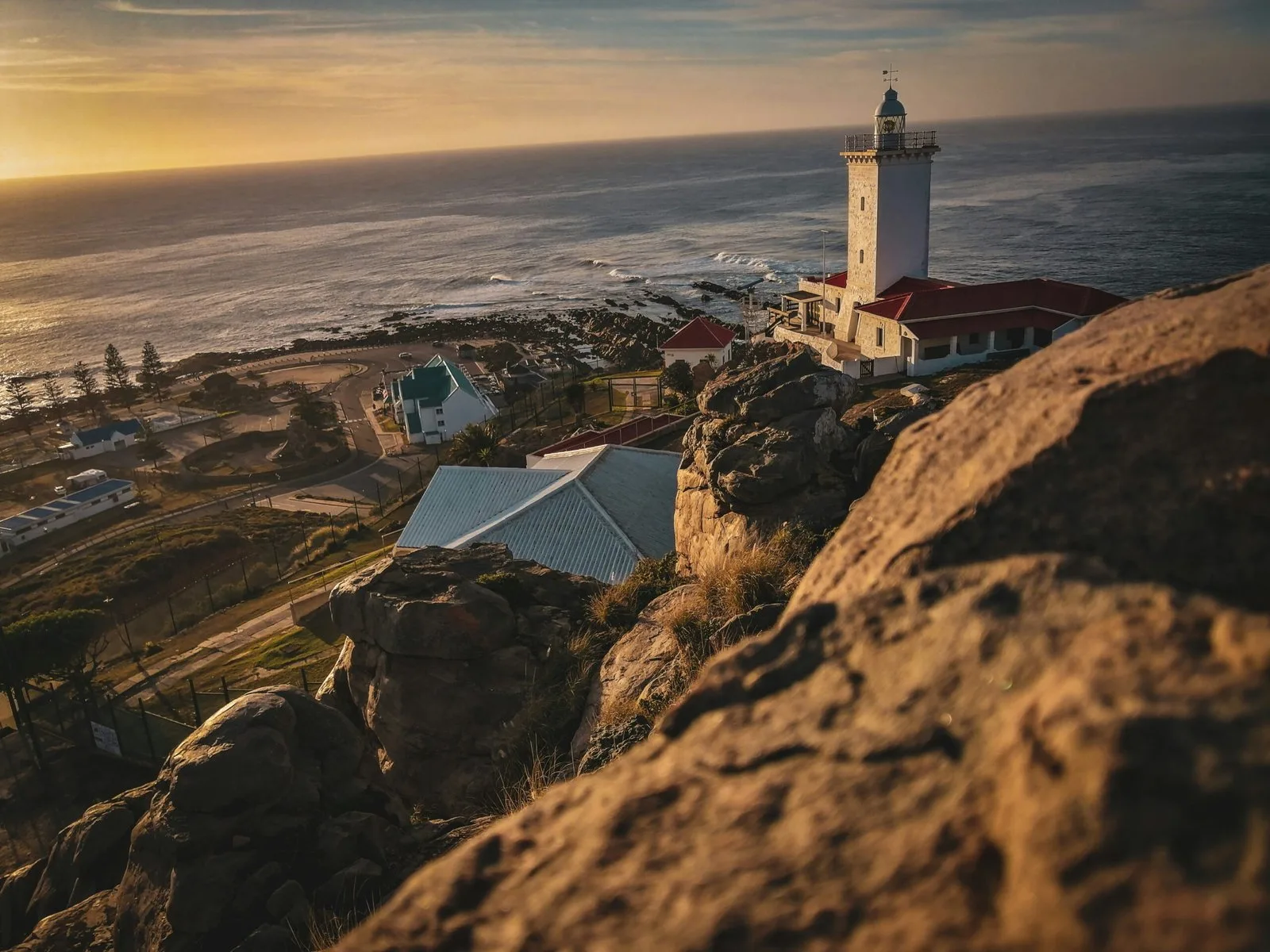
March/April’s autumn light – the Knysna Heads at sunset turn gold and pink, photographers’ dream
Whale season peaks in September – southern rights breach off Plett’s Lookout Beach
September’s wildflowers on Robberg – the peninsula explodes with colour after winter rains
Jeffreys Bay in April/May – consistent swell, warm water, and only local surfers in the line-up
Wild Coast in autumn – hiking the Hole in the Wall without the summer humidity
The Tiny Trade-Off
April can bring three days of rain – the Garden Route is a temperate rainforest; pack a waterproof jacket
Some beachfront restaurants close in May (post-Easter lull, especially in Wilderness and Buffelsbaai)
September can be windy – spring brings strong westerlies; Robberg hikes can be challenging
Easter week (March/April) – Garden Route hotels triple in price, book 8 months ahead
Smart Traveler Tip
For the absolute sweet spot: Late March (autumn colours, warm ocean, no crowds, perfect hiking) or late October (whales still here, spring flowers, warm enough for swimming)
Avoid Easter week entirely – the N2 from Wilderness to Plett becomes a 4-hour crawl
Book Addo rest camps 3-4 months ahead for March and September – it’s popular with locals
Pack for everything: In one Garden Route day, you can have sunshine, rain, wind, and fog. Layers and a waterproof shell are non-negotiable
Deep Off-Season
Your Smartest Windows
May to August – The Garden Route’s mild winter: cool, dramatic, and gloriously empty
Avoid: Late June to mid-July (South African school winter holidays – Plett and Knysna fill with local families. Book early if you must go)
What the Sky Does
Knysna & Plett: May 10–22°C (50–72°F) – cool mornings, pleasant afternoons, occasional rain
June: 8–19°C (46–66°F) – coldest month, storms roll in from the sea, dramatic skies
July: 7–19°C (45–66°F) – similar to June, fewer storms, crisp and clear between fronts
August: 8–20°C (46–68°F) – warming slowly, wildflowers begin, still low rainfall
Tsitsikamma: May 8–20°C (46–68°F) – forest lush, waterfalls flowing, misty mornings
Addo Elephant Park: May 8–25°C (46–77°F) – bone-dry, cold nights, perfect game viewing
Wild Coast: May 12–24°C (54–75°F) – mild, low humidity, perfect hiking weather
How Empty It Feels
75-85% fewer tourists than December – you’ll have Plett’s beaches to yourself in a howling westerly
Knysna’s lagoon: Hire a kayak and paddle to the Heads without dodging holiday boat traffic
Tsitsikamma’s Otter Trail rest huts – availability opens up (book 6 months ahead still, but possible)
Jeffreys Bay’s Supertubes – watch local pros from an empty beach, no cameras, no crowds
What You’ll Save
60-75% off peak rates
Flights to George (GRJ) or Port Elizabeth (PLZ) drop 50% from Johannesburg/Cape Town
Car rentals as low as $20/day – explore the Tsitsikamma passes affordably
The Secret Perk
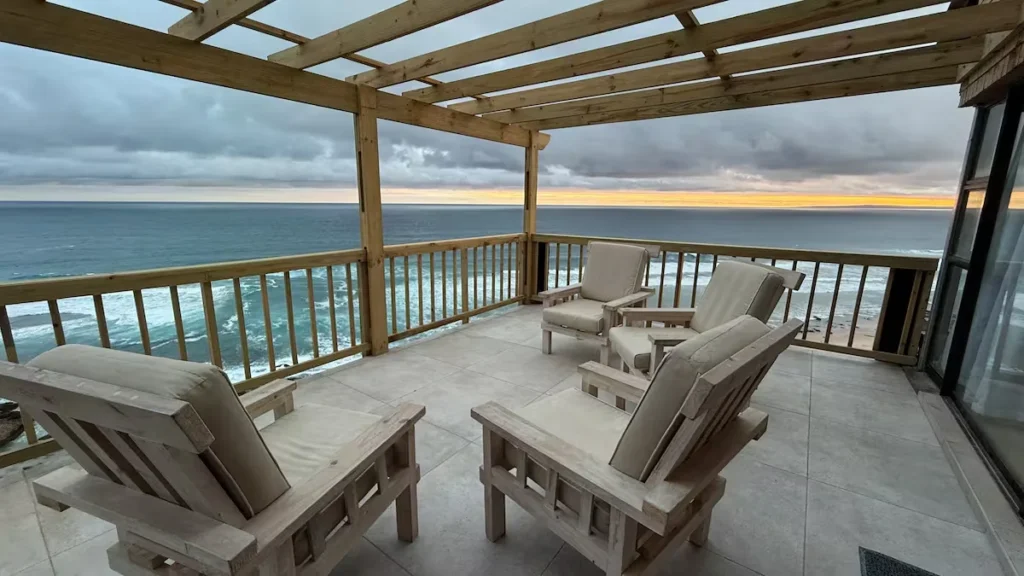
Storm-watching on the Garden Route – book a sea-facing room in Wilderness or Plett and watch 10m waves from a heated pool with a glass of red wine
Addo’s winter game viewing is world-class – vegetation thins, elephants gather at waterholes, no summer heat
Cozy fireside oysters in Knysna – the famous oyster bars are full of locals, not tourists, in winter
The Wild Coast in June – empty beaches, dramatic skies, and the Xhosa villages feel genuinely remote
Jeffreys Bay’s winter surf – consistent, powerful, and uncrowded. Perfect for intermediate to advanced surfers
The Tiny Trade-Off
Swimming is too cold – the Indian Ocean drops to 15-17°C (59-63°F) – wetsuit territory only
Boat tours (whale watching, lagoon cruises) run reduced schedules or cancel on stormy days
Some coastal restaurants close in June/July (especially in Wilderness, Nature’s Valley, and St Francis Bay)
Daylight is shorter – sunrise 7:00am, sunset 5:15pm – start your hikes early
The N2 can flood – heavy winter storms occasionally close the Bloukrans Bridge area for hours
Smart Traveler Tip
Avoid the last two weeks of June through mid-July – local school holidays fill the Garden Route. Plett’s supermarkets look like panic-buying before a hurricane.
Quietest month is August – schools are back, weather is improving (15-20°C/59-68°F), whales are still here (June-November), and the wildflowers start
For the mildest winter conditions, stay between Knysna and Plett – Tsitsikamma is wetter, Jeffreys Bay is windier
Packing for Garden Route winter: thermal base layer, fleece, waterproof shell, beanie, scarf, gloves for morning hikes, but also shorts and t-shirts for midday. The sun will surprise you between storms.
Don’t skip Addo in winter – it’s the best game viewing of the year. The park is 60-70% empty, and the elephants are active all day because it’s not scorching.
Find Off-Peak Flights
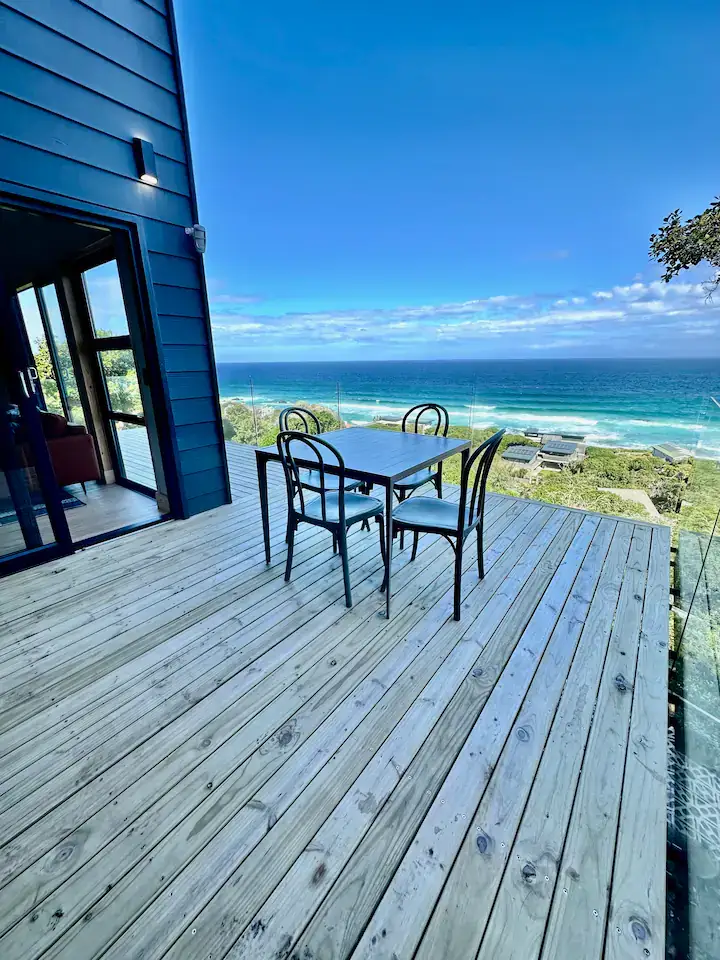
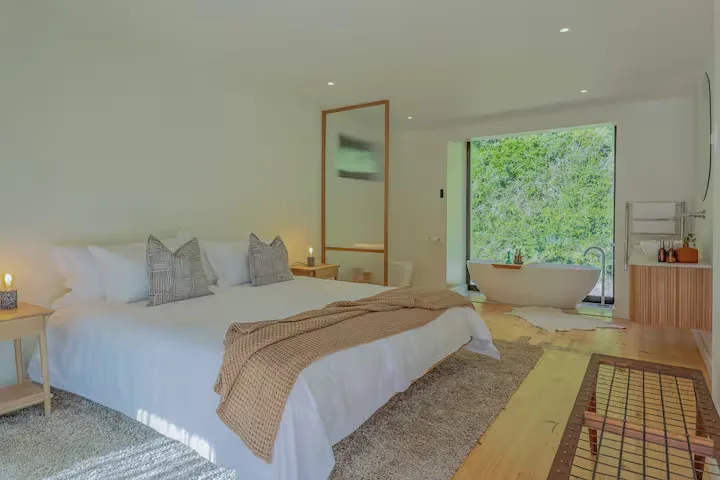
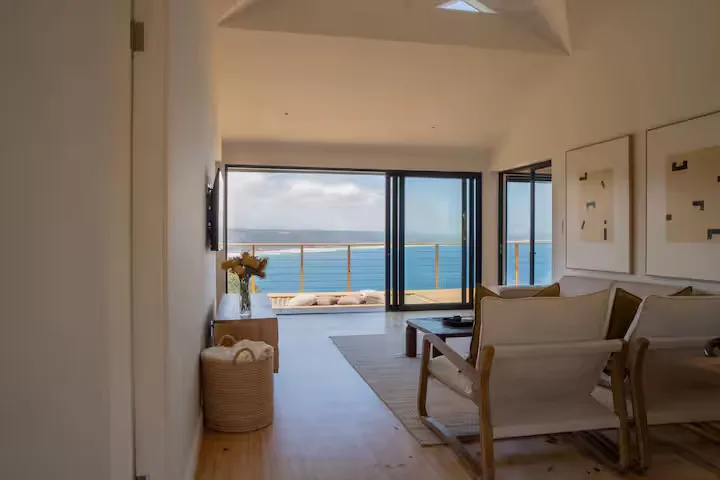
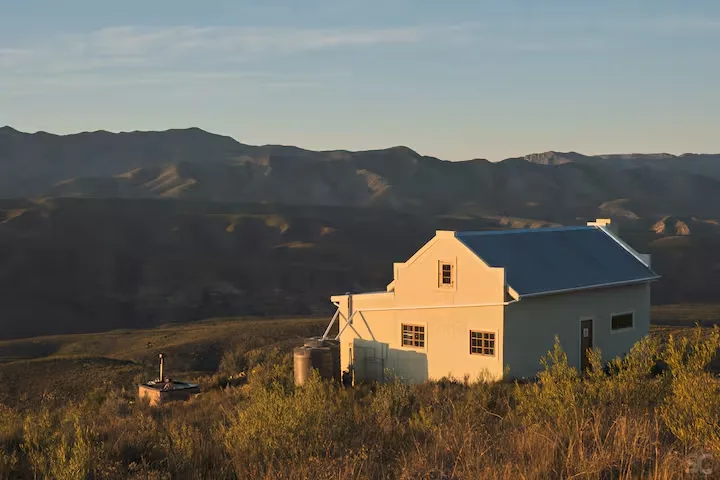
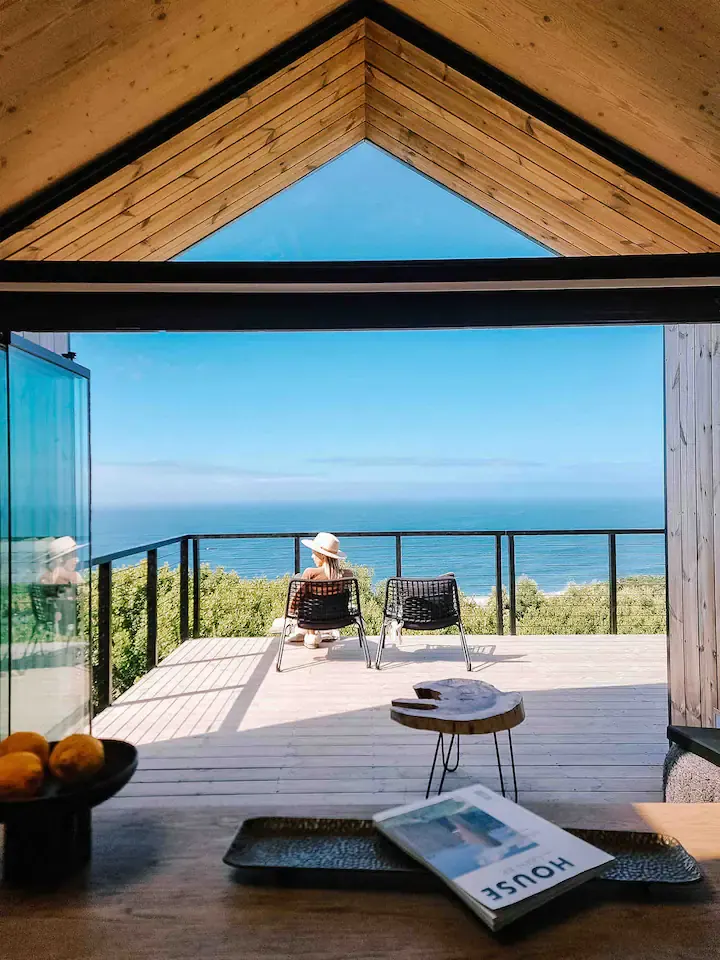
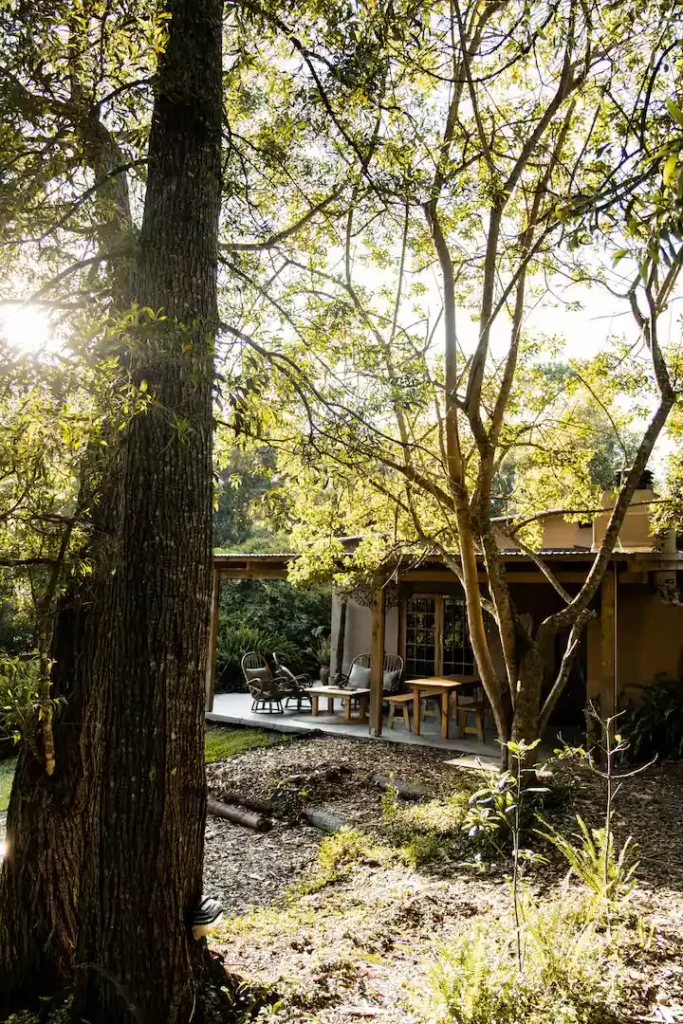
Top Off‑Season Stays
Find below our curated selection of boutique hotels and design apartments that offer exceptional value, atmosphere, and comfort during the off‑season — often at significantly lower rates than peak months.
Uncrowded Experiences & Tours
Skip the lines and experience iconic landmarks at your own pace. Discover curated local tours and cultural activities designed to show you the authentic side of the destination without the peak-season rush.
Handy Tips
Weather & Climate
The region has a mild, temperate climate. The Garden Route has the second-mildest climate in the world, with generally mild, dry winters and warm, sunny summers. The Eastern Cape can be hotter inland but remains pleasant on the coast.
Local Customs And Etiquette
Language: The main languages spoken are English, Afrikaans, and Xhosa (isiXhosa). A greeting in Xhosa, such as Molo (‘hello’), is always appreciated.
Tipping: It is customary to tip 10-15% for good service in restaurants. You should also tip car guards (R5-R10) and petrol attendants (R5-R10).
Safety: The region is generally safe, but always be aware of your surroundings, especially in city centers. Do not leave valuables visible in your car.
Budgeting For Your Trip
Accommodation: Hostels ($15–$30), mid-range guesthouses/B&Bs ($60–$120), luxury lodges/hotels ($180+). Safari lodges are significantly higher.
Food: Fixed-price lunch menu ($8–$15), dinner at a mid-range restaurant ($20–$40 per person), fine dining ($50+).
Transport: Car rental ($20–$40/day for a compact car), intercity bus/shuttle ($30–$50).
Activities: Park entry fees ($5–$15), Big Five game drive ($40–$100+), bungy jump ($80+).
Daily Budget:
- Budget: $70–$110 (hostels, self-catering/casual meals, public/shuttle transport).
- Mid-range: $120–$200 (B&Bs, nice restaurants, car rental, one paid activity).
- Luxury: $250+ (Boutique hotels, gourmet meals, private tours, private safari lodge).
Getting Around
By Car: A car is the only recommended way to truly explore the Garden Route and Eastern Cape, allowing you the freedom to stop at viewpoints and small towns.
By Shuttle/Bus: Intercity coach services (like Intercape or Baz Bus) connect the main towns, but limit your flexibility to explore off-the-beaten track.
By Air: Airports in George (GRJ) and Gqeberha (PLZ) connect you to Cape Town and Johannesburg, making it easy to start or end your trip.
Must-Try Food
Knysna Oysters: Widely considered some of the best in the world, often served fresh with a squeeze of lemon.
Braai (BBQ): A social, South African-style barbecue, usually featuring lamb chops, boerewors (boor-uh-vors) – a coiled farm sausage, and steak.
Mieliepap: A traditional porridge made from maize meal, often served as a staple side dish in the Eastern Cape.
Biltong: A cured and dried meat snack (similar to jerky, but usually thicker cut) made from beef, game, or ostrich.
Vetkoek: Deep-fried bread dough, usually stuffed with savory mince or cheese.
Peri-Peri Prawns: Large prawns grilled and smothered in a spicy chili and lemon sauce, a Portuguese-Mozambican influence.
Fish and Chips: Freshly caught deep-fried fish (often Hake or Kingklip) from one of the many fishing harbors.
Gatsby: A massive sub-style sandwich, often stuffed with chips, steak, and sauce—a popular, affordable Cape/Eastern Cape specialty.
Milk Tart (Melktert): A sweet dessert pie with a creamy milk filling, dusted with cinnamon.
Koeksister: (koo-ek-sister) A sticky, braided dough, deep-fried and dunked in a cold, sweet syrup.
Must-Try Drinks
Local Craft Beer: South Africa has a vibrant craft beer scene. Look for local breweries in Plettenberg Bay or along the Garden Route.
Chenin Blanc: South Africa’s most widely planted white grape, producing fruity, refreshing, and food-friendly wine.
Pinotage: A unique red wine grape crossing of Pinot Noir and Cinsaut, known for its smoky, earthy, and bold flavors.
Amarula: A cream liqueur made with sugar, cream, and the fruit of the African Marula tree (the ‘elephant tree’).
Rooibos Tea: (roy-boss) A caffeine-free herbal tea with a distinct red color, grown only in South Africa’s Western Cape region, served hot or cold.
South African Gin: Numerous small distilleries are using local botanicals like Fynbos (fine-bos) to create unique, high-quality gins.
Cabernet Sauvignon: Often blended with Merlot to produce the famous ‘Bordeaux blends’ from the nearby Cape Winelands.
Fizzy Drinks: Look out for local brands like Sparletta Creme Soda or Stoney Ginger Beer.
Dom Pedro: A dessert cocktail made with ice cream, a liqueur (often Kahlua or Whiskey), and topped with cream.
Shandy: A mix of beer and lemonade or ginger beer, a popular, light summer drink.