 Skip to content
- Is Summer A Good Time To Visit The United Arab Emirates For Lower Prices And Fewer Crowds?
Yes, absolutely. You can truly "Exploit Travel Seasonality" here by visiting between June and August. During this off-peak period, you will find hotel discounts of 50% to 70% , and you might have entire hotel pools or massive shopping malls nearly to yourself compared to the winter crowds.
However, the trade-off is extreme heat with temperatures often exceeding 40°C (104°F). While every building has powerful air conditioning and indoor attractions like Ski Dubai and the Louvre Abu Dhabi are world-class, spending more than a few minutes outdoors during the day can be uncomfortable.
- How Does The Weather Affect Outdoor Desert Safaris During The Off-Season?
The experience changes completely, but it is still possible. During the summer off-season, most smart operators shift desert safaris to later in the evening when the sun is setting, so you still get the stunning dunes without the midday intensity.
The positive side is that sunset photos are spectacular with clearer skies. Just be prepared that traditional campfires may feel warmer than usual, so wear light, breathable fabrics. You will still see the falcons and camels, but the activities are typically shorter and focused on the cooler evening hours.
- Will I Find Good Flight And Hotel Package Discounts For The Emirates In Summer?
Yes, this is where your travel budget gets supercharged. Because many global travelers avoid the summer heat, flight prices to the UAE drop by roughly 40% to 60% compared to peak winter rates, and five-star hotels offer "Summer Surprise" promotions with massive savings.
The catch is that you are trading outdoor exploration for indoor luxury. You can stay in a Burj Al Arab suite for a fraction of the winter price, but you will rely on the hotel’s private beach at dawn or dusk.
- Are Public Beaches And Outdoor Attractions Still Accessible With Fewer People?
Yes, they are open and often shockingly empty. Visiting a public beach like JBR in August means you will see 80% fewer tourists than in December, giving you a very local and relaxed vibe. The water stays warm, and the sun is powerful for tanning.
The major downside is the sand temperature can burn your feet, so water shoes are mandatory. Most smart travelers use the beach exclusively before 10 AM or after 5 PM. For a better experience, focus on indoor cultural sites like the Museum of the Future, which have no queues at all during off-season hours.
- Why Should I Choose The Shoulder Season Months Instead Of Deep Summer?
Because the shoulder months of May and September offer the perfect balance of value and tolerable heat. You still get discounts of 30% to 45% on accommodation, but the weather allows for morning walks along the Corniche or outdoor dining without melting.
The biggest advantage is that you avoid both the peak winter rush and the brutal deep-summer midday. You can actually "Exploit Travel Seasonality" by enjoying outdoor waterparks in May or indoor luxury in September. If you want a mix of sunshine and comfort, these are your sweet spot.

Home > Exploit The Seasons > Seasonal World Map > The Middle East > United Arab Emirates (Dubai And Abu Dhabi)
UNITED ARAB EMIRATES
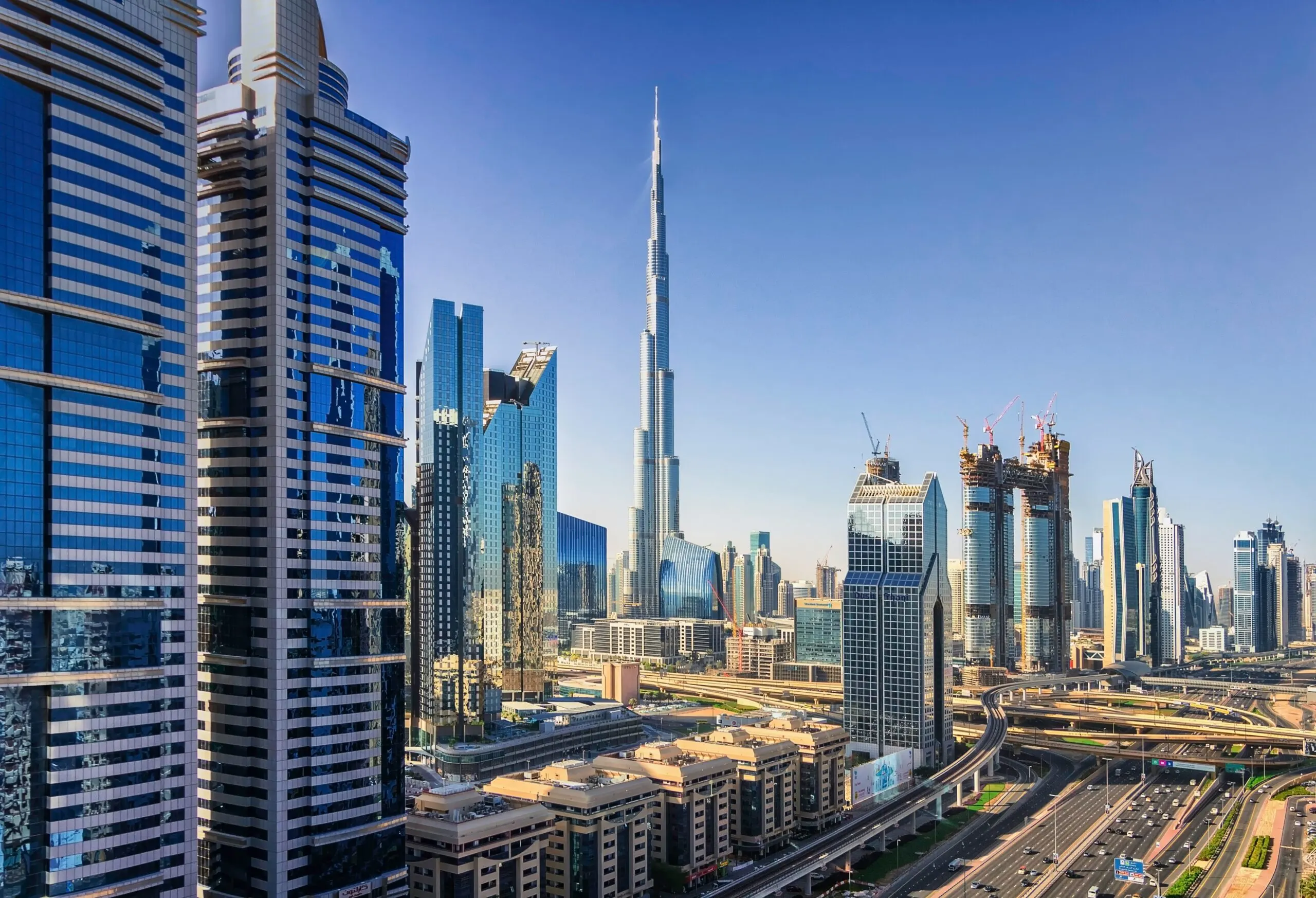
The UAE sheds its polished winter veneer to reveal empty highways, indoor art hubs, and sun-scorched dunes. This guide unlocks the smart windows for near-private malls, five-star stays at hostel prices, and cultural moments when residents have time to talk.
Smart Travel Calendar
Shoulder Season
Your Smartest Windows
October – mid-November
Late March – April
Avoid: Dubai Shopping Festival (December–January) and Eid al-Fitr & Eid al-Adha (dates shift). Domestic travel spikes, and even moderate hotels double rates for 5-7 days.
What the Sky Does
Days: 28°C to 35°C (82°F-95°F) | Nights: 22°C to 27°C (72°F-81°F)
Low humidity returns in October – outdoor breakfasts become pleasant again after summer’s grip.
March brings occasional dust storms (2-3 days max) – visibility drops, but skies clear quickly.
Sea water stays warm (26°C-30°C / 79°F-86°F) – perfect for swimming without a chill.
Sunset shifts earlier by April, making evening outdoor dining comfortable without late-night heat.
How Empty It Feels
40-50% fewer tourists compared to December–February peak (Christmas, New Year, Shopping Festival).
Burj Khalifa “At the Top” waits drop from 2 hours to 15 minutes on weekday afternoons.
Global Village (Oct–Apr) is walkable without shoulder-to-shoulder shuffling on Sunday–Wednesday.
Sheikh Zayed Grand Mosque feels meditative – you can find quiet corners for reflection easily.
What You’ll Save
Flights: 30-40% lower | Hotels: 45-55% lower than Christmas week rates.
Car rental drops by 35% – luxury sedans from Dubai Airport become affordable upgrades.
Brunch deals return – Friday brunches at 5-star hotels slash prices by 40-50% to fill seats.
Attraction combo passes (IMG Worlds, Ferrari World) often include free 2nd day during shoulder weeks.
The Secret Perk
Al Marmoom Desert’s bird hides are empty – flamingo watching without photography tour groups.
Outdoor art installations in Alserkal Avenue stay up longer because curators have fewer events.
Date harvest season (late September–October) – you’ll taste fresh rutab dates from Liwa farms.
Golden hour lasts beautifully because humidity hasn’t returned to scatter light prematurely.
Golf course marshals offer free tips – courses are quiet, so staff have time for conversation.
The Tiny Trade-Off
Some beach clubs close pool sections mid-week for maintenance before winter peak.
Outdoor theme park hours shorten (closing 6 PM vs 9 PM) at places like LEGOLAND Dubai.
Occasional cloudy days in April can interrupt planned sunset desert photography.
Ramadan timing – if shoulder months overlap Ramadan (shifts annually), daytime dining is restricted.
Smart Traveler Tip
Target the first two weeks of November for the absolute sweet spot – weather is ideal, and schools in Europe/Gulf are in session.
Book Friday brunch for Thursday evening instead – many restaurants offer Thursday “pre-brunch” discounts at 30% less.
Check Eid dates before locking April trips – if Eid falls early, April can get crowded for 5 days.
Deep Off-Season
Your Smartest Windows
June – August
Early September
Avoid: Eid al-Adha (dates shift). Even in extreme heat, domestic travel spikes for 5-7 days. Malls, waterparks, and indoor attractions become packed with regional tourists.
What the Sky Does
Coastal (Dubai/Abu Dhabi): 38°C to 48°C (100°F-118°F) | Nights: 30°C-34°C (86°F-93°F)
Humidity on coast hits 80-90% overnight – walking outside feels like a warm wet blanket.
Inland (Liwa desert) : dry heat up to 50°C (122°F) by afternoon – but shade and AC work perfectly.
Occasional morning fog in August creates eerie, beautiful cityscape photos before burning off by 9 AM.
Sun is intense but predictable – UV index maxes out by 11 AM, so indoor planning is essential.
How Empty It Feels
Up to 80-85% fewer tourists compared to winter peak (November–March).
Dubai Mall’s aquarium and waterfall feel private on weekday mornings – you’ll see security guards more than shoppers.
Indoor attractions (Museum of the Future, Louvre Abu Dhabi) have timed entries that never sell out – walk right in.
Metro and trams are blissfully uncrowded – you’ll always get a seat, even during “rush hour.”
What You’ll Save
Flights: 50-65% lower than December | Hotels: 60-75% lower (7-star hotels for 3-star prices).
Car rental for a week can cost less than one day peak-season at major agencies.
Waterpark cabanas (Aquaventure, Yas Waterworld) get upgraded for free because they’re unsold.
Fine dining tasting menus run “summer surprise” offers – three-course lunches for under $25 USD.
The Secret Perk
Indoor skiing at Ski Dubai has empty slopes – you might get a private lesson for group price.
Louvre Abu Dhabi’s children’s museum becomes a quiet retreat – staff do free mini-tours because they’re bored.
You’ll have infinity pools to yourself at Palm Jumeirah hotels before 10 AM and after 5 PM.
Real local life appears after 7 PM – families emerge to parks and malls, and you’ll feel less like a tourist.
Summer festival season brings indoor concerts, comedy shows, and dining deals across the Emirates.
The Tiny Trade-Off
Outdoor activities are impossible between 11 AM and 4 PM unless they’re water-based.
Beach time is limited to before 9 AM or after 5 PM – sand gets painfully hot by mid-morning.
Some desert camps close entirely (June–August) or operate only for pre-dawn breakfast tours.
Daylight hours are long (sunset near 7:30 PM) but heat restricts outdoor exploring.
Smart Traveler Tip
Base yourself in Abu Dhabi for the mildest summer conditions – coastal breezes help, and indoor attractions are world-class.
July is the quietest month – schools across the Gulf are in summer break, but families travel abroad, not within UAE.
Pack only light linen, a refillable insulated bottle, and a portable fan – every building has powerful AC.
Do all outdoor activities at sunrise (5:30-7:30 AM) – desert safari, dune bashing, and camel rides are actually pleasant then.
Check the “Summer Surprises” festival calendar – Dubai runs sales and events indoors all summer long.
Find Off-Peak Flights
Top Off‑Season Stays
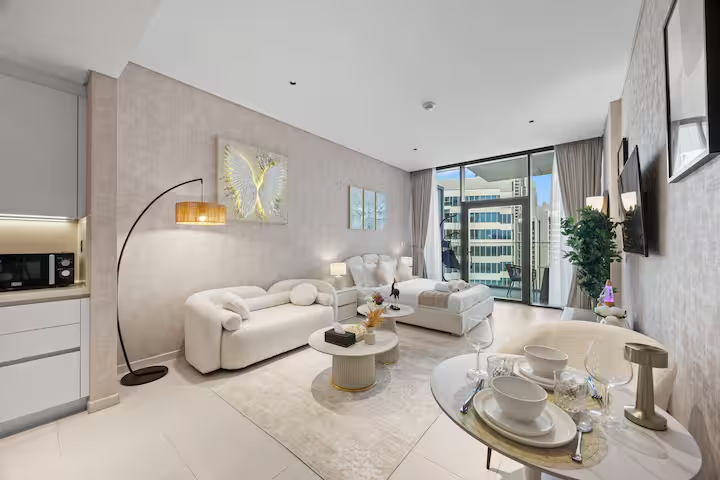
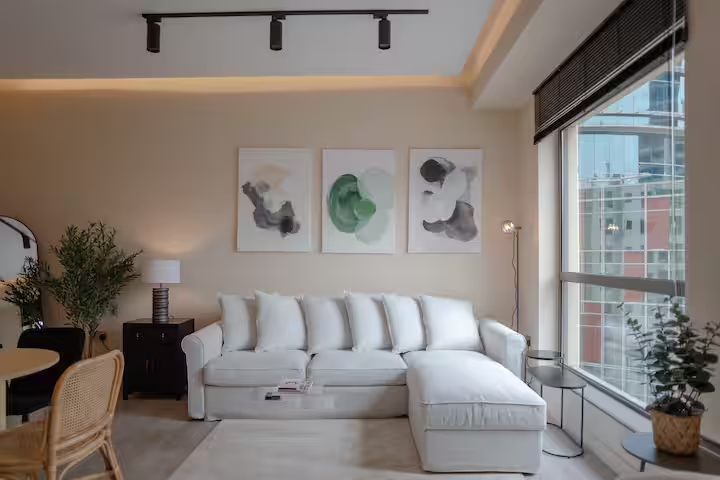
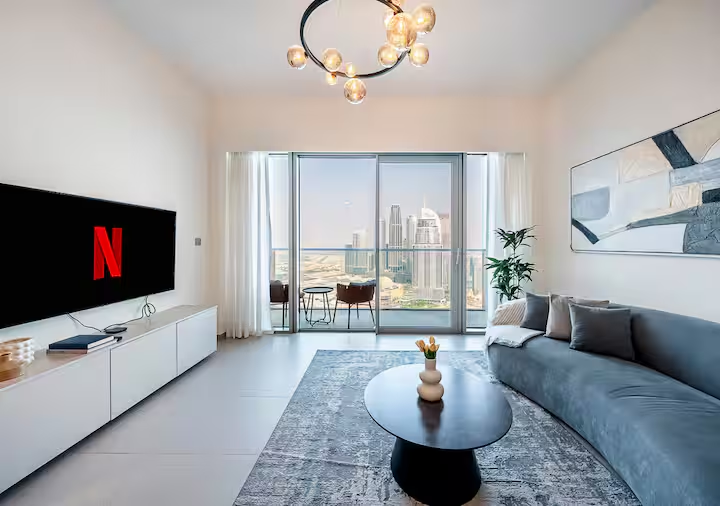
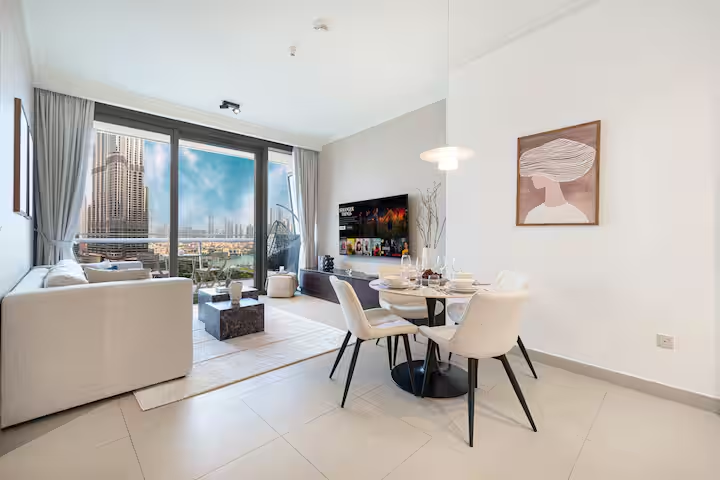
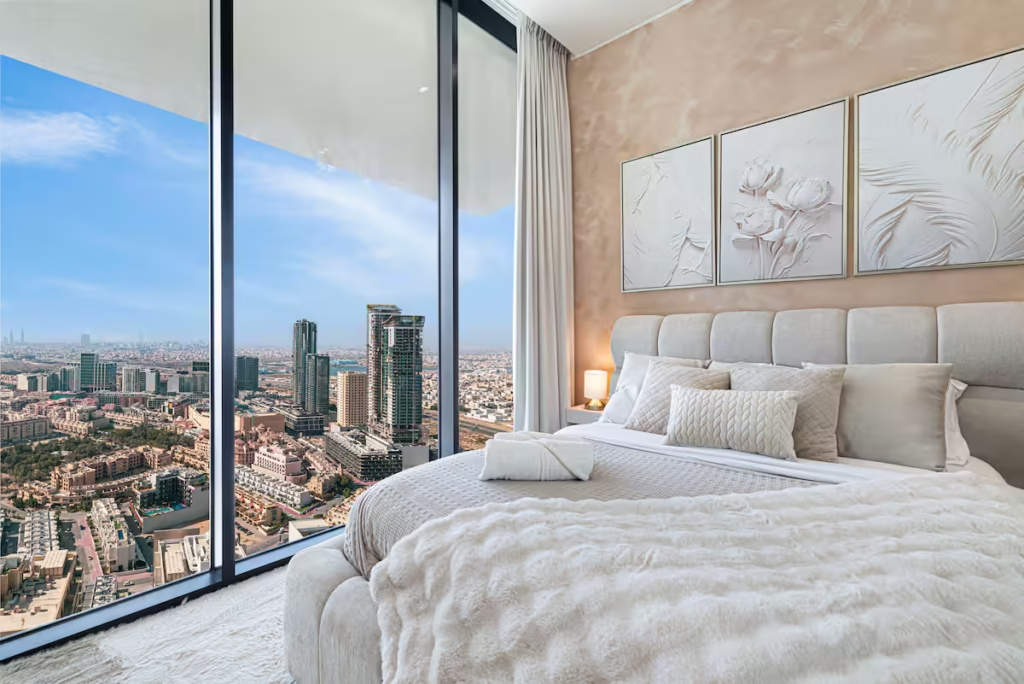
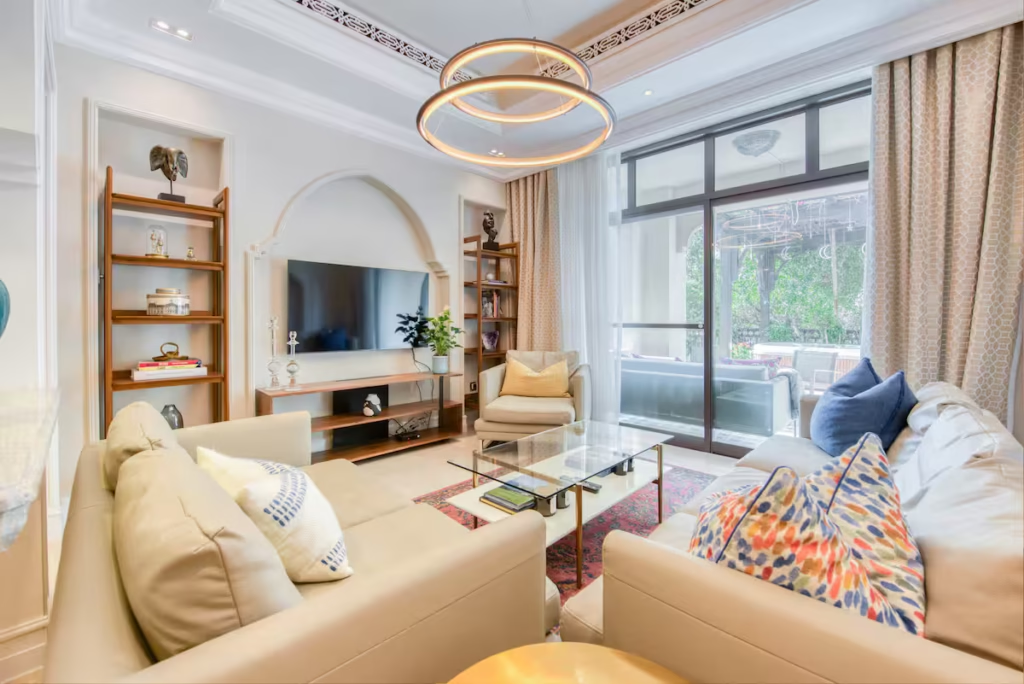
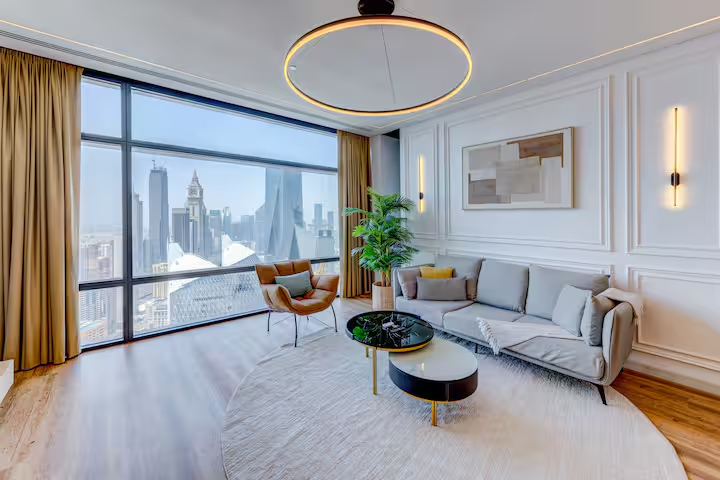
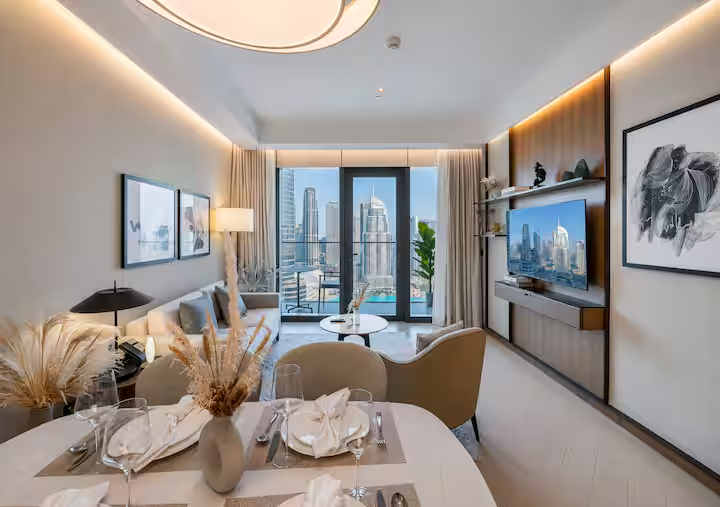
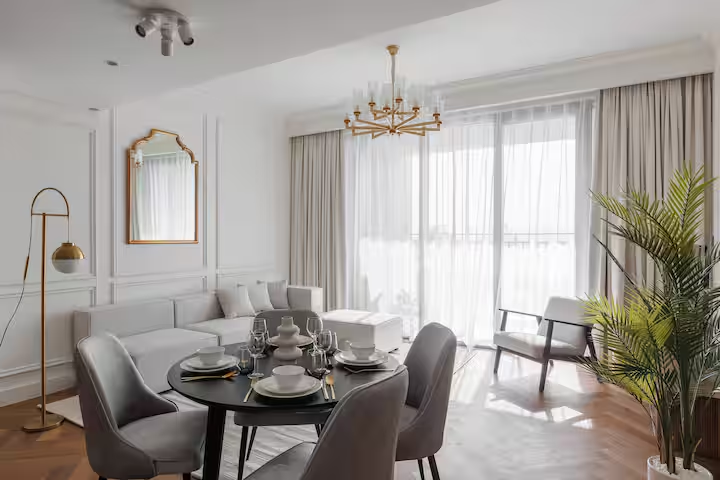
Find below our curated selection of boutique hotels and design apartments that offer exceptional value, atmosphere, and comfort during the off‑season — often at significantly lower rates than peak months.
Uncrowded Experiences & Tours
Skip the lines and experience iconic landmarks at your own pace. Discover curated local tours and cultural activities designed to show you the authentic side of the destination without the peak-season rush.
FAQs
Essential Trip Information
Visa and Entry Requirements
Many nationalities receive a free 30- or 90-day visa on arrival.
Passports must be valid for at least six months.
Some travelers may need pre-arranged visas (e.g., Indian citizens).
Overstaying incurs heavy fines (US$27/day after grace period).
Currency
Currency: UAE Dirham (AED). Exchange rate: 1 USD = 3.67 AED (approx.).
Best Ways to Handle Currency:
- Before Your Trip: Exchange a small amount of AED at your local exchange bureau for convenience.
- During Your Trip: Use ATMs for better rates (major banks like Emirates NBD, ADCB). Credit/debit cards (Visa, Mastercard) are widely accepted. Carry AED 100–200 for smaller purchases.
- What to Avoid: Currency exchange kiosks at airports and tourist spots (they offer less favorable rates).
Language
Official Language: Arabic. English is widely spoken, especially in urban areas.
Helpful Phrases: “Marhaban” (Hello), “Shukran” (Thank you), “Kam Al-Thaman?” (How much does this cost?).
Safety & Security
Generally safe, but take precautions in crowded tourist areas to avoid pickpockets.
Emergency number: 999.
Women travelers should dress modestly, particularly in more traditional areas, to respect local customs.
Public behavior should be respectful; avoid public displays of affection.
Health & Insurance
Vaccinations: No special vaccinations required, but it’s recommended to check with your doctor.
Travel Insurance: Recommended for coverage of any medical expenses (healthcare can be expensive).
Tap water in the UAE is generally safe to drink, but bottled water is more commonly consumed.
Transportation
Metro: Efficient, modern, and clean; available in Dubai and soon to expand in Abu Dhabi.
Taxis: Readily available, though rides can be expensive during peak times.
Car rentals: Popular, but traffic can be heavy in urban areas.
Public Buses: Good for inter-city travel; fares are cheap.
Price Level
Dubai and Abu Dhabi tend to be more expensive than other emirates, with luxury experiences available at a premium.
Accommodation:
- Budget: Hostels and budget hotels (US$40–80/night).
- Mid-range: 3-star hotels (US$100–200/night).
- Luxury: 4-5 star hotels (US$250+/night).
Food:
- Quick eats: Street food (US$5–15), casual restaurants (US$10–25).
- Fine dining: US$40+/person.
Drinks:
- Soft drinks: US$2–4.
- Beer: US$7–12 (in licensed bars or hotels).
- Cocktails: US$15–25.
Transportation:
- Metro/bus: US$1–2/ride (Dubai metro) or use a Nol card.
- Taxis/Uber: US$10–30 for short trips.
- Car rentals: US$30–60/day.
Money-Saving Tips
- Visit Al Fahidi Historical District in Dubai (free entry).
- Enjoy the beaches in Dubai and Abu Dhabi (free).
- Use public transportation (metro, buses) for an economical travel experience.
Dine at local eateries in areas like Deira or Karama for authentic and affordable meals.
Planning Your Trip
Local Customs And Etiquette
Dress Code: Conservative dress is expected in public places. Swimwear is acceptable at beaches and pools but should not be worn in public areas.
Tipping: 10–15% at restaurants. US$1–2 per bag for hotel staff.
Public Behavior: Public displays of affection are discouraged. Avoid loud or disruptive behavior.
Ramadan: During the holy month of Ramadan, refrain from eating, drinking, or smoking in public during daylight hours. Most restaurants will be closed during the day, but some will offer private dining for non-Muslims.
Respect: Show respect for Islamic traditions and customs, especially when visiting mosques and religious sites.
Budgeting For Your Trip
Accommodation: Budget hotels (US$50–100), mid-range hotels (US$100–200), luxury hotels (US$300+).
Food: Street food (US$5–10), casual restaurants (US$10–30), fine dining (US$50+).
Transport: Metro (US$1–3/day), taxis (US$5–20 depending on distance), car rentals (US$30–50/day).
Activities: Most beaches and parks are free. Paid attractions like the Burj Khalifa (US$40), Ferrari World (US$75), desert safaris (US$60–150).
Daily Budget:
Budget: US$80–120 (hostels, street food, metro).
Mid-range: US$150–300 (hotels, sit-down meals, attractions).
Luxury: US$400+ (luxury hotels, fine dining, private tours).
Internet & Mobile
Free Wi-Fi: Available in most hotels, cafes, and malls. Public places also offer free Wi-Fi.
SIM Cards: Available at the airport and retail stores. Prepaid plans range from US$20–50 for 10–20GB.
eSIMs: Available for international travelers from providers like Airalo.
Travel Insurance
Recommended for: Medical coverage, trip cancellation, and delays (especially in peak season).
U.S. Healthcare: Private healthcare in the UAE is expensive, so make sure your travel insurance covers emergencies.
Adventure Activities: Ensure your insurance covers adventure activities such as desert safaris or water sports (e.g., jet skiing, dune bashing).
Accomodation Options
The UAE offers a range of accommodations, from ultra-luxury resorts to budget hotels, catering to all types of travelers.
Luxury:
- Hotels: Burj Al Arab (Dubai), Atlantis The Palm (Dubai), Qasr Al Sarab Desert Resort (Abu Dhabi).
- Desert Resorts: Al Maha Desert Resort (Dubai) – for an unforgettable desert experience.
Mid-range:
- Hotels: Jumeirah Beach Hotel (Dubai), Yas Hotel (Abu Dhabi).
- Boutique Hotels: Hotel Indigo (Dubai), Vida Downtown (Dubai).
Budget:
- Hotels: Ibis Dubai, Premier Inn Dubai International Airport. Prices: US$50–100/night.
- Hostels: Dubai Backpackers, The Greenhouse Hostel (Abu Dhabi). Prices: US$25–50/night.
Unique Stays:
- Desert Safari Camps: Experience camping under the stars in the desert. Prices: US$100–200 for a night in luxury tents.
Tip: Book accommodation well in advance, especially during the high season (November–March).
Getting Around
The UAE is well-connected, with options ranging from taxis to metro systems in major cities like Dubai and Abu Dhabi.
Taxis: Readily available. Fares range from US$5–15 for short distances. Use ride-hailing apps like Uber and Careem for convenience.
Metro (Dubai): US$1–3 per trip. Efficient, air-conditioned, and connects major tourist spots (Burj Khalifa, Dubai Mall).
Buses: Cheap, but can be slower. US$0.50–1 per ride.
Car Rentals: US$30–50/day. Driving in the UAE is easy with well-maintained roads, but be cautious about speeding and parking fees.
Private Chauffeurs: Available for higher-end travel. Costs vary (~US$100–200/day depending on the car).
Domestic Flights: Useful for visiting other Emirates. Flights can be as low as US$50, but most travel is done via car or taxi.
Bold Recommendation: Use the metro for getting around Dubai, but consider renting a car for trips to other Emirates and desert excursions.