 Skip to content
- Is The Heat In Kuwait During The Off-Season Truly Unbearable?
Temperatures regularly exceed 48°C (118°F) with intense sun, making outdoor activities unsafe for more than a few minutes. However, the shoulder months of April-May and September-October offer much more manageable conditions in the high 30s to low 40s Celsius.
The positive is that Kuwait has responded to its climate by building spectacular indoor environments. You can absolutely Exploit Travel Seasonality by focusing entirely on world-class indoor attractions: the stunning Avenues Mall (one of the largest in the Middle East), the magnificent Grand Mosque, the cutting-edge Kuwait National Cultural District, and the excellent Tareq Rajab Museum. Nearly everything a tourist needs is fully air-conditioned.
- How Much Can I Save On Business Hotels And Apartments In Kuwait During The Off-Season?
You will see enormous discounts of 55% to 75% off peak winter and business travel season rates. Since most visitors come to Kuwait between November and March for pleasant weather and business conferences, summer rates at five-star hotels along the Gulf Road drop dramatically. Luxury serviced apartments become genuinely affordable for extended stays.
The trade-off is that some beach clubs and outdoor waterfront cafes close or reduce hours. However, indoor hotel pools, world-class spas, and the famous Kuwaiti restaurant scene remain fully operational with discounts of 35% to 50% on dining and spa packages.
- Will The Souks And Cultural Sites Still Be Open And Enjoyable?
Yes, but you will experience them differently than winter visitors do. The famous Souk Al-Mubarakiya and Souk Sharq are partially covered or fully air-conditioned, making them walkable even in summer. You will find roughly 70% fewer tourists wandering the alleyways, which means vendors are more relaxed and haggle more willingly. The gold and perfume markets remain as dazzling as ever.
The drawdown is that the iconic Kuwait Towers' outdoor viewing deck becomes very hot during peak afternoon hours. However, visiting early morning or after sunset solves this completely. The indoor aquarium, museums, and cultural centers maintain a comfortable temperature year-round. Just plan your outdoor photo stops for the golden hour around 6pm when the heat finally breaks.
- Is Getting Around Kuwait City Possible Without Melting?
Yes, because Kuwait is a car-centric city where you move from one air-conditioned bubble to another. Taxis and rideshares are widely available with discounts of 20% to 30% compared to winter demand. Most major attractions have attached underground or indoor parking, meaning your total outdoor exposure can be under five minutes per trip. The city is literally designed for hot weather mobility.
The specific benefit is that traffic congestion drops by roughly 40% during summer months. Many residents travel abroad during the hottest weeks, so streets that are normally clogged become surprisingly navigable. The only caution is that walking between attractions is not recommended in peak summer. Plan your itinerary as a series of drop-offs rather than a walking tour, and you will stay perfectly comfortable.
- Why Should I Choose Kuwait For A Smart Travel Off-Season Trip?
Because Kuwait offers the most indoor-friendly luxury experience in the Gulf, at a fraction of peak-season prices. While other Middle Eastern destinations require balancing indoor and outdoor activities, Kuwait embraces its climate completely. You can enjoy world-class shopping, dining, aquariums, museums, and even indoor theme parks without ever feeling the heat outside. It is essentially an air-conditioned city-state.
The honest drawback is that you will not experience traditional desert camping or long seaside strolls. But you can Exploit Travel Seasonality by saving those activities for early morning or late evening when temperatures drop. For travelers who prioritize luxury, culture, and incredible value over outdoor adventure, Kuwait's off-season is genuinely unbeatable.

Home > Exploit The Seasons > Seasonal World Map > The Middle East > Kuwait
KUWAIT
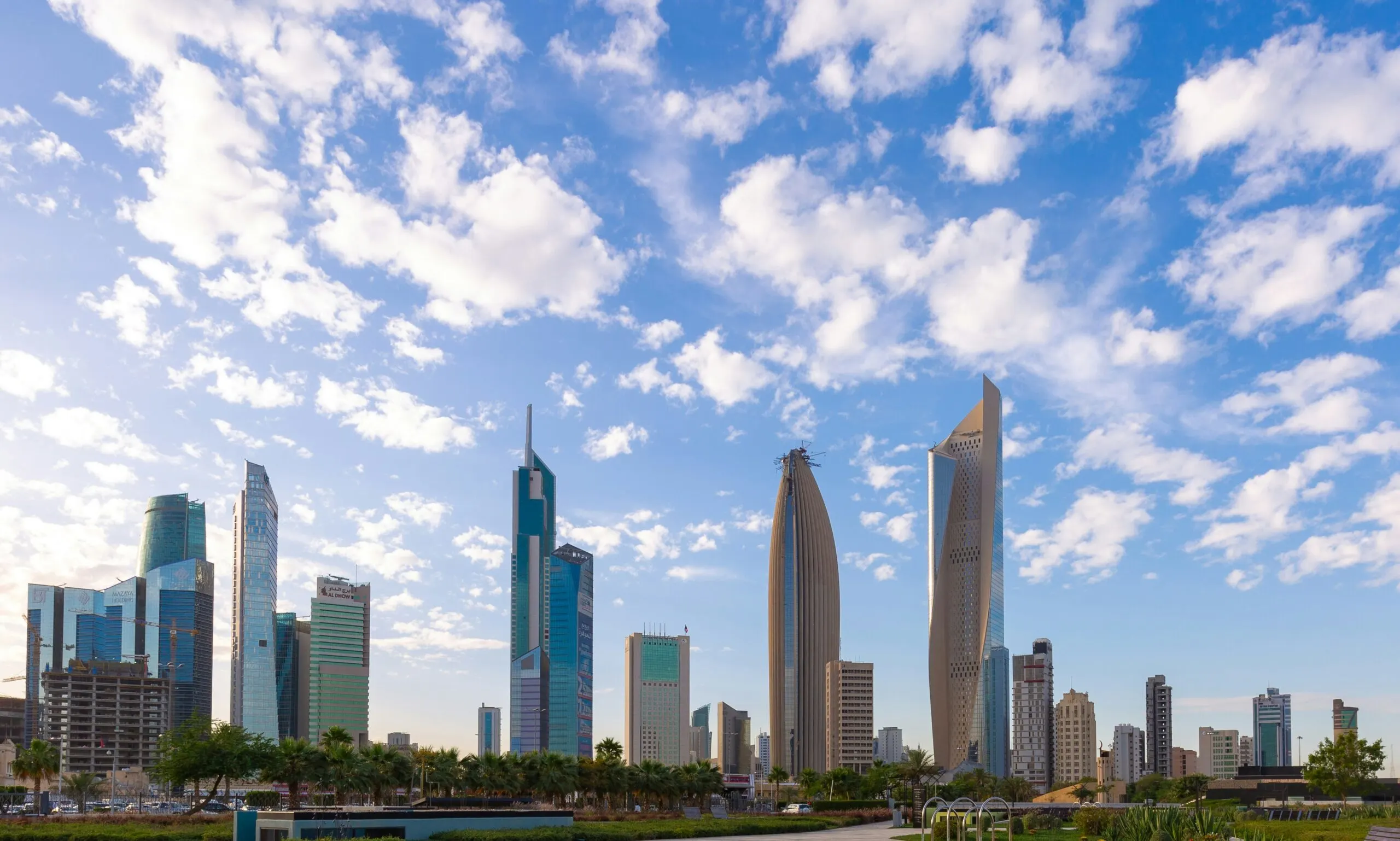
Kuwait steps out of the winter spotlight, unveiling empty seaside promenades, quiet museum halls, and golden desert horizons. This guide reveals when to explore the Gulf’s cultural hidden gem with fewer crowds, cooler temperatures, and authentic local moments.
Smart Travel Calendar
Why Choose Kuwait Off-Season?
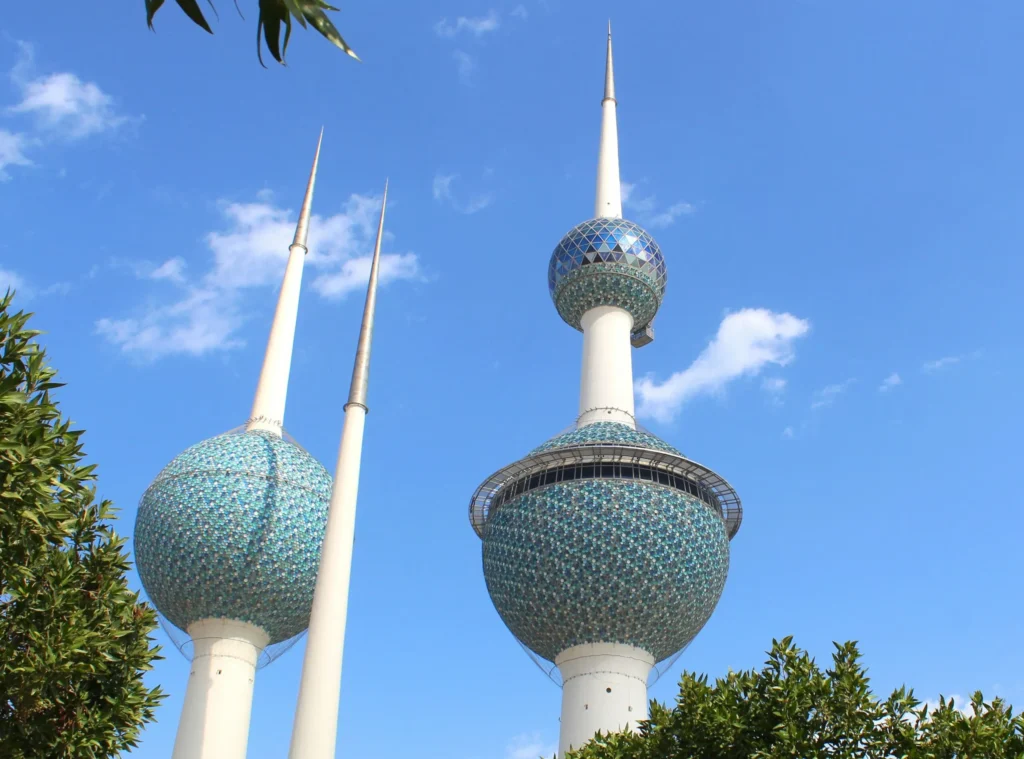
Kuwait Towers without the crowds. Ride the observation sphere without waiting for elevator space.
Hotel rates drop by 65%. The Arabian Gulf’s waterfront suites become affordable for luxury stays.
The Avenues Mall feels walkable. No shoulder-to-shoulder shuffling through the world’s second-largest mall.
Souq Al-Mubarakiya is relaxed. Shopkeepers have time for qahwa and dates without rush.
Scientific Center’s aquarium feels private. Stand face-to-face with rays without photo-bombers.
Desert camping is genuinely peaceful. Winter nights by the fire under uninterrupted star trails.
Shoulder Season
Your Smartest Windows
October – mid-November
Late February – March
Avoid: National Day (February 25) and Liberation Day (February 26) . The country celebrates for 4-5 days with fireworks, parades, and full hotels. Also avoid Eid al-Fitr and Eid al-Adha (dates shift) – domestic travel spikes, and the Avenues Mall becomes impossibly packed.
What the Sky Does
Days: 24°C to 32°C (75°F-90°F) | Nights: 16°C to 22°C (61°F-72°F)
Low humidity returns in October – seaside walks along the Corniche become pleasant again.
Late February brings occasional dust storms (1-2 days) – visibility drops but clears within 24 hours.
Sea water stays warm (24°C-27°C / 75°F-81°F) – beach clubs remain comfortable in early October.
Sunset shifts earlier by late October – evening outdoor dining becomes comfortable from 5 PM onward.
How Empty It Feels
50-60% fewer tourists compared to December–February peak (National Day, Christmas, Hala February festival).
The Avenues Mall’s Grand Avenue is walkable on weekdays – no dodging strollers and selfie sticks.
Souq Al-Mubarakiya’s gold souq feels explorable – shopkeepers greet you rather than call out.
Marina Crescent’s waterfront cafes have open seating without fighting for sea-view tables.
What You’ll Save
Flights: 35-45% lower | Hotels: 45-55% lower than February’s National Day week rates.
Car rental drops by 35% – SUVs from Kuwait International Airport become much more affordable.
Desert safari tours offer “shoulder specials” – book afternoon trips for 30% less than morning peak.
Dining at 360 Mall’s rooftop restaurants runs 2-for-1 mains to fill terrace seats mid-week.
The Secret Perk
Desert wildflowers bloom in March – rare carpets of green and purple appear in Jahra and Abdali.
Traditional dhow building yards have craftsmen with time to explain their work without tour groups.
Golden hour photography is buttery soft because dust levels settle after summer winds calm.
Local cafe owners in Mirqab share family histories over cardamom-spiced karak chai .
Jaber Al-Ahmad Cultural Centre offers backstage tours on quiet weekdays – just ask.
The Tiny Trade-Off
Some beach club pools close sections mid-October for maintenance before winter peak season.
Occasional dusty wind in March can make outdoor pool lounging unpleasant for a single day.
Failaka Island ferry frequency reduces in shoulder months – check morning schedules in advance.
Kuwait Opera House show calendar is lighter – fewer international acts in October and March.
Smart Traveler Tip
Target the first two weeks of November or the week after National Day (late February) for the absolute sweet spot – weather is ideal, and schools across the Gulf are in session.
Book desert camps for Sunday–Wednesday to get private fire pits at shared-fire prices.
Check Eid dates before locking March trips – if Eid al-Fitr falls early, March can get crowded for 5-7 days.
Deep Off-Season
Your Smartest Windows
June – August
Early September
Avoid: Eid al-Adha (dates shift). Even in extreme heat, domestic and regional travel spikes for 5-7 days. The Avenues Mall, indoor attractions, and waterparks become packed with Gulf tourists escaping summer elsewhere.
What the Sky Does
Kuwait City: 42°C to 49°C (108°F-120°F) | Nights: 30°C-35°C (86°F-95°F)
Humidity on the coast hits 70-85% overnight – walking outside from a hotel feels like a steam bath.
Inland desert : dry heat up to 51°C (124°F) – but every building has powerful central AC.
Occasional morning fog in August creates eerie skyline photos before burning off by 8:30 AM.
Sun is violent but predictable – UV index maxes by 10 AM, so indoor planning is essential.
How Empty It Feels
Up to 85-90% fewer tourists compared to winter peak (November–March and National Day weeks).
Kuwait Towers’ observation deck feels private on weekday afternoons – you might share with 2-3 people.
Tareq Rajab Museum of Islamic Calligraphy has empty galleries – staff offer unsolicited expert tours.
The Scientific Center’s aquarium tunnels are blissfully empty – stand as long as you want at the shark tank.
What You’ll Save
Flights: 50-65% lower than December | Hotels: 60-75% lower (five-star beachfront for three-star prices).
Car rental for a week can cost less than one peak-season day at major agencies.
Indoor attraction passes (KidZania, Sky Zone) run “summer unlimited” deals – one price for all-day access.
Fine dining tasting menus offer “summer escape” pricing – three-course lunches for $15-20 USD.
The Secret Perk
Al Shaheed Park’s indoor botanical garden is empty – you’ll have tropical plants and waterfalls to yourself.
The Avenues Mall’s ice rink has no queues – skate for an hour without dodging birthday parties.
You’ll have indoor pools to yourself at Salmiya hotels before 10 AM and after 6 PM.
Real local life appears after 7 PM – families emerge to air-conditioned malls, and you’ll feel less like a tourist.
Summer entertainment festival season brings indoor concerts, comedy shows, and dining deals across Kuwait City.
The Tiny Trade-Off
Outdoor activities are impossible between 9:30 AM and 5:30 PM unless they’re water-based.
Beach time is limited to before 7:30 AM or after 5:30 PM – sand reaches burning temperatures by 8:30 AM.
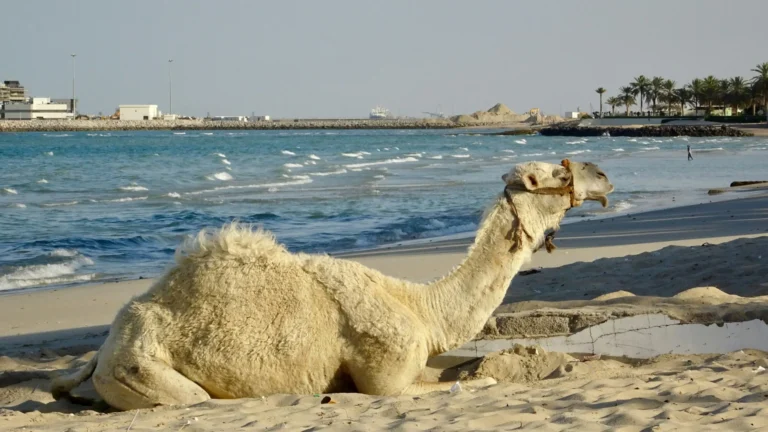
Desert camps close entirely (June–August) – no dune bashing, camel rides, or overnight camping.
Daylight hours are long (sunset near 6:45 PM) but heat restricts outdoor exploring completely.
Smart Traveler Tip
Base yourself in Salmiya or Sharq for the most indoor-walkable summer experience – hotels connect to malls via air-conditioned walkways.
July is the quietest month – schools across the Gulf are on break, but families travel to Europe, not within Kuwait.
Pack only light linen, a refillable insulated bottle, a portable neck fan, and a UV umbrella – every building has powerful AC, but outdoor transfers from parking lots are brutal.
Do any outdoor activity at sunrise (4:15-5:30 AM) – Corniche walks and sunrise photography at Kuwait Towers are actually pleasant then.
Check the “Summer of Kuwait” festival calendar – the country runs indoor events, reduced attraction prices, and dining offers all summer long.
Find Off-Peak Flights
Uncrowded Experiences & Tours
Skip the lines and experience iconic landmarks at your own pace. Discover curated local tours and cultural activities designed to show you the authentic side of the destination without the peak-season rush.
FAQs
Essential Trip Information
Visa and Entry Requirements
All travelers need a passport valid for at least six months beyond their stay.
Gulf Cooperation Council: Visa-exempt.
Eligible Nationalities (approx. 53 countries): Can get a visa on arrival (at airports) or apply for an e-Visa online. Fees apply (approx. US$10-150).
Other Nationalities: Must obtain a visa in advance from a Kuwaiti embassy/consulate, often requiring local sponsorship.
Important: Proof of onward travel, accommodation, and sufficient funds may be requested. Travelers with Israeli stamps/visas may be denied entry.
Always confirm specific requirements with official Kuwaiti government sources before travel: 🔗 Kuwait Ministry of Interior e-Visa Portal
Currency
Kuwaiti Dinar (KWD): The official currency, and it is one of the strongest currencies globally. For reference, US$1 ≈ 0.31 KWD.
Best Ways to Handle Currency:
Before Your Trip: Exchange a small amount at your home country or use a local ATM in Kuwait for the best rates.
During Your Trip: ATMs at major banks (e.g., National Bank of Kuwait) offer good rates. Credit cards (Visa, MasterCard) are widely accepted, but it is good to carry 10-20 KWD in cash for smaller establishments.
What to Avoid: Avoid exchanging currency at airport kiosks (high fees).
Language
Arabic is the official language.
English is widely spoken, especially in tourist areas and business districts.
Helpful phrases: “As-salamu alaykum” (Hello), “Shukran” (Thank you), “Ayna…?” (Where is…?).
Safety & Security
Kuwait is generally very safe, with a low crime rate.
Always be cautious in unfamiliar areas, especially at night.
Emergency number: 112 (Police/Medical).
Health & Insurance
No specific vaccinations are required for visitors.
Travel insurance is strongly recommended, especially for medical coverage.
Tap water is safe to drink, but bottled water is available in most places. Pharmacies are widespread.
Transportation
Taxis/Ride-sharing: Taxis are available, but ride-hailing services like Careem are more commonly used.
Public transport: Kuwait has an extensive bus network, but no metro system.
Car Rentals: Renting a car is a good option if you want to explore outside Kuwait City.
Price Level
Kuwait can be quite expensive, especially in major tourist areas like the capital, Kuwait City.
Accommodation:
- Budget: Hostels or budget hotels ($50–90/night)
- Mid-range: 3-star hotels ($100–200/night)
- Luxury: 4-5 star hotels ($200+/night)
Food:
- Quick eats: Street food, shawarma stands ($5–10)
- Casual dining: Local restaurants ($15–30/person)
- Fine dining: International cuisine or hotel restaurants ($40+/person)
Drinks:
- Non-alcoholic drinks: Soft drinks ($2–5)
- Coffee/Tea: Local cafes ($3–6)
Transportation:
- Taxis/Uber: $8–20 for short trips
- Metro: No metro system currently; taxis or private car services are common.
- Car Rentals: Starting at $35/day
Money-Saving Tips:
- Visit Al-Mubarakiya Souq for affordable local food and handicrafts.
- Use Careem for affordable ride-hailing services.
Planning Your Trip
Getting Around
Kuwait has a modern and relatively small transportation network. Public transport is limited, so taxis or rental cars are common choices for getting around.
Taxis: Readily available, with fares starting at around US$3 for short trips (within the city). Use Uber or Careem for more convenience and clear pricing.
Public Buses: Inexpensive (US$0.25–0.50) but limited routes and not widely used by tourists.
Car Rentals: Available from US$30–50/day. Recommended for exploring the city and nearby attractions at your own pace.
Domestic Flights: Not necessary for traveling within Kuwait, as distances are short.
Bold Recommendation: Renting a car or using taxis is the most efficient way to get around Kuwait.
Accomodation Options
Kuwait offers a range of accommodations, from luxury hotels to budget-friendly options.
Luxury:
- Beachfront: Jumeirah Messilah Beach Hotel & Spa.
- City Hotels: Four Seasons Hotel Kuwait at Burj Alshaya, The Regency Hotel Kuwait.
Mid-range:
- Boutique hotels: The Courtyard by Marriott Kuwait City.
- Business Hotels: Holiday Inn Kuwait.
Budget:
- Guesthouses: US$40–60/night in areas like Salmiya and Hawally.
- Budget Hotels: Ibis Kuwait, Radisson Blu Hotel.
Unique Stays:
- Luxury Apartments: Pearl Continental Hotel Apartments.
- Traditional Kuwaiti-style Hotels: Al-Fanar Hotel & Residences.
Tip: Book early for the luxury and mid-range hotels during peak tourist season (November–March).
Local Customs And Etiquette
Politics: Kuwait is a conservative country, so avoid discussions on politics or religion.
Tipping: Tipping is appreciated but not obligatory. A 10% service charge is often included in the bill at restaurants, but it’s customary to leave an extra US$1–2 for good service.
Dress Code: Modest attire is recommended, especially in public places (avoid revealing clothing). Women should cover their shoulders and knees in public areas.
Museum Behavior: Quiet voices are expected in cultural spaces, such as the Kuwait National Museum and the Tareq Rajab Museum.
Free Attractions: Many mosques and some historical sites are free to visit, such as the Grand Mosque.
Budgeting For Your Trip
Accommodation: Campsites (US$20–40), motels (US$80–150), resorts (US$300+).
Food: Casual (US$15–30/meal); fine dining (US$70–100+).
Transport: Car rental + gas (US$60–100/day average).
Activities: Park entry (US$20–35/vehicle); guided tours (rafting, horseback riding: US$50–150).
Daily Budget Estimates:
Budget: US$80–120 (camping, groceries, basic rental car).
Mid-range: US$200–300 (motels, casual dining, park fees).
Luxury: US$450+ (luxury lodging, private tours, fine dining).
Internet & Mobile
Free Wi-Fi: Available in most cafes, hotels, and shopping malls.
SIM Cards: Prepaid SIM cards available at Kuwait airport or local stores (US$15–30 for 10GB).
eSIMs: Available from major providers like Airalo or local carriers such as Zain.
Travel Insurance
Recommended for: Medical coverage, especially in case of accidents or illnesses.
U.S. Healthcare: Medical costs can be high, so ensure your travel insurance covers emergency medical needs.
Adventure Activities: Check your insurance policy for coverage on adventurous activities like desert safaris or diving.