 Skip to content
- Is The Weather In Iran Pleasant During The Off-Season?
Yes, but it varies dramatically depending on which part of this vast country you visit. The off-season (summer months of June to August) brings intense heat to the southern cities and the Lut Desert, but the northern regions near the Caspian Sea and the mountain towns like Shiraz and Isfahan enjoy surprisingly mild temperatures. You can literally choose your own weather by picking your destination wisely.
The drawdown is that the Persian Gulf coast becomes extremely hot and humid. However, you can absolutely Exploit Travel Seasonality by heading north to the lush green hills of Gilan province or exploring the alpine villages near Mount Damavand. These regions see up to 70% fewer tourists in summer, giving you the magnificent Islamic architecture and gardens almost entirely to yourself.
- How Much Can I Save On Traditional Hotels And Caravanserais In Iran During The Off-Season?
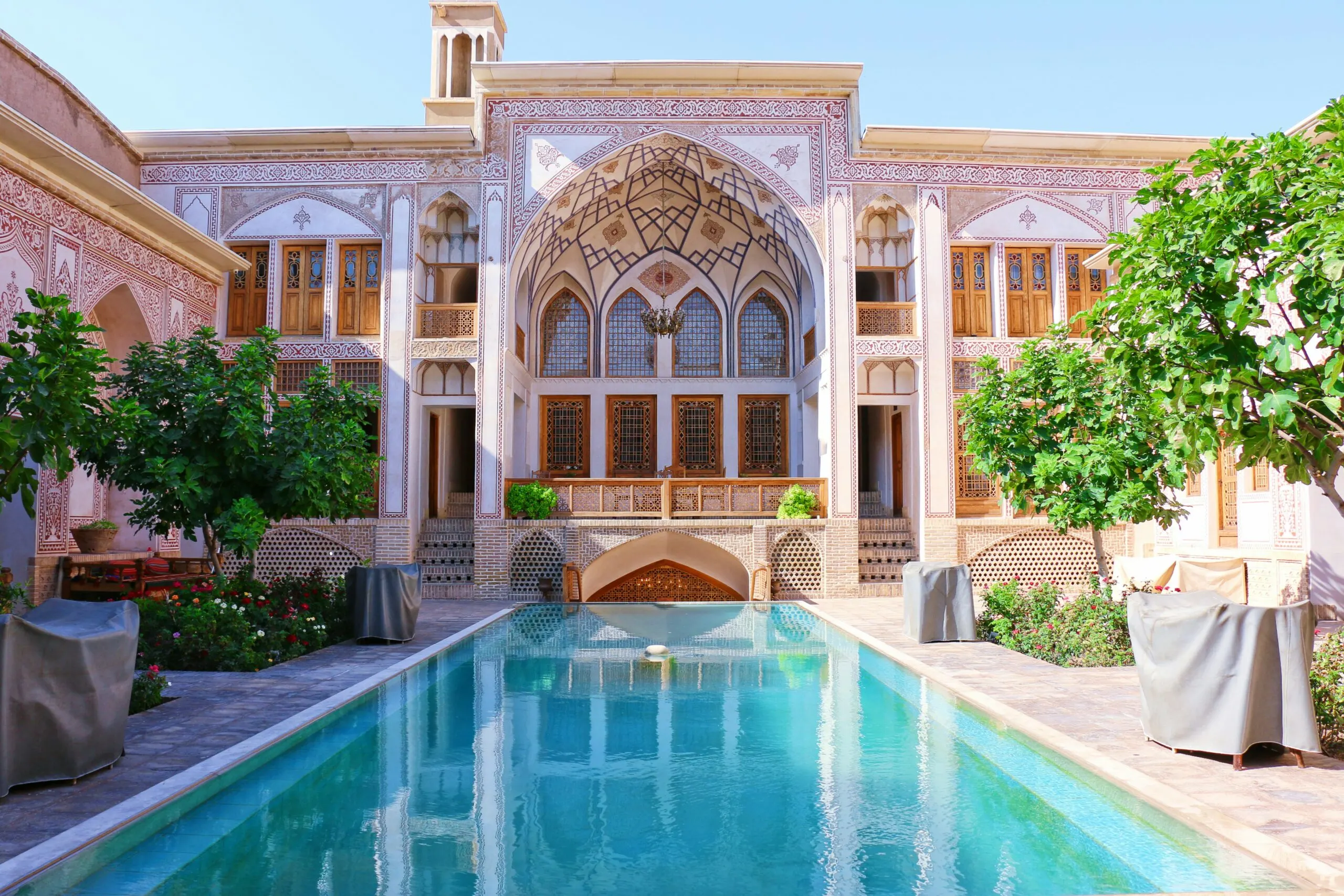
You will see substantial discounts of 35% to 55% off peak spring (Nowruz) and autumn rates. Since most travelers visit Iran during the perfect weather months of March-May and September-October, the summer off-season drops prices dramatically. Beautiful traditional boutique hotels in restored historic mansions become incredibly affordable for budget-conscious travelers.
The trade-off is that some desert caravanserais near Yazd can be too hot for comfortable sleeping without strong air conditioning. However, cities like Isfahan, Shiraz, and Tehran offer fully air-conditioned accommodations with discounts of 30% to 45% on longer stays. Use our AI Travel Assistant to match your temperature preferences with the best value regions.
- Will The Famous Persian Gardens And Historic Sites Be Too Crowded?
No, you will enjoy roughly 75% fewer visitors compared to the peak spring season. Imagine walking through the stunning gardens of Shiraz or the massive Naqsh-e Jahan Square in Isfahan with only locals and a handful of fellow smart travelers. The off-season transforms Iran's UNESCO World Heritage sites into peaceful sanctuaries perfect for photography and quiet reflection.
The positive is that guides and bazaar vendors have much more time for genuine conversation. Rather than rushing through the Vakil Bazaar, you can sit for tea, learn about carpet weaving, or discuss Persian poetry. The only drawdown is that midday heat requires you to visit outdoor sites in the morning or late afternoon, which actually provides better lighting for photos anyway.
- Is Transportation Across Iran Reliable During The Off-Season?
Yes, Iran's bus and domestic flight networks run perfectly year-round. The VIP buses are famously comfortable, air-conditioned, and inexpensive, with off-season discounts of 20% to 30% on ticket prices. Domestic flights connecting Tehran to Shiraz, Isfahan, and Kish Island remain fully operational and become easier to book without peak-season competition.
The specific benefit is that trains on the scenic Trans-Iranian Railway route have more availability for sleeper cabins. The only caution is that some shared taxis to remote desert villages reduce their frequency during extreme heat weeks. For most travelers sticking to the main tourist circuit (Tehran, Kashan, Isfahan, Yazd, Shiraz), transportation runs smoothly with much less hassle than during Nowruz chaos.
- Why Should I Choose Iran For A Smart Travel Off-Season Trip?
Because Iran offers the most hospitable people and deepest history in the Middle East, without the peak-season crowds or prices. Visiting during the summer off-season means you experience Persian hospitality at its most genuine. Hoteliers, guides, and shopkeepers have more time for long conversations, impromptu tea invitations, and showing you hidden corners of their cities that rush-hour tourists never see.
The honest drawback is that southern cities like Shiraz can be very warm by midday. But you can Exploit Travel Seasonality by adopting the local rhythm: early morning site visits, long luxurious lunches in air-conditioned restaurants, afternoon naps, and evening strolls through illuminated squares where families come out to enjoy cooler temperatures.

Home > Exploit The Seasons > Seasonal World Map > The Middle East > Iran
IRAN
Iran reveals its true soul beyond the peak spring crowds, from snow-dusted mountain passes to quiet Persepolis stones. This guide unlocks the smart windows for ancient wonders, empty bazaars, and genuine Persian hospitality without the premium prices.
Smart Travel Calendar
Why Choose Iran Off-Season?
Persepolis feels personally yours. Walk the Gate of All Nations with only wind and history as company.
Hotel rates crash by 50%. Traditional houses in Yazd become affordable for extended stays.
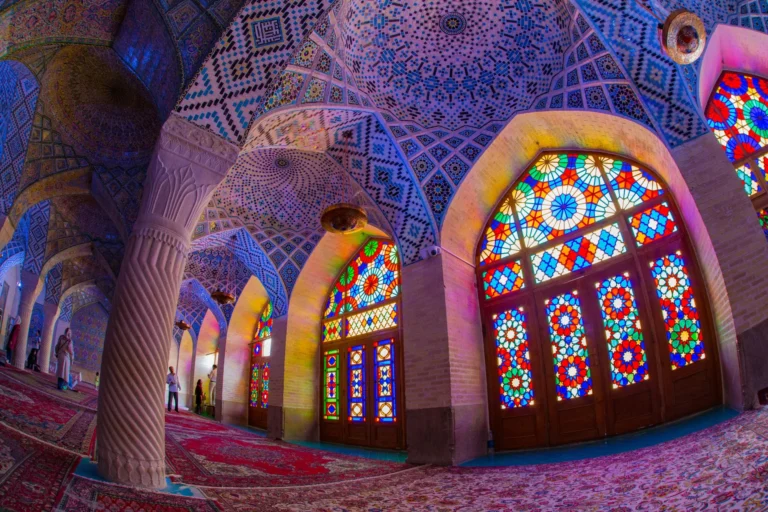
No queues at Nasir al-Mulk. The Pink Mosque’s morning light show feels like a private screening.
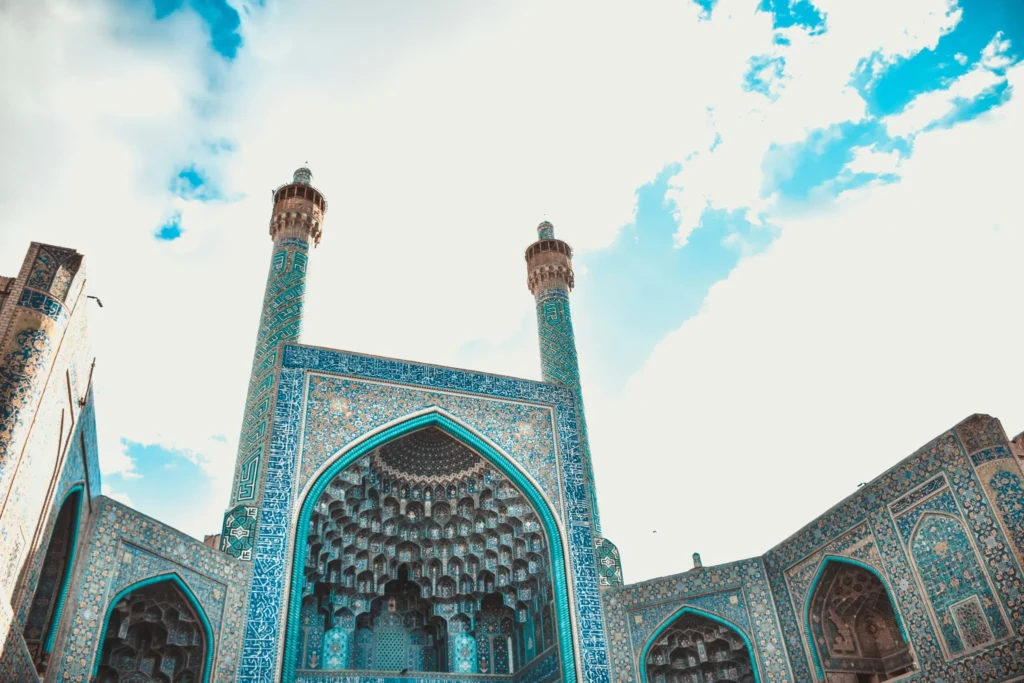
Bazaar shopkeepers have time to chat. Tea and stories replace rushed transactions in Isfahan’s Grand Bazaar.
Desert nights are perfect for stargazing. Maranjab’s dunes offer Milky Way views without summer heat.
Ski mornings and mosque afternoons. Dizin slopes empty out, giving you fresh powder near Tehran .
Shoulder Season
Your Smartest Windows
May – June
September – October
Avoid: Nowruz (Persian New Year – March 20 to April 3) . The entire country travels for 13 days. Hotels, transport, and sites are packed. Prices double or triple. Also avoid Eid al-Fitr and Eid al-Adha (dates shift) – domestic travel surges for 5-7 days .
What the Sky Does
Central Iran (Isfahan, Shiraz, Yazd): 25°C to 35°C (77°F-95°F) | Nights: 15°C to 22°C (59°F-72°F)
May brings rosewater harvest to Kashan – the air smells of blooming flowers across the desert oasis.
September offers crystal-clear skies – perfect for photography of mosque tiles and desert horizons.
Low humidity across the plateau – outdoor exploring feels comfortable from morning through late afternoon.
Northern Iran (Caspian coast) stays mild (22°C-28°C / 72°F-82°F) – but occasional spring rain possible .
How Empty It Feels
45-55% fewer international tourists compared to April peak and Nowruz chaos.
Naghsh-e Jahan Square in Isfahan feels spacious – you can photograph the Sheikh Lotfollah Mosque without photobombers.
Persepolis ruins have quiet corners – find spots to sit and imagine the Achaemenid processions alone.
Yazd’s old town alleys feel meditative – windcatchers tower over silent mud-brick lanes.
What You’ll Save
Flights: 30-40% lower than April Nowruz rates | Hotels: 45-55% lower (traditional houses especially).
Car rental with driver drops by 35% – private tours become affordable for solo travelers.
Persepolis entrance queues vanish – walk straight to the ticket booth any time of day.
Dining at traditional teahouses runs “shoulder specials” – set lunch menus at 30-40% off.
The Secret Perk
Kashan’s Rose Water Festival (late May) – entire villages celebrate harvesting roses with music and rituals.
Desert stargazing reaches perfection – September skies have zero humidity and no summer heat haze.
Local guides offer extended tours because they’re not rushing between groups during peak season.
Harvest season in the countryside – villages near Shiraz share fresh pomegranates and figs with visitors.
Photography light is golden – autumn sun angles create dramatic shadows on mosque facades.
The Tiny Trade-Off
Some mountain trekking routes (Alamut Valley) can still have snow patches in early May.
Occasional dusty wind in June – “wind of 40 days” can blow sand across central regions.
Tehran’s air pollution can linger on still days before summer winds clear it out.
Zayandeh River in Isfahan may still have dry sections (water restoration continues).
Smart Traveler Tip
Target the last two weeks of May or first two weeks of October for the absolute sweet spot – weather is ideal, and school holidays are finished in most source countries.
Book desert camps for weekdays (Sunday–Wednesday) to get private experiences at shared prices.
Check Ramadan dates before finalizing – if Ramadan falls during your shoulder window, daytime dining is restricted for 30 days.
Deep Off-Season
Your Smartest Windows
December – February
July – August (northern Iran only)
Avoid: Nowruz (late March) and Eid al-Adha (dates shift). Even in winter or summer, domestic travel spikes during these holidays. Mountain ski resorts (Dizin, Shemshak) fill completely during December–January school breaks .
What the Sky Does
Tehran/Isfahan/Yazd (winter): 4°C to 12°C (39°F-54°F) | Nights: -2°C to 4°C (28°F-39°F)
Snow carpets the Alborz Mountains – slopes near Tehran offer excellent skiing through February.
Central desert days are mild – exploring Yazd and Kerman is actually pleasant without summer heat.
Persian Gulf islands (Qeshm, Hormuz) in winter: 20°C-25°C (68°F-77°F) – absolutely idyllic for hiking and nature.
Northern Iran (summer) : Caspian coast stays 22°C-28°C (72°F-82°F) with lush green mountains .
How Empty It Feels
Up to 70-80% fewer tourists compared to spring peak (April-May) – winter is exceptionally quiet.
Persepolis and Naqsh-e Rostam feel like private archaeological sites – you might count visitors on one hand.
National Museum of Iran in Tehran has empty galleries – guards offer unsolicited historical insights.
Mountain villages (Abyaneh, Masuleh) feel genuinely local – no souvenir stalls, just life happening .
What You’ll Save
Flights: 50-60% lower than Nowruz rates | Hotels: 55-65% lower (traditional houses at rock-bottom prices) .
Car rental with driver for a week can cost the same as two peak-season days.
Ski resort packages (Dizin, Shemshak) offer “winter midweek” deals – lift tickets at 40% off weekend rates.
Museum entrance fees unchanged – but no queues means more time for actual viewing.
The Secret Perk
Dizin Ski Resort offers world-class powder – empty slopes midweek, fresh snow through February .
Yalda Night (December 21) – join local families for pomegranates, poetry, and staying up until sunrise.
Winter light in the desert creates long, dramatic shadows across Yazd’s windcatchers and mud-brick lanes.
Real local life in Tehran’s cafes – winter evenings bring intellectuals and artists to cosy basement teahouses.
Qeshm Island’s geology tours – comfortable winter hiking through “Stars Valley” without summer humidity.
The Tiny Trade-Off
High mountain passes may require chains or 4×4 vehicles (especially to Alamut Valley and Kandovan).
Daylight hours are short (sunset near 5 PM in January) – plan site visits between 9 AM and 3 PM.
Some village eco-lodges close from mid-January to mid-February for deep winter maintenance.
Zoroastrian sites in Yazd may have limited guide availability during winter weeks.
Smart Traveler Tip
Base yourself in Tehran or Isfahan for winter warmth (indoors) – central heating is excellent in mid-range and luxury hotels.
January is the quietest month for international tourists – Iranians don’t travel heavily, Europe is cold, and you’ll have sites to yourself.
Pack layers: thermals, sweater, and windproof jacket – desert days can be mild, but nights drop below freezing. For summer in northern Iran, pack light cottons and rain jacket.
For mildest winter conditions, combine Persian Gulf islands (Qeshm, Hormuz) with Shiraz – southern Iran stays 15-22°C (59-72°F) even in January.
Check Muharram dates if traveling in winter – Ashura processions (dates shift) close many businesses and create solemn atmosphere, but offer profound cultural experiences .
Find Off-Peak Flights
FAQs
Essential Trip Information
Visa and Entry Requirements
Most travelers need a visa. Apply via an Iranian embassy/consulate or use the e-visa portal.
Passports must be valid for 6+ months.
Visa on arrival (VOA) is available at major airports (e.g., Tehran Imam Khomeini) for eligible nationalities.
Tourist visas require an invitation letter (book through a licensed tour operator).
US/UK/Canadian citizens must travel with a guided tour.
Currency
Iran uses the Iranian Rial (IRR). Prices are often quoted in Tomans (1 Toman = 10 Rials).
Exchange rates fluctuate wildly due to sanctions. Official vs. black-market rates differ significantly (e.g., ~US$1 = 42,000 IRR official vs. ~500,000 IRR unofficial).
Best Ways to Handle Currency
Bring cash (US$/EUR) in small, clean bills (no stamps or tears). Exchange at bazaar money changers (better rates than banks).
Avoid ATMs/credit cards (international cards don’t work due to sanctions).
Carry a calculator to convert Toman/Rial prices.
Language
The official language is Persian (Farsi), but Arabic is spoken in some regions.
Helpful phrases: “Salaam” (Hello), “Merci” (Thank you), “Kahjasti…?” (Where is…?)
Safety and Security
Iran is generally safe, but it’s important to respect local customs and laws.
Women are required to wear a headscarf and modest clothing in public.
Watch out for pickpockets in crowded markets or public transportation.
Emergency number: 110 (Police), 115 (Ambulance).
Health & Insurance
No special vaccinations are required for most travelers.
Travel insurance is recommended, as healthcare services for foreigners may not be readily available in some areas.
Tap water is generally safe in larger cities, but bottled water is recommended in rural areas.
Transportation
Metro: Tehran has an efficient metro system that is cheap and easy to use.
Buses: Extensive bus networks are available in most cities.
Taxis/Ride-sharing: Taxis are abundant, but it’s advisable to agree on the fare before the ride. Apps like Snapp offer ride-sharing options similar to Uber.
Price Level
Iran is generally affordable for travelers, especially for food and accommodation.
Accommodation:
- Budget: Hostels or budget hotels (US$30–60/night)
- Mid-range: 3-star hotels (US$80–150/night)
- Luxury: 4-5 star hotels (US$200+/night)
Food:
- Street food: Kebabs, sandwiches, and local snacks (US$3–7)
- Casual dining: Traditional restaurants (US$10–25/person)
- Fine dining: Higher-end options (US$30+/person)
Transportation:
- Public transport: Metro and buses are cheap, typically US$0.30–0.60 per ride.
- Taxis: Local taxis (US$2–5 for short trips)
- Domestic flights: Low-cost carriers for internal travel (US$40–100 per flight)
Money-Saving Tips
- Stay in local guesthouses or hostels for a budget-friendly experience.
- Use public transportation to save on taxis.
- Visit free historical sites like the ruins of Persepolis and natural parks.
Planning Your Trip
Local Customs And Etiquette
Dress Code: Modesty is key; women should wear a headscarf and long sleeves, while men should avoid shorts in public.
Tipping: Tipping is not obligatory, but appreciated. Around 10% in restaurants; small tips for hotel staff (US$1–2).
Politics: Avoid political discussions or controversial topics, as they can be sensitive.
Museum Behavior: Iran’s museums often have a more formal atmosphere, so keep conversations at a low volume.
Budgeting For Your Trip
Accommodation: Budget hostels (US$10–30), mid-range hotels (US$40–100), luxury hotels (US$150+).
Food: Street food (US$2–5), casual meals (US$10–20), fine dining (US$30+).
Transport: Public transport (US$0.50–2), taxis (US$2–5 within cities).
Activities: Entrance fees for attractions like Persepolis (~US$10), guided tours (~US$30–50).
Daily Budget:
Budget: US$30–50 (hostels, street food, public transport).
Mid-range: US$80–150 (3-star hotels, meals at mid-range restaurants).
Luxury: US$200+ (5-star hotels, private tours).
Internet & Mobile
Free Wi-Fi: Available in most cafes, hotels, and public spaces in major cities.
SIM Cards: Local SIM cards (IranCell, MCI) are available for US$5–15 for a prepaid data plan (10GB+).
eSIMs: Available from local providers or international services like Airalo.
Travel Insurance
Recommended for: Medical coverage, as healthcare for tourists can be costly. Ensure coverage for emergencies.
Adventure Activities: Ensure your policy covers activities like trekking, desert tours, or mountaineering, as some standard plans might exclude these.
Accomodation Options
Iran offers a range of accommodation options, from budget hostels to luxury resorts.
Luxury:
- Tehran: Espinas Palace Hotel, a 5-star luxury hotel.
- Shiraz: Zandiyeh Hotel, offering luxury with traditional Persian architecture.
Mid-range:
- Isfahan: Abbasi Hotel (historic hotel with beautiful architecture).
- Yazd: Moshir al-Mamalek Garden Hotel (traditional with modern amenities).
Budget:
- Hostels: US$10–30/night (available in Tehran, Shiraz, Isfahan).
- Guesthouses: US$20–50/night (Shiraz, Yazd).
Unique Stays:
- Traditional Houses: Stay in historical houses converted to boutique hotels, such as the Khan-e-Mehr in Kashan.
Tip: Accommodation in major cities like Tehran and Isfahan can be booked easily in advance, but it’s a good idea to book in smaller cities like Yazd earlier.
Getting Around
Transportation in Iran is diverse, with options ranging from buses to private cars.
Trains:
- Comfortable and scenic routes, especially between Tehran and Isfahan, Shiraz, or Yazd.
- Classes: 1st (more comfortable, air-conditioned), 2nd (cheaper, but basic), and Sleeper trains for long distances.
- Book early for popular routes like Tehran to Shiraz.
Buses:
- Public buses: Cheap (US$5–20), but may be crowded.
- Private AC buses: Comfortable for long trips (Tehran–Shiraz or Isfahan).
Taxis:
- Standard taxis: Available in most cities, fares generally range from US$2–5 for short trips.
- Ride-hailing apps: Snapp and Tap30 are popular in larger cities.
Car Rentals:
- Available but driving in Iran can be challenging due to chaotic traffic. It’s recommended to hire a driver-guide (~US$50–80/day).
Domestic Flights:
- Available for long distances (Tehran–Shiraz, Tehran–Mashhad), with prices around US$50–100 for one-way tickets.
Bold Recommendation: For longer trips, consider trains for comfort and book a driver for more flexibility.