 Skip to content





- When Is The True Off-Season For Uruguay Travel?
The off-season runs from April through October, excluding the brief winter holiday spike in July. During these months, you will find hotel prices drop by 50-70% compared to the packed summer season of December to February.
The trade-off is cooler weather and quieter coastal towns. The famous beach resorts and seaside promenades become sleepy and less animated, with some smaller restaurants and seasonal businesses closing entirely. However, the positive spin is that you get the stunning coastline almost to yourself, with empty beaches stretching for kilometres and no competition for the best sunset viewpoints.
- What Is The Weather Really Like During Uruguay's Low Season?
Expect mild winters with cool temperatures but rarely freezing conditions. From May to August, daytime temperatures range from 10-16°C (50-61°F) along the coast, while inland areas can be slightly cooler. Rainfall is moderate but spread throughout the season, meaning you will encounter some grey days mixed with brilliant, crisp sunshine that photographers love for its soft winter light.
The drawdown is swimming is off the table. The Atlantic Ocean and Rio de la Plata waters become far too cold for comfortable swimming between April and November. However, this is precisely when Uruguay transforms into a different kind of destination. You trade beach lounging for cozy fireplace evenings, wine tasting in nearly empty vineyards, and cultural exploration of historic neighbourhoods without the suffocating summer heat and humidity.
- Are Flights And Ferries Reliable During Uruguay's Off-Season?
Yes, absolutely, and often cheaper and less crowded. International flights into the main gateway operate year-round with consistent schedules. The popular ferry connections across the Rio de la Plata also run reliably throughout the winter months, but you will find significantly shorter queues at immigration and more available departure times.
The upside is empty terminals and discounted fares. Bus companies and ferry operators frequently offer "low season specials" with tickets 30-40% cheaper than summer rates. The best part is you can often show up at the terminal without a reservation and board the next departure, something impossible during the chaotic January peak when travellers book weeks in advance. Just be aware that some smaller coastal bus routes reduce frequency, so check schedules in advance for remote beach towns.
- What Kind Of Off-Season Discounts Can I Expect In Uruguay?
This is where off-season travel truly shines in Uruguay. Five-star resorts and boutique estancias (ranch hotels) drop rates by 60-75% from June through September, often including free breakfast, spa credits, or additional nights at no charge. Even the famous parrillas (steak houses) in historic neighbourhoods offer lunch specials that are nearly half the price of their summer evening menus.
The biggest savings are on long-term stays and ranches. Many estancias offer "winter escape" packages that include horseback riding, traditional asado barbecues, and guided nature walks for less than the cost of a standard hotel room in summer. Rental apartments in coastal towns become incredibly cheap, with monthly rates often lower than weekly rates in February, making Uruguay a fantastic option for digital nomads seeking a quiet, affordable winter base.
- Will I Experience Crowds At Uruguayan Attractions During Off-Season?
No, and this is the hidden gift of Uruguayan winter. The UNESCO-listed historic districts feel almost contemplative rather than chaotic. You can explore the cobblestone streets, visit the iconic seaside promenades, and photograph the colourful architecture without waiting for crowds to clear from your frame. Local markets are filled with residents rather than tourists, offering a genuinely authentic cultural experience.
The only exception is the July school holiday week. Uruguayan families travel to beach towns and hot springs resorts during this brief winter break, creating local crowds for about ten days. Outside that window, from April through June and August through October, you will share the country's famous sites with only a handful of other travellers. This solitude allows you to strike up real conversations with shopkeepers, restaurant owners, and local artists who finally have time to connect with visitors.

Home > Exploit The Seasons > Seasonal World Map > South America > Uruguay
URUGUAY
Between Argentina and the Atlantic, Uruguay offers quiet winters, vibrant spring blooms, and summer beach glamour. Discover when to experience gaucho festivals, empty coastal towns, and authentic local moments without the peak season crowds.
Why Choose Uruguay Off-Season?
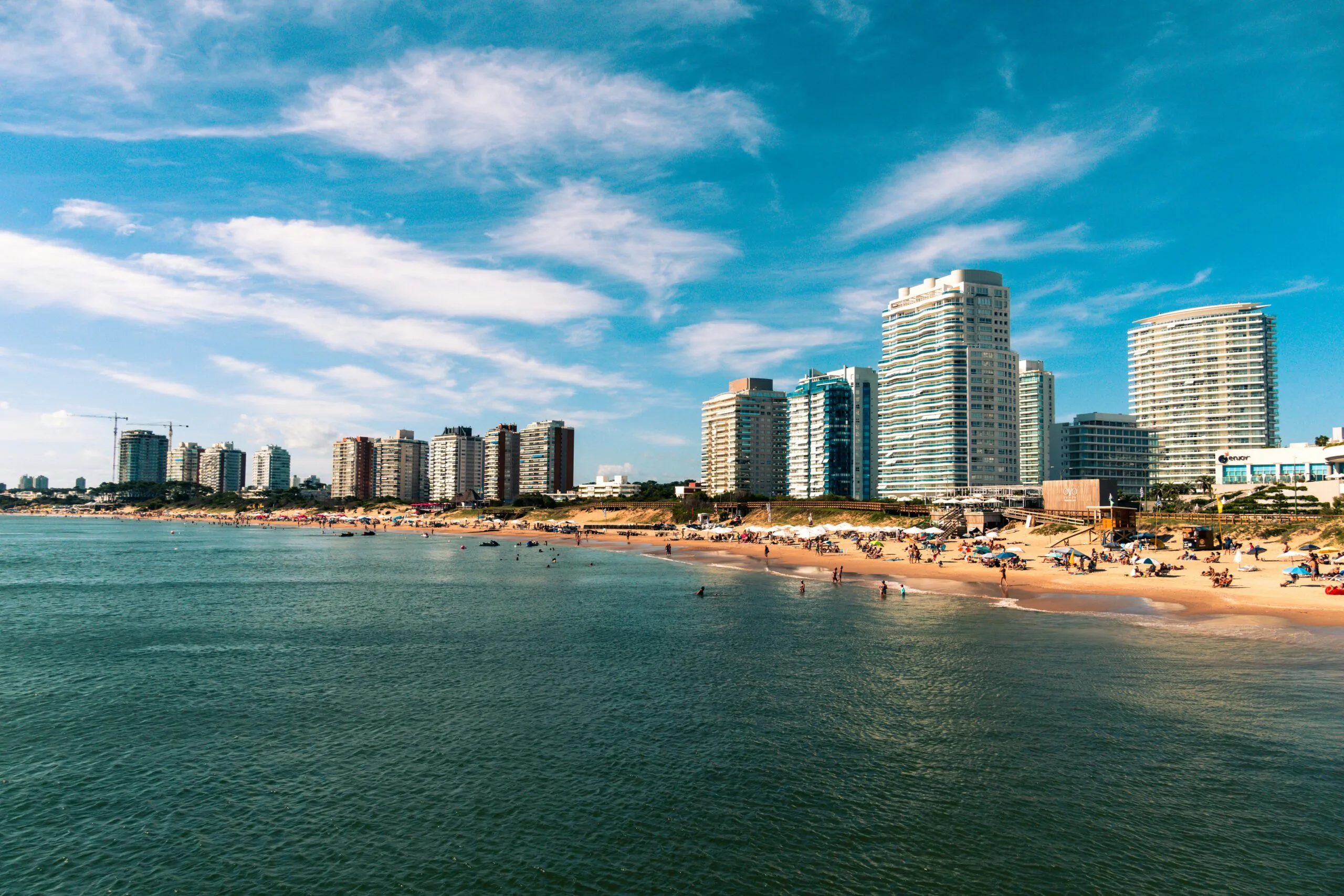
Skip the Jet Set: Experience Punta del Este’s glamorous beaches without the summer crowds.
Enjoy Cozy Asados: Winter is perfect for hearty stews, wine, and relaxed fire-side chats .
Whale Watching Window: Spot southern right whales migrating along the coast from June to November .
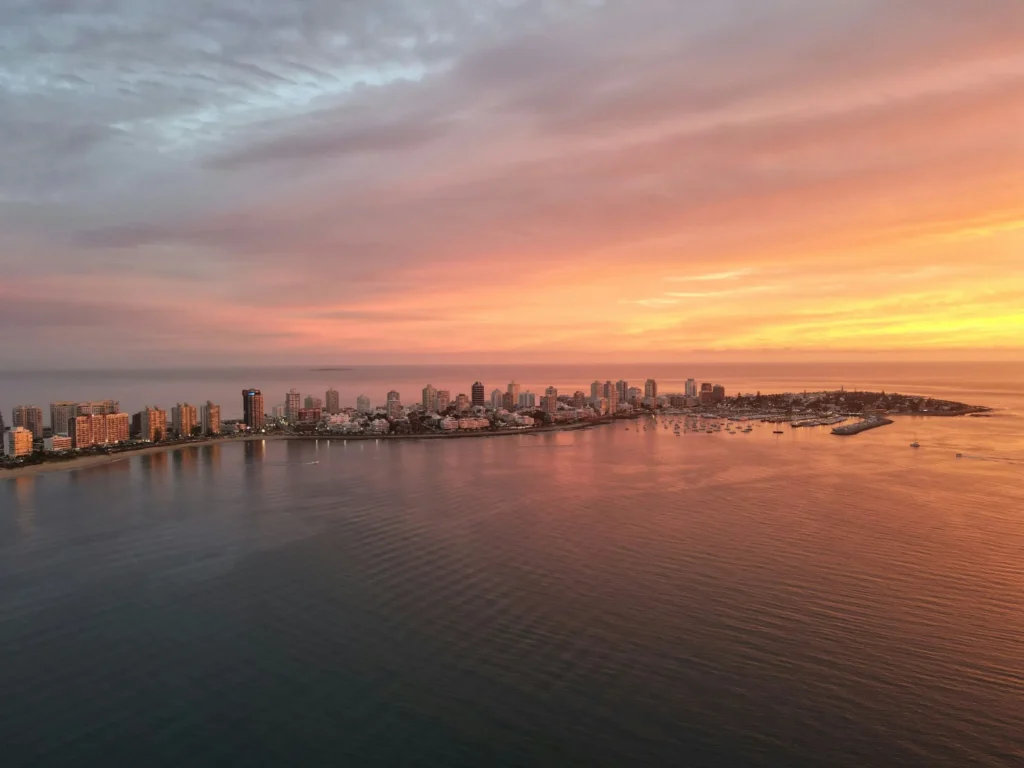
Sleep for Less: Enjoy the lowest hotel rates of the year, especially in beach resorts .
Solo Sunset Strolls: Have the famous Rambla in Montevideo almost entirely to yourself .
Mate Without the Rush: Take part in the national ritual of sipping mate in peaceful plazas.
Shoulder Season
Your Smartest Windows
March to Early April
October to November
Avoid: Tourism Week (Semana de Turismo/Holy Week) – Late March or early April – locals travel en masse, causing price spikes .
What the Sky Does
Mild temperatures: Comfortable days between 15°C–24°C (59°F–75°F) .
Fall (Mar-Apr): The sea is warmest now (perfect for swimming!) and the summer humidity is gone .
Spring (Oct-Nov): Blooms everywhere, though “plátano” trees may trigger allergies for some visitors .
Sunny days with crisp nights: You will need a light jacket for the evening, but days are ideal for walking .
How Empty It Feels
60% fewer tourists compared to the January rush .
Montevideo feels local: You will share the Rambla with joggers and mate drinkers, not photo lines .
Punta del Este is quiet: The clubs are closed; the beaches are peaceful.
No queues at museums: Walk right into the iconic hand sculpture (La Mano) or soccer stadiums
What You’ll Save
Flight savings up to 25% compared to December highs .
Hotel rates drop to “moderate” from “peak,” often 30-50% less .
Car rental availability is high without the Brazilian/Argentinian holiday rush.
Dining deals: Many upscale restaurants offer lunch specials to attract locals.
The Secret Perk
Gaucho Culture: The Fiesta de la Patria Gaucha in March features parades and rodeos .
Wine Harvest: Visit the vineyards of Carmelo or Canelones during the grape harvest .
Golden Hour Glory: The lower sun angle makes the cobblestones of Colonia del Sacramento glow for photos.
Whale Watching: October is prime time for seeing whales without winter winds .
The Tiny Trade-Off
Closed beach clubs: The famous “summer only” restaurants and clubs in José Ignacio shut down .
Cooler water: While air is warm, ocean swimming in October requires bravery (unlike March).
Variable rain: You might encounter a sudden Atlantic storm, though they pass quickly.
Weekend spikes: Argentinians often pop over for long weekends, raising prices slightly on Fri-Sun.
Smart Traveler Tip
For swimmers, go in March. The ocean retains summer heat, but the crowds are gone .
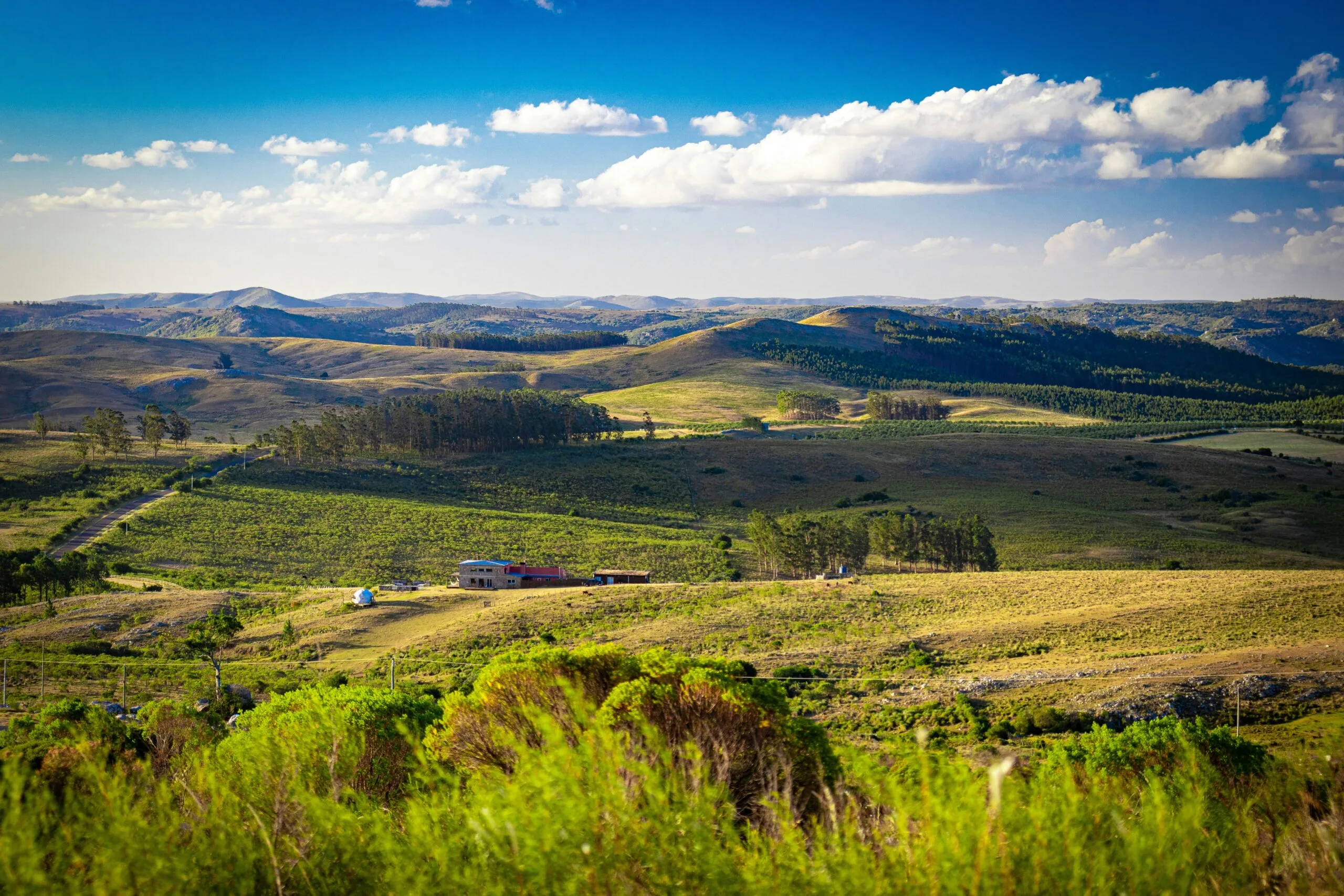
For explorers, go in October. Spring flowers are out, and it is dry enough for hiking the hilly “sierras” .
Avoid the week of Easter (Semana de Turismo) entirely for the best balance.
Deep Off-Season
Your Smartest Windows
May to September
Avoid: August 24th (Nostalgia Night) – This “Night of Nostalgia” fills Montevideo clubs; book ahead if you want to party .
What the Sky Does
Cool and crisp: Average highs of 14°C–16°C (57°F–61°F), lows near 6°C (43°F) .
“Muggy” days are rare: The humidity drops, making the cool air feel refreshing .
Frost is possible in the countryside (great for fireplaces), but snow is extremely rare.
Rain is intermittent: You will get sunny, still days followed by quick cold fronts.
How Empty It Feels
80% fewer tourists in coastal areas like Punta del Este .
Historic sites are silent: You can listen to the wind at the abandoned lighthouse at Cabo Polonio.
Museums are private: The Carnival Museum or Pittamiglio Castle feels like a private tour.
Local feel: You will meet only Uruguayans (Porteños escaping BA are rare).
What You’ll Save
Up to 50% savings on accommodation vs. January prices .
Flight prices hit “Lowest Prices” of the year for long-haul connections .
“Off-Season Rates” apply to luxury estancias (ranch stays).
Car rental: Lowest rates, though you might get a bit more mud on the tires.
The Secret Perk
Cozy “Estancia” life: Stay at a working ranch with wood-burning stoves and unlimited barbecue .
Tortas fritas & Mate: Rainy days in winter mean fried cakes and hot mate—the ultimate local comfort .
Carnival Rehearsals: While the big show is Feb, “Candombe” drum troupes rehearse in winter for free .
Authentic connections: With no language barriers rushed, locals have more time to chat over coffee.
The Tiny Trade-Off
Beaches are “closed”: Lifeguards disappear, and the famous beach chairs are stacked away .
Nightlife is dead: Punta del Este becomes a ghost town; do not come looking for dancing.
Limited dining: Only the central, year-round parrillas (steak houses) stay open in resort towns.
Short days: Sunset as early as 5:30 PM (17:30) means less daylight for hiking.
Smart Traveler Tip
Pack layers: Merino wool sweaters and a windproof jacket are better than a heavy parka.
Go North for warmth: The thermal springs of Daymán (Termas) are lovely in winter because the water is hot even if the air is cold.
July is the quietest: Arguably the best month for solitude on the Rocha coast .
Find Off-Peak Flights
Top Off‑Season Stays
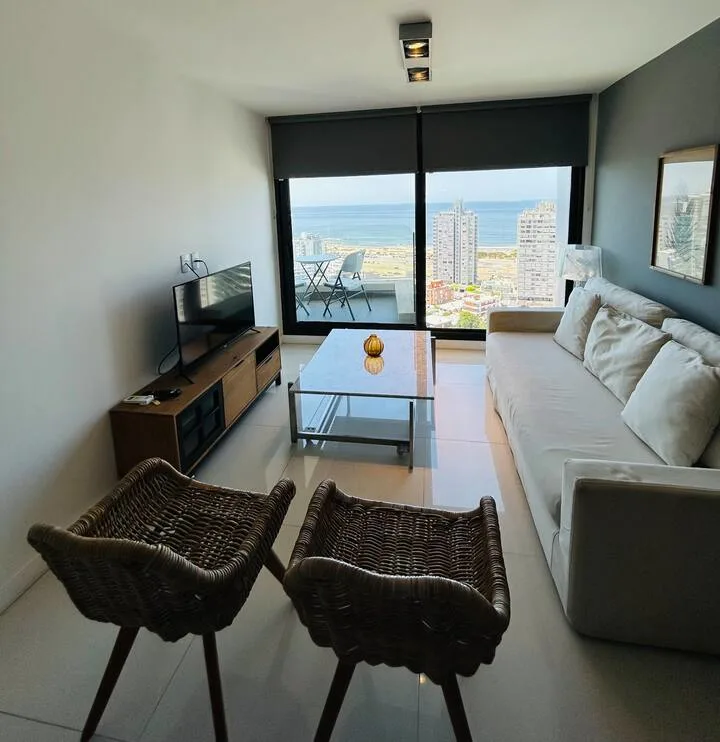
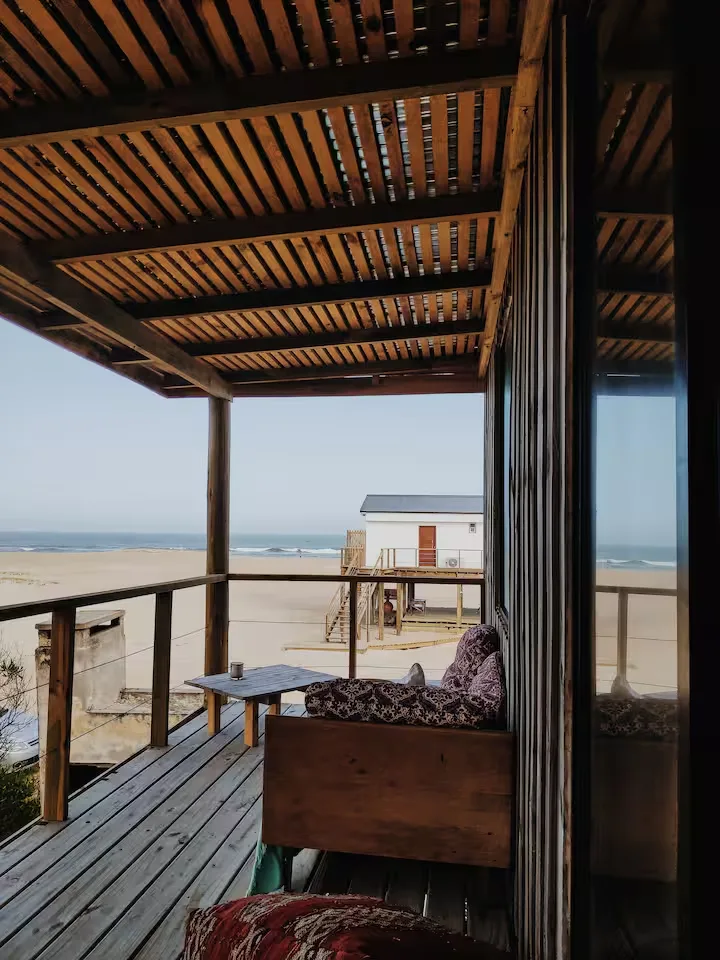
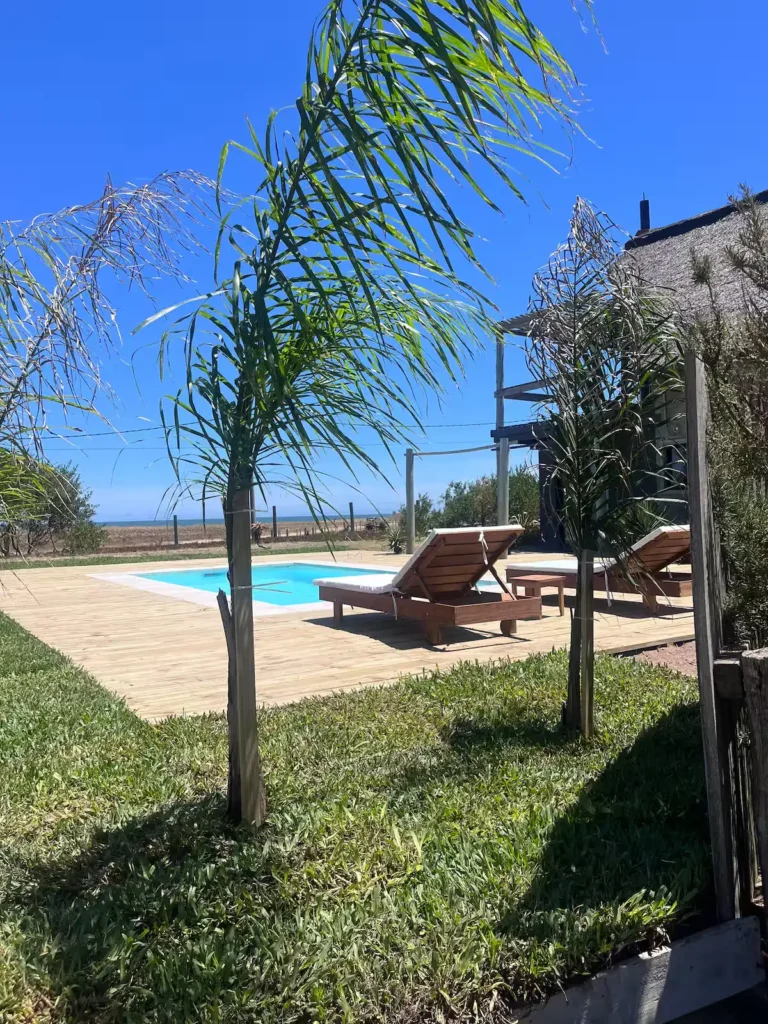
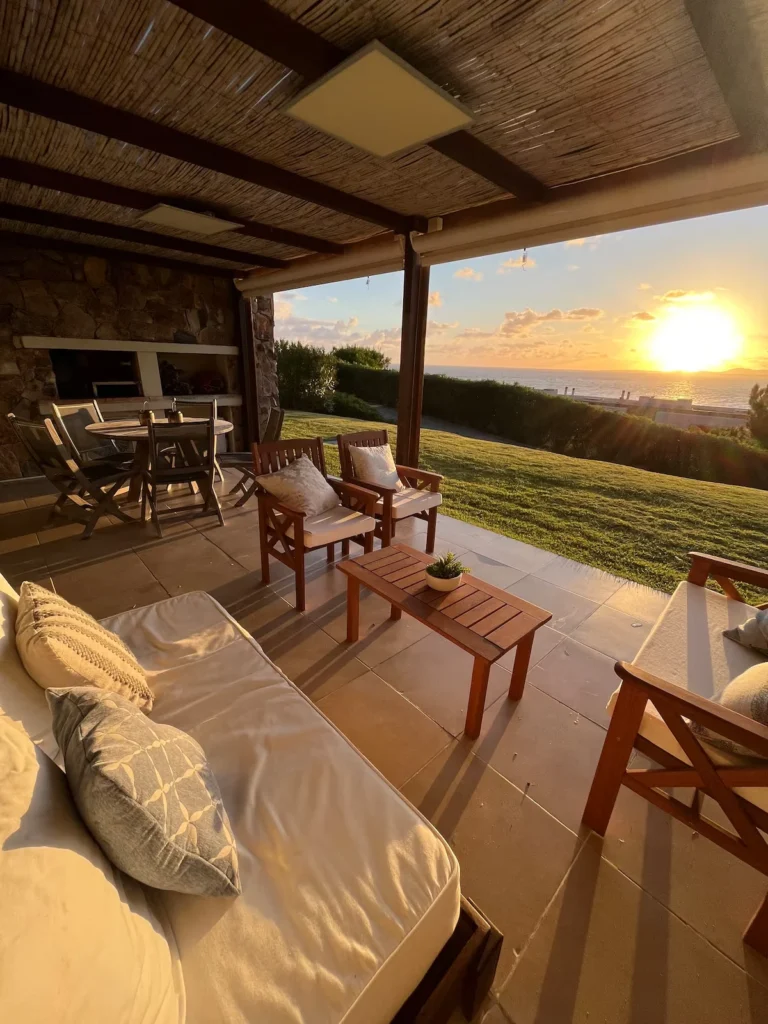
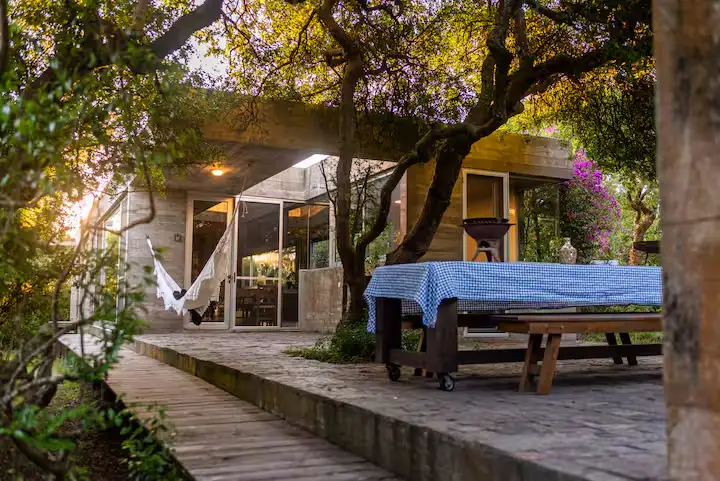
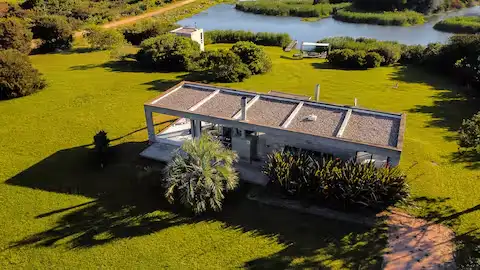
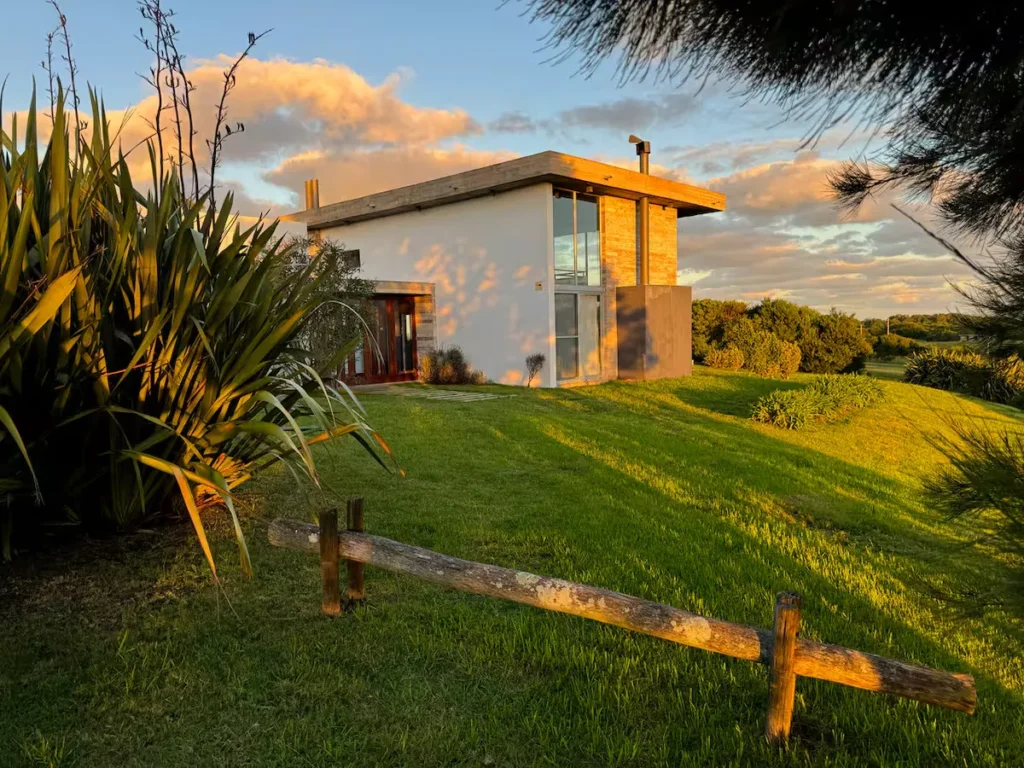
Find below our curated selection of boutique hotels and design apartments that offer exceptional value, atmosphere, and comfort during the off‑season — often at significantly lower rates than peak months.
Uncrowded Experiences & Tours
Skip the lines and experience iconic landmarks at your own pace. Discover curated local tours and cultural activities designed to show you the authentic side of the destination without the peak-season rush.
FAQs
Essential Trip Information
Visa and Entry Requirements
Passports must be valid for the duration of your stay (no six-month rule for most tourists).
Immigration may ask for proof of onward travel and sufficient funds (no strict minimum).
No visa fees for tourists from the U.S., EU, Canada, Australia, and many others (90-day stay).
Currency
Uruguay uses the Uruguayan Peso (UYU). Bills: 50–2,000. Coins: 1–20.
Best Ways to Handle Currency:
- Before Your Trip: Exchange a small amount; ATMs offer better rates.
- During Your Trip: Use ATMs (Banco República, Itaú). Credit cards (Visa, Mastercard) are widely accepted, but carry $20–50 in cash for rural areas.
- What to Avoid: Airport exchange kiosks (high fees); always choose UYU over USD for transactions.
Language
Spanish is the official language. English is spoken in tourist areas.
Helpful phrases: “Hola,” “Gracias,” “¿Dónde está…?”
Safety & Security
Very safe by Latin American standards, but watch for pickpockets in Montevideo’s Ciudad Vieja.
Emergency number: 911 (same as U.S.).
Health & Insurance
No special vaccinations required.
Tap water is safe to drink.
Pharmacies (Farmacia) are widely available.
Transportation
Buses: Efficient and cheap; long-distance buses (e.g., COT, Tres Cruces) connect major cities.
Walking/Biking: Montevideo and coastal towns are pedestrian-friendly.
Taxis/Ride-sharing: Uber operates in Montevideo and Punta del Este.
Price Level
Uruguay is moderate to expensive (similar to parts of Europe).
Accommodation:
Budget: Hostels ($20–50/night)
Mid-range: 3-star hotels ($80–150/night)
Luxury: 4-5 star hotels ($200+/night)
Food:
Quick eats: Chivito (sandwich) 8–12, pizza $10–15
Casual dining: $15–30/person
Fine dining: $50+/person
Drinks:
Beer: $3–6 (bars), $1–2 (supermarkets)
Mate (traditional tea): Free if you bring your own gourd!
Wine: $10–20/bottle (Uruguay’s Tannat is a must-try).
Transportation:
Buses: $1–3/ride (Montevideo’s STM card recommended).
Taxis/Uber: $10–20 for short trips.
Rental cars: $30–50/day (useful for exploring coastlines).
Money-Saving Tips:
Visit free public beaches (e.g., Pocitos, Punta del Este).
Dine at mercados (markets) for affordable meals.
Travel off-season (April–November) for lower prices.
Planning Your Trip
Local Customs And Etiquette
Mate Culture: Never refuse if offered mate (herbal tea)—it’s a social ritual.
Dining Times: Dinner starts late (9–11 PM); lunch is the main meal.
Tipping: 10% in restaurants (check if service is included); round up taxi fares.
Beach Etiquette: Topless sunbathing is common in Punta del Este.
Greetings: A kiss on the cheek (one) is standard, even in business.
Budgeting For Your Trip
Accommodation: Hostels (US$15–40), hotels (US$80–200), luxury (US$250+).
Food: Street chivito (sandwich, US$5–10), restaurant meal (US$5–10), restaurant meal (US$15–30), fine dining (US$50+).
Transport: Buses (US$10–30/day), car rental (US$10–30/day), car rental (US$40–80/day).
Activities: Beach clubs (US$20–50), wine tours (US$30–60), free hikes.
Daily Budget:
Budget: US$50–80 (hostels, buses, self-catering).
Mid-range: US$100–200 (hotels, dining out, tours).
Luxury: US$300+ (resorts, gourmet meals, private guides).
Internet & Mobile
Free Wi-Fi: Available in most cafés, hotels, and bus stations.
SIM Cards: Antel (national provider) offers prepaid plans (US$10–20 for 5GB).
eSIMs: Supported (Airalo, Holafly).
Travel Insurance
Recommended for: Medical coverage (private healthcare is expensive).
Adventure Coverage: Check if it includes horseback riding or surfing.
Accomodation Options
From beachfront resorts to rustic estancias, Uruguay caters to all budgets.
Hotels:
- Luxury: Sofitel Montevideo or Conrad Punta del Este (US$200–500/night).
- Mid-range: Don Hotel (Punta del Este) or Alma Histórica (Colonia) (US$80–150).
- Budget: Posadas (family-run inns, US$40–80).
Hostels:
- Selina (Montevideo) or El Viajero (Colonia) (US$15–30/bed).
Airbnb/Estancias:
- Great for groups—beach houses (US$100–250/night) or ranch stays∗(US120+ with meals).
Unique Stays:
- Cabo Polonio’s eco-lodges (no electricity, ~US$50/night).
Tip: Book early for summer beach towns; opt for estancias in autumn/winter.
Getting Around
Uruguay is small but well-connected. Public transport is reliable, though renting a car offers flexibility.
Buses:
- Comfortable and affordable (US$10–30 for intercity trips). Companies like COT and Copsa serve major routes.
- Montevideo’s local buses (US$1–2) use STM card (reloadable).
- Car Rentals:
- Recommended for exploring coastlines/rural areas (US$40–80/day).
- Roads are well-maintained; tolls are cheap (US$2–5).
Taxis/Rideshares:
- Uber operates in Montevideo and Punta del Este (cheaper than taxis).
- Taxis start at ~US$2+US$1/km.
Ferries:
- Buquebus connects Montevideo to Buenos Aires (US$50–120, 2–3 hours).
Biking:
- Bike-friendly in cities like Colonia and Punta del Este (rentals ~US$10/day).
Tip: For day trips, buses are efficient; for coastal exploration, rent a car.