 Skip to content
- Why Should I Visit Peru During The Dry Season Instead Of The Peak Summer Months?
Because the concept of "peak" versus "off" is reversed here. The best time to "Exploit Travel Seasonality" in Peru is actually the Andean dry season (May to September) , which coincides with the North American summer. You will get crystal clear skies over Machu Picchu and the Cordillera Blanca, making for epic photography without the January rain washing out the trails.
The drawdown is that nights in Cusco and the Altiplano get freezing cold (near 0°C / 32°F). However, the trade-off is worth it: dry stone paths underfoot and sunrise views that are 90% less cloudy than in the wet season. For more South American destination ideas, visit our South America region guide.
- What Is The Weather Really Like In Peru During The Low Season?
It is a tale of two climates. Yes, the Andean highlands (Cusco, Sacred Valley) offer stunning "winter" weather with bluebird days and intense sun, followed by frigid nights. Meanwhile, Lima and the coast are shrouded in a thick, misty gloom called garúa—think London fog, not tropical sun.
The upside is that the Amazon jungle experiences lower water levels and fewer mosquitoes, making wildlife spotting along riverbanks much easier. The catch is that you will need a solid layering system (thermal base layers plus a down jacket) for the high altitude hikes.
- Are The Inca Trail And Machu Picchu Still Accessible During The Off-Season?
Yes, absolutely. The Peruvian off-season (specifically June through August) is actually the most reliable time to trek the Inca Trail because the rains have stopped. You won't be slipping on mudslides or dealing with closed sections of the railway. The skies are sharp, and the ruins look golden against a deep blue backdrop.
The drawdown is that "off-season" here means "peak tourist crowds" for the trail itself. Wait—that is a twist, right? To truly exploit seasonality, you should visit in the shoulder months (April or November) . You still get decent weather but you avoid the July stampede.
- Will I Save Money Traveling To Peru Outside Of The Hottest Months?
Yes, but you need to be smart about which off-season you choose. If you visit during the rainy season (December to March), you will find hotel prices in the Sacred Valley drop by nearly 40% and you can haggle aggressively on the street.
The drawdown is that you risk road closures to places like Rainbow Mountain. However, if you want the sweet spot of lower prices and decent weather, aim for the shoulder months of October or April. You get the best of both worlds: discounts are still active, but the Inca Trail remains open and passable. Learn more about smart timing on our About Us page.
- How Do Crowds And Flight Prices Behave During Peru's Winter Months?
It is a split decision. Flights to Lima are generally cheaper during the North American winter (November to February), which is Peru's summer. However, once you try to fly domestic to Cusco or Arequipa during the dry winter (June-August), those prices spike because every hiker in the world wants the same seat.
To exploit this, fly into Lima cheaply during the low season for flights, but book your internal Peru flights well in advance. The crowds at Machu Picchu are regulated by time slots, so you will never feel overwhelmed, but the popular trekking companies book out 6 months ahead for the dry season. For the best value, consider a trip to the Northern Peruvian beaches (like Mancora), which are sunny and warm while the rest of the country is chilly.

Home > Exploit The Seasons > Seasonal World Map > South America > Peru
PERU
Peru dances between dramatic seasons, from misty Andean peaks to sun-baked coastal deserts. Ditch the crowds and discover ancient citadels in emerald stillness, vibrant local festivals, and incredible value when you time your visit right.
Smart Travel Calendar
Why Choose Peru Off-Season?
Embrace the “Green Season”: Swap dusty trails for breathtakingly lush, vibrant Andean landscapes with fewer tourists.
Walk with the Locals: Enjoy genuine connections and attentive service without the rushed peak-season chaos.
Master the “Andean Winter”: Experience crystal-clear skies and perfect trekking conditions during the sunny dry season.
Save on Sacred Sites: Enjoy significant discounts on hotels, flights, and tours just by shifting your travel dates.
Coastal Escape: Soak up sun in Paracas or Mancora while the rest of the country bundles up.
Wildlife Spectacles: Witness baby sea lions and booming Amazon jungle life when the crowds are thin.
Shoulder Season
Your Smartest Windows
March to May (Post-rainy verdancy)
September to November (Post-dry clarity)
Avoid: Mid-June to late July (Inti Raymi & North American summer break) and Holy Week (Semana Santa – March or April) for peak pricing in Cusco.
What the Sky Does
Andes (Cusco): Sunny days, chilly nights (50°F/10°C to 68°F/20°C). Occasional refreshing showers.
Coast (Lima/Paracas): Often overcast but dry (“Gray Winter” – June to Sept). Mild, around 59°F-68°F (15°C-20°C).
Amazon: High water season (March-May) for boat access, or receding waters (Sept-Nov). Humid, hot (86°F/30°C+).
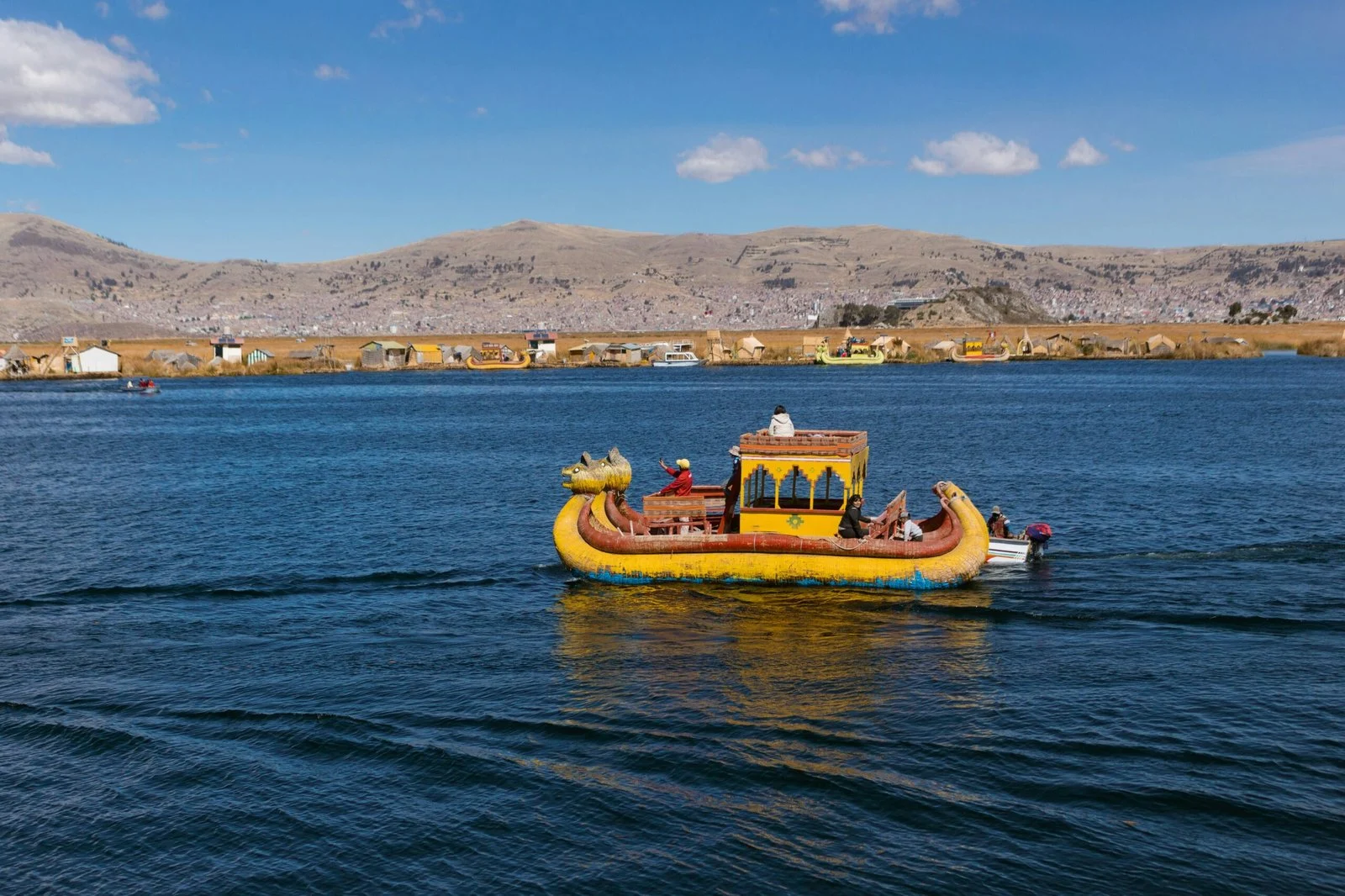
Lake Titicaca: Intense sun but freezing nights. Clear skies offer stunning photography.
How Empty It Feels
20-30% fewer tourists compared to the peak months of June and July.
Cusco & Sacred Valley: Busy but breathable; you can find tables at cafes and silence in alleys.
Machu Picchu: Quieter circuits and no frantic rush for the classic photo spot.
Trekking: Inca Trail permits are usually available without a 6-month wait (except Feb closure).
What You’ll Save
20-30% on flights and up to 40% on 4-star hotels in the Sacred Valley.
Train Tickets: Lower pricing brackets available for Machu Picchu trains (e.g., PeruRail).
Instant Access: No queues for specific Huayna Picchu climbing permits.
Menu del Dia: Lunch deals remain cheap ($3-$6), but high-end dining is easier to book.
The Secret Perk
Semana Santa (Mar/Apr): Experience dramatic processions mixing Catholic and Inca rites in Cusco.
Vendimia Festival (March): Help stomp grapes for Pisco in the Ica vineyards.
Mistura (Sept): Latin America’s biggest food festival hits Lima—a culinary heaven.
Photography: “Golden hour” lights up the Andes with dramatic, fast-moving clouds.
The Tiny Trade-Off
Inca Trail Closure: The classic Inca Trail is closed for maintenance all February.
Andean Showers: Afternoon rain showers are likely in March/April and November.
Lake Titicaca Cold: Nights near the water are bitterly cold (below freezing) in May and September.
Surf & Gloom: Lima’s coast is overcast (“La Garúa”) limiting perfect beach selfies.
Smart Traveler Tip
Target Late May or Early September: You get the dry season weather (blue skies) but miss the June/July packed crowds and high prices.
Avoid Feb for Hiking: If you want to trek, skip February entirely; use it for desert or jungle trips instead.
Deep Off-Season
Your Smartest Windows
January & February (Wettest months in Andes)
Avoid: February (Inca Trail closed, landslides possible to Machu Picchu) and Christmas/New Year (Dec 24-Jan 2) for holiday price spikes.
What the Sky Does
Typical Weather: Andean sun in the morning, torrential rain by afternoon. Temperatures mild (48°F-72°F / 9°C-22°C).
The Great Divide: The Coast is sunny and warm; the Highlands are wet; the Amazon is flooded but accessible by boat.
Mighty Rains: The Sacred Valley turns an almost fluorescent green, perfect for photography.
How Empty It Feels
50% fewer tourists in the Andes (Coast/Amazon remain busy with domestic travelers in Jan/Feb).
Machu Picchu: Early morning circuits feel almost private. A truly mystical experience in the mist.
Museums: You will likely be the only person in the Larco Museum or local Cusco churches.
Local Feel: Small villages are quiet as locals rest; you get a very authentic “daily life” view.
What You’ll Save
Up to 50% on accommodation compared to July rates.
Flights: Significant price drops on Lima -> Cusco routes ($80-$120 vs $180+).
Hotels: Luxury stays in the Sacred Valley often run “stay 3 nights, pay for 2” specials.
Car Rentals: High availability and low demand; bargaining is easier.
The Secret Perk
Candelaria Festival (Feb): The most vibrant folk festival in South America happens in Puno (Lake Titicaca).
Coastal Summer: Peruvians flock to the beach! Enjoy the warm ocean and wild surf lessons in Mancora.
Jungle Life: Amazon trails are muddy, but the fruiting trees attract incredible, rare bird species.
No Reservation Stress: Decide to go to Machu Picchu the day before—tickets are always available.
The Tiny Trade-Off
Muddy Trails: Salkantay and other treks become slippery, dangerous, or miserable.
Landslides: Train service to Machu Picchu can be disrupted by heavy rains (though usually fixed quickly).
Closures: Some remote lodges and island homestays (Lake Titicaca) shut down completely.
Early Darkness: Sun sets around 6:00 PM, cutting down trekking and sightseeing hours.
Smart Traveler Tip
Visit the Coast: January/February is the only time to get “summer weather” in Lima and Paracas (80°F/27°C).
Pack the Poncho: High-quality waterproof hiking boots are non-negotiable in the Andes this season.
Amazon Strategy: Embrace the wet season; flooded forests allow boat access to areas usually unreachable.
Find Off-Peak Flights
FAQs
Explore Peru
Essential Trip Information
Visa and Entry Requirements
Check Peru’s official visa website for requirements based on your nationality. Many countries (e.g., U.S., Canada, EU) receive a 90-day visa-free entry.
Passports must be valid for at least six months beyond your stay.
Immigration may ask for proof of onward travel, accommodation bookings, or sufficient funds (US$50–100/day).
Tourist visas (if required) cost ~US$30–100; apply in advance at a Peruvian consulate.
Currency
Peru uses the Sol (PEN). Bills: 10–200 soles. Coins: 0.10–5 soles.
Best Ways to Handle Currency:
- Before Your Trip: Exchange a small amount; ATMs offer better rates.
- During Your Trip: Use ATMs at major banks (BBVA, Interbank). Credit cards (Visa/Mastercard) work in cities, but carry 50–100 soles (US$13–26) cash for rural areas.
- Avoid: Street money changers (scams) and dynamic currency conversion (always pay in soles).
Language
Spanish is official; Quechua is spoken in the Andes.
Helpful phrases: “Hola,” “Gracias,” “¿Cuánto cuesta?”
English is understood in tourist areas.
Safety and Security
Generally safe, but:
- Watch for pickpockets in crowded areas (Lima, Cusco).
- Avoid unregistered taxis (use Uber or official apps).
- Emergency number: 105 (police), 116 (tourist police).
Health & Insurance
Vaccinations: Yellow fever (Amazon regions), Hepatitis A, typhoid.
Altitude sickness: Acclimate in Cusco before hiking. Drink coca tea.
Tap water: Not safe to drink; buy bottled water.
Transportation
Buses: Most common for long distances (Cruz del Sur, Oltursa).
Domestic flights: Affordable (Lima→Cusco: US$50–150).
Taxis: Negotiate fares or use apps (Uber, Beat).
Price Level
Peru ranges from budget-friendly to mid-range, with luxury options in tourist hubs.
Accommodation
Budget: Hostels/guesthouses (US$10–25/night).
Mid-range: 3-star hotels (US$40–80/night).
Luxury: 5-star hotels (US$150+/night, e.g., Lima/Cusco).
Food
Quick eats: Street food (US$1–5), menu del día (US3–7).
Casual dining: US$10–20/person.
Fine dining: US$30+/person (e.g., Lima’s Michelin-starred Central).
Drinks
Beer: US$1–3 (stores), US$3–6 (bars).
Pisco sour: US$5–10.
Transportation
Buses: Long-distance (US$10–50, e.g., Lima→Cusco).
Taxis/Uber: Short rides (US$3–10 in cities).
Trains: Machu Picchu (US$50–200 round-trip).
Money-Saving Tips
Eat at local markets (e.g., San Pedro in Cusco).
Use collectivos (shared vans) for cheap intercity travel.
Book Machu Picchu tickets months ahead (limited daily entries).
Planning Your Trip
Local Customs And Etiquette
Greetings: A handshake or light hug is common. Say “Buenas” (hello).
Dress Code: Casual but modest in rural areas. Resort wear is fine at beaches.
Tipping:
- Restaurants: 10% is customary (check if service charge is included).
- Taxis: Round up the fare.
Bargaining: Acceptable in markets (e.g., Mola textiles), not in stores.
Budgeting For Your Trip
Accommodation: Hostels (US$10–30), hotels (US$50–150), luxury (US$200+).
Food: Street food (US$2–5), local meal (US$8–15), fine dining (US$30+).
Transport: Buses (US$20–50), flights(US$50–150), trains (US$60–200).
Activities: Machu Picchu (US$50–150), tours (US$20–100).
Daily Budget:
Budget: US$30–50 (hostels, street food, buses).
Mid-range: US$80–150 (hotels, tours, meals).
Luxury: US$200+ (boutique stays, private guides).
Internet & Mobile
Free Wi-Fi: Available in cafes/hotels (slow in rural areas).
SIM Cards: Claro/Entel (US$5–10 for 1–3GB). Buy at airports or stores.
eSIMs: Supported (Airalo, Holafly).
Travel Insurance
Essential for: Altitude sickness, trekking, flight delays.
Coverage: Ensure it includes high-altitude hikes (e.g., Inca Trail).
Healthcare: Private clinics (e.g., Clinica Anglo-Americana in Lima) are pricey.
Tip: Acclimate 2–3 days in Cusco before hiking to avoid altitude sickness.
Accomodation Options
Peru offers everything from colonial mansions to Amazon lodges.
Luxury
- Historic hotels: Belmond Hotel Monasterio (Cusco), Palacio Nazarenas.
- Jungle: Inkaterra Reserva Amazonica (Puerto Maldonado).
- Beach: Hotel Paracas, a Luxury Collection Resort.
Mid-range
- Boutique stays: Tierra Viva Hotels (multiple cities), Antigua Casona San Blas (Cusco).
- Eco-lodges: Treehouse Lodge (Amazon), Gocta Natura Reserve (Chachapoyas).
Budget
- Hostels: Wild Rover, Pariwana (Lima, Cusco) – ~US$10–25/night.
- Guesthouses: Local hospedajes in Sacred Valley – ~US$20–40/night.
Unique Stays
- Skylodge Adventure Suites: Transparent pods on a cliffside in Sacred Valley.
- Community homestays: Lake Titicaca (US$20–30 with meals).
Tip: Book Machu Picchu accommodations well in advance (especially Aguas Calientes) during dry season.
Getting Around
Peru’s size demands a mix of transport options.
Flights:
- Domestic airlines (LATAM, Sky Airline) connect Lima, Cusco, Arequipa, and Iquitos (US$50–150 one-way).
- Book early for peak-season discounts.
Buses:
- Long-distance: Cruz del Sur (luxury), Oltursa (budget) for Lima-Cusco (US$25–50, 20+ hours).
- Regional: Collectivos (shared vans) for short trips (e.g., Cusco to Sacred Valley).
Trains:
- Inca Rail/Peru Rail: Scenic rides to Machu Picchu (US$60–200 one-way).
- Taxis/Rideshares:
- In cities: Use Uber or Cabify (safer than street taxis). Negotiate fares for short rides (US$3–10).
Car Rental:
- Not recommended for beginners—chaotic traffic, poor rural roads.
Tip: Pack light—many buses/trains have strict luggage limits.