 Skip to content
- Does Colombia Have A True Off-Season For Travel?
Yes, but with a twist Colombia has two distinct seasons that vary by region. The country experiences dry seasons (December to March and July to August) and wetter months (April to June and September to November). The true "smart travel" window is during the transition months of April, May, September, and October, when prices drop by 25-35% but the rain rarely lasts all day.
The trade-off is afternoon showers. You will almost certainly encounter tropical downpours, especially in the Amazon and Pacific coast regions. However, these typically arrive in the late afternoon and clear within a few hours. The positive spin is that you get lush green landscapes, powerful waterfalls, and nearly empty beaches along both the Caribbean and Pacific coasts.
- What Is The Weather Really Like During Colombia's Low Season?
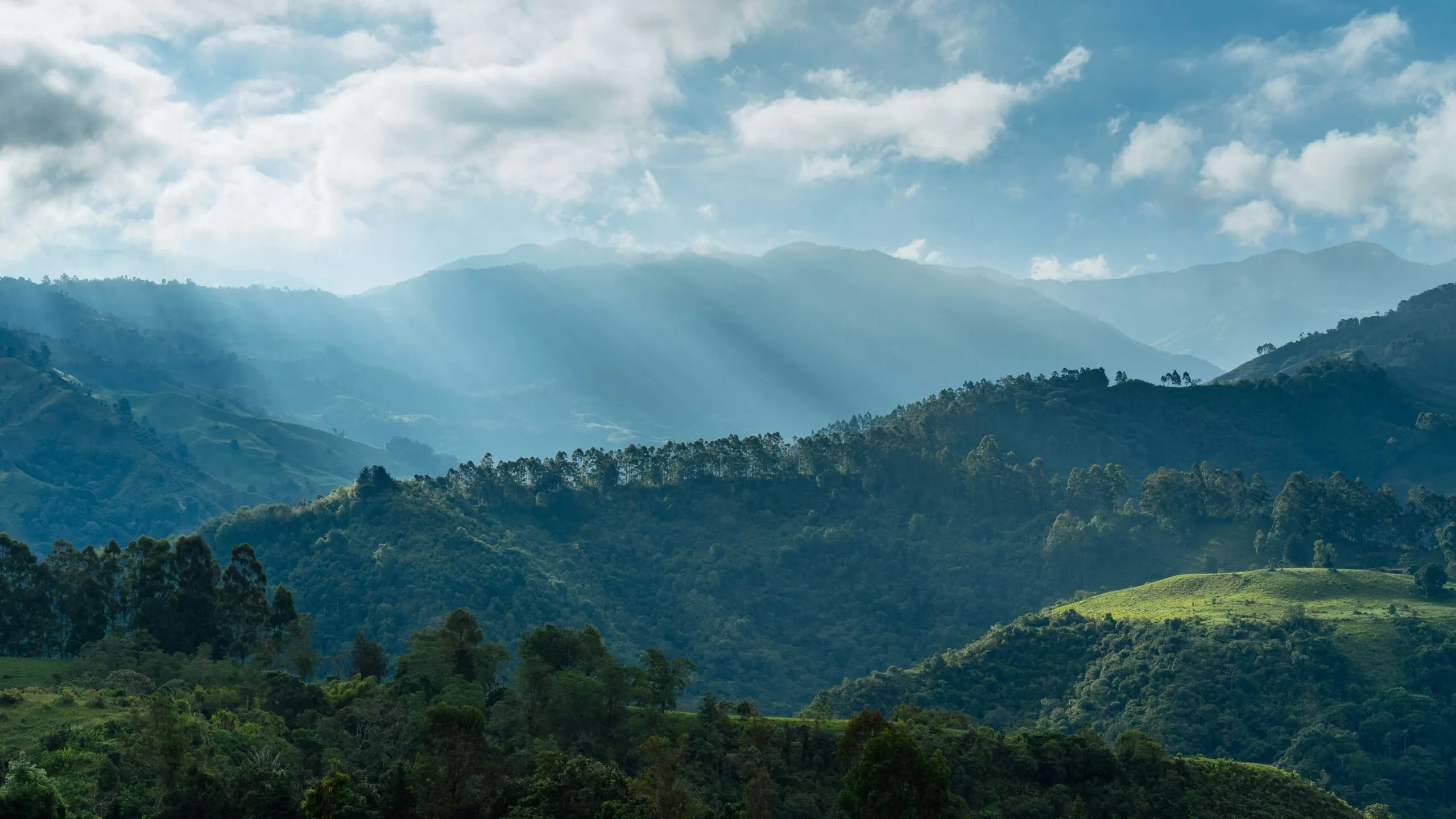
It varies dramatically from desert dry to rainforest wet. The Caribbean coast (think Tayrona and Cartagena) sees brief but heavy showers that actually cool down the humidity, making afternoons more pleasant. The Andean coffee region remains surprisingly comfortable with morning sunshine followed by afternoon mist, which photographers love for its dramatic lighting.
The drawdown is the Pacific coast and southern Amazon. These areas receive significant rainfall during low season, with some jungle lodges becoming inaccessible due to muddy roads. However, the upside for adventurous travellers is that you will witness rivers at their most powerful, see wildlife that emerges specifically during wet conditions, and pay nearly half price for multi-day jungle expeditions compared to peak season rates.
- Are Transportation And Roads Reliable In Colombia's Off-Season?
Generally yes, but with caution in mountainous coffee regions. Major highways between hubs and domestic flights operate reliably year-round. However, the stunning but winding mountain roads leading to remote villages and national parks can experience occasional mudslides during heavier rain weeks, usually clearing within 24-48 hours.
The upside is empty buses and flexible flight changes. You will rarely struggle to find a seat on long-distance coaches, and airlines often offer last-minute seat sales during low season months. Just build one extra day of flexibility into any itinerary that includes secondary mountain roads, and you will find the lack of traffic jams in cities like Medellín or Cali a huge bonus worth the minor inconvenience.
- What Kind Of Discounts Can I Find In Colombia's Off-Season?
Hotels drop rates by 30-50% outside the December-January and June-July peaks. Boutique properties in the coffee region frequently include free coffee tastings, while Caribbean beachfront cabañas offer "stay four nights, pay for three" promotions. Even luxury eco-lodges in the Amazon reduce package prices by up to 40% during wetter months.
The biggest savings are on domestic flights and guided tours. Airlines like Avianca and Viva Air often run "low season specials" with fares 40-60% cheaper than peak dates. Multi-day treks to Lost City or birdwatching tours in the Sierra Nevada mountains frequently offer private guide upgrades at no extra cost because groups are smaller, giving you a premium experience for a budget price.
- Will I Experience Crowds At Colombian Attractions During Off-Season?
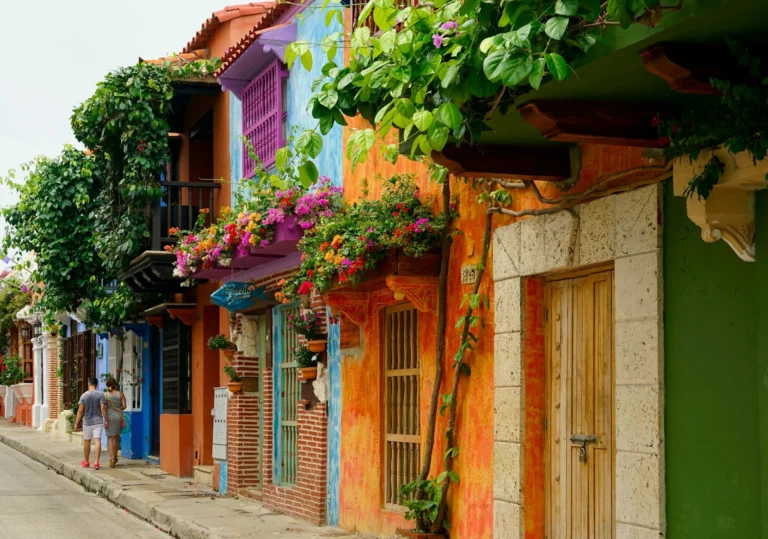
No, this is the secret superpower of Colombian low season. The walled old city of Cartagena feels almost peaceful, the coffee haciendas welcome you with empty tasting rooms, and the painted streets of Guatapé have no queues for the famous rock climb. You can take photos of colourful colonial architecture without strangers walking into your frame.
The only exception is national holidays. Weeks like Easter (March or April) and Independence Day (July 20th) see local crowds even during otherwise quiet months. For global travellers wanting solitude, the best windows are mid-April to early June and September to early November. During these periods, you will share world-class sites like the Salt Cathedral or the Cocora Valley with fewer than 20% of the summer crowd, allowing for genuine cultural immersion

Home > Exploit The Seasons > Seasonal World Map > South America > Colombia
COLOMBIA
Colombia dances to its own rhythmic seasons, where the Andes meet the Caribbean. Discover when to explore coffee region greenness, colonial walls, and vibrant coasts with thinner crowds and authentic warmth.
Smart Travel Calendar
Why Choose Colombia Off-Season?
Fewer travelers at the Wall: Walk Cartagena’s ramparts without elbowing through selfie sticks.
Lower flight tags from the U.S.: Snag airfare dips during Colombia’s ‘shoulder’ months like April or October.
Real local rhythm, not tourist hype: Sip tinto with locals in Salento, not just other backpackers.

No rush for the cable car up Monserrate: Bogotá’s views feel earned, not crowded.
Coffee tours feel like private classes: You’ll chat with growers, not shuffle in a pack of twenty.
Hotels drop rates near Tayrona’s jungle coast: Sleep closer to the waves for half the peak price.
Shoulder Season
Your Smartest Windows
Mid-Mar to late May (after Easter week)
Mid-August to late November (before December holidays)
Avoid: The two weeks encompassing Semana Santa (Holy Week – March or April) and mid-December through early January (Christmas & New Year)
What the Sky Does
Typical weather: Warm days 22-26°C (72-79°F) in Andes; hotter 30-33°C (86-91°F) on coast.
Short afternoon showers – often heavy but brief, clearing for golden evenings.
‘Green season’ means vibrant, flower-filled valleys – especially in the Zona Cafetera.
Caribbean coast sees sunny mornings, passing clouds later – still great beach time.
How Empty It Feels
30-40% fewer tourists vs. peak December/January or Easter week.
Major sites like Monserrate or Comuna 13 – walk freely, no queue barriers.
Cartagena’s walled city – romantic, breathable, and shopkeepers are relaxed.
Coffee farm tours – often just you and the guide; easy seating at sunset lookouts.
What You’ll Save
20-35% on flights and 30-50% on boutique hotels – especially in Medellín.
Car rentals in Pereira or Armenia – up to 40% less than peak season.
Same-day tickets to Gold Museum or Botero – no pre-booking needed.
Seafood dinners in Santa Marta – daily specials return to local prices.
The Secret Perk
Witness the Yipao parade in Quindío (May/Oct) – jeeps overloaded with coffee and comedy.
Whale watching in the Pacific (Aug–Oct) – humpbacks arrive just as crowds leave.
Coffee harvest begins (Sept-Nov) – walk through picking and drying processes.
Dramatic skies over the Cocora Valley – heavy clouds make wax palms look mystical.
Learn salsa from locals in Cali – smaller classes, more personal attention.
The Tiny Trade-Off
Some remote Pacific beach cabanas close early – stick to Tayrona or Capurganá.
1-2 hours of afternoon rain on 50% of days – just pack a light waterproof.
Fewer daily boats to Isla de Providencia – check schedules ahead.
Semana Santa week itself – prices spike dramatically across all regions.
Smart Traveler Tip
For best balance: late September to mid-November – driest of the shoulder months.
Travel mornings before 11 AM – enjoy sunshine before typical afternoon showers.
Avoid the week before and after Easter – it’s local peak with European prices.
Book inland (Bogotá, Medellín) over coastal for drier shoulder conditions.
Deep Off-Season
Your Smartest Windows
October (especially early month)
Mid-April to early May (post-Easter, pre-mid-year holidays)
Avoid: The entire December 15 – January 15 corridor and Easter Thursday to Sunday
What the Sky Does
Varied: 18-30°C (64-86°F) – cooler in Bogotá, hot in Amazon, warm in Medellín.
Frequent, often daily afternoon downpours – but mornings can be brilliant.
Amazon region: highest water levels (navigable by boat) – unique wildlife access.
Humidity rises on all coasts – but sea breezes still make it pleasant.
How Empty It Feels
50-60% fewer tourists vs. peak season – especially in coastal hotspots.
Rosario Islands beaches – feel private, with only local families on weekends.
Museums (Quinta de San Pedro Alejandrino) – often just you and the echoes.
Small pueblos like Barichara or Jardín – you’ll be the only foreigner for days.
What You’ll Save
Up to 60% on luxury coastal resorts – especially in Santa Marta.
Flights from Bogotá to Leticia (Amazon) – half the December price.
Hostel dorms for $8-12 USD – private rooms for $25.
Domestic bus and shared van (colectivo) fares – always negotiable down.
The Secret Perk
Cozy coffee farm stays – curling up with a book as rain drums on tin roofs.
Thermal baths in Santa Rosa de Cabal – steamy, uncrowded, and magical.
See the giant Amazon river lilies in full bloom – peak water levels allow this.
Learn to cook bandeja paisa with a local abuela – she has time to teach.
Real conversations without sales pressure – locals are curious, not hustling.
The Tiny Trade-Off
Tayrona Park may close certain trails or beaches (usually Feb or Oct closures – check).
Nightlife in Parque Lleras (Bogotá/Medellín) – still open, but noticeably quieter.
Some high-end restaurants in Cartagena close for 1-2 weeks – family holidays.
Daylight is consistent (12 hours), but grey skies reduce golden hour – fewer sunset spectacles.
Smart Traveler Tip
Book October for the absolute quietest experience – rainiest but emptiest.
Pack quick-dry everything, waterproof shoes, and a packable poncho – non-negotiable.
Use deep off-season for the Amazon (higher water) or city cultural deep-dives – not for week-long beach lounging.
Fly into Pereira or Medellín for milder deep off-season weather – avoid Bogotá’s wind and chill.
Find Off-Peak Flights
FAQs
Explore Colombia
Essential Trip Information
Visa and Entry Requirements
Colombia allows visa-free entry for tourists from many countries (including the U.S., EU, UK, Canada, Australia) for stays of up to 90 days.
Check official requirements for your nationality: Migración Colombia.
Passports must be valid for at least 6 months beyond your stay.
Immigration may ask for proof of onward travel, accommodation, or sufficient funds (~US$50/day).
Overstaying fines apply (~US$30–100).
Currency
Colombia uses the Colombian Peso (COP). Bills: 2,000–100,000 COP. Coins: 50–1,000 COP.
Exchange rate (approx.): US$1 = 3,900 COP (check current rates before travel).
Best Ways to Handle Currency
Before Your Trip: Exchange a small amount; ATMs offer better rates.
During Your Trip: Use ATMs at major banks (Bancolombia, Davivienda). Credit cards (Visa/Mastercard) accepted in cities, but carry cash for rural areas.
What to Avoid: Street money changers (scams) and dynamic currency conversion (always choose COP).
Language
Spanish is the official language. English is limited outside tourist areas.
Helpful phrases:
- “Hola” (Hello), “Gracias” (Thank you).
- “¿Cuánto cuesta?” (How much?), “¿Dónde está…?” (Where is…?).
Safety & Security
Generally safe, but be cautious in crowded areas (pickpockets) and avoid isolated neighborhoods at night.
High-risk areas: Consult locals/U.S. State Department advisories.
Emergency number: 123 (police), 125 (ambulance).
Health & Insurance
Vaccinations: Yellow fever (for Amazon/coastal regions), Hepatitis A, Typhoid recommended.
Tap water is safe in cities; use bottled water in rural areas.
Travel insurance is advised (healthcare is affordable but quality varies).
Transportation
Buses: Cheap and extensive; long-distance rides can be bumpy.
Metro: Only in Medellín (US$0.80/ride).
Taxis: Use apps (Uber, Beat) or official taxis (ask for meters).
Domestic flights: Save time (Avianca, LATAM, Viva Air).
Price Level
Colombia is affordable by Western standards, but tourist hotspots (Cartagena, Bogotá) can be pricier.
Accommodation
Budget: Hostels/guesthouses (US$10–30/night).
Mid-range: 3-star hotels (US$40–80/night).
Luxury: 4-5 star hotels (US$100+/night).
Food
Quick eats: Empanadas (US$1–2), street arepas (US$1–3).
Casual dining: US$5–15/person.
Fine dining: US$20–50/person.
Drinks
Beer: US$1–3(bars), US$0.50–1 (supermarkets).
Coffee: US$1–3 (even premium!).
Cocktails: US$4–10.
Transportation
Buses: Intercity (US$5–20); city buses (US$0.50–1).
Taxis/Uber: Short rides (US$3–10).
Domestic flights: US$50–150 (e.g., Bogotá to Medellín).
Money-Saving Tips
Eat at local markets (e.g., Paloquemao in Bogotá).
Use public buses over taxis in cities.
Book hostels with free breakfast.
Planning Your Trip
Local Customs And Etiquette
Greetings: A handshake or cheek kiss (one, right cheek) is common.
Tipping: 10% is standard in restaurants (check if service is included).
Dress Code: Casual but modest—avoid flashy jewelry in cities.
Safety: Don’t walk alone at night in certain areas; use common sense.
Punctuality: Colombians are relaxed about time—expect delays.
Budgeting For Your Trip
Accommodation: Hostels (US$10–30), hotels (US$50–150), luxury (US$200+).
Food: Street food (US$2–5), casual meal (US$8–15), fine dining (US$30+).
Transport: Buses (US$5–20), flights (US$50–100), taxis (US$3–10/short ride).
Activities: Free (beaches, plazas), tours (US$20–50), diving(US80+).
Daily Budget:
Budget: US$30–50 (hostels, street food, buses).
Mid-range: US$70–120 (hotels, restaurants, tours).
Luxury: US$200+ (boutique stays, private guides).
Internet & Mobile
Free Wi-Fi: Available in malls, cafes, and hostels (spotty in rural areas).
SIM Cards: Claro/Movistar (US$5–10 for 5GB data).
eSIMs: Supported (Airalo, Holafly).
Travel Insurance
Highly recommended—covers theft, medical emergencies, and adventure activities.
Check coverage for hiking (e.g., Lost City Trek), scuba diving, or motorbike rentals.
U.S. credit cards may offer limited coverage—verify before traveling.
Accomodation Options
From hostels to luxury stays, Colombia caters to all budgets.
Hotels:
- Luxury: Sofitel Cartagena, Click Clack (Medellín) – US$150–300/night.
- Mid-range: Hotel Dann Carlton (Bogotá), Casa San Agustín (Cartagena) – US$80–150.
- Budget: Ibis, Hotel Dorado (US$30–70).
Hostels:
- Selina (Medellín, Cartagena) – social vibe, US$15–30/bed.
- Masaya (Bogotá, Santa Marta) – great for backpackers.
Airbnb/VRBO:
- Best for groups—colonial homes in Cartagena (US$60–150/night).
Tip: Book ahead during festivals (December–January, Holy Week).
Getting Around
Colombia’s transport varies from modern to rustic—plan ahead.
Domestic Flights:
- Fastest option for long distances (e.g., Bogotá to Cartagena, ~1.5 hrs, US$50–100).
- Airlines: Avianca, LATAM, Viva Air (budget).
Buses:
- Comfortable long-distance buses (e.g., Bogotá to Medellín, ~9 hrs, US$25–40).
- Avoid night buses in risky areas; use reputable companies (e.g., Expreso Bolivariano).
Taxis/Rideshares:
- Use apps (Uber, Didi, Cabify) or official taxis (request via hotels).
- Always check the meter or agree on a fare beforehand.
Metro (Medellín):
- Clean, efficient, and safe (US$0.80/ride). Connects to cable cars for stunning views.
Rental Cars:
- Not recommended for first-timers—mountain roads can be dangerous.