 Skip to content




- When Is The Best Time To Find Off-Season Deals In Bolivia?
The smart travel window in Bolivia is during the transitional months of March to May and September to November. These shoulder periods sit between the peak dry season (June to August) and the wetter summer months (December to February). Hotel prices drop by 30-40%, and tour operators for the country's most famous salt flats offer significant discounts to fill spaces.
The trade-off is unpredictable weather. You might experience brilliant sunshine one hour and sudden rain the next, especially in the high-altitude altiplano. However, the positive spin is that you avoid both the bone-chilling cold of peak winter nights and the muddy, impassable roads of the deep wet season. For smart travellers, these months offer the best balance of value and accessibility.
- What Is The Weather Really Like During Bolivia's Low Season?
It varies dramatically by altitude, which is your most important consideration. The highlands, including the altiplano and lake regions, experience cold nights that regularly drop below freezing year-round, but the low season transitional months offer milder daytime temperatures around 10-15°C (50-59°F). The lowland Amazon regions, by contrast, become hot, humid, and rainy during the same months.
The drawdown is the jungle and road conditions. From December to February (the deep wet season), some lowland roads become nearly impassable, and trekking routes in the Cordillera Real can be dangerously muddy. However, visiting during the March to May window gives you lush green landscapes, fewer dust storms in the highlands, and the spectacular sight of the salt flats covered in a thin layer of mirror-like water without the access problems of peak rainy season.
- Are There Transportation Challenges In Bolivia's Off-Season?
Yes, especially if you travel during the December to February rainy season. Bolivia's road network, particularly the iconic routes through the mountains and into the Amazon basin, can suffer from mudslides, washouts, and temporary closures. Even the famous route to the salt flats becomes more challenging, with some sections requiring 4x4 vehicles only.
The upside is that transitional months offer reliable travel. By choosing March to May or September to November, you avoid the worst of the rain while still benefiting from lower prices and fewer tourists. Domestic flights between major hubs operate reliably year-round, and you will find that bus companies offer discounted fares during these shoulder periods because international demand drops significantly compared to the peak June to August window.
- What Kind Of Off-Season Discounts Can I Expect In Bolivia?
This is where you can truly 'Exploit Travel Seasonality' for massive savings. Budget hotels drop rates by 30-50% outside the peak dry season, while mid-range lodges near the salt flats and lake regions frequently include free meals or airport transfers.
The biggest bargains are on adventure packages. Mountain biking the Death Road, climbing volcanic peaks, and Amazon pampas tours reduce prices by up to 45% between March and May. You will also find that boutique hotels in historic districts offer "stay three nights, pay for two" promotions, and local guides are often willing to negotiate private tours at group rates simply because they have empty slots to fill.
- Will I Experience Altitude Sickness Differently During Off-Season?
Altitude does not change with seasons, but cold weather makes symptoms feel worse. Bolivia's high-altitude destinations, including the capital and the salt flats region, sit above 3,600 metres (11,800 feet). Visiting during the colder winter months (June to August) adds freezing temperatures that can exacerbate headaches and fatigue, especially for travellers who arrive directly from sea level.
The positive spin is that transitional months offer milder conditions. By visiting during March to May or September to November, you get daytime temperatures that are several degrees warmer, making acclimatisation walks more pleasant. The "drawdown" remains the same as always: you must plan at least two days in a moderate altitude before attempting high-altitude treks. Regardless of season, drink plenty of coca tea, avoid heavy meals, and listen to your body's signals.

Home > Exploit The Seasons > Seasonal World Map > South America > Bolivia
BOLIVIA
Bolivia doesn’t do subtle; it throws you from frozen salt flats to steamy jungles in a single bus ride. This guide cuts through the noise to find that sweet spot where the skies are clear, the ruins are quiet, and your budget stretches further.
Smart Travel Calendar
Why Choose Bolivia Off-Season?
Fewer tourists at the world’s most surreal sights. Walk the Uyuni Salt Flats with silence as your only companion.
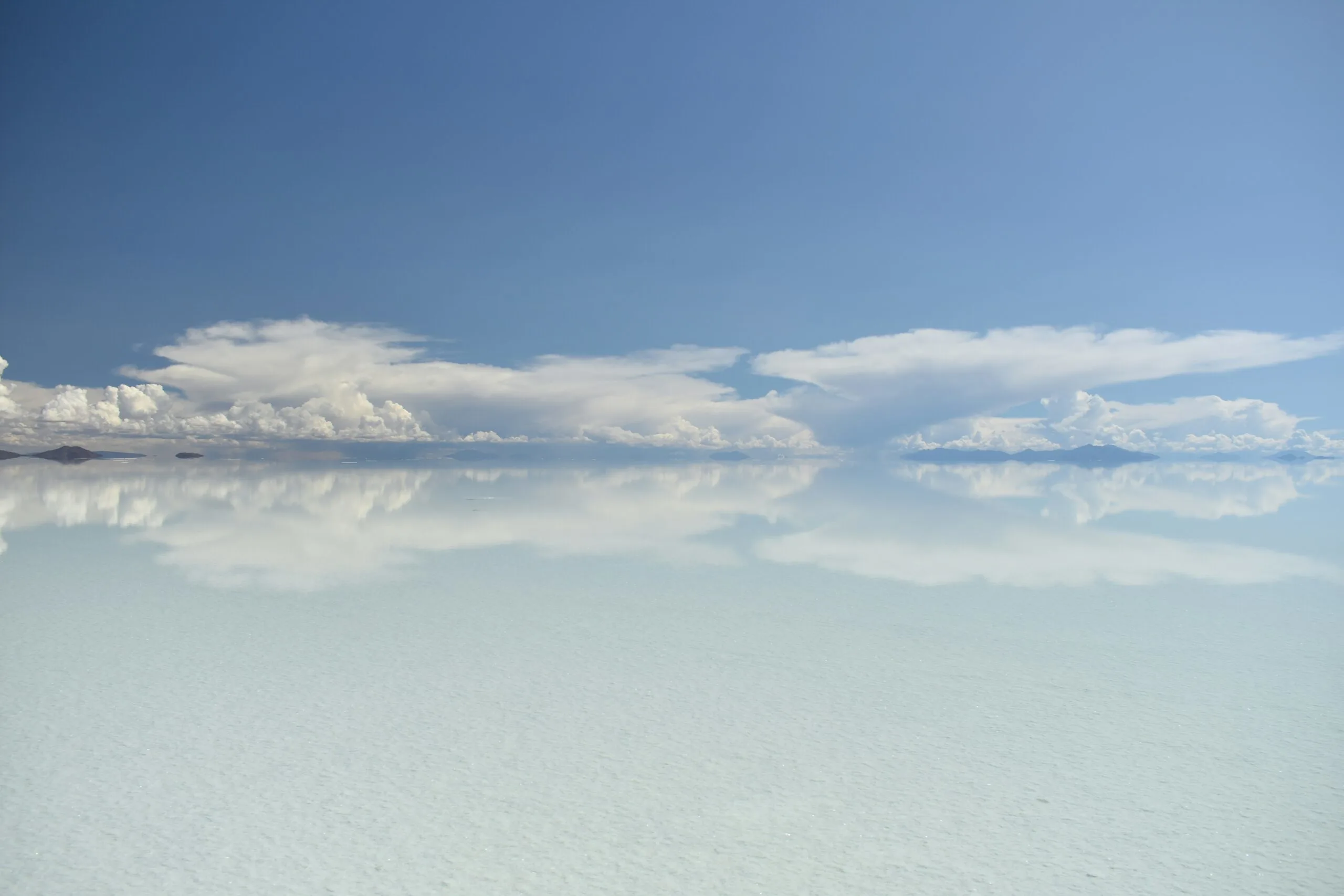
Lush, mirror-perfect landscapes instead of dry white plains. The rainy season turns the salt flats into a giant sky mirror .
Hotels drop prices by up to 30% outside of summer break. Get more luxury for less in Sucre and La Paz .
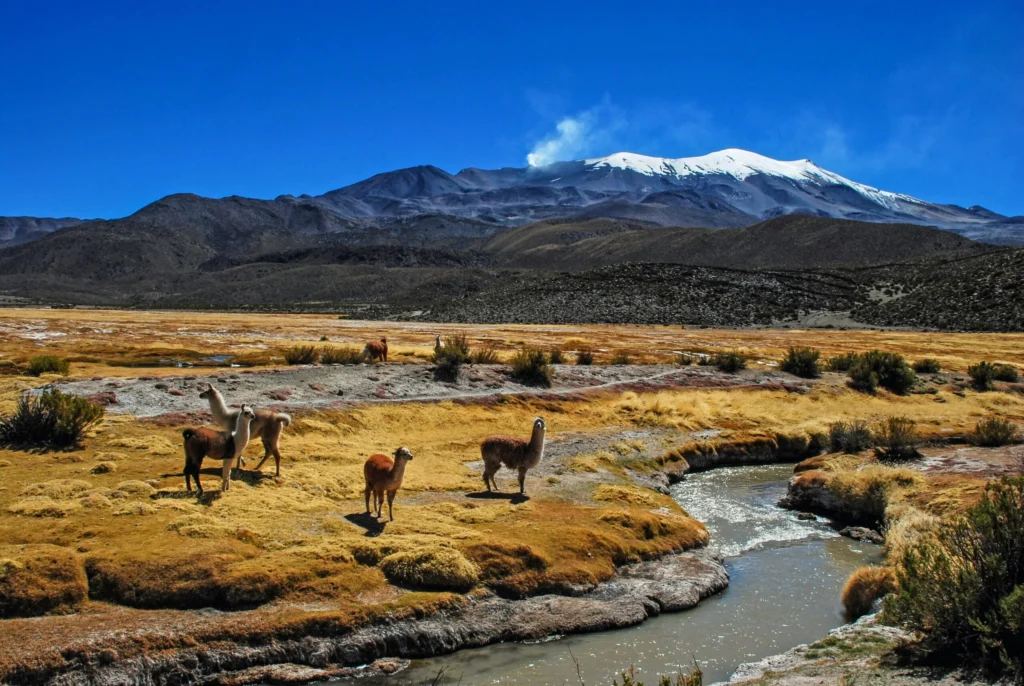
Warm nights in the highlands (no freezing at 3 am!). The wet season brings higher nighttime temperatures for better sleep .
Wildlife spotting goes into overdrive in the Amazon. Animals are more active when the jungle is green and flooded .
Experience real local life, not just expat bars. Shoulder seasons mean sharing spaces with Bolivians, not backpackers.
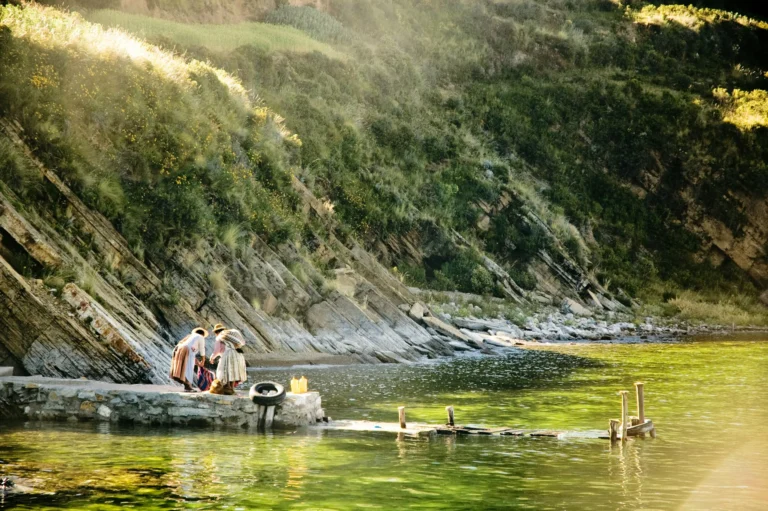
Shoulder Season
Your Smartest Windows
April to early May
September to November
Avoid: Holy Week (Semana Santa – March/April) sees a spike in domestic travel, raising bus and hotel prices significantly, plus August 6th (Independence Day) causes local travel rushes.
What the Sky Does
Mixed conditions: transitional weather, 15°C to 25°C (59°F to 77°F) in the valleys.
Unpredictable afternoons: Expect brilliant morning sun followed by quick afternoon showers (clearing up fast).
The “Golden Hour” arrives: September brings crystal clear skies to the Altiplano before the summer haze sets in .
Lowland relief: Humidity drops slightly in April/May, making Santa Cruz bearable.
How Empty It Feels
40-50% fewer tourists compared to the peak months of July/August.
La Paz feels local again: The Teleférico (cable car) has space for commuters and travelers alike, no queues .
Uyuni is yours: Shared jeeps run with only 4 people instead of 6, giving you more room for your camera gear.
Seating is easy: Find window tables at famous cafes in Calle Sagárnaga without waiting.
What You’ll Save
30% off peak airfares for international flights arriving before June .
Luxury salt hotels for half the price (think Palacio de Sal) compared to August rates.
No booking anxiety: Need to change your Death Road tour date? Guides have space to accommodate you last minute.
Street food lines vanish – get your Salteñas hot and fast without the high-season rush.
The Secret Perk
The Mirror of the Sky (April). Catch the tail end of the rains for the reflective salt flats without the road-closing floods .
Andean New Year (June 21). While technically early dry season, booking in late May allows access to mystical sunrise rituals at Tiwanaku .
Vibrant carnival prep. In November, markets fill with costumes and feathers for Oruro, offering incredible photo ops of local craftsmanship.
Soft, dramatic lighting. The clouds add texture to the arid highlands, perfect for photography.
The Tiny Trade-Off
Intermittent road closures in remote areas (like the North Yungas Road) due to residual mudslides.
Humidity starts rising in the lowlands (Santa Cruz) from October onwards.
Lake Titicaca winds can be choppy in October afternoons, making boat rides to Isla del Sol bumpier.
Fewer departure dates for specialized Amazon tours (specific pampas tours may reduce frequency).
Smart Traveler Tip
Target mid-September to mid-October for the absolute perfect balance: dry Altiplano, green valleys, no crowds.
Avoid the first week of May if you dislike marches—Labor Day is big here.
Book your Uyuni trip for the morning. In shoulder months, mornings are generally clear, with rain/snow usually holding off until after 2 PM.
Pack a poncho AND sunglasses. You will use both within the same hour.
Deep Off-Season
Your Smartest Windows
December to March (The Wet Season)
Avoid: The week between Christmas and New Year’s Eve (locals travel to the countryside) and Carnaval de Oruro (February/March – prices skyrocket and accommodation is impossible to find in Oruro) .
What the Sky Does
Highlands: 5°C to 18°C (41°F to 64°F) – Warm days, cool nights. Snow is rare in La Paz but common on mountain passes.
The “Uyuni Mirror” effect: Frequent light rains leave the salt flats coated in a thin layer of water, perfectly reflecting the sky .
Lowlands (Amazon/Beni): Hot, sticky, and wet (28°C-35°C / 82°F-95°F) with intense afternoon downpours.
Humidity is high: Expect overcast mornings that burn off into humid afternoons, especially in Coroico.
How Empty It Feels
70% fewer tourists in the Amazon region compared to the dry season (June-August).
Uyuni solitude: You might be the only jeep for miles on the salt flats; it feels like another planet.
Museums are private: Explore the Museo de la Coca or the Moneda in Potosí with only the guard for company.
Local buses, not tourist vans: You’ll travel packed with locals heading to market, offering an authentic (if cramped) experience.
What You’ll Save
Save up to 40% on domestic flights (BoA airlines often runs “rainy season” specials) .
Hostel dorm beds for $8-$12 USD – rock bottom prices for backpackers .
Negotiable tour prices: Operators are desperate for business; you can haggle hard on Death Road or Rurrenabaque flights.
Fine dining discounts: High-end restaurants in La Paz’s Zona Sur offer lunch menus (almuerzo) at half the dinner price to attract customers.
The Secret Perk
Cozying up in a Café. Sucre’s whitewashed courtyards are perfect for reading a book while the rain patters on the cobblestones.
Thermal baths glory. Soak in the hot springs near Potosí (Polques) without the crowds—cold air + hot water = bliss.
Meteor showers over the flats. Clear pockets at night during the rainy season offer spectacular starry skies reflected in the puddles .
Harvest season: Fresh fruit (cherimoya, passionfruit) is abundant and dirt cheap in the Yungas valleys.
The Tiny Trade-Off
Caminos cerrados (Road closures). Mudslides can block the road to Coroico or the Amazon for hours or days .
Mosquito Armageddon. The Amazon lowlands breed massive swarms; repellant is not optional, it is survival.
“Skies” vs. “Flats” gamble. You might get the mirror effect, or you might get thick fog and see nothing but grey .
No nightlife outdoors. Rooftop bars and open-air clubs shut down or move indoors due to the nightly rain.
Smart Traveler Tip
Target Late February to early March for the peak of the “Salar Mirror” effect (requires specific water levels) .
Pack waterproof boots (not just shoes). The streets of Copacabana become rivers during heavy rain.
Use the rain as a schedule: Do your outdoor exploring before lunch, and schedule museum visits or naps for the 2:00 PM – 5:00 PM downpour window.
Check the Oruro Carnival dates. If you aren’t going for it, do NOT try to travel through Oruro during that week; the entire city is a parade route .
Find Off-Peak Flights
Top Off‑Season Stays
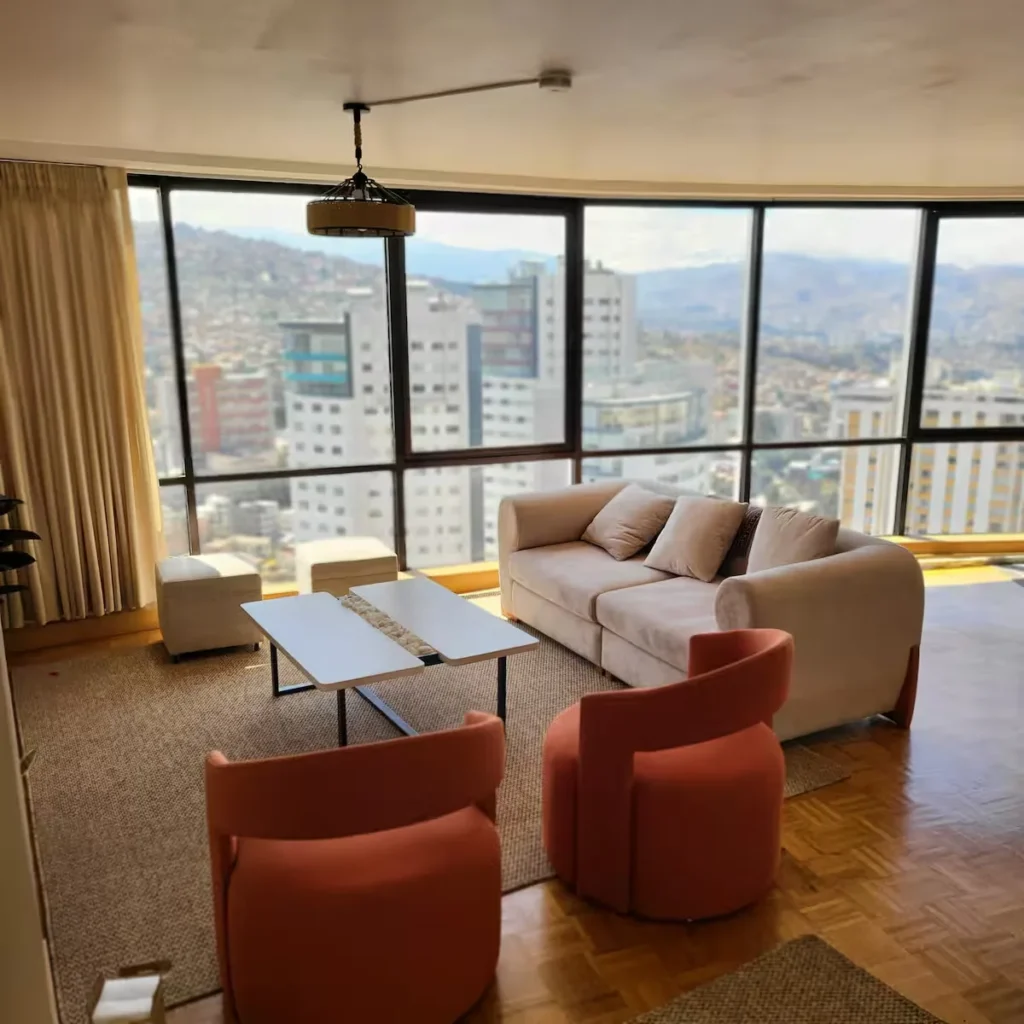
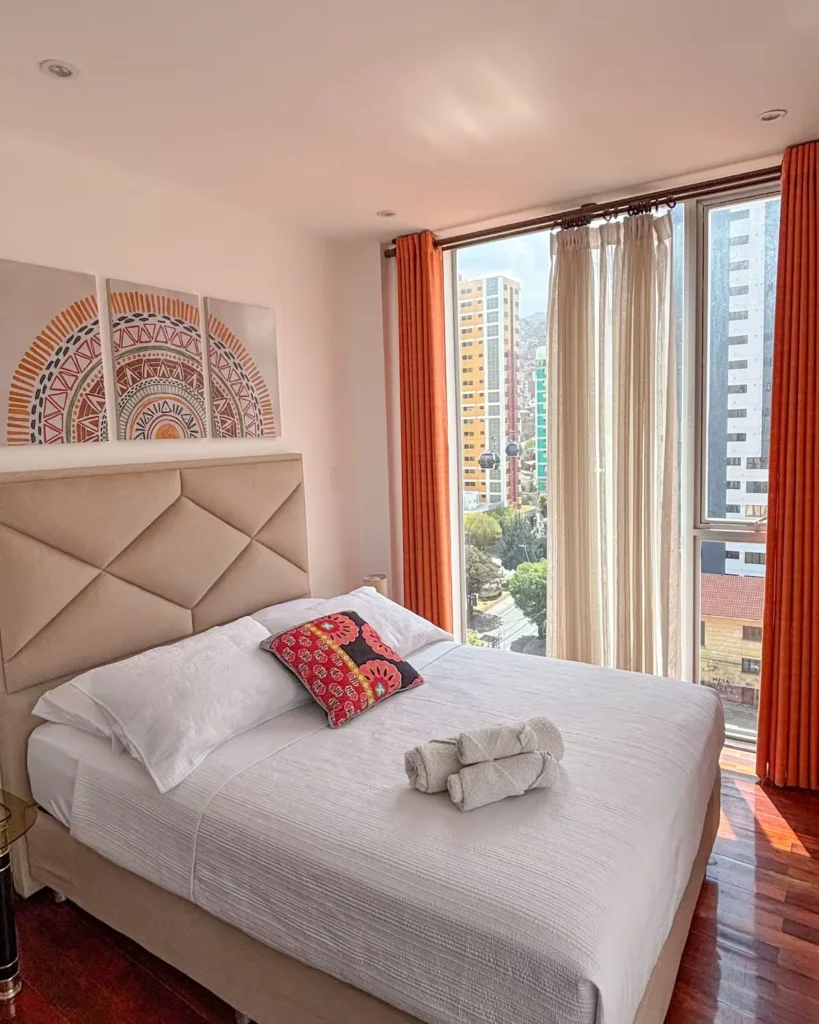
Find below our curated selection of boutique hotels and design apartments that offer exceptional value, atmosphere, and comfort during the off‑season — often at significantly lower rates than peak months.

Rental Unit in Santa Cruz de la Sierra

Rental Unit in Santa Cruz de la Sierra

Rental Unit in Santa Cruz de la Sierra
Uncrowded Experiences & Tours
Skip the lines and experience iconic landmarks at your own pace. Discover curated local tours and cultural activities designed to show you the authentic side of the destination without the peak-season rush.
FAQs
Essential Trip Information
Visa and Entry Requirements
Tourist visas are required for many nationalities (US citizens: US$160 fee).
Passports must be valid for at least six months beyond your stay.
Proof of onward travel, accommodation, and sufficient funds (US$50–100/day) may be requested.
Yellow fever vaccination certificate may be required if arriving from a high-risk country.
Currency
Bolivia uses the Boliviano (Bs). Exchange rate: ~1 US$ = 6.9 Bs (varies).
Best Ways to Handle Currency:
- Before Your Trip: Exchange a small amount; ATMs in cities offer better rates.
- During Your Trip: Use ATMs in major cities (Banco Union, Banco Nacional). Credit cards (Visa/Mastercard) accepted in upscale places, but carry cash (Bs 100–300) for markets/remote areas.
- What to Avoid: Street money changers (risk of scams) and dynamic currency conversion.
Price Level
Bolivia is one of South America’s cheapest countries, but tourist hubs like La Paz and Uyuni are pricier.
Accommodation
Budget: Hostels (US$8–15/night), budget hotels (US$20–40/night).
Mid-range: 3-star hotels (US$50–80/night).
Luxury: 4-5 star hotels (US$100+/night).
Food
Quick eats: Street food (US$1–3), local markets (US$3–5).
Casual dining: US$5–10/person.
Fine dining: US$15–30/person.
Drinks
Beer: US$1–2 (bars), US$0.50–1 (stores).
Cocktails: US$3–6.
Transportation
Local buses: US$0.30–1.
Taxis: US$2–5 (short trips).
Long-distance buses: US$10–30 (overnight trips).
Money-Saving Tips
Eat at local markets (e.g., Mercado Lanza in La Paz).
Book tours in person (cheaper than online).
Use collectivos (shared vans) for short trips.
Language
Spanish is the official language; indigenous languages (Quechua, Aymara) are common.
Helpful phrases: “Hola” (Hello), “Gracias” (Thank you), “¿Cuánto cuesta?” (How much?).
Safety & Security
Generally safe, but watch for pickpockets in crowded areas (La Paz bus stations, markets).
Avoid unlicensed taxis (use apps like Uber in major cities).
Emergency number: 911 (in cities; rural areas may lack coverage).
Health & Insurance
Altitude sickness is a risk in La Paz (3,650m) and Potosí (4,090m). Acclimate slowly, drink coca tea.
Vaccinations recommended: Yellow fever (for Amazon regions), Hepatitis A, Typhoid.
Tap water is unsafe—drink bottled/filtered water.
Transportation
Buses: Cheap but slow; overnight buses connect major cities.
Domestic flights: Efficient for long distances (e.g., La Paz to Santa Cruz, ~US$50–100).
Taxis: Negotiate fares beforehand or use ride apps (Uber in La Paz).
Planning Your Trip
Local Customs And Etiquette
Greetings: Handshake or cheek kiss (among women); say “Buenos días/tardes.”
Politics/Religion: Avoid sensitive topics (indigenous rights, Morales legacy).
Tipping: 10% in restaurants (check if included); small change for guides/drivers.
Dress: Modest in rural areas (cover shoulders/knees at religious sites).
Bargaining: Mild haggling at markets; fixed prices in stores.
Budgeting For Your Trip
Accommodation: Hostels (US$8–15),mid−range(US8–15),mid−range(US30–60), luxury (US$100+).
Food: Street food (US1–3),∗almuerzo∗lunchset(US1–3),∗almuerzo∗lunchset(US3–5), fine dining (US$15–30).
Tours: Salt Flats 3-day tour (US150–300),Amazonlodges(US150–300),Amazonlodges(US100+/night).
Transport: Buses (US5–20),flights(US5–20),flights(US80–120).
Daily Budget:
Budget: US$25–40 (hostels, local meals, buses).
Mid-range: US$50–100 (private rooms, tours, nicer meals).
Luxury: US$150+ (boutique stays, private guides).
Internet & Mobile
Wi-Fi: Slow in rural areas; decent in cities (hostels/cafes).
SIM Cards: Entel or Tigo (US$3–5 for 1–5GB; kiosks/airports).
eSIMs: Supported (Airalo), but coverage spotty outside cities.
Travel Insurance
Essential: Covers altitude sickness, adventure activities (trekking, biking).
Medical care: Limited outside cities; ensure evacuation coverage.
Read fine print: Some exclude motorbike rentals or high-altitude hikes.
Accomodation Options
From hostels to eco-lodges, Bolivia caters to all budgets.
Hotels:
- Luxury: Atix Hotel (La Paz), Los Tajibos (Santa Cruz) – US$100–250/night.
- Mid-range: Rosario Lago Titicaca (Copacabana) – US$40–80/night.
- Budget: Hostels (US$8–15) in La Paz (Wild Rover), Sucre (Casa Kolping).
Eco-Lodges:
- Chalalán (Amazon, US$100+ all-inclusive) or Tayka Hotels (Salt Flats).
Homestays:
- Lake Titicaca islands (US$10–20, includes meals).
Tip: Book ahead for Salt Flats tours (Uyuni has limited quality lodging).
Getting Around
Transport is affordable but unpredictable. Patience is key.
Buses:
- Long-distance: Cheap (US$5–20) but slow; opt for semi-cama (reclining seats) for overnight trips.
- Main companies: Todo Turismo (La Paz–Uyuni), Trans Omar (Sucre–Potosi).
- Safety: Keep valuables close; avoid night buses on remote routes.
Domestic Flights:
- Amaszonas/BoLivia: Quick for long distances (La Paz–Santa Cruz ~US$80–120).
Taxis/Shared Vans (Trufis):
- Negotiate fares upfront (US$2–5 for short rides). Use radio taxis (safer) in cities.
Trains:
- Limited routes (Oruro–Uyuni, Santa Cruz–Quijarro). Scenic but slow.
Rental Cars:
- Not recommended unless experienced with rough terrain (poor roads, unclear signage).