 Skip to content
- Is The Fiji Off-Season Just One Long Rainy Disaster?
No, that is a common myth. Fiji's off-season (November to May) is the "wet season," but "wet" usually means a quick tropical shower in the afternoon followed by brilliant sunshine. The real change is higher humidity and warmer ocean temperatures, which many swimmers actually prefer.
The drawdown is that cyclones are possible, though not guaranteed. However, to "Exploit Travel Seasonality," you accept that small risk for massive rewards. The rain transforms the interior highlands into a stunning green paradise with roaring waterfalls, and you will rarely need an umbrella for more than an hour.
- How Much Cheaper Is Fiji When Everyone Else Stays Home?
Yes, you will save a fortune. Luxury resorts on the Coral Coast and Mamanuca Islands drop their room rates by 40% to 60% during the off-season. Many also throw in free inclusions like meal plans, spa credits, or kids-stay-free promotions that never exist in July or August.
Airfare from most global gateways also sees discounts of 25-35%. The only catch is that a few smaller, family-run island resorts close for annual maintenance.
- Won't The Humidity Make Exploring Unbearable?
Yes, the humidity is higher, but "unbearable" is too strong. Think of it like Hawaii or Southeast Asia: you will sweat more during midday, so you simply adjust your schedule. Do your island hiking or village visits in the morning, then enjoy a lazy afternoon by the pool or trying the famous kava ceremony indoors.
The beautiful trade-off is that the evenings are gloriously warm for beach walks, and the ocean feels like bathwater. You also get to experience traditional Fijian festivals like Bula Festival with almost zero tourist crowds.
- Will The Beaches Be Dirty Or The Water Too Rough For Swimming?
No, the beaches remain pristine and beautiful. Fiji's famous white-sand beaches do not disappear in the wet season; they just get fewer footprints. The water clarity can decrease slightly after heavy rain near river mouths, but most resort lagoons and outer reefs stay crystal clear and calmer than you expect.
The real drawdown is that boat transfers to remote outer islands (like the Yasawas) can be bumpier, and occasional storms may delay schedules. But savvy travelers see this as a chance to "Exploit Travel Seasonality" by staying put at one incredible resort and enjoying 70% fewer jet-skiers and day-trippers around you.
- Is It True That Off-Season Means Everything Is Closed Or Shut Down?
No, not at all. Almost all major resorts, dive operators, and restaurants remain fully open, especially on the main islands of Viti Levu and Vanua Levu. The only closures tend to be a handful of exclusive boutique properties or those in cyclone-prone remote atolls that operate only from May to October.
In fact, you will find that popular activities like snorkeling the Great Astrolabe Reef or visiting the famous Sabeto Mud Pools are more available without advance bookings. The real "closed" sign is on the crowds.

Home > Exploit The Seasons > Seasonal World Map > Oceania > Fiji
FIJI
Forget the postcard crowds. Fiji’s true magic emerges when the rains pause and the pace slows. This guide reveals the secret rhythm of the islands for authentic welcomes, empty reefs, and genuine value.
Smart Travel Calendar
Why Choose Fiji Off-Season?
Solitude on the sand. Swap crowded beach bars for your own stretch of powder-soft sand.
Rain that rewards. Shorter showers mean brighter jungles and epic waterfall selfies.
Kava with locals. Villages welcome you warmly when cruise ships aren’t docking.
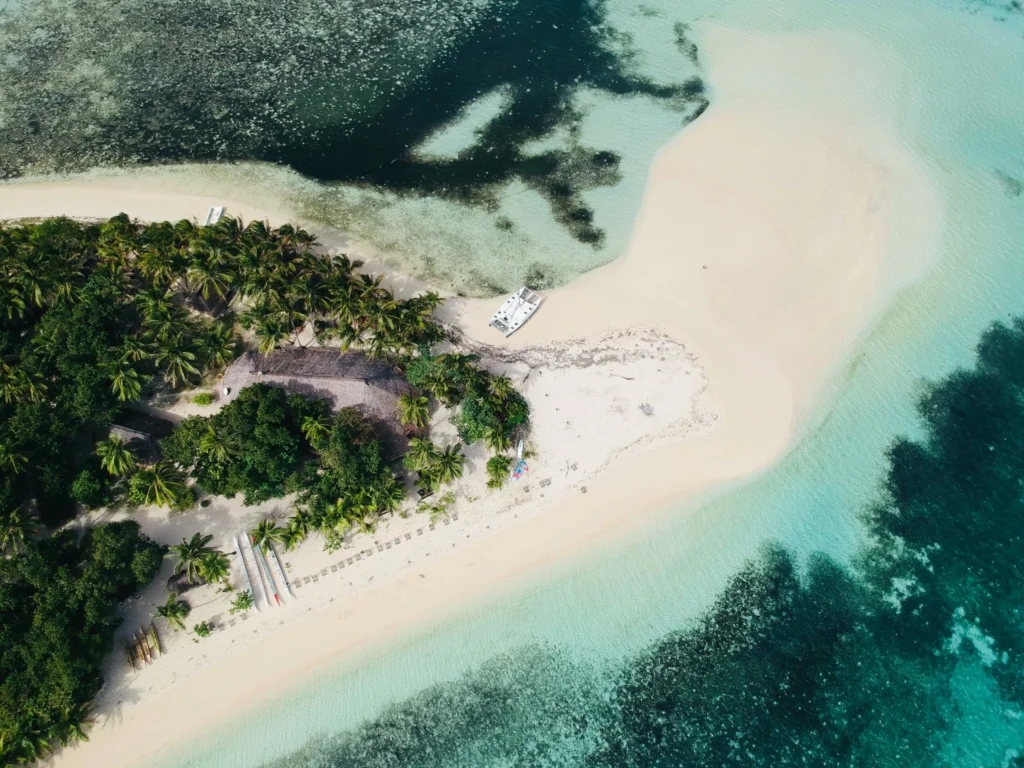
Reefs all to yourself. Snorkel vibrant coral without bumping into another fin.
Luxury for less. Those overwater bure dreams become surprisingly affordable.
No peak price panic. Shoulder flights and resorts cost less than the Australian school rush.
Shoulder Season
Your Smartest Windows
May & September to October
April & November
Avoid: The Australian & New Zealand school holidays (mid-December to late January, April school break, and July) plus Fiji Day (October 10th) long weekend.
What the Sky Does
Typical weather: 24°C to 29°C (75°F to 84°F) – warm but breezy.
May & Oct: driest shoulder months with low humidity and steady trade winds.
April & Nov: brief, sharp tropical showers (usually morning) then sunny afternoons.
Cyclone risk is very low outside the official season (Nov-Apr).
How Empty It Feels
40-60% fewer tourists than peak July/December rush.
Major resorts like Denarau and Coral Coast feel relaxed, not deserted.
Popular spots like the Mamanuca Islands have uncrowded boat transfers.
You’ll find a table at every restaurant and no queues for village tours.
What You’ll Save
25-40% on resort rates and 15-30% on flights from Australia/NZ.
Car and boat rentals often include free upgrades or 20% off.
No ticket fights for the “Cloud 9” floating platform or snorkelling safaris.
Most resorts offer “stay 5, pay 4” deals plus complimentary meals.
The Secret Perk
Firewalking ceremonies – witness real Fijian mystic traditions in Beqa.
Mango and breadfruit season – local markets overflow with sweet, cheap fruit.
Baby turtle season – see released hatchlings at eco-resorts (October-November).
Soft golden light – less humidity means epic sunsets over the Yasawas.
Village homestays – families have more time to share stories without summer rush.
The Tiny Trade-Off
Occasional morning rain – pack a light rain jacket and flexible attitude.
Some souvenir stalls close early in smaller villages outside peak.
Ferry schedules reduce slightly (once daily instead of twice on some outer routes).
No major Fijian festivals – but you get authentic daily life instead.
Smart Traveler Tip
Target May or October for the absolute sweet spot: dry weather + low crowds.
Fly mid-week (Tuesday/Wednesday) – Nadi Airport is quiet and upgrade chances soar.
Book outer islands first – they fill faster than the mainland even in shoulder.
Avoid the April school break overlap – prices jump for those two weeks only.
Deep Off-Season
Your Smartest Windows
February to March
November (early half – before school holidays)
Avoid: The Christmas/New Year fortnight (Dec 20–Jan 5), when Fijian-Aussie-Kiwi families pay peak prices for paradise.
What the Sky Does
Warm and wet: 25°C to 31°C (77°F to 88°F) with high humidity.
Expect short, heavy tropical downpours (often late afternoon) followed by steaming sun.
The dry western side (Denarau, Mamanucas) gets half the rain of the east.
Cyclones are possible but not guaranteed – monitor forecasts but don’t panic.
How Empty It Feels
70-80% fewer tourists than peak – you’ll feel like you own the island.
Resorts feel like private retreats: staff remember your name by day one.
Museums and cultural centres are blissfully quiet – no school groups.
Local villages welcome you for long, unhurried talanoa (storytelling).
What You’ll Save
50-60% off peak-season resort rates – luxury bures become budget-friendly.
Flights from Australia/NZ often drop to 40% below December prices.
Many 5-star resorts offer “rainy season specials” with included meals and spa credits.
Private boat charters cost the same as shared tours in peak – you get the whole boat.
The Secret Perk
Hot springs and mud pools in Savusavu feel incredible in warm rain.
Indoor weaving and cooking classes – learn to make lovo feast without sweating.
Orchid season – the Garden of the Sleeping Giant explodes with colour.
No need to book anything – spontaneous island-hopping actually works.
Real conversations – resort staff have time for hours of stories and kava.
The Tiny Trade-Off
Some outer island resorts close for 4-6 weeks (February-March) for annual maintenance.
Nightlife is very quiet – a few resort bars, no party boats.
A few restaurants in Nadi town reduce hours – but resort dining is fully open.
Daylight is shorter (sunset ~6pm vs 7pm in summer) – plan morning activities.
Smart Traveler Tip
February is the quietest month – and cheapest, but pack a raincoat and patience.
Stick to the Mamanuca or Yasawa islands – they’re drier and more resort options stay open.
Book refundable flights – just in case a cyclone alert appears (rare but possible).
Pack waterproof phone pouch and water shoes – puddles and wet decks are normal.
Find Off-Peak Flights
Uncrowded Experiences & Tours
Skip the lines and experience iconic landmarks at your own pace. Discover curated local tours and cultural activities designed to show you the authentic side of the destination without the peak-season rush.
FAQs
Essential Trip Information
Visa and Entry Requirements
Fiji has strict entry requirements. Check your visa requirements on the official Fiji Immigration website.
Passports must be valid for at least six months beyond your stay.
Immigration may ask for proof of onward travel, accommodation bookings, and sufficient funds.
Visa on arrival: Citizens from most countries, including the U.S., can obtain a visa on arrival for stays of up to 4 months.
ESTA or other visa waivers are not applicable for Fiji; you must check if you need a visa before departure.
Currency
The official currency of Fiji is the Fijian Dollar (FJD).
1 FJD = 0.47 USD (approximate).
Bills: $5, $10, $20, $50, and $100.
Coins: 1c, 2c, 5c, 10c, 20c, 50c, and $1.
Best Ways to Handle Currency:
- Before Your Trip: Exchange a small amount of money at your local bank or an exchange bureau. ATMs are available in most cities and offer better rates.
- During Your Trip: Use ATMs at major banks like ANZ, Westpac, or BSP. Credit/debit cards (Visa, Mastercard) are accepted at most tourist locations, but carry FJD 20–50 for small vendors and markets.
- What to Avoid: Currency exchange kiosks at airports, which charge high fees.
Language
English is widely spoken and is one of the official languages of Fiji.
Fijian and Hindustani are also spoken by local populations.
Helpful phrases: “Bula” (hello), “Vinaka” (thank you), “Sega” (no), “Eda sai or’na?” (How much is this?)
Safety and Security
Fiji is generally very safe for tourists. However, exercise caution in more remote areas or when hiking.
Watch for pickpockets in crowded places, especially in markets or at large tourist spots.
Emergency number: 911 for police, 911 for medical emergencies.
Health & Insurance
No mandatory vaccinations for entry into Fiji.
Travel insurance is highly recommended as healthcare can be expensive for foreigners.
Tap water is safe to drink in major cities, but it’s safer to drink bottled water in remote areas.
Transportation
Public buses: A reliable mode of transport within towns and cities.
Taxis: Available in larger towns. Always negotiate the price before you start the ride.
Biking: Rental shops available in major cities.
Ferries/Boats: Regular services to islands (book in advance during peak season).
Price Level
Fiji tends to be moderately priced for most international travelers, with some luxury options available.
Accommodation
Budget: Hostels and budget hotels ($50–100 USD/night)
Mid-range: 3-star hotels ($120–200 USD/night)
Luxury: 4-5 star hotels and resorts ($300+/night)
Food
Quick eats: Local food stalls ($5–10 USD), takeaway (small meals like curry or noodles)
Casual dining: Restaurants ($15–35 USD/person)
Fine dining: Resorts or high-end restaurants ($50+/person)
Drinks
Beer: $4–7 USD (bars), $1–3 USD (supermarkets)
Cocktails: $10–15 USD
Transportation
Public Buses: $1–2 USD/ride
Taxis/Uber: $5–15 USD for short trips
Car Rentals: $40–70 USD/day
Boat Transfers (inter-island): $10–30 USD, depending on the distance.
Money-Saving Tips
Stay at guesthouses or budget hotels outside main tourist areas to save on accommodation costs.
Dine in local restaurants for cheaper meals than in tourist resorts.
Use public transportation for short trips instead of taxis.
Planning Your Trip
Local Customs And Etiquette
Fiji is known for its welcoming people and relaxed lifestyle, but respecting local traditions is important.
Greetings: The traditional greeting is the “bula” (hello) with a handshake. For more formal occasions, a traditional “sevusevu” ceremony might occur, involving the presentation of a kava root to elders.
Tipping: Tipping is not customary, though appreciated. Round up restaurant bills or leave a small tip for excellent service.
Dress Code: Casual, lightweight clothing is ideal. In the evenings or in villages, modest attire is expected—avoid swimwear outside of the beach or pool area.
Respect for Elders: Fijian culture holds elders in high regard, so show respect during cultural ceremonies and in conversations.
Photography: Ask for permission before taking photos of locals, especially in rural areas or during cultural ceremonies.
Tip: When in villages, it’s customary to remove shoes before entering homes and certain buildings.
Budgeting For Your Trip
Fiji offers a wide range of options depending on your budget.
Accommodation: Hostels ($25–50 per night), budget hotels ($80–150 per night), luxury resorts ($250–500+ per night).
Food: Street food ($5–10), casual meals ($15–30), fine dining ($50+).
Transport: Domestic flights ($50–150 depending on the route), buses ($5–10), taxis ($15–40 for short rides).
Activities: Many beaches and cultural sites are free to visit. Paid activities like diving or island tours range from $50–150.
Daily Budget:
Budget: $50–80 (hostels, street food, local transport).
Mid-range: $150–250 (3-star hotels, restaurants, boat trips).
Luxury: $350+ (luxury resorts, premium tours).
Internet & Mobile
Free Wi-Fi: Available at many hotels, cafes, and public areas in larger towns like Nadi and Suva.
SIM Cards: Available at the Nadi International Airport or local shops. Prepaid plans start around FJ$20 ($10 USD) for 1GB.
eSIMs: Available through local providers like Vodafone and Digicel.
Tip: Consider getting a local SIM card for better coverage, especially if you’re traveling to more remote islands.
Travel Insurance
Recommended for: Medical coverage, trip delays (common due to weather), and adventure activities (diving, surfing, etc.).
Healthcare: Medical services are basic in more remote areas. It’s advisable to travel with medical insurance that includes emergency evacuation.
Adventure Activities: Ensure your insurance covers activities like diving and hiking, as some policies may exclude high-risk activities.
Accomodation Options
Fiji offers a variety of accommodation types ranging from luxury resorts to affordable hostels.
Hotels:
- Luxury: Likuliku Lagoon Resort (Mamanuca Islands), InterContinental Fiji Golf Resort & Spa (Natadola Bay).
- Mid-range: The Pearl Resort (Pacific Harbour), Novotel Suva Lami Bay.
- Budget: Smugglers Cove Beach Resort (Nadi), Bamboo Backpackers (Nadi).
Hostels:
- Mantis Resort (Coral Coast) or Fiji Beachouse (Coral Coast) for a relaxed and budget-friendly vibe.
Airbnb/VRBO:
- Look for homes on the main islands (Viti Levu and Vanua Levu) or remote, tranquil properties in the outer islands for more privacy.
Boutique Stays:
- Nanuku Auberge Resort (Pacific Harbour) – a wellness-focused retreat.
- Tavarua Island Resort (Mamanuca Islands) – a perfect escape for surfers.
Tip: Choose an accommodation near a beach or with easy access to boat transfers to make the most of Fiji’s natural beauty.
Getting Around
Fiji is spread across a collection of islands, and transportation options vary depending on your location.
Domestic Flights:
- Air Fiji offers flights between main islands, including Nadi, Suva, and the Mamanuca Islands.
- Flight duration is typically under 1 hour between main islands.
Ferries/Boats:
- Ferries run frequently between the main islands and smaller ones, such as the Mamanuca and Yasawa Islands.
- Booking in advance is recommended during peak seasons.
Buses:
- Limited to the main islands, buses are an inexpensive way to explore larger islands like Viti Levu.
- Routes generally cover popular tourist destinations and towns.
Taxis/Rideshares:
- Taxis are available, but rideshare services (like Uber) are not widely used in Fiji.
Car Rental:
- Renting a car is a great way to explore Viti Levu and other large islands.
- Driving is on the left side of the road.
Walking:
- Many resorts and towns are walkable, especially in Nadi and Suva.
Tip: Use ferries and domestic flights for island hopping, and consider renting a car for exploring larger islands.