 Skip to content




- Why Should I Visit The Netherlands In The Shoulder Season For Better Value?
By choosing the shoulder season, you can exploit travel seasonality to enjoy pleasant weather with significantly fewer people. You will find that the famous tulip fields and canal-side cafes are still vibrant, but without the peak summer crowds that can overwhelm popular spots.
However, the drawdown is that the weather becomes less predictable, and you might encounter a mix of sunny days and chilly rain. Despite this, you can typically save between 20% and 35% on accommodations compared to the high summer rates, offering fantastic value for your trip.
- What Is The Weather Really Like During The Dutch Off-Season?
The weather is crisp and atmospheric, perfect for cozying up in a brown cafe after a museum visit without breaking a sweat. You will experience the beautiful, dramatic North Sea skies that famous Dutch painters loved, and the cool air makes biking through the countryside incredibly refreshing.
On the other hand, you should pack for all four seasons in one day, as wind and rain can arrive suddenly and without warning. While you won't get the summer heatwave, you also avoid the sticky, humid days, and the lower chance of fog means clearer views of the iconic windmills.
- How Much Money Can I Really Save By Avoiding Peak Season?
You can expect to exploit travel seasonality successfully here, as flight and hotel costs drop significantly when the summer holidays end. Many travelers find that their total trip budget decreases by approximately 30% to 50%, specifically on canal cruises, bike rentals, and entry to major attractions like the Rijksmuseum.
Be aware that while your wallet will thank you, some smaller family-run hotels or restaurants in rural areas may close for a few weeks for their own holidays. The positive trade-off is that the money you save on logistics can be spent on nicer meals or upgrading to a hotel room with a stunning canal view.
- Will The Public Transportation Be Reliable During The Low Season?
Absolutely. The Netherlands boasts one of the most reliable train and tram networks in the world, which operates without interruption regardless of the season or weather. You will find that the trains to major hubs are actually less crowded, meaning you can always get a seat with a view of the flat, green landscapes.
The only minor drawdown is that ferry schedules for some of the northern islands (Wadden Islands) may be reduced compared to the summer timetable. For the rest of the country, you benefit from faster boarding and fewer queues at the ticket machines, making your connection from Amsterdam to Rotterdam or Utrecht seamless.
- Are The Crowds Really That Much Smaller Outside Of Summer?
Yes. Once September arrives, the massive queues for the Anne Frank House and Van Gogh Museum shrink dramatically, often reducing wait times by over 60%. You will be able to wander the historic streets of Leiden or Haarlem in peace, taking photos without a dozen strangers in your frame, which is a true luxury.
The trade-off is that the lively, open-air summer festivals will be finished, so the nightlife shifts indoors to concert halls and theaters. This actually allows for a more authentic local experience, as you will be sharing the space with Dutch locals rather than other tourists, giving you a genuine taste of Dutch culture.

Home > Exploit The Seasons > Seasonal World Map > Europe > The Netherlands
NETHERLANDS
The Netherlands reveals its soul beyond tulips and canals. From misty dawns over quiet Amsterdam to windmills spinning in solitude. This guide unlocks authentic Dutch charm, fewer bikes in your photos, and surprising value in every season.
Smart Travel Calendar
Why Choose The Netherlands Off-Season?
Skip the bike jams. Cycle the Nine Streets without dodging selfie sticks or tour groups.
Museum masterpieces all to yourself. Stand before Vermeer’s Girl with a Pearl Earring in near silence.
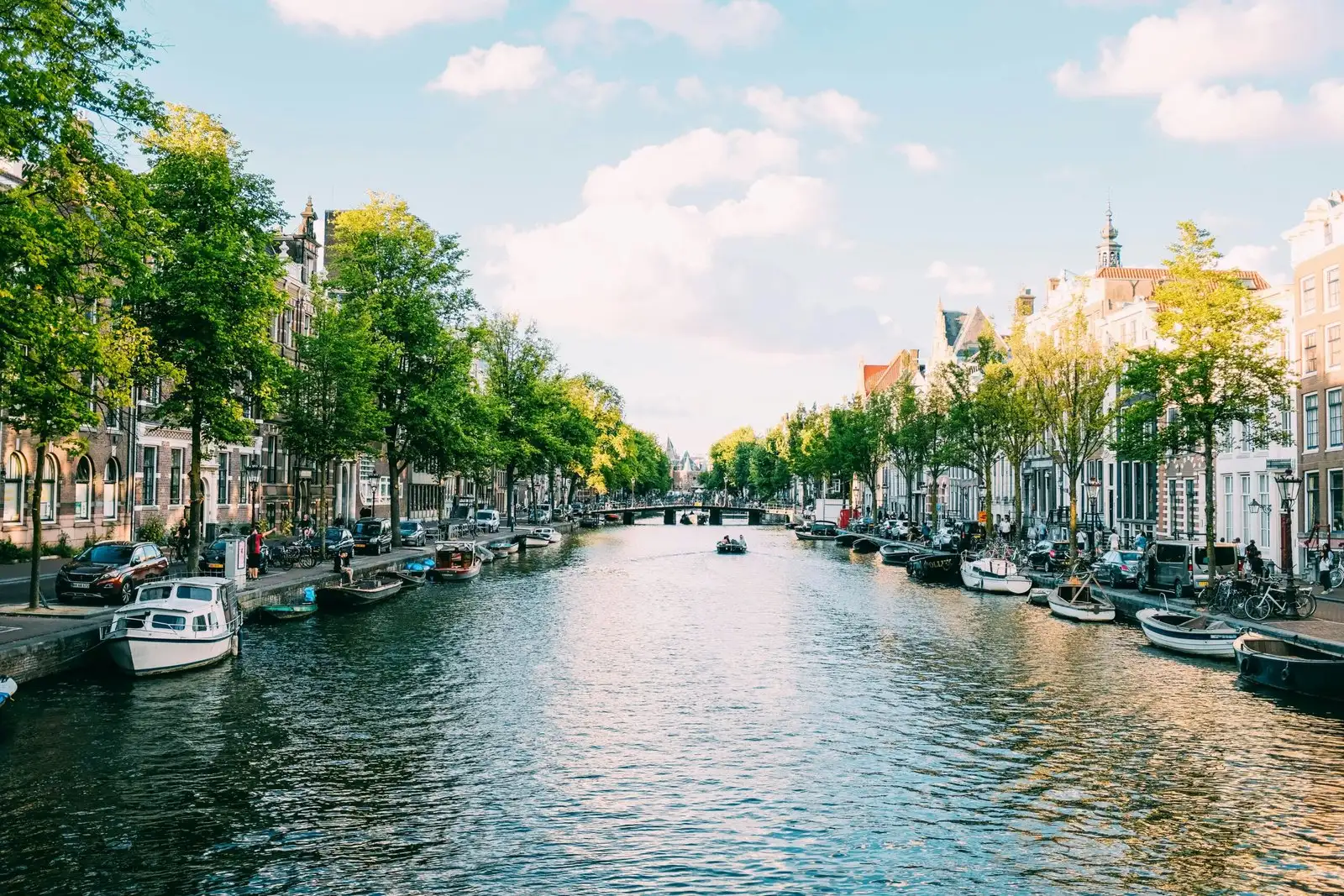
Canals reflect autumn gold. The light turns water into liquid amber—unreal for photographers.
Cozy gezelligheid unlocked. Candlelit brown cafés feel twice as warm when it’s cold outside.
Fewer queues at the Anne Frank House. Secure last-minute tickets without the 6am alarm.
Keukenhof’s secret pre-season. See tulip fields waking up, locals-only vibe, zero crowds.
Shoulder Season
Your Smartest Windows
March to May (excluding Kings’ Day & Easter)
September to October
Avoid: The last week of April (Kings’ Day – nationwide open-air parties and total chaos) and the Easter weekend (family travel spikes).
What the Sky Does
April/May: 5°C to 17°C (41°F to 63°F) — unpredictable, dress in layers
September/October: 8°C to 19°C (46°F to 66°F) — crisp mornings, golden afternoons
Rain is a Dutch habit: pack a light waterproof and you’ll fit right in
April brings surprise hail showers; October serves dramatic skies for windmill photos
How Empty It Feels
30-50% fewer tourists than July-August madness
Amsterdam’s Jordaan district: busy but breathable, no shuffling on bridges
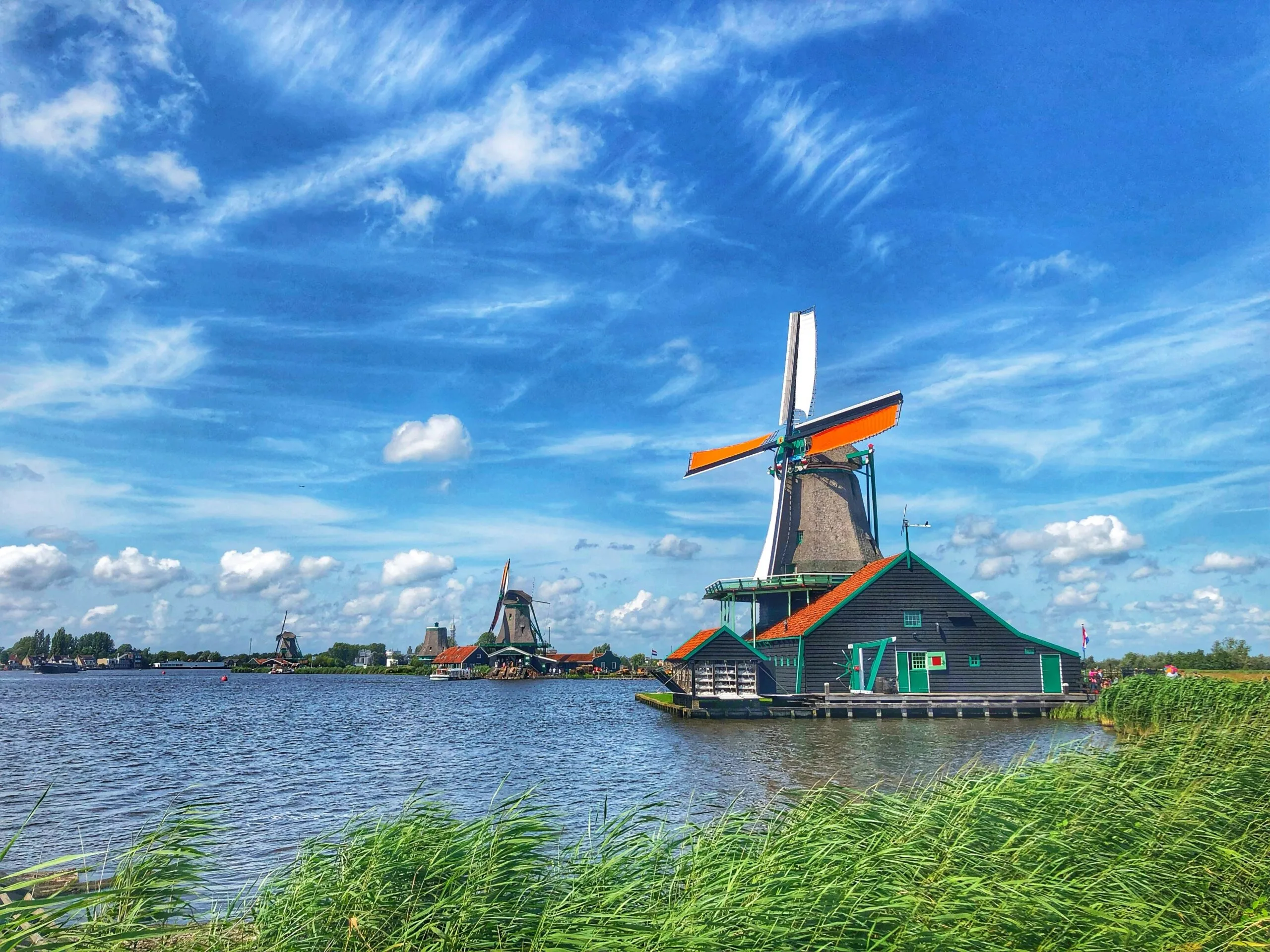
Zaanse Schans: share the windmills with dozens, not hundreds
Trains still run full at rush hour, but you’ll always find a seat by mid-morning
What You’ll Save
Flights: 25-40% off peak summer fares
Hotels: canal-view rooms drop €50-100 per night
Museum passes: no timed-entry stress — walk right in at the Rijksmuseum
Bike rentals: free upgrades or extra day thrown in without asking
The Secret Perk
King’s Day (April 27th): the entire country turns orange — chaotic, joyous, unforgettable
Tulip mania without the mob: Keukenhof’s last two weeks are pure magic
Mushroom season in Utrechtse Heuvelrug: foragers sell porcini at farm stands
Low-angle autumn light: 4pm sunsets paint the canals like Rembrandt’s palette
Locals reclaim their cities: you’ll get restaurant recommendations from actual Dutch people
The Tiny Trade-Off
April can be cold & wet: pack a wool sweater even if it’s “spring”
Mid-May to early June: Dutch school trips fill museums on weekdays
Some canal tour boats run reduced schedules in early October
King’s Day prices spike for 48 hours — book around it
Smart Traveler Tip
Aim for the last week of April or first week of October for perfect balance
Start your days at 8am — you’ll get 2 quiet hours before anyone else
Avoid the first week of May (Dutch spring break crowds)
Book a hotel in Leiden or Haarlem instead of Amsterdam — same canals, half the price
Deep Off-Season
Your Smartest Windows
November to February (excluding Christmas & New Year’s)
Avoid: December 25 – January 1. Amsterdam hotels triple in price for the holiday markets and NYE fireworks.
What the Sky Does
November to March: 0°C to 8°C (32°F to 46°F)
Grey skies are the default — but that’s authentic Dutch moodiness
Snow is rare but magical; expect more drizzle than blizzards
Coastal winds in February can bite hard — Zeeland feels Arctic
How Empty It Feels
60-80% fewer tourists than peak summer
Amsterdam’s Red Light District: still active, but you can actually walk
Rijksmuseum at 11am on a Tuesday: 50 people instead of 2,000
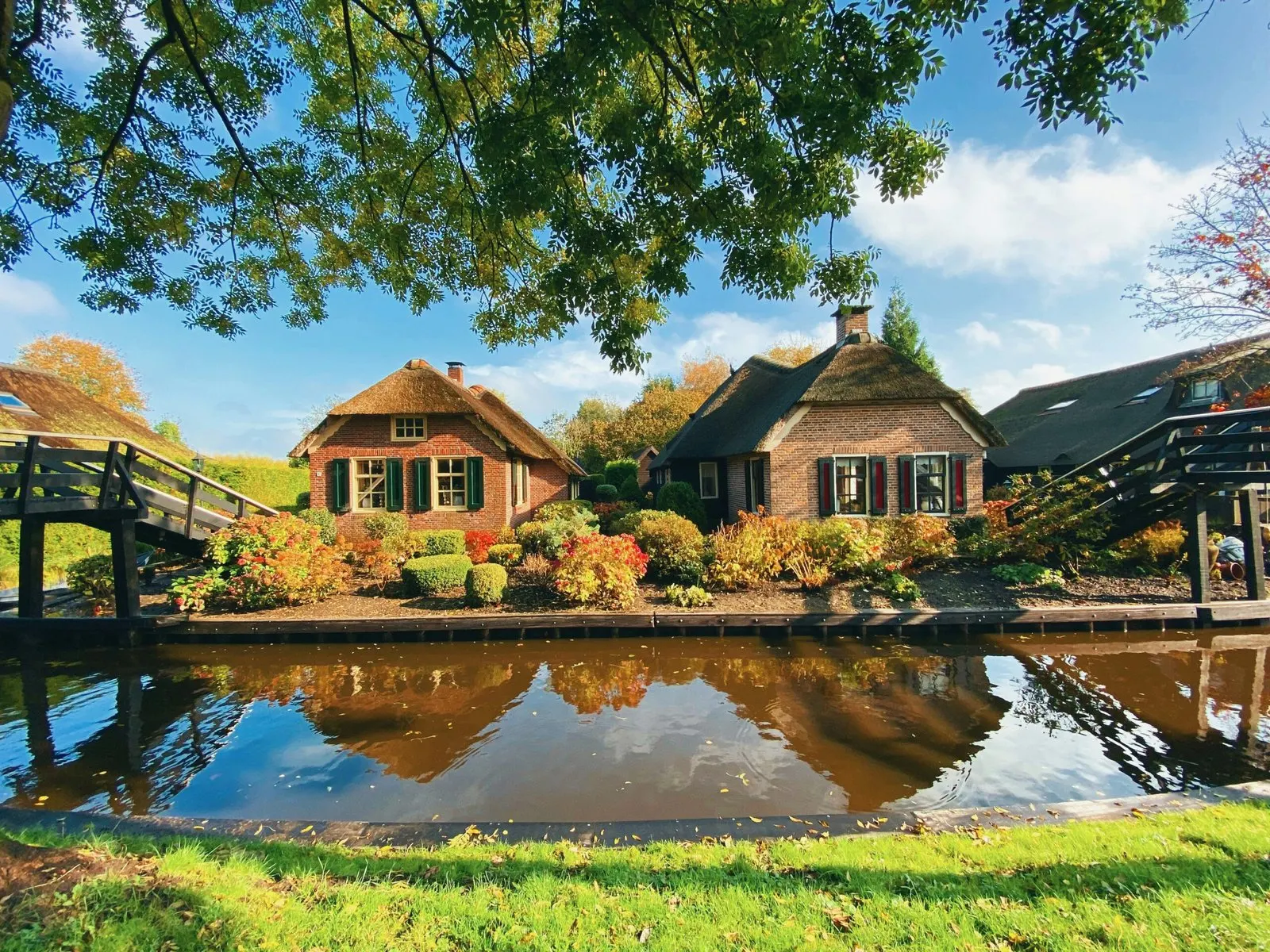
Giethoorn (“Venice of the North”) feels like a local village again, not Disneyland
What You’ll Save
Flights: up to 60% off — think €30 from London, €80 from New York
Hotels: 4-star canal hotels from €90/night instead of €250
Car rental: €15/day in winter vs €70 in July
Museums: combo tickets often come with free hot drinks in winter
The Secret Perk
Amsterdam Light Festival (Nov–Jan): canal cruises under glowing art installations
Elfstedentocht fever: even when the ice skating race doesn’t happen, the anticipation is electric
Sinterklaas (Dec 5th): Dutch children’s holiday — parades, pepernoten cookies, zero tourists
Cozy stroopwafel stands: fresh, warm, caramel — best eaten in a freezing wind
You’ll meet the Dutch, not just tourists: locals are friendlier when they’re not overrun
The Tiny Trade-Off
Beach bars at Scheveningen are boarded up (but winter walks are epic)
Nightlife outside Amsterdam slows down by midnight on weekdays
Many small town restaurants close on Mondays & Tuesdays
Daylight: sunrise 8:30am, sunset 4:30pm — plan indoor activities
Smart Traveler Tip
December is festive but expensive: book before Nov 20 or after Jan 5 for real bargains
January is the quietest month — almost eerily empty, perfect for introverts
Late February hints at spring: almond blossoms appear in the south
Pack: waterproof boots, wool socks, a smile for rainy days
Head to Maastricht in winter — it’s sunnier and warmer than the north
Find Off-Peak Flights
Top Off‑Season Stays
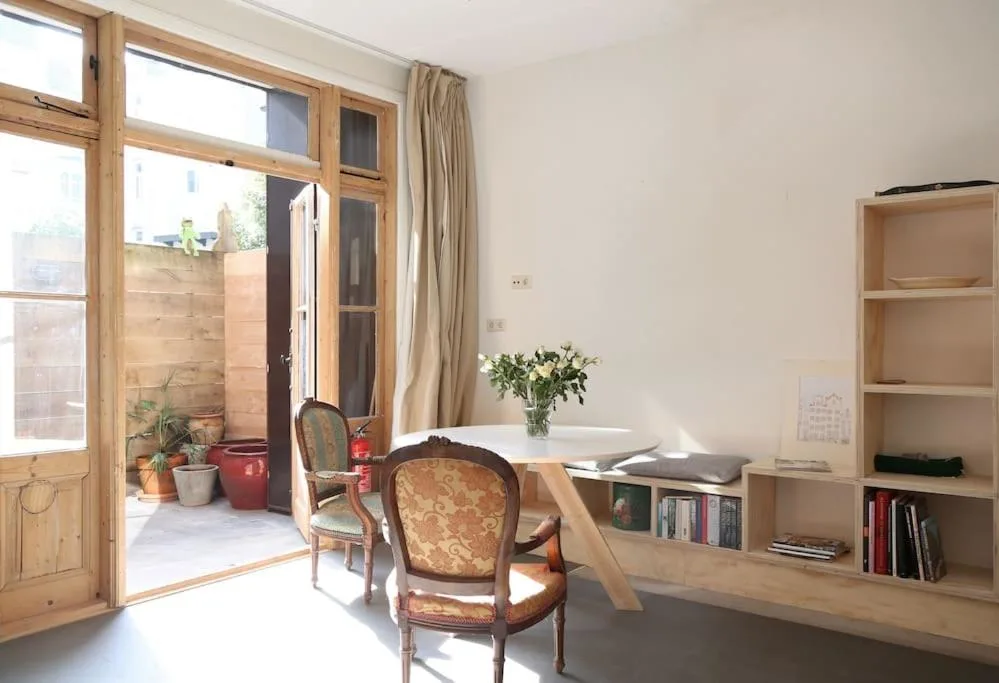
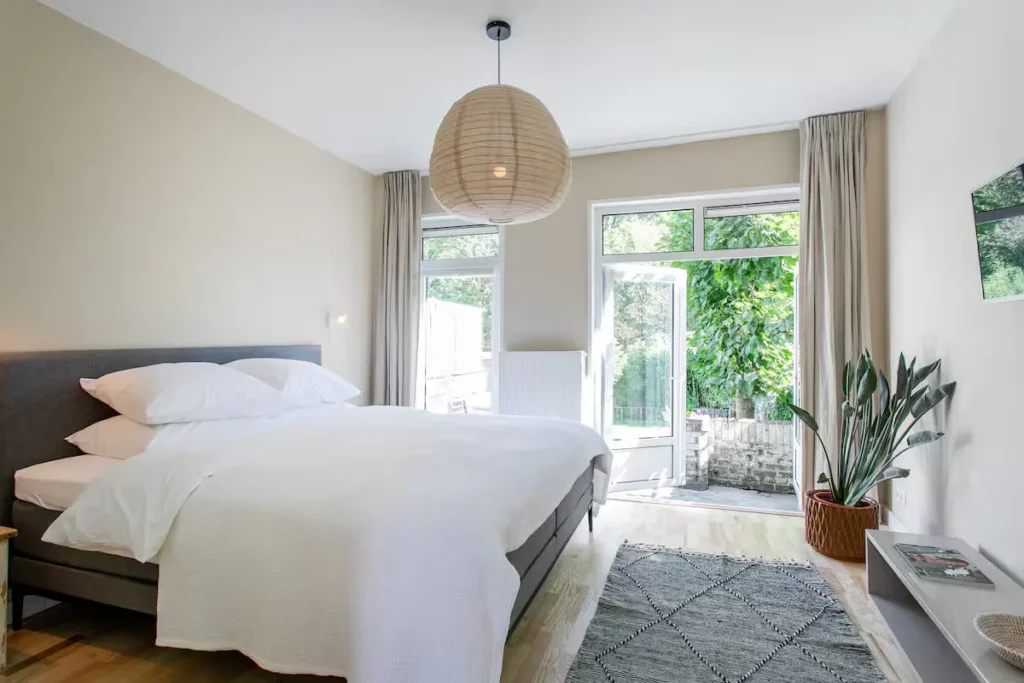
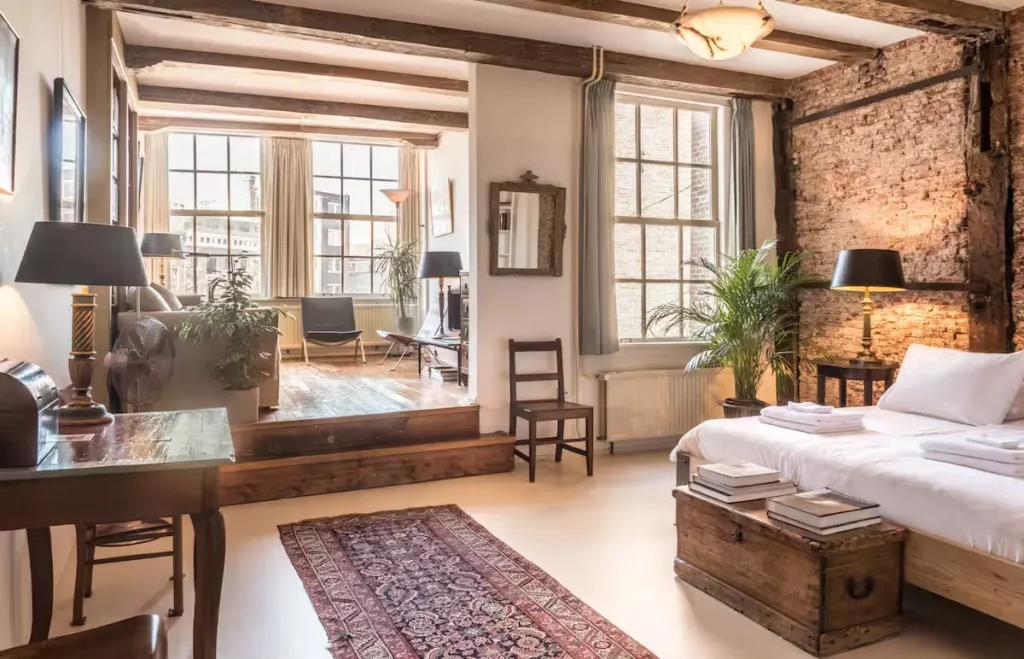
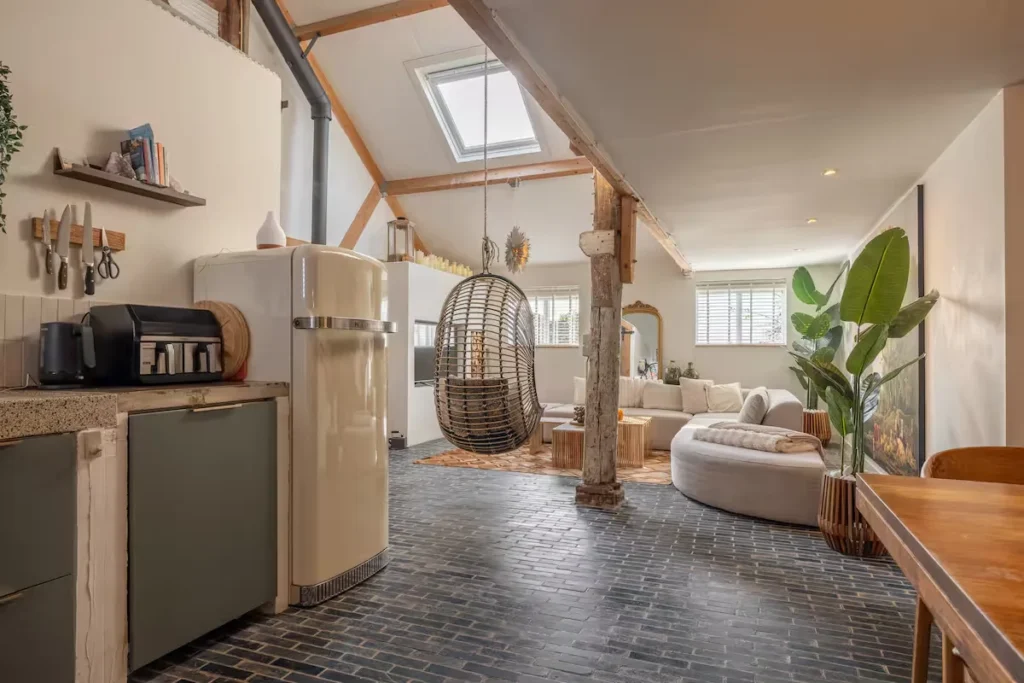
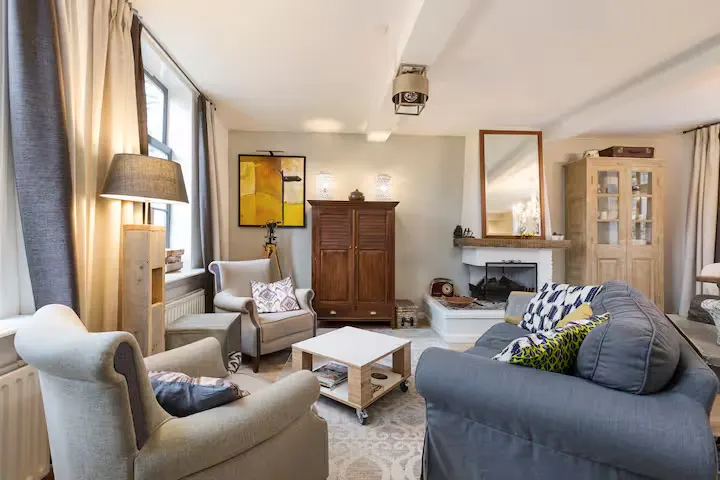
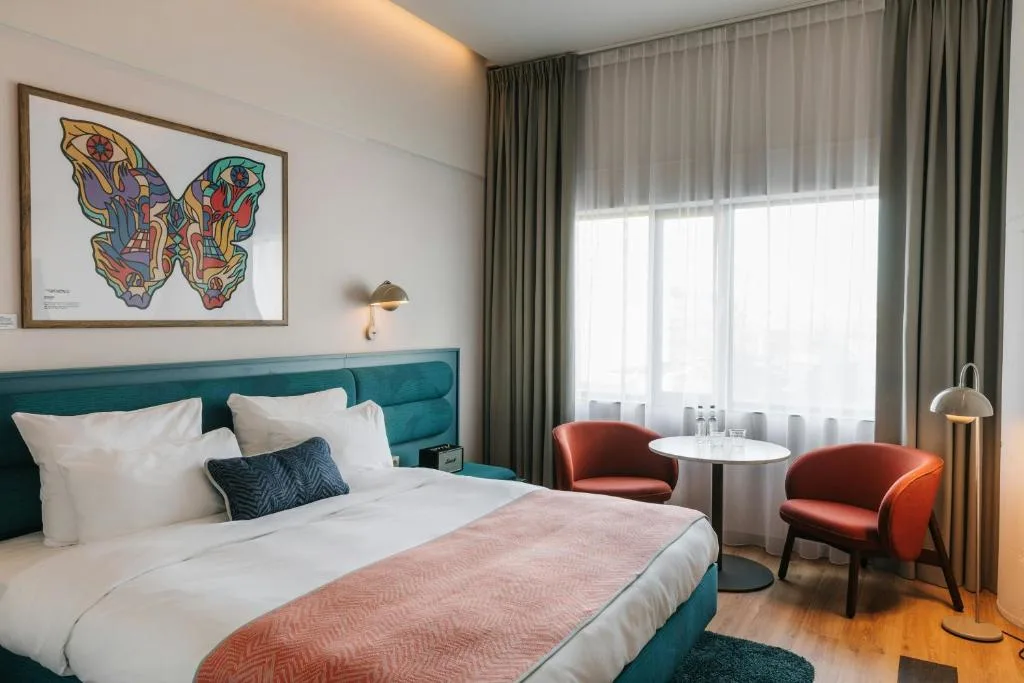
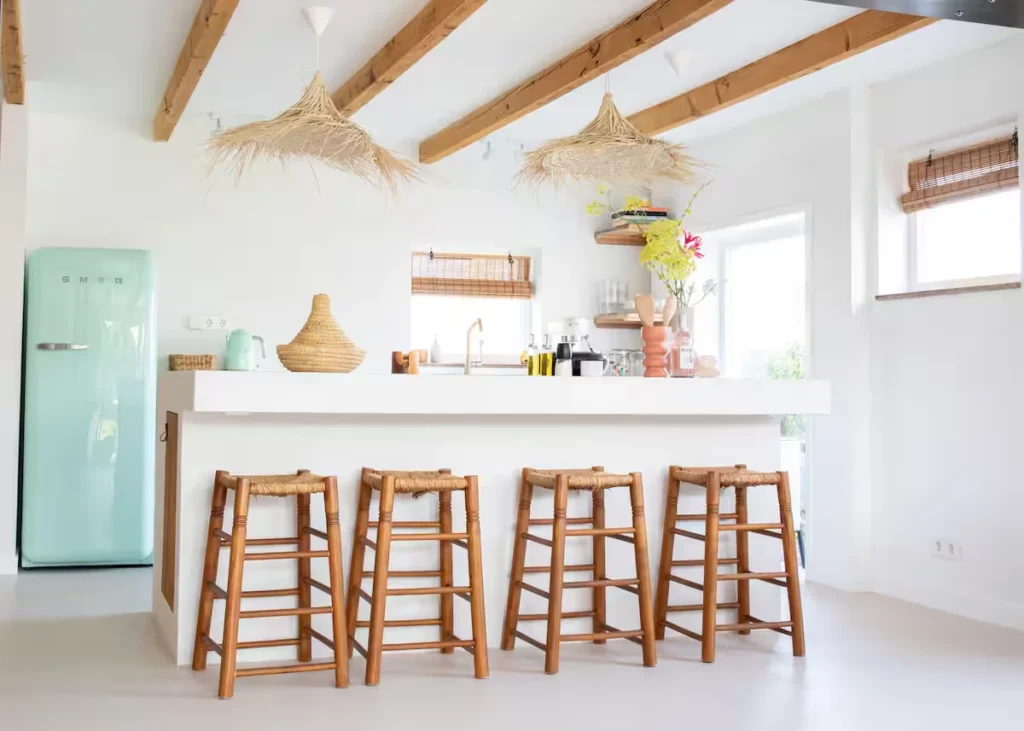
Find below our curated selection of boutique hotels and design apartments that offer exceptional value, atmosphere, and comfort during the off‑season — often at significantly lower rates than peak months.
Uncrowded Experiences & Tours
Skip the lines and experience iconic landmarks at your own pace. Discover curated local tours and cultural activities designed to show you the authentic side of the destination without the peak-season rush.
FAQs
Essential Trip Information
Visa and Entry Requirements
The Netherlands is part of the Schengen Area, allowing visa-free travel for short stays (up to 90 days within 180 days) for citizens of the US, Canada, Australia, New Zealand, and the EU.
Check visa requirements based on nationality via the Dutch Immigration Service or your local consulate.
Passports must be valid for three months beyond your stay and issued within the last ten years. Six months of validity is recommended.
Immigration may request proof of onward travel (return ticket) and sufficient funds (€55/day per person).
Currency
The Netherlands uses the Euro (€). Banknotes: €5–€200 (€500 rarely used). Coins: 1c–€2.
Best Ways to Handle Currency
Before Your Trip: Exchange a small amount for immediate needs; avoid airport rates. Consider travel cards (Revolut, Wise) for better rates.
During Your Trip: Use ATMs at major banks (ABN AMRO, ING, Rabobank). Opt to be charged in euros. Cards (Visa/Mastercard) are widely accepted, but keep €20–€50 cash for small vendors.
What to Avoid: Standalone ATMs in tourist areas with high fees.
Language
Official language: Dutch. English is widely spoken, especially in cities.
Learn basics: Hallo (Hello), Dank je (Thank you), Spreekt u Engels? (Do you speak English?).
Safety and Security
Very safe, but pickpocketing occurs in tourist areas (Amsterdam Central, train stations).
Watch for bicycle traffic—always look both ways before crossing bike lanes.
Emergency number: 112.
Health
No special vaccinations required.
EU citizens: Bring EHIC card; others need travel insurance.
Pharmacies (apotheek) provide over-the-counter help. Tap water is safe.
Transportation
Cities: Trams, buses, metros (OV-chipkaart required). Biking is the local way!
Trains: Fast and efficient (NS Dutch Railways). Book early for discounts.
Driving: Good for countryside trips, but cities have limited parking and bike priority.
Taxis/Ride-sharing: Uber available in major cities.
Price Level
The Netherlands is moderately expensive, especially in Amsterdam.
Accommodation
Budget: Hostels/budget hotels (€40–€70/night)
Mid-range: 3-star hotels (€100–€180/night)
Luxury: 4-5 star hotels (€250+/night)
Food
Street food: €3–€7 (stroopwafels, fries)
Café meals: €12–€20 (lunch specials)
Restaurant dinners: €25–€50/person
Coffee: €2.50–€4 (espresso at cafés)
Drinks
Beer: €4–€7 (bars), €1–€3 (supermarkets)
Wine: €5–€12/glass
Cocktails: €10–€18
Transportation
Metro/tram/bus: €3–€4/ride (OV-chipkaart saves money)
Trains: €10–€30 (book early for discounts via NS.nl)
Bicycle rentals: €10–€15/day
Money-Saving Tips
Visit outside peak season (April–May or September–October).
Use the I Amsterdam City Card for discounts on attractions and transport.
Eat at eetcafés (local pubs) for affordable meals.
Planning Your Trip
Local Customs And Etiquette
Greetings: A handshake is standard; cheek kisses (3x) among friends.
Cycling Rules: Don’t walk in bike lanes—locals will ring their bells!
Tipping: Service charge is included, but rounding up (or 5–10%) is polite.
Dining:
- Early dinners (6–8 PM); try bitterballen (bar snacks) or stroopwafels.
- Coffee shops (for cannabis) are only for adults—know the rules.
Directness: Dutch people are famously frank—don’t take it personally!
Budgeting For Your Trip
Accommodation: Hostels (€25–50), hotels (€100–200), luxury (€250+).
Food: Street food (€3–6 for frites or haring), casual meals (€12–20), fine dining (€50+).
Transport: Train tickets (€10–20/city), bike rental (€10/day), OV-chipkaart (€7.50 fee).
Activities: Rijksmuseum (€22.50), Van Gogh Museum (€20), free walking tours (tip-based).
- Daily Budget:
Budget: €50–80 (hostels, bikes, markets).
Mid-range: €100–150 (hotels, restaurants, attractions).
Luxury: €200+ (design stays, guided tours).
Internet & Mobile
Free Wi-Fi: Cafés, hotels, and public transport (NS trains).
SIM Cards: Lebara or Vodafone (€10–20 for 5–10GB). EU roaming applies.
eSIMs: Supported (Airalo, Holafly).
Travel Insurance
Required for non-EU visitors (Schengen visa rules).
EU Citizens: EHIC/GHIC covers emergencies (supplement with insurance).
Coverage for bikes/e-bikes if renting.
Accomodation Options
From houseboats to design hostels, the Netherlands has quirky and practical stays.
Hotels:
- Budget: CitizenM or Ibis (€80–120/night).
- Luxury: Pulitzer Amsterdam (canal-side) or Conservatorium (design).
Hostels:
- ClinkNOORD (Amsterdam) or The Student Hotel (mixed dorms/private rooms).
Houseboats/Airbnb:
- Unique stays on Amsterdam’s canals (book early).
B&Bs (Bed & Breakfasts):
- Charming options in smaller towns (e.g., Delft or Haarlem).
Camping:
- Popular in summer (sites like Vliegenbos near Amsterdam).
Getting Around
The country’s compact size and superb infrastructure make travel easy.
Trains:
- NS (Dutch Railways): High-frequency connections between cities (e.g., Amsterdam to Rotterdam in 40 mins).
- Thalys/Eurostar: Fast links to Brussels, Paris, and London. Book early for discounts.
- OV-chipkaart: Reusable card for trains/trams/buses (or use contactless bank cards).
Buses/Trams:
- Efficient in cities (GVB in Amsterdam, RET in Rotterdam).
- FlixBus for budget intercity travel.
Biking:
- Rent bikes (€10–15/day) to explore like a local. Dedicated paths everywhere—even for long-distance routes like the LF Waterliniepad.
- Tip: Watch for bike theft—always lock up.
Car Rental:
- Only needed for rural areas (e.g., Giethoorn or Zeeland’s beaches). Parking is expensive in cities.
Public Transport in Cities:
- Amsterdam: Tram/metro system covers the city; avoid taxis (pricey).
- Uber/Boats: Uber available; canal ferries in Rotterdam are free.