 Skip to content
- Why Is Slovenia's Off-Season A Hidden Gem For Smart Travelers?
Because you can "Exploit Travel Seasonality" to experience Europe's greenest gem without the summer crowds that clog Lake Bled. While July and August mean fighting for a spot on the famous island church path, the off-season delivers empty emerald lakes, half-price mountain hotels, and a truly authentic Alpine atmosphere.
Yes, the weather is cooler, but that just means the waterfalls are fuller, the spa town of Olimje is cozier, and the famous Postojna Cave feels more mysterious. You will find the same stunning scenery but with 80% fewer tourists.
- Is October A Good Time To Visit Lake Bled For Value?
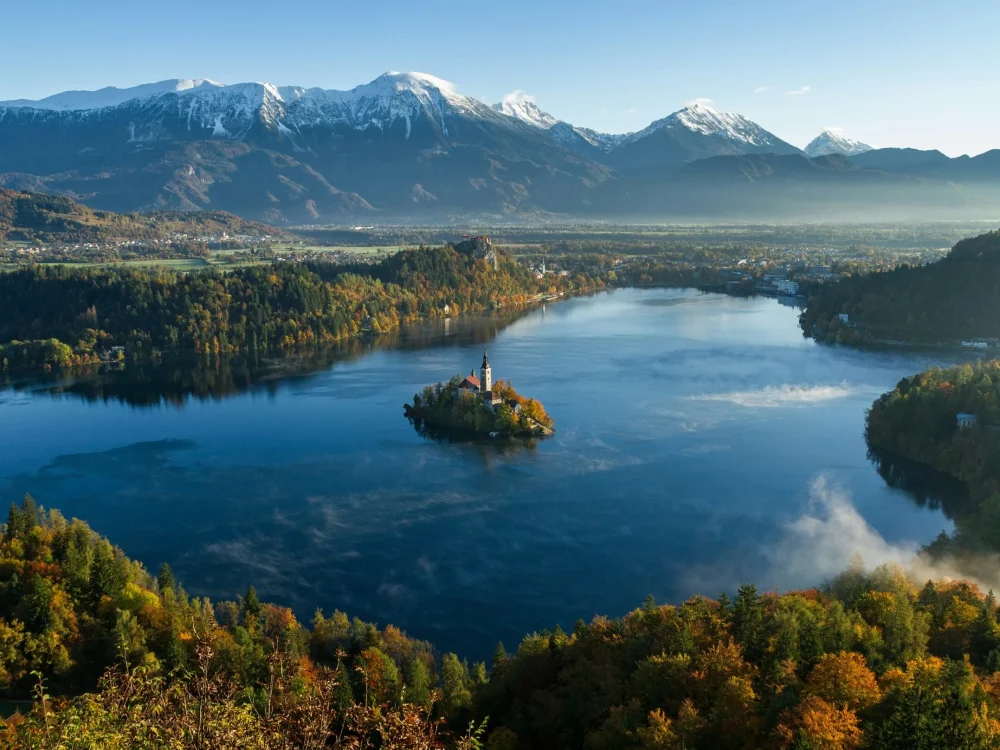
Yes, and it might be the best-kept secret in European travel. October transforms Lake Bled into a calm, misty paradise where the autumn colors reflect off the glass-like water. You can rent a traditional "Pletna" boat instantly without waiting, and hotels around the lake drop their prices by nearly 50%.
The famous Bled Cream Cake (Kremšnita) tastes even better when enjoyed beside a nearly empty shoreline. Just pack layers and an umbrella.
- Can I Still Hike In The Julian Alps During The Low Season?
Yes, but you need to stick to lower elevations. From November to March, high-altitude trails above 1,500 meters (like Triglav summit) are snow-covered and require mountaineering gear. However, the lower Vintgar Gorge (when open) and the trails around Lake Bohinj are perfect for crisp, crowd-free winter walks.
For the best experience, target the shoulder months of April or November when the valleys are snow-dusted but accessible. Many mountain huts close, so always check conditions. For official trail updates, visit Slovenia Outdoor.
- What Is The Cheapest Month To Visit Ljubljana For A City Break?
January is your wallet's best friend for the charming capital. After the holiday season ends, Ljubljana empties out, and hotel prices in the city center hit their annual low. You can often find boutique hotels for under €60 per night, with flight deals from major European hubs dropping significantly.
The city's famous open-air market still runs, the castle is quiet, and you will have Dragon Bridge almost to yourself. Plus, the nearby Lake Bled and Postojna Cave are just a short, cheap train ride away. Plan your perfect budget itinerary with our AI Travel Assistant.
- Does Slovenia Have A Shoulder Season That Balances Outdoor Activities And Low Crowds?
Yes, April to May and September to October are the absolute sweet spots. In spring, the Soča River turns electric turquoise and is perfect for kayaking without summer rafting traffic. In autumn, the vineyards of the Goriška Brda region offer wine tasting with harvest season views and zero crowds.
During these months, you can hike, bike, cave, and spa-hop comfortably with mild temperatures (10°C to 18°C / 50°F to 64°F). It is the perfect "Goldilocks" window for travelers wanting adventure and value.

Home > Exploit The Seasons > Seasonal World Map > Europe > Slovenia
SLOVENIA
Slovenia whispers rather than shouts, from emerald alpine valleys to the secret Adriatic coast. This guide unlocks quieter trails, authentic farm-to-table moments, and better prices, proving that small is truly beautiful.
Smart Travel Calendar
Why Choose Slovenia Off-Season?
Fewer hikers on legendary trails: Lake Bled and Vintgar Gorge feel almost private, not postcard-packed.
Authentic mountain hospitality: Locals have time to share stories over homemade schnapps and potica cake.
Dramatic seasonal beauty: Mist rising from lakes, golden vineyards, and snow-capped peaks without the crowds.
Better value for boutique stays: Lakeside hotels and farm stays cost up to half of July rates.
No traffic jams on alpine roads: Driving the Vršič Pass is a joy, not a bumper-to-bumper ordeal.
Thermal baths feel like spa retreats: Soak in natural pools without summer family chaos.
Shoulder Season
Your Smartest Windows
May to early June
September to mid-October
Avoid: Slovenian school holidays (late June & February) and the week around August 15th (Veliki Šmaren), when Slovenians flock to the coast and lakes.
What the Sky Does
May: 12°C to 20°C (54°F to 68°F) & September: 12°C to 21°C (54°F to 70°F)
Unpredictable but dramatic – you can get sun, mist, and a quick shower in one hour (pack a light rain jacket).
Lake reflections are perfect after a night of rain, creating double-mountain views for photographers.
No summer haze – the Julian Alps are crisp and visible from Ljubljana’s castle hill.
How Empty It Feels
50-60% fewer tourists vs. July and August peak season.
Ljubljana feels European, not Disneyland – you’ll share the Triple Bridge with commuters, not selfie sticks.
Lake Bled has parking spots – you can actually drive to the lake before 10 AM without circling for an hour.
Postojna Cave has no queues – walk right onto the train without the 45-minute wait.
What You’ll Save
30-40% on flights and 4-star hotels compared to peak summer months.
Car rental is half the price – no premium for automatic SUVs requested by summer families.
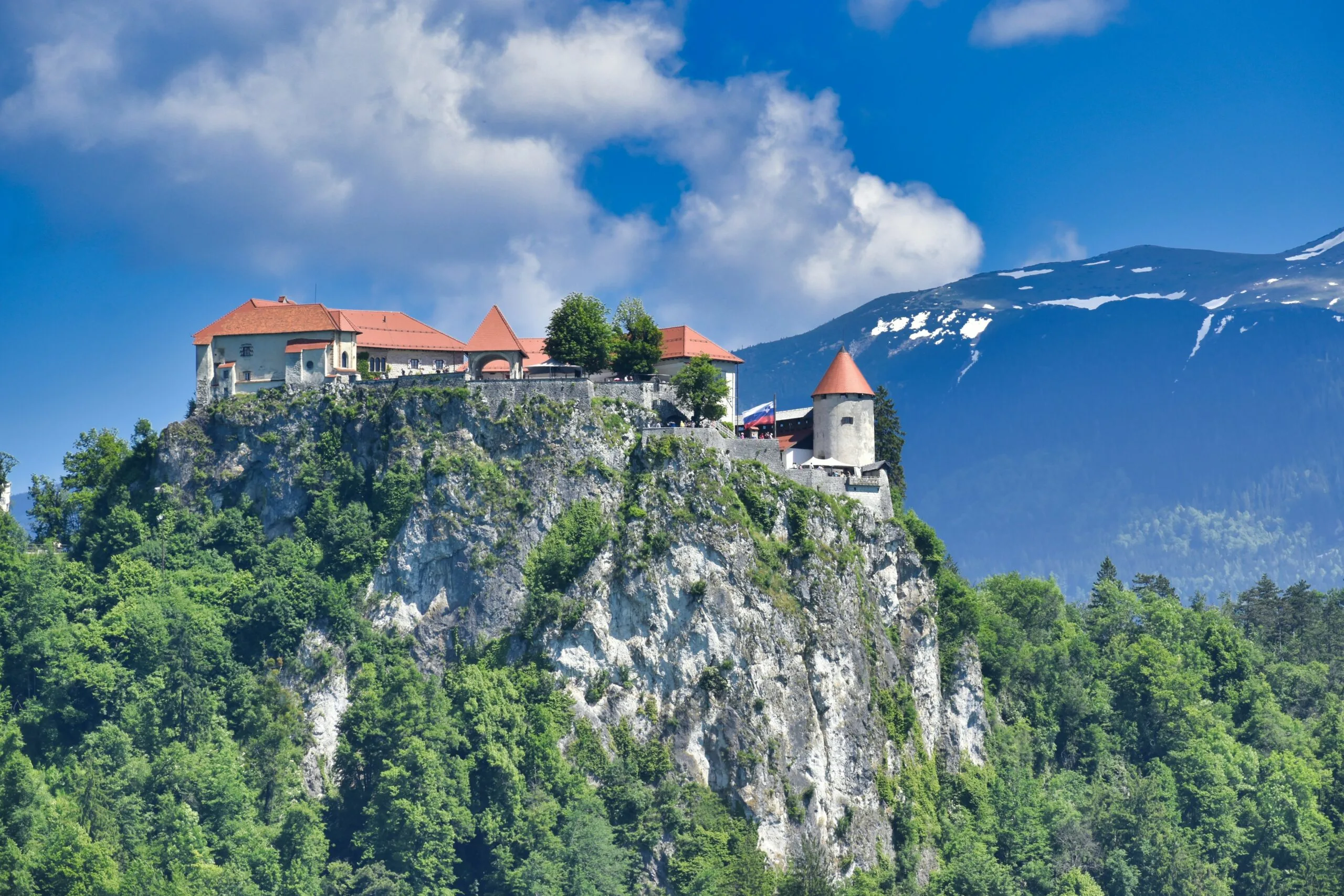
Castle entry is instant – no pre-booked time slots needed for Bled or Predjama Castle.
Lakeside restaurants offer lunch deals – desperate for business, they’ll lure you in with cheaper trout plates.
The Secret Perk
The Festival of St. Martin (mid-November) – young wine flows from fountains in Ljubljana’s old town.
Golden larch trees in the Alps – September turns the Triglav valleys into a fiery orange spectacle.
Wild mushroom hunting season – join a local forager or eat fresh porcini risotto in every gostilna.
The “golden hour” lasts two hours – low autumn sun paints the architecture in soft, warm light.
Locals have time for you – waiters and shopkeepers will chat, recommend hikes, and pour you an extra schnapps.
The Tiny Trade-Off
Bled’s rowboats might close early if winds pick up on the lake (usually still running by 4 PM).
Higher chance of rain – about 10-12 rainy days per month, but usually short afternoon showers.
Lake swimming is chilly – only for the brave (15°C/59°F water in May and October).
Some mountain huts close by mid-October – check ahead for high-altitude trails.
Smart Traveler Tip
Visit Lake Bled on a weekday – even in shoulder season, Slovenian weekends get busy.
Book the first Vintgar Gorge slot at 8 AM – you’ll have the boardwalk entirely to yourself.
Mid-September is the absolute sweet spot – warm enough for outdoor cafes, empty enough to feel secret.
Avoid the first week of May (May Day holiday) – locals take long weekends and fill up countryside hotels.
Deep Off-Season
Your Smartest Windows
November 15 to December 15 (pre-Christmas lull)
January 10 to February 28 (post-New Year quiet)
Avoid: The week between Christmas and New Year’s Eve (Ljubljana gets packed with European city-breakers), and the February school ski holiday week (prices spike in the Alps).
What the Sky Does
January average: -2°C to 4°C (28°F to 39°F) – cold, crisp, often snowy in basins.
Ljubljana gets fog inversions – the castle floats above a sea of clouds for surreal views.
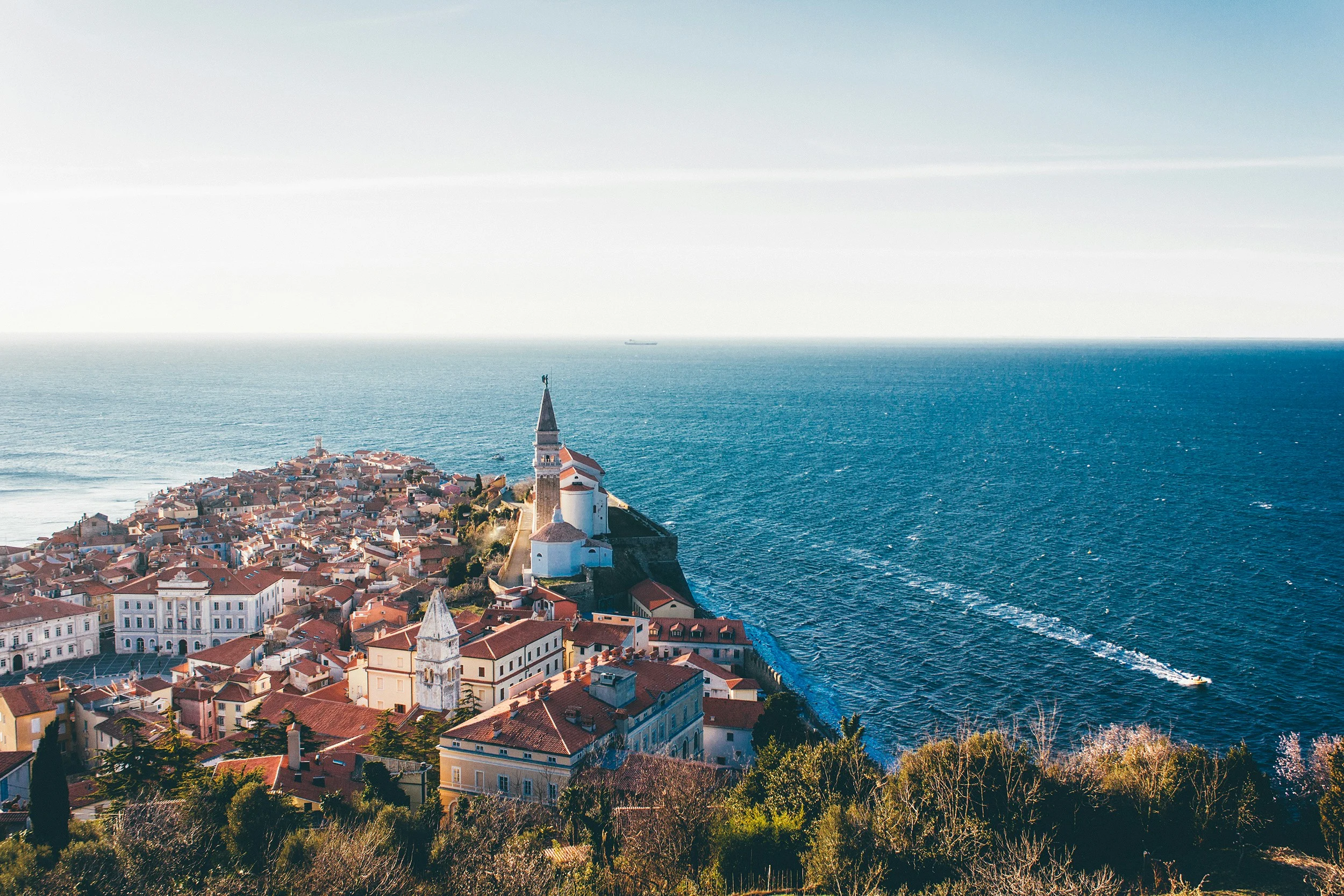
The coast is mild but grey – Piran sees 8°C (46°F) and rain, but no wind, making it moody and romantic.
Snow is guaranteed in the Alps – perfect for non-skiers wanting empty winter wonderland walks.
How Empty It Feels
80-90% fewer tourists than August – you’ll feel like you own the country.
Postojna Cave is almost silent – you’ll hear water dripping instead of echoing tour groups.
Ljubljana Castle feels like your private fortress – you and two other people on the entire rampart.
Lake Bled is meditative – just you, a few swans, and the steam rising off the dark water.
What You’ll Save
Up to 60% on 5-star hotels compared to September – think €80/night for a spa hotel.
Flights are rock-bottom – November and January offer the cheapest connections from all of Europe.
Car rental as low as €15/day – unlimited mileage, no competition, and free upgrades common.
Thermal spa entries are half-price – weekday walk-in rates at Terme Maribor or Olimia.
The Secret Perk
Traditional “pljunta” sauna rituals – Slovenians take winter sauna very seriously (birch branches included).
Frozen Lake Bohinj for walking – when it freezes solid, locals play ice hockey and walk across.
The smell of mulled wine at every turn – Ljubljana’s Christmas market is cozy, not crazed (except Dec 25-31).
Truffle hunting season continues – Istrian truffles are still fresh, and prices are lower for tastings.
Locals invite you for “kuhanček” – mulled wine at a neighbor’s house after a cold day exploring.
The Tiny Trade-Off
Lake Bled rowboats are completely closed – no pletna boats from November to March.
Vintgar Gorge is fully closed – reopens only in April (check exact dates each year).
Some mountain passes close – Vršič Pass (to Kranjska Gora) is often inaccessible without snow tires/chains.
Daylight is short – sunrise at 7:30 AM, sunset as early as 4:15 PM in December.
Smart Traveler Tip
Book the second week of January – the quietest week of the entire year (after Orthodox Christmas).
Pack wool layers and waterproof boots – slush is more common than deep snow in Ljubljana.
Use the “snow guarantee” – stay in Kranjska Gora or Bohinj for guaranteed snow, not the capital.
February brings the “Kurentovanje” pre-Lent festival – book 2 months ahead if you want to join this bizarre, wonderful pagan carnival in Ptuj.
Find Off-Peak Flights
Uncrowded Experiences & Tours
Skip the lines and experience iconic landmarks at your own pace. Discover curated local tours and cultural activities designed to show you the authentic side of the destination without the peak-season rush.
FAQs
Essential Trip Information
Visa and Entry Requirements
Slovenia is part of the Schengen Area.
Travelers from many countries (including the U.S., Canada, UK, Australia, Japan) can enter visa-free for up to 90 days within a 180-day period.
Passports must be valid for at least three months beyond the planned departure from the Schengen zone.
You may be asked to show proof of accommodation, return ticket, and sufficient funds (approx. €70/day).
Starting in 2025, some travelers will need to apply for an ETIAS travel authorization.
Currency
Slovenia uses the Euro (€).
Best Ways to Handle Currency
Before Your Trip: Exchange a small amount; ATMs at your destination provide good rates.
During Your Trip: Use ATMs at major banks (NLB, SKB, Addiko). Visa and Mastercard are widely accepted.
Carry around US$30–60 in cash for smaller towns and rural areas.
Avoid currency exchange kiosks in airports and dynamic currency conversion (always choose to pay in EUR).
Language
The official language is Slovene.
English is widely spoken in cities and tourist areas.
Handy phrases:
- “Hvala” (Thank you)
- “Kje je …?” (Where is …?)
- “Prosim” (Please)
Safety & Security
Slovenia is one of the safest countries in Europe.
Petty theft is rare but stay alert in tourist areas.
Emergency number: 112 (police, fire, ambulance)
Health & Insurance
No vaccines required.
Tap water is safe to drink.
Pharmacies are well-stocked and marked with “Lekarna”.
EU citizens can use the EHIC card. Others should get travel insurance.
Transportation
Buses and trains are reliable and scenic.
Ljubljana has a compact center ideal for walking or biking.
Car rentals are great for national parks and alpine regions.
Uber is not available; use local taxis or ride apps like Bolt.
Note: Highway tolls apply if you’re driving – buy a vignette (7-day pass ~US$20).
Price Level
Slovenia is relatively affordable compared to Western Europe, offering excellent value for nature lovers and culture seekers.
Accommodation
Budget: Hostels & guesthouses (US$30–60/night)
Mid-range: 3-star hotels (US$70–120/night)
Luxury: Boutique & 4-star hotels (US$150–250+/night)
Food
Quick bites: Burek, sandwiches (US$5–10)
Local taverns: US$10–20/person
Fine dining: US$40–70/person
Drinks
Beer: US$2–5 (local lager is popular)
Wine: US$3–6/glass (Slovenian wine is excellent and underrated)
Coffee: US$1.50–3
Transportation
Intercity buses: US$5–20
Trains (e.g., Ljubljana to Lake Bled): US$10–15
City buses: US$1.50–2.50 (use Urbana card in Ljubljana)
Taxis: US$7–15 for short trips
Bike rentals: US$5–10/day
Money-Saving Tips
Walk or rent bikes in compact cities like Ljubljana or Maribor.
Enjoy free hiking trails, lakes, and national parks.
Dine at gostilnas (local inns) for authentic meals at great prices.
Planning Your Trip
Local Customs And Etiquette
Greetings: Handshakes are common. Say “Dober dan” (Good day).
Tipping: 10% in restaurants is appreciated but not expected.
Dining: Wait to be seated. Don’t rush meals—Slovenians enjoy slow dining.
Recycling: Strict rules—separate plastics, paper, and bio waste.
Smoking: Banned in enclosed public spaces. Look for designated areas.
Respect for nature: Hiking trails are sacred—don’t stray or litter.
Budgeting For Your Trip
Accommodation: Hostels (US$25–50), hotels (US$80–200), luxury (US$300+).
Food: Street food/bakeries (US$5–10), traditional meals (US$12–25), fine dining (US$60+).
Transport: Local bus/train (US$2–10), car rental (US$40–80/day), intercity buses (~US$10–20).
Activities: Caves (~US$25), spa entry (~US$20), museum (~US$5–10), wine tasting (~US$20–40).
Daily Budget:
Budget: US$60–90 (hostels, public transport, casual meals).
Mid-range: US$140–220 (hotels, some guided activities, car rental).
Luxury: US$300+ (boutique hotels, gourmet food, spas, private tours).
Internet & Mobile
Free Wi-Fi: Widely available in cafes, hotels, city centers (especially Ljubljana).
SIM Cards: A1, Telekom Slovenije, or Telemach offer prepaid plans (US$10–30 for 10–20GB).
eSIMs: Providers like Airalo, Holafly offer seamless options for travelers.
Travel Insurance
Recommended: Covers medical emergencies, mountain accidents, and trip cancellations.
Adventure Coverage: Ensure your policy covers hiking, rafting, and skiing—these are common in Slovenia.
Healthcare: High-quality but expensive without insurance—carry proof of coverage.
Accomodation Options
From alpine lodges to coastal guesthouses:
Hotels:
- Luxury: Hotel Cubo (Ljubljana), Kempinski Palace (Portorož).
- Mid-range: Adora Hotel (Bled), Heritage Hotel (Piran).
Hostels:
- Celica Art Hostel (Ljubljana) or Hostel Soča (for adventurers).
Airbnb/VRBO:
- Great for countryside stays (e.g., vineyards, farm stays).
Boutique Stays:
- Eco-friendly Treehouse Bled or glamping at Soca Valley.
Tip: Book early for summer in Bled or Piran.
Getting Around
Slovenia is small but well-connected:
Trains:
- Affordable (US$5–20) but slower; ideal for Ljubljana–Maribor or coastal trips.
Buses:
- Most reliable for reaching towns (e.g., Bled, Piran) and national parks.
- Check schedules at avtobusna-postaja.si.
Car Rental:
- Recommended for flexibility (US$30–60/day). Scenic drives like the Soča Valley are breathtaking.
Biking:
- Ljubljana and Lake Bled have bike rentals (US$10–20/day).
Taxis/Rideshares:
- Bolt works in cities; taxis are pricier (US$1.50/km).
Tip: Rent a car for exploring rural areas and the Alps.