 Skip to content
- Why Is Serbia A Surprising Off-Season Gem For European Travelers
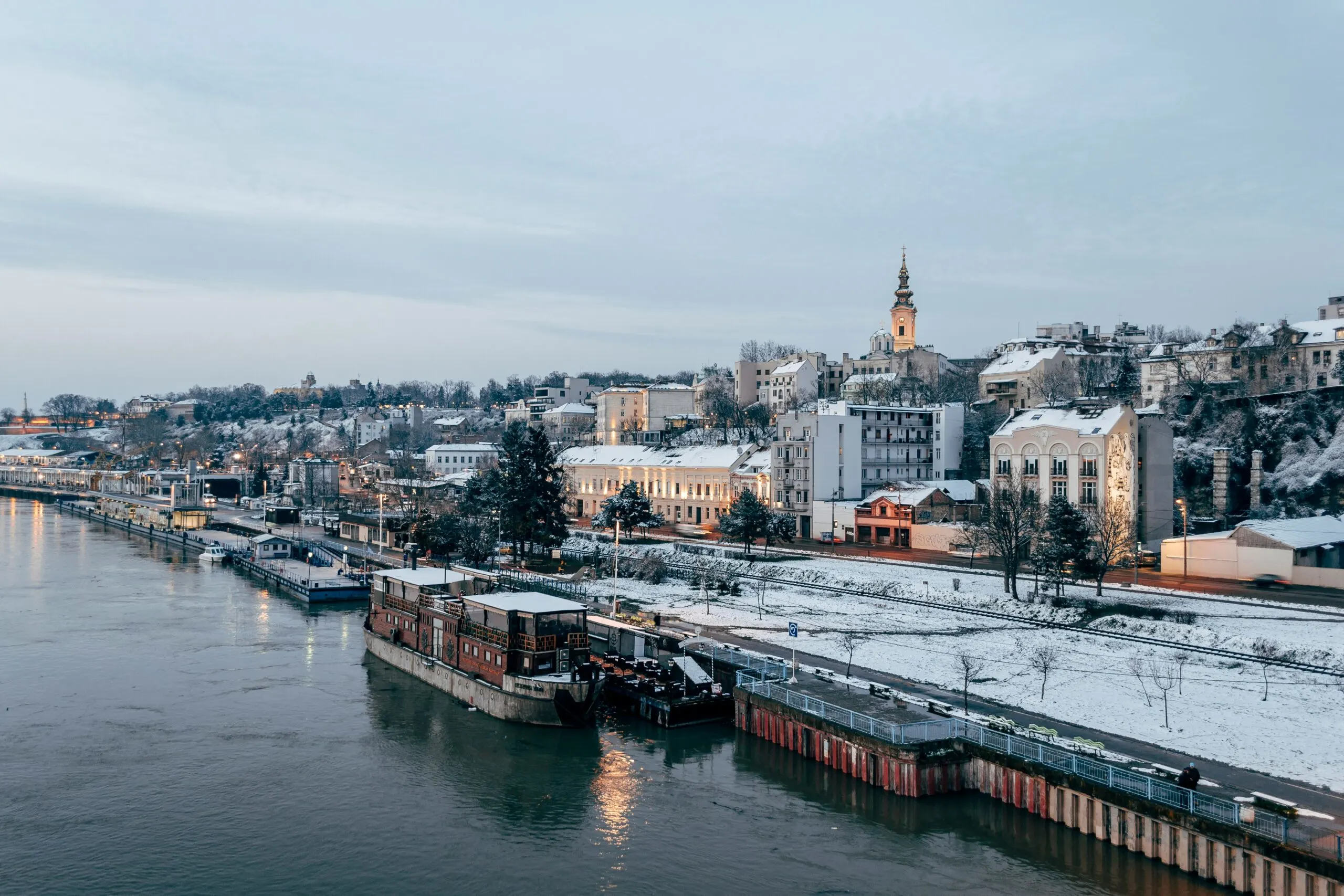
Because you can Exploit Travel Seasonality here in a country most tourists overlook entirely. While summer brings heat and packed river splavovi (floating clubs) to Belgrade, visiting in October-November or March-April means you will find hotel prices up to 50% lower and can explore the city's famous fortress and church of Saint Sava without shoulder-to-shoulder crowds.
Beyond the capital, the entire country becomes more intimate. You can wander through the colourful houses of Novi Sad's Petrovaradin Fortress, taste world-class rakija in small town kafanas, and drive the scenic Danube River route with barely another tourist in sight.
- What Is The Best Month For A Budget-Friendly City Break In Belgrade
November is your absolute sweet spot. The summer festival season has ended, the Christmas crowds haven't arrived, and temperatures remain mild enough for comfortable walking tours. Belgrade's famous nightlife becomes wonderfully local rather than tourist-driven, with splavovi entry prices dropping significantly from summer peak rates.
February offers another fantastic window for budget travelers. You get the authentic Serbian experience of Slava (family patron saint days) celebrations in local restaurants, and accommodation prices across the city hit their annual low. For a full regional breakdown of Balkan off-season travel, explore our Europe off-season travel guide.
- Can I Enjoy Serbia's Outdoor Adventures During The Off-Season
Yes, absolutely, especially if you love hiking without the heat. The Đerdap National Park, home to the stunning Iron Gates gorge on the Danube, is at its most dramatic in October when autumn colours blanket the cliffs and the famous Roman-era Trajan's Tablet sees very few visitors. Temperatures between 10-18°C (50-64°F) are perfect for the park's well-marked trails.
For winter adventurers, the mountains of Zlatibor and Kopaonik offer skiing from December through March at prices far below Alpine resorts. The same slopes that cost €50-60 per day for lift passes in peak season drop by nearly half in late winter. For a custom outdoor itinerary tailored to your fitness level, use our AI Travel Assistant to build your perfect Serbian adventure.
- What Unique Food And Wine Experiences Does Serbia Offer In The Off-Season
Grape harvest season in autumn is a genuine cultural highlight. September and October mark berba (grape picking) time across Serbia's wine regions like Župa and Fruška Gora. Local winemakers welcome visitors to stomp grapes, taste fresh young wine called šira, and enjoy traditional pečenje (roast meat) without the summer tourist crowds or inflated harvest festival prices.
Winter unlocks a completely different culinary experience. January and February are perfect for exploring Belgrade's legendary kafanas (traditional taverns) where you can warm up with live Balkan brass music, hearty ćevapi and sarma (stuffed cabbage), and endless glasses of rakija. Locals have more time to chat and share stories when the tourist rush has faded. If you love immersive food travel, browse our Themed Travel Guides for Food and Drink.
- THow Does Off-Season Serbia Compare To Croatia Or Hungary For Value
Serbia offers dramatically better value than both, especially for food and nightlife. In Belgrade, a three-course dinner for two with excellent local wine costs around €25-35, roughly one-third of what you would pay in Dubrovnik or central Budapest. Accommodation follows the same pattern: charming boutique hotels in prime locations cost 40-60% less than their Croatian or Hungarian equivalents during shoulder season.
What truly sets Serbia apart is the authenticity of the experience. You aren't visiting a country that has been polished for mass tourism. The service is genuine, the local life is unfiltered, and your money supports small family-owned kafanas rather than international chains.

Home > Exploit The Seasons > Seasonal World Map > Europe > Serbia
SERBIA
Serbia reveals its soul when the crowds fade, from Belgrade’s smoky-kafana winters to the quiet, sun-baked hills of Šumadija in autumn. Discover hidden monastery paths, wine roads, and genuine hospitality without the summer rush.
Smart Travel Calendar
Why Choose Serbia Off-Season?
Uncrowded Kalemegdan Fortress: Walk historic Belgrade ramparts with space to breathe and imagine.
Authentic Kafana Culture: Share rakija and stories with locals, not just tourists, indoors.
Dramatic Seasonal Beauty: From golden Đerdap Gorges to snow-dusted Orthodox monasteries.
Ski & Spa Combo Value: Hit Kopaonik slopes then relax in thermal baths for half the price.
No Queues for Top Sights: Explore Nikola Tesla Museum and Petrovaradin Fortress at your pace.
Lower Flight & Car Hire: Score cheaper flights to Belgrade and Niš, then drive empty roads.
Shoulder Season
Your Smartest Windows
April to mid-June
September to late October
Avoid: Serbian school holidays (January–February, April easter break, November break) and 14–16 October (Belgrade Book Fair – hotels sell out).
What the Sky Does
April/May & Sept/Oct: 12°C to 24°C (54°F to 75°F)
April showers bring lush green hills and blooming orchards.
September’s “Miholjsko leto” (St. Michael’s Summer): up to 12 days of warm, golden sun.
October gets crisp – perfect for hiking without sweat.
How Empty It Feels
50-60% fewer tourists than July-August peak.
Belgrade: Walk Knez Mihailova without shoulder-bumping; immediate seating at famed bakeries.
Novi Sad & Petrovaradin: Only local students at the fortress, not bus groups.
Drina River House photo spot: You’ll have the viewpoint to yourself.
What You’ll Save
40-50% on flights from major European hubs; 30% on nicer hotels (e.g. Hilton Belgrade).
Car rentals drop by half – no summer “Srbija” premium.
Last-minute entry to Exit festival’s fortress venue (off-season tours).
Lunch in a traditional kafana: 20% lower prices on seasonal menus.
The Secret Perk
Belgrade Beer Fest (late Sept): Free entry, huge craft brews, no July crowds.
Šumadija’s fruit harvest: Pick plums and apricots; distilleries offer private rakija tastings.
Golden vineyards of Sremski Karlovci: Grapes heavy on the vine, wine cellars eager to chat.
Late afternoon light on Studenica Monastery: Byzantine frescoes glow gold through low sun.
Local farmers wave you over for roadside honey and cheese – real village life.
The Tiny Trade-Off
Public pools and some Danube river barges (splavovi) close by mid-October.
Occasional rain weeks in April/May – pack a waterproof jacket.
Fewer minibus departures to remote monasteries (Tara, Drina).
October 20 – Liberation Day (Belgrade) sees memorial crowds and some closures.
Smart Traveler Tip
Choose late September to mid-October for the absolute best weather + wine harvest + fewer rains.
Visit ski towns like Kopaonik in April: Lifts close, but hiking and spa deals open.
Book Thursday to Tuesday to avoid weekend wedding party price spikes in small towns.
Deep Off-Season
Your Smartest Windows
November 1 to March 15 (excluding ski zone holidays)
Avoid: January 1–15 (New Year week extreme prices, especially in Belgrade & mountain resorts) and February school ski break (14-25 Feb – Kopaonik turns into a packed, pricey theme park).
What the Sky Does
Nov–Feb: -5°C to 8°C (23°F to 46°F)
Snow blankets central and southern Serbia (Zlatibor, Kopaonik, Tara).
Belgrade gets gray, foggy mornings that burn off into sharp, blue-cold afternoons.
Low rainfall – dry cold, not damp.
How Empty It Feels
80% fewer tourists vs. summer peak.
Belgrade Fortress: Yours alone at dawn, only crows and Danube wind.
Museum of Yugoslav History (House of Flowers): No queues, silent halls, private reflection.
Small towns like Čačak or Vranje feel 100% local – you’re the only guest in the pub.
What You’ll Save
Up to 70% vs. peak season – Belgrade hotels from €30/night.
Flights to Nikola Tesla Airport hit lowest annual prices (November and February).
Hotel prices in Zlatibor drop 60% after ski holiday crush.
National taxi rates – no surge pricing; rent a car for €15/day.
The Secret Perk
Cozy “kotao” ritual: Warm stew and live brass music in small, wood-paneled kafanas.
Kopaonik skiing without crowds (early Dec or late Feb): Fresh powder, no lift lines.
February slava (Patron Saint Feast) in villages – you’ll be invited to break bread.
Sarma & prebranac season: Hearty bean and cabbage dishes are at their best.
Serbian Orthodox Christmas (Jan 7): See badnjak (oak branch) burning and ancient rituals.
The Tiny Trade-Off
Danube river cruises and Ada Ciganlija beach bars are completely closed.
Nightlife in Belgrade moves indoors (no splavovi) – still lively but different.
Mountain restaurants on Kopaonik close on weekdays outside peak ski.
Daylight: only 8-9 hours – plan monastery visits between 10am–3pm.
Smart Traveler Tip
Visit between 10–25 February for the quietest, cheapest post-holiday, pre-ski break lull (but pack extreme cold gear).
Use Novi Sad as a base in December – Christmas markets without Belgrade’s price tags.
Pack layers, wool socks, and a warm hat – central heating is strong indoors, but bus stations can be freezing.
Find Off-Peak Flights
Uncrowded Experiences & Tours
Skip the lines and experience iconic landmarks at your own pace. Discover curated local tours and cultural activities designed to show you the authentic side of the destination without the peak-season rush.
FAQs
Essential Trip Information
Visa and Entry Requirements
Serbia allows visa-free entry for citizens of many countries for stays up to 90 days, including the EU, UK, U.S., Canada, Australia, and Japan.
Travelers from countries requiring a visa must apply at a Serbian consulate prior to arrival.
Your passport must be valid for at least 90 days beyond the stay.
Proof of onward travel and accommodation may be requested.
Currency
Serbia uses the Serbian Dinar (RSD). Notes range from 10 to 5000 RSD.
1 US$ ≈ 110–115 RSD (fluctuates; check current rates).
Best Ways to Handle Currency
Before your trip: Bring a small amount of cash (US$50–100) to exchange on arrival.
During your trip: Use ATMs at major banks (e.g., Raiffeisen, Banca Intesa). Visa and Mastercard are widely accepted in cities.
What to avoid: Avoid changing money at airports or unauthorized exchange kiosks.
Language
Serbian is the official language (written in both Cyrillic and Latin).
English is widely spoken in urban areas and tourist sites.
Helpful phrases: “Hvala” (Thank you), “Gde je…?” (Where is…?), “Molim” (Please/You’re welcome)
Safety & Security
Serbia is generally very safe for tourists, including solo travelers.
Be mindful of pickpockets in crowded buses or festivals.
Some rural roads are poorly marked—drive cautiously.
Emergency number: 192 (police), 194 (ambulance)
Health & Insurance
No vaccinations required.
Tap water is safe to drink.
Pharmacies (“apoteka”) are common and well-stocked.
Travel insurance is recommended (public hospitals are basic; private clinics better for tourists).
Transportation
Belgrade public transport includes buses, trams, and trolleys—tickets from kiosks.
Taxis are affordable; use apps like Yandex or CarGo (Serbia’s Uber alternative).
Buses are the best way to travel between cities.
Trains are improving but remain slower and less reliable than buses.
Many towns and parks are walkable or bike-friendly in warmer months.
Price Level
Serbia is one of Europe’s most budget-friendly destinations.
Accommodation
Budget: Hostels, guesthouses (US$20–50/night)
Mid-range: Boutique hotels, 3-star (US$60–100/night)
Luxury: 4-5 star hotels (US$120–250/night)
Food
Street eats: Burek, ćevapi (US$3–6)
Casual dining: Local restaurants (US$10–20/person)
Upscale: Fine dining (US$30–60/person)
Drinks
Beer: US$1–3 (bars), US$0.50–1.50 (stores)
Cocktails: US$4–8
Transportation
City buses/trams: US$0.80–1.20 per ride (tickets from kiosks)
Taxis: US$3–10 (short city rides)
Intercity buses/trains: US$5–20 (Belgrade to Novi Sad ~US$8)
Money-Saving Tips
Use local bakeries and green markets for cheap meals.
Avoid taxis without meters or official signage.
Many museums and churches are free or under US$5.
Planning Your Trip
Local Customs And Etiquette
Greetings: A firm handshake is common. “Dobar dan” (Good day) is a polite greeting.
Hospitality: Serbians are generally very hospitable. If invited to a home, it’s customary to bring a small gift (e.g., a bottle of wine or sweets).
Respect for Elders: Show respect to older individuals.
Dress Code: Generally casual for sightseeing. When visiting monasteries or churches, dress modestly (shoulders and knees covered).
Tipping:
- Restaurants/Cafes: Tipping is customary, usually 10% is appropriate if satisfied with the service.
- Taxis: Round up the fare or leave a small tip.
- Barmen/Hotel staff: A small tip is appreciated.
Politics: While Serbians are often passionate about their country, avoid engaging in heated political discussions with strangers.
Slava: If you are invited to a “Slava” (family patron saint day), it’s a significant honor and a deep cultural experience.
Smoking: Smoking is still common in Serbia, including in many cafes and restaurants, although there are increasing non-smoking areas.
Budgeting For Your Trip
Accommodation:
Hostels: US$20–40
Mid-range hotels: US$60–120
Luxury: US$200+
Food:
Bakeries/street food: US$2–6 (burek, ćevapi).
Local restaurants: US$10–20
Fine dining: US$40–80 (e.g., Homa, Salon 1905 in Belgrade)
Transport:
Bus tickets: US$2–10
Taxi rides in city: US$3–6
Car rental: US$40–70/day
Activities:
Museums: US$2–5
Fortress entry (e.g., Petrovaradin): often free
Wine tastings/tours: ~US$15–30
Daily Budget:
- Budget: US$50–80 (hostels, bakery food, public buses)
- Mid-range: US$120–180 (hotel, restaurants, tours)
- Luxury: US$250+ (boutique stays, driver, fine dining)
Internet & Mobile
Free Wi-Fi: Common in hotels, cafés, and public spaces (Belgrade has public hotspots).
SIM Cards:
Local providers: MTS, Telenor, A1.
Tourist SIMs: ~US$5–10 for 10–20 GB data.
eSIMs: Available via Airalo and Holafly, starting at ~US$10 for 7–10 days.
Tip: Buy SIMs at airports or kiosks with passport.
Travel Insurance
Recommended for: Healthcare, theft, and winter sports coverage.
Healthcare: Public hospitals are basic; private clinics better but pricier.
Adventure activities: Skiing, canyoning, and paragliding common in mountain areas—check policy coverage.
Tip: Serbia is generally safe, but medical insurance is advised for peace of mind.
Accomodation Options
From riverside boutique hotels to rustic mountain chalets, Serbia offers a broad range of stays.
Luxury:
Square Nine Hotel (Belgrade), Prezident Hotel (Novi Sad).
Ski resorts: Grand Hotel Kopaonik (~US$250+/night).
Mid-range:
Garni Hotel Argo (Belgrade), Hotel Leopold I (Petrovaradin Fortress).
Countryside guesthouses: Etno village Vrhpolje (Tara).
Budget:
Hostels: Hedonist Hostel (Belgrade), Hostel Day ‘n’ Night (Niš).
Guesthouses: ~US$20–40/night, often family-run.
Unique Stays:
Wooden chalets in Drvengrad (Mećavnik village).
Floating hotels on the Danube and Sava rivers.
Tip: Book early during EXIT Festival (July) and ski season (Dec–Feb).
Getting Around
Serbia has a modest but functional transport network. For regional travel, buses dominate; trains are scenic but slow.
Trains:
Belgrade–Novi Sad: Now high-speed (~35 min, US$6–10).
Other routes: Slow but scenic (e.g., Belgrade–Bar, Montenegro).
Classes: 1st and 2nd; online booking limited.
Buses:
Extensive coverage across cities/towns.
Prices: US$2–20 depending on distance. Frequent buses from Belgrade to Niš, Novi Sad, and Subotica.
Bold Recommendation: Use buses for reliable intercity travel.
Taxis:
Cheap by European standards (US$3–6 for short rides).
Use apps like CarGo (local Uber), or Pink/Beo Taxi.
Car Rentals:
Recommended for rural exploration (Tara, Uvac Canyon, Studenica Monastery).
Costs: ~US$40–70/day. Roads are decent; signage is in Cyrillic and Latin.
Domestic Flights:
Not common—Serbia is compact; flights are rarely necessary.
Bold Recommendation: Use CarGo in cities and buses or rental cars for exploring beyond Belgrade.