 Skip to content
- Why Is Russia A Surprisingly Affordable Off-Season Destination
Because you can Exploit Travel Seasonality here to experience one of the world's most fascinating countries at a fraction of peak season prices. While summer brings warm weather and the famous White Nights to St Petersburg, visiting during the winter months of January and February means you will find hotel rates in Moscow and St Petersburg dropped by 40-60% and flight deals that make this vast nation suddenly accessible to budget travelers .
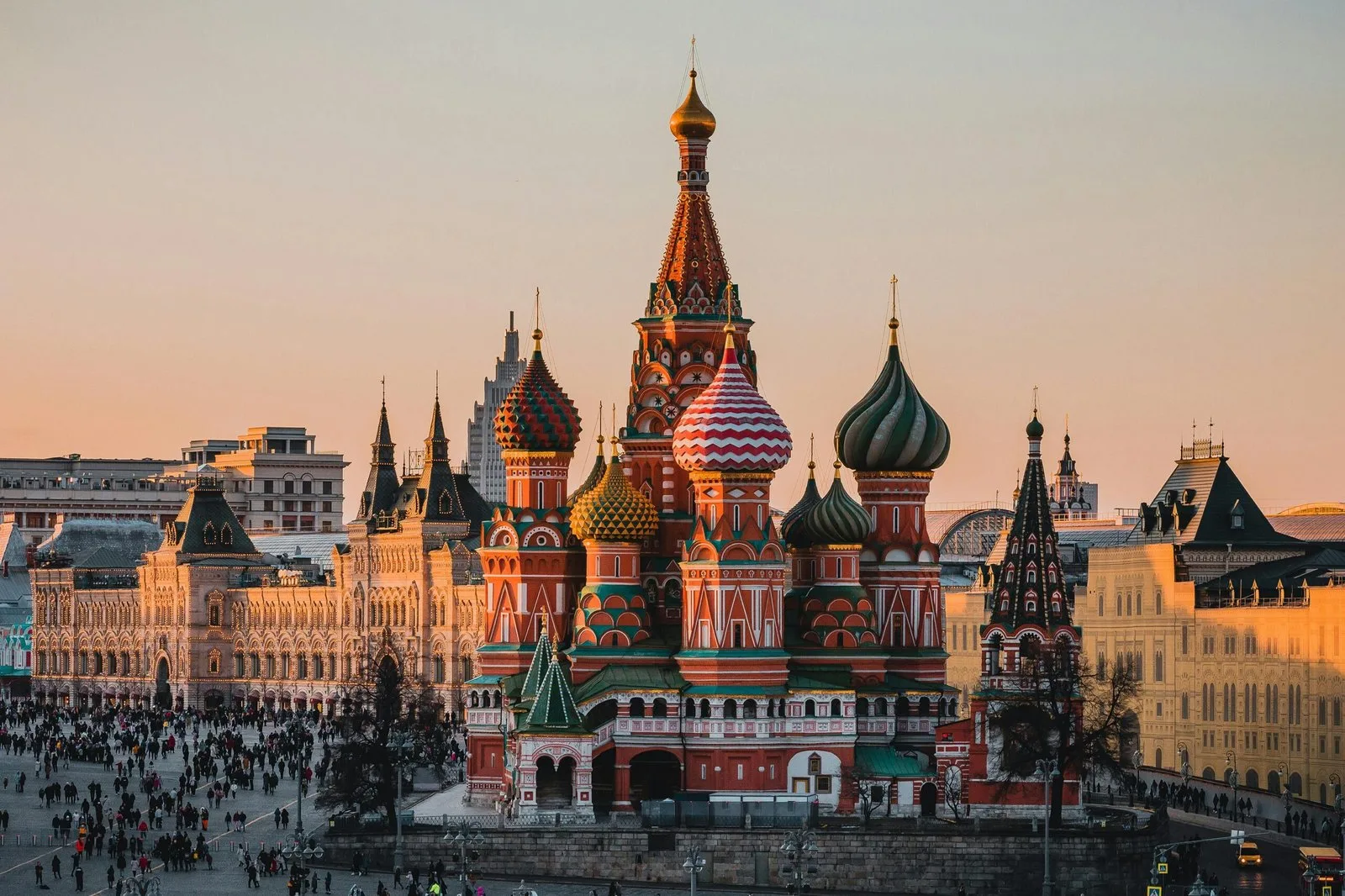
Beyond the savings, you gain something truly unique: snow-covered Red Square, frozen fountains at Peterhof, and the magical experience of exploring world-class museums like the Hermitage with remarkably few tourists. The cold is real, but so are the bargains.
- What Is The Best Month For A Budget-Friendly Trip To Moscow And St Petersburg
October and November are your sweet spots for city exploring. The summer crowds have vanished, the famous autumn foliage paints the parks in gold, and temperatures remain manageable between 0-10°C (32-50°F). You can book a central hotel room for roughly half of what it costs in July and enjoy the Bolshoi Theatre or Mariinsky Ballet without competing with peak-season tourists for tickets .
February offers an even cheaper alternative for cold-tolerant travelers. After the New Year holidays end in mid-January, domestic travel drops significantly, and you will find the lowest airfares of the year. Just pack thermal underwear, good boots, and an appetite for authentic borscht and vodka to warm up. For a full regional breakdown of European off-season travel, explore our Europe off-season travel guide.
- Can I Experience Lake Baikal And The Northern Lights During Off-Season
Yes, absolutely, and winter is actually the best time for both. Lake Baikal, the world's deepest and oldest lake, transforms into a frozen wonderland from January through March. The ice becomes so clear and thick (up to 90 centimetres) that you can walk, skate, or even drive across it, peering down at气泡 trapped beneath the surface .
For the Northern Lights, head to the Murmansk region above the Arctic Circle from September through March. This offers a dramatically cheaper alternative to Scandinavia or Iceland, with aurora-viewing tours and dog sledding experiences at a fraction of Nordic prices. The remote village of Teriberka on the Barents Sea has become a prime viewing spot . For a custom winter itinerary tailored to your adventure level, use our AI Travel Assistant to build your perfect Russian escape.
- What Unique Winter Experiences Does Russia Offer That Summer Cannot Match
Walking on frozen Lake Baikal is truly a once-in-a-lifetime experience. The ice creates natural patterns, cracks that sound like thunder, and even allows for ice diving adventures where you can explore underneath the frozen surface. You can also ride a hovercraft across the ice or take a traditional dog sled through the surrounding Siberian forests .
Another uniquely Russian winter tradition is the banya, a steam bath experience often followed by plunging into ice-cold water or rolling in snow. In Kamchatka, you can combine this with soaking in natural hot springs while snow falls around you. The contrast between the heat and the freezing air is genuinely invigorating . If you love unique seasonal adventures, browse our Themed Travel Guides for Adventure and Outdoors.
- How Does Off-Season Russia Compare To Scandinavia Or Canada For Winter Value
Russia offers dramatically better value than both, especially for unique winter experiences. A week of aurora hunting in Murmansk with dog sledding and accommodation costs roughly half of what you would pay in Norway or Finland. Similarly, the ski resorts of Sochi's Krasnaya Polyana offer slopes comparable to the Alps with day lift passes at roughly €40-50, about 40% less than French or Swiss resorts .
What truly sets Russia apart is the sheer scale and diversity of winter experiences. You can ski in the Caucasus mountains one week, walk on frozen Lake Baikal the next, and hunt the Northern Lights above the Arctic Circle after that, all without changing currency or learning a new language. Then, use our Explore The World page to compare Russia with other winter destinations like Iceland or Canada.

Home > Exploit The Seasons > Seasonal World Map > Europe > Russia
RUSSIA
Russia isn’t just winter’s cliché. From the White Nights of St. Petersburg to golden autumns in Moscow and forgotten villages off the Trans-Siberian route, here’s when to go for real moments without the peak-price madness.
Smart Travel Calendar
Why Choose Russia Off-Season?
Fewer selfie sticks at the Hermitage – walk huge galleries with actual breathing room.
Hotels for half the ruble – luxury stays in Moscow and St. Petersburg become shockingly affordable.
Train tickets you can actually book – Trans-Siberian doesn’t sell out months ahead.
Local bars without English menus – barkeepers have time to chat, not just pour.
No cruise crowds in St. Petersburg – port days vanish, so do the queue armies.
Photography without grey coats – autumn colours or late-spring blooms frame your shots.
Shoulder Season
Your Smartest Windows
Late May – Mid-June
September – Early October
Avoid: The very beginning of May (May Day holidays) and the end of February (Defender of the Fatherland Day long weekend), which cause brief local travel spikes .
What the Sky Does
Moscow/St. Petersburg: 12°C to 20°C (54°F to 68°F). Mild and comfortable for walking .
White Nights Magic: In late May/June, experience the famous “White Nights” without the peak prices of July .
Golden Autumn: September offers “Zolotaya Osen” (Golden Autumn)—crisp air and stunning amber-colored leaves in the parks.
Unpredictable Showers: Spring brings rain, while autumn can have sudden cold snaps; pack a waterproof jacket.
How Empty It Feels
40-50% fewer tourists compared to the packed summer months of July/August.
Major Sites: The Hermitage and Peterhof have breathing room; no 2-hour waits.
Coastal/Regions: The Black Sea coast (Sochi) is winding down in October, feeling relaxed rather than frantic.
The Metro: Ride Moscow’s “palace of the people” without being shoved through the turnstiles.
What You’ll Save
Hotels drop by 25-35% from summer highs; flights become reasonable again .
River Cruises: Substantial discounts on Neva River boat tours as the season ends.
No Ticket Scramble: Easy access to Bolshoi Theatre and Mariinsky ballet tickets.
Dining: Walk into any Cafe Pushkin without a reservation.
The Secret Perk
Maslenitsa (Pancake Week): Catch this explosive spring festival (Feb/Mar) burning winter effigies .
Cherry Blossoms: Moscow’s Botanical Garden bursts into bloom in late May.
Harvest Season: Taste fresh jams and honey at spontaneous farmer’s markets in September.
Golden Hour: The low autumn sun casts long, dramatic shadows perfect for photographing domes.
Picnic with Locals: Russians emerge to parks to grill shashlik (kebabs) on the first warm May weekends.
The Tiny Trade-Off
Interrupted Splendor: The famous fountains of Peterhof (Petrodvorets) shut off in October.
Mud Season: Late March can be slushy and grey (“Rasputitsa”).
Reduced Ferry Schedules: Hydrofoil services to the Summer Palace drop in frequency.
Holiday Spikes: Prices jump during the long “May Holidays” (Week 1).
Smart Traveler Tip
Pick September: It offers the most stable weather (dry and mild) of the shoulder periods.
Timing is key: Visit St. Petersburg in early June for the White Nights, but wait until mid-September for Moscow to avoid rain.
Best Balance: The last two weeks of May offer spring blooms, long daylight, and no summer pricing.
Avoid the spike: Book your flight after the Russian May Day holidays (after May 10th).
Deep Off-Season
Your Smartest Windows
Late January – Mid-March (excluding the holiday spike in early Jan).
November (before the December freeze sets in).
Avoid: The “Russian Christmas” window from December 31st to January 10th (nationwide closures and highest winter rates) .
What the Sky Does
General: Brutal but beautiful. Moscow/SPB: -5°C to -15°C (23°F to 5°F) .
Siberia (Irkutsk): Expect -20°c to -35°c; the air is dry, but Lake Baikal freezes into solid turquoise ice.
Regional variation: The far north (Murmansk) is snowy and offers polar nights (no sun).
Dry Snow: Unlike wet winters, Russian snow is usually dry and powdery, keeping the streets photogenic.
How Empty It Feels
70-80% fewer international tourists vs. peak summer.
Historic Sites: You will have entire halls of the Kremlin Armoury to yourself.
Museums: The Tretyakov Gallery feels like a private collection; coat check is instant.
Local Vibe: Escape the tourist bubble; join Russians ice skating in Gorky Park or at the VDNKh.
What You’ll Save
Up to 50-60% savings on hotels compared to June .
Flights: Aeroflot and local carriers slash prices significantly in February.
Car Rental: While not recommended for long distances, local rentals are dirt cheap (if you get winter tires).
Attractions: Many indoor museums offer discounted “low season” entry fees.
The Secret Perk
The Banya Ritual: The quintessential Russian experience—a hot steam room followed by a plunge into snow.
Frozen Lake Baikal: Drive on ice roads and see the clearest ice on the planet (Feb/Mar) .
Local Sports: Watch an ice hockey match (KHL) for authentic local passion and cheap beer.
No Mosquitoes: Explore the forests and lakes without the swarms of summer insects.
The Tiny Trade-Off
Beaches are dead: Forget the Black Sea coast; Sochi is quiet and resorts are closed.
Nightlife is slow: Rooftop bars are sealed shut. Nightlife moves to underground clubs and theaters.
Short days: In December, daylight lasts only about 6-7 hours in St. Petersburg.
Business Closures: Small eco-parks and some ethnic cafes outside cities shutter for the season.
Smart Traveler Tip
Target Late February: The cold is less severe than January, but prices remain low.
The “Warm” Spot: If you need mild air, head to Sochi. The Caucasus mountains block the cold, offering chilly (not freezing) winters.
Pack Smart: Layers are life. Thermal underwear, wool socks, a fur hat (ushanka), and insulated boots are non-negotiable .
Festive Magic: Early January is expensive, but visiting after Orthodox Christmas (Jan 7th) yields empty streets and discarded Christmas trees for free winter vibes.
Find Off-Peak Flights
FAQs
Essential Trip Information
Visa and Entry Requirements
Russia requires visas for most nationalities, including the US, Canada, UK, and Australia.
E-visas are available for short stays (up to 16 days) for select nationalities and regions.
Visa must be obtained before arrival; no visas on arrival.
Apply via the Ministry of Foreign Affairs of the Russian Federation.
Passport must be valid for 6 months beyond your stay.
You must register with local authorities within 7 working days of arrival (usually done by hotels).
Currency
Russia uses the Russian Ruble (₽).
Best Ways to Handle Currency
Before Your Trip: Exchange a small amount to cover transport.
During Your Trip: Use ATMs at major banks (e.g., Sberbank, VTB). Credit cards (Visa, Mastercard) widely accepted in major cities.
What to Avoid: Exchanging money at unregulated kiosks; always count bills and get a receipt.
Language
The official language is Russian. English is limited outside major cities.
Helpful Phrases & Pronunciation:
Hello – Здравствуйте (ZDRAH-stvooy-tyeh)
Thank you – Спасибо (spa-SEE-ba)
Excuse me / Sorry – Извините (eez-vee-NEE-tyeh)
Do you speak English? – Вы говорите по-английски? (vy gah-va-REE-tyeh pa ang-LEES-kee?)
Where is…? – Где находится…? (gdye nah-HO-deet-sya…)
Safety & Security
Russia is generally safe for tourists in cities like Moscow and St. Petersburg, but exercise caution:
Watch for pickpockets on the Metro and in crowded tourist spots.
Avoid political demonstrations.
LGBTQ+ travelers should note Russia has restrictive laws regarding public expression.
Emergency number: 112
Health & Insurance
No special vaccinations required.
Travel insurance is strongly recommended; private care is better than public.
Pharmacies (аптека) are common in cities. Bring essential prescriptions.
Tap water is not always potable—bottled water is widely available.
Transportation
Metro: Fast, ornate, and cheap (especially in Moscow/St. Petersburg).
Trains: Excellent for intercity travel—book in advance for the Sapsan or Trans-Siberian.
Taxis/Ride-Sharing: Yandex Go is reliable. Avoid flagging taxis on the street.
Long-distance Buses: Available but less comfortable than trains.
Walking: Safe and enjoyable in central districts.
Price Level
Russia is generally affordable to moderate, but costs vary greatly by city.
Accommodation
Budget: Hostels/guesthouses (US$15–40/night)
Mid-range: 3-star hotels (US$50–100/night)
Luxury: 4–5 stars in Moscow/St. Petersburg (US$150–400+/night)
Food
Quick eats: Cafeterias (stolovayas), bakeries (US$5–10)
Casual dining: US$15–30/person
Fine dining: US$50+/person
Drinks
Beer: US$2–4 (bars), US$1–2 (supermarkets)
Vodka shots: US$2–5
Cocktails: US$8–15
Transportation
Metro: US$0.50–1 per ride
Trains (Moscow–St. Petersburg): US$30–150 (depending on speed/class)
Taxis: US$4–15 for short rides
Money-Saving Tips
Take the overnight train instead of flying domestically.
Eat at local stolovayas or Teremok for hearty, cheap meals.
Visit museums on free entry days (first Thursday/month in many cities).
Planning Your Trip
Local Customs And Etiquette
Politics: Avoid political discussions, especially about current leadership or international affairs. Locals may be wary of these topics.
Tipping: Common and appreciated—10–15% in restaurants, small change for café service, US$1–2 per bag for hotel porters.
Dress Code: Russians tend to dress smartly in cities—avoid looking overly casual in nicer restaurants or theaters.
Museum Behavior: Keep quiet in churches, museums, and memorials. Photography may be restricted—always check signs.
Public Decorum: Respect queues, speak quietly on public transport, and avoid smiling at strangers—it may be seen as odd.
Budgeting For Your Trip
Accommodation:
- Hostels: US$15–40/night
- Mid-range hotels: US$70–150/night
- Luxury hotels: US$250+
Food:
- Street food/cafeterias: US$5–10
- Mid-range restaurants: US$15–30
- Upscale dining: US$60–100+
Transport:
- Metro fare: ~US$0.70/ride (Moscow/St. Petersburg)
- Intercity trains: US$25–100+ depending on route/class
- Taxis: US$3–10 for short city rides
Activities:
- Museums: US$5–15
- Ballet at the Bolshoi or Mariinsky: US$50–150+
- Guided tours: US$20–60
Daily Budget:
- Budget: US$50–80 (hostels, metros, casual meals)
- Mid-range: US$120–200 (central hotel, sit-down meals, entrance fees)
- Luxury: US$300+ (high-end stays, private guides, fine dining)
Internet & Mobile
Free Wi-Fi: Widely available in cafes, museums, airports, and most metro stations in big cities.
SIM Cards: Purchase at airports or mobile stores (Megafon, Beeline, MTS). US$5–10 for SIM + US$10–15 for 10–15GB data plans.
eSIMs: Supported by providers like Airalo and MTX Connect.
Travel Insurance
Recommended for: Coverage of medical care, lost luggage, and delays (especially in winter).
Healthcare: In big cities, private clinics offer good care—but emergencies can be expensive without insurance.
Adventure Activities: If trekking in the Caucasus or Lake Baikal region, ensure your plan covers remote area evacuations.
Accomodation Options
From gilded palaces to Soviet-era apartments, Russia offers a range of stays:
Luxury:
- Historic hotels: Four Seasons Moscow, Belmond Grand Hotel Europe (St. Petersburg)
- Countryside retreats: Rodina Grand Hotel (Sochi)
Mid-range:
- Boutique: Pushka Inn Hotel (St. Petersburg), Hotel Savoy (Moscow)
- Chain hotels: Azimut, Park Inn by Radisson in most cities
Budget:
- Hostels: US$10–30/night (e.g., Netizen, Vagabond Hostel)
- Guesthouses: Found in Golden Ring towns like Suzdal or Kostroma
Unique Stays:
- Train Car Hostels on the Trans-Siberian route
- Dachas (country houses) near lakes or forests
Tip: Book early for summer and major holidays (e.g., May holidays, New Year).
Getting Around
Russia is vast, but the infrastructure is surprisingly efficient in major areas.
Trains:
Sapsan: High-speed trains linking Moscow and St. Petersburg in ~4 hours. Comfortable and punctual.
Trans-Siberian Railway: Legendary route crossing the country from Moscow to Vladivostok (7+ days).
Regional trains: Connect cities like Kazan, Nizhny Novgorod, Yekaterinburg. Book through RZD (Russian Railways).
Buses:
Intercity buses: Reliable and cheap—good for Golden Ring towns and shorter regional hops.
Marshrutkas: Minibuses operating fixed routes in cities and rural areas. Cash only, no English signage.
Flights:
Domestic flights are essential for long distances—Aeroflot, S7, Ural Airlines.
Ideal for traveling from Moscow to Siberia, the Caucasus, or the Far East.
Car Rental:
Useful for road-tripping the Caucasus, Altai, or Karelia.
Roads can be rough outside cities. International license required, and driving is assertive.
Public Transport in Cities:
Moscow/St. Petersburg Metros: Efficient, affordable, and beautifully designed. Buy a Troika card (Moscow) or Podorozhnik (St. Petersburg).
Taxis/Yandex Go: Cheap and easy to hail via app—preferable over street taxis.
Note: Cities are walkable, but signage is rarely in English—Google Maps and translation apps are helpful.