 Skip to content
- Is Prague As Beautiful In The Rainy Off-Season As It Is In The Summer Sun?
No, it becomes more authentic. This UNESCO-protected fairy-tale town in South Bohemia is overrun with day-trippers from Prague every July and August. In October or March, the Vltava River still wraps around the castle, but the souvenir stalls close and actual locals open their pubs.
Yes, summer is genuinely overwhelming. From June to August, the Charles Bridge feels like a moving sidewalk, and the Old Town Square beer prices double. But here is the secret: winter (January and February) transforms Prague into a quiet, foggy, Gothic dream with 80% fewer tourists.
The "Exploit Travel Seasonality" sweet spot is actually late November (before the Christmas market peak) and early March. You get pre-spring light, hotel rates near Prague Castle drop by half, and you can actually hear your own footsteps in the Jewish Quarter. For monthly rankings, explore our Off-Season Calendar.
- When Can I See The Sedlec Ossuary (Bone Church) Without A Crowd Of 50 People?
November, before the Christmas season ramps up. The Sedlec Ossuary in Kutná Hora—decorated with the bones of 40,000 medieval skeletons—is a tiny church. In summer, you shuffle through shoulder-to-shoulder. In November, you often get the macabre silence to yourself.
Combine it with the nearby Cathedral of St. Barbara for a full day trip from Prague. Trains run hourly, and off-season means empty carriages and cheaper entry combo tickets. For official opening hours and ticket pricing, visit the Czech Tourism official site.
- Does Český Krumlov Lose Its Magic Outside Of Summer?
No, it becomes more authentic. This UNESCO-protected fairy-tale town in South Bohemia is overrun with day-trippers from Prague every July and August. In October or March, the Vltava River still wraps around the castle, but the souvenir stalls close and actual locals open their pubs.
You can climb the castle tower without waiting in line for 45 minutes. The Egon Schiele Art Gallery stays open, and the regional restaurants serve wild boar goulash for half the summer price. To compare flight deals into Prague (PRG), use Skyscanner. For UNESCO heritage details, see the Historic Centre of Český Krumlov UNESCO listing.
- What Is The Most Unexpected Month For A Czech Spa Town Experience?
January, during the deep freeze. Karlovy Vary (Carlsbad) and Mariánské Lázně are famous for their colonnades and healing thermal waters. Most tourists come in spring or autumn. But January offers something unique: sipping 72°C mineral water from a porcelain cup while snow falls around you, followed by a beer spa for under €50.
Hotel prices in January are 60% lower than the peak May season. The thermal pools feel even better against freezing air, and the famous Becherovka herbal liqueur tastes like medicine—in a good way. For official spa treatment options and medical credentials, check the Karlovy Vary Region Tourism Board. Then build your wellness itinerary with our AI Travel Assistant.
- Where Should I Go In The Czech Republic To Escape All Tourist Trails Entirely?
Moravian wine country (around Znojmo or Mikulov) in late September. Skip Prague and Český Krumlov completely. Head southeast to the Austrian border, where the Pálava Hills produce some of Europe's most underrated white wines. The "Burčák" (young wine) season hits in late September, and you will be the only non-Czech speaker in the entire region.
You can bike between medieval wine cellars, sleep in castle hotels for €70 a night, and watch the sunset over lavender fields. No stag parties, no astronomical clock crowds, just rolling hills and friendly vintners pouring samples.

Home > Exploit The Seasons > Seasonal World Map > Europe > Czech Republic
CZECH REPUBLIC
Between the fairy-tale spires of Prague and the misty Bohemian forests, the Czech Republic sheds its crowds. Discover frozen castles, beer-bath coziness, and empty cobblestones where authentic local life hums quietly in every season.
Smart Travel Calendar
Why Choose Czech Republic Off-Season?
Skip the selfie-stick parade: Enjoy Prague’s Charles Bridge almost to yourself before 9 AM.
Beer is always in season: Snag a table at renowned microbreweries without waiting an hour.
Castles without chaos: Wander Karlštejn and Český Krumlov’s courtyards in serene silence.
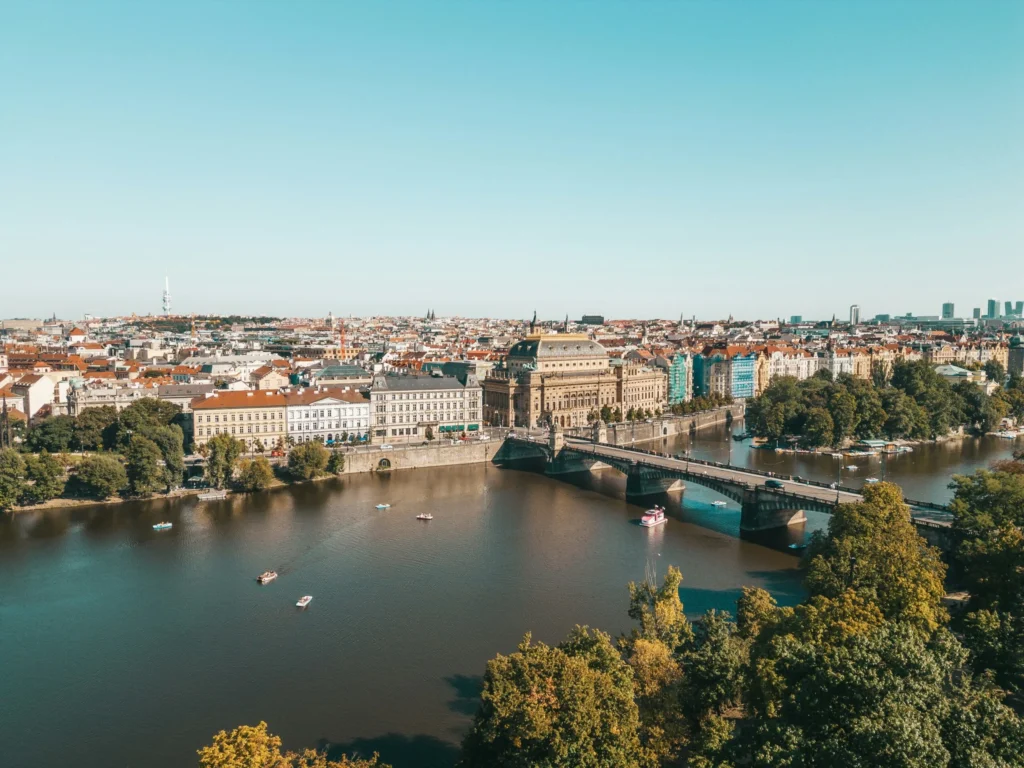
Hotel prices drop dramatically: Four-star historic hotels for hostel prices from November to March.
Real local pub life: Hear Czech spoken at the bar instead of English tour-group chatter.
Magical winter atmosphere: Thermal spas and medieval taverns become cozy sanctuaries.
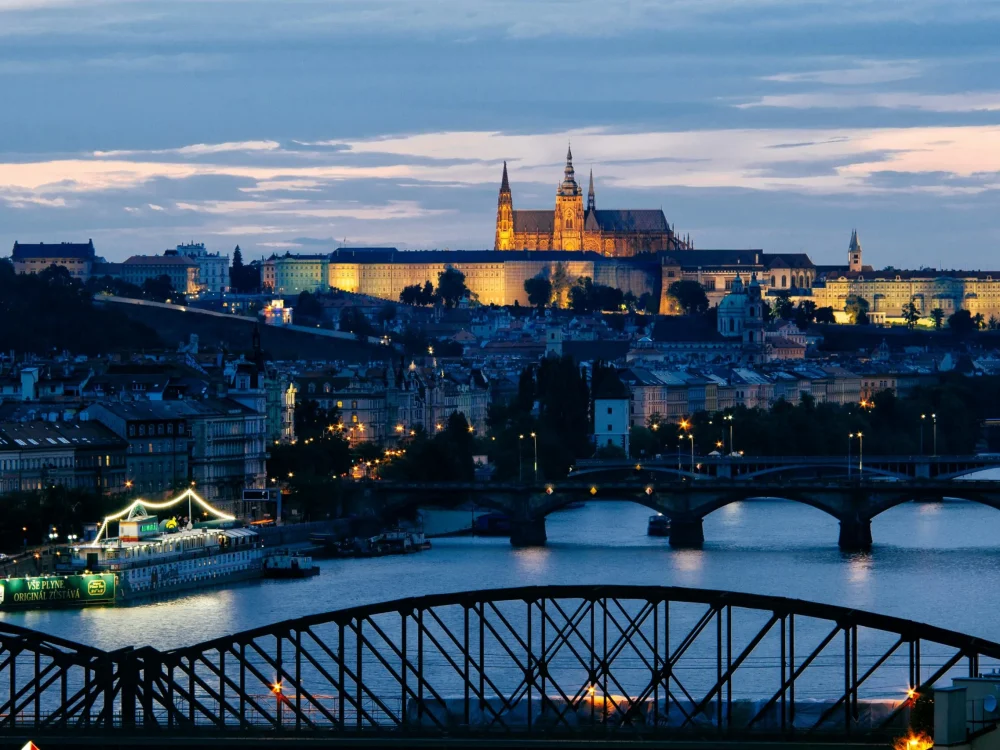
Shoulder Season
Your Smartest Windows
April to mid-June
September to early October
Avoid: The Easter Week (Velikonoce) school holidays and the Oct 28 (Independent Day) long weekend, which spike short-break prices.
What the Sky Does
April/May & Sept/Oct: 8°C to 20°C (46°F to 68°F)
April is notoriously fickle: Expect sun, rain, and even graupel (soft hail) in one afternoon.
“Golden September” offers the most stable blue skies and crisp air for photography.
Mornings are foggy in the countryside (especially in South Bohemia), burning off by noon.
How Empty It Feels
40-50% fewer tourists compared to July/August.
Prague Castle & Old Town Square: Manageable crowds; no shuffling lines.
Český Krumlov: Feels like a local town again, not a theme park.
Vltava riverfront seating: Easy to find outdoor tables without reserving.
What You’ll Save
30-40% on flights and 4-star hotels vs. peak summer.
Car rental is 25% cheaper (perfect for exploring Kutná Hora and Lednice).
No queues for Prague Castle ticket offices (save 45+ minutes).
Lunch menus (Polední menu) remain cheap (150-200 CZK), even in tourist zones.
The Secret Perk
Prague Fringe Festival (late May/early June): English-language theater in quirky venues.
Cherry blossoms in Vojanovy Sady (Prague’s hidden garden) – a local secret.
Morel mushroom foraging in Bohemian Switzerland with local guides.
The “Golden Hour” light over the Charles Bridge lasts longer due to lower sun angle.
Pub chats with actual Praguers – bartenders have time to talk between pours.
The Tiny Trade-Off
Petřín funicular & some castle gardens close for maintenance (April & October).
Sudden temperature drops from 20°C to 9°C overnight are common.
Fewer Vltava river cruise departures (last boat often leaves before sunset).
Easter markets (late March/April) inflate souvenir and hotel prices for 10 days.
Smart Traveler Tip
Visit the Moravian wine region (Znojmo) in late April for the “Burčák” young wine season.
Book outdoor attractions for 10 AM-2 PM to catch the warmest light.
Late September is the absolute sweet spot – summer heat is gone, but Christmas crowds haven’t arrived.
Avoid the first week of May (Labor Day & Liberation Day long weekend = domestic crowds).
Deep Off-Season
Your Smartest Windows
November 10 to December 12 (the lull before Christmas markets)
January 7 to March 15 (post-New Year’s quiet)
Avoid: The Dec 23 – Jan 2 holiday corridor (Christmas markets & NYE are peak-price madness).
What the Sky Does
Average: -3°C to 5°C (26°F to 41°F) , but feels colder due to humidity.
Snow is common in January (especially in Krkonoše Mountains), but Prague often gets grey drizzle.
West vs. East: Plzeň region gets more rain; Moravia (Brno) stays slightly drier and sunnier.
High humidity (80%+) makes the cold bite – pack wool, not just a jacket.
How Empty It Feels
70-80% fewer tourists than July.
St. Vitus Cathedral interior: You’ll hear the organ echo; no shuffling lines.
Museums (Mucha Museum, DOX Centre): Often you’ll have entire galleries to yourself.
Small towns (Telč, Slavonice): So quiet you’ll feel like a resident, not a tourist.
What You’ll Save
Up to 60% vs. peak season (NYE week excluded).
Flights from the UK/US can drop by 50% (except Christmas week).
5-star hotels like the Paris Prague offer rooms for under €100/night in January.
Car rental as low as €15/day (ideal for driving to frozen castles).
The Secret Perk
The “Crispy” Castle experience: No crowds = time to read every plaque in Prague Castle.
Skiing in Krkonoše (Špindlerův Mlýn) – a cheap alpine alternative to the Alps.
Beer baths (Lázně Pramen) are half-price on weekday mornings.
Svíčková (marinated beef) tastes better in a dark, snowy pub – trust us.
Local pub game: Learn to play Mariáš (cards) with retirees over a 35 CZK beer.
The Tiny Trade-Off
All “summer” boat tours are suspended (only heated cabin boats run rarely).
Nightlife is dead outside Prague (Brno’s clubs are open, but villages close at 9 PM).
Many family-owned restaurants in Český Krumlov close for the whole of January.
Daylight is short: Sunrise ~7:45 AM, sunset ~4:15 PM (plan indoor sights for 4-6 PM).
Smart Traveler Tip
Avoid the “Prague Christmas Markets” hype (Dec 1-23 are peak prices). Go to Olomouc or Brno for authentic, cheaper markets.
February is the quietest month – even quieter than January, with lower flight prices.
Late March (pre-Easter) offers a pre-spring thaw; combine castles with a visit to the Prague Zoo (winter entry is cheaper).
Packing tip: Thermal base layer + waterproof boots are non-negotiable.
Head to Moravia (Lednice-Valtice area) for the mildest winter weather and sunny vineyard walks.
Find Off-Peak Flights
Top Off‑Season Stays
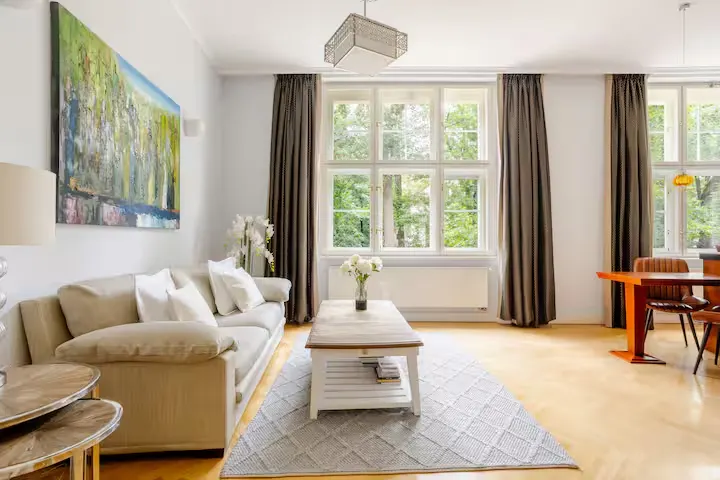
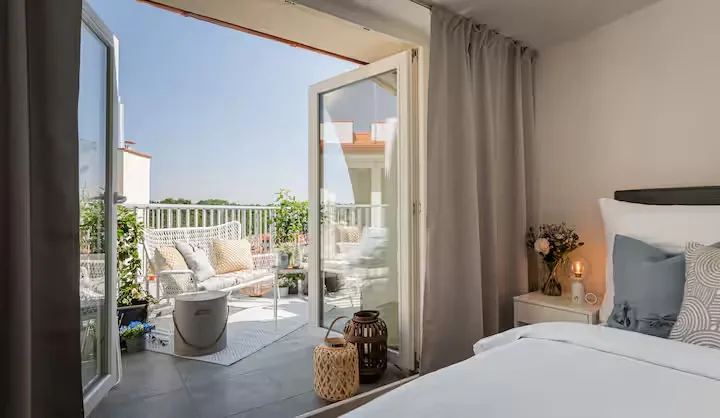
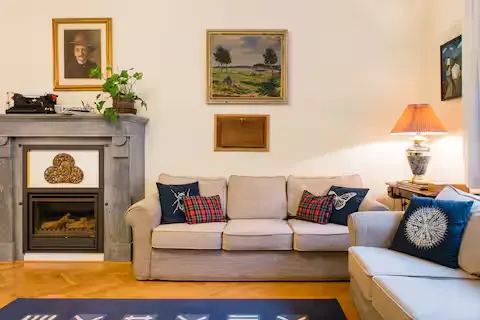
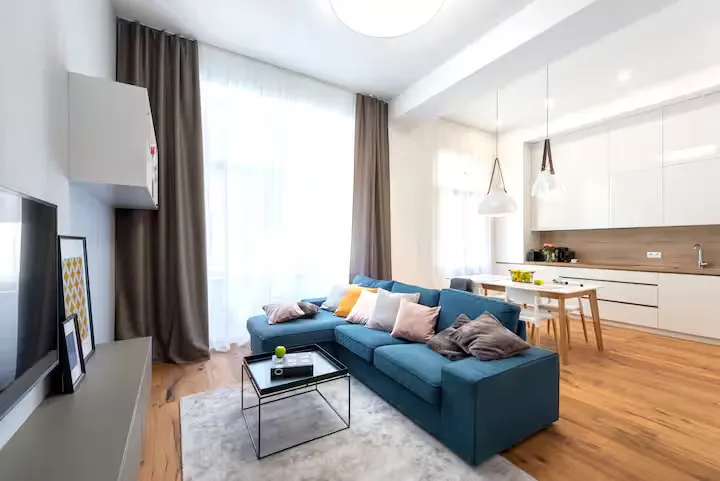
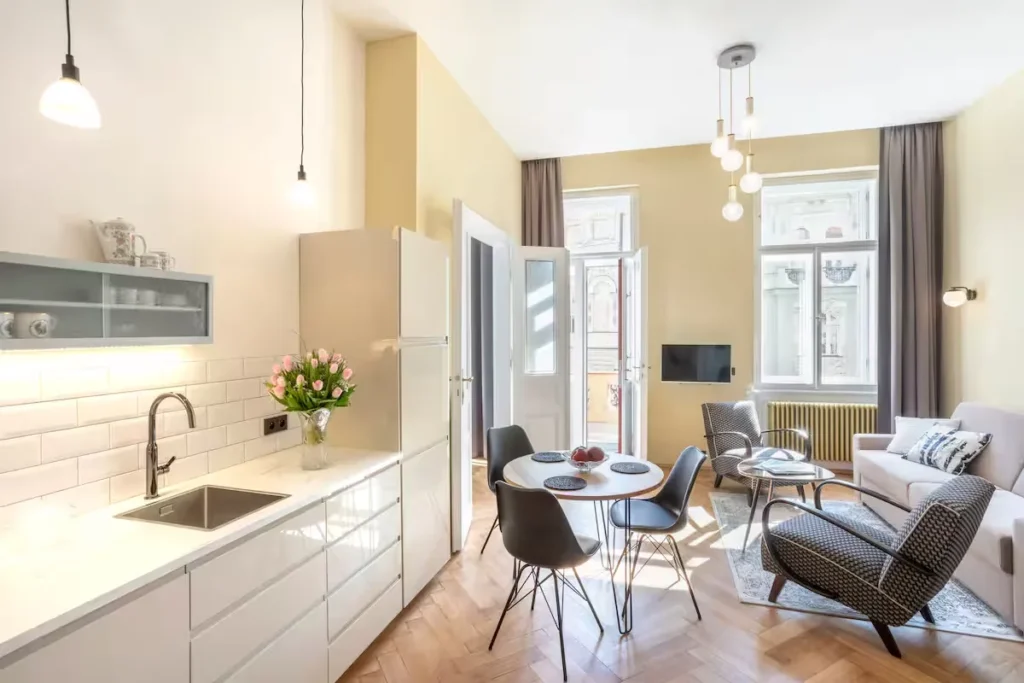
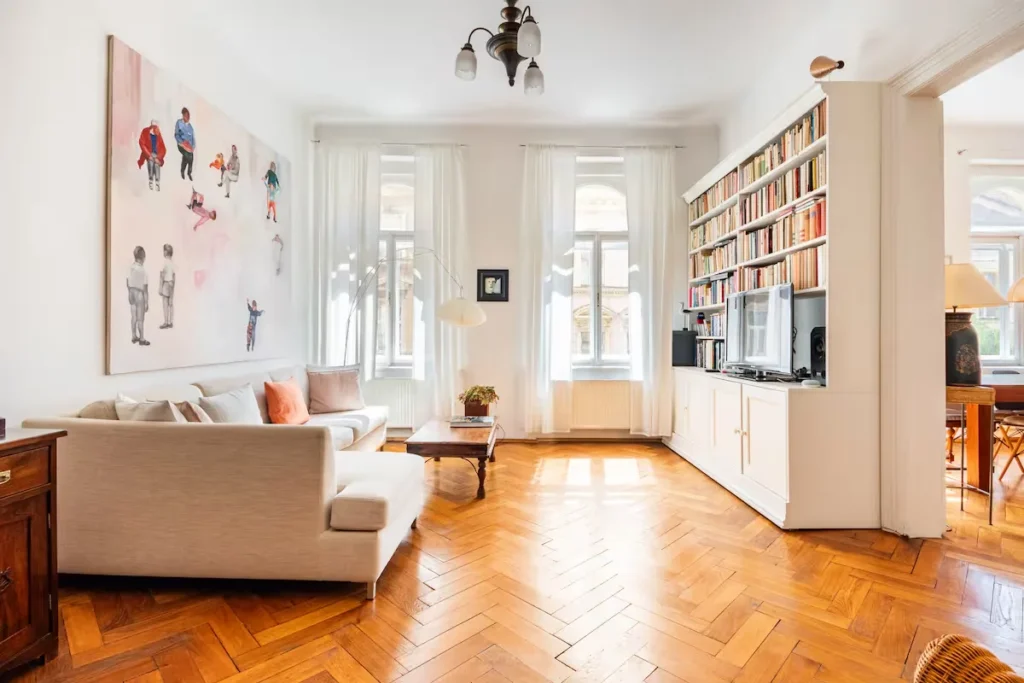
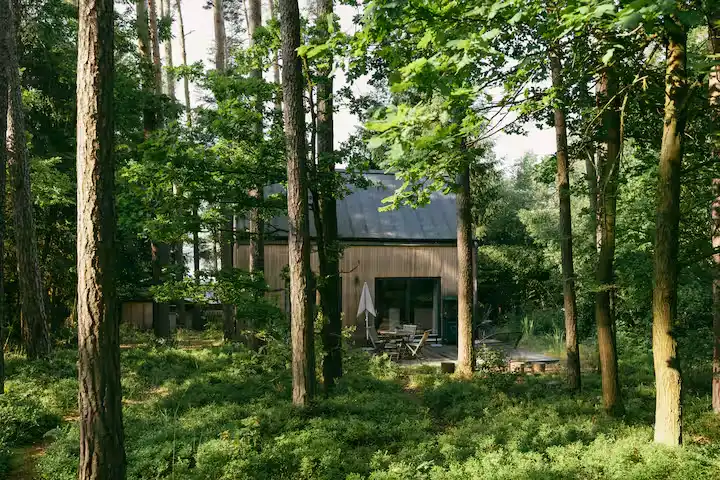
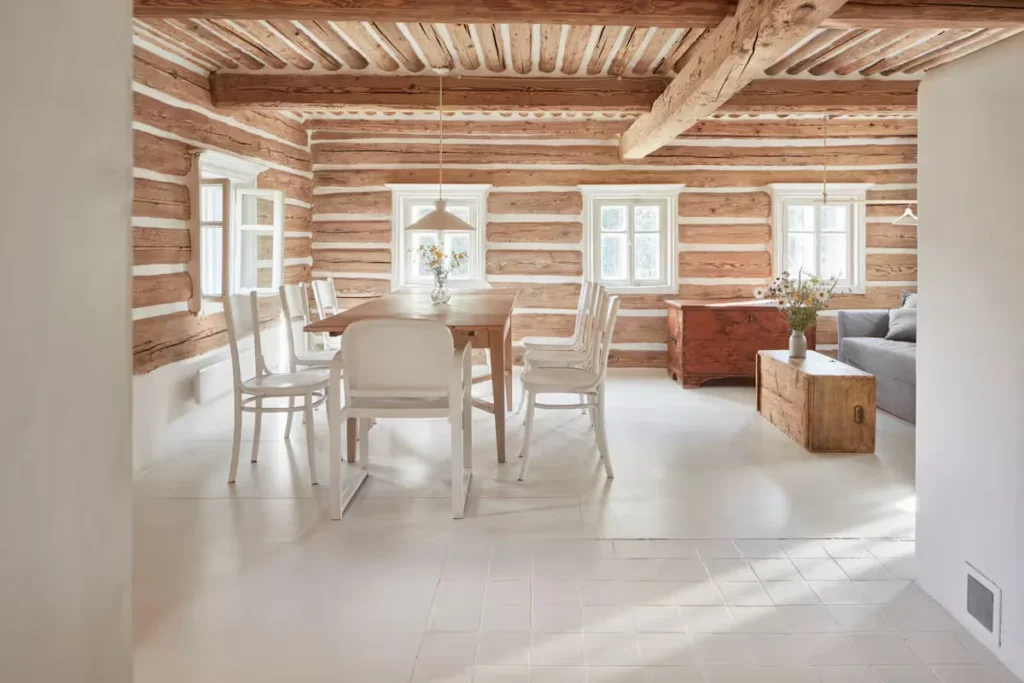
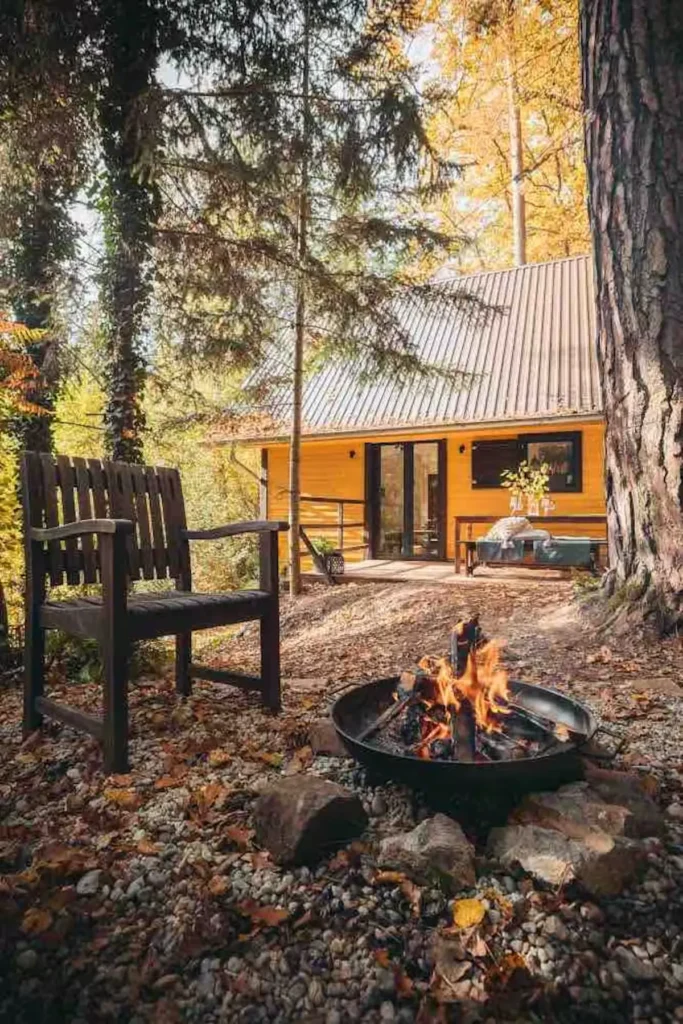
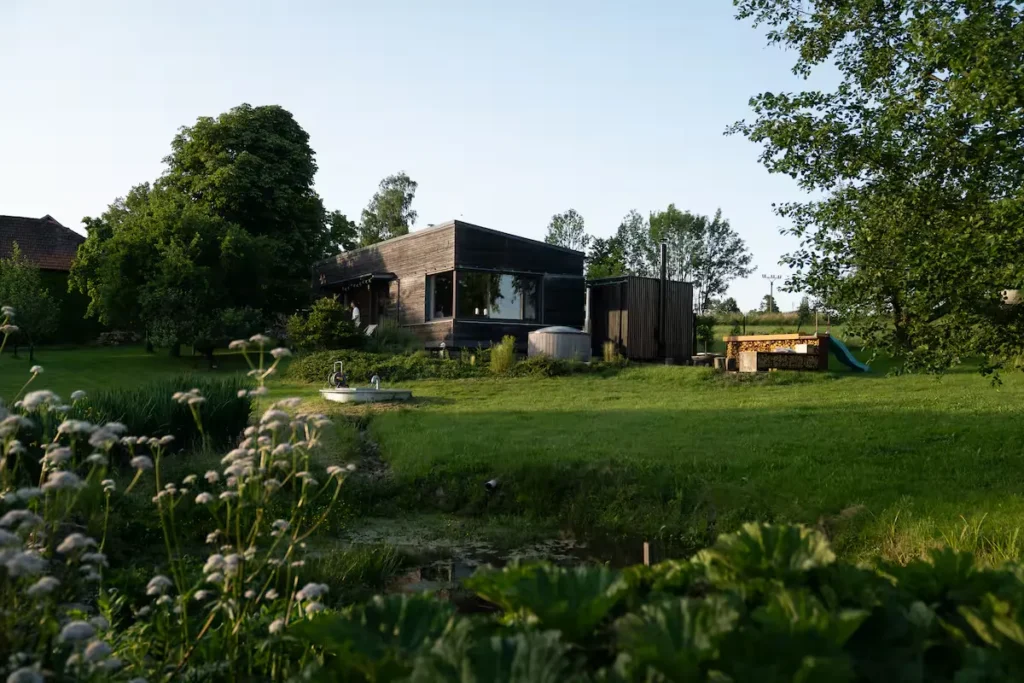
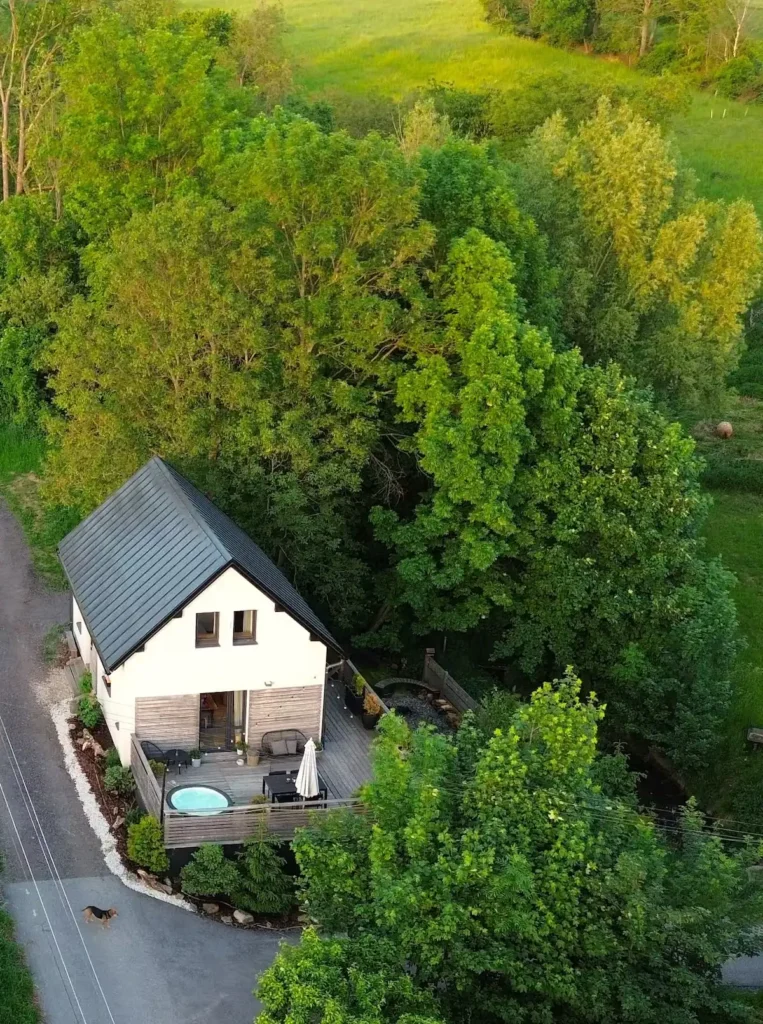
Find below our curated selection of boutique hotels and design apartments that offer exceptional value, atmosphere, and comfort during the off‑season — often at significantly lower rates than peak months.
Uncrowded Experiences & Tours
Skip the lines and experience iconic landmarks at your own pace. Discover curated local tours and cultural activities designed to show you the authentic side of the destination without the peak-season rush.
FAQs
Essential Trip Information
Visa and Entry Requirements
The Czech Republic is part of the Schengen Area.
Travelers of all nationalities should check their eligibility or requirements at the official Czech visa portal.
Citizens of many countries (including the U.S., Canada, UK, Australia, and most of Latin America) can enter visa-free for up to 90 days within any 180-day period.
Passport validity: Must be valid for at least three months beyond planned departure.
Immigration may ask for proof of accommodation, return ticket, and sufficient financial means.
For longer stays, work, or study, different visa types may be required.
Currency
The Czech Republic uses the Czech Koruna (CZK), but some tourist spots may accept euros.
Best Ways to Handle Currency
Before Your Trip: Exchange a small amount at home; ATMs offer better rates than exchange offices.
During Your Trip: Use ATMs at major banks (Česká spořitelna, Komerční banka). Credit/debit cards (Visa, Mastercard) are widely accepted in cities, but carry US$20–50 equivalent in cash for smaller shops and markets.
What to Avoid: Exchange offices in tourist zones (may charge hidden fees). Avoid dynamic currency conversion—always choose CZK when paying by card.
Language
The official language is Czech, but English is widely understood in Prague and major tourist areas.
Helpful phrases:
- “Dobrý den” – Hello
- “Děkuji” – Thank you
- “Mluvíte anglicky?” – Do you speak English?
Safety and Security
The Czech Republic is very safe, including for solo travelers.
Be cautious of pickpockets in crowded areas, especially Prague’s Old Town and Charles Bridge.
Avoid exchanging money on the street or accepting unsolicited help at ATMs.
Emergency number: 112 (works across EU)
Health & Insurance
No vaccinations required.
Travel insurance is recommended. Healthcare is good and affordable for visitors.
Pharmacies (Lékárna) are common. Tap water is safe to drink.
Transportation
Metro/Trams/Buses: Extensive and punctual, especially in Prague. Tickets must be validated.
Train travel is great for regional trips (e.g., from Prague to Český Krumlov or Brno).
Walking: Most historic towns are pedestrian-friendly.
Uber/Bolt: Available in larger cities; generally cheaper than taxis.
Car rental: Useful for exploring the countryside or castles, but not needed in Prague.
Price Level
The Czech Republic is affordable by European standards, especially outside Prague.
Accommodation
Budget: Hostels/guesthouses (US$25–60/night)
Mid-range: 3-star hotels (US$80–150/night)
Luxury: Boutique and 5-star hotels (US$180+/night)
Food
Quick eats: Bakeries, kebab shops, and local bistros (US$5–10)
Casual dining: US$15–30/person
Fine dining: US$40–80/person
Drinks
Beer: US$2–4 (restaurant), US$1 (supermarket)
Wine/Cocktails: US$6–12
Transportation
Metro/Tram/Bus: US$1.50–2 per ride (24-hour pass ~US$5)
Taxis/Uber/Bolt: US$8–20 for short trips
Bike rentals: US$5–10/day
Money-Saving Tips
Eat like a local in non-touristy pubs (hospoda) or at lunchtime menus.
Take advantage of multi-day transport passes.
Enjoy free city walking tours (tip-based) and parks or historic districts.
Visit castles and landmarks with combo or regional passes.
Planning Your Trip
Local Customs And Etiquette
Greetings: A handshake and direct eye contact are standard.
Tipping: 10–15% in restaurants (round up or leave cash).
Pub Culture: Don’t clink glasses when saying “Na zdraví!” (local superstition).
Dress Code: Casual but neat; cover shoulders/knees in churches.
Punctuality: Being on time is appreciated.
Quiet on transit: Czechs tend to be reserved—keep noise levels low in public.
Budgeting For Your Trip
Accommodation: Hostels (US$25–50), mid-range hotels (US$90–180), luxury (US$250+).
Food: Street food or cafes (US$5–12), mid-range restaurant (US$15–25), gourmet (US$60+).
Transport: Public transport day pass (US$5), intercity train (US$10–25).
Activities: Many historical sites (~US$5–15), guided tours (~US$30–50), most museums are under US$10.
Daily Budget:
Budget: US$60–90 (hostels, local food, public transport).
Mid-range: US$130–200 (nice hotel, restaurants, entry fees).
Luxury: US$300+ (central boutique stay, fine dining, private tours).
Internet & Mobile
Free Wi-Fi: Found in most cafes, hotels, and public areas.
SIM Cards: Vodafone, T-Mobile, and O2 offer prepaid plans (US$15–30 for 10GB).
eSIMs: Compatible with major providers and apps like Airalo or Holafly.
Purchase SIMs at the airport, major train stations, or convenience stores.
Travel Insurance
Recommended for: Health coverage, luggage protection, and delays.
Medical care is high quality but not free for non-EU travelers.
If hiking or skiing, check that outdoor sports are covered.
Some policies may exclude castles with stairs or old towers as “high-risk”—read the fine print!
Accomodation Options
From historic hotels to budget hostels, the Czech Republic caters to all travelers.
Hotels:
- Luxury: Augustine Hotel (Prague), Chateau Mcely (countryside).
- Mid-range: Hotel Josef (Prague), Courtyard by Marriott (Brno).
- Budget: Ibis, Motel One.
Hostels:
- Hostel One Miru (Prague) – social vibe, free dinners.
- The RoadHouse (Brno) – cozy, local experience.
Airbnb/VRBO:
- Great for groups; try Vinohrady (Prague) or Olomouc for local charm.
Unique Stays:
- Boathouse stays in South Bohemia.
- Castle hotels (e.g., Zbiroh).
Tip: Book early for Christmas markets and summer festivals.
Getting Around
The country has an efficient and affordable public transport system.
Trains:
- České Dráhy (ČD) connects major cities (Prague to Brno: ~2.5hrs, US$10–20).
- Fast trains (EuroCity, Pendolino) are comfortable for longer trips.
Buses:
- RegioJet, FlixBus offer cheap intercity routes (Prague to Český Krumlov: ~3hrs, US$5–15).
Metro/Trams (Prague):
- Prague Metro (lines A, B, C) covers key areas.
- 24/72-hour passes (US$5–15) include trams and buses.
Taxis/Rideshares:
- Bolt, Uber are affordable; avoid unlicensed taxis (overcharging risk).
Car Rental:
- Useful for exploring rural areas (US$30–50/day).
- Parking in Prague is expensive—stick to public transport.