 Skip to content
- Why Should I Visit Bosnia & Herzegovina During The Off-Season?
Because you can "Exploit Travel Seasonality" to discover one of Europe's most underrated destinations without the summer heat waves that hit the Balkans. While July brings crowded Stari Most bridge-watching in Mostar, the off-season delivers empty Ottoman streets, roaring waterfalls, and hotel prices that are already low dropping even further.
Yes, it gets cold, but that is when the local cafes serve the best Bosnian coffee and hearty Ćevapi. You will experience the country's famous hospitality without the tourist crowds.
- Is Winter A Good Time To Visit The Kravice Waterfalls?
Absolutely, and it might be the most spectacular time. While summer sees hundreds of swimmers below the falls, winter transforms Kravice into a frozen fairy tale with icicles hanging from the 25-meter cliffs. You will have the entire viewing platform to yourself for stunning photos.
The water flow is actually at its most powerful during the wetter winter months, creating a thunderous spectacle. Just wear warm boots and bring gloves – hot chocolate afterwards in a nearby village is mandatory
- Can I Still Hike In Sutjeska National Park During The Low Season?
Yes, but with proper preparation. Sutjeska, home to one of Europe's last primeval forests (Perućica), is open year-round. From November to March, you will have the trails almost entirely to yourself, with snow-capped peaks and frozen lakes creating dramatic scenery that summer hikers never see.
Stick to lower elevation trails (below 1,200 meters) and always check weather conditions first. Many local guides offer reduced winter rates, making a private trek surprisingly affordable.
- What Is The Cheapest Month To Fly To Sarajevo For A City Break?
November is your wallet's best friend for the "Jerusalem of Europe". After the busy autumn shoulder season ends, Sarajevo's hotels drop prices by up to 50%. You can often find boutique apartments in Baščaršija (the old bazaar) for under €40 per night, with flights from major European hubs at their lowest.
The famous cable car to Trebević Mountain has no lines, the Ottoman-era markets are relaxed, and you will taste the best Burek without the summer rush. Just bring a warm coat and an appetite for history. Plan your perfect budget trip with our AI Travel Assistant.
- Does Bosnia Have A Shoulder Season That Balances Pleasant Weather And Cultural Events?
Yes, April to May and September to October are the absolute sweet spots. In spring, the famous Mostar bridge diving competition prep season begins, and the Neretva River runs a stunning emerald green. In autumn, the hills surrounding Sarajevo explode in gold and red colors, and the local wine harvests are in full swing.
During these months, temperatures sit at a perfect 12°C to 20°C (54°F to 68°F) – ideal for exploring medieval fortresses, Ottoman caravanserais, and the poignant Tunnel of Hope museum.

Home > Exploit The Seasons > Seasonal World Map > Europe > Bosnia & Herzegovina
BOSNIA & HERZEGOVINA
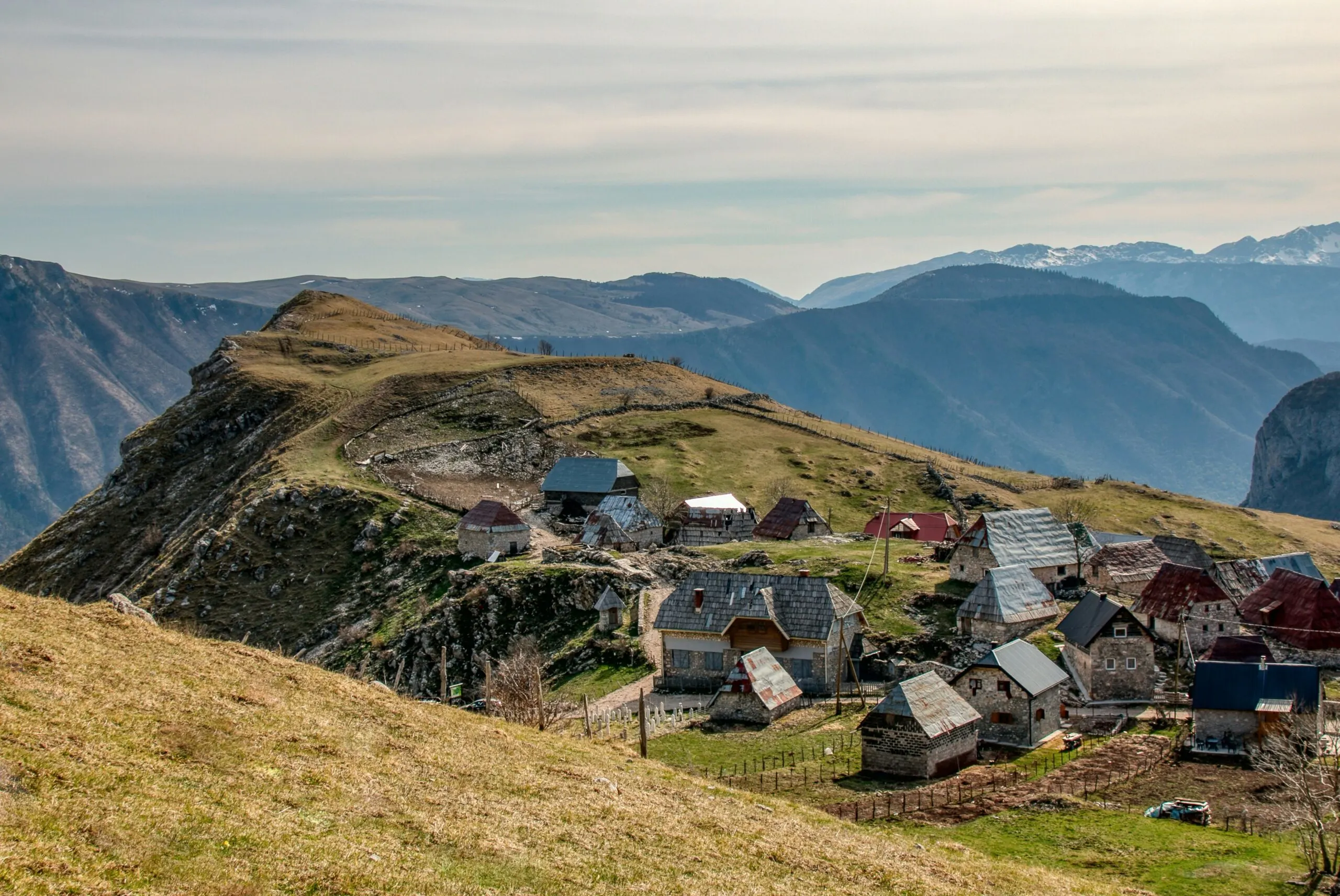
Between the Dinaric Alps and hidden waterfalls, Bosnia & Herzegovina sheds its crowds for pure, raw magic. Discover medieval stones, Ottoman alleyways, and wartime remembrance without the summer rush or inflated prices.
Smart Travel Calendar
Why Choose Bosnia & Herzegovina Off-Season?
Fewer tourists at Stari Most – Walk Mostar’s iconic bridge without elbowing through selfie sticks.
Authentic Sarajevo soul – Drink bosanska kafa with locals, not lines of cruise passengers.
Dramatic mountain silence – Hiking around Sutjeska or Jahorina feels privately yours.
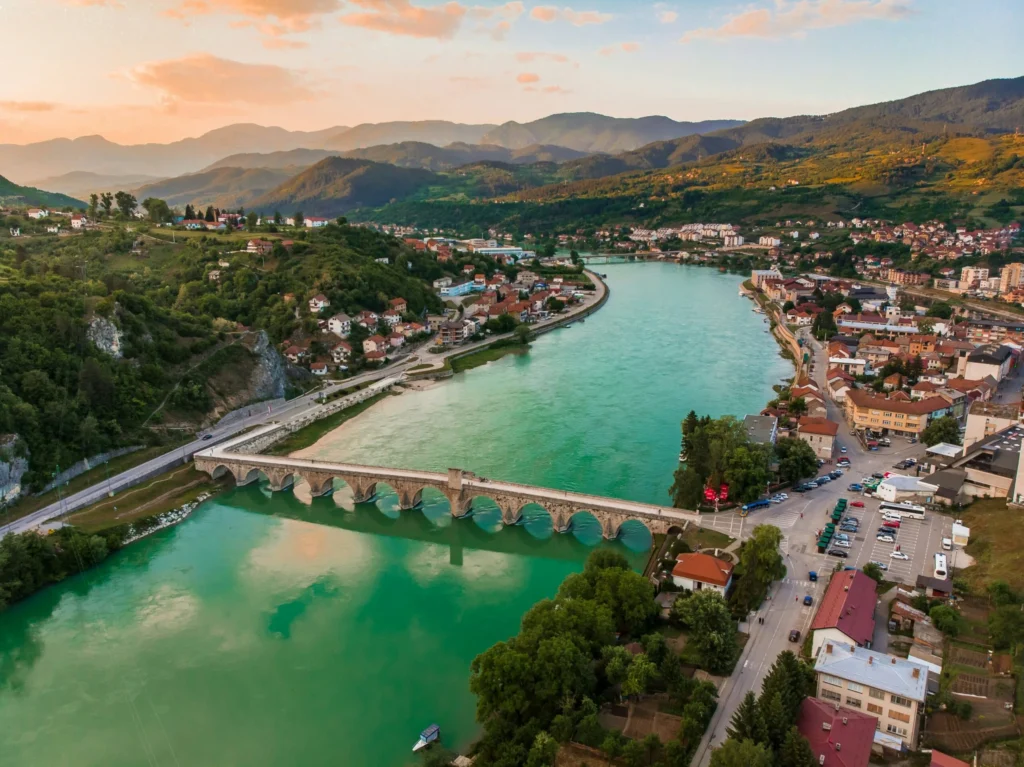
Better hotel value in historic towns – Počitelj, Trebinje, and Jajce become affordable.
No rafting traffic jams – Neretva River is wild and free without summer float crowds.
Warmer hospitality when it’s cooler – Guesthouses remember your name when fewer people come.
Shoulder Season
Your Smartest Windows
April to mid-June
September to October
Avoid: Eid al-Fitr and Eid al-Adha (dates shift yearly – local travel spikes) and May 1st holidays (regional exodus)
What the Sky Does
April/May: 12–22°C (54–72°F); September/October: 10–24°C (50–75°F)
Spring brings rapid showers then sun – lush green valleys
Autumn offers crisp mornings and golden afternoon light in Herzegovina
Higher areas like Jahorina can still feel cool; Mostar stays warmer
How Empty It Feels
50-70% fewer tourists vs July/August
Sarajevo’s Baščaršija: relaxed buzz, not shoulder-to-shoulder
Mostar’s Stari Most: easy photos without crowds on the bridge
You’ll find riverbank seating in Blagaj without waiting
What You’ll Save
Flights and hotels: 30-45% less than peak summer
Car rental: up to 40% cheaper, especially for SUVs
No ticket lines for attractions like the Sarajevo Tunnel Museum
Dining: lunch specials under 8 KM (€4) in popular spots
The Secret Perk
Spring: Wildflowers explode in Sutjeska National Park
Autumn: Grape harvest around Mostar – try local Žilavka wine
Golden hour light on Ottoman stone feels cinematic and uncrowded
Locals have time to chat – expect free rakija and real stories
The Tiny Trade-Off
Some mountain cable cars (e.g., Trebević) run reduced hours until May
April can bring sudden rain – pack a jacket
River swimming is too cold before June
Public buses to smaller villages run less frequently on Sundays
Smart Traveler Tip
Aim for mid-May or late September – ideal weather and full transport schedules
Start mornings early (before 9 AM) for empty historic sites
Use Sarajevo as a base – day trips to Mostar and Travnik are easy and cheap
Deep Off-Season
Your Smartest Windows
November to March (excluding Christmas & New Year)
Avoid: December 31st – January 2nd (New Year in Sarajevo gets festive price spikes) and February 14-28 (school ski break on Jahorina/Bjelašnica)
What the Sky Does
November–March: -5°C to 8°C (23°F to 46°F)
Snow is common in Sarajevo and the Dinaric Alps
Herzegovina (Mostar, Počitelj) is milder – 5–12°C (41–54°F) but rainy
Low humidity and crisp air – excellent visibility from hilltop fortresses
How Empty It Feels
Up to 85% fewer tourists than peak summer
Historic sites feel nearly private – walk Ottoman-era mosques alone
Museums (War Childhood Museum, Old Bridge Museum) are blissfully quiet
Small towns like Jajce or Travnik feel like they’re yours for the day
What You’ll Save
50-70% vs peak season – flights from Europe as low as €20 one-way
Four-star hotels in Sarajevo from €35–50/night
Car rental: from €15/day including winter tires
Ski lift tickets: €15–20/day (vs €50+ in the Alps)
The Secret Perk
Cozy café culture – Sarajevo’s kafanas with fireplaces and Bosnian coffee
Skiing near a capital – Jahorina and Bjelašnica are 30 minutes from Sarajevo
Winter bazaars – handmade copper and wool without tourist markups
Real local winter – ice skating at Zetra Olympic Hall with Sarajevans
The Tiny Trade-Off
No boat trips on the Neretva or Una rivers until April
Nightlife outside Sarajevo is very quiet; some clubs close
A few restaurants in Mostar’s old town shut for winter
Daylight: only 7-8 hours (sunset ~4 PM in December)
Smart Traveler Tip
Visit between January 7–March 1 for the quietest period (after Orthodox Christmas)
Pack layers, boots, and a warm coat – Sarajevo is colder than you think
Head to Mostar in February for mildest deep-winter conditions and empty bridge views
Find Off-Peak Flights
Uncrowded Experiences & Tours
Skip the lines and experience iconic landmarks at your own pace. Discover curated local tours and cultural activities designed to show you the authentic side of the destination without the peak-season rush.
FAQs
Essential Trip Information
Visa and Entry Requirements
EU, U.S., UK, Canadian, Australian, and many other passport holders can enter visa-free for up to 90 days within 180 days.
Passport must be valid for at least 90 days beyond your departure date.
Immigration may request proof of accommodation, return ticket, and sufficient funds.
Visa-on-arrival is not available. Apply in advance if required.
Currency
The national currency is the Bosnia and Herzegovina Convertible Mark (BAM), but Euros (€) are accepted in many tourist areas.
Best Ways to Handle Currency
Before Your Trip: Exchange a small amount; ATMs offer better rates than airport exchanges.
During Your Trip: Use ATMs at major banks (like Raiffeisen, UniCredit). Visa and Mastercard are widely accepted, but carry some cash (~US$30–50) for smaller towns.
What to Avoid: Currency exchange kiosks in tourist hotspots (high fees), and dynamic currency conversion—always choose to be charged in BAM.
Language
Official languages: Bosnian, Croatian, and Serbian
English is commonly spoken in tourist areas, especially by younger people.
Helpful phrases:
- “Hvala” (Thank you)
- “Izvinite” (Excuse me)
- “Gdje je…?” (Where is…?)
Safety and Security
Bosnia is generally safe for tourists, with low crime rates.
Be cautious in rural or mountainous areas due to unexploded landmines from the war—stay on marked paths.
Watch for pickpockets in busy markets or public transport.
Emergency number: 112 (works for police, ambulance, and fire services)
Health & Insurance
No vaccinations required.
Tap water is safe to drink in most cities.
Pharmacies (“apoteka”) are well-stocked, especially in larger towns.
Travel insurance recommended, especially if hiking or skiing.
Transportation
Public transport: Efficient in cities like Sarajevo and Banja Luka.
Buses: Most common mode for intercity travel.
Train travel is limited but scenic between Sarajevo and Mostar.
Taxis are cheap but confirm the meter is used.
Driving is possible but road signage can be poor—GPS or offline maps recommended.
Walking: Ideal in old towns like Sarajevo and Mostar.
Price Level
Bosnia & Herzegovina is one of the most affordable destinations in Europe.
Accommodation
Budget: Hostels/guesthouses (US$15–40/night)
Mid-range: 3-star hotels (US$40–80/night)
Luxury: 4–5 star hotels (US$90–150+/night)
Food
Street food & bakeries (burek, cevapi): US$3–7
Casual restaurants: US$10–20/person
Upscale dining: US$25–40/person
Drinks
Local beer: US$2–3
Wine (glass): US$3–5
Coffee: US$1–2
Transportation
Local buses/trams: US$1–1.50 per ride
Intercity buses: US$10–20
Taxis: US$2–5 for short distances (metered)
Car rental: US$25–45/day
Money-Saving Tips
Try burek and local fast food—delicious and cheap.
Visit museums on free-entry days or with the Sarajevo City Card.
Travel by bus instead of taxis for intercity routes.
Planning Your Trip
Local Customs And Etiquette
Warm hospitality: Locals are friendly and eager to help. A handshake or nod goes a long way.
Religion: A mix of Islam, Orthodoxy, and Catholicism—dress modestly in religious sites.
Shoes off: In homes, always remove shoes.
Tipping: 10% at restaurants; rounding up is common at cafes.
Language: Bosnian, Croatian, Serbian widely spoken. Many young people know basic English.
Coffee Culture: Strong Turkish-style coffee is an art—don’t rush it. Invite for coffee = sign of respect.
Don’t mention the war lightly. Be sensitive around recent history—locals appreciate thoughtful curiosity.
Budgeting For Your Trip
Bosnia & Herzegovina is very affordable compared to Western Europe.
Accommodation: Hostels (US$15–30), mid-range hotels (US$50–90), luxury (US$120+).
Food:
- Street snacks (burek, cevapi): US$2–5
- Sit-down meal: US$10–20
- Fine dining: US$35–50
Transport: Buses/trains (US$5–15), car rental (US$35–50/day).
Activities: Museums (~US$2–5), tours (US$15–40), rafting (~US$30).
Daily Budget:
Budget: US$50–70 (hostels, street food, buses)
Mid-range: US$100–150 (hotels, guided tours, rental car)
Luxury: US$250+ (top hotels, private guides, fine dining)
Internet & Mobile
Free Wi-Fi: Widespread in cafes, restaurants, and hotels.
SIM Cards: Buy at airports or kiosks. Options: BH Telecom, m:tel, HT Eronet. 10–20 GB plans: US$10–15.
eSIMs: Airalo, Nomad, and other providers work well.
Travel Insurance
Highly recommended for any traveler—covers medical care, transport issues.
Healthcare: Affordable by Western standards, but upfront payment may be needed.
Activities: If skiing, rafting, or hiking—check your plan includes adventure sports coverage.
Winter travel: Delays are possible due to snow in mountain regions—insurance helps avoid extra costs.
Accomodation Options
From Ottoman-style guesthouses to budget hostels:
Hotels:
- Luxury: Hotel Europe (Sarajevo), Mepas Hotel (Mostar).
- Mid-range: Hotel Bristol (Sarajevo), Villa Anri (Mostar).
Hostels:
- Hostel Franz Ferdinand (Sarajevo) or Hostel Miran (Mostar)—social and budget-friendly (~US$15–25/night).
Guesthouses/Pensions:
- Authentic stays in towns like Jajce or Blagaj (US$30–60/night, often with breakfast).
Airbnb/VRBO:
- Great for apartments in Sarajevo or countryside villas.
Tip: Book early in summer for popular destinations like Mostar.
Getting Around
Bosnia’s transport network is improving, but rural areas require planning.
Buses:
- Most reliable for intercity travel (e.g., Sarajevo to Mostar: ~US$10, 2.5 hours).
- Buy tickets at stations—online booking is rare.
Trains:
- Scenic but slow (Sarajevo to Mostar route is worth it for views).
- Limited routes; check schedules in advance.
Car Rentals:
Recommended for flexibility, especially to visit remote villages or national parks.
- Roads can be narrow; drive cautiously in mountainous areas.
Taxis/Rideshares:
- Affordable in cities (US$2–5 for short trips). Use metered taxis or apps like Mojo Taxi (Sarajevo).
Walking:
Cities like Mostar and Sarajevo’s Baščaršija are best explored on foot.