 Skip to content







- Why Should I Travel To Puerto Rico During The Off-Season?
Primarily to unlock the "Smart Travel" value Volomundi champions. From August through November, you will see hotel rates drop by 25% to 50% and experience the island's famous beaches and bioluminescent bays without the peak-season crowds typical of December to April . You can truly "Exploit Travel Seasonality" here by stretching your budget further on accommodations and car rentals.
However, the trade-off is the weather. This period overlaps with the Atlantic hurricane season, meaning you will need to pack flexible rain gear and a patient mindset for sudden tropical showers . Despite the rain risk, the benefit is having world-class attractions like El Yunque to yourself. For more ideas on beating the crowds, check out our Central America & Caribbean region guide.
- Is September A Terrible Time To Visit Puerto Rico?
Not necessarily, but it requires a specific type of smart traveler. September is statistically the peak of hurricane season and the absolute lowest point for tourism . This means you will find the cheapest flight deals of the entire year and guesthouses at rock-bottom prices. If you are a digital nomad looking for a quiet place to work with a view, the savings are unmatched.
However, you must be prepared for intense heat, high humidity, and the chance of a weather interruption. Services might be reduced at some resorts, and the ocean can be choppy for diving . If you decide to go in September, stick to a flexible “island time” schedule. - What Are The Real Risks Of Hurricane Season In Puerto Rico?
The risk is real but manageable. Officially, hurricane season runs from June 1 to November 30, with September historically seeing the highest cyclone activity . The main drawdowns include potential flight disruptions, occasional full-day rains, and the chance that ferry services to islands like Vieques or Culebra could be cancelled.
But here is the reality for the smart traveler: direct hits are relatively rare. Most "hurricane season" days simply feature sun mixed with passing showers that cool down the humid 85-90°F (29-32°C) heat . We highly recommend using our AI Travel Assistant to build a flexible itinerary and monitor the National Weather Service (NOAA) website for updates. Just remember to book refundable rooms and buy travel insurance to mitigate the worst-case scenario.
- Is Puerto Rico Still Fun If It Rains Every Day?
Absolutely, yes. In the off-season, rain rarely ruins the whole day; instead, it follows a predictable pattern of brief, heavy afternoon showers that clear up within an hour, leaving the evening fresh and perfect for strolling . This is when you pivot your plans to indoor "Plan B" activities.
Instead of sulking on the beach, use this time to explore the Castillo San Cristóbal fortress, visit the Museo de Arte de Puerto Rico, or enjoy a long, leisurely lunch of Mofongo in a local diner without the winter wait times. As we mention in our Off-Season Calendar, this is the time for cultural immersion over sunbathing. The reduced tourist traffic means locals have more time to chat and serve you authentically.
- Which Months Offer The Cheapest Flights To San Juan (SJU)?
For the lowest airfare, target August, September, and October. These are the statistical "deep low season" months for Puerto Rico, as tourism numbers drop significantly due to the hurricane risk . You can often find flights from North America and Europe priced 30-40% lower than the peak winter rates.
The catch is that you are trading price for predictability. While you save money, this is the wettest part of the year, and airlines might adjust schedules last minute due to tropical depressions. If you book for November, you get a sweet spot: low prices start to rise slightly, but the weather historically becomes much drier and more stable .
- Are Resorts And Restaurants Closed During Low Season?
No, the island never shuts down, but you will find reduced operating hours. While the mega-resorts in Condado and Isla Verde remain open, you might notice that one of the three on-site pools is closed for maintenance or that a specific gourmet restaurant only opens on weekends . This is the downside: they use the quiet months to repair infrastructure.
However, the upside is significant for the value traveler. You will likely get upgraded service at the venues that are open because the waiters and bartenders are less rushed. For a truly unique off-season experience, plan your trip for late July. It is technically the low season for international tourists but the high season for locals ("Feliz Verano"), meaning the island has a vibrant, festive energy without the winter price gouging . For specific local events during these months, cross-reference with the official Discover Puerto Rico tourism site.

Home > Exploit The Seasons > Seasonal World Map > Central America And The Caribbean > Puerto Rico
PUERTO RICO
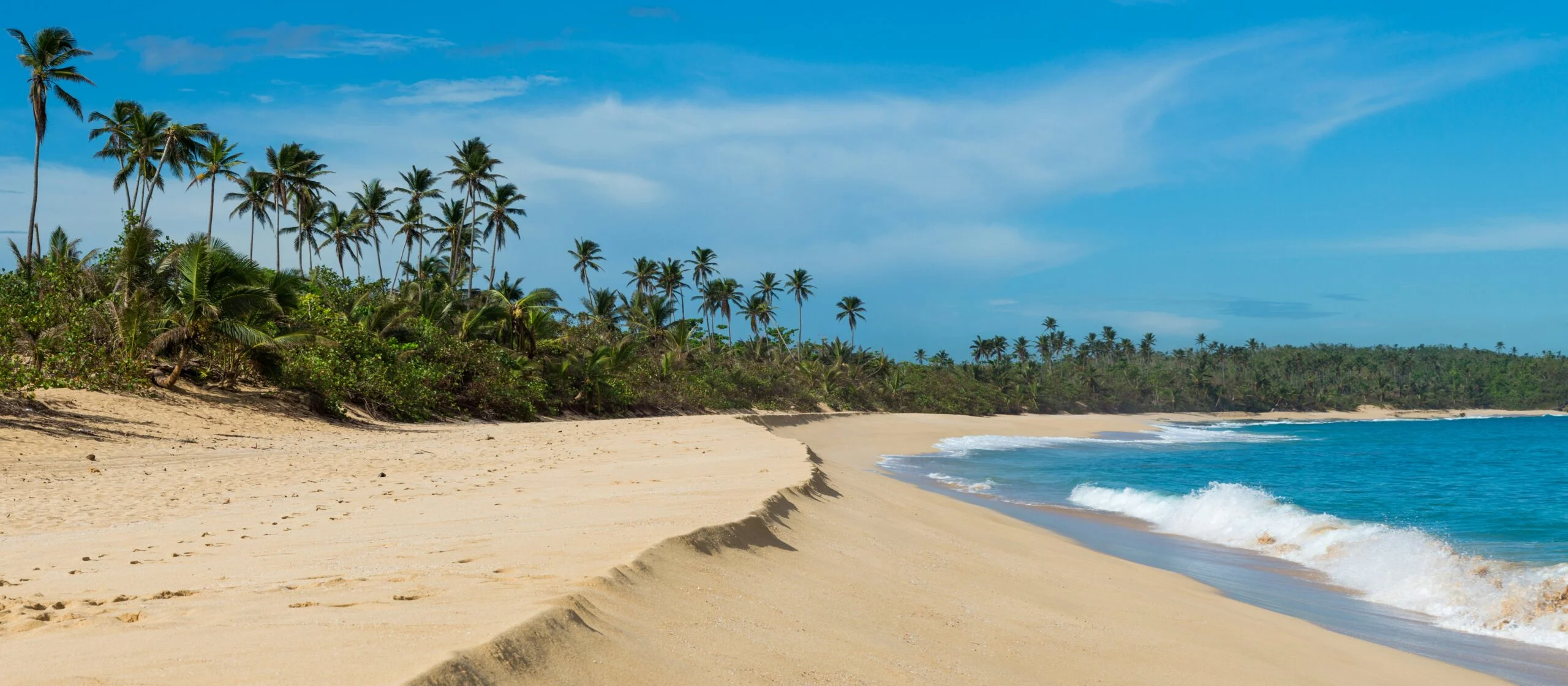
Puerto Rico pulses with year-round rhythm, from colonial San Juan to bioluminescent bays. Discover when to visit for uncrowded trails, authentic salsa nights, and island magic without the high-season price tag.
Smart Travel Calendar
Why Choose Puerto Rico Off-Season?
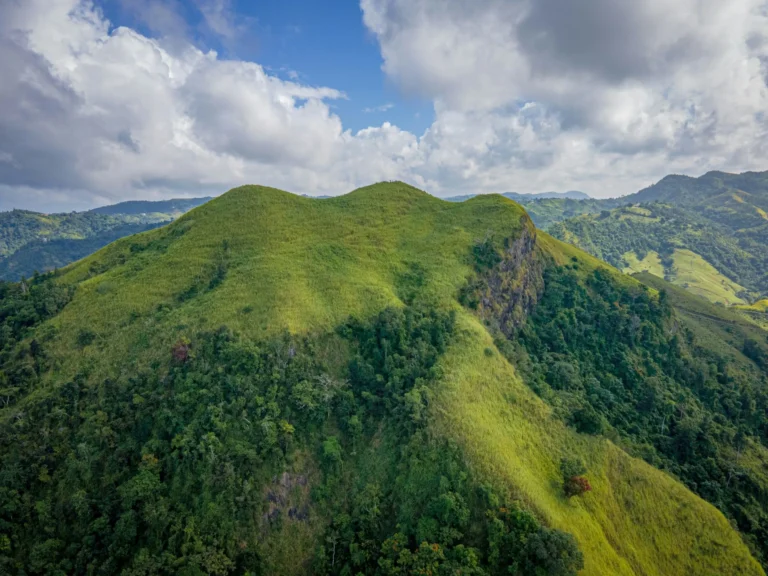
Fewer crowds at El Yunque Rainforest meaning you can soak in natural pools without the usual packed trails.
Lower flight prices from the U.S. mainland as families return home, leaving affordable seats behind.
Shorter wait times for ferry to Culebra so Flamenco Beach feels like your private paradise.

Authentic local interactions in Old San Juan when shopkeepers have time to share their stories.
Better rental car availability and rates compared to the winter scramble for wheels.
Easier dinner reservations at top kioskos like Luquillo’s famous food stalls without the line.
Shoulder Season
Your Smartest Windows
April to June (post-spring break)
August to November (hurricane season’s quieter edge)
Avoid: Mid-December through early January (Christmas & Three Kings’ Day price surge) and the week before Easter (Semana Santa crowds)
What the Sky Does
April-June: 24-30°C (75-86°F); August-November: 26-31°C (79-88°F)
April-June brings less humidity and frequent trade winds
August-November has higher rain chances but mostly brief morning or afternoon showers
Hurricane season peaks September-October, but direct hits are rare; systems often pass north
How Empty It Feels
40-50% fewer tourists compared to peak winter season
Old San Juan streets feel walkable, not shoulder-to-shoulder
Beaches like Condado and Isla Verde have open palapas and sand space
You’ll find seating at popular spots without circling for a table
What You’ll Save
30-45% savings on flights and hotels versus December-March
Car rental rates drop significantly; upgrade options appear
Same-day entry to El Morro fortress; no advance ticket stress
Local tour operators offer discounts or package deals
The Secret Perk
Catch the LeLoLai Festival in May (local arts and music)
Flamboyán trees explode in red-orange blooms April-June
Mango season starts; grab fresh fruit from roadside stands
Golden afternoon light paints San Juan’s forts for stunning photos
You’ll chat with owners at family-run eateries, not just servers
The Tiny Trade-Off
A few small tour operators shorten hours or close in September-October
Brief tropical showers may interrupt beach time (but pass quickly)
Ferry to Vieques/Culebra may have reduced weekly departures outside peak
During Easter week (March/April), domestic tourism spikes prices briefly
Smart Traveler Tip
Target late April through early June for the driest shoulder weather
Book your bioluminescent bay tour for moonless nights (check calendar)
For August-November, monitor hurricane forecasts but don’t obsess – most days are fine
Avoid US holiday weeks (Thanksgiving, Presidents’ Day) for best value
Deep Off-Season
Your Smartest Windows
September to early November (peak hurricane season’s heart)
Avoid: Mid-December through January 6th (Three Kings’ Day) and Semana Santa (Holy Week)
What the Sky Does
Daytime: 26-30°C (79-86°F); Nights: 22-24°C (72-75°F)
Higher rain probability – expect short daily downpours, rarely all-day washouts
South coast (Ponce, Guanica) stays drier than north coast during this period
Humidity is highest, but afternoon showers cool things down
How Empty It Feels
60-70% fewer tourists than peak winter season
Historic sites like Castillo San Cristóbal feel almost private
Museums (Museo de las Américas) have galleries to yourself
Small mountain towns like Utuado feel genuinely local, no tourist touts
What You’ll Save
Up to 50-60% off peak-season prices
Round-trip flights from NYC or Miami can dip below $150
Luxury hotels in Condado offer rooms for half the winter rate
Car rentals as low as $20-30/day; often free upgrades
The Secret Perk
Perfect time for cave exploring at Río Camuy Cave Park (cooler underground)
Coffee harvest tours in the central mountains (September-February)
Learn to cook mofongo in a nearly private class
Genuine conversations with locals who are relaxed, not busy with tourists
Indoor fun: Tour the Bacardí distillery or Museo de Arte de Ponce without crowds
The Tiny Trade-Off
Some small beach kiosks close or reduce hours in September-October
Nightlife in La Placita (Santurce) is quieter midweek
A few boutique hotels may close for annual maintenance in October
Daylight is 11 hours (sunset ~6pm), but that’s still plenty for adventure
Smart Traveler Tip
Book refundable accommodations and consider trip insurance for September
The quietest month is October – lowest crowds but highest rain chance
Late October into early November is the sweet spot before Thanksgiving travel
Pack lightweight rain jacket and quick-dry clothing – you’ll still get beach time
Head to the southwest coast (Guanica, Cabo Rojo) for sunnier microclimate
Find Off-Peak Flights
Top Off‑Season Stays
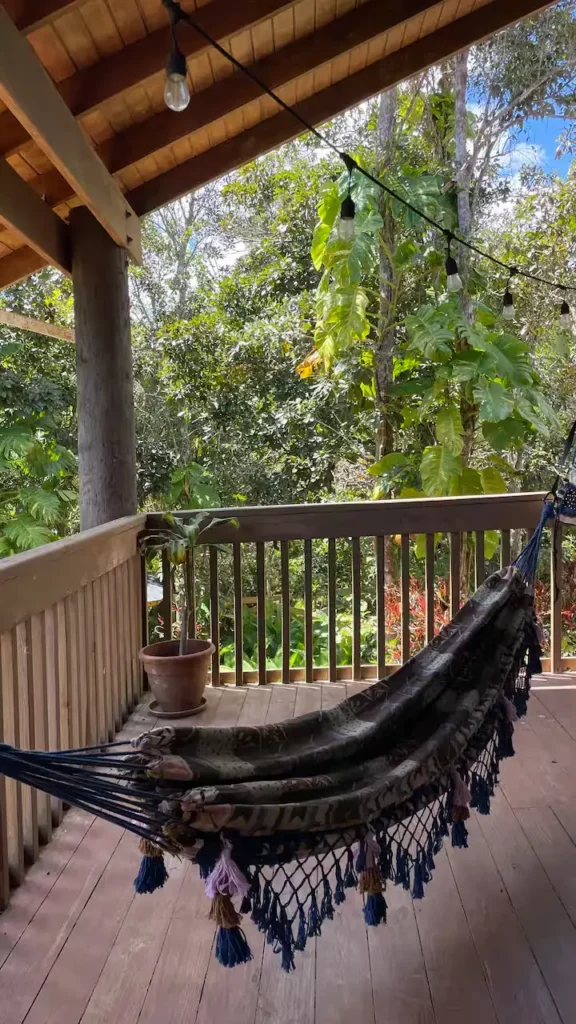
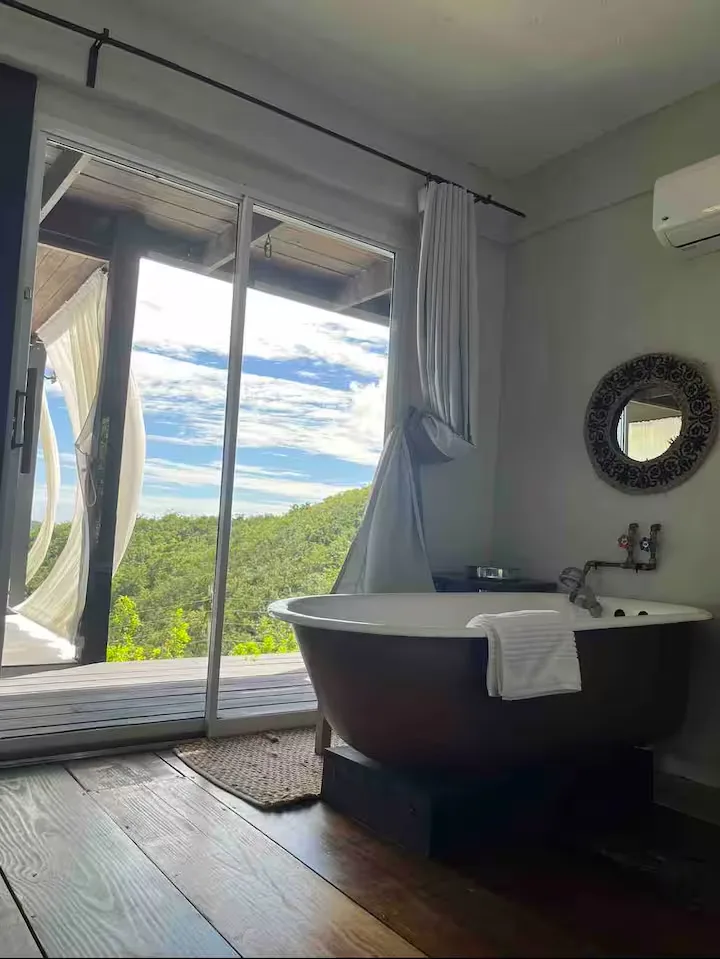
Find below our curated selection of boutique hotels and design apartments that offer exceptional value, atmosphere, and comfort during the off‑season — often at significantly lower rates than peak months.
Uncrowded Experiences & Tours
Skip the lines and experience iconic landmarks at your own pace. Discover curated local tours and cultural activities designed to show you the authentic side of the destination without the peak-season rush.
FAQs
Essential Trip Information
Visa and Entry Requirements
Puerto Rico is a U.S. territory, so entry requirements are the same as for the mainland U.S.
Check eligibility for the ESTA visa waiver program (for citizens of Visa Waiver Program countries) or apply for a B-1/B-2 tourist visa if required.
Passports must be valid for at least six months beyond your stay.
Immigration may ask for proof of onward travel, accommodation bookings, and sufficient funds.
ESTA approval (for visa-free travel) costs US$21 and must be obtained at least 72 hours before departure.
Official visa information: U.S. Department of State
Currency
Puerto Rico uses the U.S. Dollar (US$). Bills: US1–100 (larger denominations are rare). Coins: 1¢–US$1.
Best Ways to Handle Currency
Before Your Trip: Exchange a small amount; ATMs offer better rates than exchange bureaus.
During Your Trip: Use ATMs at major banks (Banco Popular, FirstBank). Credit/debit cards (Visa, Mastercard) are widely accepted, but carry US$20–50 cash for small vendors.
What to Avoid: Currency exchange kiosks (high fees) and dynamic currency conversion (always choose USD).
Language
Spanish is the primary language, but English is widely spoken in tourist areas.
Helpful phrases: “Hola” (Hello), “Gracias” (Thank you), “¿Dónde está…?” (Where is…?).
Safety and Security
Generally safe, but be cautious in isolated areas at night (e.g., La Perla in San Juan).
Watch for pickpockets in crowded areas (Old San Juan, tourist beaches).
Emergency number: 911.
Health & Insurance
No special vaccinations required.
Travel insurance is recommended (medical costs can be high).
Pharmacies (Walgreens, CVS) are widely available. Tap water is safe in most areas.
Transportation
Public buses (guaguas): Cheap but unreliable outside San Juan.
Taxis/Uber: Best for short trips in the city.
Car rentals: Ideal for exploring the island (roads can be narrow and winding).
Ferries: Affordable way to reach Culebra & Vieques (US$2–4).
Price Level
Puerto Rico ranges from moderate to expensive, especially in tourist-heavy areas like San Juan.
Accommodation
Budget: Hostels/guesthouses (US$50–100/night)
Mid-range: 3-star hotels (US$120–250/night)
Luxury: 4-5 star resorts (US$300+/night)
Food
Quick eats: Food trucks (US$5–12), bakeries($US3–8)
Casual dining: US$15–30/person
Fine dining: US$50+/person
Drinks
Beer: US$2–5 (bars), US$1–2 (supermarkets)
Cocktails: US$8–15
Transportation
Public buses (guaguas): US$0.75–1.50/ride (limited routes)
Taxis/Uber: US$15–30 for short trips
Car rentals: US$30–70/day (recommended for exploring outside San Juan)
Money-Saving Tips
Eat at local “chinchorros” (roadside food stalls) for cheap, authentic meals.
Visit public beaches (like Playa Luquillo) instead of private resort areas.
Take the ferry to Culebra or Vieques (US$2–4) instead of expensive tours.
Planning Your Trip
Local Customs And Etiquette
Language: Spanish is dominant, but English is widely spoken in tourist areas.
Tipping: 15–20% at restaurants, US$1–2 per bag for porters.
Dress Code: Casual beachwear is fine, but cover up when leaving beaches.
Greetings: A handshake or cheek kiss (among friends) is common.
Nightlife: Late dinners (after 8 PM) and clubs don’t get busy until midnight.
Budgeting For Your Trip
Accommodation: Hostels (US$30–60), mid−range hotels (US$120–250), luxury (US$300+).
Food: Street food (US$5–10), casual meal (US$15–25), fine dining (US$60+).
Transport: Rental cars (~US$50/day), Uber (US$10–20 per ride).
Activities: Beaches (free), bio bay tours (US$50–80), El Yunque (US$2 reservation fee).
Daily Budget:
Budget: US$70–100 (hostels, local food, public transport).
Mid-range: US$150–250 (hotels, car rental, excursions).
Luxury: US$350+ (resorts, private tours, gourmet dining).
Internet & Mobile
Free Wi-Fi: Available in malls, hotels, and some beaches (slow speeds).
SIM Cards: Claro or T-Mobile stores sell prepaid plans (~US$30 for 10GB).
eSIMs: Supported by major providers (Airalo, GigSky).
Travel Insurance
Recommended for: Medical emergencies (U.S. healthcare is expensive).
Hurricane coverage: Check if your policy includes trip interruptions.
Adventure activities: Some exclude ziplining or scuba diving—verify before booking.
Tip: Credit cards like Chase Sapphire often include basic travel insurance.
Accomodation Options
Puerto Rico offers everything from luxury resorts to budget stays.
Resorts & Hotels:
- Luxury: Dorado Beach (Ritz-Carlton), Condado Vanderbilt (beachfront elegance).
- Mid-range: La Concha (Condado), Olive Boutique Hotel (trendy).
- Budget: CasaBlanca Hotel (Old San Juan), hostels like Mango Mansion.
Airbnb/VRBO:
- Great for groups—Ocean Park and Rincón offer beachfront villas.
Paradores (Local Inns):
- Government-certified budget stays outside San Juan (e.g., Parador Villas Sotomayor).
Tip: Stay in Old San Juan for history or Condado for beaches.
Getting Around
While renting a car is ideal for exploring, urban areas have other options.
Car Rentals:
- Highly recommended for flexibility—especially for visiting El Yunque, Cabo Rojo, or Ponce.
- Parking can be tricky in Old San Juan (look for garages or paid lots).
- Gas is priced similarly to the mainland (~US$3.50/gallon).
Public Transportation (Limited):
- Tren Urbano (San Juan metro area only) – US$1.50 per ride.
- Publicos (shared vans) – Cheap but unreliable for tourists.
Taxis/Rideshares:
- Uber operates in San Juan (affordable for short trips).
- Traditional taxis are unmetered—negotiate fares upfront or ask for rates per zone.
Ferries:
- Cataño Ferry (US$0.50) for a quick ride across the bay.
- Vieques & Culebra ferries (US$2–4) but book early—flights are faster (US$40).
Walking:
- Old San Juan is pedestrian-friendly, but wear comfortable shoes for cobblestone streets.