 Skip to content
- When Is The Actual Off-Season For Panama And Why Should I Go?
It depends entirely on which coast you visit, which is Panama's secret superpower. The Caribbean coast (Bocas del Toru, San Blas) sees its driest weather from September to October (their "little summer"), while the Pacific coast (Panama City, Pearl Islands) rains heavily those same months. Conversely, the Pacific offers perfect weather from December to April, which is the Caribbean's rainy season. You can truly "Exploit Travel Seasonality" by chasing the dry microclimate.
The drawdown is that you cannot visit the whole country perfectly in one low-season trip. You must choose your coast. However, the reward is massive: hotel prices drop by 35% to 50% island-wide, and you will have the Panama Canal Miraflores Locks viewing platform nearly empty.
- Is The Panama Canal Still Fun To Visit During Rainy Season?
Yes, surprisingly, it is actually better for photographers. The Miraflores and Agua Clara Visitor Centers are mostly indoor, covered, and air-conditioned, meaning rain never ruins the experience. In fact, the dramatic gray storm clouds rolling behind massive cargo ships create stunning photo opportunities that the flat blue sky of dry season cannot match.
The drawdown is that the outdoor observation decks can get slippery, and you might need to wait out a 20-minute downpour inside the museum. However, the massive upside is that low season crowds are 70% smaller than in January and February. You can stand at the railing for an hour watching a Neopanamax vessel pass without anyone elbowing you. For official transit schedules, check the Autoridad del Canal de Panamá website.
- Will Rain Ruin My Trip To The San Blas Islands (Guna Yala)?
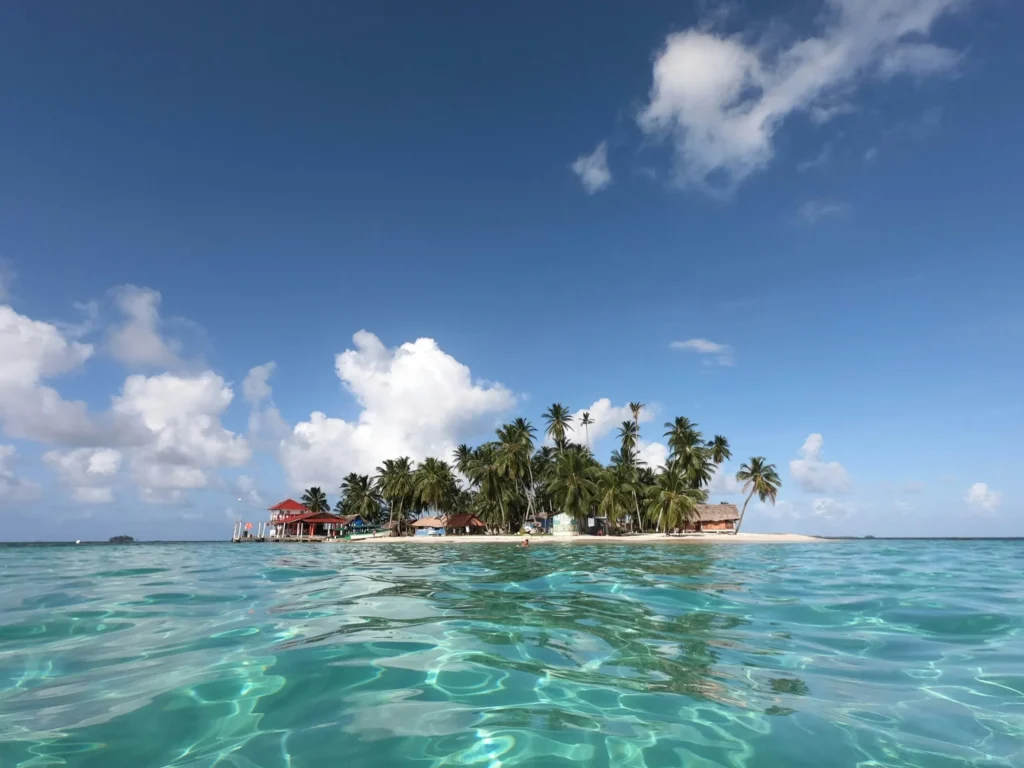
Rarely, because the rain there is different. In the San Blas archipelago (Guna Yala), rain usually comes as fast-moving squalls that pass in 15 to 30 minutes, leaving behind calm, glassy waters and cooler temperatures. The Guna indigenous people have lived with this rhythm for centuries and will simply wait with you under a palm-roofed hut while drinking fresh coconut water.
The drawdown is that September and October (the best months for Caribbean Panama) can occasionally bring three consecutive overcast days with intermittent showers. However, the reward is spectacular: empty islands where you might be the only tourist on a postcard-perfect beach, and local Guna guides have more time to explain their molas traditions. Just bring a waterproof dry bag for your electronics.
- Is It Cheaper To Fly To Panama City (PTY) In The Green Season?
Yes, significantly cheaper from August to November. Tocumen International Airport (PTY) sees flight prices drop by 25% to 40% during these months because North American and European travelers mistakenly believe the whole country is a wet mess. In reality, Panama City sits on the Pacific side, which has sunny mornings and brief afternoon showers during this period.
The drawdown is that August and September are also the hottest and most humid months, so walking the Casco Viejo cobblestone streets at 2 PM feels like a sauna. But the smart strategy is to do outdoor activities before 11 AM, retreat to air-conditioned malls or the Biomuseo during peak heat, and enjoy the famous Causeway seafood restaurants at sunset. For the absolute cheapest flights, target late September and early October
- Can I Hike In Soberania National Park If It Is Raining?
Yes, and you will actually see more wildlife. The famous Pipeline Road in Soberania National Park is known for birdwatching, and rain triggers incredible animal behavior. Monkeys become more active right after a shower to find food, and frogs emerge in massive numbers to breed in temporary puddles. You just need a lightweight poncho and waterproof boots.
The drawdown is that the trails become muddy and slightly slippery, so you cannot wear running shoes. But the huge upside is that you will have the world-class birding spots nearly to yourself, with no noisy tour groups scaring away the toucans and sloths. Always start your hike at 6 AM (park opening) to beat both the rain and the heat. For official trail closures, check ETESA weather monitoring before departure.

Home > Exploit The Seasons > Seasonal World Map > Central America And The Caribbean > Panama
PANAMA
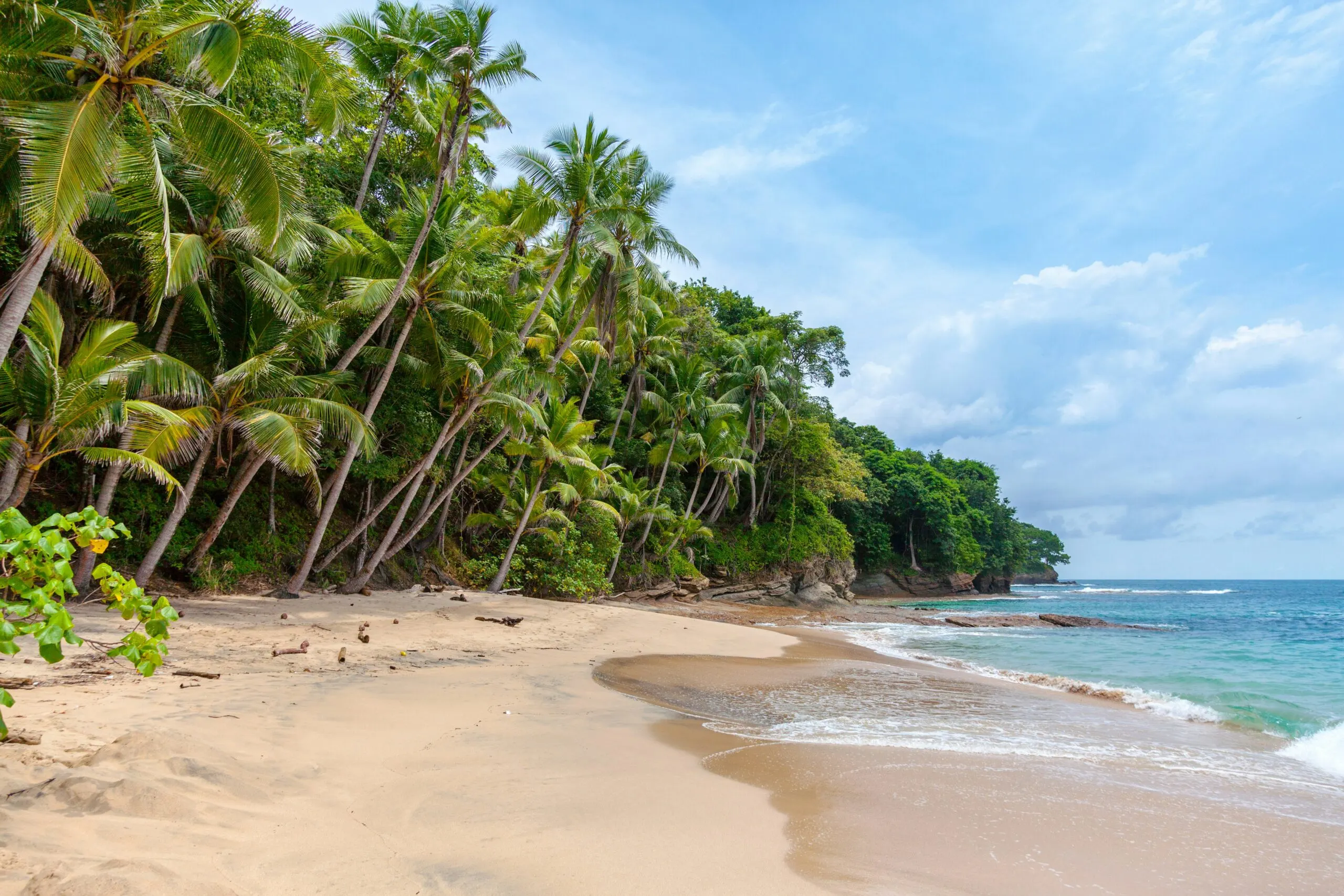
Panama’s rhythm dances between dry, sun-drenched summers and lush, verdant green winters. Ditch the high-season crowds to discover canal miracles, empty beaches, and Embera villages all to yourself .
Smart Travel Calendar
Why Choose Panama Off-Season?
Unlock Two Coasts for the Price of One: Skip the peak crowds to find wild Pacific swells and calm Caribbean shores feeling exclusively yours.
Beat the Canal Crowds: Witness the Miraflores Locks without the elbows; watch massive ships pass through with space to breathe.
Whale Watching Without the Boat Party: Visit from August to October to see humpback whales breaching in the Gulf of Chiriquí .
Walk Through “Green Hell” Safely: National parks like Soberania are at their most vibrant; rainforest humidity keeps the fair-weather hikers away .
Lodge in the Highlands for Less: Boquete’s coffee country offers luxury eco-lodges at backpacker prices during the green months .
Indigenous Encounters, Authentic: Visit Guna Yala communities without the cruise ship day-trippers rushing your experience .
Shoulder Season
Your Smartest Windows
Late November to Mid-December
Mid-April to May
Avoid: Carnaval (four days before Ash Wednesday, Feb/Mar) and Semana Santa (Holy Week, Mar/Apr) when locals fill the beaches and hotels spike 2-3x .
What the Sky Does
Pacific Coast/ Panama City: Warm (28°C-32°C / 82°F-90°F) with mixed sun and brief afternoon showers.
The transition months offer the sweet spot: lower humidity post-rain, but still plenty of sun for tanning.
Caribbean Bonus: September and October are actually drier in Bocas del Toro .
Expect morning sun followed by a refreshing 1-hour downpour to cool the pavement.
How Empty It Feels
30-40% fewer tourists than the dry season peak.
Casco Viejo feels bohemian and relaxed rather than claustrophobic; no line for rooftop bars.
Beach towns like Santa Catalina and Pedasi are locals-only on weekends, but nearly empty on weekdays.
Specific Benefit: Finding a shaded rancho (pavilion) on the sand at 11:00 AM without paying for it.
What You’ll Save
25-35% savings on flights and boutique hotels compared to December rates .
Car rentals drop significantly; no bidding wars for 4x4s for the Chiriqui highlands.
Same-day tickets for the Panama Canal IMAX—no reservation needed.
Tour operators offer “Green Season” specials, often including a free night for multi-day sailing trips to San Blas.
The Secret Perk
The Blooming Highlands: The rains wake up the flowers; Boquete’s famous coffee trees are covered in bright red cherries (harvest starts soon) .
A photographers’ paradise: Overcast skies act as a natural softbox, eliminating harsh shadows for jungle portraiture.
Sea Turtle Season: In May, witness sea turtles nesting on the Caribbean coast without the crowds of peak summer .
Ditch the booking frenzy: Restaurants in the old quarter actually have tables; you can walk into that ceviche spot instantly.
The Tiny Trade-Off
Afternoon Logistics: Heavy rain can sometimes flood roads in Colon province for an hour or two.
Humidity: It is stickier than the dry season; expect your camera lens to fog up when you leave the A/C.
Nightlife Lull: Some beach clubs reduce their DJ schedules to weekends only.
Diving Visibility: While still good, the water can be slightly less crystal clear than during the absolute driest months.
Smart Traveler Tip
Focus on the Pacific: Stick to the Pacific side or the Azuero Peninsula for the best chance of morning sun.
Plan indoor heavy days: Use the 2:00 PM – 4:00 PM rain window to visit the Biomuseo or the Canal museum.
Wait for “Late November”: The week right after the US Thanksgiving but before Christmas offers dry weather starting to kick in, with none of the holiday prices .
Deep Off-Season
Your Smartest Windows
September to Mid-November
Avoid: November 3-28 (Independence holidays). While culturally amazing, locals are traveling nationwide, and transport books out completely .
What the Sky Does
Daytime temps remain hot (29°C-31°C / 85°F-88°F), but nights are cooler due to cloud cover .
The “Green Season” definition: Expect daily afternoon tropical downpours, but mornings are usually sunny.
Regional variation: Bocas del Toro has a “mini dry season” within September/October .
The Darien Gap region is muddy; stick to the Canal area or highlands for passable roads.
How Empty It Feels
50-70% fewer tourists vs. Peak Season .
Snorkeling alone: It is not unusual to have an entire San Blas island to yourself (or shared with 2 other travelers).
Museums feel private; the Biodiversity Museum docents have time for long, deep conversations.
In Boquete, the gringo expats outnumber the tourists—it feels like living in a small mountain town, not a resort.
What You’ll Save
40-60% off peak hotel rates .
Flights from the US/Europe to Tocumen airport often dip under $300 round trip .
Hotel perks: Many luxury resorts include free breakfast, parking, and sometimes dinner credits to lure guests in.
Domestic flights to David or Bocas drop to “local” pricing levels.
The Secret Perk
Cozy Rainy Day Vibe: Curl up with a book in a mountain lodge in El Valle de Anton while the rain drums on the metal roof.
Orchid Season: The famous “Black Orchid” (Panama’s national flower) is usually in bloom in the cloud forests.
Surf’s Up: The rainy season brings consistent swells to the Pacific; absolutely the best time for surfing in Santa Catalina .
The Chocolate Harvest: Take a cacao tour in Bocas when the pods are heavy and ripe on the trees (Oct-Nov) .
Genuine Connection: Without the rush, local Embera guides spend hours sharing stories rather than rushing tourists back to the ship.
The Tiny Trade-Off
Caribbean Rough Seas: The crossing to San Blas (Guna Yala) can be choppy; seasick passengers should beware.
Beach Debris: The Pacific beaches may collect more driftwood/seaweed than the manicured dry season.
Limited Flights: Some seasonal flights (e.g., direct Toronto-PTY charters) are not running.
Less Daylight: Sun sets closer to 6:00 PM rather than 7:00 PM, shortening the beach window slightly.
Smart Traveler Tip
Embrace the “Morning Person” schedule: Start your hikes at 6:00 AM. You will have 6 hours of sun before the 1:00 PM showers hit.
Pack a dry bag and waterproof shoes: Ruined sneakers are the #1 complaint of wet season travelers.
Book the “Secret” Window: Early October is statistically the cheapest time to fly to Panama .
Go west: Chiriqui province (Boquete/Cerro Punta) has a milder micro-climate that feels less sticky than the capital.
Find Off-Peak Flights
Top Off‑Season Stays
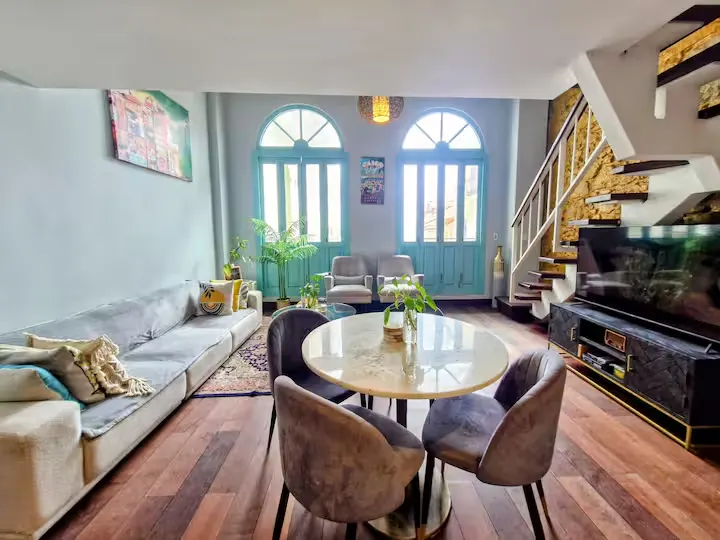
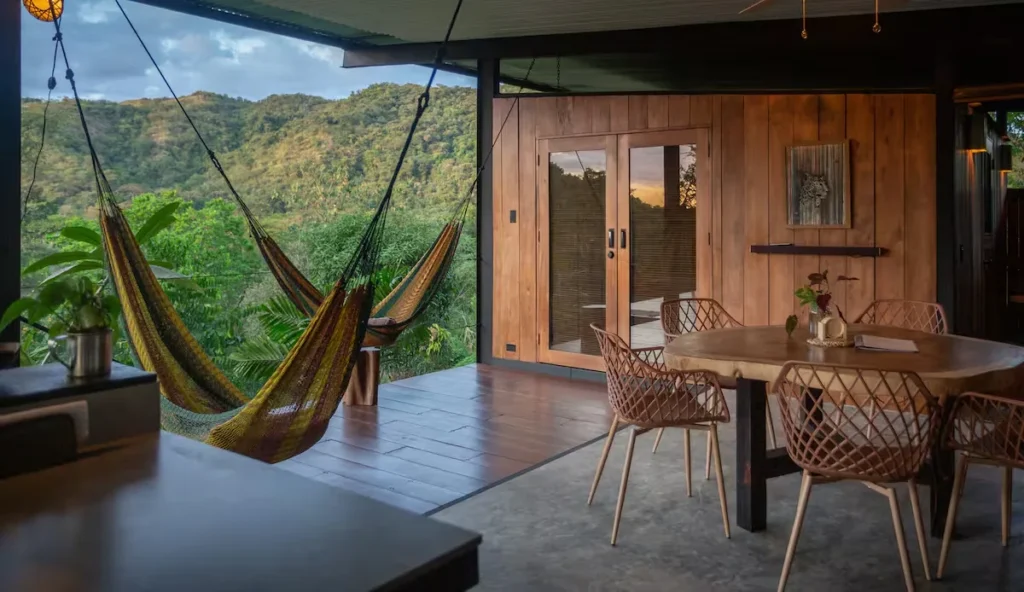
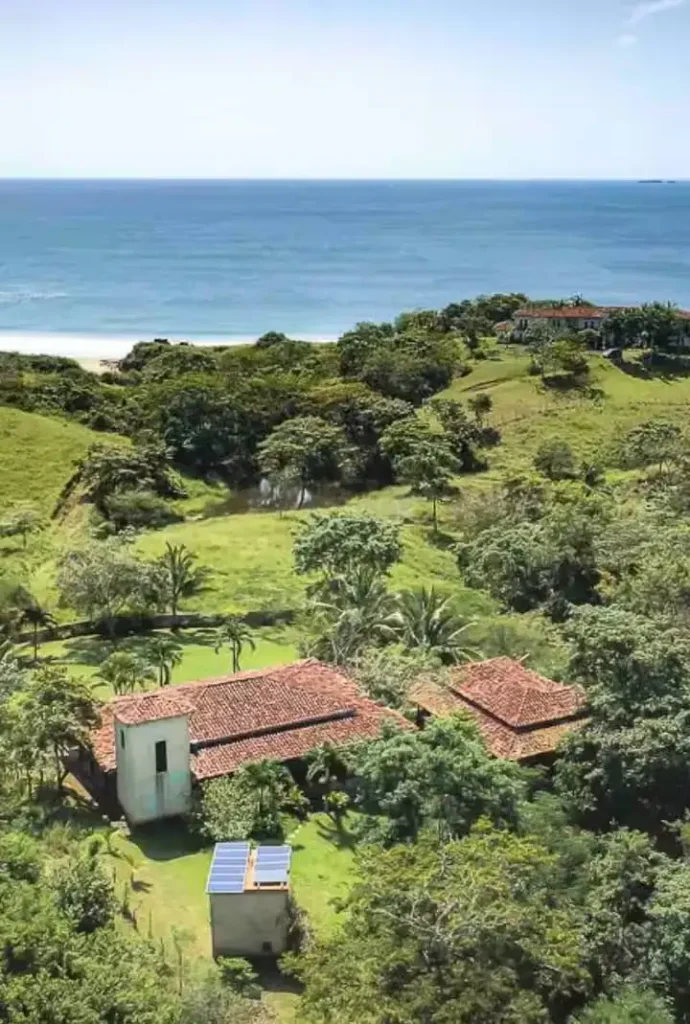
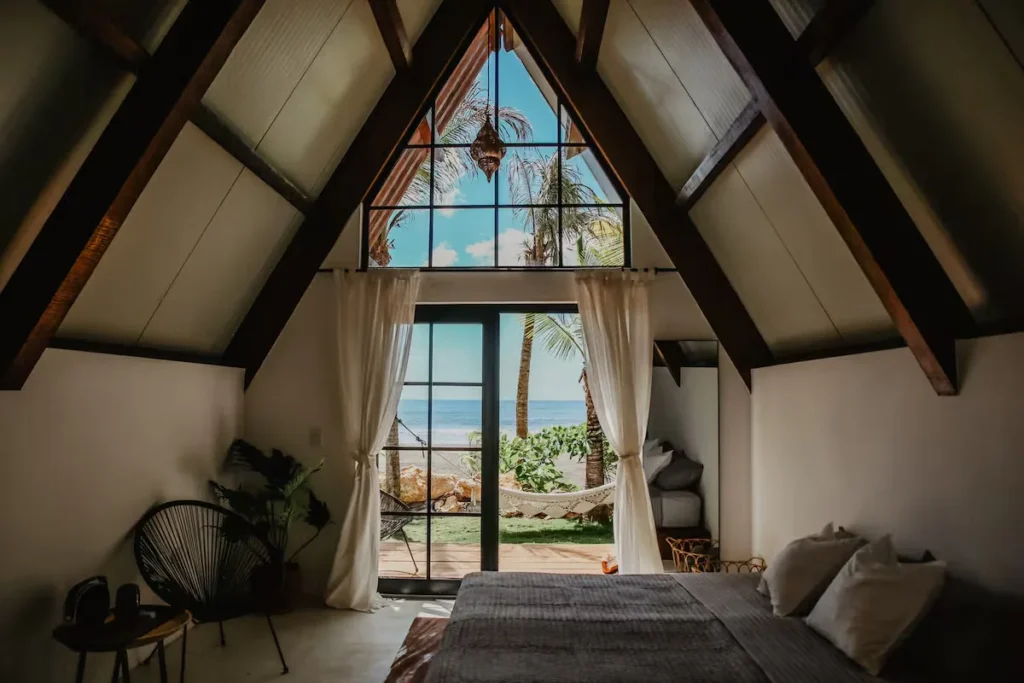
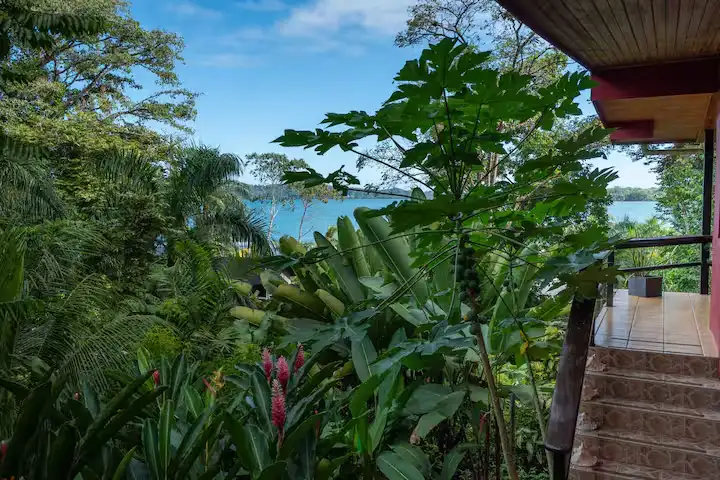
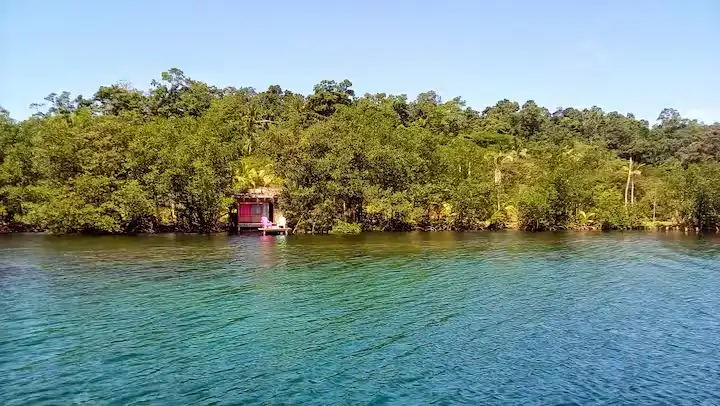
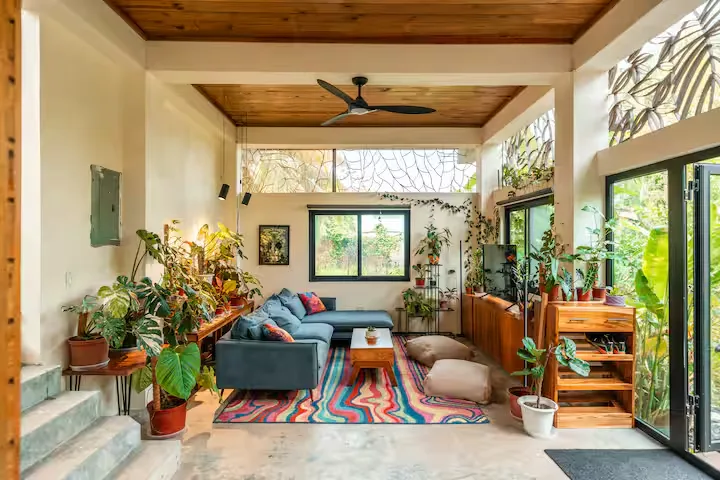
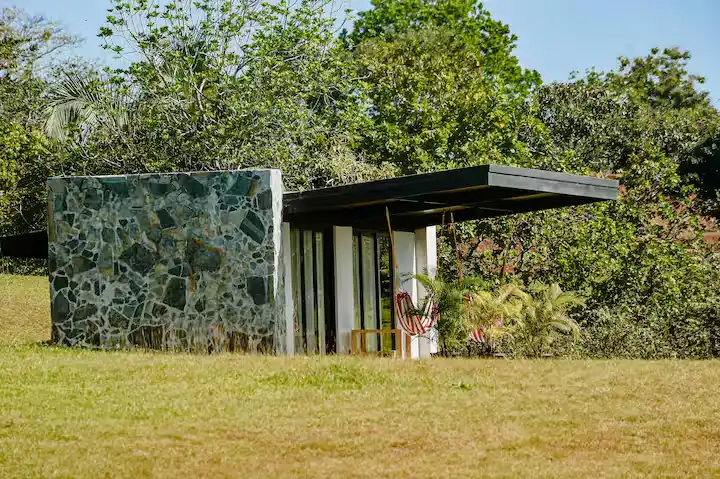
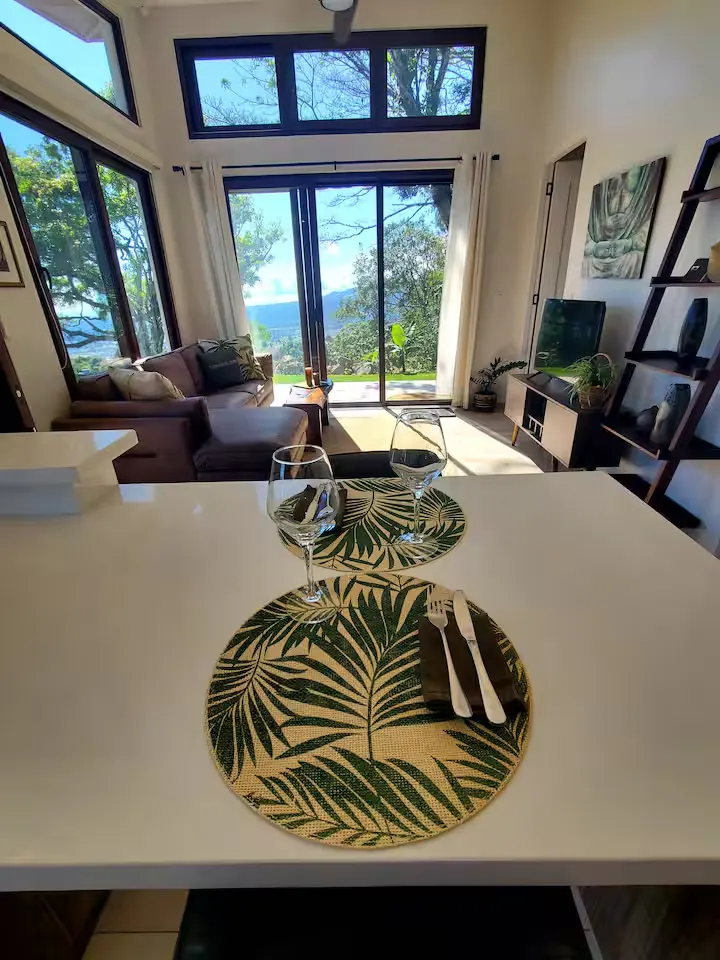
Find below our curated selection of boutique hotels and design apartments that offer exceptional value, atmosphere, and comfort during the off‑season — often at significantly lower rates than peak months.
Uncrowded Experiences & Tours
Skip the lines and experience iconic landmarks at your own pace. Discover curated local tours and cultural activities designed to show you the authentic side of the destination without the peak-season rush.
FAQs
Essential Trip Information
Visa and Entry Requirements
Many nationalities (including U.S., Canada, EU, UK, Australia) receive a 90-day tourist stamp on arrival.
Passports must be valid for at least 3 months beyond your stay.
Immigration may ask for proof of onward travel, accommodation, and US$500+ in funds.
Tourist cards (US$20–100) may apply depending on nationality.
Currency
Panama uses the U.S. Dollar (US$) and the Panamanian Balboa (PAB), which is pegged 1:1 to USD.
Best Ways to Handle Currency:
- Before Your Trip: Exchange a small amount; ATMs offer better rates.
- During Your Trip: Use ATMs (Banco General, Scotiabank). Credit cards (Visa/Mastercard) are widely accepted, but carry US$20–50 cash for rural areas.
- What to Avoid: Dynamic currency conversion (choose USD) and street money changers.
Language
Spanish is official; English is spoken in tourist areas.
Helpful phrases: “Buenos días,” “¿Cuánto cuesta?” (“Good morning,” “How much?”)
Safety & Security
Generally safe, but watch for pickpockets in crowded areas (Albrook Bus Terminal, Casco Viejo).
Avoid walking alone at night in certain Panama City neighborhoods (e.g., El Chorrillo).
Emergency number: 911.
Health & Insurance
Recommended vaccines: Hepatitis A, Typhoid (check CDC guidelines).
Malaria/Dengue risk in rural areas (use repellent).
Tap water is safe in cities; stick to bottled water in remote regions.
Pharmacies (Farmacias Arrocha, Metro) are widely available.
Transportation
Buses: Cheap but slow; long-distance (e.g., Panama City to David: US$15–25).
Metro (Panama City): US$0.35–1.50/ride.
Taxis/Uber: Uber is cheaper than cabs (negotiate taxi fares upfront).
Domestic flights: Air Panama & Copa connect major destinations.
Car rentals: US$30–60/day (highway tolls apply).
Price Level
Panama City is moderately priced; Bocas del Toro and tourist hubs can be pricier.
Accommodation:
Budget: Hostels (US$15–30), budget hotels (US$40–80/night)
Mid-range: 3-star hotels (US$90–150/night)
Luxury: 5-star resorts (US$200+/night)
Food:
Quick eats: Street food (US$2–5), local cafeˊs (US$5–10)
Casual dining: US$12–25/person
Fine dining: US$40+/person
Drinks:
Beer: US$1–3 (stores), US$3–5 (bars)
Cocktails: US$6–12
Transportation:
City buses: US$0.25–1.50
Taxis: US$3–10 (short trips); Uber (cheaper in Panama City)
Domestic flights: US$50–150 (e.g., Panama City to Bocas)
Money-Saving Tips:
Eat at local fondas (cheap Panamanian meals).
Take public buses (Metrobus) in Panama City.
Visit free attractions (Casco Viejo, Amador Causeway).
Planning Your Trip
Local Customs And Etiquette
Greetings: A handshake or light hug is common. Say “Buenas” (hello).
Dress Code: Casual but modest in rural areas. Resort wear is fine at beaches.
Tipping:
- Restaurants: 10% is customary (check if service charge is included).
- Taxis: Round up the fare.
Bargaining: Acceptable in markets (e.g., Mola textiles), not in stores.
Budgeting For Your Trip
Accommodation: Hostels (US$10–25),hotels (US$50–150), luxury (US$200+).
Food: Street food (US$2–5), casual meal (US$8–15), fine dining (US$30+).
Transport: City buses (US$0.25–1.50), Uber(US$3–10), domestic flights (US$50–150).
Activities: Free (beaches, hiking), tours (US$20–100), San Blas trips (US$100+).
Daily Budget:
Budget: US$30–50 (hostels, street food, buses).
Mid-range: US$80–150 (hotels, tours, meals).
Luxury: US$200+ (resorts, private guides).
Internet & Mobile
Free Wi-Fi: Available in cafes, malls, and hotels.
SIM Cards:
- Digicel/Movistar (US$5–10 for 1–5GB).
eSIMs: Supported (Airalo, Holafly).
Travel Insurance
Recommended for: Medical emergencies, trip cancellations (common in rainy season).
Adventure coverage: Needed for hiking, surfing, or jungle tours.
Healthcare: Private clinics are affordable but insurance is wise.
Tip: Check if your policy covers remote areas (e.g., San Blas, Darien).
Accomodation Options
From luxury high-rises to jungle eco-lodges, Panama caters to all budgets.
Luxury:
- Waldorf Astoria (Panama City), Nayara Bocas del Toro (overwater bungalows).
Mid-Range:
- Tantalo Hotel (Panama City), Selina Hostels (Bocas, Boquete).
Budget:
- Hostels (US$10–25/night), guesthouses(US$30–60).
Unique Stays:
- Treehouse lodges (Gamboa), eco-resorts (Isla Palenque).
Tip: In San Blas, options are basic (no electricity in some cabins)—pack accordingly.
Getting Around
Panama’s transport varies from modern city transit to rustic island boats.
Metro & Buses (Panama City):
- Metro de Panamá (Line 1 & 2) – Cheap (US$0.35–0.75), connects major areas.
- Metrobús (US$0.25–1.50) – Requires a reloadable card (sold at stations).
Taxis & Rideshares:
- Uber is affordable (US$3–10 for short trips).
- Yellow taxis – Negotiate fares beforehand (no meters).
Domestic Flights:
- Air Panama & Copa Airlines connect to Bocas del Toro, David, and San Blas (US$50–150 one-way).
Boats & Ferries:
- Essential for islands (Bocas del Toro, San Blas, Pearl Islands).
Car Rentals:
- Useful for road trips (e.g., Panama City → Boquete). Avoid driving in the city (chaotic traffic).
Tip: For San Blas, book a 4×4 transfer (rough roads) and confirm boat schedules in advance.