 Skip to content
- Why Should I Visit Nicaragua During The Off-Season?
Because you will have volcano boarding and colonial cities nearly to yourself. Traveling from May to October lets you "Exploit Travel Seasonality" to find Leon's cathedral towers with no queues, Granada's colorful streets blissfully quiet, and surf breaks on the Pacific coast shared with only a handful of locals instead of international lineups. Your travel budget stretches dramatically further here than in neighboring Costa Rica.
While this period aligns with the rainy season, the value proposition is enormous. Hotel prices in colonial Granada and beach towns like San Juan del Sur drop by 35% to 50%, and private volcano guides charge half their high-season rates. For adventurous souls who don't mind afternoon showers, Nicaragua offers the best bang-for-buck in all of Central America.
- What Is The Weather Really Like In Nicaragua During Low Season?
It varies by region, giving you options to chase better conditions. The rainy season runs from May through October. The Pacific coast (including Leon, Granada, and San Juan del Sur) sees sunny mornings followed by predictable afternoon showers that usually clear by evening. Temperatures stay warm at 28°C to 32°C (82°F to 90°F).
The Caribbean coast is significantly wetter year-round and sees heavy rain during these months, which is why most travelers focus on the Pacific side. The northern highlands around Matagalpa and Estelí are cooler and see less rain, making them perfect for coffee farm tours during off-season. September and October are the wettest months but also the quietest for tourism.
- Is Volcano Boarding On Cerro Negro Still Possible In The Rain?
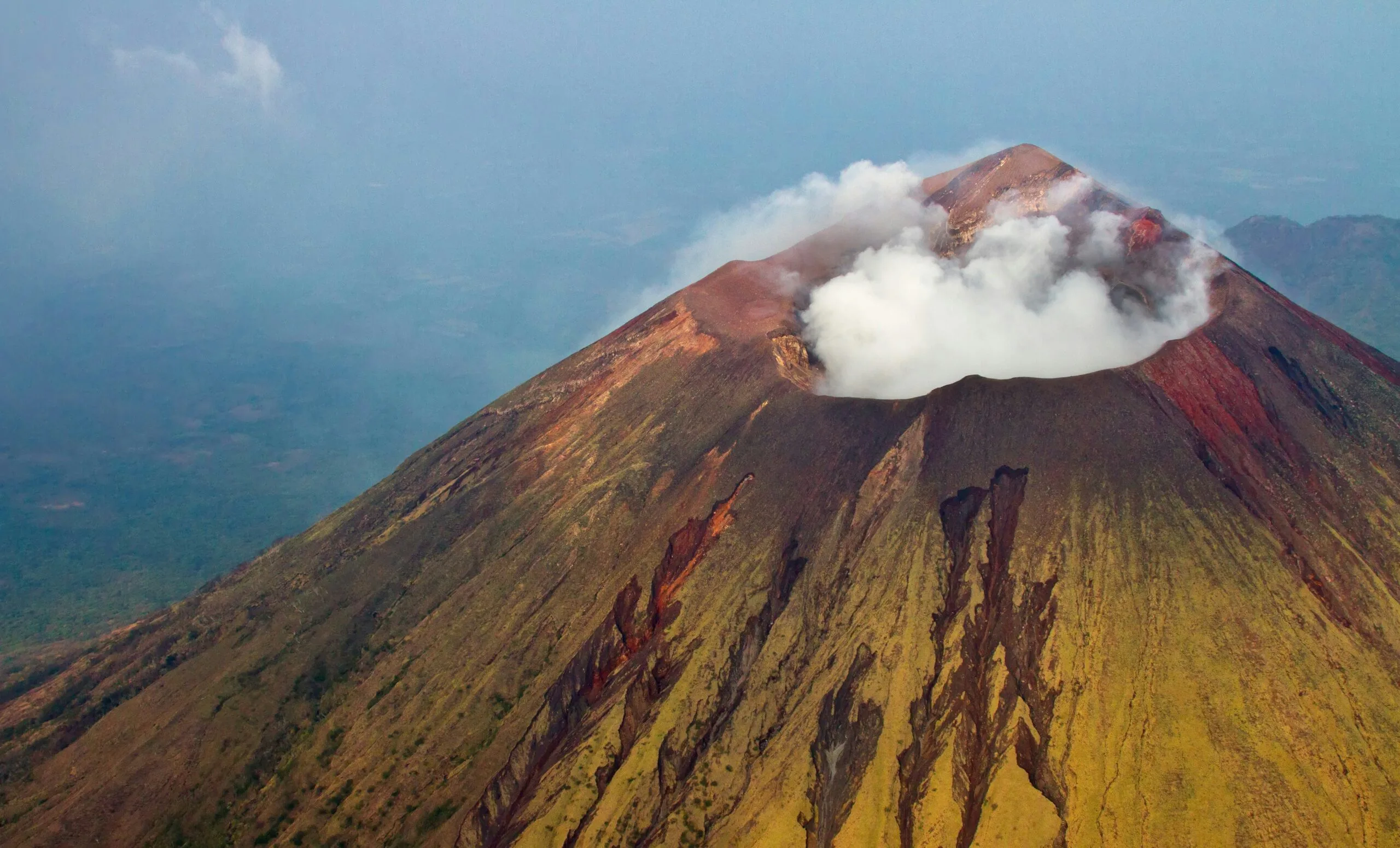
Yes, and the wet ash actually makes for a slightly smoother ride. Cerro Negro, the young active volcano near Leon where volcano boarding was invented, remains accessible year-round. The rainy season means the black volcanic ash is damp rather than bone-dry, which reduces the dust clouds that can choke you during dry season descents. Tours run daily unless there is an active weather alert.
The main adjustment is that you should book a morning tour before the typical afternoon rain arrives. The views from the summit are actually more dramatic with clouds swirling around neighboring volcanoes, and you will likely share the mountain with only one or two other groups instead of dozens. Bring a change of clothes and a towel because you will get damp and dirty either way.
- Are The Colonial Cities Of Granada And Leon Still Worth Visiting During Rainy Season?
Absolutely, the rain adds a romantic, old-world charm to these Spanish colonial gems. Walking Granada's cobblestone streets when the rain washes over the colorful facades and cathedral domes is magical. The covered sidewalks (portales) around the central parks were designed precisely for afternoon showers, letting you explore boutique shops, cafes, and museums without getting wet. The famous yellow cathedral of Leon looks dramatic against stormy skies.
Morning hours remain reliably sunny for horse-drawn carriage rides, rooftop restaurant lunches, and boat tours of Granada's isletas (small islands in Lake Nicaragua). The afternoon showers are the perfect excuse for a siesta, a craft rum tasting, or a visit to the chocolate museum. Fewer tourists mean hotel staff have more time to share local recommendations and stories.
- How Does Off-Season Travel Enhance Surfing And Beach Experiences In Nicaragua?
Off-season is actually the best time for consistent Pacific swell. The rainy season months of May through October bring reliable south and southwest swells that produce some of Nicaragua's best waves. Popoyo, Playa Maderas, and the famous boom town of San Juan del Sur see fewer surfers in the water despite better wave conditions than the dry season.
The afternoon showers rarely affect morning or late afternoon surf sessions, and the warmer water means you can surf in just board shorts without a wetsuit. The only downside is that some remote beach access roads can get muddy, but the main surf breaks remain easily reachable. For beginner surfers, the smaller crowds mean more individualized attention from surf instructors. By traveling during the slow months, you support local surf shops and guesthouses when they need business most. For more nature-focused travel inspiration, visit our Wildlife & Nature Theme Page.

Home > Exploit The Seasons > Seasonal World Map > Central America And The Caribbean > Nicaragua
NICARAGUA
Barbados keeps a different rhythm off-season, where rum punches flow freely without the peak-season crowds. Discover how to trade the winter rush for authentic Bajan moments, lower price tags, and an island that feels all your own.
Smart Travel Calendar
Why Choose Nicaragua Off-Season?
Prices drop as the crowds thin. Save 30-50% on villas and resorts compared to winter rates .
Your own stretch of sand awaits. Famous beaches like Crane Beach feel almost private .
The rum tastes better without the rush. Chat longer with locals and hear their real stories .
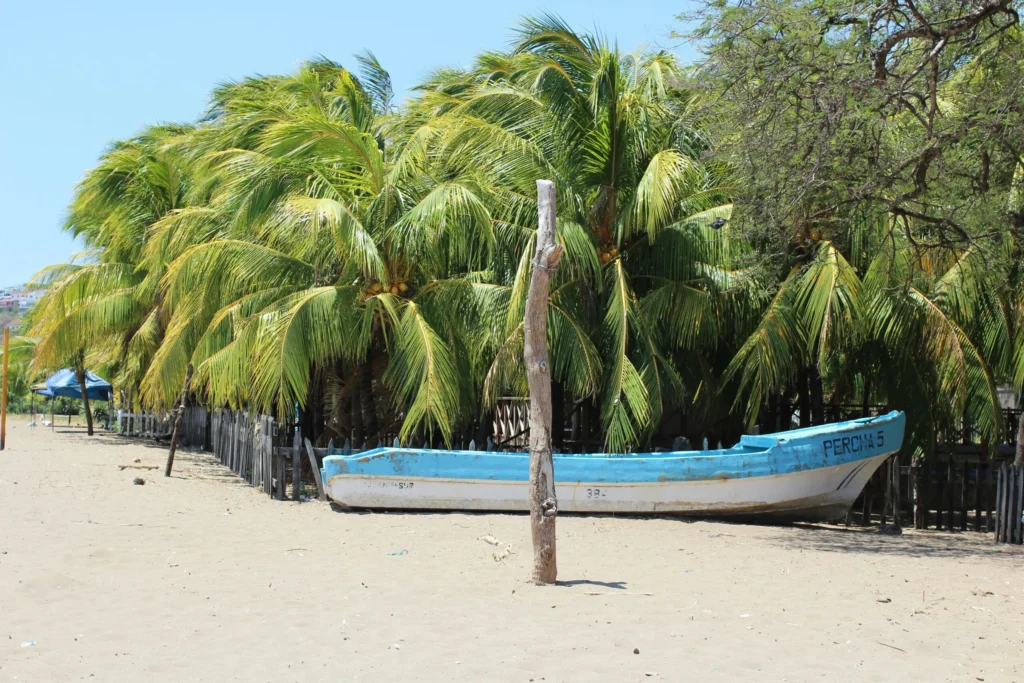
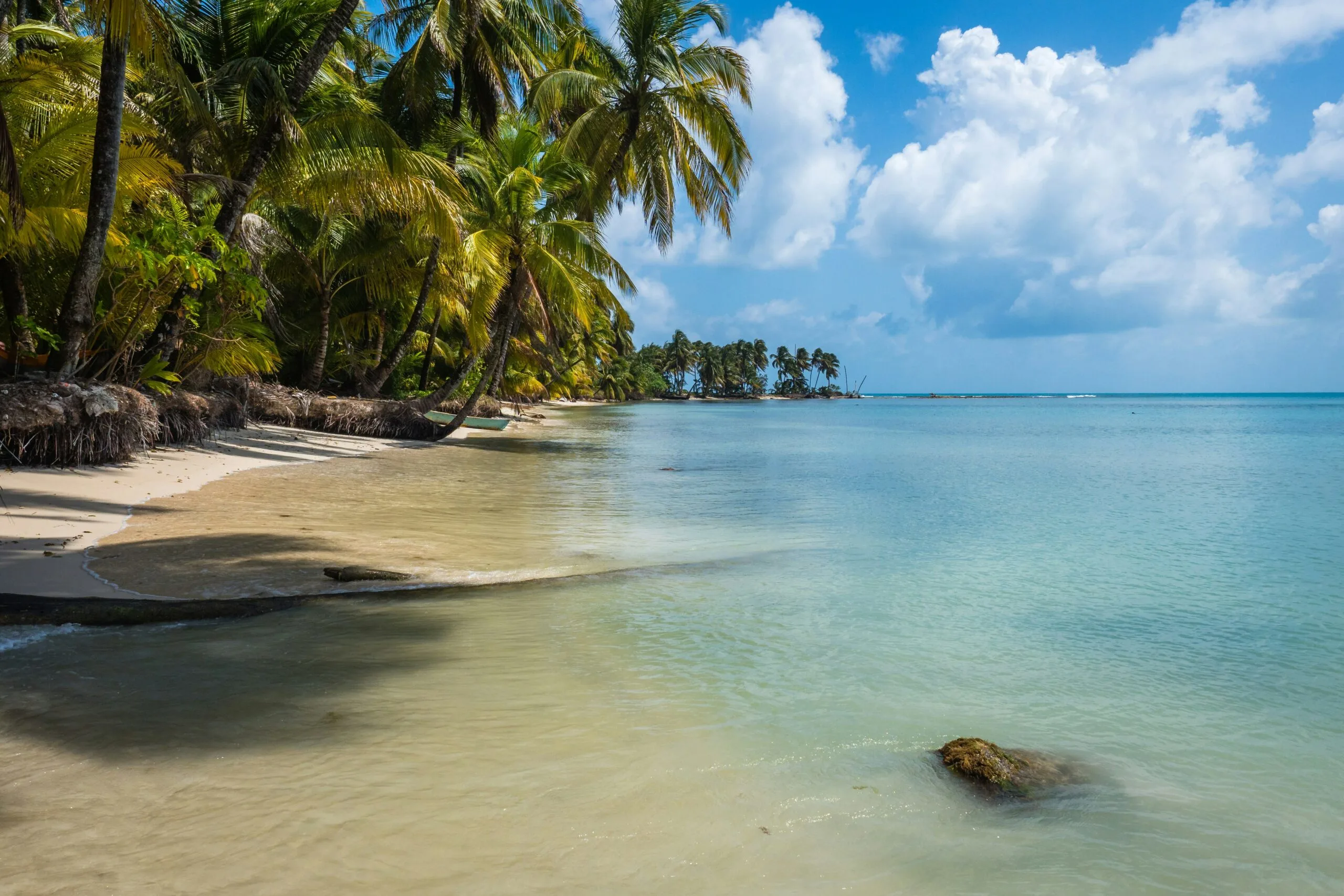
Lush, dramatically beautiful landscapes. Rain turns dry hills into emerald jungles with roaring waterfalls.
Better surf lineups with locals only. Playa Maderas and Popoyo feel like private breaks.
No queuing for Granada’s cathedral towers. Climb colonial bell towers in peaceful solitude.
Shoulder Season
Your Smartest Windows
May to June
November to mid-December
Avoid: Semana Santa (Holy Week – the week before Easter Sunday, usually March or April). This is peak domestic travel when Nicaraguans fill buses, beaches, and hotels, and prices double.
What the Sky Does
Typical shoulder weather: 28–32°C (82–90°F).
May and June bring afternoon tropical showers that clear by sunset.
November sees lingering Caribbean moisture but fewer Pacific downpours.
Expect high humidity (70-80%) but consistent trade winds cool coastal areas.
How Empty It Feels
40-50% fewer tourists vs peak season (December & Holy Week).
Granada’s callejonitas feel almost abandoned in the afternoons.
San Juan del Sur beach clubs have lounge chairs waiting without reservations.
Laguna de Apoyo’s floating docks are often yours alone until 11 AM.
What You’ll Save
30-50% on hotels and domestic flights. Many hotels offer “green season” discounts.
Car rentals drop nearly 40% compared to December rates.
Volcano boarding tours often run with just 2-3 people instead of 15.
Dinner at Granada’s rooftop restaurants: table service feels VIP, no wait.
The Secret Perk
Turtle nesting season kicks off in June. Watch olive ridleys lay eggs on Chacocente Beach.
Mombacho Cloud Forest explodes with orchids. Over 100 species bloom in May-June.
Coffee harvest aromas linger in Matagalpa. Local mills offer impromptu tastings without tours.
Photography gold: dramatic cumulus clouds over Ometepe’s volcanoes at golden hour.
The Tiny Trade-Off
Gusty winds can cancel boat trips to Corn Islands in November.
Some remote jungle lodges reduce housekeeping to every other day.
Ometepe’s muddy roads require 4×4 vehicles (rental costs may rise).
Pacific sunsets occasionally obscured by early rain clouds.
Smart Traveler Tip
Travel in late November for the driest shoulder conditions before peak prices kick in. Book Granada for weekends (local markets active) and Pacific beaches for weekdays. Avoid León in early May (students celebrate exams with loud parties).
Deep Off-Season
Your Smartest Windows
September to October
Avoid: December 20 – January 5 (Christmas & New Year’s) and Semana Santa (March/April), when national tourism peaks and prices skyrocket.
What the Sky Does
Deep off-season weather: 26–30°C (79–86°F) with daily afternoon rains.
September is the wettest month nationally; October sees slightly fewer downpours.
Caribbean coast gets more rain than the Pacific, but mornings can be sunny.
Humidity hits 85% – expect quick tropical showers lasting 1-2 hours.
How Empty It Feels
70-80% fewer international tourists vs peak December season.
León Cathedral’s rooftop tour feels like a private guided experience.
Masaya Volcano’s lava crater viewing platform has no crowd jostling for photos.
Small villages like San Juan de Oriente (pottery) have zero other visitors.
What You’ll Save
Up to 60% off peak season prices for hotels and activities.
Flights from the US or Europe often drop to their lowest annual rates.
Granada’s boutique hotels slash rates to $40-60 USD per night (normally $100+).
Private shuttles to Corn Islands are negotiable at half the published rate.
The Secret Perk
Thermal hot springs at Laguna de Apoyo feel magical in warm rain.
Indoor chocolate workshops in Granada run daily, and you’ll be the only participant.
Local milk farmers’ markets (ferias) in Matagalpa offer cheese and crema at rural prices.
Learn to roll cigars in Estelí with patient artisans who have nowhere to rush.
The Tiny Trade-Off
Boat tours to Isletas de Granada may cancel in heavy afternoon storms.
San Juan del Sur’s nightlife shrinks to just 2-3 open bars (mostly locals).
Some cloud forest trails close due to mudslides or slippery conditions.
Daylight shortens to about 11.5 hours (sunset near 5:30 PM).
Smart Traveler Tip
Visit in early October for the driest deep-off-season window. Pack a lightweight poncho, quick-dry clothes, and waterproof boots. Stick to the Pacific side (León, Granada, San Juan del Sur) where rains are less persistent than the Caribbean coast.
Find Off-Peak Flights
Top Off‑Season Stays
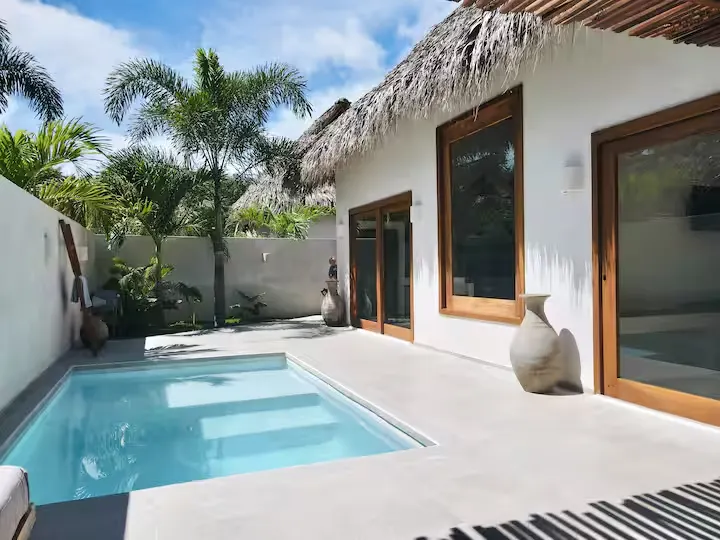
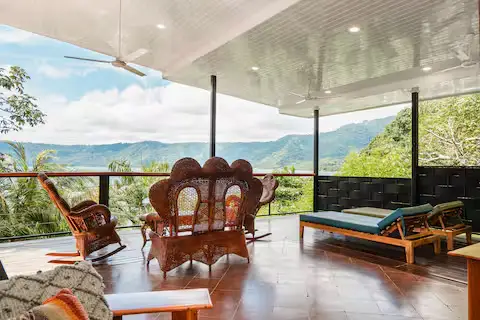
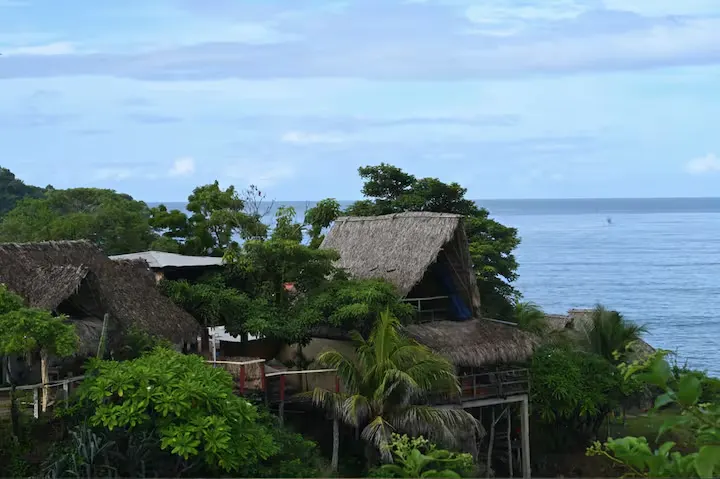
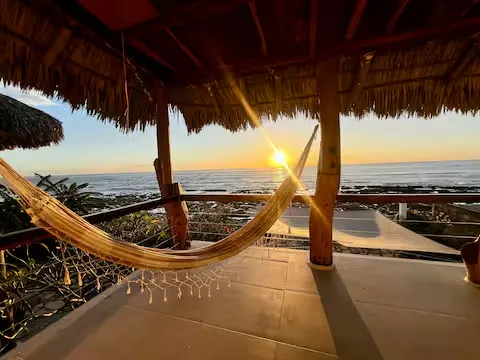
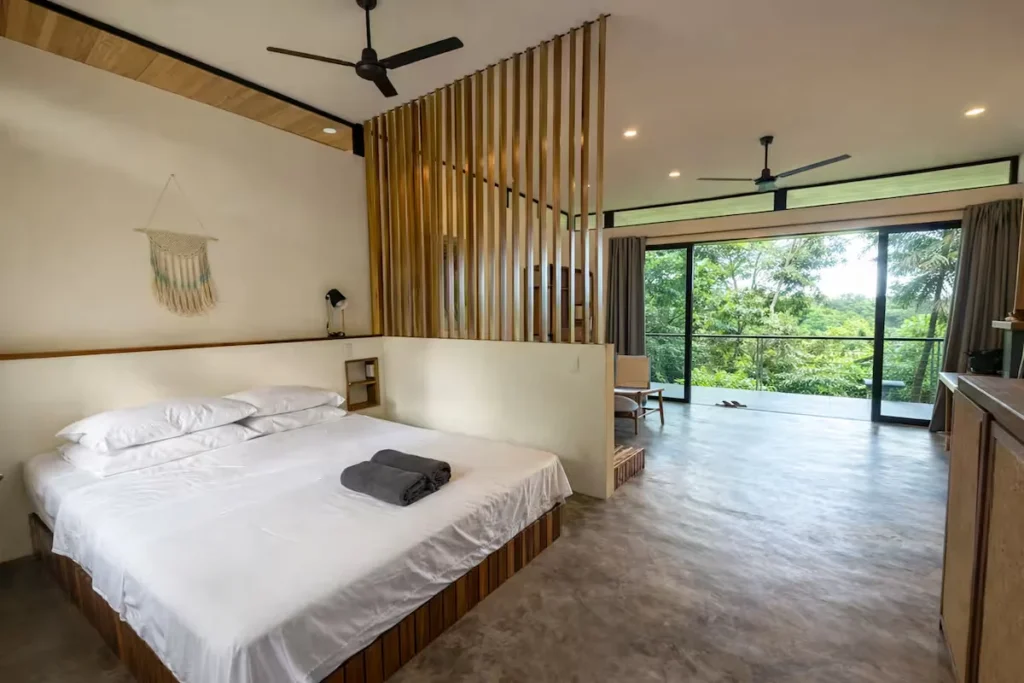
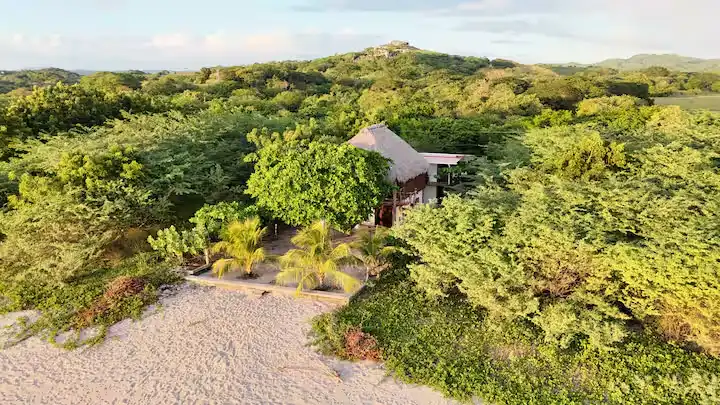
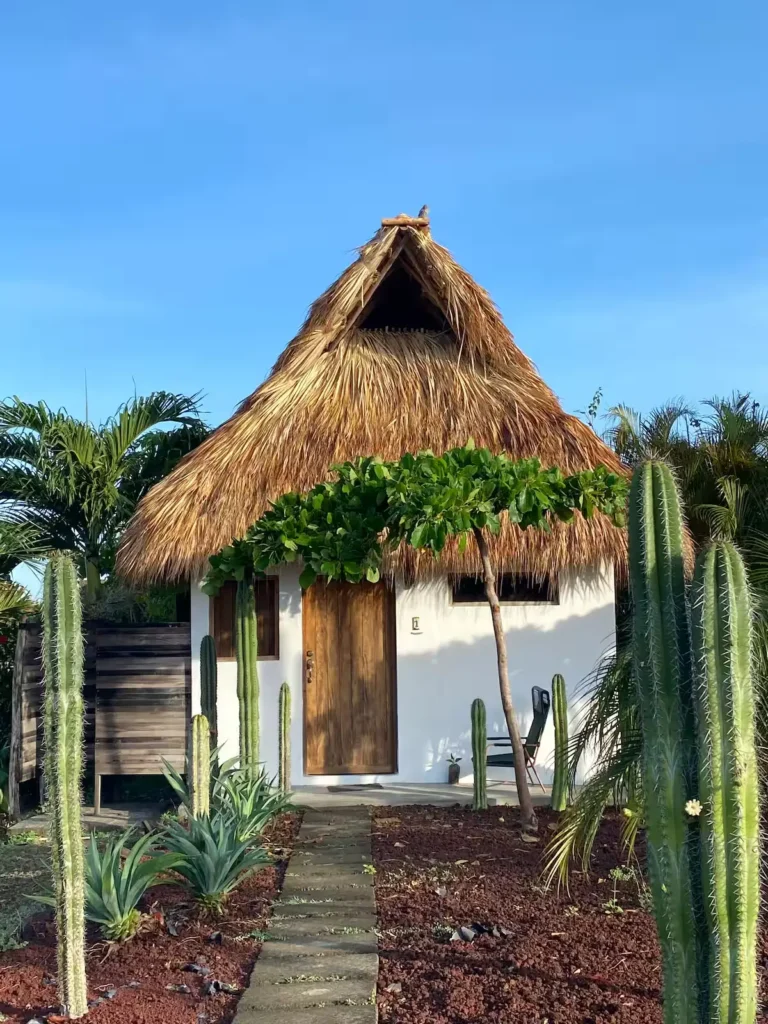
Find below our curated selection of boutique hotels and design apartments that offer exceptional value, atmosphere, and comfort during the off‑season — often at significantly lower rates than peak months.
Uncrowded Experiences & Tours
Skip the lines and experience iconic landmarks at your own pace. Discover curated local tours and cultural activities designed to show you the authentic side of the destination without the peak-season rush.
FAQs
Essential Trip Information
Visa and Entry Requirements
Requirements vary by nationality. Check official visa information via Nicaragua’s immigration portal or your government’s travel advisory website.
Many visitors (e.g., EU, UK, USA, Canada, Australia) can enter visa-free for up to 90 days.
Tourist card required upon arrival (approx. US$10, payable in cash).
Passports must be valid for at least 6 months beyond your stay.
You may be asked to show proof of onward travel and sufficient funds.
Currency
Nicaragua uses the Nicaraguan Córdoba (NIO), but US Dollars (US$) are widely accepted.
Best Ways to Handle Currency
Before Your Trip: Exchange some US$ for Córdoba at local banks.
During Your Trip: Use ATMs in larger towns (BAC, Banpro). Credit cards accepted in mid-to-high-end establishments.
What to Avoid: Street money changers and paying in US$ where Córdoba prices are more favorable.
Language
Spanish is the official language.
English is spoken on the Caribbean coast and in tourist hubs.
Helpful Phrases
“¿Dónde está…?” (Where is…?)
“Gracias” (Thank you)
“¿Cuánto cuesta?” (How much does it cost?)
Safety and Security
Nicaragua is generally safe for travelers, especially in rural and tourist areas.
Use caution in Managua at night, and avoid isolated areas.
Watch for pickpocketing in crowded markets or buses.
Emergency number: 118 (police), 128 (ambulance)
Health & Insurance
No mandatory vaccinations, but typhoid and hepatitis A are recommended.
Tap water is not safe—always drink bottled or filtered water.
Travel insurance is strongly advised.
Pharmacies are common in towns.
Transportation
Local Buses: Very cheap, but cramped and slow.
Inter-city Shuttles: Reliable and efficient (e.g., from León to Granada).
Taxis: Affordable, but agree on a fare beforehand.
Car Rentals: Available, but roads can be rough—4WD recommended for rural areas.
Price Level
Nicaragua is budget-friendly, especially compared to neighboring Costa Rica.
Accommodation
Budget: Hostels or guesthouses (US$10–25/night)
Mid-range: Boutique hotels (US$40–80/night)
Luxury: High-end resorts or eco-lodges (US$120+/night)
Food
Street food/markets: US$2–5
Local restaurants: US$6–15/person
Fine dining: US$25+/person
Drinks
Beer (Toña or Victoria): US$1–2
Cocktails: US$3–7
Transportation
Local buses (“chicken buses”): US$0.25–1
Shuttle services between cities: US$10–25
Taxis: US$1–5 within towns
Money-Saving Tips
Eat at comedor-style local restaurants.
Use public transport or shared shuttles between major towns.
Choose eco-lodges or family-run hostels for affordable stays with charm.
Planning Your Trip
Local Customs And Etiquette
Greetings: A handshake or light cheek kiss (among women) is common.
Haggling: Acceptable in markets, but keep it friendly.
Tipping:
- Restaurants: 10% is customary (check if service is included).
- Tour guides: US$5–10/day for good service.
Dress Code:
- Conservative in rural areas (avoid short shorts/tank tops).
- Beachwear is fine in tourist zones.
Respect Nature: Don’t litter—Nicaragua takes eco-tourism seriously.
Budgeting For Your Trip
Accommodation:
- Hostels (US$10–30), hotels (US$40–120), luxury stays (US$200+).
Food:
- Street eats or comedores (US$2–6), restaurant meals (US$10–20), fine dining (US$40+).
Transport:
- Chicken bus (US$1–5), shuttles (US$10–25), taxi (US$1–10 local).
Activities:
- Volcano boarding (US$25), guided hikes (US$15–40), surf lessons (US$20–35).
- Museums and churches often free or < US$3.
Daily Budget:
Budget: US$40–70 (hostel, local food, public transit).
Mid-range: US$100–180 (hotel, excursions, private shuttles).
Luxury: US$250+ (boutique stays, private guides, upscale dining).
Internet & Mobile
Wi-Fi: Available in most hotels, cafes, and restaurants—speed varies.
SIM Cards: Claro and Tigo offer prepaid SIMs (US$5–10) with data plans (US$1/GB approx).
eSIMs: Available via Airalo or Nomad for short-term travelers.
Travel Insurance
Recommended for: Emergency healthcare, theft, and trip cancellations—especially during rainy season.
Medical Care: Private clinics in Managua are decent; rural areas have limited access.
Adventure Travel: Confirm coverage for volcano hiking, surfing, or scuba diving.
Accomodation Options
Budget:
- Hostels (US$8–15/bed) in León, Granada, and San Juan del Sur.
- Guesthouses (US$20–40/room) with local charm.
Mid-Range:
- Boutique hotels (US$50–100/night) in colonial cities.
- Beachfront cabañas (US$60–120) in Playa Maderas or Little Corn Island.
Luxury:
- Eco-resorts (US$150–300+) like Mukul or Jicaro Island Lodge.
Unique Stays:
- Treehouses (e.g., Morgan’s Rock) or volcano-side lodges (e.g., Quetzaltrekkers).
Tip: Book ahead in dry season—especially for beach towns and Ometepe.
Getting Around
Buses:
- Cheapest option (US$1–5 for intercity routes).
- Chicken buses (colorful old school buses) are slow but authentic.
- Express shuttles (US$10–25) connect tourist hubs (e.g., Granada to León).
Taxis:
- Negotiate fares before riding (US$2–5 for short trips in cities).
- Official taxis (red plates) are safer than unofficial ones.
Car Rentals:
- Only recommended for experienced drivers (US$30–50/day).
- Roads can be rough; 4×4 needed for remote areas like Ometepe.
Domestic Flights:
- Limited routes (e.g., Managua to Corn Islands, ~US$150 round-trip).
Biking:
- Popular in cities like Granada and San Juan del Sur (rentals ~US$5–10/day).
Tip: Shuttles are the best balance of comfort and affordability for tourists.