 Skip to content
- Why Should I Visit Guatemala During The Off-Season?
Because you will have ancient Maya cities almost entirely to yourself. Traveling from May to October lets you "Exploit Travel Seasonality" to find the mighty pyramids of Tikal emerging from the jungle with only howler monkeys for company instead of hundreds of tourists. The colorful highland markets of Chichicastenango feel authentic and local rather than staged for crowds.
While this period aligns with the rainy season, the trade-off is spectacular value. Hotel rates around Lake Atitlán and in the colonial city of Antigua drop by 30% to 50%, and tour operators are happy to negotiate private volcano hikes. For adventurous travelers who don't mind afternoon showers, this is the smartest way to experience Guatemala's raw beauty.
- What Is The Weather Really Like In Guatemala During Low Season?
It varies dramatically between the highlands and the lowlands, which works in your favor. The rainy season runs from May through October, but Guatemala's diverse geography means you can chase good weather. The highlands around Antigua and Lake Atitlán see cooler temperatures around 18°C to 24°C (64°F to 75°F) with morning sunshine and afternoon showers that clear by evening.
The lowlands of Petén (home to Tikal) and the Caribbean coast are hotter and wetter, but the rain transforms the jungle into an impossibly green paradise. The key is planning your mornings for outdoor activities and afternoons for museum visits, coffee tastings, or relaxing in a cozy lodge. September and October are the wettest months but also the quietest for tourism.
- Will The Rain Ruin My Visit To Tikal And Other Maya Ruins?
No, the rain actually enhances the mystical jungle atmosphere of these ancient sites. Walking through Tikal during the green season means the jungle is at its most vibrant, with mist rising from the canopy and wildlife everywhere. The famous Temple IV sunrise view is even more dramatic when clouds drift through the treetops, and you will likely have the entire complex to yourself in the early morning.
The paths can get muddy, so sturdy waterproof shoes are essential, but most tours operate normally. The only site that occasionally faces access issues is El Mirador, which requires a multi-day hike on unpaved trails. For the major ruins like Tikal, Yaxhá, and Iximché, the experience is actually more magical with fewer crowds and lush surroundings.
- Is Lake Atitlán Still Worth Visiting During The Rainy Season?
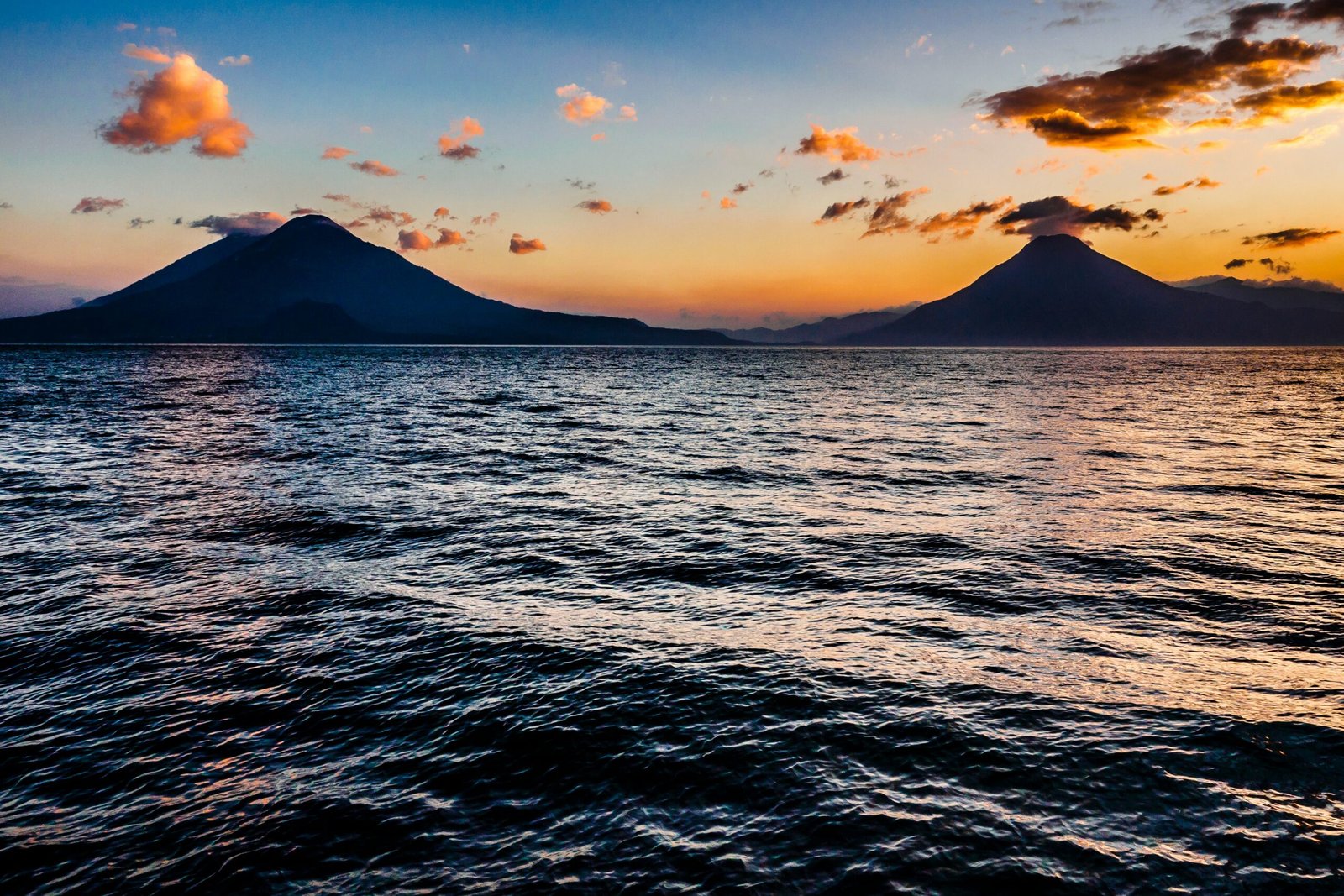
Absolutely, the lake is arguably more stunning when the surrounding volcanoes are draped in clouds. The rainy season brings dramatic light shows across the water, with sunshine breaking through clouds to illuminate the three volcanoes in ways you won't see during the dry season. The Mayan villages around the lake like San Marcos, San Pedro, and Santiago are quieter, letting you actually connect with local artisans and healers.
The afternoon showers typically arrive around 2 PM to 5 PM, which is the perfect time to duck into a lakefront café, take a Spanish lesson, or enjoy a traditional Maya chocolate ceremony. Mornings remain reliably sunny for kayaking, hiking, or taking the public boats between villages. Pack layers and a light rain jacket, and you will fall in love with the lake's moody, romantic atmosphere.
- How Does Off-Season Travel Help Me Experience Authentic Guatemalan Culture?
Off-season travel is actually the best way to connect with living Maya traditions. When the tourist crowds thin out, the famous market in Chichicastenango (held Thursdays and Sundays) becomes a local affair rather than a souvenir hunt. You will hear more K'iche' Maya spoken than English or Spanish, and vendors have time to explain the meaning behind their textiles and ceremonial masks.
You can also witness traditional religious celebrations that mix Catholic and Maya beliefs, like the colorful dances of Santa Cruz del Quiché or the flower festivals in San Francisco El Alto. Families invite travelers into their homes for meal experiences more often when they aren't overwhelmed by peak season demand. By traveling during the slow months, you support local communities when tourism income is hardest to come by.

Home > Exploit The Seasons > Seasonal World Map > Central America And The Caribbean > Guatemala
GUATEMALA
Guatemala doesn’t just have seasons, it has moods—from the eternal spring of the highlands to the rainy rhythm of the jungle. Discover when to explore ancient Maya ruins, vibrant markets, and colonial charm with fewer crowds and genuine connection.
Smart Travel Calendar
Why Choose Guatemala Off-Season?
Rainy season transforms the landscape. Lush, emerald green hills and dramatic, brief afternoon showers that clear for golden sunsets.
Fewer travelers means deeper connection. Have Tikal’s temples and Lake Atitlán’s shores almost entirely to yourself.
Volcanoes put on a clearer show. Less atmospheric haze means sharper views of Fuego’s eruptions and Acatenango’s silhouette.
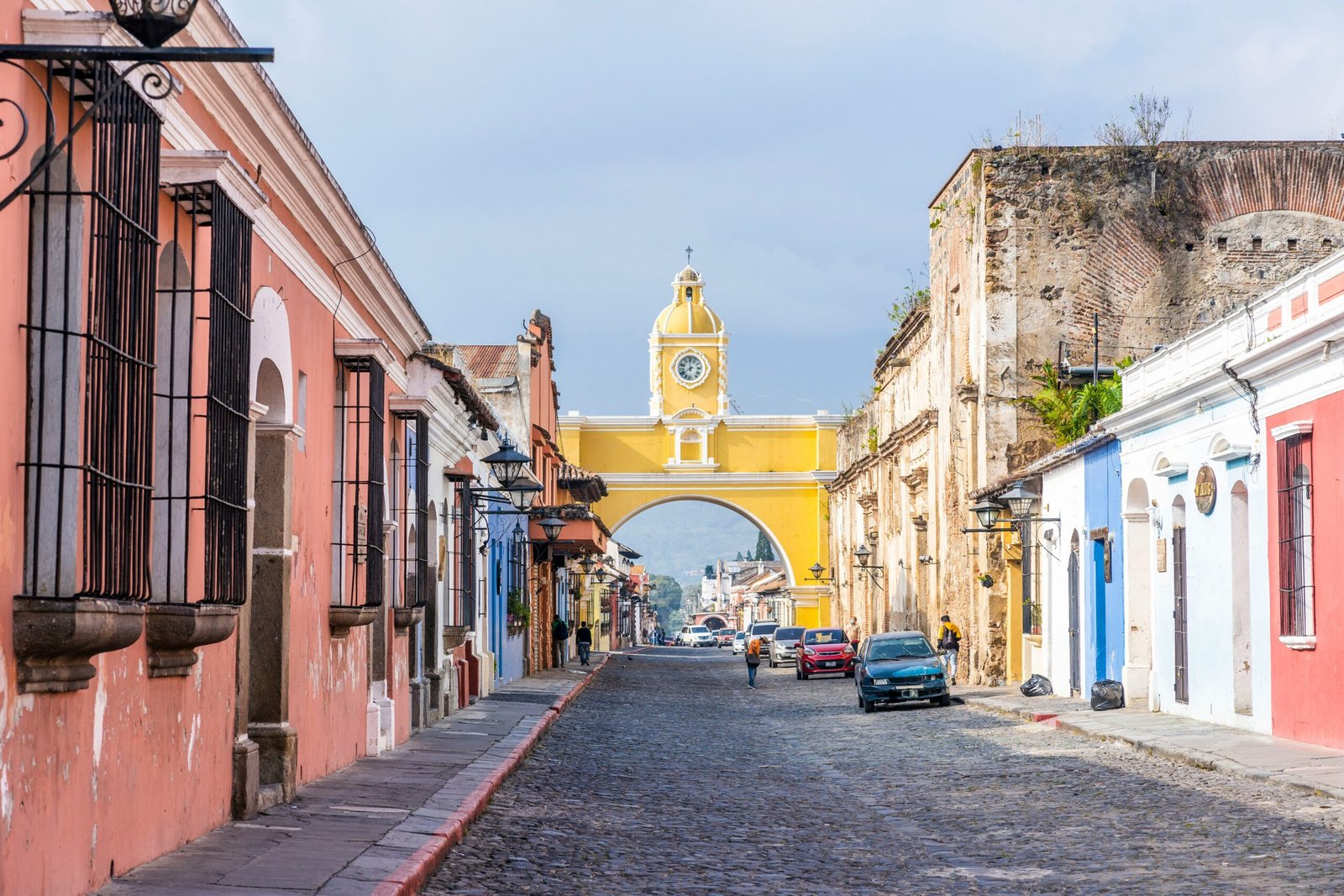
Your budget stretches much further. Hotels slash rates by 40-60% and local tour operators offer flexible deals.
Markets are for locals, not tourists. Haggle for textiles in Chichicastenango without the weekend tour bus crowds.
The “green” season is a photographer’s dream. Dramatic cloudscapes over colonial Antigua and misty morning lagoons.
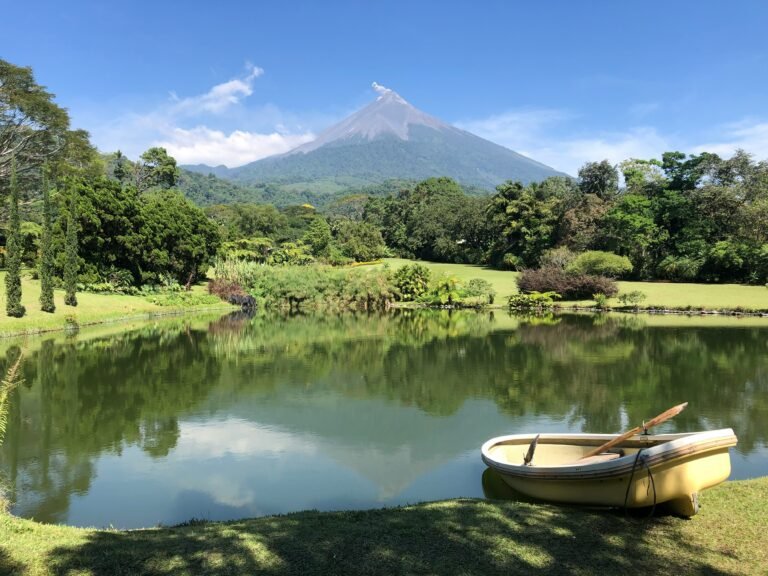
Shoulder Season
Your Smartest Windows
Late November to mid-December
Late January to March
Avoid: The week leading to Easter (Holy Week – Semana Santa) when Antigua is world-famous but hotels double or triple in price and fill months in advance. Also avoid the Christmas & New Year period (Dec 20 – Jan 5) .
What the Sky Does
Typical shoulder weather: Pleasant daytime highs of 22-27°C (72-81°F), cooler nights at 10-15°C (50-59°F) in the highlands.
Dry season edges: Very little rain, mostly sunny mornings with possible cloudy afternoons.
Windy in the highlands: Lake Atitlán and Antigua can experience strong northerly winds (“viento norte”) in January.
Lowland heat: Pacific coast and Petén jungle (Tikal) are hot and dry, reaching 32-35°C (90-95°F).
How Empty It Feels
30-40% fewer tourists compared to peak season (December & Holy Week).
Major cities/sites: Antigua’s central park and Tikal’s Gran Plaza feel spacious, not crowded.
Coastal/popular regions: Lake Atitlán feels serene; you can easily find a spot on a boat dock or a terrace overlooking the water.
Specific benefit: No queue for the Cerro de la Cruz viewpoint in Antigua, and sunrise at Temple IV in Tikal is shared with just a handful of people.
What You’ll Save
25-35% on flights and hotels compared to the December peak.
Up to 40% on private shuttles (the main tourist transport between cities) as companies compete for fewer riders.
Instant attraction access: No need to pre-book Tikal sunrise tours or Pacaya volcano hikes weeks in advance.
Dining savings: Some nicer restaurants in Antigua offer lunch set menus (“menu del día”) at lower prices off-peak.
The Secret Perk
Wildflower explosion: The highlands around Quetzaltenango (Xela) are carpeted with wildflowers after the winter rains end.
Perfect volcano climbing weather: Cooler mornings and clearer skies make the grueling Acatenango overnight hike more enjoyable than in rainy season.
Coffee harvest season: From January to March, visit working coffee fincas near Antigua to see the harvest and processing.
Stunning dawn light: The lower humidity means crisp, golden sunrise light over the lake and volcanoes.
Locals have time for you: Artisans and guides are less rushed and happy to chat, share stories, and demonstrate their craft.
The Tiny Trade-Off
Cooler nights in the highlands: Pack warm layers for evenings in Antigua, Lake Atitlán, and Tikal (yes, it gets chilly at night in the jungle).
Wind chop on Lake Atitlán: January winds can make boat rides between villages bumpy and occasionally wet.
Less lush landscape: The hills are golden-brown, not the intense green of the rainy season.
Some reduced ferry schedules: Public lanchas on Lake Atitlán run slightly less frequently (every 20-30 mins instead of every 10-15).
Smart Traveler Tip
Target late January through February for the absolute best balance: dry weather, zero holiday crowds, and post-New Year price drops.
Book Holy Week 6 months ahead if you must go – otherwise, avoid those two weeks completely.
Pack layers like an onion: A fleece for morning, t-shirt for midday, and a windproof jacket for afternoon lake breezes.
Deep Off-Season
Your Smartest Windows
May to October (the true “Green Season”)
Avoid: Holy Week (Semana Santa) , which falls in March or April. This is short-lived but prices spike beyond peak season levels.
What the Sky Does
Typical deep off-season weather: Warm days 24-28°C (75-82°F) with cooler highland nights 12-16°C (54-61°F). Humidity is higher.
The rainy season pattern: Mornings are often sunny, clouds build by early afternoon, and rain arrives (heavy but brief) after 2 PM.
Regional variation: The Caribbean coast (Rio Dulce, Livingston) gets significantly more rain. The eastern highlands (Zacapa, Copán border area) stay drier.
Humidity notes: Petén jungle feels steamy and tropical, with afternoon downpours cooling everything down perfectly.
How Empty It Feels
50-70% fewer tourists than peak season. In September, you might feel like you have the country to yourself.
Historic sites: Explore Tikal’s Lost World complex or Iximché ruins with only the sound of howler monkeys and rain dripping from the canopy.
Museums/indoor attractions: Casa Santo Domingo in Antigua or the Popol Vuh Museum feel like private cultural tours.
Small town feel: Villages around Lake Atitlán (San Juan, Santa Cruz) return to local life – women weaving, children going to school, no street hawkers.
What You’ll Save
40-60% off peak season prices for hotels and long-term homestays.
Flights: International flights often drop 30% or more, especially from the US – look for August/September deals.
Hotels: Luxury boutique hotels in Antigua offer “green season” rates under $100/night (peak is $200+).
Car rental: Daily rates can be half the price of December, though 4×4 is recommended for rural areas.
The Secret Perk
Cozy up in a coffee shop: Antigua’s indoor cafes with fireplaces and steaming mochas are pure bliss during an afternoon downpour.
Thermal hot springs: Fuentes Georginas near Xela and Los Viveros near Antigua are less crowded and wonderfully steamy in the cool rain.
Authentic Maya ceremonies: Visit a village shaman for a real fire-cleansing ritual (ask locally) – something rarely offered to tour groups.
Mushroom foraging season: In the highlands, locals forage wild mushrooms after the rains – a unique culinary experience if you know a guide.
Genuine local connection: Shop for fresh tortillas in the morning rain, join a local to watch a soap opera over lunch – you’ll see real life, not a curated tour.
The Tiny Trade-Off
Beach closures: The Pacific black-sand beaches (like Monterrico) are unappealing with rough seas, rip currents, and gray skies.
Nightlife is sleepy: Most big parties and live music events are in high season. Expect quiet bars and earlier closing times.
Some restaurants close for vacation: A few higher-end spots in Antigua and Flores (near Tikal) shutter for 2–4 weeks, especially in September or October.
Daylight hours shorten: By October, sunset is around 5:30 PM, giving you fewer hours for hiking or sightseeing.
Smart Traveler Tip
May and early June are the sweet spot of deep off-season: cheaper than shoulder, but rain is still moderate and not yet daily.
September is the quietest month – schools reopen in the US and Europe, and Guatemala’s Independence Day (Sept 15) offers colorful parades without tourism spikes.
Pack a reliable rain jacket and waterproof shoes. Don’t bring an umbrella – afternoon winds make it useless. Quick-dry clothing is your best friend.
For mildest conditions, stick to the “dry corridor” : Antigua, Lake Atitlán, and the eastern valleys get less rain than the jungle or Caribbean.
Find Off-Peak Flights
Top Off‑Season Stays
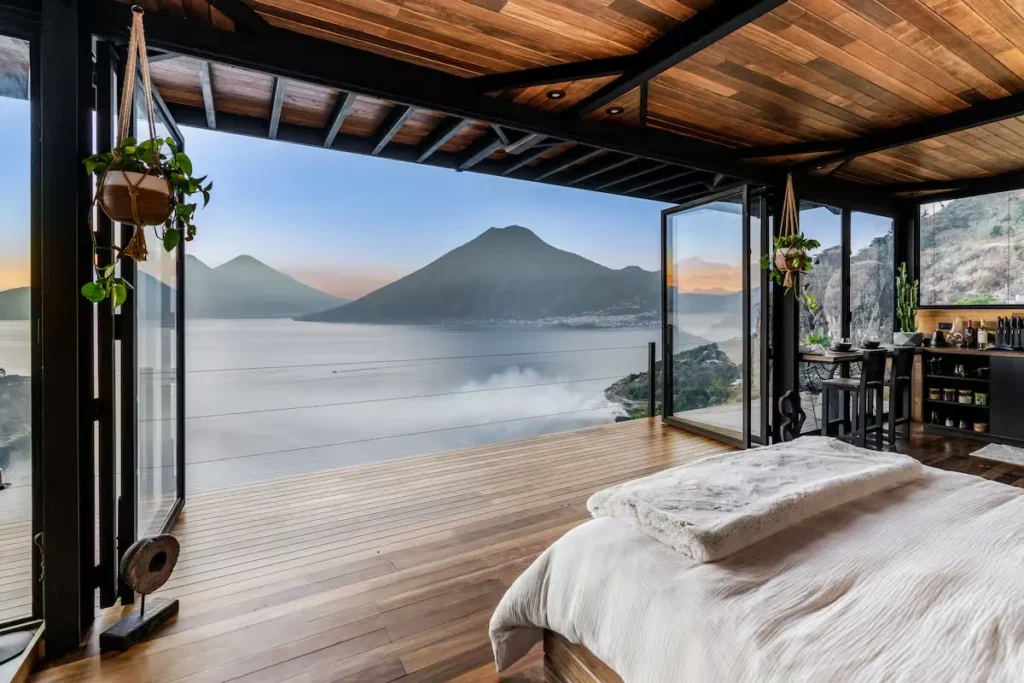
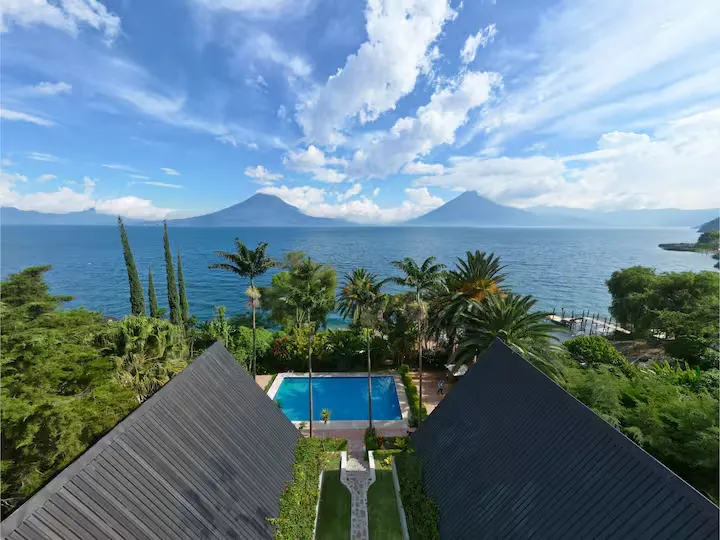
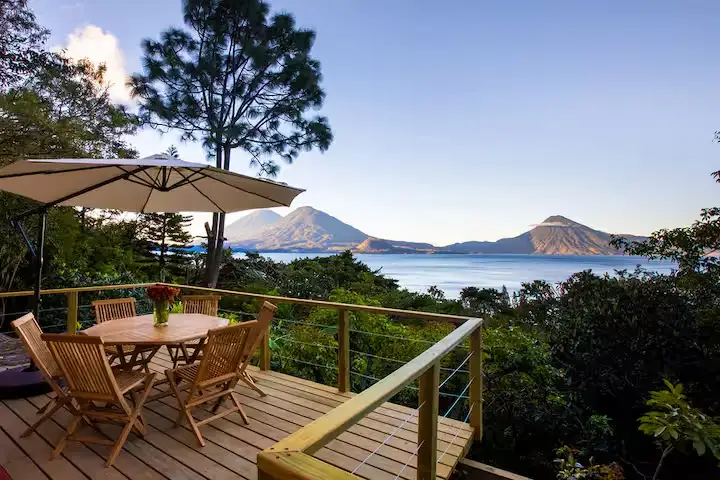
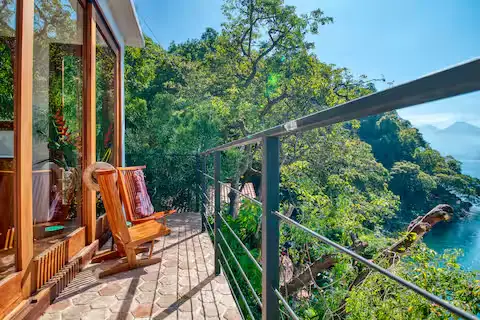
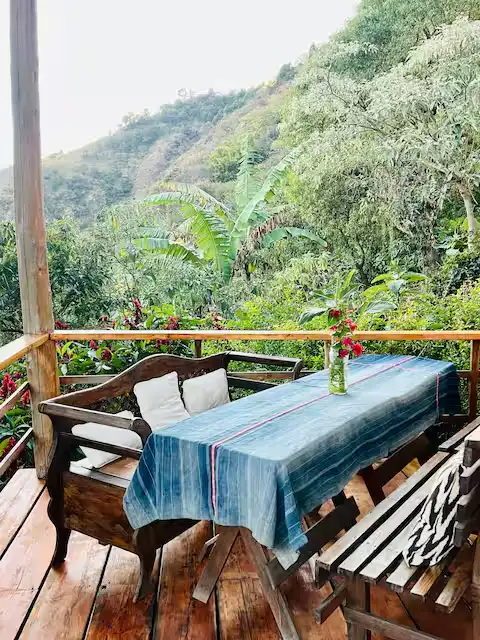
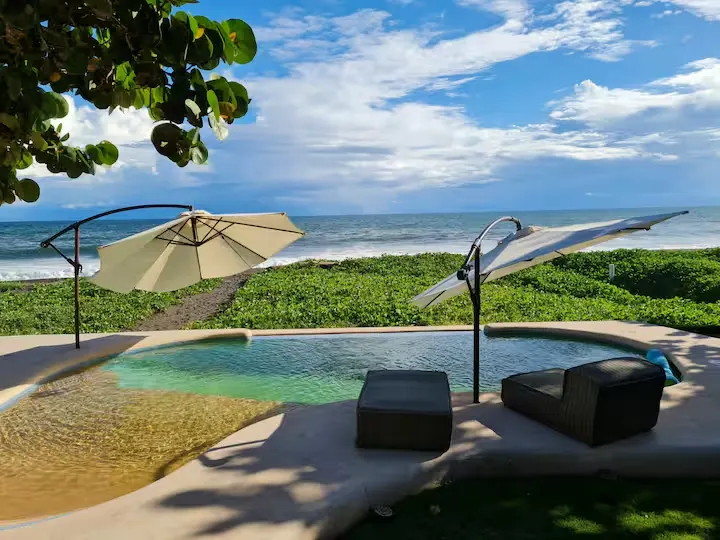
Find below our curated selection of boutique hotels and design apartments that offer exceptional value, atmosphere, and comfort during the off‑season — often at significantly lower rates than peak months.
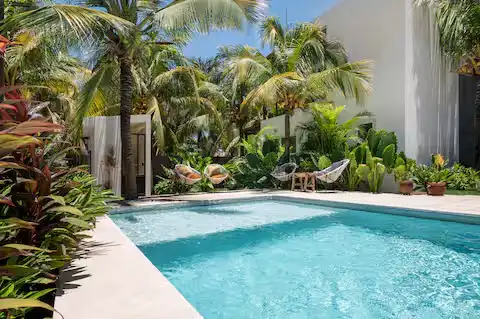
Guesthouse in El Paredón Buena Vista
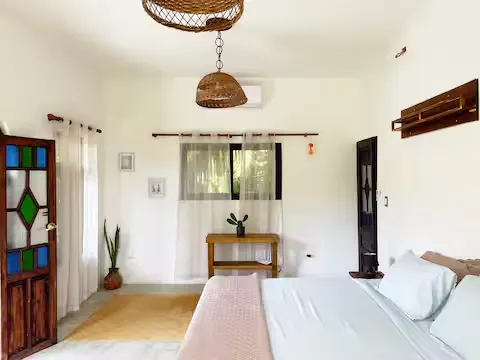
Rental Unit in El Paredón Buena Vista
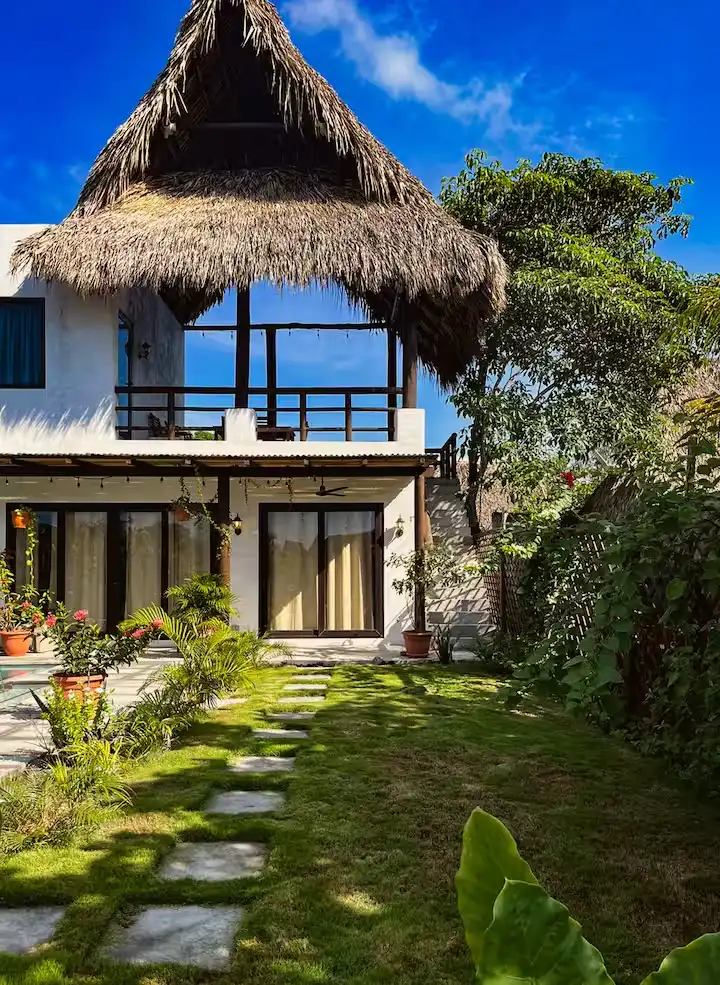
Home in El Paredón Buena Vista
Uncrowded Experiences & Tours
Skip the lines and experience iconic landmarks at your own pace. Discover curated local tours and cultural activities designed to show you the authentic side of the destination without the peak-season rush.
FAQs
Essential Trip Information
Visa and Entry Requirements
Most visitors (including U.S., EU, UK, Canada) do not need a visa for stays ≤90 days.
Passports must be valid for at least six months beyond entry.
Immigration may ask for proof of onward travel and US$500+ funds.
Tourist fee: US$10–40 (varies by nationality; often included in airfare).
Currency
Currency: Guatemalan Quetzal (GTQ). US$1 ≈ GTQ7.8 (fixed rate).
Best Ways to Handle Money:
- ATMs (Banco Industrial, BAC) dispense quetzales and US$.
- Credit cards (Visa/Mastercard) accepted in cities; cash rules in rural areas.
- Avoid exchanging USD at airports (poor rates).
Language
Spanish (official), but 22+ Indigenous languages (e.g., K’iche’, Kaqchikel) are widely spoken.
Helpful phrases:
- “Buenos días” (Good morning)
- “¿Cuánto cuesta?” (How much?)
- “Gracias” (Thank you)
Safety & Security
Generally safe, but exercise caution:
- Avoid isolated areas at night (especially Guatemala City).
- Use registered shuttles for long-distance travel.
- Emergency number: 110 (police).
Health & Insurance
Vaccinations: Hepatitis A, Typhoid recommended.
Malaria risk in Petén (use repellent).
Tap water is unsafe—drink bottled/filtered water.
Pharmacies (farmacias) are widespread; carry diarrhea meds.
Transportation
Shuttles connect major destinations (Antigua, Lake Atitlán, Flores).
Chicken buses are iconic but not always safe for tourists—use selectively.
Uber operates in Guatemala City.
Tuk-tuks and pickups are common in small towns—cheap and fun.
Domestic flights (e.g., Guatemala City to Flores) save time but can be pricey.
Price Level
Guatemala is very budget-friendly, especially outside of tourist hotspots.
Accommodation
Budget: Guesthouses and hostels (US$10–35/night)
Mid-range: Boutique hotels and ecolodges (US$50–100/night)
Luxury: Resorts or colonial mansions (US$150+/night)
Food
Street eats: Pupusas, tamales, and grilled meats (US$2–5)
Mid-range restaurants: (US$8–20/person)
Upscale dining: (US$30–60/person)
Drinks
Local beer (Gallo, Moza): US$2–3
Cocktails in tourist areas: US$6–10
Transportation
Public buses (chicken buses): US$0.50–2 (local)
Shuttles (tourist): US$10–40 between cities
Taxis: US$5–10 in cities (always agree on fare or use app-based taxis like Uber in Guatemala City)
Tuk-tuks: US$1–3 for short distances
Money-Saving Tips
Eat at local comedores or street stalls.
Use shuttle services for safer intercity travel.
Consider multi-day passes for archaeological sites or use local guides for shared tours.
Planning Your Trip
Local Customs And Etiquette
Greetings: A handshake or light cheek kiss (among women) is common.
Haggling: Acceptable in markets (e.g., Chichicastenango), but be polite.
Tipping:
- Restaurants: 10% if service isn’t included.
- Guides/Tour Drivers: US$5–10 per day.
Dress Code:
- Conservative in rural areas (avoid shorts/tank tops at religious sites).
- Casual in cities/beach towns.
Respect Mayan Culture: Ask before photographing locals (some expect small payment).
Budgeting For Your Trip
Accommodation:
- Hostels: US$10–30
- Hotels: US$40–100
- Luxury stays: US$200+
Food:
- Street food: US$2–5 (try pupusas, tamales)
- Local restaurants: US$6–12
- Tourist-oriented spots/fine dining: US$25+
Transport:
- Shuttles: US$10–30 per leg
- Tuk-tuks/local buses: US$0.50–3
- Domestic flights: US$100+
Activities:
- Ruins (Tikal): Entry US$25
- Volcano hikes: US$20–50 with guide
- Lake boat tours: US$5–15
Daily Budget:
- Budget: US$50–80 (hostel, street food, shuttle)
- Mid-range: US$100–180 (hotel, guided tours, nicer meals)
- Luxury: US$250+ (boutique stays, domestic flights, private guides)
Internet & Mobile
Free Wi-Fi: Common in hotels/cafés (slow in rural areas).
SIM Cards:
- Tigo/Claro (US$5–10 for 1–5GB): Sold at airports/convenience stores.
eSIMs: Supported (Airalo, Holafly).
Travel Insurance
Essential for:
- Medical emergencies (hospitals may require upfront payment).
- Adventure activities (volcano hikes, zip-lining).
Recommended coverage: Theft (common on buses), trip delays (rainy-season landslides).
Tip: Check if your policy covers altitude sickness (Antigua/Lake Atitlán are at 5,000+ ft).
Accomodation Options
From luxury eco-lodges to backpacker hostels.
Hotels:
- Luxury: Casa Santo Domingo (Antigua), Las Lagunas (Flores).
- Mid-range: Porta Hotel Antigua, Hotel Atitlán (Lake Atitlán).
Hostels (US$8–20/night):
- Selina (Antigua/Lake Atitlán), Los Amigos (Flores).
Eco-Lodges (US$50–150):
- Earth Lodge (Antigua), El Retiro (Lanquín).
Airbnb (US$30–100):
- Great for families—Antigua and Lake Atitlán have charming rentals.
Tip: Book ahead for Semana Santa and Christmas—top places fill fast.
Getting Around
Transport varies from modern shuttles to local “chicken buses.”
Shuttles:
- Tourist shuttles (US$15–50 per trip): Fastest way between major spots (Antigua–Lake Atitlán).
- Shared vans (colectivos): Cheaper but crowded (US$5–20).
Public Buses:
- Chicken buses (US$1–5): Colorful old school buses—cheap but slow and packed.
Taxis/Rideshares:
- Uber (Antigua/Guatemala City): Safer than street taxis (US$5–15 for short trips).
- Negotiate fares upfront for regular taxis.
Car Rentals (US$40–80/day):
- Only recommended for experienced drivers (chaotic traffic, poor rural roads).
Domestic Flights (US$100–200):
- Limited routes (Guatemala City to Flores for Tikal).
Tip: For long distances (e.g., Antigua to Semuc Champey), overnight buses save time.