 Skip to content




- Why Should I Travel To Cuba During The Off-Season?
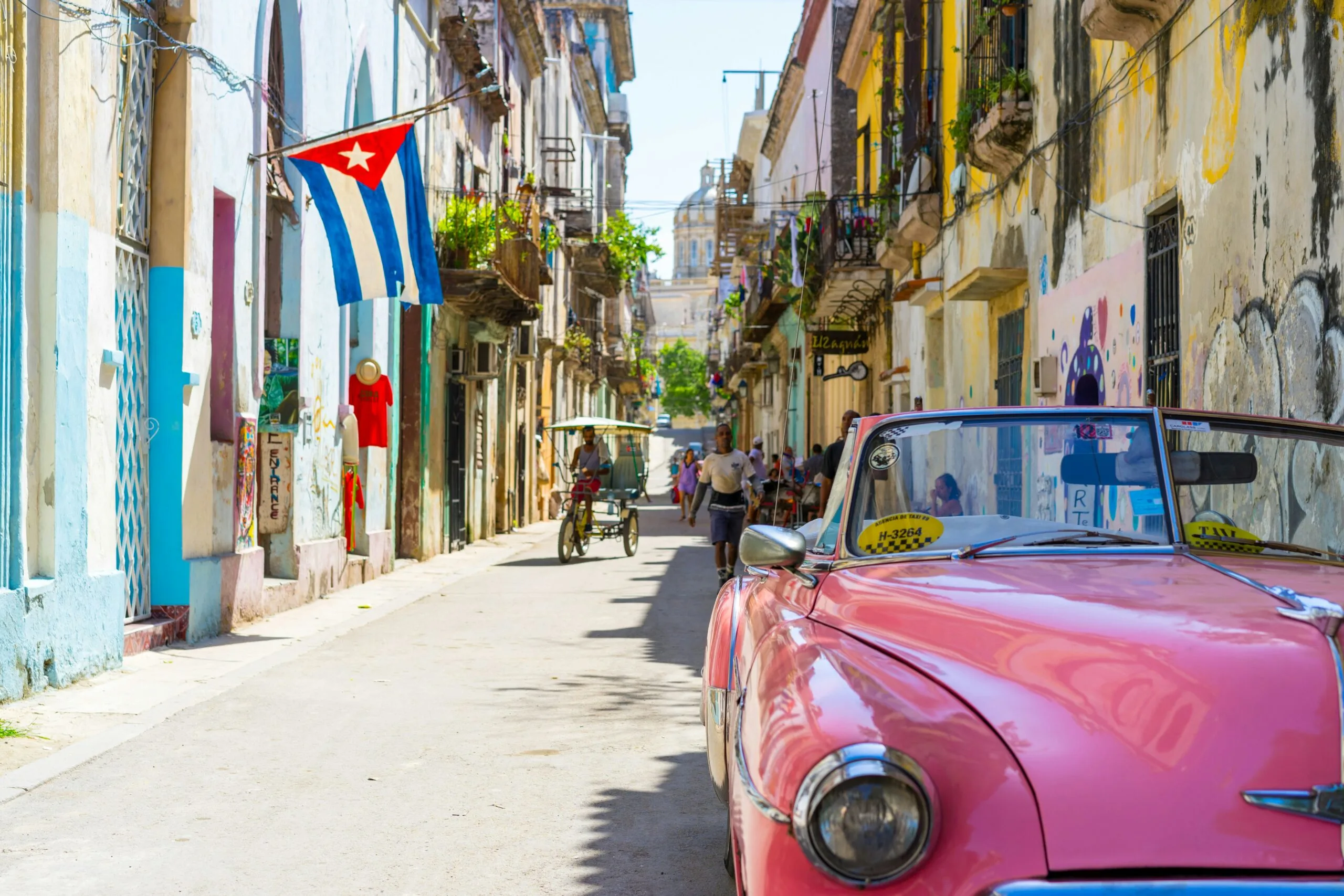
Because you will discover authentic Cuba without the peak season chaos. Traveling from May to October lets you "Exploit Travel Seasonality" to find classic vintage cars readily available for hire and cobblestone streets in Havana blissfully empty of camera-wielding crowds. The salsa clubs feel more local than touristy when you visit during these quieter months.
While this period brings heat and humidity, it also unlocks serious value. Casas particulares (private homestays) drop their nightly rates significantly, and you will spend less time waiting for mojitos at iconic bars like La Bodeguita del Medio. For smart travelers seeking cultural immersion over comfort, this is the real Cuba.
- What Is The Weather Really Like In Cuba During Low Season?
It is hot, humid, and surprisingly beautiful. The off-season runs from May through October, with average daytime temperatures around 30°C to 32°C (86°F to 90°F). The rain typically arrives as dramatic afternoon thunderstorms that clear the air and leave behind stunning sunsets over the Malecón seawall in Havana.
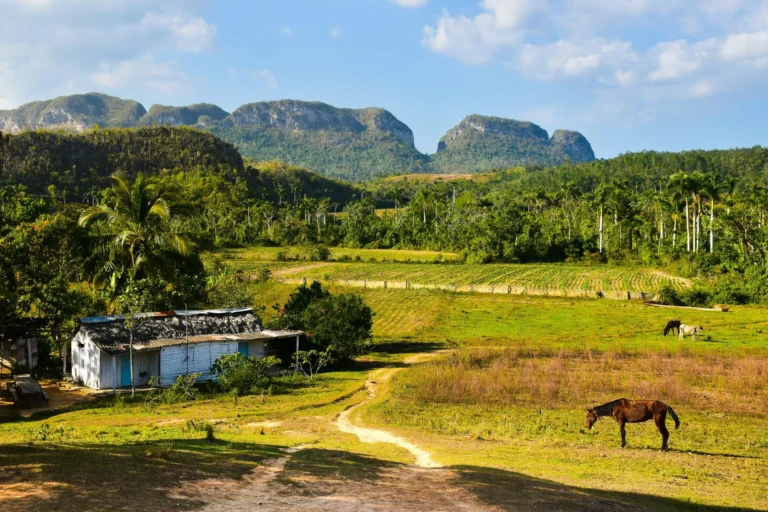
September and October see the highest chance of tropical storms, but Cuba is a nation of weather-savvy people. Between the showers, you will find the countryside of Viñales Valley looking impossibly green and the tobacco fields bursting with life. Pack light, breathable clothing, a sturdy umbrella, and embrace the rhythm of the tropical climate.
- Are Cuban Beaches Still Enjoyable During The Rainy Season?
Absolutely, the beaches are arguably better during the off-season. Playa Varadero and Cayo Coco offer warm Caribbean waters reaching 28°C (82°F) with significantly fewer sunbathers competing for palapas (thatched umbrellas). You can walk for miles on powdery white sand and only pass a handful of fellow travelers rather than thousands.
The afternoon showers usually arrive between 2 PM and 5 PM, which is the perfect excuse to nap in a hammock or enjoy a long lunch of fresh lobster and tostones. Morning hours remain reliably sunny, giving you prime beach time before any rain appears. For travelers who hate crowded resorts, these months are a hidden gift.
- Does Off-Season Travel Affect Access To Classic Cuban Sights?
No, all major sights remain open with much shorter queues. You will walk right into Old Havana's Plaza Vieja without waiting, climb the stairs of El Morro fortress without shuffling behind tour groups, and find a front-row seat for the Tropicana cabaret show without booking weeks in advance. The experience feels more personal and less scripted.
The only exception is the peak of hurricane season (mid-September to mid-October), when some boat excursions to Cayo Largo or the Zapata Swamp may be weather-dependent. Even then, most museums, classic car tours, and cigar factories operate normally. For a deeper dive into urban exploration during off-season, check out our City Breaks Theme Page.
- How Does Off-Season Travel Enhance Authentic Cultural Connections In Cuba?
Off-season travel is actually the best way to connect with real Cuban life. With fewer tourists around, casa particular owners have time to cook you a home meal and teach you a few salsa moves. Street musicians in Trinidad play for the love of music rather than just for tips, and local artists in the San José market are eager to discuss their work rather than just sell it.
You will also find that classic taxi drivers lower their negotiation starting prices, and restaurant servers remember your name after one visit. This is the Cuba where neighbors invite you porch-side for a conversation over rum. By traveling during the slow months, you are supporting the local Cuban economy when it needs it most. For official travel requirements and updates, visit the Cuba Travel Portal by the US State Department.

Home > Exploit The Seasons > Seasonal World Map > Central America And The Caribbean > Cuba
CUBA
Cuba is a year-round rhythm of vintage cars, salsa beats, and colonial charm. Skip the crowds and discover authentic island life, from tobacco fields to empty beaches, when the pace slows just for you.
Smart Travel Calendar
Why Visit Cuba?
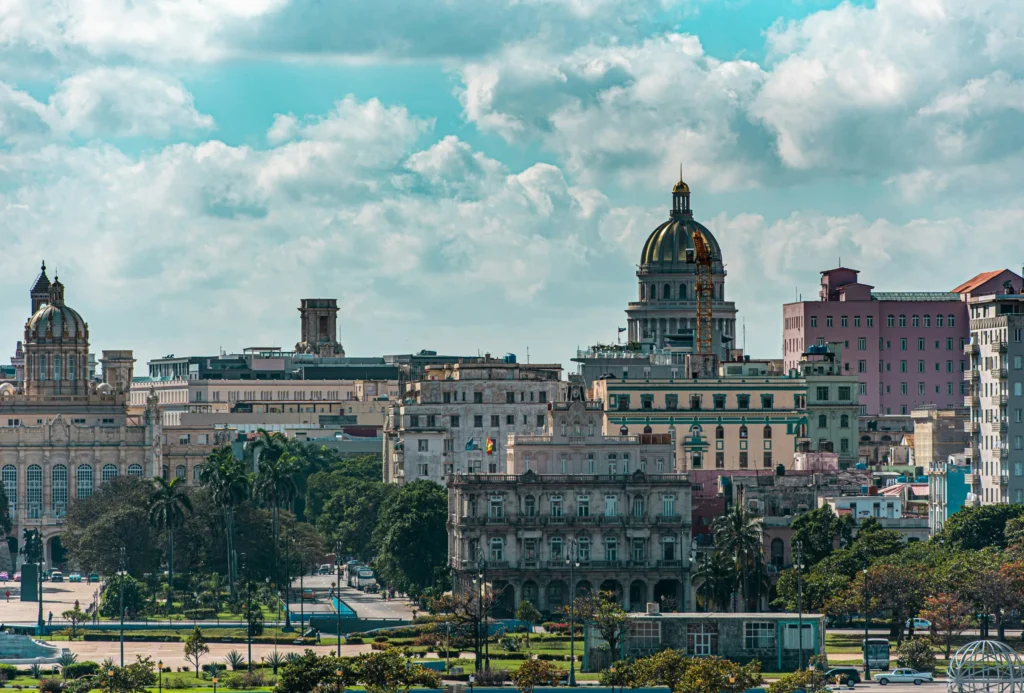
Fewer tourists at iconic spots. Walk Havana’s cobblestone Malecón without elbowing for a sunset view.
Authentic local connections. Chat with farmers in Viñales during tobacco harvest, not high-season chaos.
Lower flight prices. Save hundreds on routes from Miami, Toronto, or Madrid during rainy weeks.
Cooler temperatures for exploring. Trade August’s steam bath for pleasant 25°C (77°F) afternoons.
No queues for classic cars. Roll through Trinidad in a pink ’57 Chevrolet without a two-hour wait.
Better casa particular deals. Negotiate rooms in colonial homes for half the peak-season rate.
Shoulder Season
Your Smartest Windows
November (late) – mid-December
March – April (before Easter)
Avoid: Semana Santa (Holy Week – March or April) when domestic travel spikes and Varadero fills with regional visitors.
What the Sky Does
Typical shoulder weather: 24-28°C (75-82°F) – warm days with breezy evenings.
November brings fresh trade winds but occasional brief showers.
March offers sunshine and low humidity – ideal for hiking in Viñales.
Sea temperatures hover at 25°C (77°F) – perfect for snorkeling.
How Empty It Feels
30-40% fewer tourists than December-February peak.
Old Havana feels lively but not overwhelming – you’ll find café seating on Plaza Vieja.
Coastal spots like Cayo Coco have uncrowded beaches with local fishermen, not resorts at capacity.
Museum visits become spontaneous – no passport-style queues at Museo de la Revolución.
What You’ll Save
20-35% on casas particulares and domestic flights.
Classic car tours cost $25-35 instead of $50-60 per hour.
Instant bar seating at La Bodeguita del Medio – no reservation needed for a mojito.
Snorkeling trips drop by 30% outside peak weeks.
The Secret Perk
Witness the Cuban cigar harvest in Viñales (late Feb-March) – farmers roll fresh leaves.
March’s Habano Festival offers rare tours of tobacco plantations.
Orchids bloom wildly in Soroa’s gardens from March to April.
Sunset light over Trinidad’s colonial square turns golden without haze.
Locals have time to chat – you’ll learn family stories over espresso, not rushed service.
The Tiny Trade-Off
Some resort pools undergo maintenance before summer (usually announced locally).
Isolated showers can interrupt beach afternoons (but pass within an hour).
Ferry schedules to Cayo Largo reduce slightly (still 3-4 weekly departures).
Holy Week can spike prices in Santiago de Cuba by 20% for 3-4 days.
Smart Traveler Tip
Visit in late November or early April for the most stable weather.
Book Havana casas for weekends (locals fill them but weekdays are wide open).
Pack a light rain jacket and quick-dry clothes – showers are short but real.
Avoid Semana Santa entirely – move inland to Valle de los Ingenios instead.
Deep Off-Season
Your Smartest Windows
May – June (early)
September – October (excluding late July)
Avoid: Late July (Carnaval de Santiago de Cuba and Fiesta del Fuego) – incredible energy, but prices spike 50-70% and casas fill weeks ahead.
What the Sky Does
Deep off-season weather: 27-32°C (81-90°F) with high humidity and afternoon downpours.
Hurricane season peaks September-October – but direct hits are rare; most days see morning sun and late rain.
Eastern Cuba (Santiago) runs 2-3°C hotter than Havana.
Humidity often exceeds 80% – prepare for “turn-your-shirt-to-a-towel” afternoons.
How Empty It Feels
50-70% fewer tourists than winter peak.
Historic sites like Castillo del Morro feel nearly abandoned – you’ll share them with iguanas and waves.
Museums become private showings – the staff may turn on fans just for you.
Small towns like Remedios feel genuinely local – farmers outnumber visitors 20:1.
What You’ll Save
40-60% vs peak season on bundled “Cuban package” tours.
Flights from Europe drop to €350-450 round-trip (normally €700+).
Casa particular rooms for $15-20/night instead of $40-50.
Domestic shared taxis (colectivos) cost half price – drivers negotiate daily.
The Secret Perk
Late May’s Carnival of Havana offers dry runs of parades without summer’s full crowds.
Thermal springs at San Diego de los Baños – nearly empty, with healing waters.
Learn to roll cigars in a farmer’s living room because tourism is slow.
Mango season explodes in June – you’ll eat fruit off trees for free.
Locals invite travelers to backyard parties – deep off-season is when real Cuba opens up.
The Tiny Trade-Off
Strong currents and jellyfish appear on northern beaches (Varadero, Cayo Coco) in peak summer.
Nightlife in Viñales shrinks to one open bar instead of three.
Up to 30% of paladares (private restaurants) close for staff holidays in September.
Daylight stretches long (sunset 7:30pm), but afternoon rain can cancel outdoor plans.
Smart Traveler Tip
September is the quietest month – but buy travel insurance covering hurricane delays.
Schedule outdoor activities (hiking, beach) for mornings before 1pm rains.
Pack linen clothes, waterproof sandals, and a portable fan – plus a power bank for outages.
For mildest deep off-season, focus on eastern Cuba (Baracoa) – it’s rainier but cooler due to trade winds.
Find Off-Peak Flights
Top Off‑Season Stays
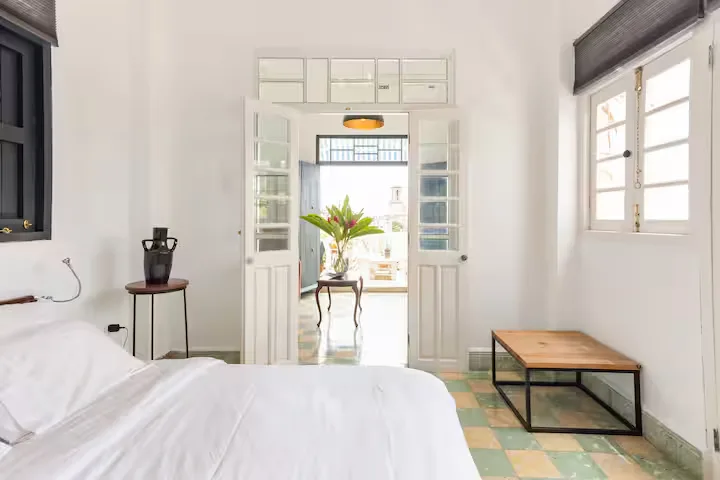
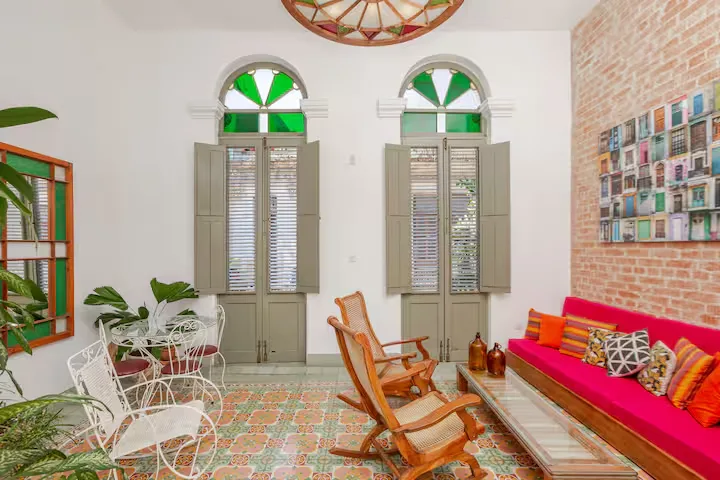
Find below our curated selection of boutique hotels and design apartments that offer exceptional value, atmosphere, and comfort during the off‑season — often at significantly lower rates than peak months.
FAQs
Essential Trip Information
Visa and Entry Requirements
Check official requirements for your nationality at CubaVisas.com or your local Cuban consulate.
Tourist Card (Tarjeta del Turista): Required for most travelers (often included in flight packages; otherwise, purchase from airlines/consulates).
Passport validity: Must be valid for at least 6 months beyond your stay.
Health insurance is mandatory (sometimes checked on arrival; can be purchased at the airport).
U.S. travelers: Subject to restrictions (e.g., must qualify under 12 approved categories like “Support for the Cuban People”).
Currency
Official currencies: Cuban Peso (CUP) is the official currency in Cuba.
Best Ways to Handle Currency:
- Before Your Trip: Bring Euros (EUR), GBP, or CAD (USD incurs a 10% penalty fee when exchanging).
- During Your Trip: Exchange at CADECA (official bureaus) or banks. Credit/debit cards (Mastercard/Visa) are rarely accepted due to U.S. sanctions—cash is king.
- What to Avoid: Black-market exchanges (illegal) and relying on ATMs (unreliable).
Language
Spanish is official; English is limited outside tourist areas.
Helpful phrases:
- “¿Cuánto cuesta?” (How much?)
- “Gracias” (Thank you).
Safety & Security
Generally safe, but petty theft (e.g., pickpocketing in Old Havana) occurs.
Avoid: Unlicensed taxis, flashing valuables.
Emergency number: 106 (police).
Health & Insurance
Vaccinations: Routine vaccines + Hepatitis A/Typhoid (CDC recommendations).
Tap water is unsafe—drink bottled.
Pharmacies: Often understocked; bring prescriptions.
Transportation
Buses (Viazul): Best for intercity travel; book ahead.
Taxis: Classic cars (“almendrones”) are iconic but agree on prices first.
Walking: Ideal in Havana Vieja/Trinidad.
Price Level
Cuba is budget-friendly but varies between tourist hubs (Havana, Varadero) and rural areas.
Accommodation:
- Budget: Casas particulares (homestays, $15–30/night).
- Mid-range: 3-star hotels ($50–100/night).
- Luxury: 4-5 star resorts ($120+/night, e.g., Varadero).
Food:
- Paladares (private restaurants): $10–20/meal.
- Government-run restaurants: $5–10/meal (lower quality).
Drinks:
- Mojito: $3–5 (tourist bars), $1 (local spots).
- Beer: $1–2.
Transportation:
- Vintage taxis: $10–20 for short Havana rides.
- Bus (Viazul): Long-distance, affordable (e.g., Havana to Trinidad: $25).
- Bike rentals: $5–10/day.
Money-Saving Tips:
Stay in casas particulares for authentic/local prices.
Eat at paladares over state-run spots.
Negotiate taxi fares upfront.
Planning Your Trip
Local Customs And Etiquette
Greetings: A handshake or kiss on the cheek is common.
Tipping: Expected in CUC (10% at restaurants; small change for musicians/toilet attendants).
Dress: Casual but modest (beachwear is for beaches only).
Music/Dancing: Join in! Salsa is a way of life.
Politics: Avoid debates; Cubans may be cautious discussing government.
Budgeting For Your Trip
Accommodation: Casas ($20–50), hotels ($80–200+).
Food: Street snacks ($1–3), casa meals ($5–10), paladares (private restaurants, $15–30).
Transport: Viazul ($10–50/leg), taxis ($10–50/leg), taxis ($20–100).
Activities: Museums (2–5),salsalessons(2–5),salsalessons(10–15).
Daily Budget:
Budget: $40–60 (casas, street food, buses).
Mid-range: $80–120 (casas, paladares, taxis).
Luxury: $200+ (hotels, private guides, vintage car tours).
Internet & Mobile
Wi-Fi: Buy ETECSA cards ($1–2/hour) at telecom offices/hotels. Access in parks/plazas (look for crowds staring at phones!).
SIM Cards: Hard for tourists; rely on Wi-Fi.
Offline Maps: Download maps.me—essential without reliable data.
Travel Insurance
Required for entry (checked randomly). Must cover medical emergencies.
Recommended: Evacuation coverage (Cuba’s healthcare is good but facilities may be basic).
Adventure activities: Verify if policy covers scuba diving, etc.
Tip: Bring cash (USD/EUR to exchange)—ATMs often reject foreign cards.
Accomodation Options
Cuba offers unique stays beyond hotels.
Casa Particulares (Homestays):
- Best value ($20–50/night): Private rooms in local homes. Look for blue license stickers.
- Pros: Authentic, home-cooked meals ($5–10), local tips.
Hotels:
- Luxury: Hotel Nacional (Havana), Paradisus resorts (Varadero).
- Mid-range: Iberostar chain (good for families).
- Budget: Hostels rare; opt for casas instead.
Airbnb:
- Growing in cities; book via Cuban sites (e.g., Casa Particular directories).
Tip: Stay in casas—support locals and get insider advice.
Getting Around
Transport can be unpredictable; plan ahead.
Buses:
- Viazul: Reliable for tourists between major cities (Havana, Trinidad, Viñales). Book online early—seats sell out.
- Local buses (“guaguas”) are cheap but crowded and slow.
Taxis:
- Official taxis: Negotiate fares upfront (e.g., Havana to Viñales ~$100).
- Collectivos: Shared taxis (cheaper; depart when full).
- Vintage cars: Fun for short Havana rides (~$30–50/hour).
Car Rental:
- Expensive ($60–100/day) and scarce; book months ahead.
- Road conditions vary—GPS is unreliable; use maps.
Biking:
- Great for small towns (Trinidad, Viñales). Rentals ~$10/day.
Domestic Flights:
- Limited routes (e.g., Havana to Santiago); often delayed.
Tip: Mix buses and taxis for cost-efficiency.