 Skip to content
- Why Should I Visit Belize During The Off-Season?
Because you will have the rainforest and reef almost entirely to yourself. Traveling from May to October lets you "Exploit Travel Seasonality" to find snorkeling excursions leaving with empty boats and Maya temple sites where your only companions are howler monkeys. The Belize Barrier Reef feels like your private aquarium during these quieter months.
While this period aligns with the wet season, the trade-off is incredible value. Many jungle lodges and beachfront cabanas drop their rates by 30% to 50%, and tour operators are eager to negotiate on private charters. For adventurous travelers who prioritize solitude over perfect weather, this is the smartest way to experience Belize.
- What Is The Weather Really Like In Belize During Low Season?
It is warm, humid, and dramatic in the best possible way. The off-season brings daytime temperatures around 29°C to 32°C (84°F to 90°F), with the rain typically arriving as powerful but short afternoon thunderstorms. These showers transform the jungle into a lush, vibrant paradise where waterfalls actually flow and wildlife comes out to play.
The key distinction is geography. The Cayes (islands) like Ambergris Caye see less rain and more breeze, while the mainland jungles near San Ignacio receive heavier showers that make river tubing and cave exploring even more exciting.
- Is Snorkeling And Diving Still Good During Belize's Rainy Season?
Absolutely, underwater visibility actually remains excellent at 30 to 50 meters. The Great Blue Hole, Hol Chan Marine Reserve, and Shark Ray Alley are all fully accessible during off-season months. In fact, the warmer water temperatures between 27°C and 29°C (81°F to 84°F) mean you can dive in just a shorty wetsuit or even a swimsuit.
The only weather wildcard is during early October, when occasional storms might cause tour operators to reschedule. The upside is that you will share famous dive sites with maybe five other divers instead of fifty. Whale shark season also peaks between April and June, meaning off-season travelers arriving in May or early June have a real shot at swimming with gentle giants.
- Will I Still Be Able To Visit The Maya Ruins In The Rain?
Yes, and the experience is actually more magical with fewer crowds. The famous ruins of Xunantunich, Caracol, and Lamanai are all open year-round with shortened queues at the ticket gates. Walking through the jungle to reach these temples feels like a true Indiana Jones adventure when the forest is dripping green and the air smells of wet earth.
Bring a lightweight poncho and waterproof shoes, and you will enjoy having these ancient cities almost to yourselves. The only site that occasionally faces access issues is Caracol, as its unpaved access road can get muddy after very heavy rain. Most tours still run as scheduled.
- How Does Off-Season Travel Help Me Experience Belize's Wildlife Better?
Off-season is actually the prime time for wildlife spotting. The rainy season means rivers are full, which draws animals like tapirs, jaguars (rare but present), crocodiles, and countless bird species to the water's edge for easier viewing. The howler monkeys are especially active during this period, and their morning calls echo through the jungle like nature's alarm clock.
You also avoid the dry season phenomenon where animals venture deeper into the forest to find water. During low season, wildlife congregates around the abundant water sources, making your guided tour through the Cockscomb Basin Wildlife Sanctuary or the Community Baboon Sanctuary far more rewarding. For more nature-focused travel inspiration, visit our Wildlife & Nature Theme Page.

Home > Exploit The Seasons > Seasonal World Map > Central America And The Caribbean > Belize
BELIZE
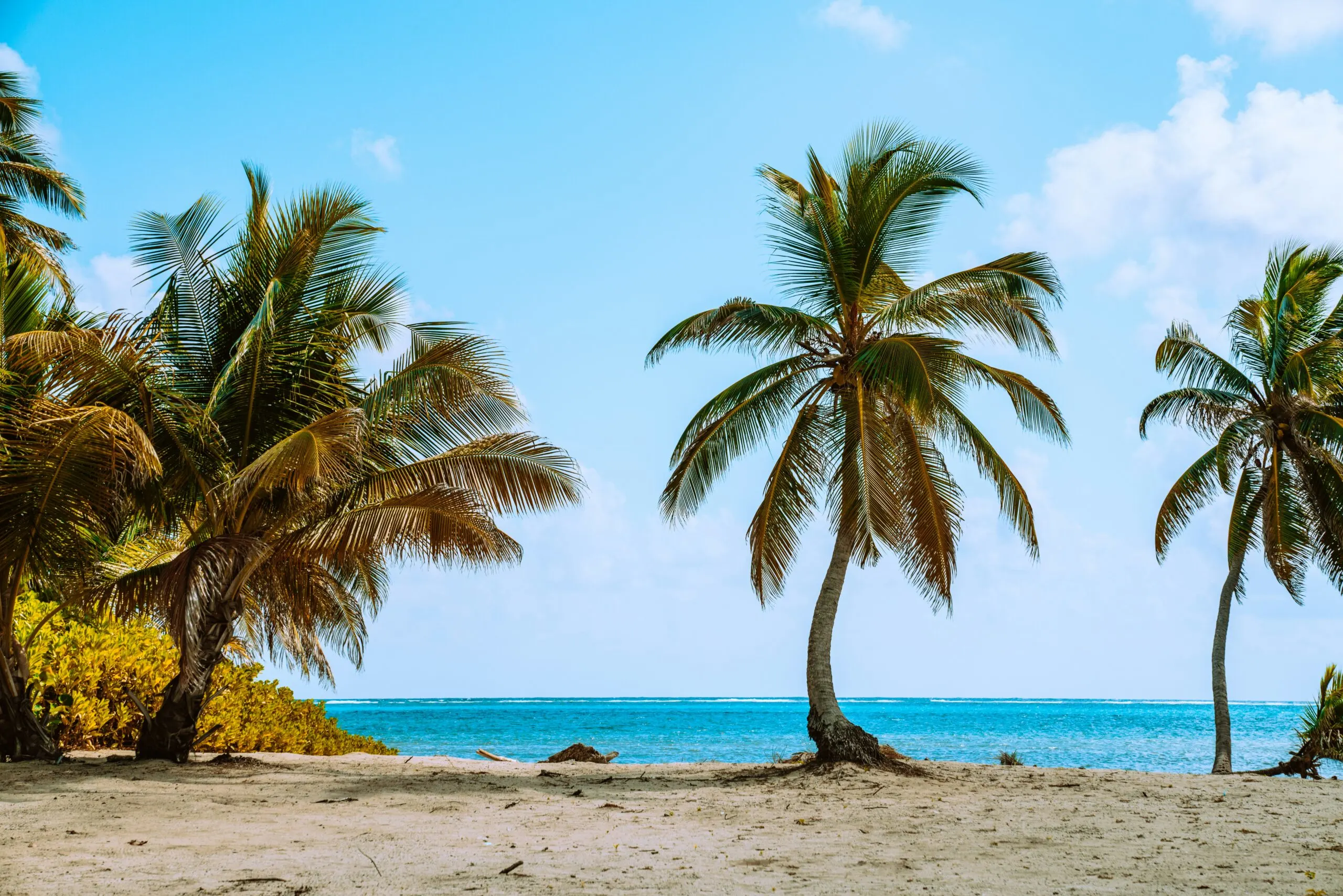
Belize sheds its peak-season crowds to reveal a raw, vibrant heart. From jungle-shrouded Maya temples to a simmering Caribbean Sea, discover authentic moments, lush landscapes, and incredible value when you travel off-schedule.
Smart Travel Calendar
Why Choose Belize Off-Season?
Lower prices, not lower quality: Save 30-50% on jungle lodges and beach resorts vs. winter highs .
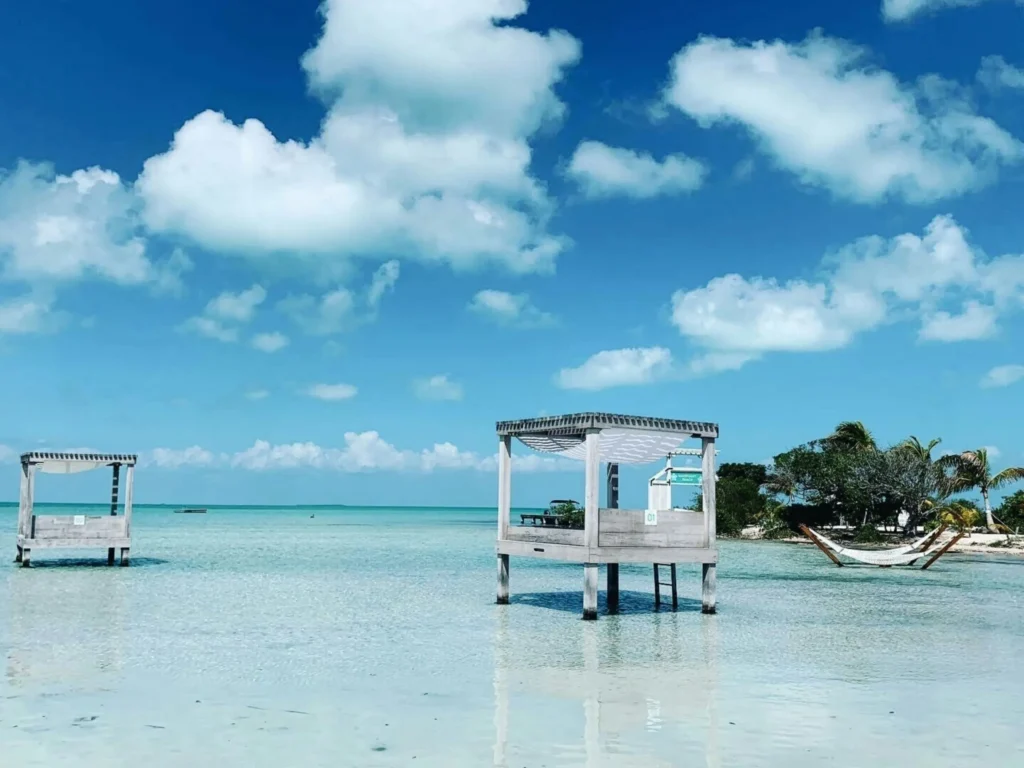
Fewer footprints on the sand: Enjoy tranquil cayes like Caye Caulker without fighting for loungers.
Lush, emerald-green jungles: Summer rains transform the rainforest into a vibrant, photographer’s dream .
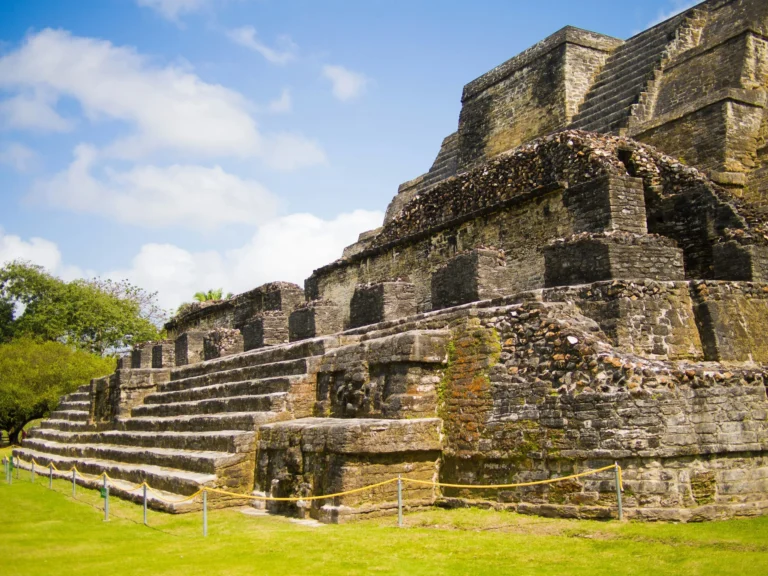
Maya ruins all to yourself: Explore Caracol or Xunantunich with hardly another tourist in sight.
Warmer sea temps for divers: The water is bathwater-warm, perfect for checking out the Barrier Reef.
It’s lobster season: From June to February, feast on fresh, affordable spiny lobster .
Shoulder Season
Your Smartest Windows
May to mid-June
September to October
Avoid: The week before and after Easter (Holy Week – Semana Santa), when domestic tourism fills every beach cabana and prices spike dramatically.
What the Sky Does
Warm and breezy: Expect highs of 29-31°C (84-88°F) with a mix of sun and clouds.
Brief afternoon showers: Rain usually comes in quick bursts, leaving the rest of the day sunny .
Clearer mornings: Plan snorkeling and ruin tours for the morning to beat the brief afternoon rain.
North vs. South: The north (Ambergris Caye) is drier; the south (Placencia/Punta Gorda) is lusher and greener .
How Empty It Feels
Up to 40% fewer tourists compared to the December peak.
Relaxed ruins: Major sites like Altun Ha feel practically private after 10 AM.
No waiting for boats: Water taxis to the cayes have space, and tours rarely hit capacity.
Dinner without a reservation: Walk right into top restaurants in San Ignacio and San Pedro.
What You’ll Save
Up to 25% on flights vs. December holiday rates .
20-30% on hotels: Resorts drop their “Green Season” rates starting in May .
Instant upgrades: Higher chance of getting a beachfront room or cabana without a premium.
Lobster deals: Enjoy the famous Belizean lobster at lower prices than during the peak winter season .
The Secret Perk
Garifuna Settlement Day (Nov 19): A vibrant cultural celebration of drumming, dancing, and heritage in Dangriga and Hopkins .
Whale Shark Season: Late May is your best bet to see gentle giants off Placencia .
The Chocolate Festival: May brings cacao celebrations in the Toledo district .
Photography light: Storm clouds create dramatic, moody skies for jungle shots.
The Tiny Trade-Off
Rainy afternoons: You might have to swap the beach for a hammock for an hour or two.
Humidity rises: November is fresh, but May can feel sticky inland.
Sargassum risk: There is a slight chance of seaweed accumulation on eastern beaches.
Closed Sundays: Some smaller family-run shops close in the off-season.
Smart Traveler Tip
Book late November: It offers the driest conditions of the shoulder months plus pre-holiday prices.
Go south for culture: November in the Stann Creek District is all about the Garifuna celebrations.
Pack a dry bag: Keep your electronics safe for those sudden tropical showers.
Book tours locally: With fewer tourists, you can easily negotiate cash rates in Placencia.
Deep Off-Season
Your Smartest Windows
September to early October (Heart of Hurricane Season)
Avoid: The entire month of September’s National Day celebrations (September 10th & 21st) and Columbus Day (October 12th) if traveling from the US, as flights get pricier.
What the Sky Does
Hot and humid: Averages of 27-31°C (81-88°F); it is the “summer” of the tropics.
Short heavy downpours: Usually occurs overnight or in dramatic late afternoon storms .
Hurricane watch: Officially runs June to Nov, but most storms pass north; travel insurance is your friend .
Placencia is warmer: Coastal villages feel balmy, while the Mountain Pine Ridge offers a cool escape .
How Empty It Feels
Up to 60% fewer tourists than the peak week between Christmas and New Year’s.
Solitude at the Reef: Snorkel the Hol Chan Marine Reserve with just the fish.
Empty jungle trails: You will hear howler monkeys before you see rival hikers.
Local feel: You will interact with Belizeans, not just expats and winter visitors.
What You’ll Save
40-50% off peak prices: Seriously low rates at luxury resorts .
$400-$575 flights: The cheapest airfare of the year from the US .
Budget stays under $30: Hostels and basic guesthouses are practically empty and deeply discounted .
Tour bargaining power: Tropic Air and tour operators offer “Green Season” specials.
The Secret Perk
September Celebrations: The entire country parties for Independence Day (Sept 21) with parades and concerts .
River rising: The caves are full! Cave tubing at Nohoch Che’en is more thrilling with higher water levels.
Birding paradise: Migratory species fill the trees of the Crooked Tree Wildlife Sanctuary.
Green Season photography: The “golden hour” lasts longer thanks to atmospheric cloud cover.
The Tiny Trade-Off
Road conditions: Some dirt roads to remote ruins might get muddy (4×4 recommended).
ATM Cave closure: Actun Tunichil Muknal (ATM) can close sporadically if water levels are dangerously high .
Resort closures: A few boutique hotels in Ambergris Caye close for annual maintenance .
Mosquitoes: They are more active; pack high-quality DEET or natural repellent.
Smart Traveler Tip
Buy travel insurance early: Specifically look for “hurricane” coverage for peace of mind.
Go to the reef early: Mornings are usually flat calm and sunny before any afternoon buildup.
Embrace the siesta: Plan heavy outdoor activity for morning and take a nap during the 3 PM rain shower.
Stay in San Ignacio: The Cayo District is slightly cooler and has better drainage (less mud) than the coast .
Find Off-Peak Flights
Top Off‑Season Stays
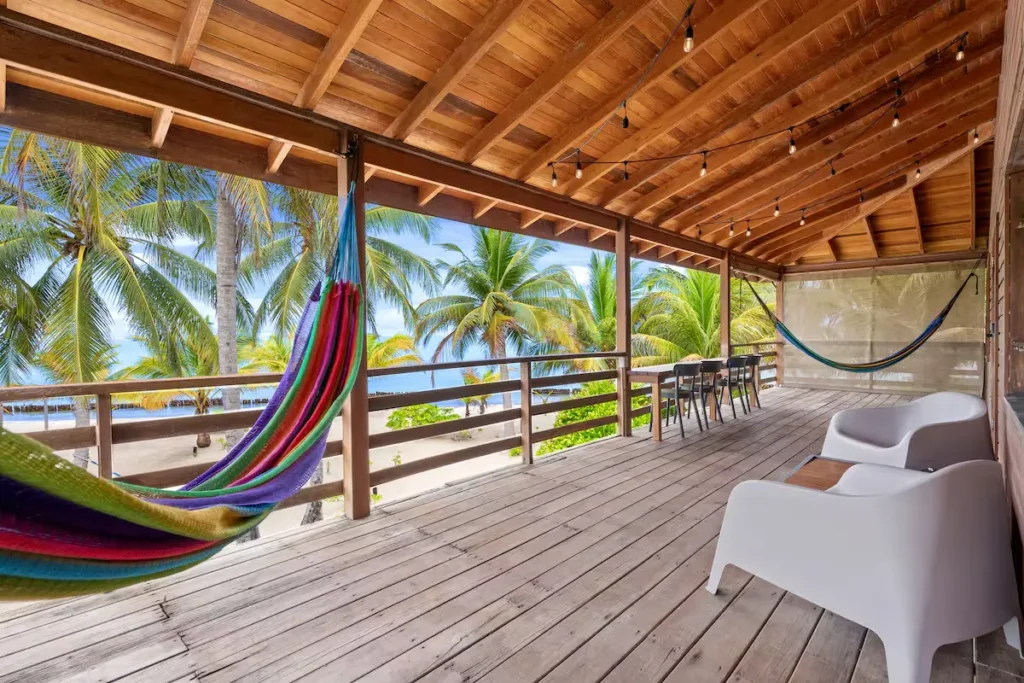
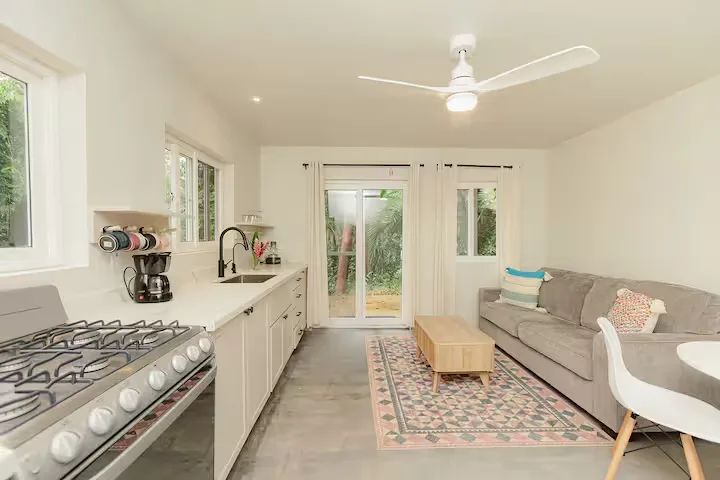
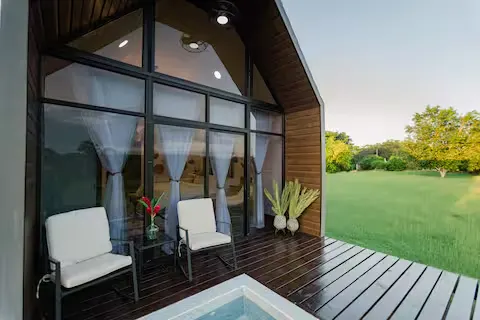
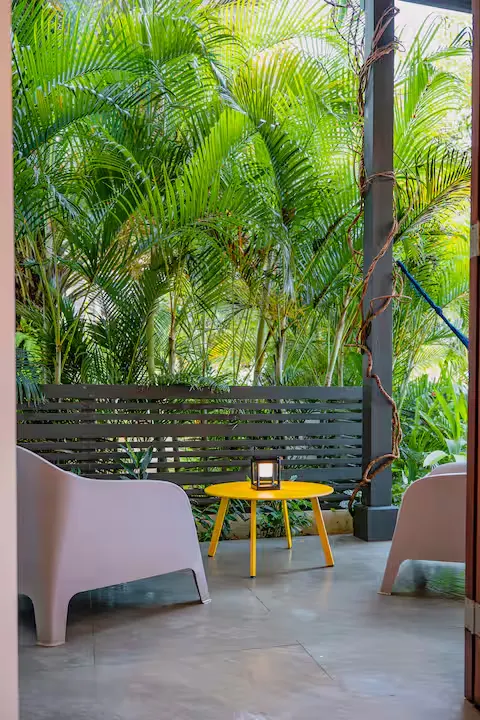
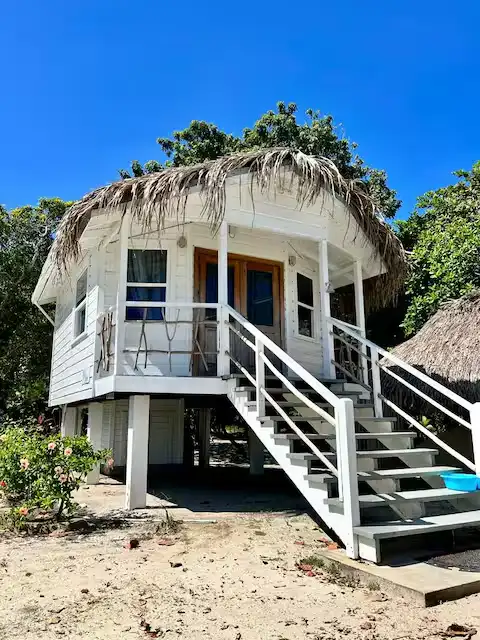
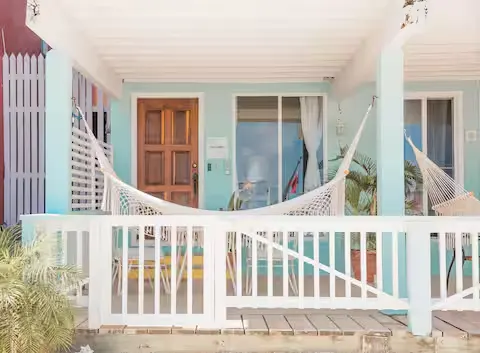
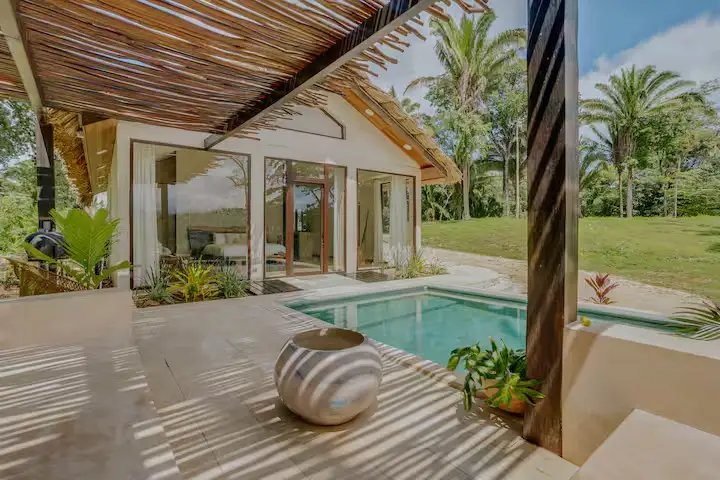
Find below our curated selection of boutique hotels and design apartments that offer exceptional value, atmosphere, and comfort during the off‑season — often at significantly lower rates than peak months.
Uncrowded Experiences & Tours
Skip the lines and experience iconic landmarks at your own pace. Discover curated local tours and cultural activities designed to show you the authentic side of the destination without the peak-season rush.
FAQs
Essential Trip Information
Visa and Entry Requirements
Belize allows visa-free entry for many nationalities (including U.S., Canada, EU, UK) for stays up to 30 days.
Passports must be valid for at least six months beyond your stay.
Immigration may ask for proof of onward travel, accommodation, and sufficient funds (~$50/day).
Tourist visa extensions ($100 BZD for 30 more days) can be obtained at immigration offices.
Currency
Belize uses the Belize Dollar (BZD), pegged at 2 BZD = 1 USD. USD is widely accepted.
Best Ways to Handle Currency:
- Before Your Trip: Exchange a small amount; ATMs offer better rates.
- During Your Trip: Use ATMs in major towns (Belize Bank, ScotiaBank). Credit cards (Visa/Mastercard) work in hotels/tourist spots, but carry cash (small BZD bills) for markets/rural areas.
- What to Avoid: Airport exchange kiosks (poor rates) and paying in USD without checking conversion (some vendors give change in BZD).
Language
English is the official language.
Spanish, Kriol, and Garifuna are also spoken.
Helpful phrases: “Good morning” (“Gud maanin”), “Thank you” (“Tank yuh”).
Safety & Security
Generally safe, but avoid isolated areas at night (especially in Belize City).
Watch for petty theft in tourist areas (San Pedro, Caye Caulker).
Emergency number: 911.
Health & Insurance
No special vaccinations required, but Hepatitis A/Typhoid recommended.
Malaria/Dengue risk in rural areas—use mosquito repellent.
Tap water is unsafe in some areas; drink bottled/filtered water.
Travel insurance is recommended (medical evacuations can be costly).
Transportation
Buses: Cheap but slow; ideal for budget travelers.
Water taxis: Connect islands (Caye Caulker, Ambergris Caye).
Rental cars: Useful for exploring inland (but 4×4 recommended for jungle roads).
Domestic flights: Fast but expensive (good for saving time).
Price Level
Belize is moderate—cheaper than the U.S. but pricier than neighboring Central American countries.
Accommodation:
- Budget: Hostels/guesthouses (US$15–40 USD/night)
- Mid-range: Eco-lodges/3-star hotels ($80–150 USD/night)
- Luxury: Beach resorts ($200+ USD/night)
Food:
- Street food/local meals: $5–10 USD
- Casual dining: $12–25 USD
- Fine dining (resorts): $30+ USD
Drinks:
- Beer (Belikin): $2–4 USD
- Cocktails: $6–12 USD
Transportation:
- Local buses: $2–10 USD (long-distance)
- Taxis: $10–30 USD (short trips)
- Domestic flights (Tropic Air/Maya Island Air): $100+ USD
Money-Saving Tips:
- Eat like a local: Try rice & beans, fry jacks, and street tacos.
- Use public buses (cheaper than private shuttles).
- Visit free attractions: Beaches, waterfalls, and Mayan ruins (some have small fees).
Planning Your Trip
Local Customs And Etiquette
Language: English is official, but Spanish/Kriol are widely spoken.
Tipping: 10–15% at restaurants; small tips for tour guides.
Dress Code: Casual, but cover up in villages (avoid bikinis outside beaches).
Greetings: A friendly “Good morning/afternoon” goes a long way.
Respect Nature: Don’t touch coral reefs or harass wildlife.
Budgeting For Your Trip
Accommodation: Hostels (US$15–40), mid−range (US$80–150), luxury (US$250+).
Food: Street food (US$3–8), casualmeal (US$10–20), fine dining (US$30+).
Activities: Snorkeling (US$50–80), ATMCavetour (US$90–120), ruins entry (US$10–20).
Daily Budget:
Budget: US$50–70 (hostels, buses, street food).
Mid-range: US$100–200 (guesthouses, tours, meals).
Luxury: US$300+ (resorts, private tours).
Internet & Mobile
Wi-Fi: Available at hotels/cafés but can be slow on islands.
SIM Cards: DigiCell or Smart (prepaid data ~$10/1GB).
eSIMs: Supported (Airalo, Ubigi).
Travel Insurance
Essential for: Medical emergencies (U.S.-style healthcare costs).
Adventure coverage: Ensure it includes scuba diving, cave tubing, etc.
Evacuation: Some remote areas require airlift coverage.
Final Tip: Pack reef-safe sunscreen, bug spray, and waterproof gear!
Accomodation Options
From beachfront bungalows to jungle lodges, Belize caters to all budgets.
Luxury:
- Matachica Resort (Ambergris Caye), Chaa Creek (San Ignacio)—eco-lodges with top-tier amenities.
Mid-Range:
- Caye Caulker beach cabanas, San Ignacio guesthouses ($80–150/night).
Budget:
- Hostels (e.g., Belizean Shores, Selina) or local guesthouses ($20–50/night).
Unique Stays:
- Overwater bungalows (Victoria House), jungle treehouses (Black Rock Lodge).
Tip: Book ahead in peak season, especially for remote lodges.
Getting Around
Belize is small but has limited public transport—plan accordingly.
Domestic Flights:
- Tropic Air/Maya Island Air offer quick flights (12–30 min) between major destinations (Belize City, San Pedro, Placencia). Best for saving time.
Buses:
- Cheap (US$3–15) but slow, with frequent stops. Express buses run between major towns (Belize City to San Ignacio).
Water Taxis:
- Essential for island hopping (Caye Caulker, Ambergris Caye). San Pedro Express and Ocean Ferry are reliable.
Car Rentals:
- Useful for exploring inland (e.g., Mountain Pine Ridge, ATM Cave). Drive on the right side, but expect rough roads.
Taxis:
- No meters—negotiate fares upfront (e.g., US$25–50 from Belize City to San Ignacio).
Tip: For island trips, fly one way and take a water taxi back to save time.