 Skip to content
- When Is The Best Time To Visit Barbados For Lower Prices And Fewer Crowds?
The sweet spot is from May to June and again in November. These shoulder months offer hotel rates 25% to 50% lower than the peak winter season (December to April), with the added bonus of significantly fewer tourists on the beaches and at popular attractions . You can truly "Exploit Travel Seasonality" here by enjoying the same turquoise waters and warm hospitality for a fraction of the cost.
The drawdown is that you are visiting on the edges of the wet season, meaning you might encounter brief afternoon showers. However, these typically pass quickly and leave behind lush, vibrant landscapes that look far more alive than the dry winter months . For the absolute cheapest rates, target September and October, but be prepared for higher humidity and a slightly greater chance of rain .
- Is It Safe To Travel To Barbados During Hurricane Season?
Statistically, yes, it is remarkably safe. Barbados sits at the southern end of the Caribbean hurricane belt, and direct hits are very rare compared to other islands . The official hurricane season runs from June 1 to November 30, but the actual risk of your vacation being affected by a tropical storm in any given month is below 3% even at the peak . Most "storm season" days are simply hot, sunny, and punctuated by short, cooling showers.
The drawdown is that you cannot ignore the possibility entirely. September and October carry the highest statistical risk, and you should always monitor the Barbados Meteorological Services website for updates. The smart traveler buys travel insurance and books refundable accommodations. The reward for this minimal risk is spectacular: prices bottom out, the island is at its greenest, and you will have world-famous beaches like Crane Beach or Carlisle Bay nearly to yourself .
- What Is The Crop Over Festival And When Should I Go?
Crop Over is Barbados' most famous cultural festival, and you should plan for July to early August if you want to experience it. This vibrant celebration marks the end of the sugar cane harvest and transforms the island with calypso music, colorful parades, street parties, and the spectacular Grand Kadooment Day parade on the first Monday of August . It is essentially Barbados' answer to Carnival, and it is a once-in-a-lifetime cultural immersion.
The drawdown is that this period sits squarely in the wet season and is actually a "mini high season" for the festival, meaning flights and accommodations are pricier than other off-season months. However, you are still paying less than winter peak rates for an authentic, energetic experience that most tourists miss entirely .
- Will Rain Ruin My Beach Vacation In Barbados During Off-Season?
Rarely. The rain in Barbados during the low season (May to November) follows a very predictable pattern: sunny, hot mornings followed by brief, intense afternoon showers that usually last 30 minutes to an hour before clearing up for a stunning sunset . The island's famous west and south coasts benefit from cooling trade winds that blow the clouds through quickly, so you can easily plan your day around the weather.
The drawdown is that you will need a flexible mindset and a packable umbrella or light rain jacket. Also, the humidity is higher, so you may feel stickier between showers. However, the massive upside is that the rain keeps the island incredibly lush, waters the tropical gardens, and creates spectacular rainbows over the ocean . Plus, the beaches are emptier, and you can find secluded spots on Carlisle Bay or Bottom Bay that feel like your private paradise .
- Are Restaurants And Attractions Still Open During Low Season?
Almost all major restaurants, attractions, and tour operators remain open year-round in Barbados. Unlike some smaller Caribbean islands that essentially shut down, Barbados maintains a steady level of tourism services even during the quietest months of September and October . You can still book catamaran cruises, explore Harrison's Cave, visit St. Nicholas Abbey, and enjoy the famous Oistins Fish Fry every Friday night .
The drawdown is that some smaller, family-run establishments might take a week or two of vacation closure, and a few high-end restaurants may reduce their operating days (e.g., closed on Mondays and Tuesdays). However, the upside is that you will get better service at the places that are open because staff are less rushed by peak-season crowds . For the best balance of open establishments and low prices, target May, June, or November. For official updates on attraction schedules, check the Visit Barbados tourism site before booking.

Home > Exploit The Seasons > Seasonal World Map > Central America And The Caribbean > Barbados
BARBADOS
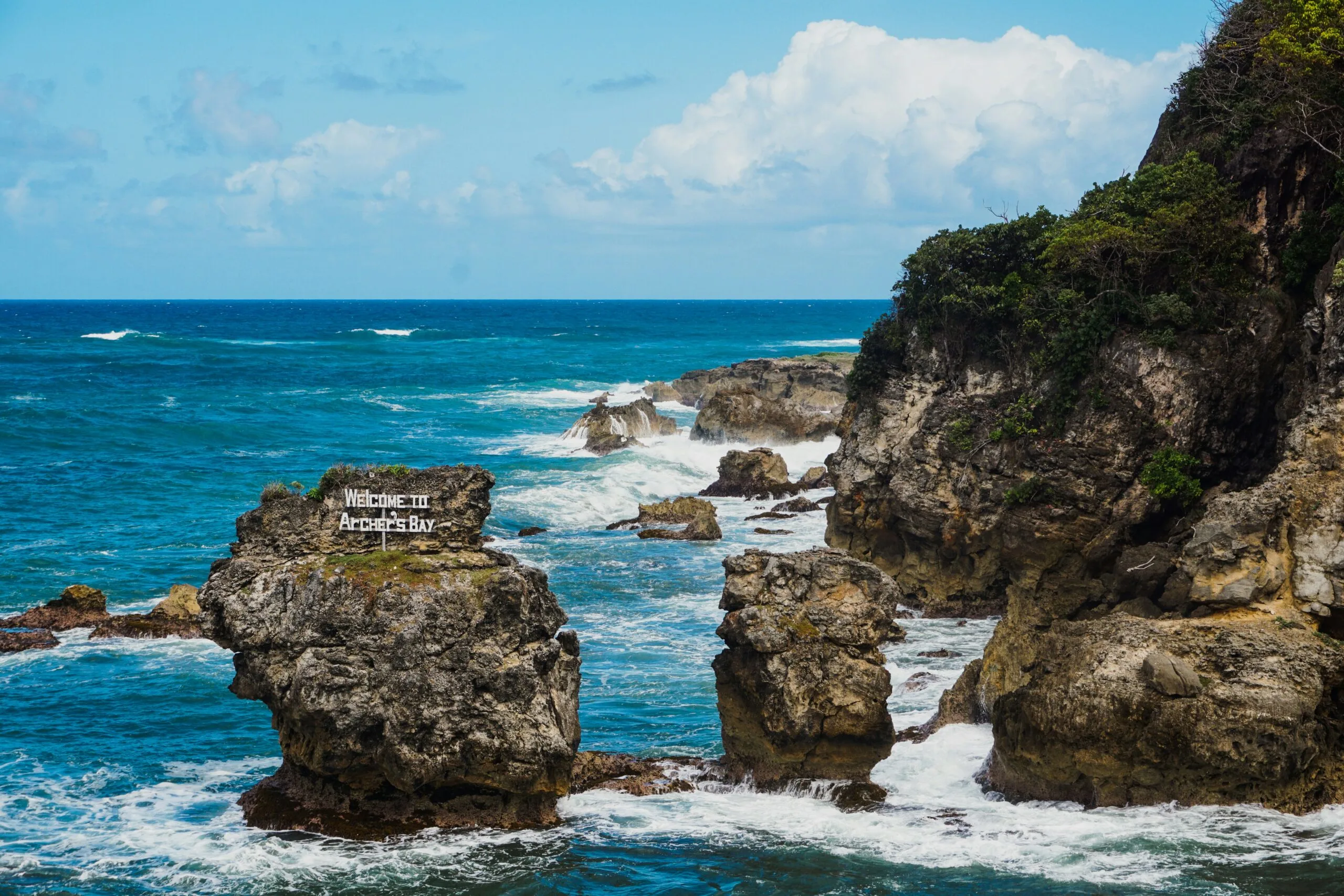
Barbados beats to its own rhythm, where the “wet season” simply means greener hills and happier wallets. Discover when to trade peak-season crowds for empty beaches, authentic fish fries, and serious value under the Caribbean sun.
Smart Travel Calendar
Why Visit Barbados?
Skip the winter price surge. Fly and stay for up to half the cost of peak season rates.
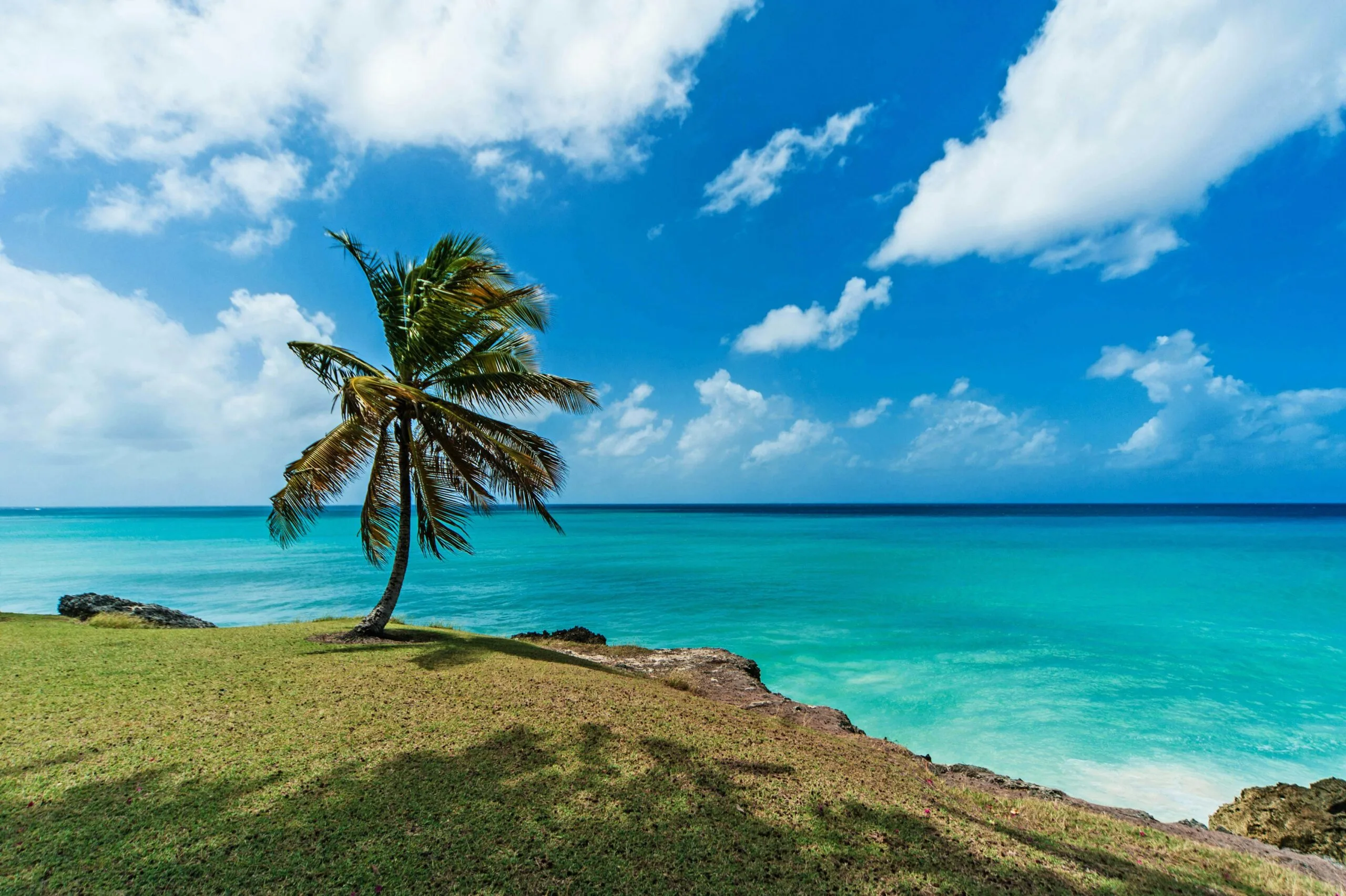
Have famous beaches nearly to yourself. Imagine Crane Beach with just sand, sea, and you.
Catch the island’s biggest party. Experience the vibrant Crop Over festival without June crowds .
Chat with locals at a rum shop. Enjoy real Bajan stories when the tourist rush is gone .
See a wilder, greener Barbados. Short showers make the east coast cliffs and gardens explode with color .
Snap photos without photobombers. Get Harrison’s Cave and Hunte’s Gardens all to yourself .
Shoulder Season
Your Smartest Windows
Early May to June
November
Avoid: The week of Crop Over (late July to first Monday in August) – the island fills up for Grand Kadooment .
What the Sky Does
Average temperatures: 26°C to 30°C (79°F to 86°F).
Get the “liquid sunshine” effect: Rain usually arrives as short, sharp afternoon bursts that clear quickly .
Trade winds keep the humidity from feeling oppressive, especially on the west coast.
May still feels mostly dry, while November is the transition back to perfect weather.
How Empty It Feels
Up to 40% fewer tourists compared to the winter peak .
South coast nightlife (St. Lawrence Gap) is lively but never overcrowded.
Bridgetown feels like a working Caribbean capital, not a cruise ship stampede.
You’ll find seating for the famous Oistins Fish Fry on a Friday night without an epic wait .
What You’ll Save
Flights and hotels drop by 30-50% once the calendar flips to May .
Car rental rates are significantly lower, and you won’t struggle to find a vehicle.
Attraction tickets (Harrison’s Cave, wildlife reserves) are easier to book same-day.
Lunch at local “shacks” is always cheap, but you’ll spend less on taxis due to lower demand.
The Secret Perk
Experience Rally Barbados (late May/early June), a huge motorsport event on the island .
The light is magical. Late afternoon sun filtering through scattered clouds is a photographer’s dream.
Gardens are at their peak. Hunte’s Gardens and Andromeda are impossibly lush after spring rains .
Real interaction. Farmers and vendors have time to chat when they aren’t serving massive crowds.
The Tiny Trade-Off
Higher humidity levels than the dry season (December to April).
The Atlantic side (east coast) has rougher surf and stronger currents this time of year.
Some luxury restaurants may close for a few weeks in late September/October (less relevant for May/Nov).
Sargassum seaweed can occasionally accumulate on south/east-facing beaches .
Smart Traveler Tip
Book the last two weeks of November. You get the pre-December vibes and festive preparations with November prices. If you love heat, late May is ideal for hot weather and low crowds.
Deep Off-Season
Your Smartest Windows
September to October
Avoid: The convergence of Crop Over (early August) —while technically deep off-season, this specific week sees a massive spike in local travel and party prices for Kadooment Day .
What the Sky Does
Average temperatures: 26°C to 31°C (79°F to 88°F), feels hotter due to humidity.
This is the heart of hurricane season, though Barbados is usually far south of the main tracks .
Expect cloudy spells, but also long stretches of intense, uncrowded sunshine.
The water is bathwater warm, perfect for swimming and snorkeling.
How Empty It Feels
Up to 60-70% fewer visitors than peak season.
Harrison’s Cave trams run half empty; you might get a private tour .
Historic sites like St. Nicholas Abbey are silent except for the monkeys.
The east coast (Bathsheba) feels truly wild and deserted.
What You’ll Save
Up to 50-60% off resort rates compared to December prices .
Flight sales are common during these months.
“Two-for-one” deals at resorts are standard, often including meals.
Taxi drivers are negotiable; they appreciate the business in the slow months.
The Secret Perk
It is the best time for rum tours. You get extended time with distillers at Mount Gay or Foursquare without a crowd .
Coziness is redefined. Watching a tropical storm roll in from a resort balcony is a dramatic, relaxing experience.
You can attend the Barbados Food and Rum Festival in late October (cusp of deep/shoulder) .
Genuine quiet. You will hear the wind in the palm trees more than the chatter of tourists.
The Tiny Trade-Off
Higher risk of a rainy day (though usually just a few hours).
Some beach bars and small tour operators may close or reduce hours.
Sea conditions can be rougher on the west coast, though usually still swimmable.
Moss and algae can make some north coast rocks slippery.
Smart Traveler Tip
Buy travel insurance that covers weather delays, but don’t stress—hit hurricanes are rare .
Pack light linen clothing and a poncho.
Stay on the West Coast (Platinum Coast) during these months; it is the most sheltered from any swell or seaweed issues .
Find Off-Peak Flights
Uncrowded Experiences & Tours
Skip the lines and experience iconic landmarks at your own pace. Discover curated local tours and cultural activities designed to show you the authentic side of the destination without the peak-season rush.
FAQs
Essential Trip Information
Visa and Entry Requirements
Barbados offers visa-free or visa-on-arrival entry to most nationalities for stays up to 90 days.
Passports must be valid for the duration of your stay.
Visitors may be asked for proof of return/onward travel and sufficient funds.
U.S., Canadian, EU, UK, and most Commonwealth citizens do not need a visa.
For visa details by nationality, consult the Barbados Immigration Department.
Currency
The official currency of Barbados is the Barbadian Dollar (BBD). However, the US Dollar (US$) is widely accepted across the island, and prices in many tourist-oriented establishments are often quoted in US$. The fixed exchange rate is approximately 2 BBD to 1 US$.
Bills: 1 BBD to 100 BBD. Coins: 1¢ to 1 BBD.
Best Ways to Handle Currency
- Before Your Trip: While not strictly necessary due to widespread US$ acceptance, you can exchange a small amount of US$ for BBD if you wish.
- During Your Trip: ATMs are readily available at banks and major shopping centers. They dispense BBD. Credit/debit cards (Visa, Mastercard) are widely accepted at hotels, restaurants, and shops. It’s advisable to carry US$20–50 in small denominations for local vendors, roadside stalls, or smaller establishments that may prefer cash or not have card facilities.
- What to Avoid: Avoid exchanging large amounts of currency at hotels as their exchange rates are generally less favorable. Always choose to be charged in BBD to ensure the best exchange rate.
Language
English is the official language.
The local dialect, known as Bajan dialect or Bajan Creole, is a colorful and expressive form of English.
Helpful phrases: “Hey man” (casual greeting), “Wha gine on?” (What’s going on?), “Tank you” (Thank you).
Safety & Security
Barbados is generally a safe destination, but exercise caution, especially in isolated areas or at night.
Be aware of your belongings in crowded tourist areas and on beaches.
Do not leave valuables unattended on the beach.
Emergency number: 211 (Police), 511 (Ambulance), 311 (Fire).
Health & Insurance
No special vaccinations are typically required for entry, but ensure your routine vaccinations are up to date.
Travel insurance is highly recommended due to the cost of international healthcare.
Pharmacies are readily available. Tap water is generally safe to drink throughout the island.
Protect yourself from the sun with high SPF sunscreen and stay hydrated. Mosquito repellent is advisable, especially around dawn and dusk.
Transportation
ZR Vans/Buses: The public transport system is extensive and affordable. ZR vans (minibuses) are a popular and lively way to get around.
Buses: Large blue government buses also operate throughout the island.
Taxis: Widely available, especially at hotels and popular tourist spots. Confirm the fare with the driver before beginning your journey.
Car Rentals: A popular option for exploring the island at your own pace. Driving is on the left-hand side of the road. A temporary Barbados driver’s permit is required, obtainable with your national driver’s license.
Price Level
Barbados can range from moderate to expensive, particularly for high-end accommodation and dining in prime tourist areas.
Accommodation
- Budget: Guesthouses/apartments (US$70–150/night)
- Mid-range: 3-star hotels/villas (US$180–350/night)
- Luxury: 4-5 star resorts (US$400+/night)
Food
- Quick eats: Fish cutters from roadside stalls (US$5–10), local eateries (US$10–20)
- Casual dining: US$25–50/person
- Fine dining: US$70+/person
Drinks
- Beer: US$4–8 (bars), US$2–4 (supermarkets)
- Cocktails: US$10–18
Transportation
- Public bus (ZR van/bus): US$1.75/ride (fixed fare)
- Taxis: US$15–40 for short to medium trips (negotiate fare before starting)
- Car rentals: US$40–80/day (depending on vehicle type)
Money-Saving Tips
- Eat at local “rum shops” or “fish fry” events for authentic and affordable Bajan cuisine.
- Utilize the ZR vans (small, white public minivans) for cost-effective transportation.
- Look for happy hour deals at bars and restaurants.
- Consider self-catering if staying in an apartment or villa to save on food costs.
Planning Your Trip
Local Customs And Etiquette
Greetings: A friendly “Good morning” or “Good evening” is appreciated in shops and public places.
Dress Code: Beachwear is for beaches. Dress modestly in towns and restaurants.
Tipping: 10–15% is customary if not already included in your bill.
Language: English is official; Bajan dialect (Creole English) is widely spoken informally.
Respect: Avoid discussing politics or poverty casually; Bajans are proud of their heritage.
Budgeting For Your Trip
Accommodation:
- Budget: US$60–120 (guesthouses, hostels).
- Mid-range: US$150–300 (boutique hotels, beachside apartments).
- Luxury: US$400+ (resorts, villas).
Food:
- Street food: Fish cutters, rotis (~US$5–10).
- Casual dining: US$15–30.
- Upscale restaurants: US$50–100+ (e.g., The Cliff, Champers).
Transport:
- Buses: US$1.75/ride.
- Car rental: US$50–90/day.
- Taxis: US$10–30 depending on route.
Activities:
- Many beaches & local events are free.
- Catamaran cruise: ~US$90–120.
- Entry to Harrison’s Cave: US$30.
Daily Budget:
- Budget: US$80–120 (hostel, buses, street food).
- Mid-range: US$180–300 (hotel, restaurant meals, activities).
- Luxury: US$400+ (resorts, fine dining, tours).
Internet & Mobile
Wi-Fi: Widely available in hotels, cafes, and public spaces.
SIM Cards:
- Providers: Digicel, Flow.
- Prepaid plans: US$25–40 for 10GB.
- Available at the airport and in Bridgetown.
eSIMs: Supported (e.g., Airalo, GigSky) for easy activation on arrival.
Travel Insurance
Highly recommended for:
Medical coverage (Barbados has good private clinics, but costs can add up).
Trip delays or cancellations due to hurricanes or airline issues.
Adventure activities: Water sports, boat tours, zip-lining—ensure your policy includes these.
Accomodation Options
From luxury beachfront escapes to cozy guesthouses, Barbados caters to a wide range of travelers.
Luxury:
- Elegant resorts: Sandy Lane (St. James), Fairmont Royal Pavilion.
- All-inclusive options: The Crane Resort, Tamarind by Elegant Hotels.
Mid-range:
- Boutique hotels: Little Arches (Christ Church), Sugar Bay Barbados.
- Villas & apartments: Great value for groups and longer stays.
Budget:
- Guesthouses & hostels: Rio Guesthouse (St. Lawrence Gap), Dover Beach Hotel (~US$70–120/night).
- Airbnbs: From US$50/night for private rooms.
Unique Stays:
- Colonial-style plantation inns, oceanfront apartments.
- Eco-lodges and quiet hilltop retreats.
Tip: Book early during Christmas–New Year and Crop Over (July–August).
Getting Around
Barbados is small (166 sq mi / 430 km²), so getting around is easy and affordable.
Buses & Public Vans (“ZRs”):
- Reliable, flat fare: US$1.75 per ride.
- Blue government buses and privately operated white vans with loud music.
- Popular routes: Bridgetown to Oistins or Speightstown.
Taxis:
- No meters; negotiate fares before starting the ride.
- Typical short trip: US$10–25, airport to west coast ~US$30.
- Use authorized taxis with “Z” license plates.
Car Rentals:
- Good for exploring remote beaches or inland parishes.
- US$50–90/day, left-hand driving.
- Permit required (~US$5–10, issued by rental agencies).
Tours & Transfers:
- Island tours with local guides: ~US$50–80 for half-day.
- Airport-hotel shuttles offered by many hotels.
Bold Recommendation: Use public buses for budget travel and rent a car for beach-hopping and countryside exploration.