 Skip to content
- How Much Can I Save By Traveling To Turkmenistan In The Low Season?
You can save roughly 20% to 30% on international flights alone. March is consistently the cheapest month to fly to Turkmenistan, with airfare dropping by an average of 27% compared to peak season prices . While exact hotel discount percentages are not publicly listed due to the country's unique tourism system, traveling during the low season (summer or deep winter) makes tour packages highly negotiable with authorized local operators.
By visiting smartly, you unlock Better Value for private guided experiences. The savings on flights could cover a private driver and translator for multiple days, which is the recommended way to navigate the country's strict visa and movement regulations. While the weather requires sacrifice, your budget stretches significantly further, allowing for a more comfortable overall experience.
- Is The Weather Ever Pleasant For Exploring Ancient Ruins?
Yes, absolutely, during the spring and autumn shoulder seasons. April, May, September, and October offer daytime temperatures between 20°C and 30°C (68°F to 86°F), which is perfect for walking the extensive archaeological zones of Merv, Kunya-Urgench, and Nisa . These months also see very low rainfall—only 4-5 rainy days per month in summer and autumn—meaning you will have clear skies for photography and drone shots .
The drawdown is that these are also the most popular windows for the few tourists who visit Turkmenistan, so you will not have sites completely to yourselves. However, "crowded" here is relative; you might see a handful of other travelers instead of zero. April also brings occasional sandstorms and the Nowruz (Persian New Year) celebrations, which add cultural richness but can cause short-term accommodation tightness .
- Will The Darvaza Gas Crater Be Accessible In Winter?
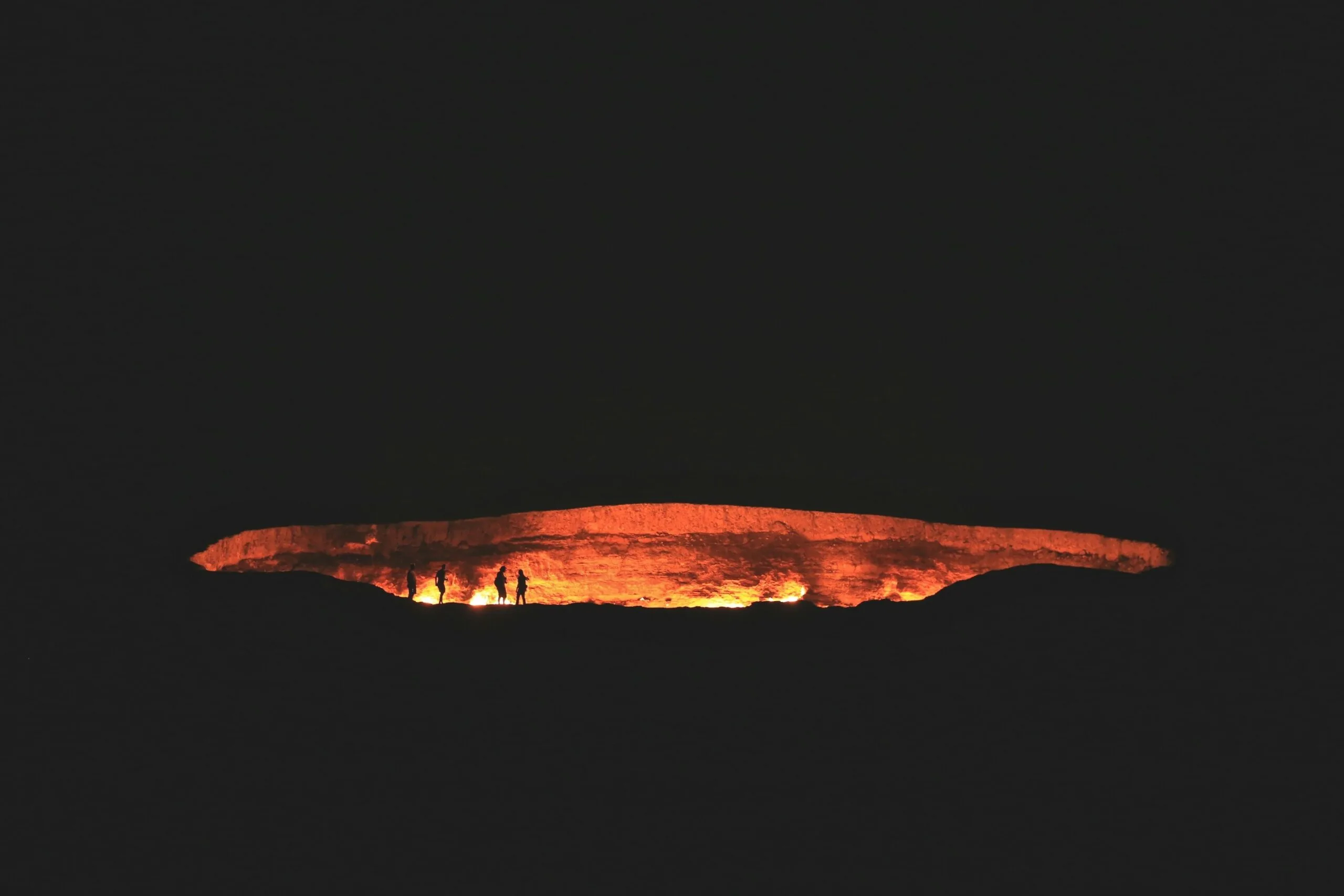
Yes, and winter might actually be the best time to see it. From December to February, temperatures in the Karakum Desert near Darvaza drop to -5°C to 5°C (23°F to 41°F) during the day and can plunge below freezing at night . This makes camping near the crater much more comfortable than in summer, as you can actually enjoy the warmth of the burning gas without battling 40°C heat.
The drawdown is that winter nights are brutally cold, requiring extreme-cold sleeping bags and thermal layers if you plan to overnight at the crater. Some remote desert roads may also become muddy or inaccessible after rare winter rains. To Exploit Travel Seasonality, plan your Darvaza overnight for October or November, when daytime temperatures are pleasant and nights are cool but not freezing, giving you the ultimate "fireside in the desert" experience with minimal discomfort.
- Why Should I Avoid The Spring Peak Season For Cultural Tourism?
You should avoid it if you dislike rigid planning, limited availability, and the highest prices of the year. April and October are universally recommended as the "best" months, meaning flights are most expensive, preferred local guides book up weeks in advance, and you will encounter more travelers at UNESCO sites like Merv . The difference in flight prices between low season (March) and high season (June) can be roughly 27%, a significant saving for choosing the hotter month instead .
By choosing the deep off-season of July, August, or January instead, you embrace Smart Travel principles. You will have ancient caravanserais, fortresses, and mausoleums entirely to yourself, with no one photobombing your shots of the Darvaza Crater at sunset. The trade-off is extreme temperatures, but the reward is a truly private encounter with the remnants of the Silk Road. For official visa requirements before booking, always consult Turkmenistan's State Migration Service here.

Home > Exploit The Seasons > Seasonal World Map > Asia > Turkmenistan
TURKMENISTAN
Turkmenistan reveals its marble monuments and desert wonders best between extremes. Skip the furnace summer and biting winter for mild skies over Ashgabat, quiet moments at the Darvaza Crater, and authentic encounters without the peak season’s logistical strain.
Smart Travel Calendar
Why Choose Turkmenistan Off-Season?
Conquer the ‘Door to Hell’ in Comfort: Camp at the Darvaza Gas Crater without summer’s 45°C heat or winter’s freezing desert winds .
Nauryz Celebrations: Time your trip for Nowruz (March 21-23) to experience vibrant local traditions, music, and food before the tourist season begins .
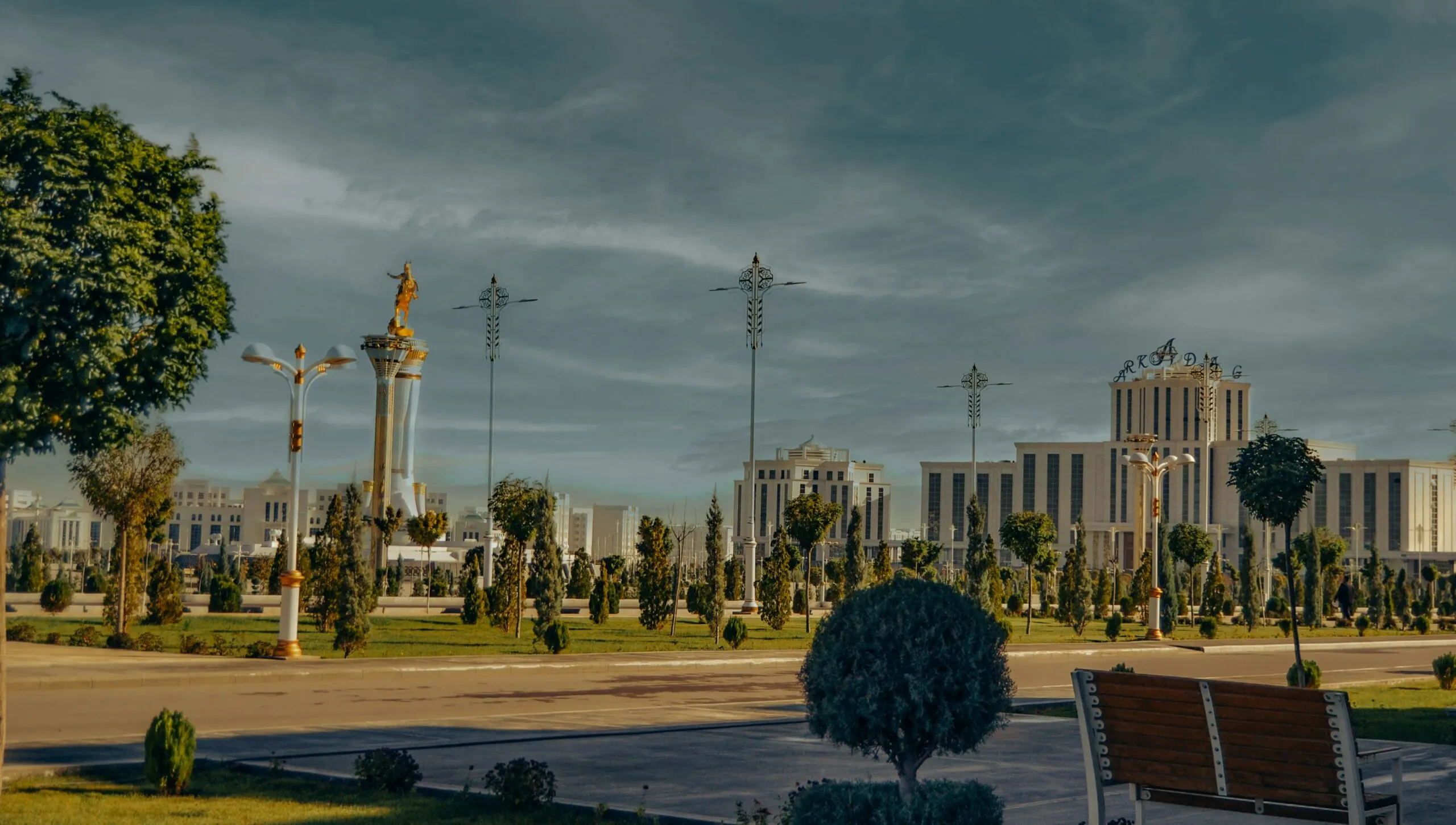
Photographer’s Paradise: Capture the kaleidoscopic colors of Yangykala Canyon and white-marble Ashgabat in perfect golden, low-humidity light .
Have the Bazaars to Yourself: Shop the sprawling Russian Bazaar or Tolkuchka Market without the chaos of summer crowds .
Better Negotiating Power: With fewer travelers, local drivers and tour operators are far more open to bargaining on private transfers .
No ‘A/C Tax’: Avoid the premium price surge on mid-range hotel rooms that have good air conditioning during the brutal summer .
Shoulder Season
Your Smartest Windows
April to early June (Spring Bloom)
September to mid-October (Golden Autumn)
Avoid: Late March (Nowruz holiday period causes a local travel spike and potential closures) .
What the Sky Does
Apr/May: 15°C to 30°C (59°F to 86°F) – Pleasant sunshine, though occasional dust storms can roll across the Karakum .
Sep/Oct: 18°C to 28°C (64°F to 82°F) – Mild days, crisp nights, and excellent visibility with very low humidity .
Rainfall is minimal: But April can see brief showers that bring wildflowers to the desert .
Low wind: Unlike the harsh winter, the steppe winds are calm, making outdoor exploration safe
How Empty It Feels
~50-60% fewer tourists versus the theoretical “peak” (which is still very low by global standards).
Ashgabat: Feels spacious; you’ll have the white marble streets and parks almost to yourself .
Yangykala Canyon: Experience total solitude; it’s just you and the ancient seabed.
Hotels: Easy to find rooms without needing weeks of advanced confirmation.
What You’ll Save
20-30% off flight and hotel rates compared to winter transit or summer “extreme” tours .
Driver bargaining: Taxis and private drivers offer significantly lower rates due to low demand .
Sightseeing efficiency: No waiting times at the neutral arch or the National Museum.
Dining: Open-air cafes in Ashgabat are open but not packed.
The Secret Perk
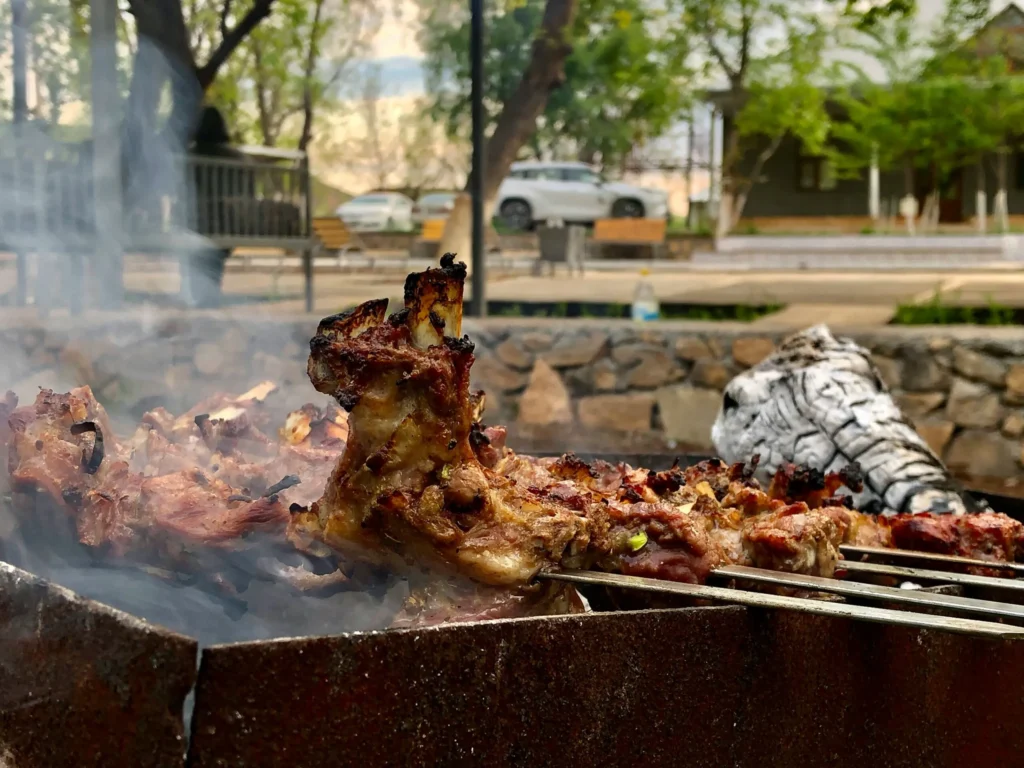
Melon Season: Autumn is harvest time for Turkmenistan’s famous sweet melons—an absolute must-try at local markets.
Wildflowers: In a rare spectacle, the desert blooms in April after the winter rains .
Golden Hour Light: The low sun angle in October paints the white marble buildings of Ashgabat and the red canyon walls perfectly .
Genuine local interaction: With fewer official tours running, your interactions at bazaars or tea houses feel more authentic.
The Tiny Trade-Off
Dust storms: March and April can occasionally see dusty winds from the Karakum Desert .
Cool nights: Temperatures can drop significantly at night (near 5°C/41°F) in April and October .
Mud at edges: If visiting the Caspian Sea (Turkmenbashi), the water might still be chilly for swimming in April .
Still very isolated: While weather is good, international connectivity to Ashgabat (ASB) remains limited.
Smart Traveler Tip
Target mid-September to early October for the absolute sweet spot—the summer heat is gone, but winter chills haven’t arrived .
Secure your Letter of Invitation (LOI) at least 6-8 weeks before travel; processing times can double during the Nowruz holiday week .
Deep Off-Season
Your Smartest Windows
November to March (The Winter Lull)
Avoid: Late December to early January (Infrastructure slows down significantly for domestic holidays; it’s very cold) .
What the Sky Does
-5°C to 10°C (23°F to 50°F). Expect freezing nights, frost, and occasional snow in the north (Dashoguz) .
Dry cold: It feels colder due to wind on the steppe, but there is virtually no rain .
Caspian gales: The western coast near Turkmenbashi can experience high winds, delaying ferries .
How Empty It Feels
~80-90% fewer tourists. You might be the only foreigner in your hotel.
Museums/Indoor sites: The National Carpet Museum and Ashgabat’s indoor bazaars are cozy and crowd-free .
Historic ruins: Ancient Merv feels hauntingly deserted under grey winter skies.
Local feel: This is real Central Asian winter life—slow, cozy, and very hospitable.
What You’ll Save
Lowest Prices: Flights are at their annual low (though connectivity drops) .
Hotels: Luxury Ashgabat hotels (like the Yyldyz) often drop prices by 40-50% .
Tours: Private guides desperate for work offer steep discounts for “walking city tours.”
Car rental: Not advisable due to ice, but private drivers are incredibly cheap.
The Secret Perk
Cozy tea houses: Perfect time to sit inside a local chaykhana (tea house) drinking hot black tea with locals.
Carpet shopping: The best time to negotiate hard on carpets, as the dealers have few customers .
The silence of the desert: Watching the Darvaza Crater burn in -5°C air is a truly intense, cold-weather adventure .
Zero dust: The air is crisp, clean, and free of the summer dust that irritates eyes and throats .
The Tiny Trade-Off
Daylight is short: Sunset is around 5:30-6:00 PM, limiting outdoor exploration time.
Shuttered services: Some tourist cafes and remote rest stops close entirely .
Freezing nights: Camping at Darvaza is for serious winter campers only (requires extreme gear) .
Ice roads: Driving on the highways between cities can be slippery and dangerous.
Smart Traveler Tip
Go in February for the best chance of “beautiful” snow cover in the north without the extreme -20°C lows of January .
Pack like an onion: Thermal base layers, a thick fleece, and a hard-shell wind jacket. Gloves are mandatory for the wind.
Focus on cities: Use winter to explore the underground hospital of Kow Ata and the museums of Ashgabat, saving the outdoor canyons for shorter daylight windows.
Find Off-Peak Flights
Uncrowded Experiences & Tours
Skip the lines and experience iconic landmarks at your own pace. Discover curated local tours and cultural activities designed to show you the authentic side of the destination without the peak-season rush.
FAQs
Essential Trip Information
Visa and Entry Requirements
Turkmenistan has strict visa policies, and nearly all nationalities must obtain a visa in advance.
Most tourists require a Letter of Invitation (LOI) from a Turkmen travel agency.
Visa on arrival is only available under special circumstances and requires prior approval.
Transit visas (up to 5 days) are available but not guaranteed.
Passports must be valid for at least 6 months from your date of entry.
Expect to be asked for your accommodation bookings, proof of funds, and travel itinerary upon entry.
Check the official State Migration Service site: https://migration.gov.tm/en
Currency
The national currency is the Turkmenistan Manat (TMT).
Best Ways to Handle Currency
- Before Your Trip: Bring clean, new US$ notes; change some at airports or hotels.
- During Your Trip: Use local banks or authorized exchange offices; ATMs are unreliable outside Ashgabat.
- Credit cards are not widely accepted—carry sufficient cash in US$ and exchange as needed.
- Avoid unofficial exchangers (illegal and risky).
Language
Turkmen is the official language. Russian is also widely spoken, especially in Ashgabat and among older generations.
Helpful phrases in Turkmen: “Salam” (Hello), “Sag bol” (Thank you), “Haýsy ýer…?” (Where is…?), “Nähili?” (How much?).
Safety & Security
Turkmenistan is generally safe with low crime rates, but always exercise caution.
Be aware of your surroundings, especially in crowded markets.
Do not photograph government buildings or military installations.
Emergency number: 03 (Ambulance), 01 (Fire), 02 (Police).
Health & Insurance
No special vaccinations are required for entry, but routine vaccinations (MMR, DPT, Polio) are recommended. Consult your doctor for advice on Hepatitis A, B, and Typhoid.
Travel insurance is highly recommended, as medical facilities may be limited outside of Ashgabat.
Pharmacies are available in larger cities. Tap water is generally not safe to drink; drink bottled water.
Transportation
Internal flights: Turkmenistan Airlines operates domestic flights between major cities (e.g., Ashgabat, Turkmenbashi, Dashoguz).
Trains: A limited train network connects some cities, but can be slow.
Taxis: Widely available in cities; negotiate the fare before starting your journey.
Organized Tours: For most tourists, transportation will be arranged by your tour operator as part of your itinerary, often using private vehicles.
Price Level
Turkmenistan can be moderate to expensive for tourists, largely due to visa requirements and the need for guided tours.
Accommodation
- Budget: Guesthouses (limited options, may be part of tour package)
- Mid-range: 3-star hotels (US$70–150/night)
- Luxury: 4-5 star hotels (US$150+/night)
Food
- Quick eats: Local cafes/canteens (US$5–10)
- Casual dining: US$15–30/person
- Fine dining (mainly in Ashgabat): US$40+/person
Drinks
- Beer: US$2–5 (restaurants/bars), US$1–2 (supermarkets)
- Soft drinks: US$1–3
Transportation
- Local taxis within cities: US$2–10 per ride (negotiate fare)
- Intercity travel (arranged by tour): Varies widely
- Public transport (buses, trolleybuses in Ashgabat): Less than US$1
Money-Saving Tips
- Opt for group tours to share costs of transport and guides.
- Eat at local “chaykhanas” (teahouses) or small cafes for authentic and affordable meals.
- Negotiate prices when taking unofficial taxis or buying souvenirs in markets.
Planning Your Trip
Local Customs And Etiquette
Religion & Conservatism: Turkmenistan is Muslim-majority but relatively secular. Dress modestly, especially outside Ashgabat.
Photography: Do not photograph government buildings, military, police, or checkpoints.
Tipping: Not mandatory but appreciated – 5–10% in restaurants, ~US$1–2 for hotel staff.
Greetings: Handshakes are common among men. Always use the right hand when giving/receiving.
Behavior: Avoid political discussions, especially about the president. The country is tightly controlled.
Hospitality: Guests are treated with great respect – it’s polite to accept tea and snacks when offered.
Budgeting For Your Trip
Accommodation:
- Budget: US$20–40
- Mid-range: US$50–80
- Luxury: US$100–200+
Food:
- Local cafes (chaikhanas): US$3–7 for pilaf, kebabs, soups.
- Sit-down restaurants: US$10–25.
- Hotel dining: US$30+ per person.
Transport:
- Trains: US$5–20 per trip.
- Domestic flights: US$30–50.
- Car with driver: ~US$70/day.
Activities:
- Entrance fees: US$2–10 (e.g., Merv, Nisa).
- Tours (Darvaza, Yangykala): US$50–150/day with transport.
Daily Budget:
- Budget: US$60–90 (shared taxis, local meals, budget hotels).
- Mid-range: US$130–180 (private tours, guesthouses, restaurant dining).
- Luxury: US$250+ (private driver, top hotels, organized excursions).
Internet & Mobile
Free Wi-Fi: Rare and often slow. Found in luxury hotels and a few cafes in Ashgabat.
SIM Cards: Altyn Asyr (state-run) – limited to residents or arranged through tour operators. Don’t expect international roaming to work.
eSIMs: Not supported. Use offline maps and translation apps.
Tip: Download key info before you arrive. Access to many websites (e.g., social media, news) is restricted.
Travel Insurance
Highly recommended: Healthcare is basic and travelers are required to show proof of insurance for visa approval.
Emergency care: Limited; Ashgabat has some private clinics, but serious cases may need evacuation.
Adventure coverage: Required for camping trips to Darvaza or mountain trekking.
Bold Recommendation: Ensure your travel insurance covers evacuation and includes a certificate for visa application.
Accomodation Options
Turkmenistan’s tourism industry is state-controlled but has a growing variety of hotels and guesthouses.
Luxury:
- Ashgabat: Yyldyz Hotel (5-star, skyline views), Oguzkent (Kempinski-run, international standard).
- Avaza: High-end seaside resorts on the Caspian coast.
Mid-range:
- Mary Hotel (near Merv ruins), Hotel Dashoguz.
- Private guesthouses increasingly available (~US$40–60/night).
Budget:
- Hostels are limited. Budget hotels in Ashgabat or shared accommodation (~US$20–35/night).
- Local homestays possible in rural areas (arrange through guides).
Unique Stays:
- Darvaza Camping: Basic yurts or tents near the burning gas crater (~US$25–50, often part of tour).
- Mountain villages: Homestays in Köýtendag or Nokhur with traditional family meals.
Tip: Book via tour operators or local agencies as many hotels aren’t listed online. Some hotels require local sponsorship or permits.
Getting Around
Infrastructure is developing, and distances between sites can be vast. Planning ahead is key.
Trains:
- Inexpensive and scenic across desert landscapes; routes include Ashgabat–Mary–Turkmenabat.
- Slow but reliable; 1st class sleepers recommended for long routes (US$5–20).
- Book at least a day in advance; English may not be spoken.
Buses and Shared Taxis:
- Marshrutkas (minibuses) are common between towns, cheap (US$1–10) but crowded.
- Shared taxis are faster, more expensive (US$10–50), and require negotiation.
Domestic Flights:
- Flights connect Ashgabat with Mary, Dashoguz, and Turkmenbashi (~US$30–50).
- Turkmenistan Airlines is state-run and punctual; ID/passport required even for domestic travel.
Car with Driver:
- Recommended for flexibility; especially for reaching remote sites like Darvaza or Yangykala Canyon.
- Expect ~US$60–100/day including fuel.
Self-driving:
- Not advised due to road conditions, checkpoints, and lack of signage.
Bold Recommendation: Hire a local driver or use domestic flights for long distances; trains offer scenic and affordable options for overland travel.